Every response reflects what matters most to the kids in our community-rooted residential care: feeling supported, staying connected to family, and having opportunities to grow. Their feedback guides us as we strengthen programs and continue building supportive, relationship-centered environments across our homes.
What Kids Say Makes the Difference
Youth shared what they value most in their experience with us. Here’s a snapshot of their feedback (edited for readability and privacy):
“The staff are very caring.”
“I’m able to see my family every week. Staff also care about us.”
“I like that they give me an opportunity to correct my mistakes and move on.”
Three strengths stood out across our homes:
Nutritious, consistent meals supporting physical and emotional well-being
Trauma-informed, de-escalation-based care
Coaching around prescribed medications to empower youth in their treatment
Strong Results Across Our Residential Programs
Survey scores reflected high satisfaction, with every home and every question averaging above 3.5.
Lewis and Clark (Helena), North Skyline (Great Falls), and our Boulder campus each received scores above 4.0, reinforcing the high-quality, relationship-focused care happening within our therapeutic group homes.
For families served through our community-based services, watch for a survey arriving by email in the weeks ahead.
What brings families back to the same table year after year? A place where they feel supported, welcomed, and connected.
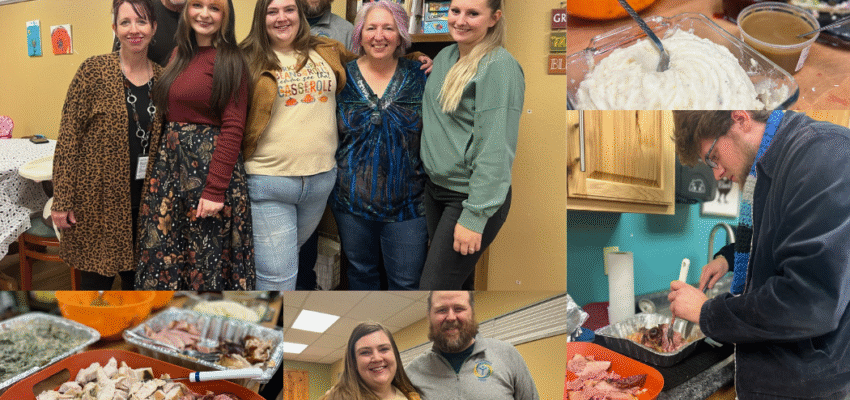
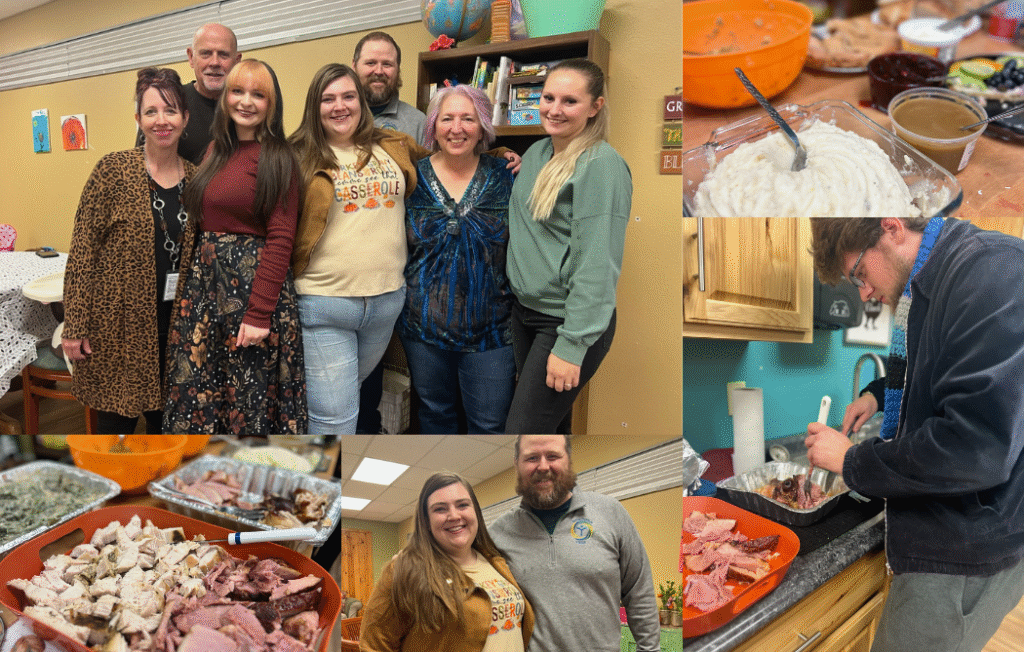
This week, families gathered once again in Kalispell for our annual Thanksgiving dinner hosted by our Child Welfare Prevention and Support Services (CWPSS) team. Local families, CASA workers, and partners from Child and Family Services joined us for an evening of sharing a meal, reconnecting, and strengthening the relationships that help kids thrive.
A Tradition Rooted in Family and Community Connection
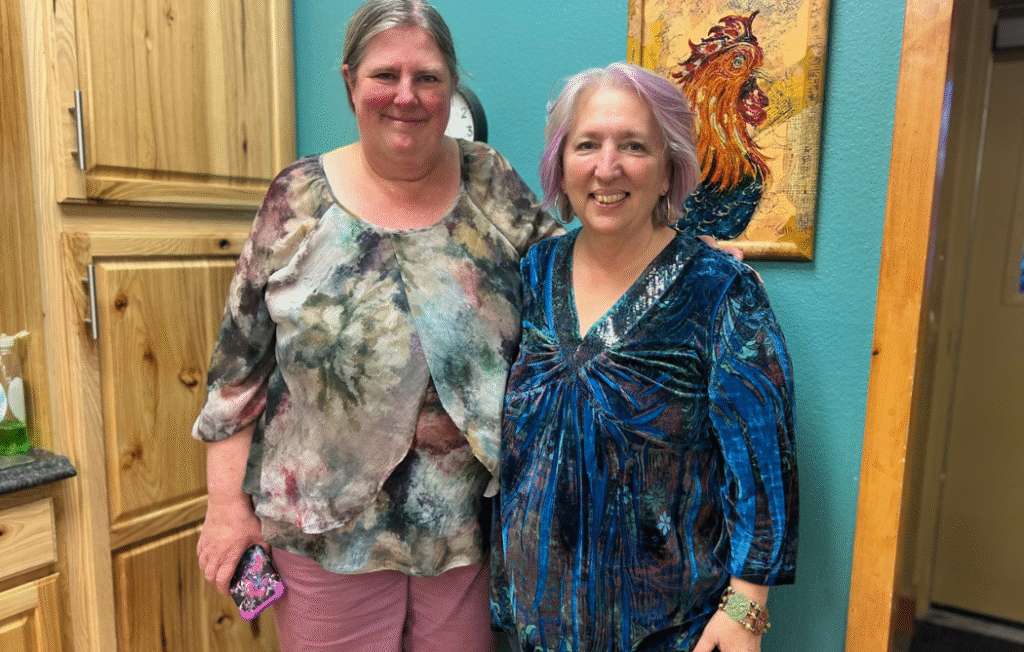
This Thanksgiving dinner tradition began years ago in Kalispell with Berni McDonald, CWPSS Program Supervisor, and Tammy Eads, Administrative Supervisor—long before either joined our YBGR family.
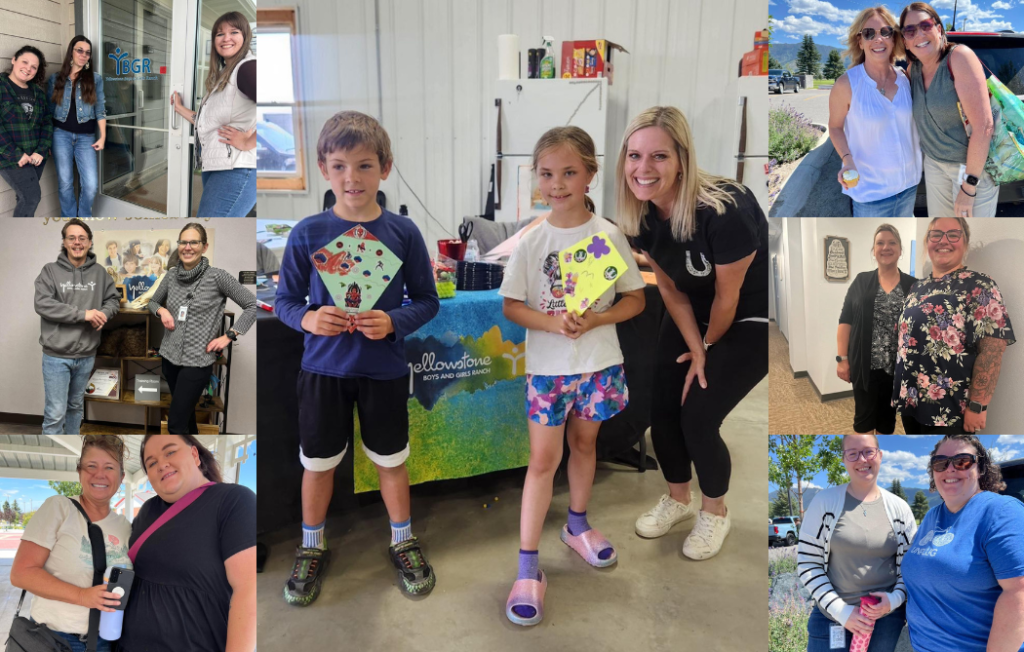
Pictured: Tammy Eads, Kalispell Administrative Supervisor, and Berni McDonald, CWPSS Supervisor, at last night’s Thanksgiving celebration for families. This holiday tradition began years ago with Tammy and Berni—long before they joined the YBGR team. The two created it to support Flathead County families.
What began as a simple effort to bring people together has grown into a meaningful tradition for current families, program graduates, and our community partners, who form a critical network of support for the Flathead County residents we serve.
Since becoming part of the YBGR umbrella of care, our Child Welfare Prevention and Support Services program in Kalispell has helped dozens of families find stability and build strong foundations for the future.
Expanding Child Welfare Prevention and Support Services Across Montana
Because of the impact in Kalispell and the growing need statewide, our Child Welfare Prevention and Support Services program is now expanding across our community-based care locations.
The program partners with Child and Family Services—blending parent education, parent coaching, and care coordination to prevent separation, support reunification efforts, and strengthen family systems.
Events like this dinner show what that work looks like in action: connection, consistency, and a community that shows up for families.
To everyone who made this night possible—and to the families who open their lives to us—thank you. Your trust, care, and commitment are valued. We’re grateful for you.
The Lake County team—Anna Paige, Home Support Services Specialist; Siera Chowning, Therapist; and Timothy Sellars, Targeted Case Manager—provides therapy, skill-building, and family support to help youth stay connected to their homes and schools. Their work strengthens family systems and builds the resilience needed for kids to thrive within their communities.
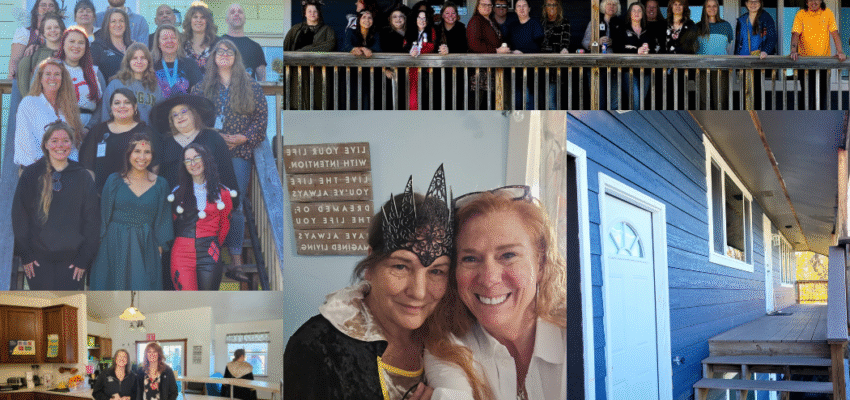
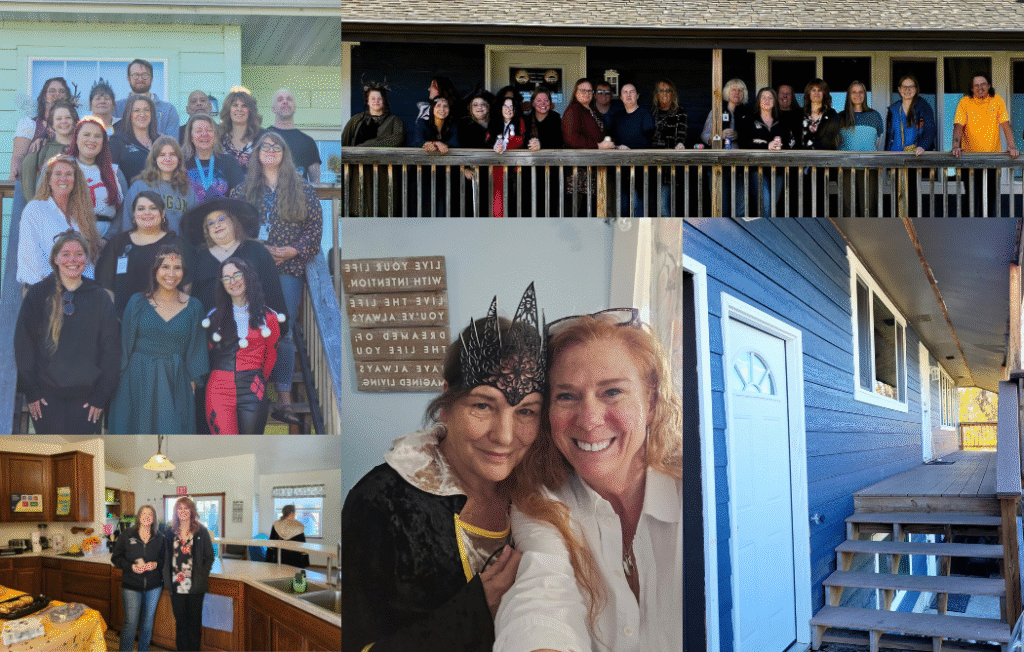
Our Billings Group Home team gathered this week, welcoming crewmates from the Ranch and across the state for a festive, Halloween-themed tour of our homes, including the newly renovated River’s Edge space.
The event brought together caring people from across our network who deliver care through our therapeutic group homes in Billings and beyond. Between laughter, costumes, and reconnecting, the celebration reflected the teamwork and commitment that fuel our mission.
Strengthening Care Across Montana
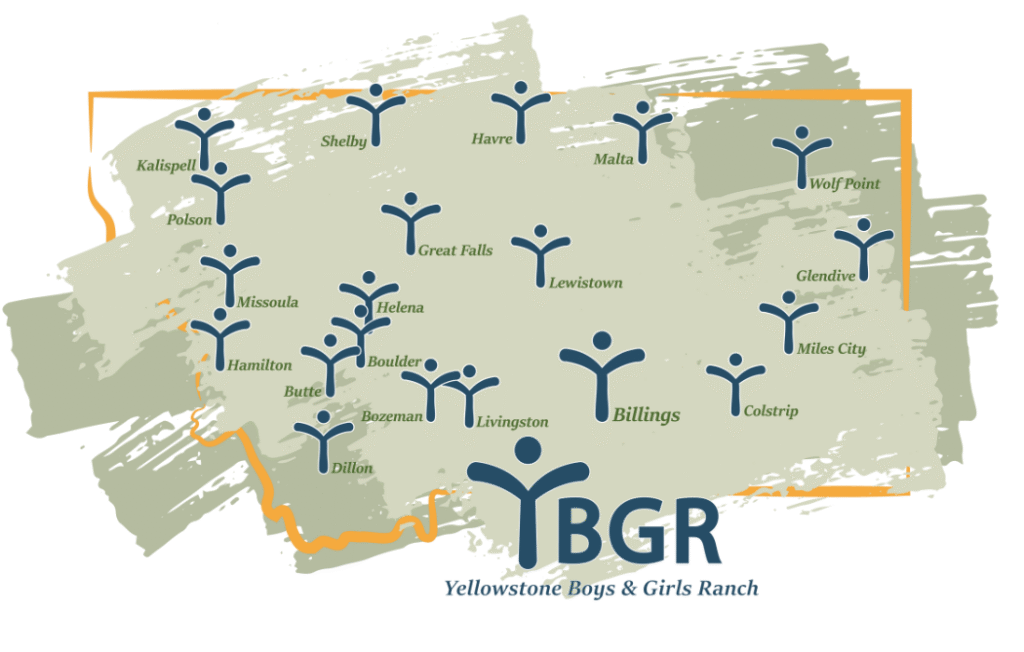
For youth struggling with behaviors that impact their safety, daily functioning, or ability to attend school, we provide structured, family-style care through our Therapeutic Group Homes in Billings, Boulder, Helena, and Great Falls. Each home offers 24-hour supervision, treatment, and advocacy in a supportive community setting—helping youth find stability and build resilience.
Across Montana, our residential group home and Ranch teams provide care for youth in need of safe, structured environments that support their path toward healing. Every day, they create nurturing spaces where kids grow stronger, build relationships, and move toward brighter futures.
We’re grateful for their dedication and for the life-changing work they do daily with the youth in our care.
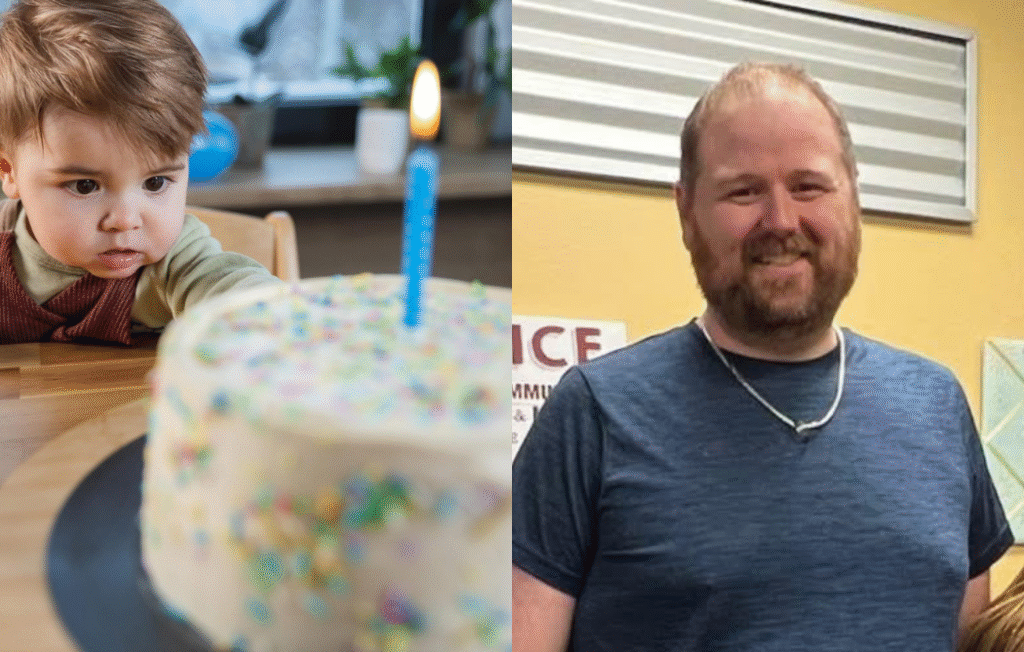
What does “Caring people, preparing youth for life” look like in action? Sometimes, it’s as simple as showing up with a cake.
In Kalispell, a child in our Child Welfare Prevention and Support Services (CWPSS) program recently celebrated their first birthday. When the father couldn’t bring something to mark the day, Michael Palumbo, Family Unification Specialist, stepped in—picking up a smash cake and a candle so the milestone wouldn’t go uncelebrated.
It was a small gesture that spoke volumes about the heart of our mission. Acts of care like this remind us that caring for children and families isn’t only about services—it’s about people who notice the little things and go the extra mile.
Strengthening Families Across Montana
Our CWPSS program partners with Child and Family Services to strengthen families and keep kids safely at home whenever possible. Through parent education, supervised visitation, and care coordination, our team helps prevent separation and supports reunification—building resilient, stable family systems across Montana.
These efforts are part of a broader network of family support services in Montana, helping children thrive in their own homes and communities. Every day, caring professionals like Michael Palumbo show what it means to be caring people, preparing youth for life—meeting families where they are and ensuring that no milestone, big or small, goes unnoticed.
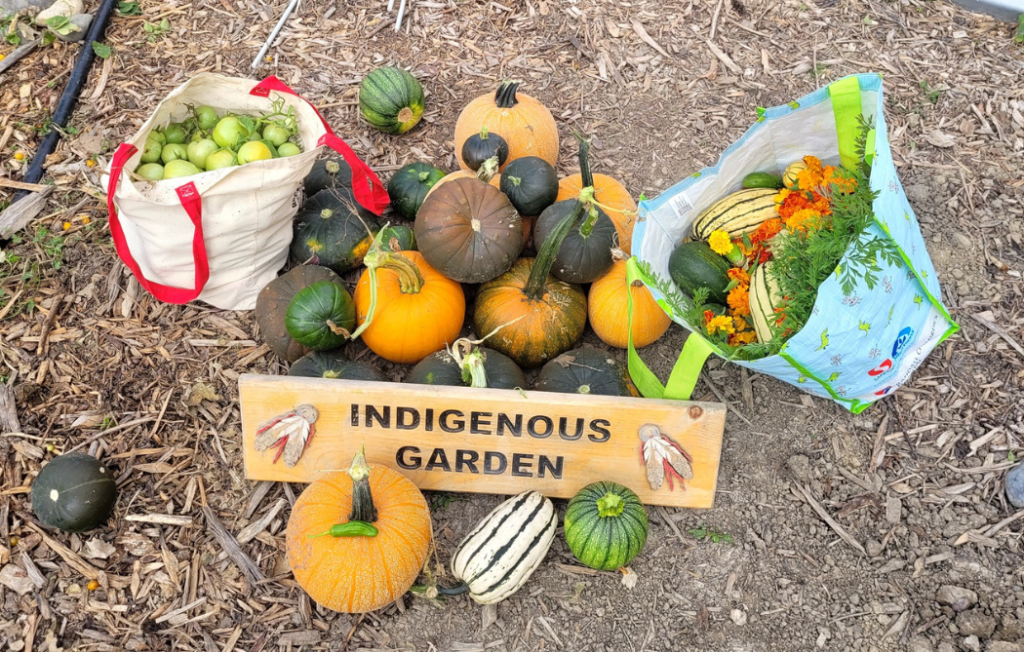
The first freeze of fall arrived earlier this month, marking a shift in season and spirit across the Ranch in Billings. Before the chill set in, Josie Brady, Native American Services Coordinator, and Liz Campoy, PR Coordinator, made one final visit to the Indigenous Garden—a space rooted in culture, healing, and connection. Together, they harvested the last of the season’s bounty and prepared the garden for rest.
A Season of Abundance in the Indigenous Garden
The Indigenous Garden radiated life and color—delicata squash, tomatoes, marigolds, pumpkins, sunflowers, corn, tomatillos, cucumbers, peppers, and lemon balm. Each plant carried purpose and meaning.
Tomatoes were simmered into soup served with grilled cheese sandwiches, while marigolds and lemon balm steeped into calming teas. Pumpkins brightened shared spaces with their cheerful hues, and cucumbers and peppers offered fresh, nourishing simplicity.
Using tomatoes and jalapeños from the harvest, homemade salsa brought people together—a gift from the earth shared in community.
Connection, Renewal, and Rest
For Josie and Liz, harvesting in the Indigenous Garden was more than gathering food—it was a spiritual experience, a quiet connection to the ancestors who once tended these same crops for their families. With each seed, root, and blossom, their wisdom was honored, and wellness renewed.
Working the soil grounded the spirit, cleared the mind, and reminded all who helped that healing grows in cycles—just like the earth.
As the beds are cleared and the soil rests, the Indigenous Garden enters a season of renewal—its lessons of gratitude, growth, and connection continuing to nourish all who walk its paths.
When it comes to Montana youth mental health, one year can change everything. For kids and families across the state, it’s meant more access to care, more stability, and more hope.
This month marks one year since Youth Dynamics (YDI) joined Yellowstone Boys and Girls Ranch (YBGR)—a partnership grounded in compassion, collaboration, and commitment to strengthening the continuum of care for youth and families. Together, we’ve expanded our reach, unified our systems, and built a stronger foundation for healing across Montana.
These homes are more than programs—they’re communities where young people build relationships, rediscover purpose, and gain the skills they need for a successful future. This growth reflects not only increased capacity but the heart of our shared mission: helping kids and families thrive close to home.
Strengthening Systems That Support Care
Behind each success is a focus on stewardship and connection. Over the past year, YBGR has implemented streamlined systems that enhance how we work, communicate, and support one another. These improvements allow teams to spend more time where it matters most—caring for youth and families.
Together, we’re building a stronger, more responsive behavioral health system—one that ensures kids receive the right care, at the right time, close to home.
What moves the needle for kids? At this year’s Yellowstone Conference, the answer was clear—we are stronger together.
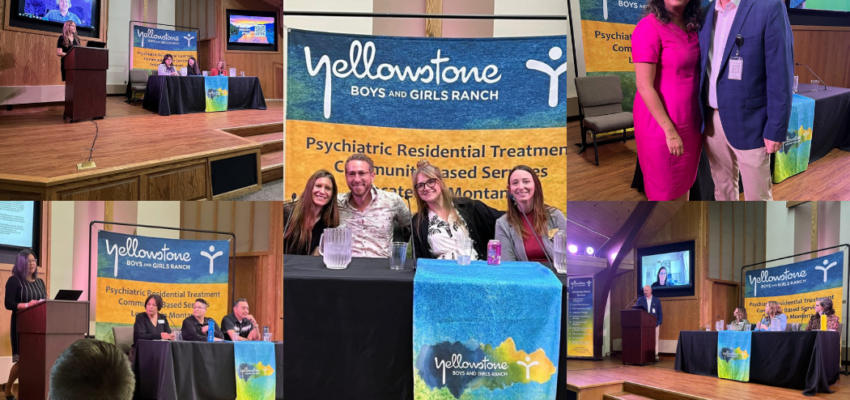
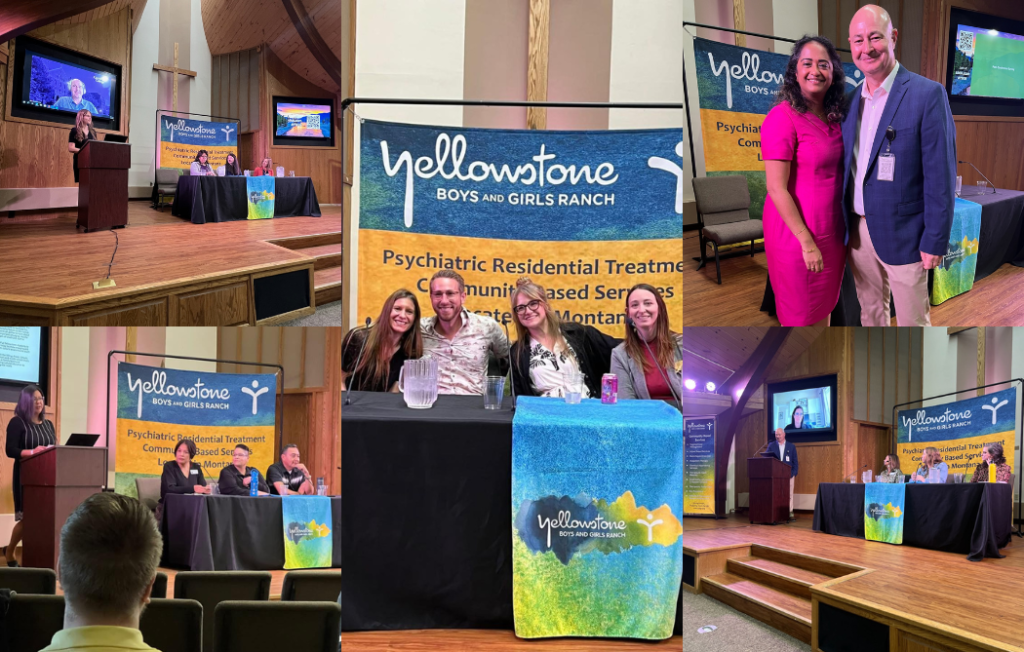
Under the theme “Stronger Together: Building Strategic Partnerships for Lasting Impact,” leaders from across Montana’s behavioral health, education, and nonprofit sectors gathered to share expertise, strengthen relationships, and explore collaborative solutions that reach beyond any one organization.
The conversations weren’t just inspiring—they were practical, thoughtful, and rooted in action. Every discussion pointed to one truth: lasting change happens when we work side by side.
The takeaway was simple but powerful: none of us can do this alone. Together, we can move the needle in ways that change lives for Montana kids and families.
Building Stronger Systems of Care
Throughout the day, panel discussions highlighted how connection, trust, and shared goals lead to stronger, more resilient systems of care. From deepening partnerships with Native communities to strengthening Montana’s behavioral health workforce, each session emphasized collaboration as the foundation of progress.
These exchanges moved beyond theory to what works in practice: aligning systems, listening to communities, and ensuring kids receive the right care, at the right time, in the right place.
Thank You to Our Yellowstone Conference Participants
Much gratitude to every speaker who brought their expertise, insight, and leadership to this year’s conference. Your voices shaped meaningful dialogue and drove forward a shared vision for Montana’s youth.
Panelists included:
Clint Valandra – Indigenous Education Coordinator, Billings Public Schools
Charlene “Charli” Sleeper – Founder, MMIP Billings Advocacy Project; Mental Health Worker, Yellowstone Boys and Girls Ranch
Sunny Day Real Bird – Director of American Indian Outreach, Montana State University Billings
David R. Blaine – CEO, Crow Times Youth and Elder Works
James C. Petrovich, PhD, MSW – Professor & Department Chair; Founding Director, Master of Social Work Program, Carroll College
Kate Chapin, MSW, LCSW – Executive Director, Center for Children, Families, and Workforce Development, University of Montana
Becky Lyons, EdD – Director of Career & Employment Services, Montana State University Billings
Jen Chancellor, MBA – University Development Counselor, Grand Canyon University
Matt Leavenworth, PhD, LCPC – Founder, Pay Love Forward; Vice Chair, Yellowstone County Suicide Prevention Coalition
Nina Hernandez – Executive Director, Friends of the Children – Eastern Montana; Nonprofit Leader & Consultant
Special thanks to our conference sponsors, Grand Canyon University and Love INC–Yellowstone County, for helping make this event possible and for their commitment to strengthening Montana’s systems of care.
Moving Forward
The Yellowstone Conference reaffirmed a collective belief: progress happens when people work together. Across every discussion, one message stood out — collaboration builds the foundation for lasting impact.
Together, we’re creating opportunities, strengthening relationships, and preparing youth for life.
Did you know June marked our 68th year of caring for kids?
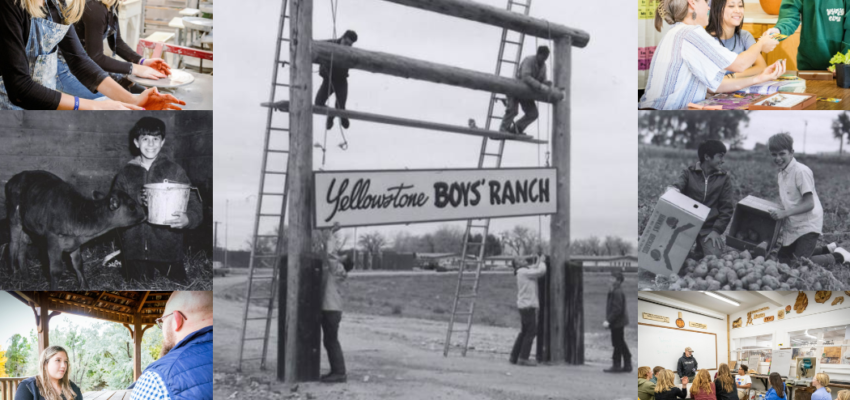
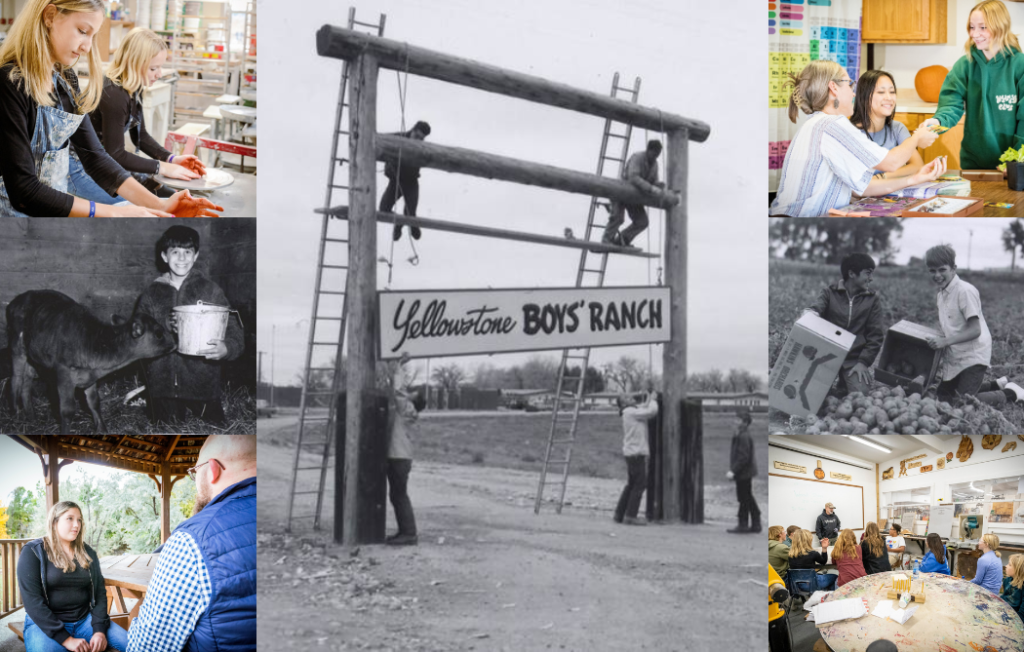
In June of 1957, after purchasing the old O’Rourke Farm west of Billings, we welcomed the first child into our care—planting the roots of what would become Yellowstone Boys and Girls Ranch.
It all began with a bold response to injustice: At the time, young boys—some barely old enough to ride a bike—were being housed alongside adult criminals at the Montana State Industrial School. Franklin Robbie saw it and said, not on our watch. There has to be a better way.
What started as a safe haven soon grew into a therapeutic residential treatment center for youth.
A Legacy of Caring Takes Root
By the fall of 1973, we had already served 400 youth. In 1977, we began transitioning from long-term custodial care to short-term therapeutic treatment, launching our first Pilot Assessment and Treatment programs in Orth Lodge.
In June 1980, The Wrangler announced a historic milestone: the decision to admit girls to our Brekkeflat Assessment and Treatment Lodge. That edition also marked the first time we were referred to as Yellowstone Boys and Girls Ranch.
The 1990s brought another important step forward. We were approved by the State of Montana to pilot Medicaid reimbursement for Psychiatric Residential Treatment Services—ensuring access to critical care for youth with significant mental health needs.
And in 1999, we expanded into community-based services, stepping outside the walls of the Ranch to meet kids where they live, learn, and grow.
Visit our History page to explore the story—and the caring people—who gave birth to our mission. Their vision continues to touch the lives of thousands of youth across Montana and beyond each year.
Want to dive deeper? You can also find A Legacy of Caring, written by our founder, Franklin Robbie, on Amazon.
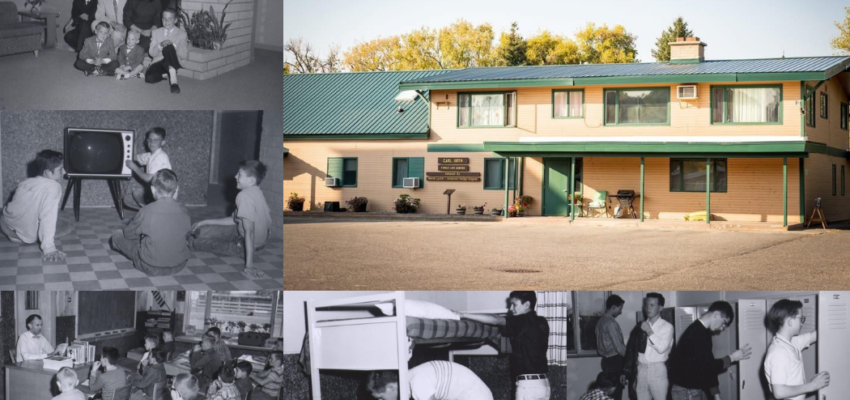
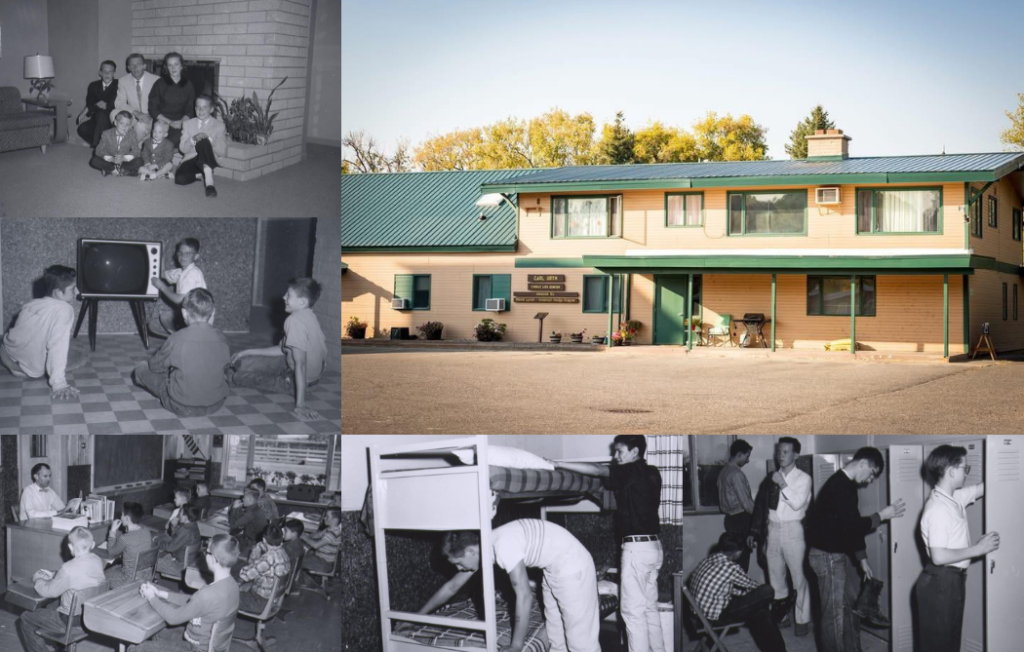
Every story has a first chapter. For Yellowstone Boys and Girls Ranch, Orth Lodge is a cornerstone of that chapter.
In 1959, what began as a leftover machine shed on the old O’Rourke Farm in Billings became something more. Through the generosity of our first donors, that humble structure was transformed into the Ranch’s first building, complete with sleeping quarters, a dining hall, a schoolroom, a kitchen, and staff housing.
It was more than just a place to live and work. Orth Lodge embodied a bold new vision: that Montana’s most vulnerable youth deserve safety, structure, and the chance to heal.
Today, Orth serves a new purpose: it’s a family life center, providing a welcoming space for families to stay while visiting their children in our therapeutic residential care at the Ranch.
What’s endured isn’t just the structure, but the spirit of compassion, stability, and human connection that has lived within it for decades.
As we prepare for this year’s “Living the Legacy” celebration to honor our founding, we’ll be sharing stories from our past that have shaped who we are today.
We invite you to join us on the journey.
Learn More About Our History
Visit our History page to explore the story—and the caring people—who gave birth to our mission. Their vision continues to touch the lives of thousands of youth across Montana and beyond each year.
Want to dive deeper? You can also find A Legacy of Caring, written by our founder, Franklin Robbie, on Amazon.