

Trauma-Informed Communication Starts With L.O.V.E

Trauma-informed communication isn’t just about what we say—it’s about how we say it. It’s about presence, intention, and connection, especially in moments that feel charged or difficult.
That’s where L.O.V.E. comes in.
It’s a simple framework that reminds us to slow down and center ourselves when communicating—whether with kids, colleagues, or loved ones. And in high-stress moments, that pause can make all the difference.
The L.O.V.E. Approach to Trauma-Informed Communication
When emotions run high, try using the L.O.V.E. approach:
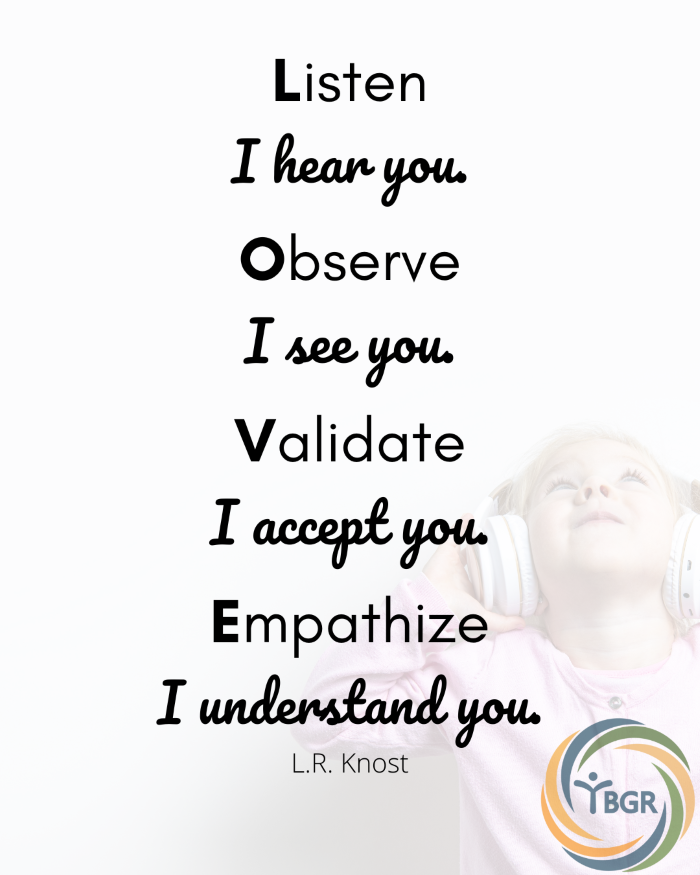
L – Listen (“I hear you.”)
Give your full attention. Put away distractions, pause your inner dialogue, and truly listen—without interrupting or planning your response. Feeling heard is the foundation of connection.
O – Observe (“I see you.”)
Notice more than words. Body language, tone, and facial expressions often speak louder. Observation helps us tune in to what might be happening beneath the surface.
V – Validate (“I accept you.”)
Validation isn’t agreement—it’s acknowledgment. It means recognizing someone’s feelings as real and important, even if you don’t fully understand or share them.
E – Empathize (“I understand you.”)
Empathy invites us to step into another’s shoes and connect with their experience. It’s how we show care, build trust, and respond rather than react.
Learn More: 15 Quotes on Communicating with Empathy
Slow Down to Strengthen Connection
We can avoid so many problems when we respond with L.O.V.E. instead of reacting in haste.
In trauma-informed communication, timing matters. When emotions are high, it’s okay—even wise—to pause. Whether you’re parenting, leading a team, or resolving conflict with a friend, take a moment to check in with yourself before diving into tough conversations.
Give yourself permission to delay. The goal isn’t just to get through it—it’s to move forward in a way that builds connection, not tension.
Want More?
Check out the rest of our blog and follow us on social media. You can find us on LinkedIn at Yellowstone Boys and Girls Ranch, Instagram at @ybgr_cares, and Facebook at Yellowstone Boys and Girls Ranch.
Yellowstone County organizations requesting community help this back-to-school season
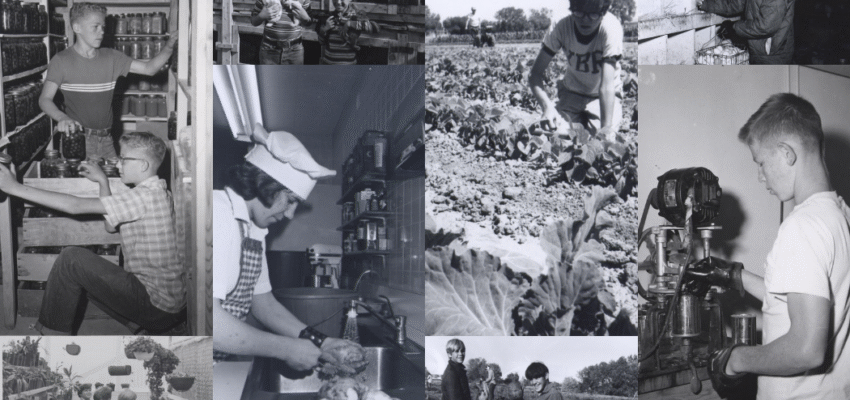
How Yellowstone Academy’s Vo-Tech Program Took Root
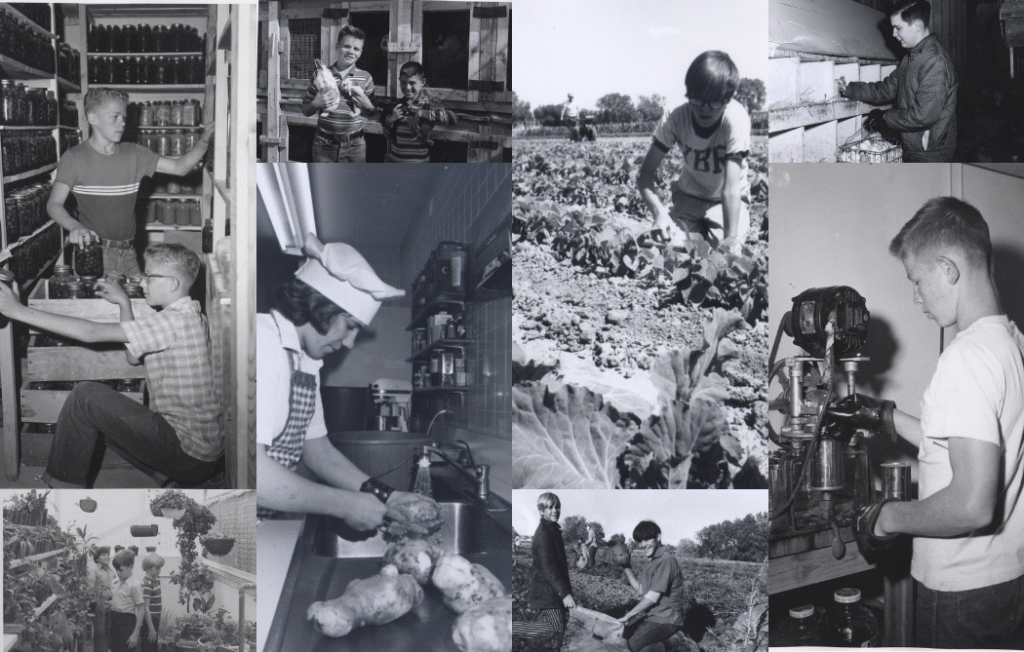
Knowledge that sticks. Work that matters.
In Yellowstone Academy’s Vo-Tech program (Vocational Technologies), students don’t just learn skills—they build purpose. Many kids who come to the Ranch arrive discouraged, behind in school, or unsure of their own abilities. Vo-Tech gives them a way to reconnect with learning in a way that feels real.
A Program Rooted in Hands-On Learning
The Vo-Tech program began taking shape in 1972, when Yellowstone Academy launched its first vocational curriculum. Just two years later, the Academy earned state accreditation, marking a turning point. For the first time, students were gaining hands-on experience connected to life, work, and a future they could build for themselves.
That vision grew again in 2005, when Bob McFarlane—long-standing member of the YBGR family and Yellowstone’s first superintendent—led students and volunteers in rebuilding a donated greenhouse. Their efforts created the 13,000-square-foot Poetzl Horticultural Center, a space designed for learning through doing.
Today, the Poetzl Horticultural Center is central to the Vo-Tech experience. The greenhouse operates as a pheasant hatchery, with birds later moving to flight pens built by students. Kids raise bees for honey, grow fruit for jams and pies, and tend to chickens, corn, pumpkins, beans, and squash.
The land is a living classroom—one where confidence grows alongside the crops.
Building Skills That Last
Yellowstone Academy’s Vo-Tech program is more than a set of classes. It’s an opportunity for students to build something that lasts—on the land, in the shop, and within themselves.
Students also learn trades such as small engine repair, welding, and woodworking. These hands-on skills introduce new strengths, build vocational confidence, and help students experience the pride that comes from meaningful work.
What they build stays with them.
Learn More About Our History
Visit our History page to explore the story—and the caring people—who gave birth to this mission. Their vision continues to touch the lives of thousands of youth across Montana and beyond each year.
Want to dive deeper? You can also find A Legacy of Caring, written by founder Franklin Robbie, available on Amazon.
4 Tips for Building Meaningful Relationships

A recent study by Cigna found that more than 50% of Americans experience loneliness, and 54% say they don’t have anyone in their lives who truly knows them.
In today’s fast-paced world, building meaningful relationships isn’t always easy—but it’s essential for both mental and physical health.
If you’re looking for practical ways to feel more connected, here are four simple strategies to help you create stronger, healthier bonds with others.
#1: Spend Time with the People Who Matter
In the busyness of everyday life, it’s easy to overlook the people who mean the most. But even fifteen minutes of intentional time with someone you care about can have a powerful impact.
Prioritize presence.
#2: Eliminate Distractions
To truly connect, be all in. Put down your phone, turn off notifications, and focus on who you’re with. We build meaningful relationships when we listen fully and show others they matter.
#3: Embrace Solitude to Strengthen Self-Connection
To connect deeply with others, we must first know ourselves. Spend time alone in ways that feel fulfilling, whether it’s walking in nature, journaling, or listening to music.
A healthy relationship with yourself sets the tone for every other connection.
#4: Be Kind—and Take the First Step
Kindness creates space for trust. Share encouragement, check in on someone, or offer help when it’s needed. Strong relationships grow when we let others know they’re seen and valued.
Building meaningful relationships takes effort, but it’s worth it. Small steps can lead to deeper, more fulfilling connections with others and with yourself.
Want More?
Check out the rest of our blog and follow us on social media. You can find us on LinkedIn at Yellowstone Boys and Girls Ranch, Instagram at @ybgr_cares, and Facebook at Yellowstone Boys and Girls Ranch.
YBGR Group Homes Collaborate, Bringing Billings and Great Falls Teams Together
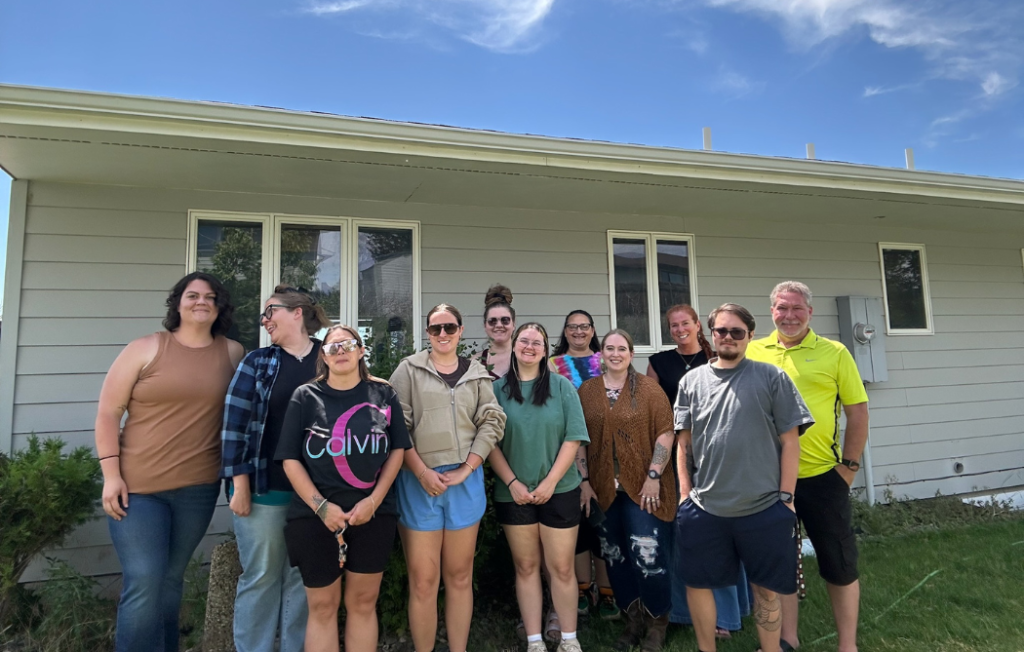
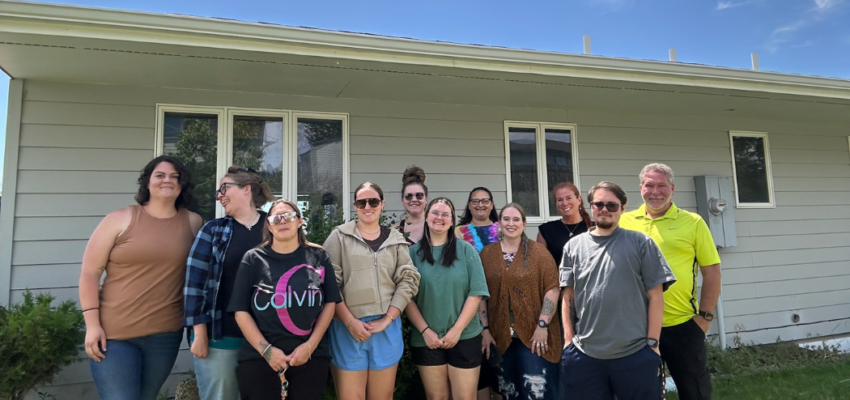
When YBGR group homes collaborate, the impact goes beyond logistics—it strengthens teams, improves communication, and enhances the care we provide to Montana kids.
That collaboration was on full display this month as staff from River’s Edge and STAR Group Homes in Billings traveled to connect with the team at North Skyline Group Home in Great Falls.
A Day of Purposeful Collaboration—and Tacos
Hosted by the North Skyline crew, the gathering included therapeutic discussion, relationship-building, and a taco lunch that brought everyone together. From shared care strategies to laughter over homemade fry bread, the event reinforced the value of taking time to connect as a united team.
Moments like these show how YBGR group homes collaborate not only to solve challenges, but to support one another and align around our shared mission: caring people, preparing youth for life.
Strengthening Teams & Care Across Montana
Teammates in attendance included: Jessie Wilson, Michelle Mouat, Lori Kapphan, Chloe Foster, Dani Miller, Brittany Olson, Zander Mathis, Richard Heusel, Jennifer Hawks, Alycia Hall, and Mariah Lefebre.
As YBGR continues to grow across the state, collaboration between group homes plays a critical role in maintaining consistency, trust, and mission-focused care. When we invest in each other, everyone benefits—especially the youth we serve.
At YBGR, the strength of our teams is the foundation for the care we provide.
Stay Connected
Stay tuned to our news updates for the latest from across Montana, and follow us on social media. You can find us on LinkedIn at Yellowstone Boys and Girls Ranch, Instagram at @ybgr_cares, and Facebook at Yellowstone Boys and Girls Ranch.

15 Quotes on Communicating with Empathy

Empathy is more than kindness—it’s the ability to understand and share in what someone else is feeling. Whether you’re leading a team, raising a child, or simply navigating day-to-day interactions, communicating with empathy builds trust, eases tension, and strengthens relationships.
Below are 15 quotes to inspire deeper connection through communication with care.
How to Connect with Empathy
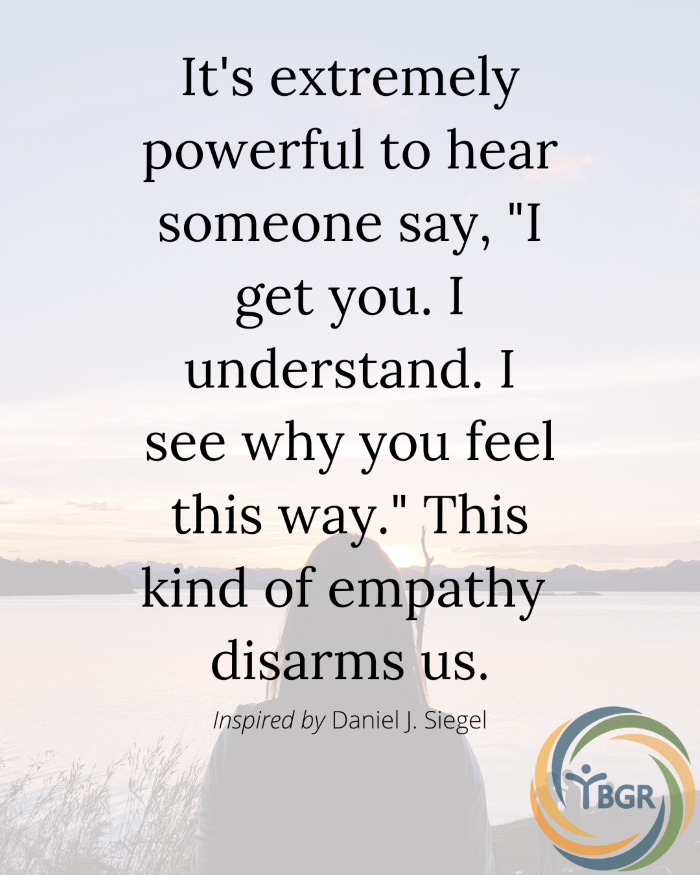
Quote 1: It’s extremely powerful to hear someone say, “I get you. I understand. I see why you feel this way.” This kind of empathy disarms us. – Inspired by Daniel J. Siegel

Quote 2: People will hear you better if you speak from a voice of compassion instead of authority. They long to be understood more than to be lectured. – Inspired by Dodinsky
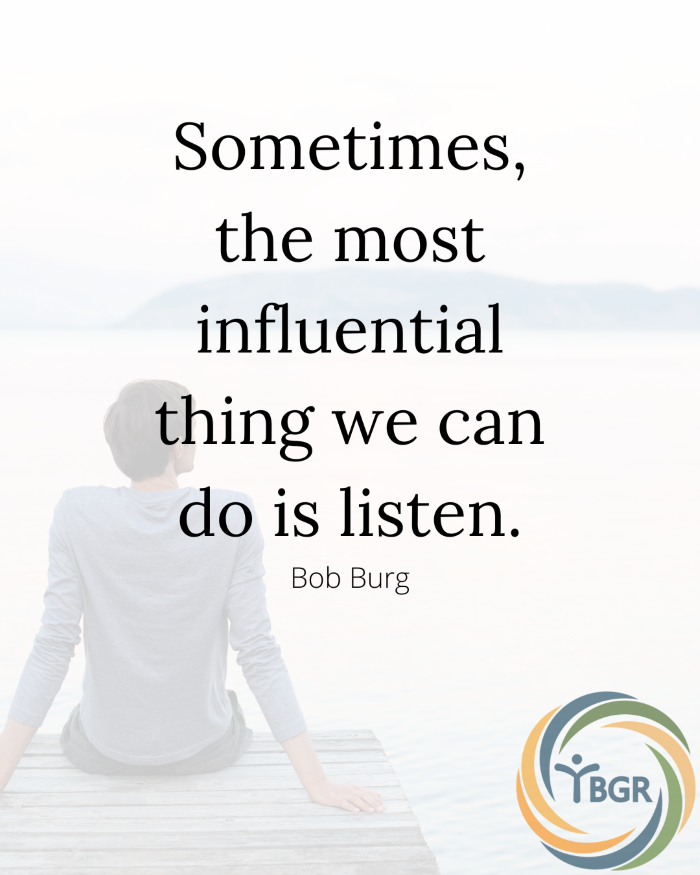
Quote 3: Sometimes, the most influential thing we can do is listen. – Bob Burg
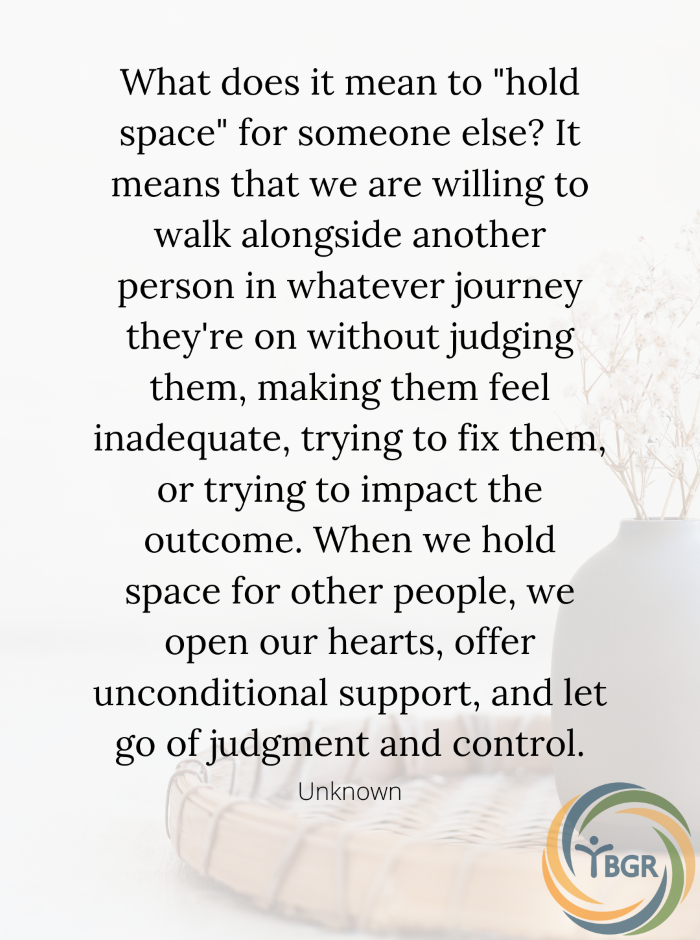
Quote 4: What does it mean to “hold space” for someone else? It means that we are willing to walk alongside another person in whatever journey they’re on without judging them, making them feel inadequate, trying to fix them, or trying to impact the outcome. When we hold space for other people, we open our hearts, offer unconditional support, and let go of judgment and control. – Unknown
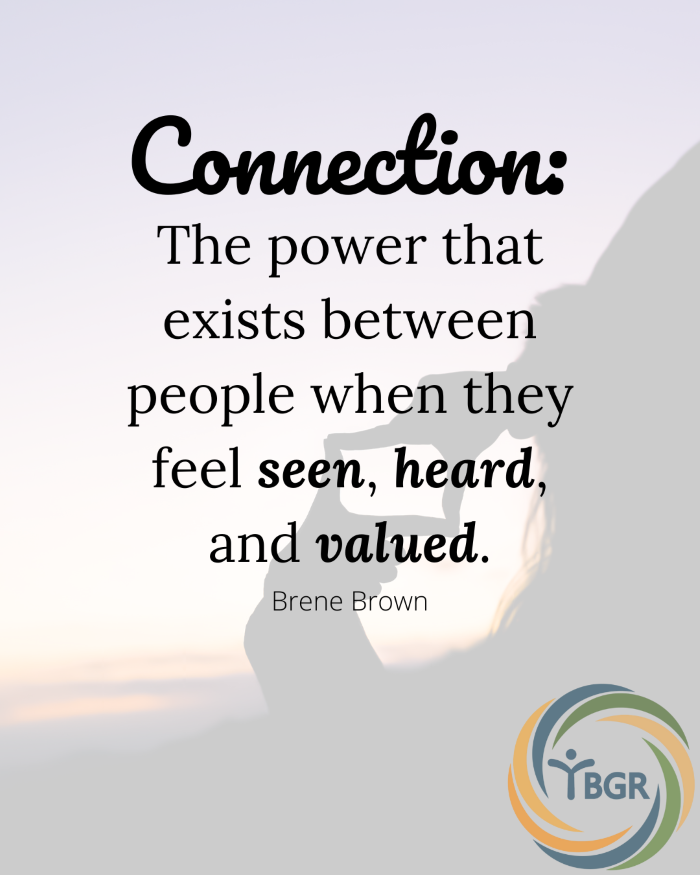
Quote 5: Connection: The power that exists between people when they feel seen, heard, and valued. – Brene Brown
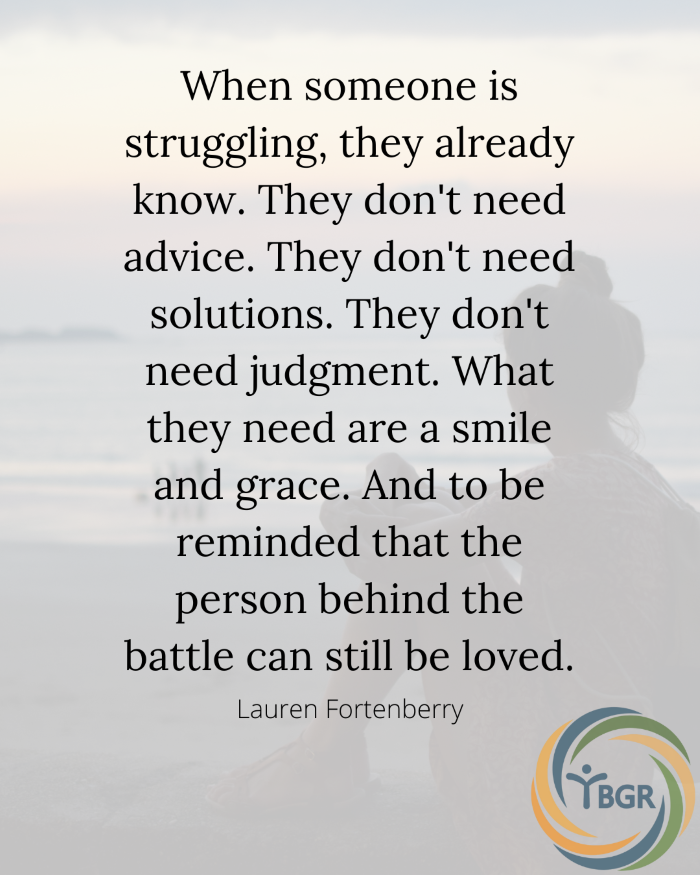
Quote 6: When someone is struggling, they already know. They don’t need advice. They don’t need solutions. They don’t need judgment. What they need are a smile and grace. And to be reminded that the person behind the battle can still be loved. – Lauren Fortenberry
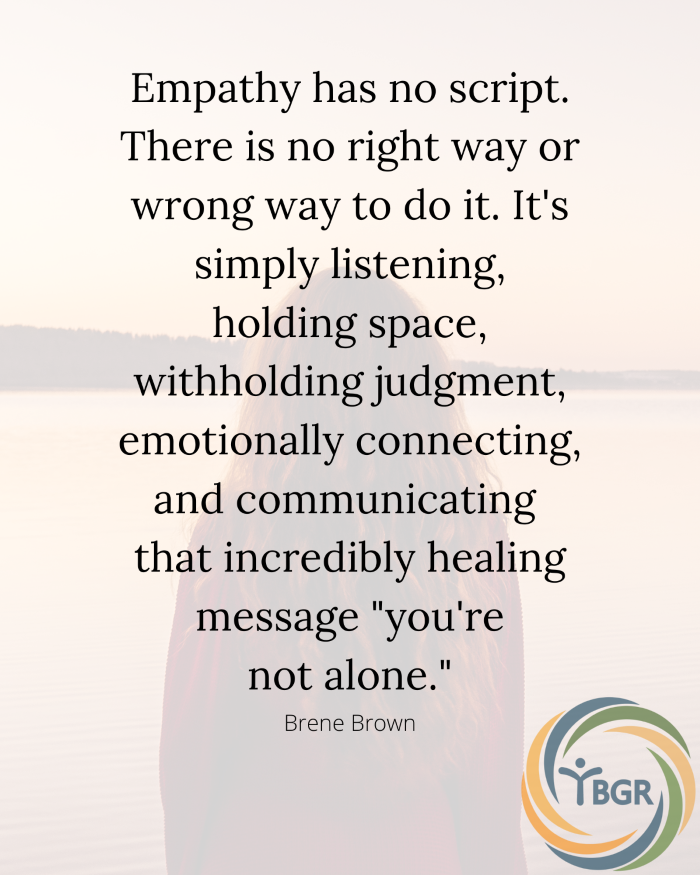
Quote 7: Empathy has no script. There is no right way or wrong way to do it. It’s simply listening, holding space, withholding judgment, emotionally connecting, and communicating that incredibly healing message “you’re not alone.” – Brene Brown
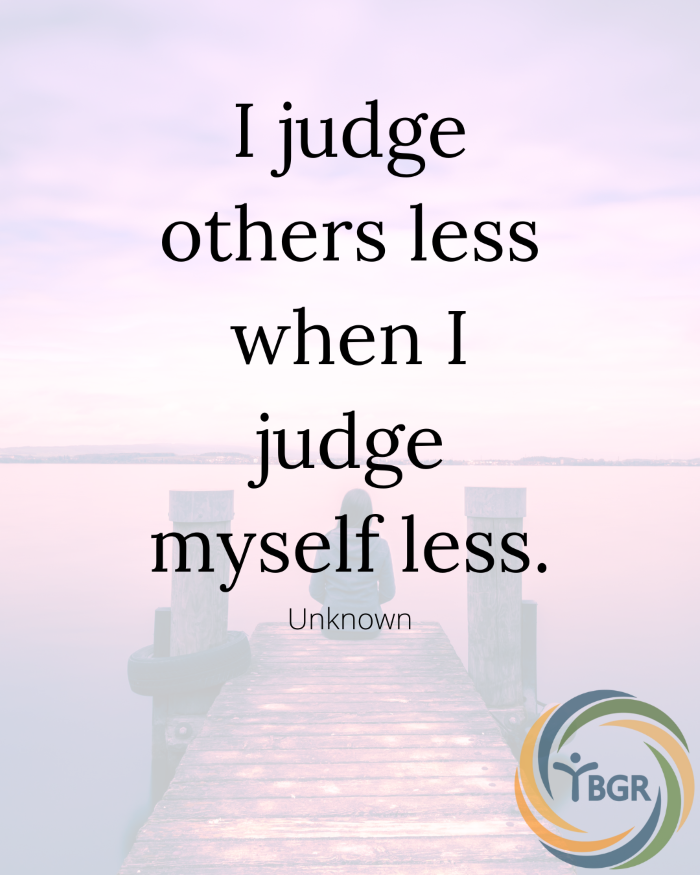
Quote 8: I judge others less when I judge myself less. – Unknown
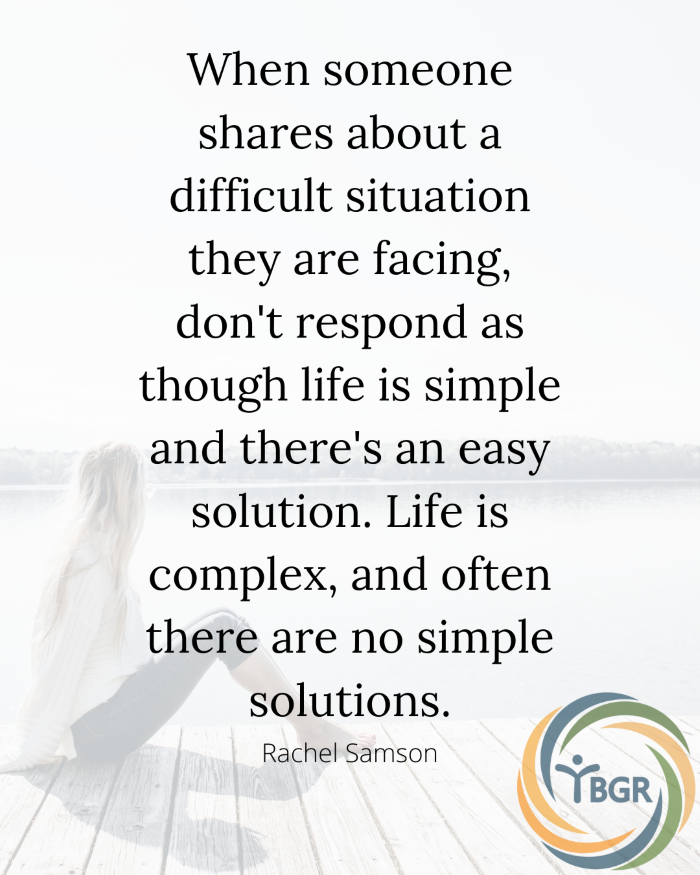
Quote 9: When someone shares a difficult situation they are facing, don’t respond as though life is simple and there’s an easy solution. Life is complex, and often there are no simple solutions. – Rachel Samson
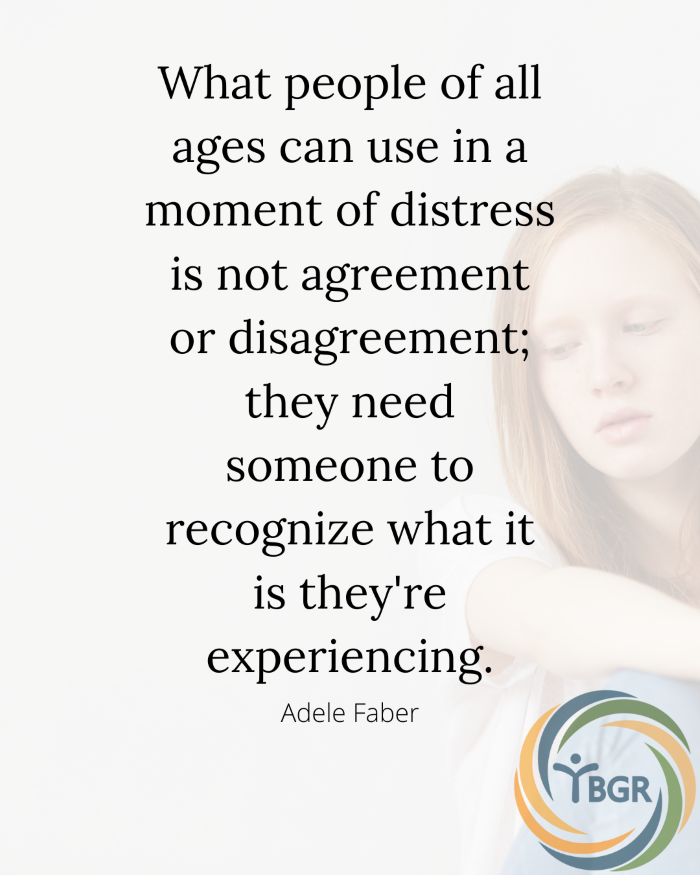
Quote 10: What people of all ages can use in a moment of distress is not agreement or disagreement; they need someone to recognize what it is they’re experiencing. – Adele Faber
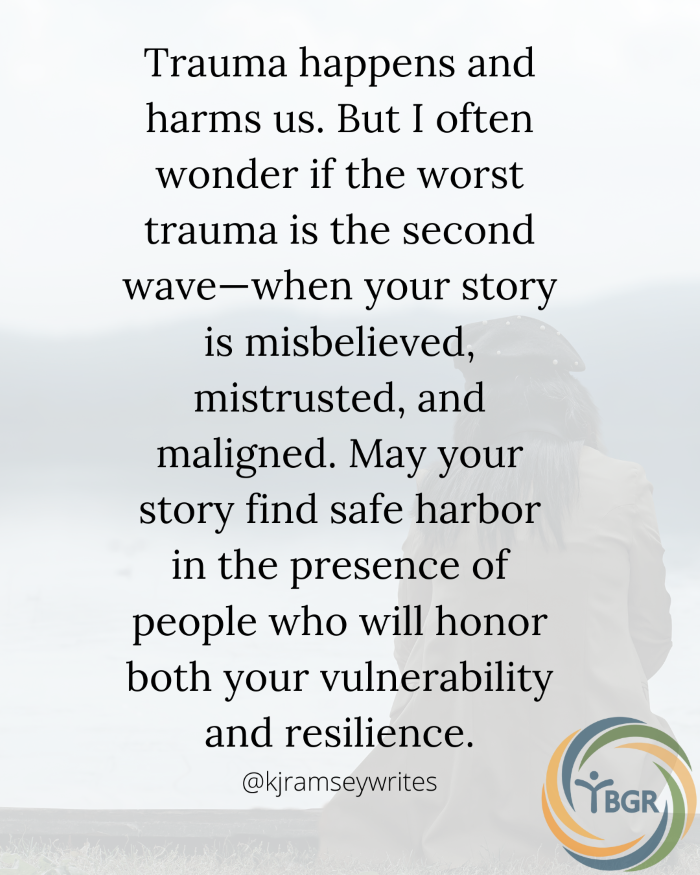
Quote 11: Trauma happens and harms us. But I often wonder if the worst trauma is the second wave—when your story is disbelieved, mistrusted, and maligned. May your story find safe harbor in the presence of people who will honor both your vulnerability and resilience. – @kjramseywrites
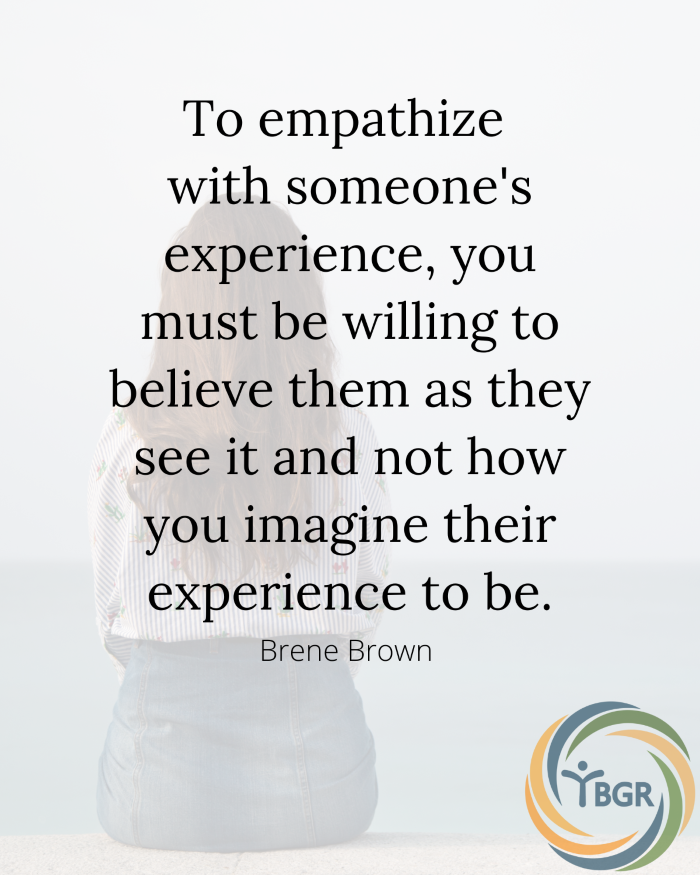
Quote 12: To empathize with someone’s experience, you must be willing to believe them as they see it and not how you imagine their experience to be. – Brene Brown
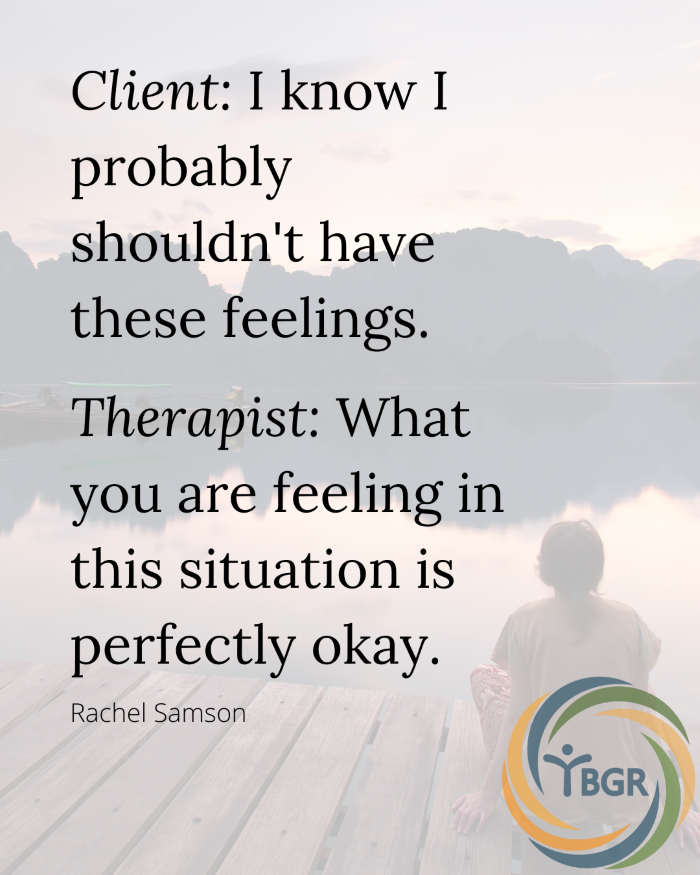
Quote 13: Client: I know I probably shouldn’t have these feelings. Therapist: What you are feeling in this situation is perfectly okay. – Rachel Samson
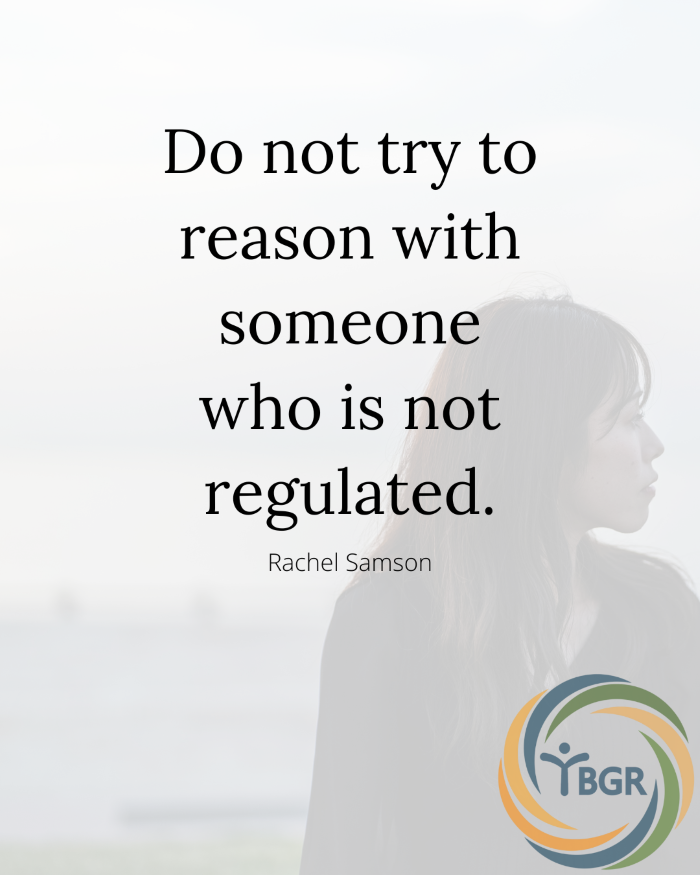
Quote 14: Do not try to reason with someone who is not regulated. – Inspired by Rachel Samson
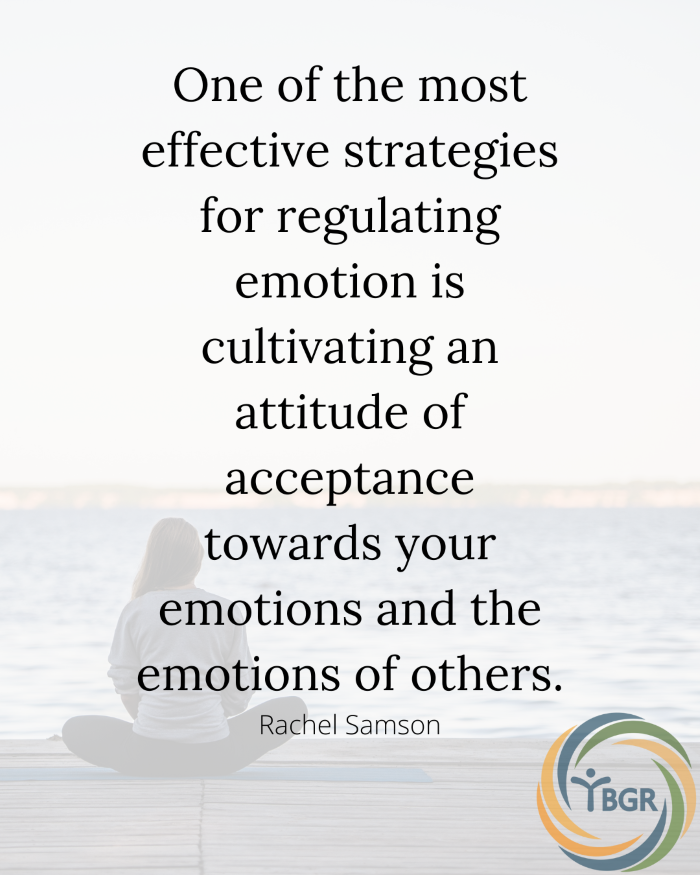
Quote 15: One of the most effective strategies for regulating emotion is cultivating an attitude of acceptance towards your emotions and the emotions of others. – Rachel Samson
Want More?
Check out the rest of our blog and follow us on social media. You can find us on LinkedIn at Yellowstone Boys and Girls Ranch, Instagram at @ybgr_cares, and Facebook at Yellowstone Boys and Girls Ranch.
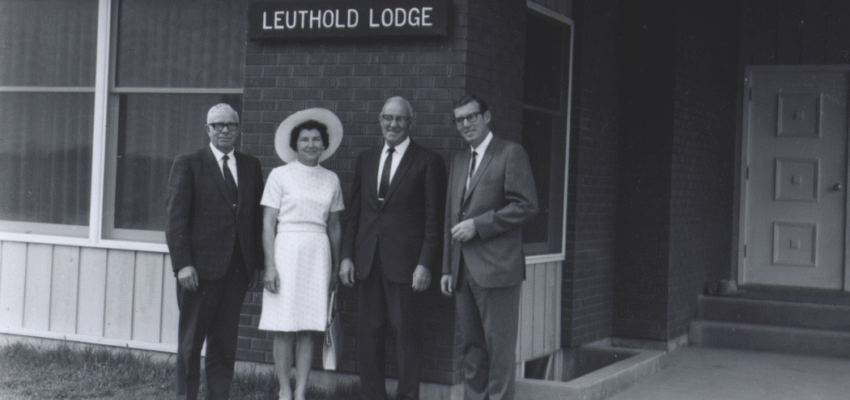
The History of Leuthold Lodge: A Legacy of Generosity and Care
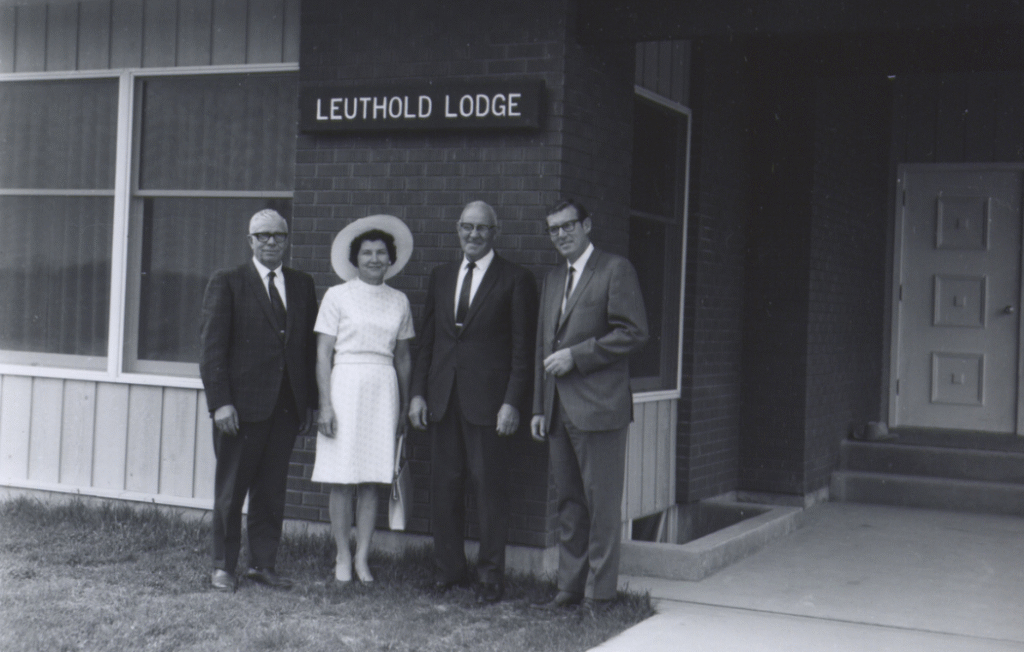
Some opportunities to change a life last only a moment. John and Grace Leuthold recognized theirs with Leuthold Lodge, and their generosity continues to shape lives at the Ranch decades later.
Early Partners With a Heart for Kids
When founder Franklin Robbie brought the Leutholds a need—whether it was serving on the Board of Directors, funding a project, or supporting a new building—their answer was always the same: “Yes.” Their support began early in Yellowstone’s story and grew as they saw the mission take root.
Building Leuthold Lodge
In 1959, John and Grace created Yellowstone’s first endowment fund, laying a foundation of caring that would support youth for generations.
A decade later, in 1969, they funded the construction of Leuthold Lodge, giving kids in residential care a warm, welcoming place to call home. Years later, the Leutholds funded a full renovation to ensure the lodge remained a strong, comfortable place for the next generation.
Inside its walls, generations of youth have found routine, safety, stability, learning, and moments of healing.
A Legacy That Lives On
The Leutholds’ impact is more than brick and mortar—it lives in every child who has found stability, hope, and care within Leuthold Lodge. Their generosity continues to echo across campus and throughout the lives of youth who call the Ranch home during some of their hardest chapters.
Their legacy reminds us that when caring people step forward with a “yes,” lives change.
Learn More About Our History
Visit our History page to explore the story—and the caring people—who helped shape our mission. Their vision continues to impact thousands of youth across Montana and beyond each year.
Want to dive deeper? You can also find A Legacy of Caring, written by our founder, Franklin Robbie, available on Amazon.
Amazon Brings Pizza, Smiles, and Care to the Ranch
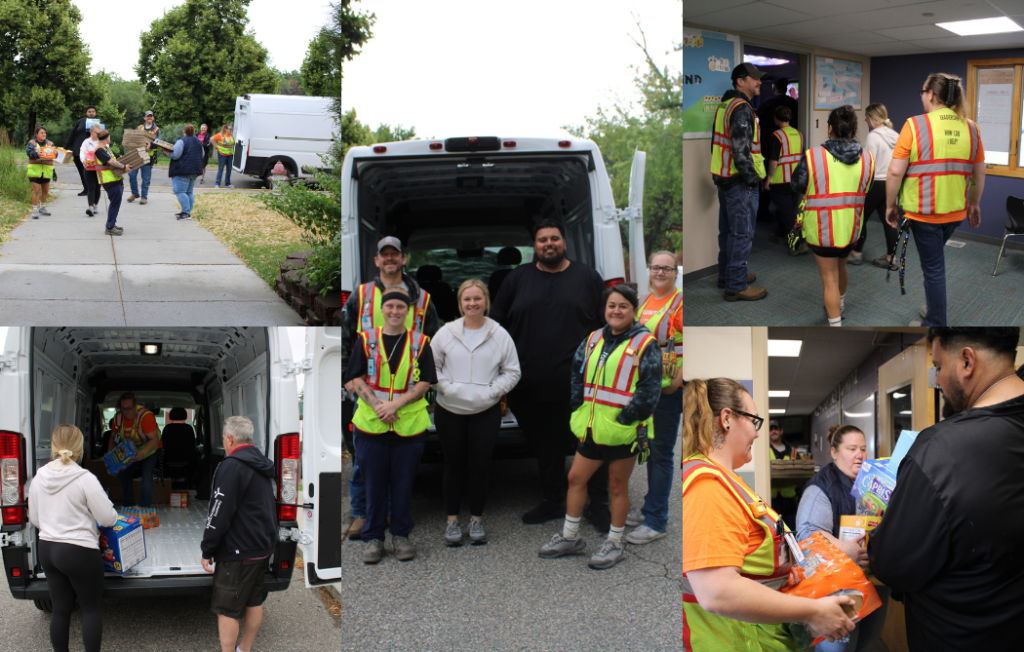
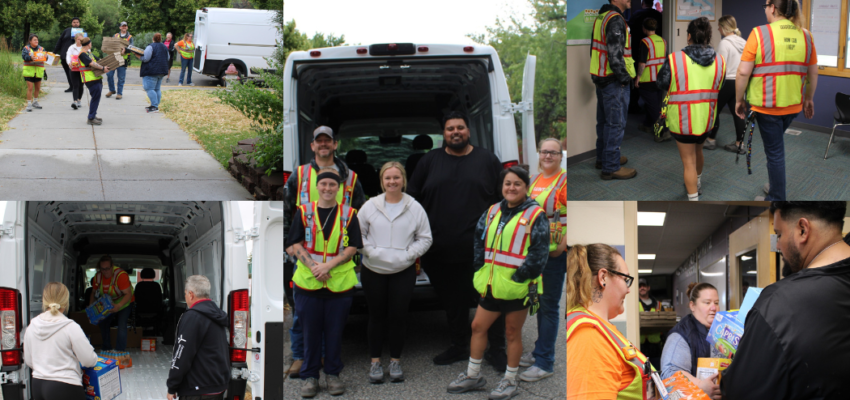
When Amazon brings pizza to the Ranch, it’s more than just a delivery—it’s a show of noteworthy support for the kids at Yellowstone Boys and Girls Ranch (YBGR).
During a recent visit, six Amazon employees arrived on campus with 42 pizzas, drinks, and snacks in hand, ready to make the day unforgettable for students at Yellowstone Academy.
Delivering Pizza and Encouragement
Fresh off a four-day regional tour, the Amazon team made a stop at YBGR to deliver an afternoon of fun and food. Every classroom was included, from our youngest learners to high school students. They offered each child as much as they wanted—yes, even seconds and thirds.
Amazon didn’t stop there. They also stocked the chapel with extra snacks, extending the impact of their visit beyond the day itself.
A New Partnership Making a Difference
While new to supporting YBGR, Amazon is already making a measurable impact through monthly in-kind donations and campus visits. When Amazon brings pizza to the Ranch, it’s not just about the food—it’s about showing up for kids in meaningful ways, even if just for the day.
Thank you, Amazon, for your generosity and commitment to Montana youth. Your contributions help meet daily needs and strengthen the foundation of care we provide.
Stay Connected
Stay tuned to our news updates for the latest from across Montana, and follow us on social media. You can find us on LinkedIn at Yellowstone Boys and Girls Ranch, Instagram at @ybgr_cares, and Facebook at Yellowstone Boys and Girls Ranch.

16 Quotes on Parenting with Empathy

Want to give your kids a strong foundation for life? Parenting with empathy is linked to everything from healthy attachment to emotional intelligence and solid relationship skills!
But it’s not always easy, particularly when we’re stressed or our children display challenging behaviors. Below are sixteen quotes to help you master parenting with empathy.
Quotes to Guide You in Parenting with Empathy
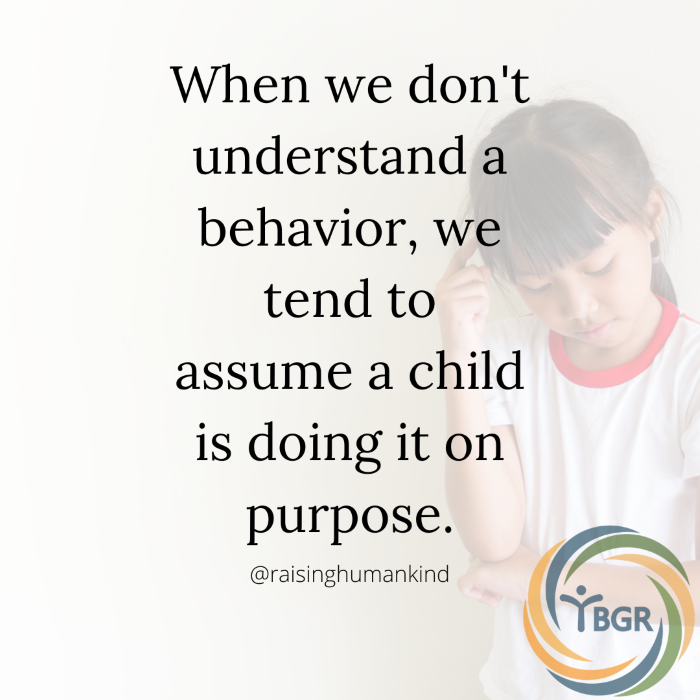
Quote 1: When we don’t understand a behavior, we tend to assume a child is doing it on purpose. – @raisinghumankind
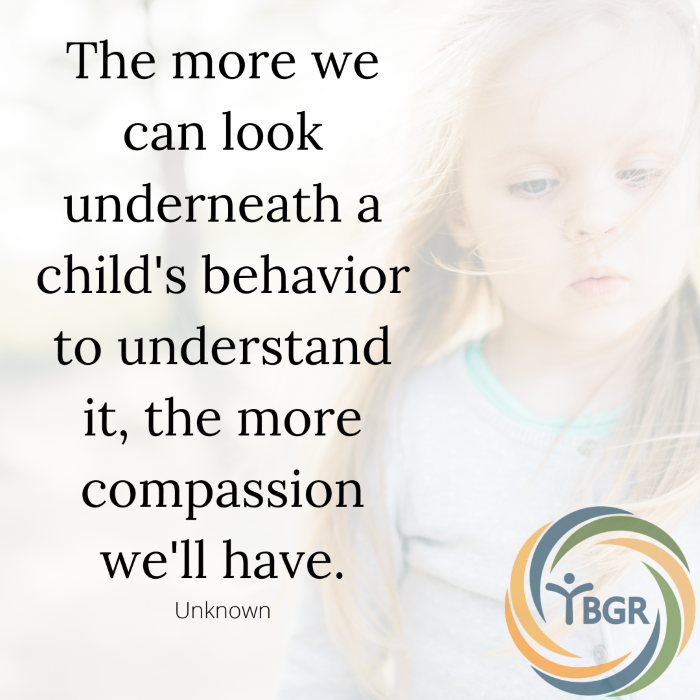
Quote 2: The more we can look underneath a child’s behavior to understand it, the more compassion we’ll have. – Unknown
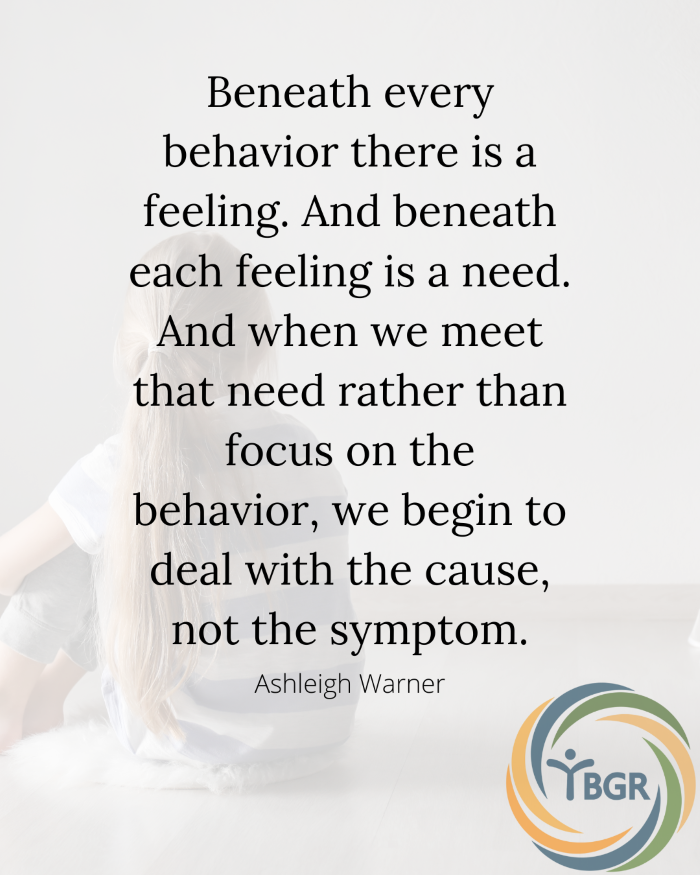
Quote 3: Beneath every behavior, there is a feeling. And beneath each feeling is a need. And when we meet that need rather than focus on the behavior, we begin to deal with the cause, not the symptom. – Ashleigh Warner
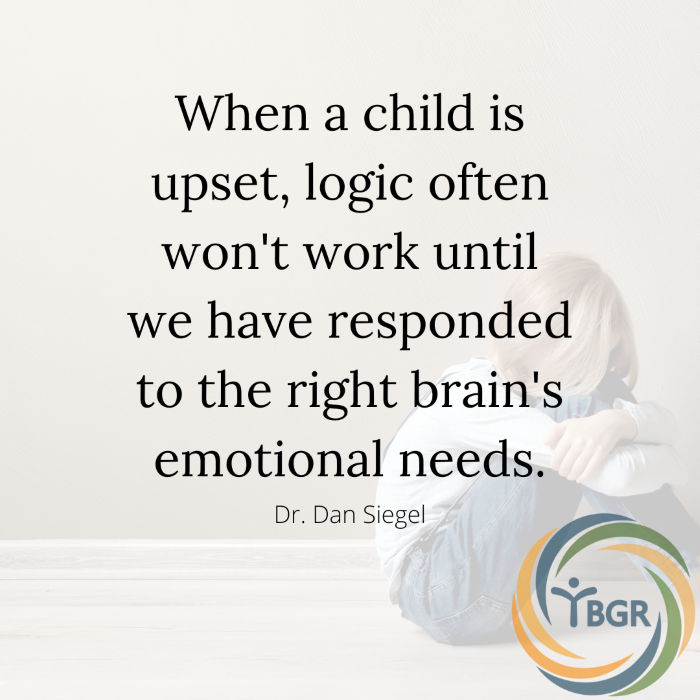
Quote 4: When a child is upset, logic often won’t work until we have responded to the right brain’s emotional needs. – Dr. Dan Siegel
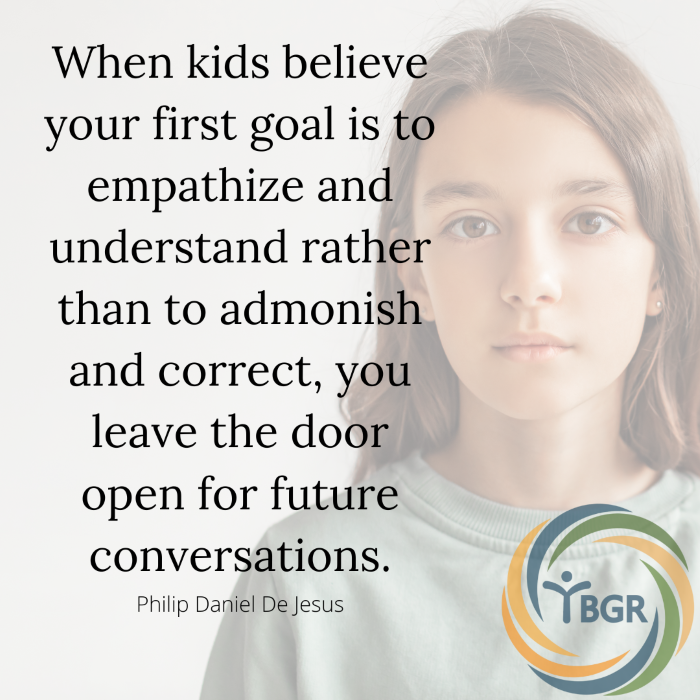
Quote 5: When kids believe your first goal is to empathize and understand rather than to admonish and correct, you leave the door open for future conversations. – Philip Daniel De Jesus
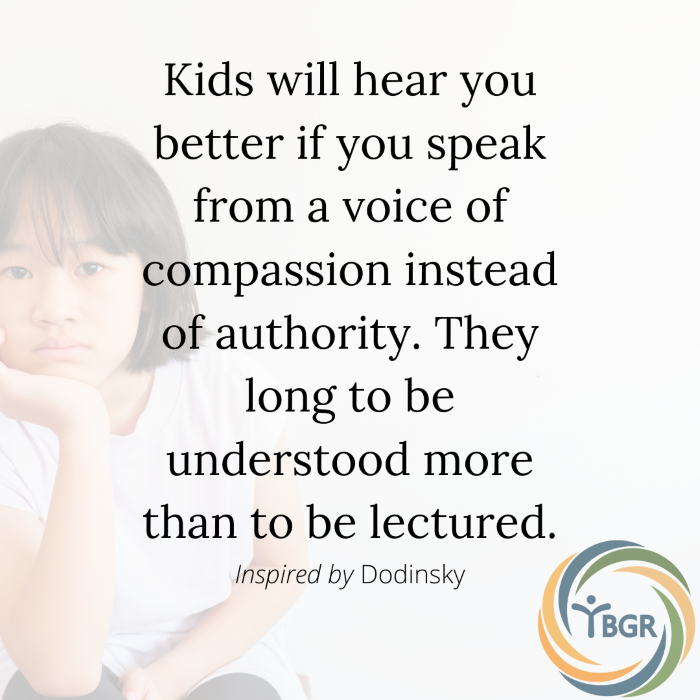
Quote 6: Kids will hear you better if you speak from a voice of compassion instead of authority. They long to be understood more than to be lectured. – Inspired by Dodinsky
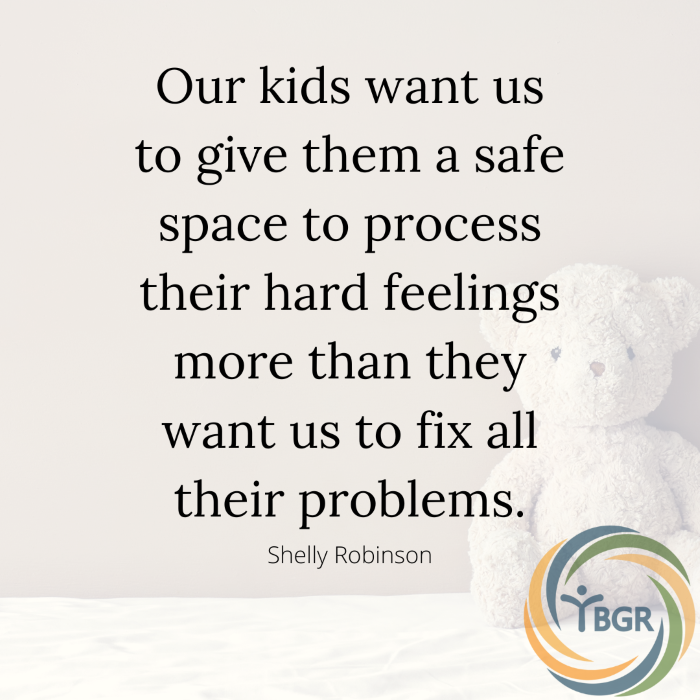
Quote 7: Our kids want us to give them a safe space to process their hard feelings more than they want us to fix all their problems. – Shelly Robinson
Quote 8: As a parent, the coolest tool I learned a while back was when one of my kids started complaining to me about something was to say, “do you need me to get involved, offer advice, or just listen?” 9/10, they just want my ear. – Inspired by Tobias Buckell
Quote 9: It’s crucial to keep in mind that no matter how nonsensical and frustrating our child’s feelings may seem to us, they are real and important to our child. It’s vital that we treat them as such in our response. – Daniel J. Siegel
Quote 10: What people of all ages can use in a moment of distress is not agreement or disagreement; they need someone to recognize what it is they’re experiencing. – Adele Faber
Quote 11: Children don’t need to have their feelings agreed with; they need to have them acknowledged. The more you try to push their unhappy feelings away, the more they become stuck in them. The more comfortable you can be accepting the bad feelings, the easier it is for kids to let them go. – Inspired by Adele Faber & Elaine Mazlish
Quote 12: Sometimes parents avoid talking about upsetting experiences, thinking that doing so will reinforce their children’s pain or make things worse. But telling the story is often exactly what children need to make sense of the event and move on to a place where they can feel better about what happened. – Unknown
Quote 13: By acknowledging our children’s emotions, we are helping them learn skills for soothing themselves, skills that will serve them well for a lifetime. – John Gottman, Ph.D.
Quote 14: The goal is for children to express their wants and needs with us openly. That doesn’t mean they always get what they want. It means they feel safe enough to share—even when the answer is no. – Inspired by @dr.siggie
Quote 15: The next time you lock horns with your child and tempers are flaring, remember this… It is likely a head-on collision of both parent and child not feeling seen or heard in that moment. As the adult with more power and resources, it is our job to recognize this and remove our egos from the equation so we can parent from a place of calm, curiosity, and compassion. – Shelly Robinson
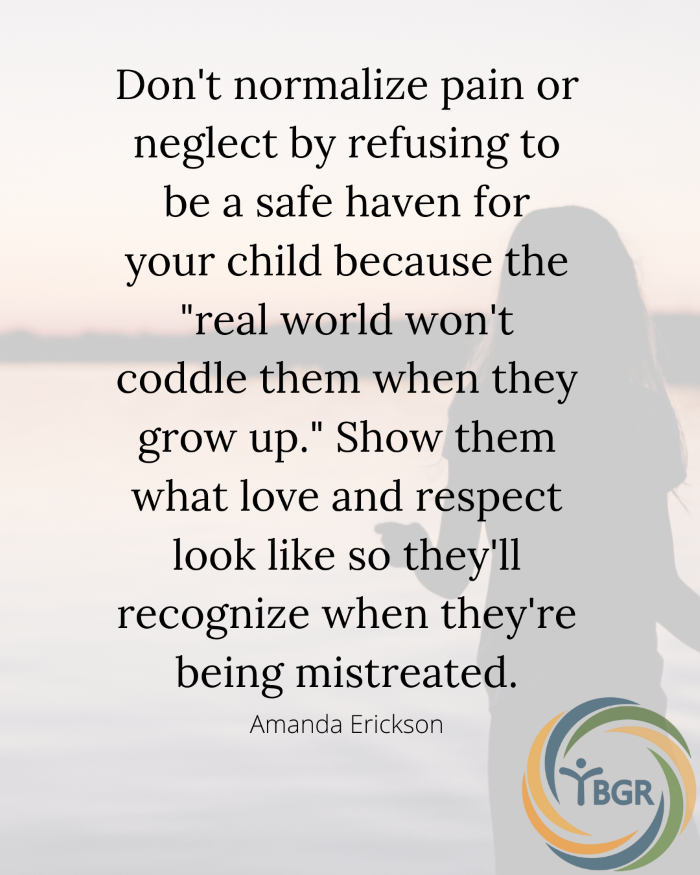
Quote 16: Don’t normalize pain or neglect by refusing to be a safe haven for your child because the “real world won’t coddle them when they grow up.” Show them what love and respect look like so they’ll recognize when they’re being mistreated. – Amanda Erickson
Want More?
Check out the rest of our blog and follow us on social media. You can find us on LinkedIn at Yellowstone Boys and Girls Ranch, Instagram at @ybgr_cares, and Facebook at Yellowstone Boys and Girls Ranch.
Museum Trip Celebrates Growth for Kids in YBGR’s Community-Based Services
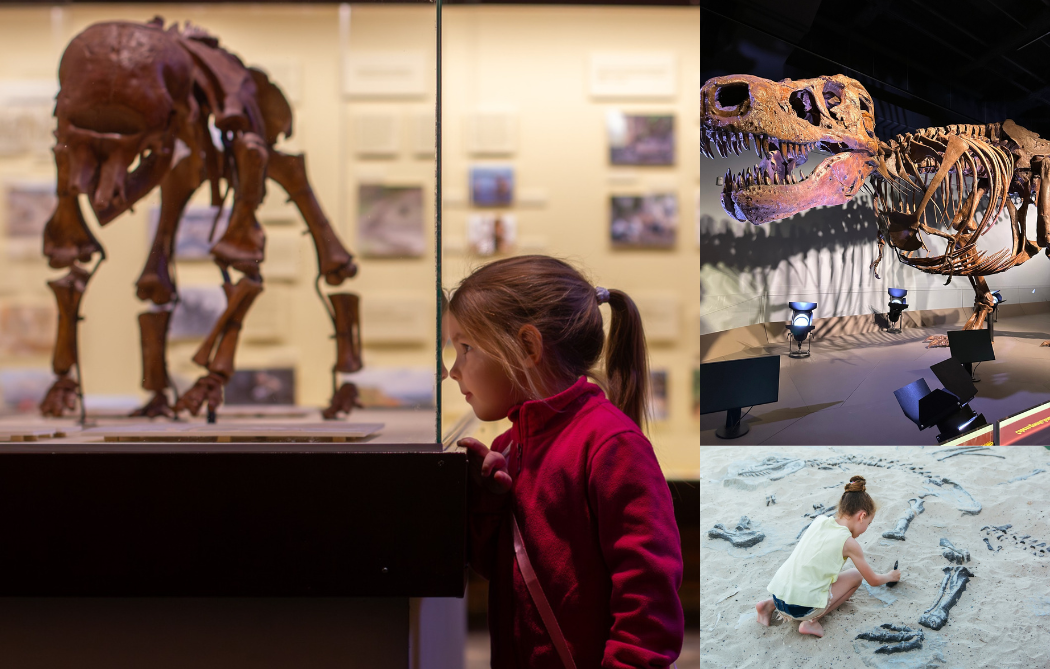
Kids in YBGR’s community-based services in Butte recently took a special trip to the Museum of the Rockies to celebrate the progress they’ve made in their treatment plans. The outing blended learning, exploration, and was a powerful reminder of how far they’ve come.
For many, it was their very first museum visit. As the kids explored towering dinosaur fossils, hands-on science exhibits, and interactive displays, their curiosity sparked in real time.
This wasn’t just a field trip; it was a meaningful experience that promoted healing, connection, and a sense of accomplishment.
First-Time Experiences That Matter
For the kids in our care, experiences like a day at the Museum of the Rockies can be especially meaningful. This field trip became a milestone moment filled with awe, discovery, and the kind of wonder that makes learning come alive.
Each exhibit explored was a reflection of the progress they’ve made. Each question asked showed just how far they’ve come on their journey, and how much possibility still lies ahead.
Gratitude for an Experience That Inspires
We’re deeply grateful to the Museum of the Rockies for welcoming the kids in our care and helping create a day they’ll never forget. Experiences like this are one of many ways YBGR’s community-based services helps kids build confidence and discover what’s possible.
Stay Connected
Stay tuned to our news updates for the latest from across Montana, and follow us on social media. You can find us on LinkedIn at Yellowstone Boys and Girls Ranch, Instagram at @ybgr_cares, and Facebook at Yellowstone Boys and Girls Ranch.