

Monthly Archives: June 2026

6 Strategies for Parenting Strong-Willed Kids

6 Strategies for Parenting Strong-Willed Kids

6 Strategies for Parenting Strong-Willed Kids

If you’re parenting a strong-willed child, you know that everyday tasks can sometimes turn into power struggles.

Some children naturally question more.

They want to understand why.
They negotiate.
They push back.
They like having a say in what happens next.

While these traits can be challenging in the moment, they can also become lifelong strengths when they’re guided well. Strong-willed kids often grow into adults who advocate for themselves, solve problems, and lead with confidence.

The goal isn’t to break their spirit. It’s to help them learn how to use it well.

Children with strong personalities often have a greater need for autonomy. When adults rely only on commands or consequences, children may push back even more.

By offering choices, setting clear expectations, and responding with consistency, parents can reduce conflict while helping children build responsibility and self-control.

Strategies for Parenting Strong-Willed Kids

Below are six strategies you can leverage for parenting your child with a strong will.

#1: Let Your Child Help Find the Answer

Children are often more willing to follow through when they arrive at the answer themselves.

Instead of saying:

“Go brush your teeth.”

Try asking:

“Before we leave for school, we need to brush our teeth, pack your backpack, and eat breakfast. What’s left to do?”

This encourages responsibility while reducing the urge to argue.

#2: Offer Choices Within Boundaries

Children don’t need unlimited choices.

They need meaningful choices within clear limits.

For example:

“Would you like to put your shoes on first or your coat?”

The expectation stays the same. Your child simply has some ownership over how they get there.

#3: Make Expectations Clear

Many power struggles begin because expectations aren’t clear.

Instead of negotiating in the grocery store, set expectations before you walk in.

For example:

“Today, you can choose one snack. I’m excited to see which one you pick.”

Clear expectations reduce surprises and help children know what we expect.

#4: Help Your Child Feel Heard

Feeling heard doesn’t mean getting your way. It means knowing someone understands how you’re feeling.

For example:

“You really wanted to stay at the park. You’re disappointed we’re leaving. I understand.”

Validation helps children feel seen, which can lower defensiveness and make cooperation easier.

#5: Decide What’s Negotiable — And What’s Not

Not every disagreement needs to become a battle.

Think about your family’s values and decide ahead of time:

What choices can your child make?
What expectations are firm?

When children know which boundaries are consistent, they spend less energy testing every one of them.

Flexibility has its place. So does consistency.

#6: Follow Through with Confidence

Children naturally test boundaries as they grow. That’s a normal part of development.

What matters most is that the boundaries you set are ones you’re prepared to keep.

When parents follow through calmly and consistently, children learn what to expect. Consistency builds trust.

Strong-Willed Kids Have Incredible Strengths

Being a strong-willed child doesn’t mean being a difficult child.

Many of the qualities that create challenges during childhood become strengths in adulthood.

Determination.
Confidence.
Curiosity.
Leadership.

Our role as parents isn’t to eliminate those qualities. It’s to help children pair them with flexibility, respect, and self-control.

When kids feel heard, have appropriate choices, understand expectations, and experience consistent boundaries, cooperation becomes much easier.

Raising Confident, Capable Kids

Remember, parenting strong-willed kids isn’t about winning every disagreement. It’s about helping children learn how to use their determination, independence, and confidence in positive ways.

With clear expectations, choices, and consistent boundaries, today’s power struggles can become tomorrow’s strengths.

Want More?

Check out the rest of our blog and follow us on social media. You can find us on LinkedIn at Yellowstone Boys and Girls Ranch, Instagram at @ybgr_cares, and Facebook at YBGR and Yellowstone Boys and Girls Ranch.

Yellowstone Academy Celebrates Montana's Tribal Nations

Yellowstone Academy Celebrates Montana’s Tribal Nations

Yellowstone Academy Celebrates Montana's Tribal Nations

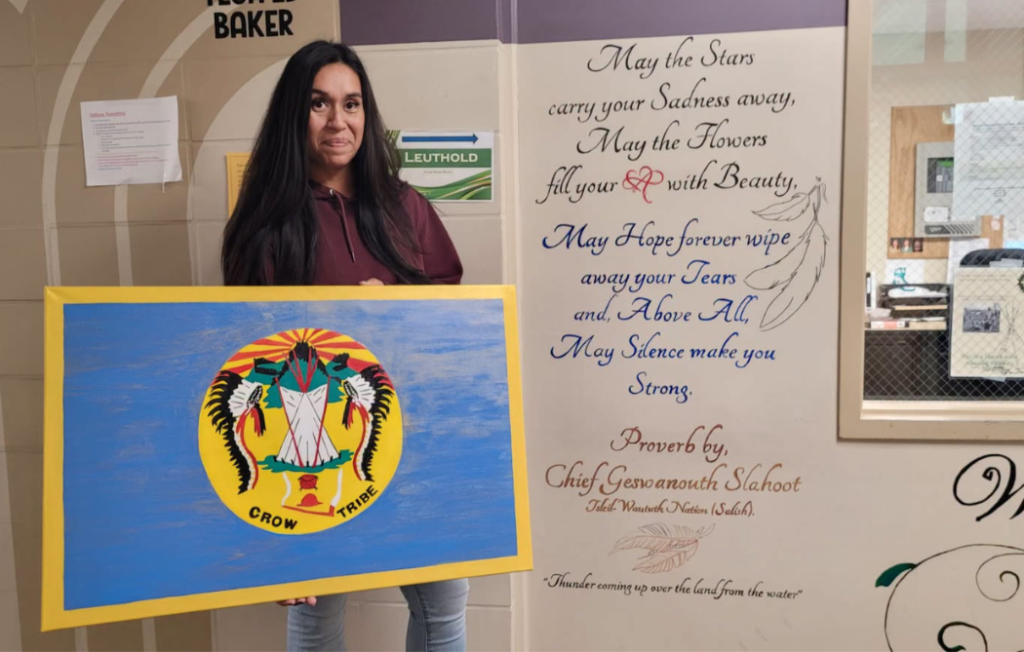
Yellowstone Academy is proud to recognize the work of Alissa Hill, a paraprofessional, who recently hand-painted each of Montana’s eight tribal flags for display within the school.

The project serves as a meaningful celebration of Montana’s tribal nations and creates opportunities for learning, cultural appreciation, and connection among students and staff.

A Project Completed with Care and Respect

Alissa devoted significant time and attention to ensuring each flag accurately reflected the tribal nation it represents. From matching colors and symbols to carefully recreating intricate details, her work demonstrates both artistic talent and a deep respect for Montana’s tribal communities.

Her dedication has resulted in a beautiful visual display that educates and inspires everyone who visits Yellowstone Academy.

Montana Tribal Nation Flags

The Eight Tribal Nations Represented

The display includes the flags of Montana’s eight federally recognized tribal nations:

Each flag represents a unique history, culture, and community that contributes to the rich diversity of our state.

Creating Opportunities for Learning

Projects like this help create meaningful opportunities for students to learn about Montana’s tribal nations and the important role they play in our state’s history and future.

The display encourages curiosity, conversation, and cultural appreciation while helping students better understand the diverse communities that make Montana such a unique place to live and learn.

Thank You, Alissa

We are honored to celebrate the diversity that makes our state and the children we serve so unique.

Thank you, Alissa, for sharing your artistic gifts and helping Yellowstone Academy honor Montana’s tribal communities with such care, dedication, and respect.

Stay Connected

Stay tuned for our latest news updates from across Montana, and follow us on social media. You can find us on LinkedIn at Yellowstone Boys and Girls Ranch, Instagram at @ybgr_cares, and Facebook at Yellowstone Boys and Girls Ranch and YBGR.

Family Responsibilities for Kids... Why Roles Matter More Than Chores

Family Responsibilities for Kids… Why Roles Matter More Than Chores

Family Responsibilities for Kids... Why Roles Matter More Than Chores

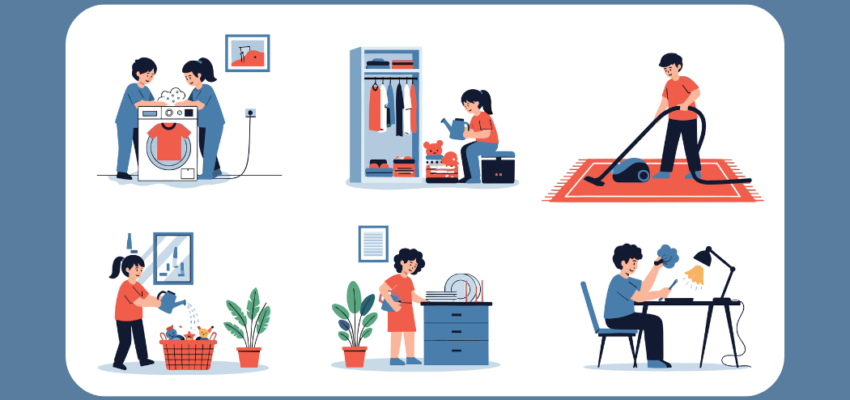
Most kids don’t wake up excited to do chores. But many are excited to have a job that matters.

Giving children meaningful family responsibilities instead of simply assigning chores helps them feel capable, trusted, and like an important part of the family.

While chores help keep a home running, meaningful responsibilities help children build confidence and a sense of ownership and belonging.

The goal isn’t simply to get tasks done. It’s to help children discover that they have something valuable to contribute.

Why Family Responsibilities Matter

Children naturally want to belong. One of the ways they develop that sense of belonging is by contributing to the people around them.

When children have family responsibilities, they begin to see themselves as important members of the household rather than passive participants.

That simple shift changes how they view helping at home.

Instead of asking:

“What chore do I have to do?”

They begin thinking:

“This is one of the ways I help my family.”

Research shows that giving children age-appropriate responsibilities helps them build confidence, independence, and practical life skills while reinforcing that their contributions matter.

The goal isn’t perfection. It’s participation.

Family Responsibilities for Kids

Give kids responsibilities, not just chores!

Rather than creating a list of tasks, consider giving your child an ongoing role they can take ownership of.

Below are some examples of family responsibilities you can give kids.

🐾 Pet Care Leader

Perfect for animal lovers!

Responsibilities might include:

  • Feeding pets
  • Walking the dog
  • Refilling water bowls
  • Cleaning litter boxes
  • Helping care for family animals

🍳 Family Chef

Help children build confidence in the kitchen.

Responsibilities might include:

  • Choosing one family meal each week
  • Helping prepare dinner
  • Setting the table
  • Learning basic cooking skills

🌱 Plant & Garden Helper

A great role for kids who enjoy being outdoors.

Responsibilities might include:

  • Watering indoor and outdoor plants
  • Pulling weeds
  • Sweeping the patio
  • Helping care for the yard

🎲 Family Fun Planner

This role helps children create opportunities for connection.

Responsibilities might include:

  • Planning a family game night
  • Choosing a weekend activity
  • Picking a hiking trail
  • Organizing a movie night

Let Kids Take Ownership

The title of the role isn’t what matters most. The ownership is.

Keep in mind that family responsibilities don’t have to stay the same forever. You can rotate them weekly or monthly, let children choose the ones that interest them most, or create new roles that fit your family’s needs.

Younger children often enjoy imaginative job titles, while older kids may appreciate increased responsibility and independence. The important thing is helping them feel trusted enough to contribute.

Confidence Grows Through Contribution

Every meaningful responsibility teaches something bigger than the task itself.

Children begin to think:

People can count on me.
I can help.
I’m capable.
I make a difference.

Those beliefs help build confidence from the inside out.

Children are more likely to take ownership when they feel they’re contributing to the family—not simply completing another chore.

Everyone in the Family Benefits

When everyone contributes, the household runs more smoothly.

More importantly, children grow up knowing they’re capable, trusted, and valued because they played an important role in their family.

Sometimes the greatest lesson isn’t learning how to fold laundry or water plants. It’s learning that everyone has something meaningful to contribute.

Remember, helping children develop family responsibilities isn’t just about creating a cleaner house. It’s about raising confident, responsible, and capable young people who know their contributions matter.

Want More?

Check out the rest of our blog and follow us on social media. You can find us on LinkedIn at Yellowstone Boys and Girls Ranch, Instagram at @ybgr_cares, and Facebook at YBGR and Yellowstone Boys and Girls Ranch.

Community-Based Services Satisfaction Survey Highlights Family Support and Partnership

Community-Based Services Satisfaction Survey Highlights Family Care

Community-Based Services Satisfaction Survey Highlights Family Support and Partnership

Every child’s journey with us looks different, but it always starts with caring people walking alongside them.

This year’s Community-Based Services Satisfaction Survey highlights what that care looks like in action, and the difference it’s making in the lives of the families we serve.

Several families shared that we helped them better understand how to support their child and navigate challenges at home.

Others reported seeing positive changes at home and at school as children applied the new skills they learned through our programming.

What Families Say Makes the Difference

Three strengths stood out in this year’s survey:

  • Families are active partners in their child’s treatment planning and goals.
  • Families trust the people caring for and supporting their children.
  • Families feel informed about their rights and their child’s rights when accessing and navigating care.

Strong Results Across Community-Based Services

Overall, survey responses reflected strong satisfaction, with every question averaging above 3.75 on a five-point scale.

The results reinforce the importance of family partnership and trusted relationships in helping youth achieve positive outcomes.

Thank You for Your Feedback

We’re grateful to the families who took the time to complete the survey earlier this year. Your feedback helps shape the care we deliver every day and strengthens our ability to support children and families across Montana.

Stay Connected

Stay tuned for our latest news updates from across Montana, and follow us on social media. You can find us on LinkedIn at Yellowstone Boys and Girls Ranch, Instagram at @ybgr_cares, and Facebook at Yellowstone Boys and Girls Ranch and YBGR.

How to Respond When Kids Push Back

How to Respond When Kids Push Back

How to Respond When Kids Push Back

Few parenting moments are more frustrating than when your child pushes back.

Maybe they argue about bedtime, refuse to clean their room, complain when it’s time to leave the park, or insist on doing things their own way.

Pushing back is a normal part of growing up as kids move toward independence, test boundaries, and learn to express big feelings. That doesn’t make it easy—but it does help explain why these moments happen.

In the heat of the moment, it’s natural to argue, lecture, or remind your child who’s in charge. But when adults and kids both dig in, the conversation often becomes a power struggle instead of a learning opportunity.

Why Kids Push Back

Kids push back for many reasons.

Sometimes they’re frustrated.
Sometimes they’re disappointed.
Sometimes they’re overwhelmed or struggling to express themselves.
Sometimes they’re testing boundaries or seeking a little more independence.

Whatever the reason, responding with more intensity often leads to more resistance.

A calm, connected response helps create the safety kids need to regain self-control and communicate more effectively.

Responding When Kids Push Back — The S.E.E. Method

S: Soothe
E: Empathize
E: Engage

When kids are upset, it’s tempting to jump straight to correction. But children are much more likely to listen after they feel calm, understood, and connected.

Here’s how to lean on the S.E.E method when kids push back:

Soothe

When emotions are running high, helping your child calm their nervous system comes before solving the problem.

You might say:

“You sound frustrated. Want to take a few deep breaths together?”

Staying calm doesn’t mean you’re giving in. It means you’re creating the conditions for a productive conversation.

Empathize

Kids are more willing to listen when they feel understood.

Empathy doesn’t mean agreeing with disrespectful behavior. It means acknowledging the feeling behind it.

For example:

“Sometimes plans change. It’s okay to feel upset. Want to talk about it?”

Feeling understood often reduces the need to keep arguing.

Engage

Once things have settled, invite your child to become part of the solution.

For example:

“Would you like to pick the song we’ll listen to while we clean this up?”

Offering appropriate choices gives kids a sense of ownership while keeping the adult in charge of the overall expectation.

Connection Before Correction

Kids are much more likely to learn from us when they feel safe, understood, and connected.

That doesn’t mean there aren’t consequences for disrespectful behavior. It means we don’t let the moment become a battle over who’s going to win.

Instead, we help kids calm down first, then teach the skills they need to communicate more respectfully the next time they’re frustrated.

The Goal Isn’t Winning the Argument

Most parents aren’t trying to win an argument. They’re trying to raise kids who can handle frustration, communicate respectfully, and solve problems.

Sometimes the fastest way to get there isn’t arguing louder. It’s slowing the moment down.

Soothe.
Empathize.
Engage.

Those three simple steps can help turn a power struggle into an opportunity for connection, learning, and growth.

Want More?

Check out the rest of our blog and follow us on social media. You can find us on LinkedIn at Yellowstone Boys and Girls Ranch, Instagram at @ybgr_cares, and Facebook at YBGR and Yellowstone Boys and Girls Ranch.
Lewis & Clark Therapeutic Group Home Transitioning to Boulder

Lewis & Clark Therapeutic Group Home Transitioning to Boulder

Lewis & Clark Therapeutic Group Home Transitioning to Boulder

We would like to share an upcoming change to our Therapeutic Group Home services in Helena.

Effective June 10, 2026, operations of our Lewis & Clark Therapeutic Group Home will transition to our Boulder campus.

This decision was made with the needs of the youth we serve at the center. By bringing Lewis & Clark to Boulder, we can strengthen programming by expanding access to resources and fostering team collaboration.

For the youth and families we serve, care will continue without interruption. Outside of this location change, we have no planned changes to the core services provided through Lewis & Clark Therapeutic Group Home.

We remain committed to providing high-quality behavioral health care to Montana kids and families and are grateful for your continued partnership.

Referrals

To make a referral, please get in touch with us online, email inquiry@ybgr.org, or call (406) 606-4060 to reach our Admissions team.

Questions

For questions, connect with us at info@ybgr.org.