

4 Tips to Parent Foster Children with Trauma History

Parenting a foster child with trauma history can be challenging.
Trauma profoundly influences brain development, impacting children’s behaviors, ability to regulate emotions, and even their capacity to form healthy relationships.
And for many, it’s coupled with attachment issues, rooted in everything from abuse and neglect early on in life to repeated moves due to broken-down placements.
Here are some signs that may indicate a child is struggling with attachment.

Parenting children with attachment issues rooted in a history of trauma can be a formidable task. To put it simply—it’s not easy to be a foster parent.
But the work is so critical. The bonds foster parents build with kids help them heal and serve as the foundation for healthy connections in adulthood.
We want to guide you on the path to parenting kids with trauma history. So, here are a few tips to help build trust and influence children’s behavior.
Tips on Parenting Kids with a History of Trauma

Meet Needs
Your #1 goal is to find out your foster child’s needs and meet them. And the best way to find out is to ask. When doing so, be direct, using exact language. For example, “What’s going on?” “What are your needs?” “How can I support you?”
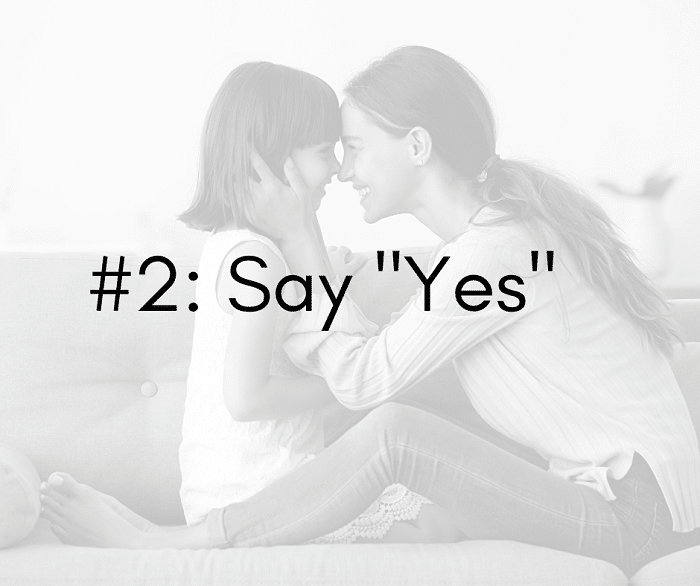
Say “Yes”
Kids in foster care have little power over their lives. So, often that manifests in a desire for control.
You can go miles when it comes to building trust with children by focusing on dishing out “yes” more than “no.” The optimal ratio is 7:1, saying “yes” 7 times for every “no.”
Learn More: How to Skip Power Struggles with Kids by Saying Yes
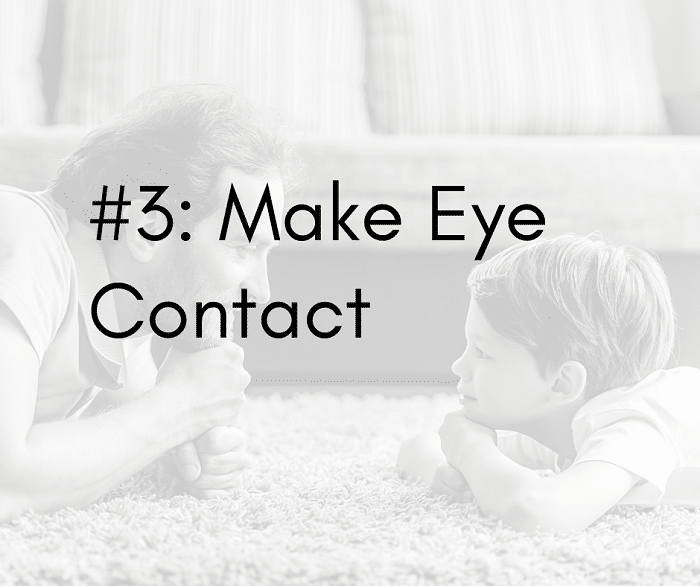
Make Eye Contact
Our eyes speak louder than words.
Nonverbal cues are critical components of communication, especially for kids with trauma history. As often as possible, get on your foster child’s eye level when speaking to them.
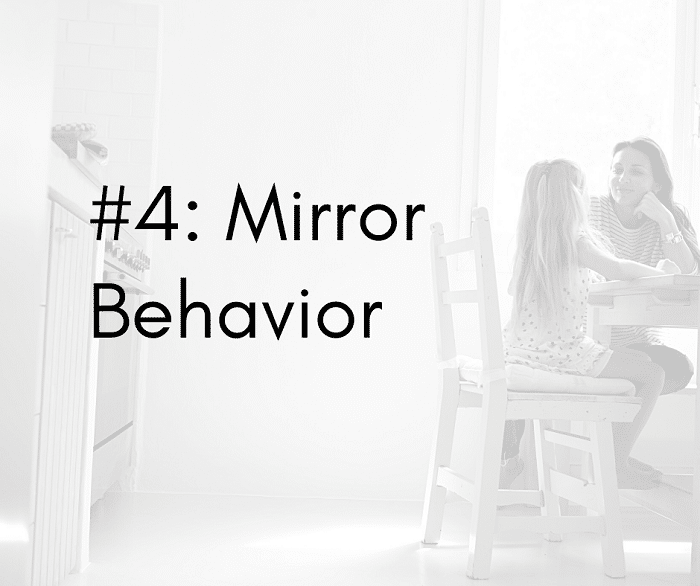
Mirror Behavior
Be a mirror. Secure attachment is characterized by a healthy rhythm between children and their caregiver’s behavior. For instance, if a baby coos, their mother will coo back, or when a toddler laughs, their father laughs too.
Congruent behaviors build trust and attachment.
Want More?
Did you find this article helpful? If so, check out the rest of our blog and follow us on social media. You can find us on LinkedIn at Yellowstone Boys and Girls Ranch, Instagram at @ybgr_cares, and Facebook at Yellowstone Boys and Girls Ranch.
Franklin and Merle Robbie Chapel: A Place Where Faith Takes Root
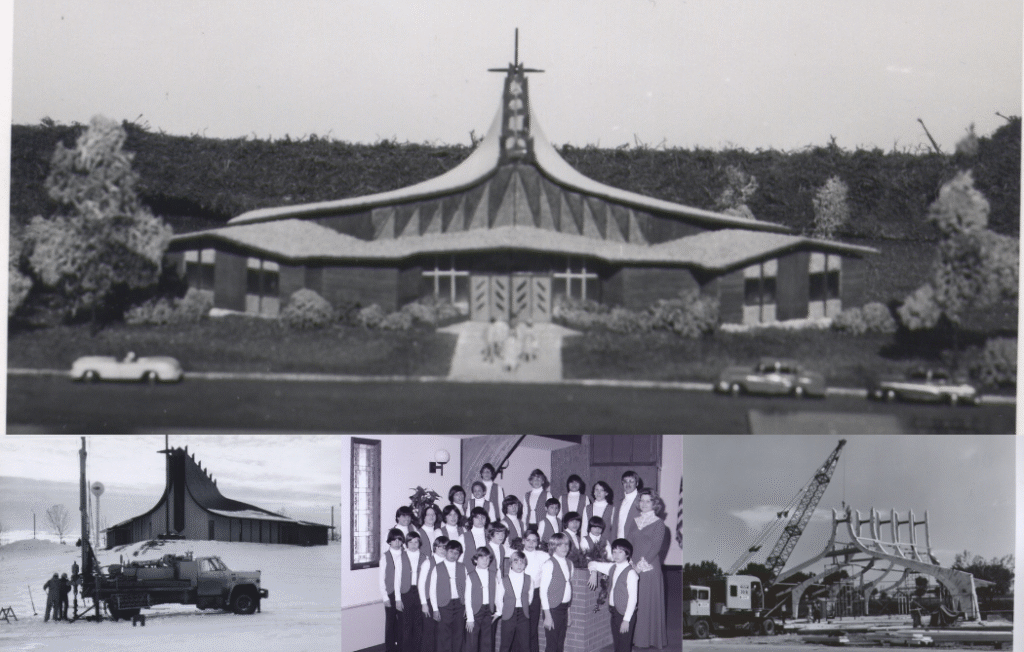
Faith has always been part of the Ranch’s heartbeat.
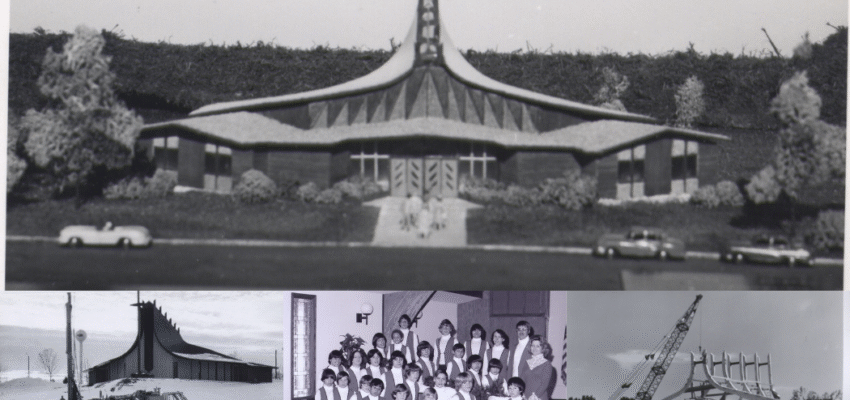
In the early 1960s, Sunday mornings meant loading nearly thirty kids into cars, vans, and even an old bus to attend churches across Billings. We were welcomed warmly by the faith community, but our founders soon realized the Ranch needed something more—a spiritual home of its own.
That vision led to the creation of the Franklin and Merle Robbie Chapel, a place where faith and belonging take root.
Building the Franklin and Merle Robbie Chapel
Thanks to generous donors—like Dr. Harold Schwartz, the Kresge Foundation, and many faithful friends—the idea of a chapel became a reality. Their gifts funded what was first known as the All-Faith Chapel, later renamed the Franklin and Merle Robbie Chapel to honor the Ranch’s founder.
The Hamilton family donated custom-stained-glass windows, designed by their son to reflect the beauty and spirit of Montana. When the chapel opened in 1970, the Ranch’s Spiritual Life Program formally began.
Life Inside the Franklin and Merle Robbie Chapel
Inside the chapel, Chaplain Wendell Wilson guided kids in both faith and character. Worship services, Bible studies, youth groups, drama teams, and the Ranch Choir filled the space with music, reflection, and moments of hope. Over time, the chapel became more than a building—it became a steady place for healing, guidance, and growth.
Spiritual Life at the Ranch Today
Today, our Spiritual Life Program continues to thrive. The Franklin and Merle Robbie Chapel remains a place where kids experience faith—often for the first time in a way that feels personal and lasting.
For many youth, the chapel is where they discover something they carry long after leaving the Ranch: A sense of purpose, a place to belong, and a foundation of hope.
Learn More About Our History
Visit our History page to explore the story—and the caring people—who helped shape our mission. Their vision continues to impact thousands of youth across Montana and beyond each year.
Want to dive deeper? You can also find A Legacy of Caring, written by our founder, Franklin Robbie, available on Amazon.

5 Tips to Help You Regulate and Respond to Others

When emotions run high, your ability to regulate—to effectively manage your emotions, energy levels, and behaviors—makes all the difference. It’s an essential skill, not just for your own well-being, but for navigating relationships with others in a way that builds trust and connection.
We all have moments when our feelings take over—when frustration builds or someone hits a nerve. In those moments, it’s easy to react. But when we pause, reflect, and respond with intention, we strengthen our relationships and model emotional balance for those around us.
How to Regulate Emotions & Respond to Others
Here are five simple, powerful tips to help you regulate in the moment and respond with clarity—not overwhelm.

Identify Your Triggers
Start by paying attention to the patterns—those moments that consistently spark strong emotional responses. Do certain situations, tones, or topics light a fuse? Recognizing your triggers isn’t about blame. It’s about awareness. When you understand what’s setting you off, you’re better equipped to respond instead of react.
Pause and Breathe
When you notice your body or mind getting activated, give yourself a beat. Pause. Breathe. That tiny gap between stimulus and response? It matters. It’s where self-control lives. The goal isn’t to ignore what you’re feeling—it’s to create just enough space to choose how you want to respond.

Notice What You Feel
Emotions often show up in the body before the brain fully catches on. A tight chest. Clenched jaw. Restless legs. Be curious about those signals—they’re information. Tuning in to what you feel physically can offer insight into what’s happening emotionally.

Accept Your Emotions
There’s no “bad” emotion. Anger, sadness, fear—these are all natural parts of being human. Accepting your emotions doesn’t mean letting them run the show. It means acknowledging what’s present without judgment. Practicing self-compassion in tough moments helps us show up better for others and for ourselves.
Practice Mindfulness
Mindfulness doesn’t need to be complicated. It’s simply about noticing what’s happening—inside you and around you. Use your senses. What do you hear? Feel? See? Returning to the present helps you stay grounded when emotions feel big.
The Bottom Line
Regulating emotions isn’t about stuffing them down or pretending everything’s fine. It’s about building awareness, creating space, and responding with intention. Whether you’re parenting a child with big feelings or navigating the complexities of professional life, these small shifts can have a big impact.
You won’t get it perfect every time—and that’s okay. But with practice, you’ll start to notice moments of calm where there once was chaos. And those moments matter.
Want More?
Check out the rest of our blog and follow us on social media. You can find us on LinkedIn at Yellowstone Boys and Girls Ranch, Instagram at @ybgr_cares, and Facebook at Yellowstone Boys and Girls Ranch.

16 Quotes on the Power of Focused Effort

Great things come to those who put in focused, strategic effort. And that requires keeping it simple—to practice discipline and say no much more than saying yes.
Below are sixteen quotes illustrating the power of focused effort.
Quotes on the Power of Focused Effort
Quote 1: Productivity is never an accident. It is always the result of a commitment to excellence, intelligent planning, and focused effort. – Paul J. Meyer
Quote 2: Juggling, multitasking, and other forms of “attention shifting” are highly inefficient. Simply, the brain works much faster and more accurately when attention is focused, for a stretch of time, on one thing at a time. – Harvard Business Review
Quote 3: The concept of always being reachable makes us present nowhere. – Peter Arvai
Quote 4: Multitasking takes a toll. At home or at work, distractions lead to poor choices, painful mistakes, and unnecessary stress. – Gary W. Keller
Quote 5: The mind is like water. When it’s turbulent, it’s challenging to see. When it’s calm, everything becomes clear. – Inspired by Prasad Mahes

Quote 6: Complexity means distracted effort. Simplicity means focused effort. – Edward De Bono
Quote 7: Simplicity of approach is always best. – Charlie Chaplin
Quote 8: Doing less is often harder than doing more. – Inspired by Carolyn Rubenstein
Quote 9: You can do anything—but not everything. – David Allen
Quote 10: The art of leadership is saying no, not saying yes. It is very easy to say yes. – Tony Blair
Quote 11: Deciding what not to do is as important as deciding what to do. – Steve Jobs
Quote 12: Time and energy are limited. Any successful person has to decide what to do in part by deciding what not to do. – Angela Duckworth
Quote 13: It’s only by saying no that you can concentrate on the things that are really important. – Steve Jobs
Quote 14: You have to say no to a lot of good things in order to be able to say yes to a lot of great things. – Steve Jobs
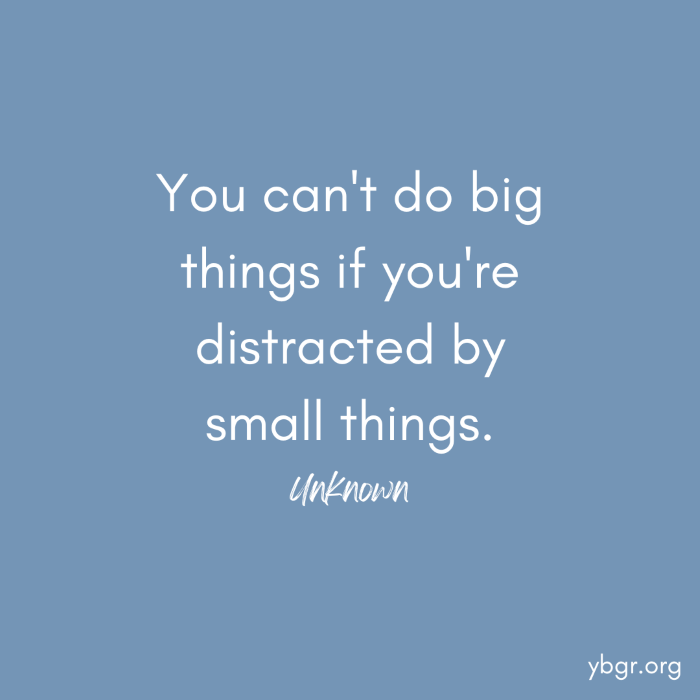
Quote 15: You can’t do big things if you’re distracted by small things. – Unknown
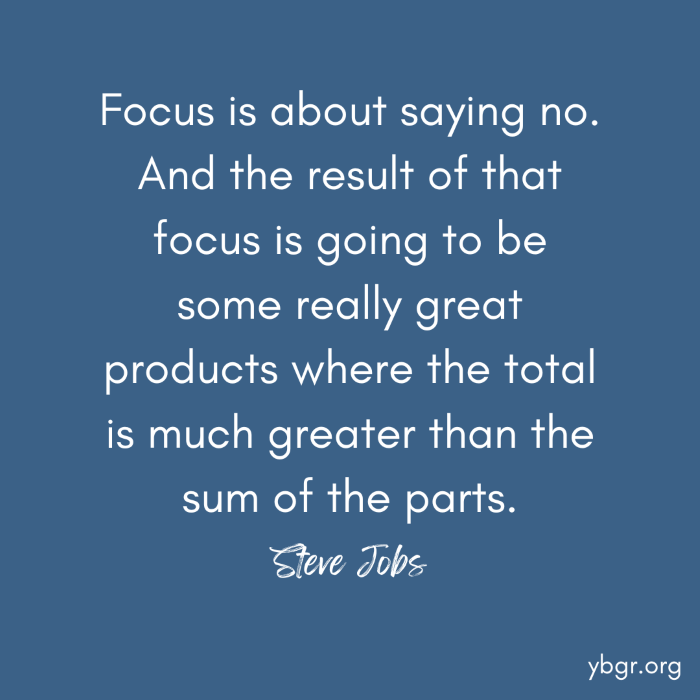
Quote 16: Focus is about saying no. And the result of that focus is going to be some really great products where the total is much greater than the sum of the parts. – Steve Jobs
Want More?
Check out the rest of our blog and follow us on social media. You can find us on LinkedIn at Yellowstone Boys and Girls Ranch, Instagram at @ybgr_cares, and Facebook at Yellowstone Boys and Girls Ranch.
Update from CEO Mike Chavers Regarding Former Employee John Whiteside
At Yellowstone Boys and Girls Ranch, we’re committed to transparency and the well-being of the youth in our care. Please see the statement below from CEO Mike Chavers addressing recent media coverage involving former employee John Whiteside:
“Protecting the safety and well-being of the youth in our care is our highest priority at YBGR. Mr. Whiteside was employed by YBGR on April 21, 2025, and was terminated on May 23, 2025.
Mr. Whiteside’s last contact with youth as a YBGR employee was on May 19, 2025. YBGR cooperated fully with all investigative efforts by law enforcement and Child and Family Services. We support appropriate legal action in response to unlawful behavior, particularly when it involves youth.
On May 20, 2025, youth at the ranch made reports indicating that Mr. Whiteside made inappropriate comments. YBGR ensured that Mr. Whiteside would have no other contact with YBGR youth and reported the incident to the appropriate authorities and guardians, per all requirements. We are grateful that the youth felt safe and empowered to report, for the quick action by YBGR staff to ensure safety, and for the thorough investigation by law enforcement.
Prior to employment, Mr. Whiteside was cleared by the Montana Department of Public Health and Human Services, a national criminal background check, and received positive references, as required for all YBGR employees. Mr. Whiteside’s 32 days as a YBGR employee included 15 days without any youth contact, and five (5) days of on-the-job shadowing.”
The Uihlein Center: How One Man’s Vision Shaped Our Recreation Program at the Ranch
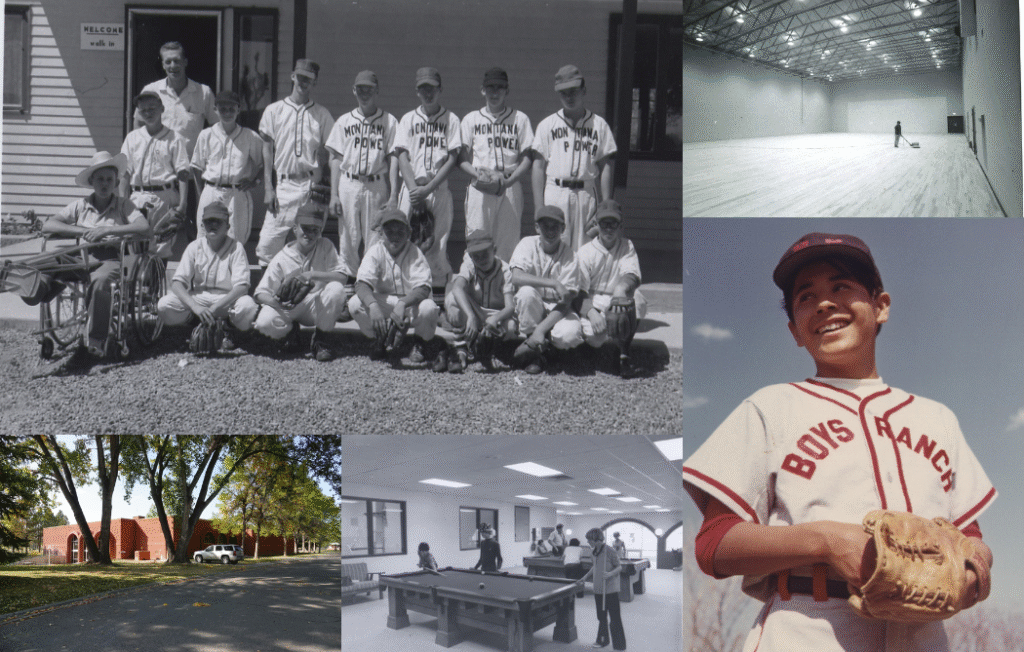
Did you know the Uihlein Center (UC) at Yellowstone Boys and Girls Ranch was built in 1973, thanks to the vision and generosity of one man?
A Donor Who Believed in Possibility
John Uihlein understood hardship firsthand. He began supporting our mission through small donations—humble acts of generosity that reflected his belief in giving kids a chance at a better future.
As he learned more about the Ranch and saw the impact of our work, his commitment grew.
After inviting our leadership to his home in Ennis, Montana, John pledged $500,000 to build what would become the Uihlein Center. His gift brought new opportunities for recreation, connection, and growth to the youth in our care.
A Center Built for Growth and Belonging
Over the years, the UC has offered activities that help young people build confidence, develop healthy relationships, and learn the value of teamwork.
Programs and amenities have included:
- A swimming pool and bowling alley
- Basketball, softball, and soccer
- Frisbee golf
- Ropes courses and team-building activities
Each of these spaces has given kids room to move, to laugh, to connect—and to experience moments of joy during some of the hardest chapters of their lives.
A Legacy That Continues Today
What began as one man’s belief in the potential of Montana youth continues to ripple across generations. The Uihlein Center remains a cornerstone of Ranch life, shaping thousands of young lives and offering a place where healing, growth, and community take root.
Learn More About Our History
Visit our History page to explore the story—and the caring people—who gave birth to our mission. Their vision continues to touch the lives of thousands of youth across Montana and beyond each year.
Want to dive deeper? You can also find A Legacy of Caring, written by our founder, Franklin Robbie, available on Amazon.

14 Quotes on Having a Gentle Response to Kids’ Mistakes

How do you respond to children when they make mistakes? It impacts everything from the comfort they have coming to us when they slip up to the mindset they develop to successfully navigate challenges.
Your Child’s Mistakes Help Them To:
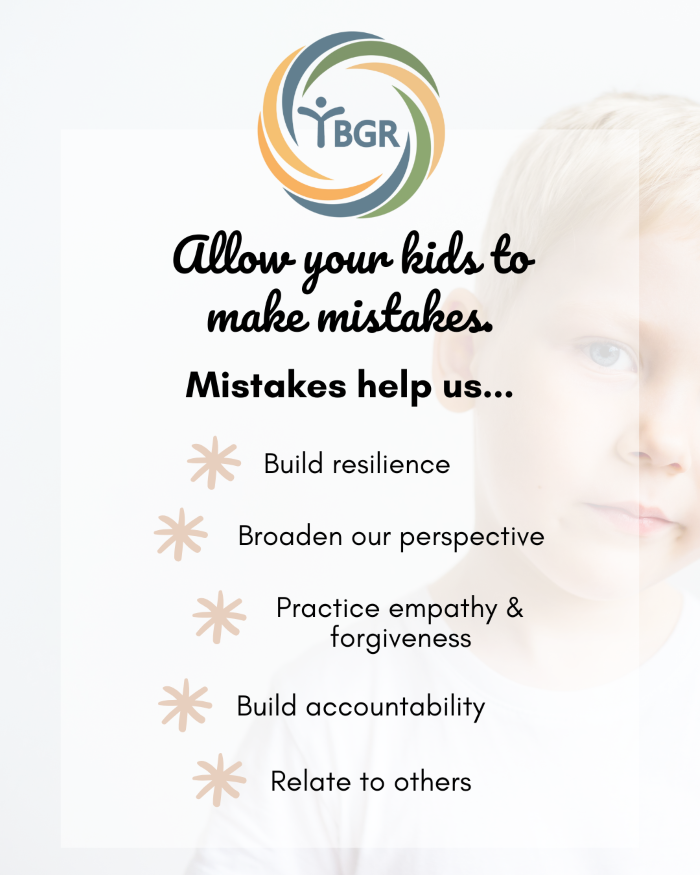
Quotes on Having a Gentle Response to Kids’ Mistakes
Below are fourteen quotes to guide you in having a gentle response to your child when they make mistakes.
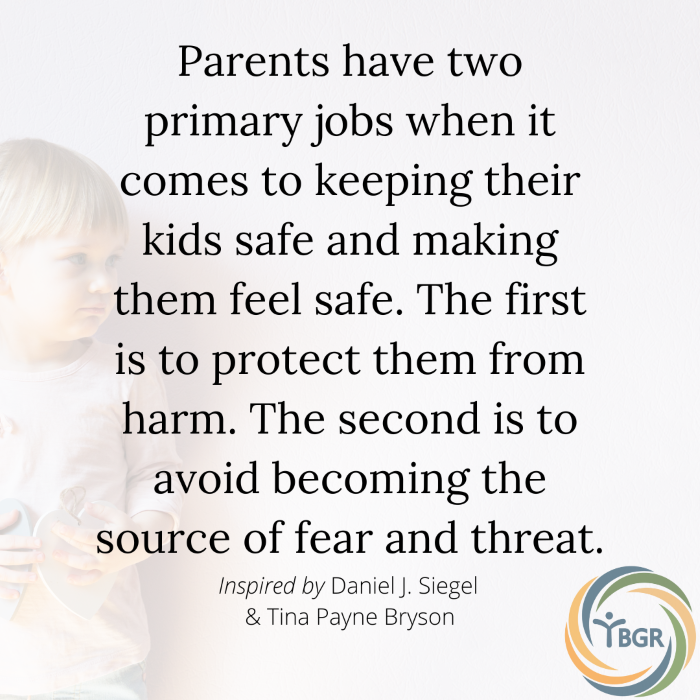
Quote 1: Parents have two primary jobs when it comes to keeping their kids safe and making them feel safe. The first is to protect them from harm. The second is to avoid becoming the source of fear and threat. – Daniel J. Siegel & Tina Payne Bryson
Quote 2: Parenting is not about raising children who never make mistakes. It’s about being a safe place for them when they do. – @simplyonpurpose
Quote 3: I think it’s really, really important that our home is not another place where our kids feel like they are failing—like they aren’t enough. – Rachel Macy Stafford
Quote 4: I often wonder if we speak so harshly to ourselves when we make a mistake because that’s how we were spoken to when we messed up as kids. – Shelly Robinson
Quote 5: The patience and kindness you offer your child when they’ve made a mistake will be the patience and kindness they offer themselves when they make a mistake as an adult. Be kind and intentional with your words. – @loveandletgrow
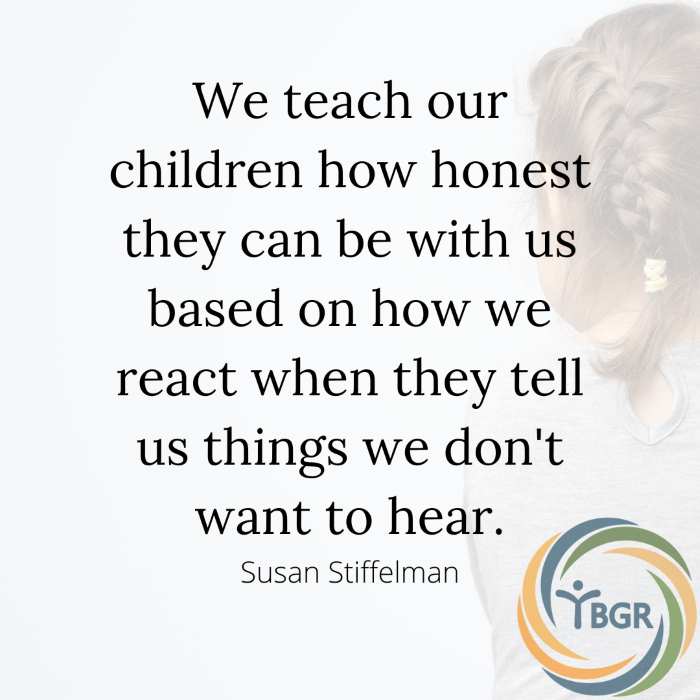
Quote 6: We teach our kids how honest they can be with us based on how we react when they tell us things we don’t want to hear. – Susan Stiffelman
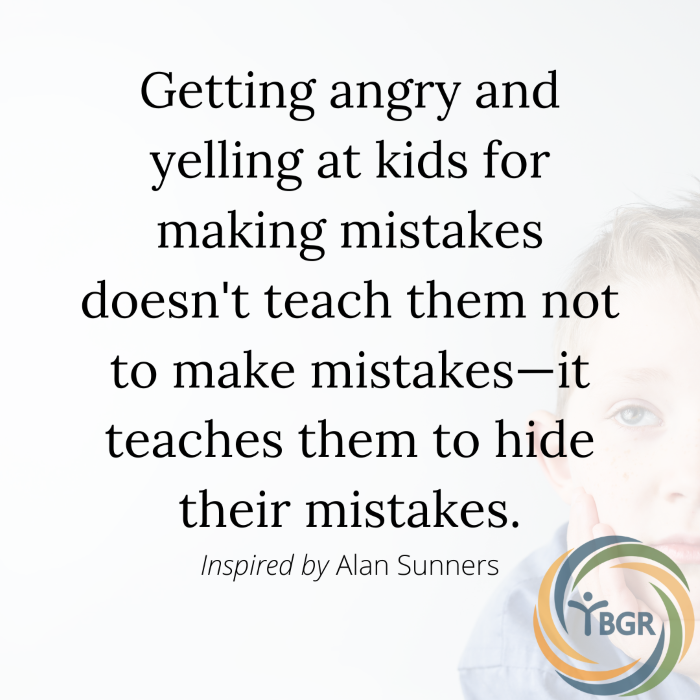
Quote 7: Getting angry and yelling at kids for making mistakes doesn’t teach them not to make mistakes—it teaches them to hide their mistakes. – @simplyonpurpose
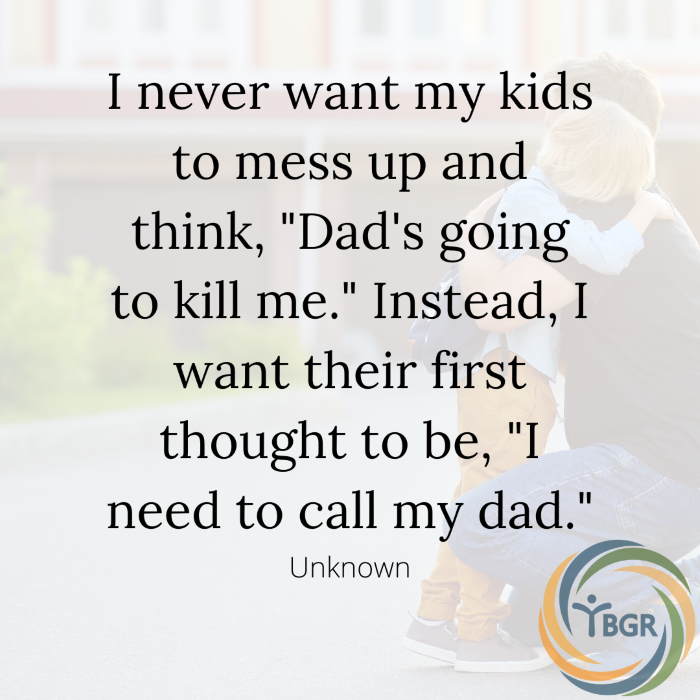
Quote 8: I never want my kids to mess up and think, “Dad’s going to kill me.” Instead, I want their first thought to be, “I need to call my dad.” – Unknown
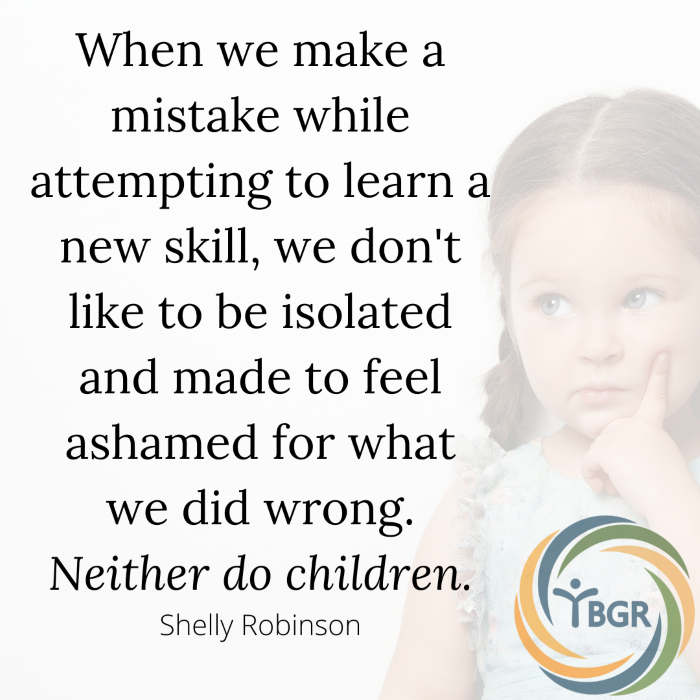
Quote 9: When we make a mistake while attempting to learn a new skill, we don’t like to be isolated and made to feel ashamed for what we did wrong. Neither do children. – Shelly Robinson
Quote 10: When my child has made a poor decision that has led to a painful lesson, the last thing they need is a side of belittlement and condescension from me. – Unknown
Quote 11: When my child makes a mistake, and I feel tempted to scold them, I try to remember how I want to be treated when I make mistakes in my own life—with compassion, curiosity, and grace. – Shelly Robinson
Quote 12: Kids cannot persevere unless they know mistakes are part of life. Talk about your child’s mistakes without criticizing, showing anger, or shaming. Then give constructive feedback on how to improve. – Inspired by Michele Borba
Quote 13: Look for solutions rather than punishments. Children need to learn how to fix their mistakes, not just pay for them. – Rebecca Eanes
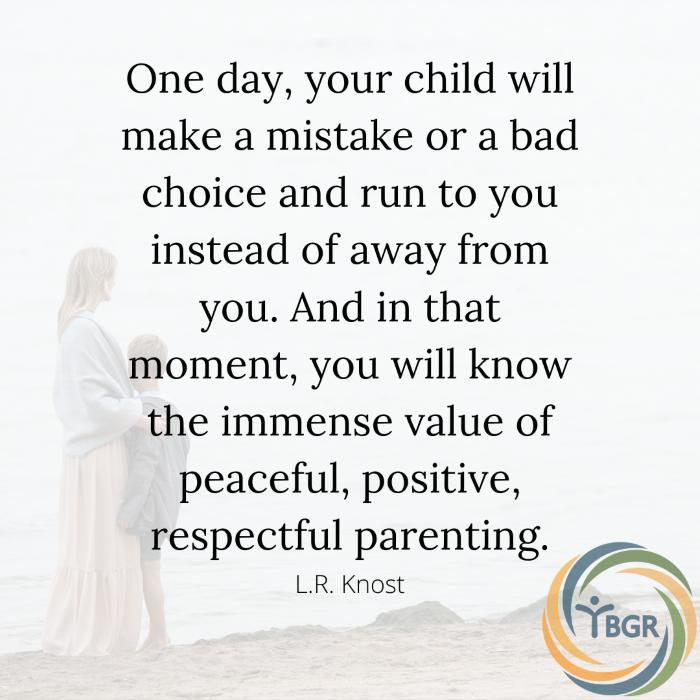
Quote 14: One day, your child will make a mistake or a bad choice and run to you instead of away from you. And in that moment, you will know the immense value of peaceful, positive, respectful parenting. – L.R. Knost
Want More?
Check out the rest of our blog and follow us on social media. You can find us on LinkedIn at Yellowstone Boys and Girls Ranch, Instagram at @ybgr_cares, and Facebook at Yellowstone Boys and Girls Ranch.
Yellowstone Boys and Girls Ranch Welcomes First Girls to the Ranch
For years, it was only boys. But what about the girls?
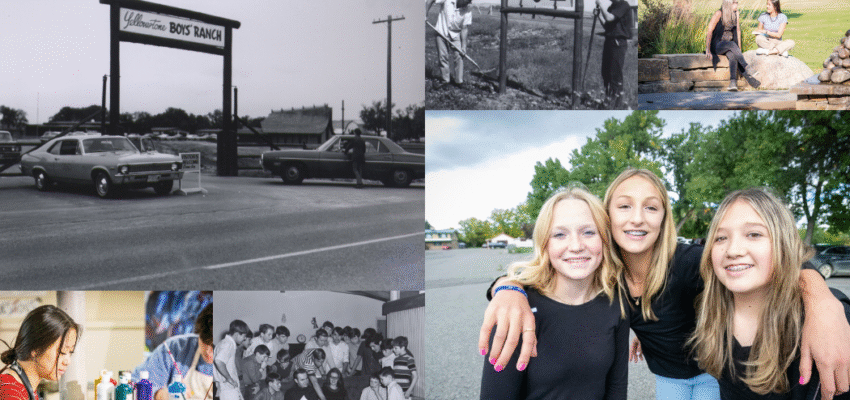
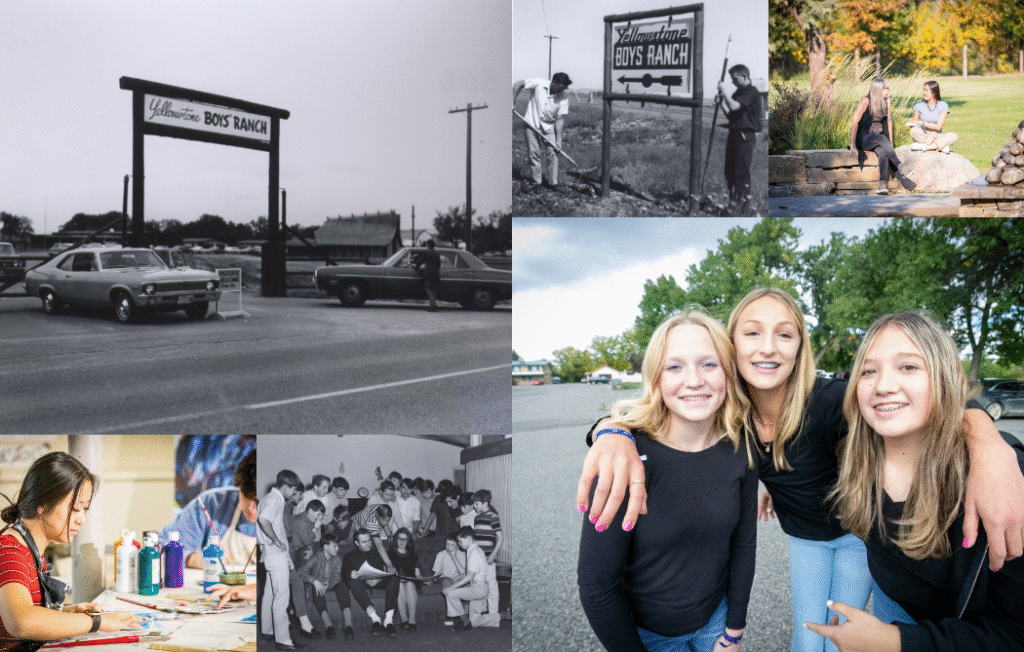
In 1956, Franklin Robbie led a united vision to create an alternative refuge for boys at Montana State Industrial School, giving rise to Yellowstone Boys Ranch. For 23 years, the Ranch lived up to its name—serving only boys who carried heavy burdens.
A Call for Change — Yellowstone Boys and Girls Ranch Welcomes Girls
By the late 1970s, Montana was seeing more and more girls in crisis, and families began voicing heartfelt pleas—don’t forget the sisters, the daughters, the girls who hurt too.
In June of 1980, the Yellowstone Foundation announced in The Wrangler that girls would soon join our care, marking the first time we were known as Yellowstone Boys and Girls Ranch. That summer, Yellowstone Boys and Girls Ranch welcomed its first girls, launching a new pilot program that opened doors for healing and belonging.
With state support, one brave girl became the first to walk through our gates. Her arrival marked a turning point—lodges built, donors rallying, and girls finally finding a place to heal and grow.
Expanding Hope and Belonging
When Yellowstone Boys and Girls Ranch welcomed its first girls, it became clear that the Ranch’s heart had never been just for boys—it had always been for kids.
Today, more than four decades later, girls make up nearly 80% of the youth in care at the Ranch. Their courage and resilience continue to shape who we are as a community of caring people, preparing youth for life.
Learn More About Our History
Visit our History page to explore the story—and the caring people—who gave birth to our mission. Their vision continues to touch the lives of thousands of youth across Montana and beyond each year.
Want to dive deeper? You can also find A Legacy of Caring, written by our founder, Franklin Robbie, on Amazon.
Kids at YBGR’s Boulder Group Homes Make a Lasting Impact at Local Animal Shelter
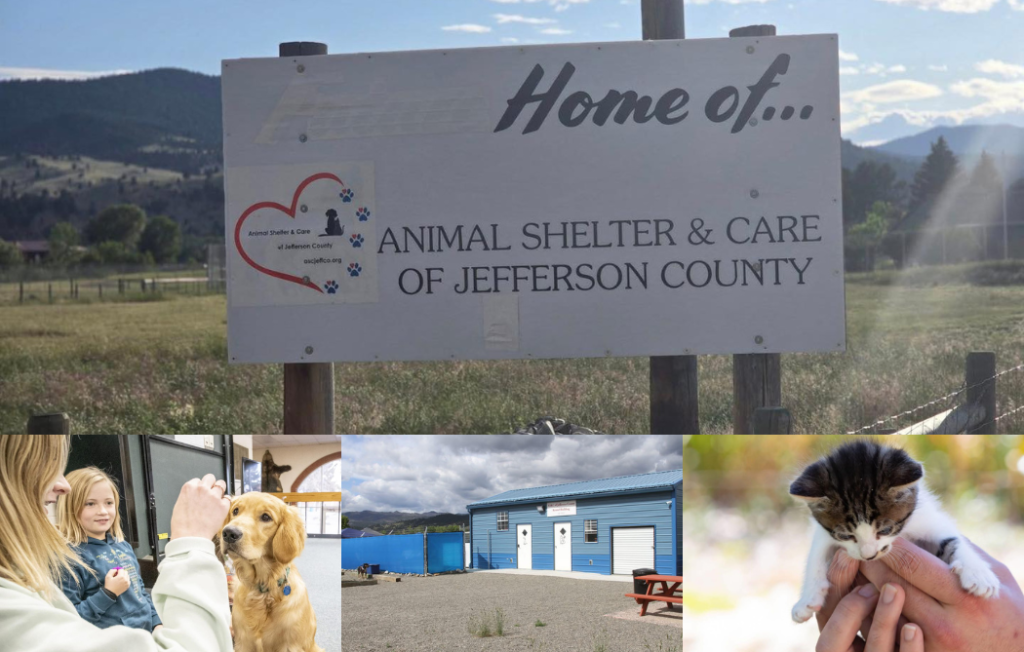
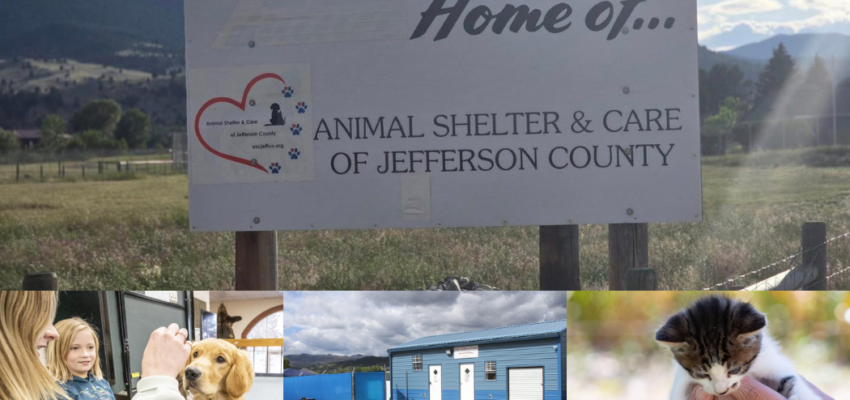
What began as a one-time service project has grown into something much deeper. For over a year, kids from our Boulder Group Homes have partnered with Animal Shelter and Care of Jefferson County (ASCJeffco)—and the impact continues to grow.
A Community Partnership That’s Building More Than a Shelter
It began with a simple goal: to help build a shelter and dog park that would serve the community and provide care for animals in need. But long after the construction wrapped up, the connection remained.
Now, each week, youth return to ASCJeffco—not because they have to, but because they want to. They walk dogs, clean kennels, and comfort animals still waiting for a home. Their steady presence has become a source of support that the shelter can count on.
Building Skills at Boulder Group Homes Through Service
This isn’t just about volunteering—it’s about growth. Through their work, youth are learning responsibility, showing up with consistency, and experiencing the power of care in action.
With the guidance of our Boulder team, they’re developing real-world skills and growing into leaders. They’re learning what it means to contribute, to connect, and to show up for something bigger than themselves.
Preparing Youth for Life Through Purposeful Engagement
This is what our mission, “Caring People, Preparing Youth for Life,” looks like in practice.
By creating space for service, our kids are not only supporting the community—they’re discovering who they are and what they’re capable of. This partnership with ASCJeffco is a powerful example of what can happen when care is consistent and purpose-driven, both for the animals and for the youth in our Boulder Group Homes.
Stay Connected
Stay tuned to our news updates for the latest from across Montana, and follow us on social media. You can find us on LinkedIn at Yellowstone Boys and Girls Ranch, Instagram at @ybgr_cares, and Facebook at Yellowstone Boys and Girls Ranch.
The Yellowstone Boys and Girls Ranch Expansion in the 1970s Into Therapeutic Care
When hundreds of young lives find healing, you know something powerful is at work.
The Yellowstone Boys and Girls Ranch expansion in the 1970s marked a new chapter for mental health care.
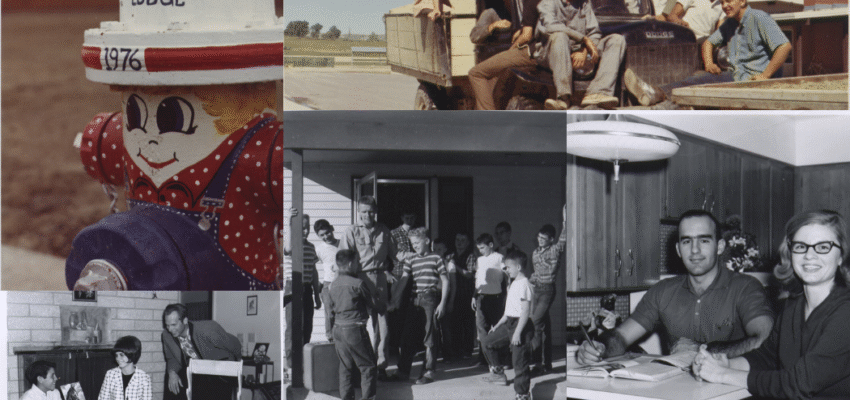
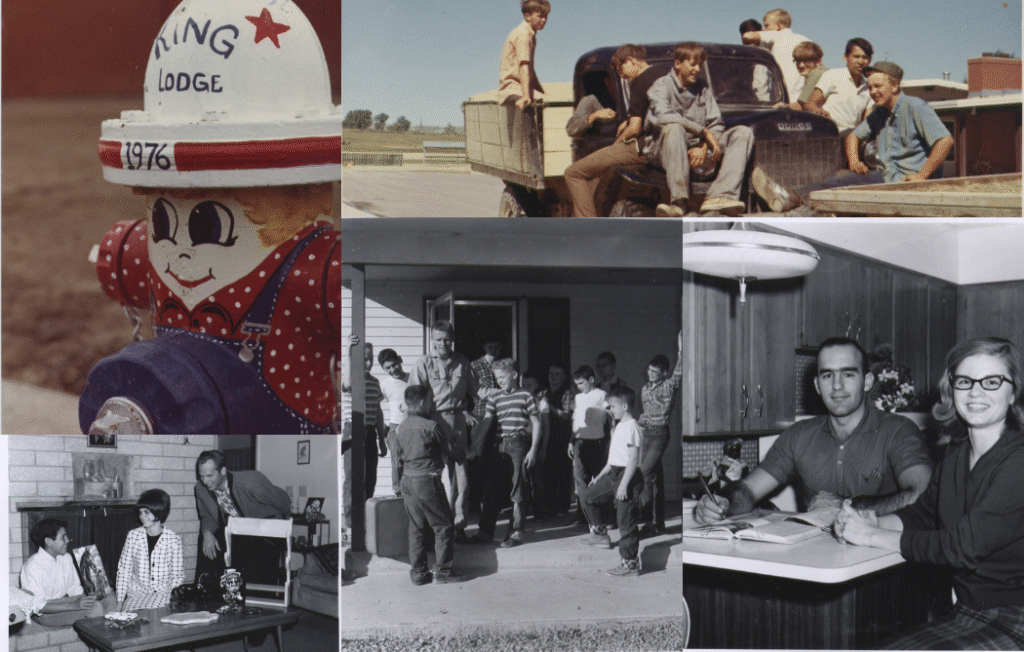
In 1976, King Lodge opened as the first to include its own kitchen and dining room, creating a space where daily life could feel more like home. Soon after, the Ranch partnered with the State of Montana to serve youth in need of therapeutic care. By 1977, Orth Lodge had launched a pilot program, opening new possibilities for treatment.
Expanding Care, Restoring Hope
By 1978, Yellowstone Boys and Girls Ranch had built a more comprehensive continuum of behavioral health care, earning accreditation from the Joint Commission of Hospitals. Jessie Grant Lodge welcomed six young girls in 1979, and by 1982, Shumaker Lodge expanded its treatment for girls, while London Lodge provided a supportive environment for boys.
By our 25th anniversary, more than 600 youth had received care through the Ranch. Even the fireplaces in Jessie Grant and Shumaker Lodges—built by a former youth apprenticing under Gene Halone—carried symbolic weight, crafted by hands once in need of healing.
At YBGR, every lodge is more than brick and timber. Each stands as a testament to the work of caring people, preparing youth for life.
Learn More About Our History
Visit our History page to explore the story—and the caring people—who gave birth to our mission. Their vision continues to touch the lives of thousands of youth across Montana and beyond each year.
Want to dive deeper? You can also find A Legacy of Caring, written by our founder, Franklin Robbie, on Amazon.