
Friction. How to Conquer Conflict at Work

Conflict! For many, the word insights extreme discomfort. I mean, hats off to those who navigate relationship tension like a pro. I know I don’t. And I’m not alone.
Surveys show that an astounding 85% of American workers regularly traverse conflict. And over half of them feel ill-equipped for the journey.
Friction, particularly in the workplace, is inevitable. Work is where people with diverse backgrounds, values, and personalities congregate. And disputes often arise where differences meet.
Conflict Boils Down to Communication
Have you heard of the four horsemen of the apocalypse? After a mountain of research, Psychologist John Gottman found that specific communication patterns predicted divorce with over 93% accuracy. And what were those patterns? Criticism, defensiveness, contempt, and stonewalling.

Here’s the kicker. While Gottman’s research focused on marriage, his findings ring true for relationships across all settings. Understanding the four horsemen and developing the skills to overcome them is priceless in navigating conflict.
Below is a breakdown of John Gottman’s four horsemen and tips on how to conquer them at work.

Criticism
When we criticize others, we state complaints as a defect in their personality or character. As a result, our communication comes across as a personal attack, causing the other party to become defensive and shut down their desire for mutual resolution.
Frequently, criticism is characterized by universal statements, such as “You never” or “You’re too lazy.”
How to Counter Criticism
Of course, the best counter to criticism is to complain without dishing out blame. To do so, gently express your needs using “I” statements, rather than resorting to “you” statements. Try describing how you feel as neutrally as possible while still making your point.
Before walking into an interaction, think to yourself:
“What emotions do I feel?”
“What do I need from the other person in this situation?”
When countering criticism in the workplace, try to be as general as possible, asking questions such as “Can you tell me what brought you to that approach?”

Contempt
What’s contempt? It’s general meanness, mocking, condescension, and sarcasm. Some examples include eye-rolling, sneering, and name-calling.
Contempt can come across as any statement or nonverbal behavior aiming to elevate you to a higher ground than another person. It’s the ultimate sign of disrespect, and according to John Gottman, it’s the number one predictor of relationship failure.
When we engage in contempt, it often causes the other party to counter with defensiveness and stonewalling, spiraling both parties further down the rabbit hole of conflict.
How to Counter Contempt
Counter contempt by creating a culture of appreciation. For instance, if you admire something about a teammate, tell them. And when they do something great, let them know.
Moreover, try to avoid sarcasm, even through humor. It’s often taken out of context and can result in hurt feelings.
Note for Supervisors
Don’t wait for formal performance reviews to communicate a job well done to your people. Instead, catch them doing good and call it out whenever possible.

Defensiveness
I don’t know about you, but I don’t like feeling attacked, rejected, or criticized. And my first reaction to it, like most of us, is to defend myself.
But that reaction? It can be damaging! And why is that?
Because when we’re defensive, it signals to the other party that we aren’t able to take a hard look at our behavior and execute actions to correct it.
When we act defensively, we counter a perceived attack with a counterattack. Frequently, we take the victim role and refuse to take responsibility for our part in destructive communications.
And that behavior only escalates and spins the interaction out of control.
How to Counter Defensiveness
The counter to defensiveness is straightforward—take responsibility. We can’t mitigate conflict with others unless we take accountability for our part in it.
Yes, you heard me right. You play a role in the negative interactions you have with others. It’s inevitable. We all do.
So, next time you feel attacked, take responsibility by openly acknowledging your part in the exchange. And even if you slip up in your communications, you can still clean it up.
Here’s an example: “Let’s start that again. I might not have expressed that thought very well. I apologize.”

Stonewalling
Stonewalling involves avoiding contact with another person with the intent of making them feel ignored or invalidated. When we stonewall, we shut down and emotionally withdraw from conflict.
Essentially, we close ourselves off from those we’re in discord with, which often leads to noncooperation.
Stonewalling can look like:
- Ignoring what the other person is saying
- Changing the subject to avoid an uncomfortable topic
- Storming off without a word
- Coming up with reasons not to talk
- Refusing to answer questions
- Making accusations rather than talking about the current problem
- Using dismissive body language such as rolling or closing eyes
- Engaging in passive-aggressive behaviors such as stalling or procrastinating to avoid talking about a problem
- Refusing to acknowledge the stonewalling behavior
Here are some reasons why we respond to conflict by stonewalling:
- We have a hard time expressing feelings & needs.
- We feel pressured or threatened to get our point across
- We are flooded with emotion
- It’s hard to open up and be vulnerable with feelings, so we push those feelings inward.
- We use the “silent treatment” as a control tactic to punish or get back at the person we’re upset with.
- We feel the other person won’t understand where we are coming from, so we think, “what’s the point?”
- We grew up in an environment where feelings were not openly discussed, and caregivers modeled avoidance.
The thing with stonewalling is we never address conflict when we do it. Instead of fixing the problems at the root of relationship friction, we let them rot, only perpetuating negative feelings.
How to Counter Stonewalling
Stonewalling is tricky. Sometimes, we get so flooded with emotion that we know we’ll become highly agitated or even enraged if we confront conflict head-on. And that’s not good. But disengaging isn’t a solution either.
So, what’s the answer? First, practice open communication by letting the other party know you need a break. Then, use that time to distract yourself from the conflict, explore your feelings, and calm down.
Remember, decompress, but always come back to the interaction when you’re in a space to navigate it constructively. When you return, use empathy and convey that you are listening to understand the other party’s experience, even if you disagree with their viewpoint.
Want More?
For more content like you found in this article, check out the rest of our blog and follow us on social media. You can find us on LinkedIn at Yellowstone Boys and Girls Ranch, Instagram at @ybgr_cares, and Facebook at Yellowstone Boys and Girls Ranch.

4th Annual Chili Cook-Off at the Ranch

Get ready for an evening full of flavor, fun, and real country music—Yellowstone Foundation is bringing the heat to the Jones Equestrian Center for the 4th Annual Chili Cook-Off at the Ranch!
Put your chili-tasting skills to the test while enjoying live music from www.Twang—authentic country sound at its finest.
When:
Thursday, September 25th | 5–8 PM
Where:
Jones Equestrian Center, Yellowstone Boys and Girls Ranch
1732 72nd St W, Billings, MT 59106
(on Hesper Rd, West of 72nd St. on the North side)
Your ticket includes:
🍲 Chili, sides, soda, and water
🎶 Live entertainment
🎟️ Access to games and festivities
Available for purchase:
🔥 Collector chili bowls
🐎 Horse rides
🍻 Adult beverages
🎉 Heads/tails game & silent auction fun
Ticket Prices:
- $15 per person
- $50 for a family of four or more
- Children 5 & under are FREE
- Children 12 & under receive one free horse ride
- $150 for a reserved table for eight
Click here to visit the Yellowstone Foundation’s website to purchase tickets.
All proceeds support activities for kids across Yellowstone Boys and Girls Ranch’s residential, educational, and community-based programs.
A special thank you to our generous sponsors for making this community celebration possible.
Have questions or want to get involved?
Contact Abigail at Yellowstone Foundation today.

17 Quotes on Coaching Kids Through Behaviors

As parents, navigating tricky behaviors can be challenging. But with a positive approach built on a foundation of curiosity and intention, we can help our little ones learn, grow, and thrive.
Below are seventeen quotes to help you decode and coach kids through behaviors.
Quotes on Coaching Kids Through Behaviors

Quote 1: When we don’t understand a behavior, we tend to assume a child is doing it on purpose. – @raisinghumankind
When we don’t understand behavior, it’s easy to assume it’s intentional.
The talking back. The shutdown. The meltdown in the grocery store. Without context, it can feel personal—even defiant.
But most of the time, it’s not about us. It’s about a child trying to cope with something they can’t yet manage, express, or explain.
Assuming intent closes the door to understanding. Curiosity cracks it open.

Quote 2: There’s usually an “inside” story to every “outside” behavior. Though we may not be able to know that “inside story,” there’s generally some inner reason for what children do. – Fred Rogers
Every behavior tells a story—even if we don’t know the full plot.
What we see on the outside is often just the surface: the outburst, the shutdown, the refusal. But underneath? There’s almost always a reason—stress, confusion, fear, or needs that haven’t been met.
We don’t have to excuse the behavior to understand it. When we lead with that mindset, we respond with more patience, clarity, and compassion.

Quote 3: One of the most important tools for parents is the power of observation. Often, we act before considering the underlying meaning of kids’ behaviors, focusing on managing or correcting it instead of reflecting on what it means for the child. – Inspired by @monadelahooke
Before we correct, it helps to observe. Behavior isn’t random—it’s often a clue.
Kids may not say, “I’m overwhelmed” or “This is too much for me.” But their behavior might be trying to tell you just that.
One of the most powerful tools we have as parents is curiosity. When we pause long enough to notice, we shift from reacting to understanding. That shift helps us respond in ways that support our kids.

Quote 4: Beneath misbehavior often lies a struggling child who is aware that they are not meeting expectations but unaware or unequipped on how to do so. – Inspired by Sarah Boyd
Kids usually want to meet expectations. But under stress, the skills that help them do that—like calming down, thinking ahead, or stopping to consider their choices—can fall apart.
That’s because the part of the brain responsible for planning, focus, and self-control (called executive function) is still developing—and even more so when emotions run high.
It’s not about motivation. It’s about brain development. And kids need coaching, not criticism, to build those skills over time.

Quote 5: Challenging behavior occurs when the demands placed on a child outstrip the skills they have to respond adaptively to those demands. – Dr. Ross Greene
Challenging behavior doesn’t mean a child won’t—it often means they can’t. At least not yet.
When the demands placed on a child exceed the skills they have—whether it’s managing emotions, thinking flexibly, or navigating social situations—behavior becomes the signal.
This idea is at the heart of Dr. Ross Greene’s Collaborative & Proactive Solutions model. Backed by research on lagging executive, emotional, and social skills, it offers a simple, powerful truth:
Kids do well if they can.
And if they can’t? They don’t need more pressure—they need support to build the skills they’re missing.

Quote 6: Children do not enter this world with bad intentions. They do not come to wear us out, test our patience, or push us over the edge. They come to us with a need for love, connection, and belonging. – Rebecca Eanes
From the very beginning, kids are wired to seek connection and safety—it’s how they survive, and how they grow.
So when behavior gets loud or hard to manage, it’s usually not about manipulation. It’s a signal. A sign that something isn’t working, and a child is struggling to get their core needs met.
When we see behavior as a call for connection—not control—we’re more likely to respond with the guidance and support kids truly need.

Quote 7: Every child wants to succeed. Every child wants to have a good relationship with others. Every child wants to have a sense of belonging and significance. When we remember this, we will give misbehaving children the benefit of the doubt. Instead of assuming they want to be difficult, we will assume they want positive results and are simply confused about how to achieve them. – Jane Nelsen
At the core, every child wants to do well. They want to connect. To feel seen. To belong.
When behavior misses the mark, it’s rarely because a child wants to cause problems—it’s usually because they’re struggling to get their core needs met—and working to meet them in the only way they know how.
Giving kids the benefit of the doubt doesn’t mean lowering expectations. It means recognizing their intentions are good—even when their behavior isn’t—and showing them how to get to the outcome they’re really after.

Quote 8: Too often, we forget that discipline really means to teach, not to punish. A disciple is a student, not a recipient of behavioral consequences. – Daniel J. Siegel
Discipline at its core is about helping kids learn what to do next time—not just making them pay for what went wrong.
When we shift from reacting to teaching, we give kids the tools to build better behavior over time.

Quote 9: Repeatedly telling a child what they’re doing wrong won’t help them learn what to do differently. – @parenting_pathfinders
Pointing out what’s wrong doesn’t teach what to do instead.
Kids need more than correction—they need coaching. When we only tell them what not to do, we leave a gap. A blank space where the skill should be.
Real growth comes when we help them fill that gap—with guidance, modeling, and practice. It’s not about lowering expectations—it’s about giving them the tools to reach them.

Quote 10: Before telling a child to stop doing something, imagine them asking you, “What should I do instead?” Then, skip telling them to “stop” and tell them this. – @parenting_pathfinders
What if, before saying “stop,” we paused to consider what a child could do instead?
Most kids aren’t trying to misbehave—they’re trying to navigate a situation with the tools they have. When we only tell them what not to do, we leave them without a way forward.
So next time, imagine them asking, “What should I do instead?” And lead with that.
Giving clear direction helps kids build the skills they need to succeed.

Quote 11: Affirmation is powerful! When you encourage kids with their small successes, they are usually eager to do more. – @connectedfams
Kids grow where they’re encouraged.
A small win—a kind word—a moment of progress noticed. That’s often all it takes to spark motivation. Affirmation builds confidence, and confidence fuels growth.
As @connectedfams puts it: “When you encourage kids with their small successes, they are usually eager to do more.”
What we choose to highlight matters. Catch them doing well, and watch what happens next.

Quote 12: Clear is kind. Unclear is unkind. Often, we get so focused on how to respond when kids cross boundaries that we forget to ensure our boundaries are clear to begin with. – @helpingfamiliesthrive
“Clear is kind. Unclear is unkind.”
We often focus on how to respond when kids cross boundaries—but sometimes, the real issue is that the boundary wasn’t clear to begin with.
Kids aren’t mind readers. They’re learners.
When we set limits with calm, consistent clarity, we make it easier for them to succeed.

Quote 13: Punishing a child forces them to focus on how their behavior affects them. Communicating with a child helps them to focus on how their behavior affects others. To parent effectively, focus on communication instead of retribution. – Inspired by L.R. Knost
Punishment makes kids think, “I’m in trouble.” Communication helps them think, “I made a mistake—and here’s how it affected someone else.”
One pushes kids into self-protection. The other invites growth, accountability, and connection.
It’s not about making kids pay for what went wrong—it’s about helping them understand, repair, and grow.

Quote 14: If controlling another human being is the goal, then force is necessary. Fear, intimidation, threats, power-plays, physical pain—those are the means of control. But, if growing healthy humans is the goal, then building trust, relationships, encouraging, guiding, leading, teaching, and communicating are the tools for success. – Inspired by L.R. Knost
The way we respond to challenging behavior says a lot about what we’re aiming for.
If the goal is short-term compliance, we might lean on control or fear to get it. But if the goal is long-term growth—raising thoughtful, capable humans—we have to take a different path.
That means leaning into connection, not coercion. Teaching instead of punishing. Holding boundaries and holding space.
It takes more time, more intention—but it builds something stronger.

Quote 15: You won’t be able to always control your child. But with a relationship with trust and connection, you will be able to influence them for years beyond childhood. Focus on connection & influence instead of power & control. – Dr. David Erickson
Control is temporary. But connection? That lasts.
You won’t always be able to control your child’s choices—and you shouldn’t have to. What carries real weight over time is the relationship you build.
When trust and connection are strong, your influence lasts far beyond childhood. Not because you demanded it—but because you earned it.

Quote 16: Never miss an opportunity to make a kid feel better about themselves. When they feel good, their whole demeanor changes. They learn better, behave better, and act better toward others. – Christine Derengowski
It’s easy to focus on what needs correcting. And yes—kids need guidance, limits, and clear expectations. But if that’s all they hear, they can start to believe they’re only as good as their mistakes.
Encouragement shifts that narrative. When we reflect back their effort, growth, and small wins, we help them see themselves differently—and that changes everything.
A child who feels seen and capable is more open to feedback, more willing to try again, and more likely to grow—not because we demanded it, but because they believe they can.

Quote 17: When children perceive that they belong and that they are capable, they feel encouraged and behave in socially acceptable ways. – Jane Nelson
When kids feel like they belong and that they matter, their behavior often starts to shift.
Belonging isn’t just a warm feeling—it’s a basic need. And when kids see themselves as capable contributors, they’re more likely to show up in ways that reflect that belief.
That sense of belonging fuels motivation. It builds resilience. It gives kids a reason to care—not just about how they’re doing, but about how they’re impacting others.
Instead of trying to earn their place, they begin to live into it—taking ownership, showing empathy, and stepping into who they’re becoming.
Need Support?
We’re here to help! With everything from therapy to in-home caregiver support and more, we provide a wide range of behavioral health services tailored to each child’s unique needs—designed to empower families in treatment.
Contact us to learn more about getting involved.
Did You Find This Article Helpful?
Check out the rest of our blog and follow us on social media. You can find us on LinkedIn at Yellowstone Boys and Girls Ranch, Instagram at @ybgr_cares, and Facebook at Yellowstone Boys and Girls Ranch.
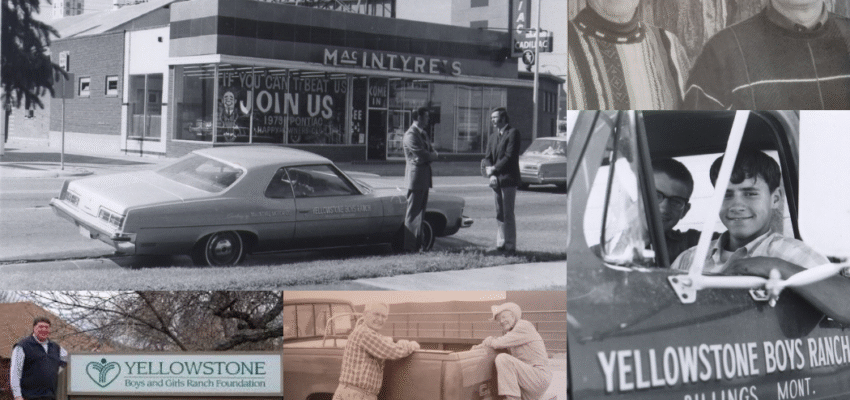
The Story Behind Yellowstone Boys and Girls Ranch Foundation
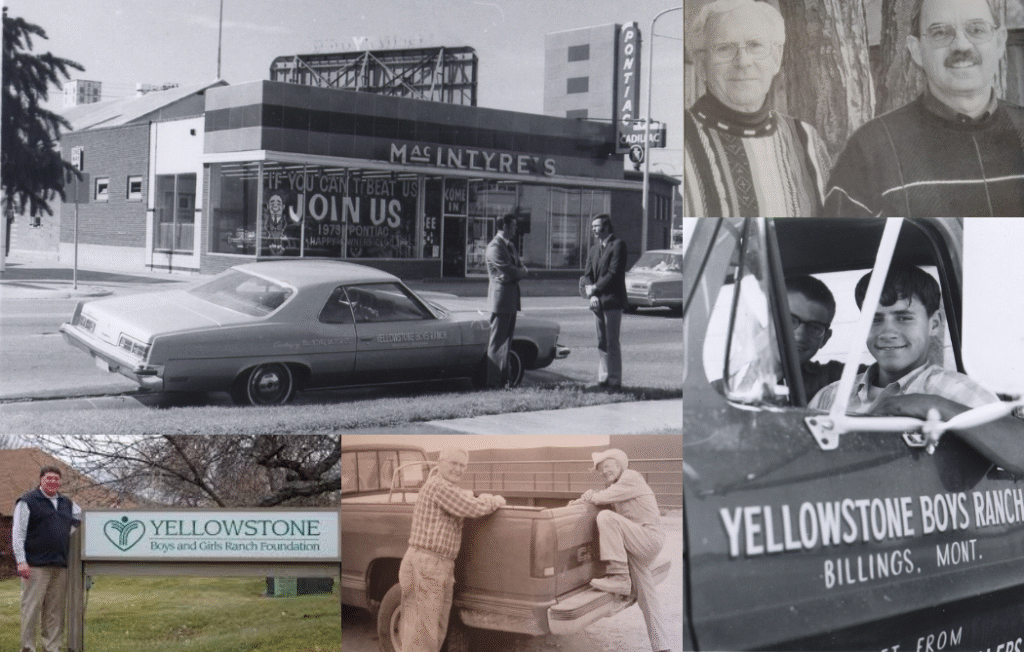
The story of the Yellowstone Boys and Girls Ranch Foundation begins long before its official formation—with the roots of generosity that shaped Yellowstone Boys and Girls Ranch itself.
From the start, the Ranch stood tall because of caring people who believed in its mission and the leaders who carried that mission forward. In the early days, Bob McFarlane rallied ranchers across Montana to give what they could—calves, grain, even land rights.
When the effort grew beyond one man, Irwin Eleson, a can-do ranch hand with a gift for connection, took to the road in a donated pickup, recruiting trustees and donors who built a foundation of trust and community support.
Laying the Groundwork for the Foundation
Decades later, Jim Soft carried that same spirit into the creation of the Yellowstone Boys and Girls Ranch Foundation, established to ensure the Ranch’s long-term stability. His guiding belief was simple: strong roots ensure lasting growth. With the Blankenship Charitable Remainder Trust, the Foundation secured its first major planned gift, demonstrating that generosity could sustain the Ranch’s mission for generations to come.
Meanwhile, Franklin Robbie devoted his life to leading the Ranch, and later the Foundation, driving thousands of miles each year to raise the funds that kept hope alive. Alongside him, Merle Robbie offered steadfast partnership and wisdom, helping shape the heart of the organization.
A Legacy Carried Forward
In 1984, the Yellowstone Boys and Girls Ranch Foundation became its own nonprofit organization, dedicated to supporting the mission and future of Yellowstone Boys and Girls Ranch and similar organizations. This step formalized years of grassroots generosity, creating a sustainable structure to carry forward the legacy of giving that began with the Ranch’s founders.
When Franklin later passed the torch to his son, Wes Robbie, the Foundation entered a new era. Wes brought professionalism and vision, modernizing operations while preserving the spirit of generosity his parents and predecessors had lived out so faithfully.
Today, Yellowstone Boys and Girls Ranch stands strong not because of buildings or programs alone, but because of caring people who planted roots of giving and leadership. Nearly 400 charitable gift annuities and trusts now sustain this legacy, each one a testament to enduring faith in the mission.
The Robbie family’s legacy, joined with that of so many others, ensures that every child in our care finds not only healing but a future filled with hope.
Learn More About Our History
Visit our History page to explore the story—and the caring people—who gave birth to our mission. Their vision continues to impact the lives of thousands of youth across Montana and beyond each year.
Want to dive deeper? You can also find A Legacy of Caring, written by our founder, Franklin Robbie, on Amazon.
YBGR Staff Give Back: 4,238 Hours of Volunteering Across Montana
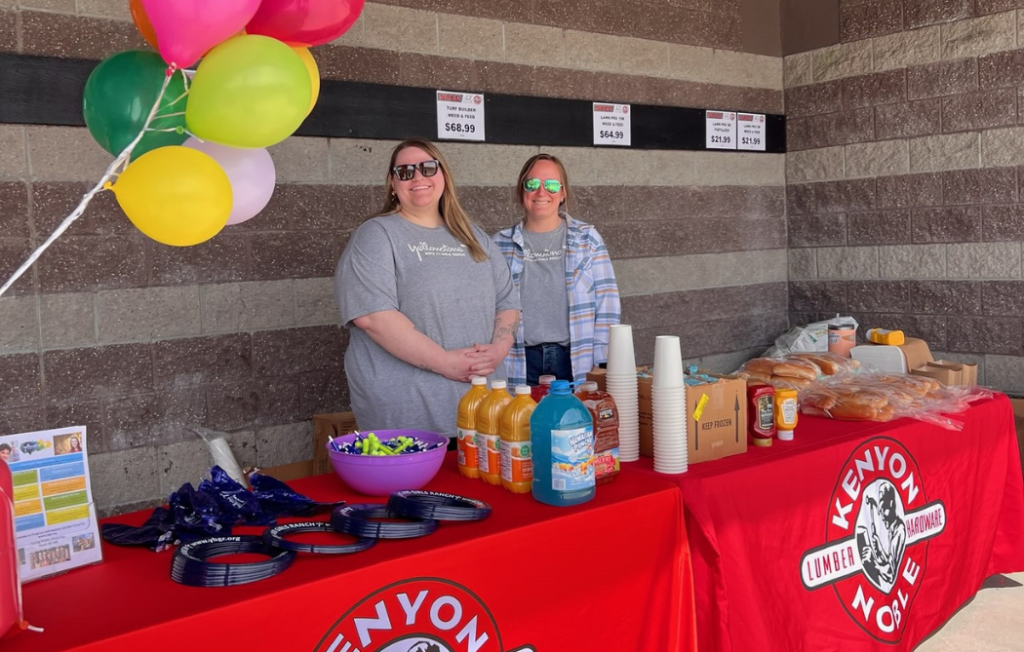
Every hour counts—and YBGR employees are proving it in powerful ways! In just a quarter’s time, our team spent 4,238 hours volunteering across Montana. From coaching youth sports to mentoring kids, delivering meals, serving on boards, and so much more, they’re making a real difference far beyond the workday.
This is what it looks like when caring people come together. We don’t just serve our communities—we’re part of them.
More Than Numbers: The Heart Behind the Service
What makes these hours so meaningful isn’t just the total—it’s the spirit behind them. Whether it’s firing up the grill for a crowd, helping a neighbor in need, or quietly mentoring a young athlete, our team shows up with commitment, care, and humility. These moments build lasting connections and communities that thrive.
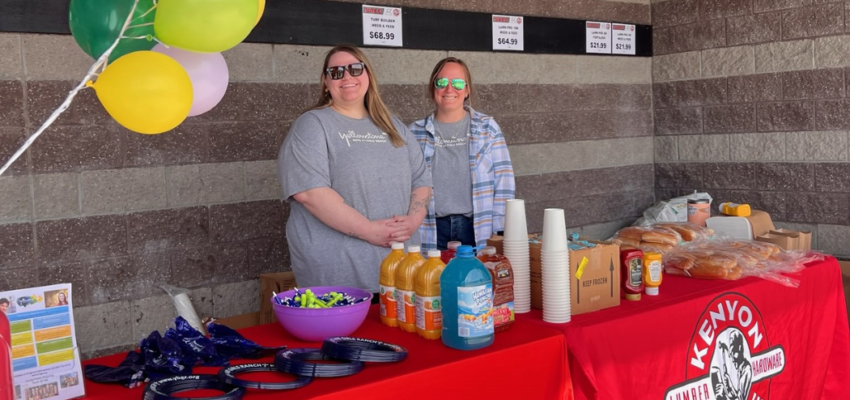
Take Leslin Ossoff, Regional Clinical Director, and Alexis Freydenfelt, Administrative Supervisor, for example. In May, they volunteered at a Kenyon Noble event in Bozeman, where they grilled hot dogs for kids and helped families build flowerpots in time for Mother’s Day. It’s a snapshot of the kind of hands-on care and connection our staff bring into their communities every day.
Why Volunteering Matters at YBGR
At Yellowstone Boys and Girls Ranch, we believe community involvement is part of who we are, not just what we do. When our staff give their time, they’re helping create the positive connections that kids, families, and neighbors need to succeed. Together, we’re helping youth grow stronger and communities grow closer.
To every employee who gives so generously—thank you. Your time and heart make a lasting difference.
Stay Connected
Stay tuned to our news updates for the latest from across Montana, and follow us on social media. You can find us on LinkedIn at Yellowstone Boys and Girls Ranch, Instagram at @ybgr_cares, and Facebook at Yellowstone Boys and Girls Ranch.

Dr. Jane Gillette Appointed Board Chair at YBGR
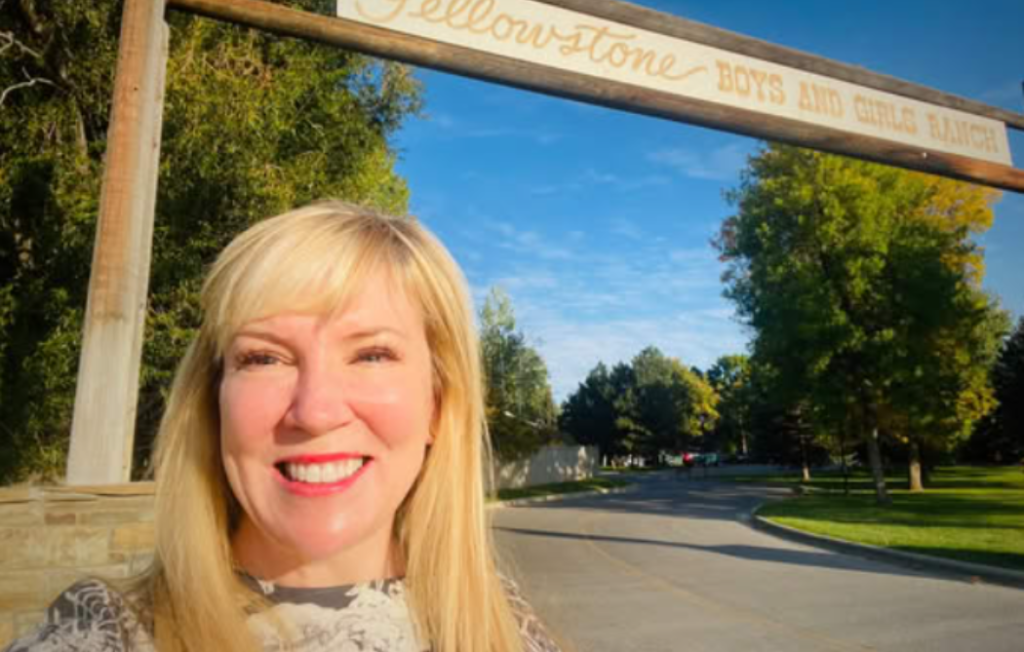
We’re excited to announce the appointment of Dr. Jane Gillette as Chair of our Board of Directors, effective July 1st, 2025.
Dr. Gillette has served on the Board since 2021 and was Vice Chair from July 1st, 2024, through June 30th, 2025. A Montana State Legislator, she is a recognized leader in primary disease prevention, health disparities, and evidence-based healthcare.
Her past leadership roles include serving as Chair of the American Dental Association’s Council on Access, Prevention, and Interprofessional Relations and Media Spokesperson for the ADA on Evidence-based Dentistry. She is a recipient of the ADA/American Association of Dental Research Evidence-based Practice Award and the HRDC IX Future Generations Award.
Dr. Gillette has also served on nonprofit healthcare and research boards, including Save the Mothers USA, the American Academy of Pediatric Dentistry, the Mountain Health CO-OP, and the NIH-funded NW PRECEDENT research network.
Stay Connected
Stay tuned to our news updates for the latest from across Montana, and follow us on social media. You can find us on LinkedIn at Yellowstone Boys and Girls Ranch, Instagram at @ybgr_cares, and Facebook at YBGR and Yellowstone Boys and Girls Ranch.

13 Quotes Illustrating the Power of Building on Strengths
Would you build a house on unsteady ground? Probably not. So why overlook a child’s strengths when guiding them?
Every child possesses an inherent set of strengths. And when we lean into them rather than focusing on weaknesses, we empower—laying a solid foundation for kids to thrive!
Below are thirteen quotes illustrating the power of building on children’s strengths.
Quotes Illustrating Building on Strengths
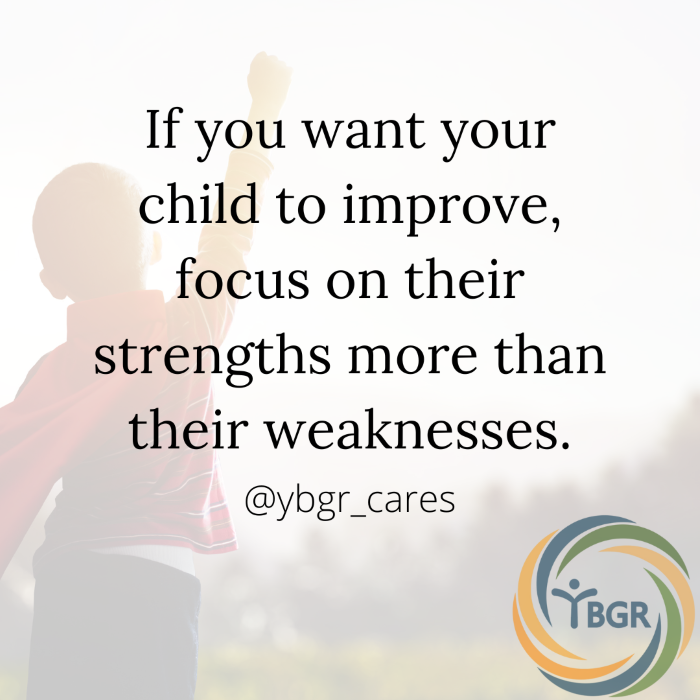
Quote 1: If you want your child to improve, focus on their strengths more than their weaknesses. – @ybgr_cares
Focusing on strengths isn’t about ignoring challenges—it’s about helping kids use what’s already working as a springboard. When a child experiences success in one area, they gain what psychologists call a “mastery experience.” These successes build self-efficacy, the belief that “I can handle this,” which research shows is key to motivation, resilience, and future effort.
Kids who feel capable are more likely to try new things, persevere through setbacks, and tackle areas they struggle with because they have proof their effort matters.
Quote 2: There needs to be a lot more emphasis on what a child CAN do instead of what they cannot. – Temple Grandin
When we point out what kids can do, we help them build a sense of competence that drives learning. Studies on motivation show that children are more willing to take on difficult tasks when they feel capable in at least one area—it fuels persistence, curiosity, and a willingness to take risks.
It’s not about empty praise or inflating self-esteem. It’s about reflecting back real strengths and effort, so kids learn to trust their abilities and stretch beyond their comfort zone.
Research rooted in Self-Determination Theory shows that when kids feel competent, they’re more intrinsically motivated and more likely to persevere through challenges.
Quote 3: The best way to teach our kids is by building them up. Not tearing them down. – @renewedhopeparenting
Research on positive reinforcement shows that kids learn better when they feel safe and valued. Encouragement reinforces desired behaviors and creates conditions where kids stay open to learning.
Harsh criticism or punishment may stop behavior temporarily, but it often triggers shame or fear—shutting down growth and effort.
Quote 4: What you say about your child is what they think about themselves. You are the first person to give them a hint about their identity. Your words are powerful—be selective. – @ybgr_cares
Children form their sense of self partly through the repeated feedback they hear from trusted adults. When we highlight strengths, we help them build an inner voice that says, “I am capable,” “I am kind,” or “I can try.” Over time, this shapes identity and self-esteem, influencing how they approach challenges.

Quote 5: Speak to people as if all you see is their potential. Not everyone gets someone like that in their life. Be that someone. – Unknown
The Pygmalion effect demonstrates that children often rise or fall to meet the expectations adults have of them. When we communicate belief in a child’s potential, we help them envision a future they might not dare consider otherwise—and that belief can motivate them to strive toward it.
Quote 6: When we believe in our kids, they start to believe in themselves. – @atparentingsurvival
Children build confidence through the belief and encouragement of trusted adults. Our belief acts as a kind of scaffolding—support that helps kids take steps they might not risk alone. Over time, that borrowed confidence helps them build their own self-efficacy.
Quote 7: To inspire people, don’t show them your superpowers. Show them theirs. – Alexander Den Heijer
Want to inspire a child? Help them see what they’re capable of. Confidence grows when kids experience their own strengths in motion.
It’s not about praise—it’s about giving them meaningful chances to contribute, succeed, and feel the impact of their effort. That’s what drives lasting motivation and a belief in their ability to handle what comes next.
Quote 8: Every kid has strengths. Sometimes they’re obvious, like the kid who is a good athlete. But some strengths can be harder to notice—like the kid who is a kind person who accepts others. Both deserve equal praise. – Inspired by Living Full
Character development studies show that praising traits like kindness, fairness, or perseverance is just as important as praising achievement. Both help kids build self-worth and guide how they contribute to the world.
Quote 9: The teachers who we remember from childhood are the ones who saw us for who we really were and inspired us toward who we could become. – Sarah Boyd
Kids internalize the reflections they hear from trusted adults. When we name strengths—kindness, creativity, courage—it helps shape how they see themselves.
Over time, these early reflections form the foundation of identity, confidence, and motivation to develop into their full potential.
Quote 10: Never miss an opportunity to make a kid feel better about themselves. When they feel good, their whole demeanor changes. They learn better, behave better, and act better toward others. – Christine Derengowski
Self-esteem research shows that when children feel valued, they’re more likely to engage positively with learning, peers, and adults.
Genuine encouragement reduces anxiety and promotes healthy risk-taking—socially and academically. Feeling seen helps kids approach the world with confidence, curiosity, and resilience instead of fear or avoidance.
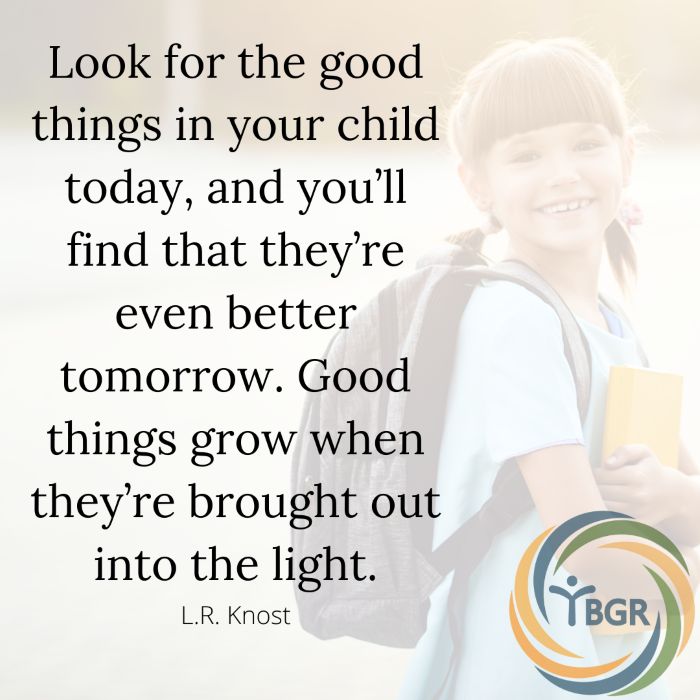
Quote 11: Look for the good things in your child today, and you’ll find that they’re even better tomorrow. Good things grow when they’re brought out into the light. – L.R. Knost
Reinforcement theory shows that the behaviors we notice and praise are more likely to grow. Kids tend to repeat what earns positive attention from the adults they care about — attention shapes behavior.
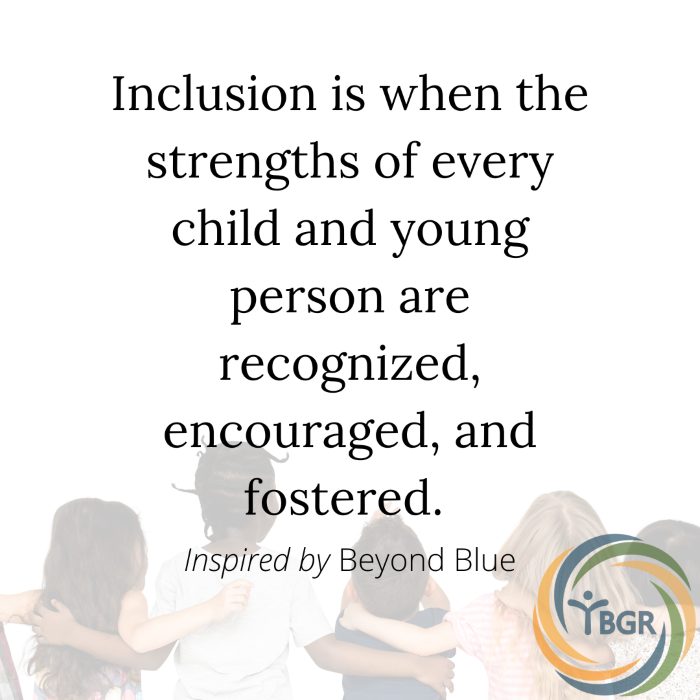
Quote 12: Inclusion is when the strengths of every child and young person are recognized, encouraged, and fostered. – Inspired by Beyond Blue
Research on belonging shows that when kids feel their unique strengths are valued, they’re more motivated to participate, learn, and connect. Inclusion isn’t about treating kids the same—it’s about helping each contribute in ways that build confidence and connection.
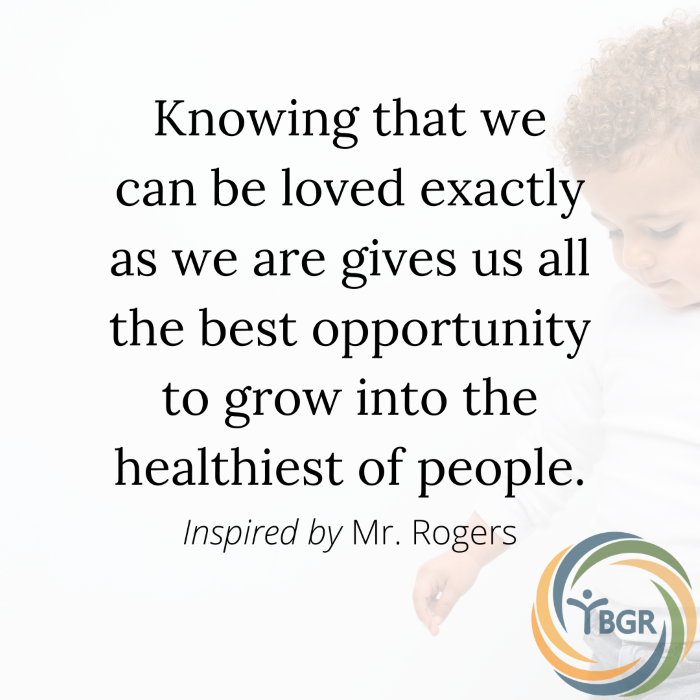
Quote 13: Knowing that we can be loved exactly as we are gives us all the best opportunity to grow into the healthiest of people. – Inspired by Mr. Rogers
Attachment theory suggests that unconditional acceptance fosters the emotional security children need to explore, try, and grow. When kids feel loved as they are, they’re more willing to take healthy risks and bounce back from setbacks.
Want More?
Check out the rest of our blog and follow us on social media. You can find us on LinkedIn at Yellowstone Boys and Girls Ranch, Instagram at @ybgr_cares, and Facebook at Yellowstone Boys and Girls Ranch.

A Gift of Healing: The Story Behind the Tom and Joan Scott Medical Clinic
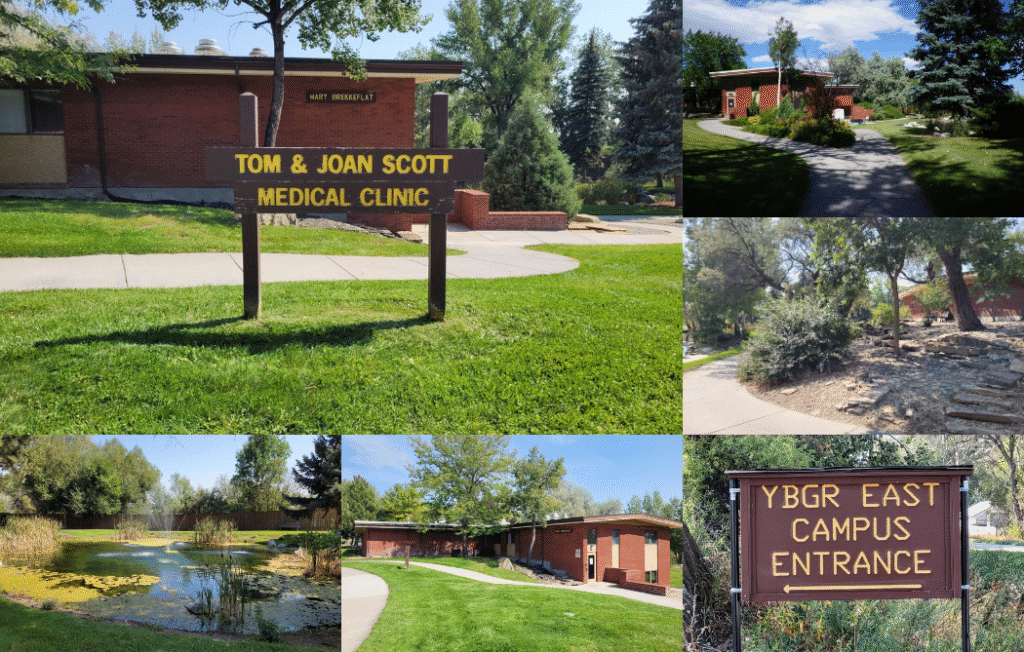
What happens when a single act of generosity reshapes the future for thousands of children?
In the early 1990s, leaders at Yellowstone Boys and Girls Ranch recognized that true healing required medical care close at hand. Tom and Joan Scott of Billings answered that need with a remarkable gift—a grant that fully funded the Tom and Joan Scott Medical Clinic on the ground floor of the Mary Brekkeflat Lodge.
Turning Vision Into Reality
By 1998, the Scotts’ generosity had transformed the space into something more than a clinic—it became a place where physical health and emotional well-being could be supported side by side. For our team, the clinic offered reassurance that medical care was always within reach. For our kids, it brought comfort and confidence, knowing that care and compassion were part of daily life at the Ranch.
A Legacy That Endures
Today, nestled among the ponds and pathways of the East Campus, the Tom and Joan Scott Medical Clinic continues to serve youth and families at Yellowstone Boys and Girls Ranch. It stands as a lasting reminder that thoughtful generosity can shape futures and bring healing for generations to come.
Learn More About Our History
Visit our History page to explore the story—and the caring people—who gave birth to our mission. Their vision continues to touch the lives of thousands of youth across Montana and beyond each year.
Want to dive deeper? You can also find A Legacy of Caring, written by our founder, Franklin Robbie, on Amazon.

Walmart’s Generosity Helps Yellowstone Youth Gardening Thrive
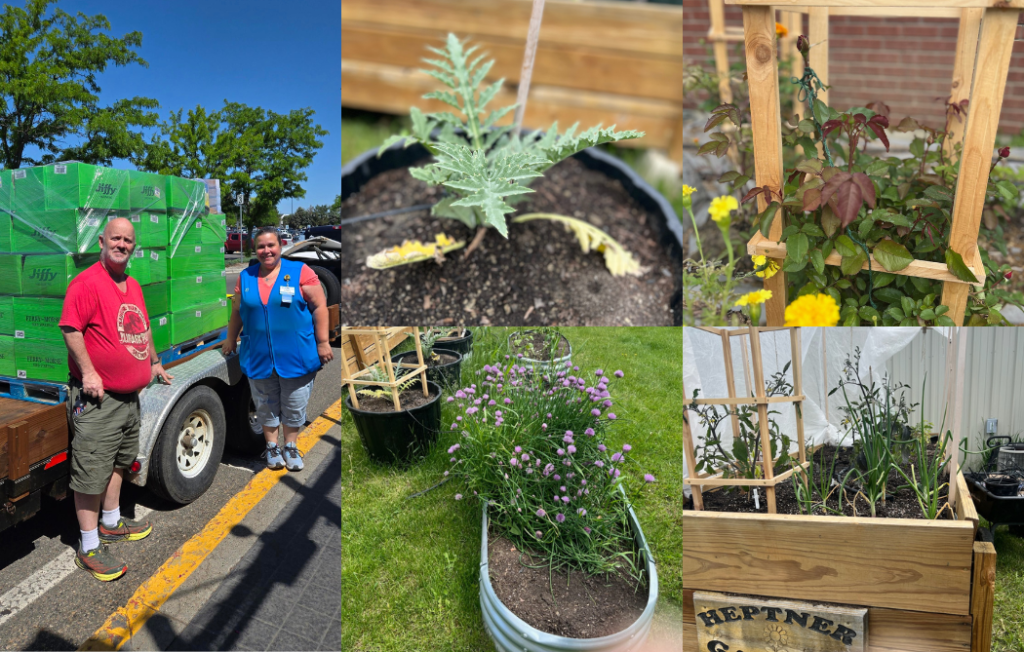
Did you know that every June, Walmart steps up to support kids at Yellowstone Boys and Girls Ranch by donating unsold seeds, pots, soil, and gardening supplies? Their contributions play a vital role in keeping Yellowstone youth gardening programs thriving — helping maintain the Ranch gardens and supporting horticultural activities at Yellowstone Academy.
Through these programs, youth engage in meaningful, hands-on learning that teaches responsibility, patience, and growth.
How Yellowstone Youth Gardening Builds Skills and Confidence
Yellowstone youth gardening isn’t just about planting seeds; it’s about planting the roots of resilience. Thanks to Walmart’s generosity, youth at Yellowstone Academy and the Ranch experience the full cycle of care, from preparing the soil to seeing the first sprouts. Along the way, kids learn the value of hard work, gain a sense of responsibility, and build patience as they nurture their plants.
The donated supplies help our gardens flourish all season, creating spaces where youth connect with nature, experience the calming benefits of outdoor work, and see the results of their dedication. For many, it’s a chance to build confidence and discover new interests they might not have explored otherwise.
Mitch Burns from Yellowstone Academy met with April from Walmart to pick up this year’s donation for our youth gardening program—a reminder of how local partnerships strengthen our ability to serve youth.
Thank You, Walmart!
We’re deeply grateful to Walmart for their ongoing support of Yellowstone youth gardening projects and programs. Their generosity helps make a difference in the lives of the kids we serve, giving them opportunities to grow, learn, and heal in new ways.
Stay Connected
Stay tuned to our news updates for the latest from across Montana, and follow us on social media. You can find us on LinkedIn at Yellowstone Boys and Girls Ranch, Instagram at @ybgr_cares, and Facebook at Yellowstone Boys and Girls Ranch.

Breaking the Silence: Why Men’s Mental Health Deserves Our Attention

The statistics surrounding men’s mental health in the United States are sobering. Did you know that around 75% of all suicide victims in the U.S. are men? Or that over 6 million men experience depression each year—many going undiagnosed?
Suicide remains one of the leading causes of death among males, a heartbreaking reality that too often goes unspoken.
The Silent Epidemic: Why Men’s Mental Health Struggles Are Overlooked
Mental health challenges among men are sometimes called a silent epidemic because they’re rarely discussed openly. Society tends to sweep men’s emotional struggles under the rug, driven by stereotypes about masculinity and strength. From an early age, boys are taught, directly or indirectly, that showing emotion is a sign of weakness, that they should “tough it out” no matter what they’re feeling inside.
But men aren’t machines. They’re human—with real emotions, struggles, and limits. Yet stigma and unspoken expectations often prevent them from expressing vulnerability or seeking help.
Even public figures are speaking out to help change that narrative.
“We need to feel like we can speak about it. The only way we can beat the stigma is by talking about it.” — Prince Harry
“Anyone can suffer from mental health issues. No matter how rich you are or how famous or powerful.” — Dwayne “The Rock” Johnson
Shattering Stigma, One Conversation at a Time
Men’s mental health struggles are common. Men, like women, grapple with trauma, loss, anxiety, depression, and grief. But societal expectations often block them from reaching out—and that silence can be deadly.
Imagine what might change if we let go of frameworks that equate manhood with emotional suppression.
“Depression is something that just happens. You don’t have to be ashamed of it.” — Michael Phelps
“There’s no shame in talking about your feelings and asking for help.” — Ryan Reynolds
Breaking down stigma could save lives—encouraging men to seek help, healing, and hope.
Whether you’re a man working through life’s challenges, a parent raising a boy, a partner, a sibling, or a friend, we all have a role to play in creating space for these critical conversations. The time is now. Together, we can change the narrative and help future generations grow up knowing it’s okay to ask for help.
Want More?
For more content like you found in this article, check out the rest of our blog and follow us on social media. You can find us on LinkedIn at Yellowstone Boys and Girls Ranch, Instagram at @ybgr_cares, and Facebook at Yellowstone Boys and Girls Ranch.