
Montana-Raised Beef Now Being Served at the Ranch
What we put on kids’ plates plays a fundamental role in their overall wellness.
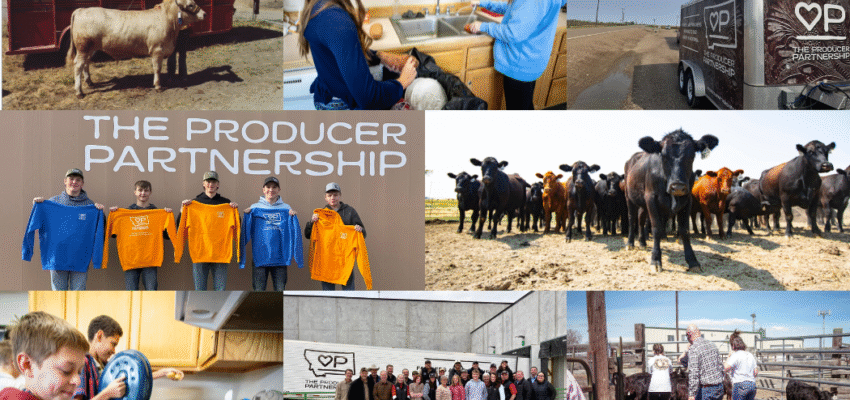
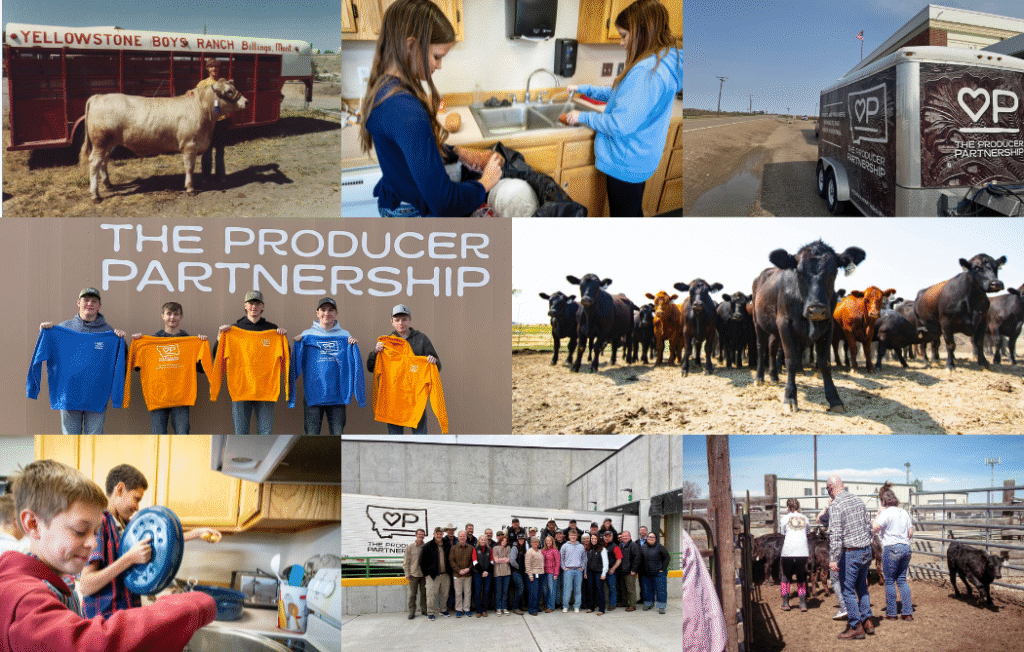
That’s why kids at the Ranch are now enjoying Montana-raised, grass-fed beef through our Homes for Heifers program. This effort is made possible by generous livestock donors and our partners at The Producer Partnership, who are processing the meat for us at no charge.
About The Producer Partnership
The Producer Partnership is the nation’s first and only USDA nonprofit-owned and operated meat processing facility, based in Livingston, that processes donated livestock into top-quality protein at no cost for nonprofits, schools, and food banks across the state.
Through this partnership, donated livestock is processed, packaged, and delivered directly to the Ranch—helping ensure kids in our care have access to nutritious, high-quality meals sourced right here in Montana.
How to Donate
Interested in donating? You don’t need to be a rancher to take part. Livestock donations can be raised personally or purchased at a local fair or livestock auction.
Here’s how to give:
Step 1: Contact The Producer Partnership
Reach out to Jeri Delys at The Producer Partnership at jeri@producerpartnership.com to submit a livestock donation (beef, pork, or lamb)—raised on your own or purchased at your local fair or livestock auction.
Step 2: Designate the Recipient
Designate Yellowstone Boys and Girls Ranch as the recipient.
Step 3: Processing & Delivery
The Producer Partnership team coordinates pickup, processing, and packaging.
Thank you to The Producer Partnership for helping turn Montana generosity into meals served right here at the Ranch—and to everyone who supports this effort.
Stay Connected
Stay tuned for our latest news updates from across Montana, and follow us on social media. You can find us on LinkedIn at Yellowstone Boys and Girls Ranch, Instagram at @ybgr_cares, and Facebook at Yellowstone Boys and Girls Ranch and YBGR.
How to Skip Power Struggles with Kids by Saying Yes
Want to know an easy trick to reduce power struggles, build trust, and teach kids healthy decision-making skills? It starts with saying yes!
That might sound backwards. Parents spend a lot of time saying no to keep kids safe and on track. But the way we say no often sparks the very battles we’re trying to avoid. A slight shift in language can protect the boundary and keep the relationship steady.
Check out the graphic below to see how a simple change in wording can help you set limits while giving kids a path forward.
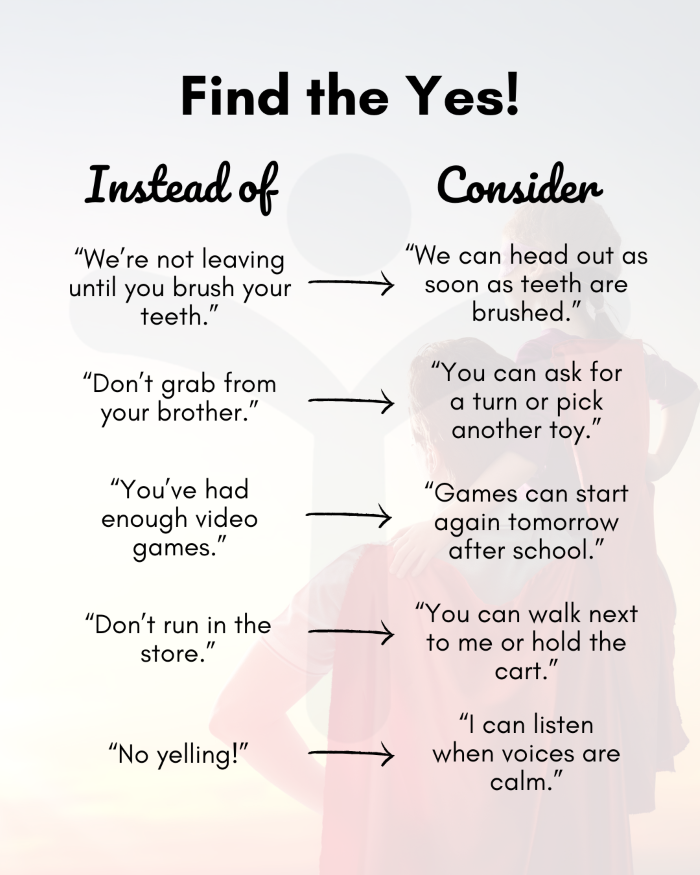
Why “Finding the Yes” Works
Kids have very little control over their daily lives. Adults decide when they wake up, where they go, what they eat, and how they spend their time. That lack of control can show up as arguing, stalling, or big reactions to small requests.
When we only say no, kids hear a door slam shut—when we “find the yes,” we leave a door open.
The boundary stays the same, but the message changes from:
“You can’t” → to → “Here’s how you can.”
That difference helps kids feel empowered instead of powerless.
What This Teaches Children
This approach does more than stop a meltdown in the moment. It builds skills kids will use for life:
- How to handle limits without losing connection
- How to make choices within boundaries
- How to delay gratification
- How to solve problems instead of digging in
How to Try It Today
Here’s how to try the “find the yes” technique today:
1. Hold the boundary.
You don’t need to give in to be kind.
2. Offer a path to yes.
Tell your child what can happen and when.
3. Keep your tone steady.
The magic is in calm, confident delivery.
Remember, even one sentence can change the direction of an interaction.
Want More?
Check out the rest of our blog and follow us on social media. You can find us on LinkedIn at Yellowstone Boys and Girls Ranch, Instagram at @ybgr_cares, and Facebook at YBGR and Yellowstone Boys and Girls Ranch.
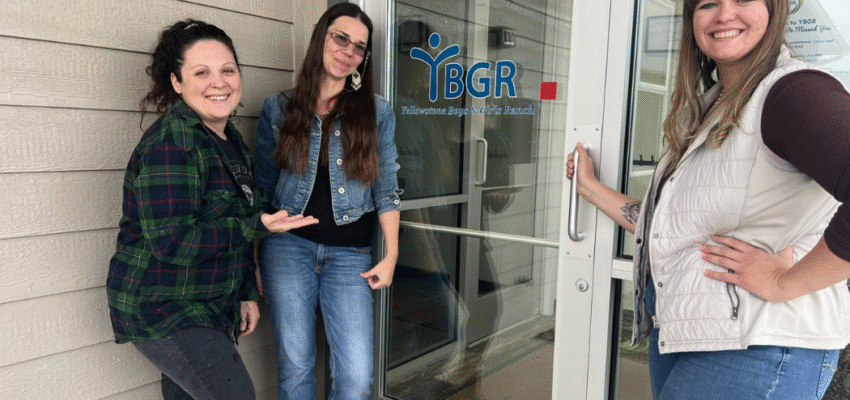
Caring for Montana Kids: A Look Back at 2025
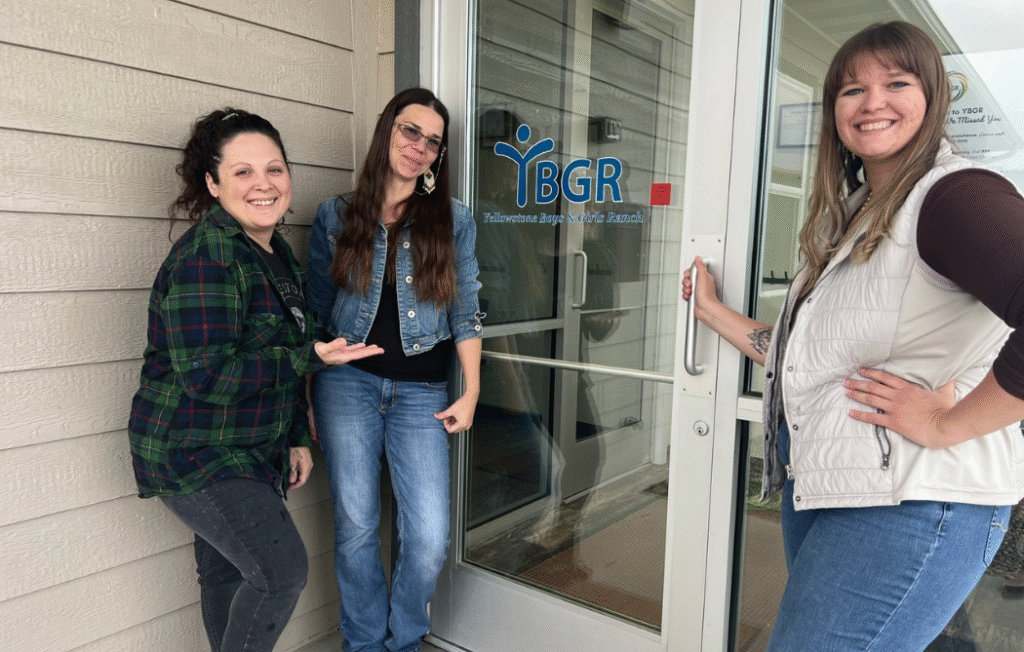
What happens when caring people show up for kids, day after day, across an entire state? A lot! Our work shows up in homes, programs, and everyday decisions made with the children and families we serve in mind.
Caring for Montana Kids — 2025 Highlights
Below are a few moments from 2025 that show what caring for Montana kids looked like across our work.
Showing Up for Kids Across Montana
In 2025, we served over 3,200 children statewide, reaching roughly 1,800 kids each day through our community-based services, group homes, Yellowstone Academy, and residential care at the Ranch.
During our Council on Accreditation review, families put that impact into their own words:
“We love how they treat our kids. We know when they’re with Yellowstone, they are safe.”
“I couldn’t do this without them. I’m now proud of myself.”
“My kid wouldn’t be alive without them.”
The voices above guide us more than numbers alone ever could.
COA Seal of Excellence Through 2029
In September, the Council on Accreditation (COA) renewed our seal of excellence after a four-day onsite review. COA affirmed the quality of our services and the integrity of how we care for children and families.
This recognition belongs to our team and everyone who walks alongside us.
7 New Yellowstone Academy Graduates
Last spring, Yellowstone Academy celebrated one of its largest graduating classes, including the first student to complete their full K–12 journey with us.
Each graduate carried a story of perseverance and courage—even when the path was hard.
Hats off to the 2025 Yellowstone Academy high school graduates! 🎓
Investing in the People Who Care for Kids
Our mission doesn’t move forward without our team.
From launching Bucketlist, our peer-to-peer recognition platform, to refreshing core learning, expanding the training team, and strengthening communication channels, 2025 was about investing in culture and in the tools our team needs to prepare youth for life.
In May, we celebrated our graduating MSW class through Carroll College as part of our Grow Our Own program—a milestone that reflects what’s possible when we invest in our own caring people.
Strengthening the Places Where Care Happens
In 2025, we invested in the places where care happens—strengthening the trauma-informed spaces that support our mission.
Here are a few highlights:
- Bathroom upgrades and interior updates across lodges at the Ranch, with work currently underway at Leuthold, Dorothy’s, and Kramlich Lodge
- Major renovations at River’s Edge Group Home in Billings, and bathroom upgrades at Lewis and Clark Group Home in Helena
- Continued investment in our Campus Security Project, now in Phase IV and nearing completion
- Updated signage across our facilities for a refreshed, consistent statewide look
These upgrades were made possible in part by the HB 872 grant and the generous support of donors through the Yellowstone Boys and Girls Ranch Foundation.
Connecting Faster, Caring Better
We brought all of our locations onto a single telecommunications system through Dialpad, making it easier for families and partners to reach us and for our teams to coordinate in real time.
Better connection means quicker, more collaborative care for kids.
Looking Ahead
As we enter the new year, we want to thank our team for their care and commitment. No doubt, they live our mission, demonstrating what it truly means to be Caring People, Preparing Youth for Life.
And to the families who trust us and the partners who stand beside us—thank you.
Cheers to 2025! And here’s to an even stronger 2026!
Stay Connected
Stay tuned for our latest news updates from across Montana, and follow us on social media. You can find us on LinkedIn at Yellowstone Boys and Girls Ranch, Instagram at @ybgr_cares, and Facebook at Yellowstone Boys and Girls Ranch and YBGR.

3 Ways to Tame Anxiety

Anxiety can show up quietly—or it can hit all at once.
Your thoughts start racing.
Your body feels tense.
Small worries suddenly feel overwhelming.
If this sounds familiar, you’re not alone. Anxiety is one of the most common mental health conditions in the United States, affecting millions of adults, teens, and children each year.
The good news? There are practical ways to calm your mind, reduce stress, and regain a sense of steadiness, even in the middle of challenging moments.
How to Tame Anxiety
Here are three simple, effective ways to tame anxiety.
1. Challenge Anxious Thoughts
Anxiety often grows from thoughts that feel true but aren’t accurate.
When worry takes over, the mind tends to jump to worst-case scenarios, assume negative outcomes, and become far more critical than it would be toward anyone else.
Common anxious thinking patterns include:
- Seeing situations in black-and-white
- Letting one tough moment define everything
- Assuming you know what others think
- Focusing only on what went wrong
- Expecting the worst to happen
When anxious thoughts show up, pause and gently ask:
- Is this thought based on facts or fear?
- Would this make sense if a friend said it out loud?
- Is there another possible explanation?
Questioning anxious thoughts doesn’t make problems disappear, but it can take away some of their power.
Learn More: Cognitive Distortions: 15 Examples & Worksheets
2. Practice Mindfulness
Mindfulness helps bring attention back to the present moment—where steadiness, clarity, and control live.
To start:
- Notice thoughts instead of fighting them.
- Focus on breathing and how the body feels.
- Gently guide attention back when the mind wanders.
Mindfulness isn’t about emptying the mind—it’s about learning to observe thoughts without letting them control the day.
Learn More: Mindfulness for Anxiety: How It Works & Techniques to Try
3. Release Nervous Energy
Anxiety affects both the mind and the body. Movement helps release tension and reset the nervous system.
Helpful ways to move include:
- Walking
- Stretching
- Climbing stairs
- Playing outside
- Short workouts
Even a few minutes of movement can make anxious feelings feel more manageable.
Learn More: Can exercise help treat anxiety?
When to Reach Out
When anxiety starts affecting work, school, sleep, or daily routines, professional support can make a difference.
If you have a child who is struggling, YBGR can help.
We deliver children’s mental health care across Montana to help kids navigate anxiety and other mental and behavioral health challenges.
Learn more about our full range of services. Then, contact us online to get started.
Want More?
Check out the rest of our blog and follow us on social media. You can find us on LinkedIn at Yellowstone Boys and Girls Ranch, Instagram at @ybgr_cares, and Facebook at YBGR and Yellowstone Boys and Girls Ranch.
Christmas Eve Breakfast at the Ranch — A Holiday Tradition
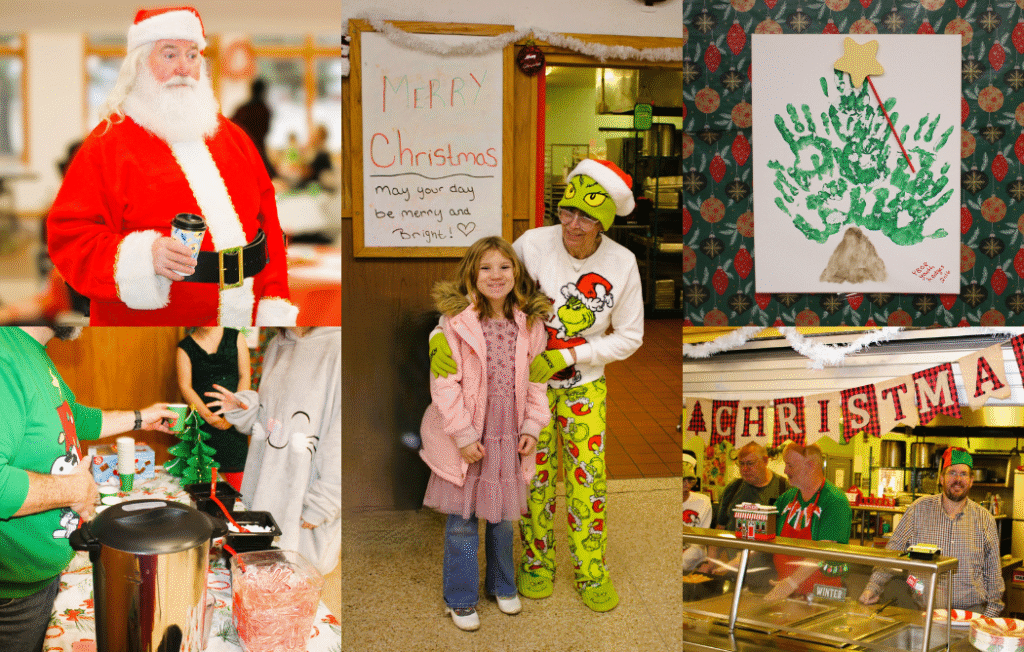
For many of the kids in our care, the holidays are spent away from home, making moments of connection and familiarity especially meaningful. That’s why Christmas Eve breakfast at the Ranch remains an important tradition.
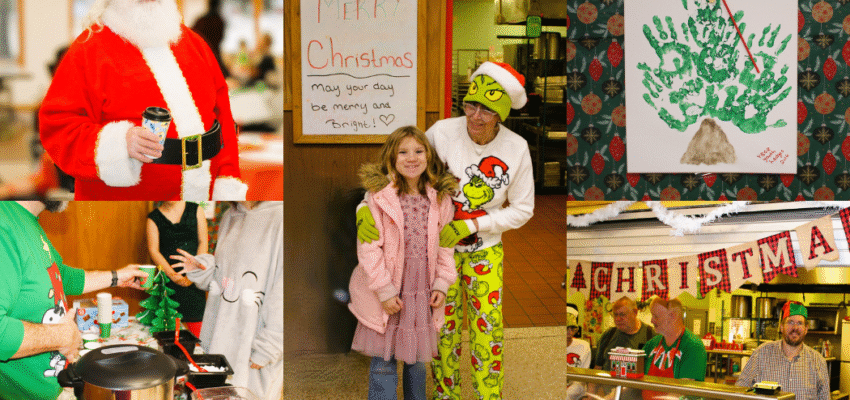
From the moment kids arrived to Donald Nutter Memorial Dining Hall this year, they were welcomed by smiling faces, festive décor, and tables set for a special holiday morning. A hot breakfast included cinnamon rolls, sausage links, cheesy eggs, and fresh fruit, followed by a visit to the hot cocoa station with toppings and candy canes.
Some kids arrived in cozy pajamas, others dressed up for the day ahead—but all were met with the same sense of care and belonging.
More Than a Holiday Breakfast
As plates were filled and volunteers poured juice, conversation and laughter filled the room. Tables worked together on Christmas trivia, creating connection throughout the dining hall.
Soon, whispers spread as Santa arrived. Smiles widened as he moved from table to table, bringing a sense of wonder to the room.
Chapel services followed, with voices rising together in familiar Christmas carols—closing the morning with reflection and connection.
Why This Tradition Matters
The Christmas Eve breakfast at the Ranch does more than provide a holiday meal. It creates lasting memories and reinforces a sense of belonging for kids in our care.
Thank You to Our Volunteers
Thank you to the volunteers who made this morning possible. Your generosity and presence made a meaningful difference.
Stay Connected
Stay tuned for our latest news updates from across Montana, and follow us on social media. You can find us on LinkedIn at Yellowstone Boys and Girls Ranch, Instagram at @ybgr_cares, and Facebook at Yellowstone Boys and Girls Ranch and YBGR.
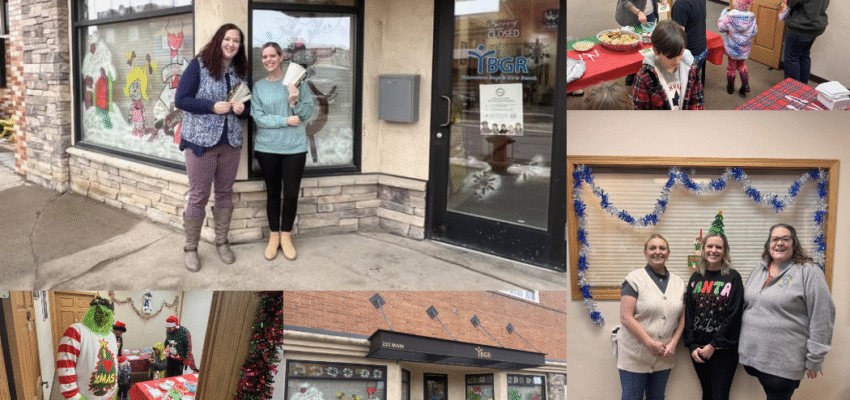
Shelby Community Stroll: A Sweet Holiday Tradition
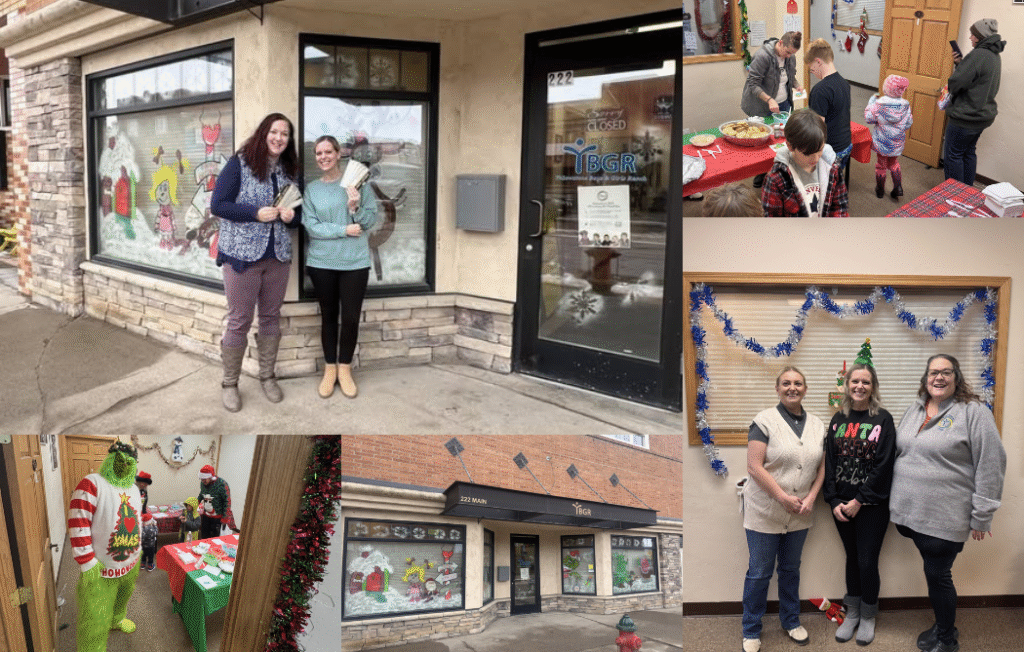
What does community connection look like in action? In Shelby, it looks like showing up, year after year, for families, kids, and neighbors during the Shelby Community Stroll.
This December marked our Shelby community-based services team’s third year hosting cookie decorating as part of the annual holiday event. Their presence has become a familiar and welcomed part of the celebration, creating space for families to gather, connect, and enjoy the season together.
Every detail reflected what matters most in small-town communities—relationships and a shared sense of belonging. From baking to decorating to cheering each other on, the day was rooted in connection.
A Holiday Tradition That Brings People Together
Our participation in this year’s event was made possible by the dedication of our Shelby team, with Jessica Kjos, Administrative Supervisor, baking more than 200 cookies and preparing frosting for kids and families to decorate and enjoy.
Families stopped by throughout the stroll, kids proudly showed off their creations, and the space buzzed with conversation and laughter.
The celebration wrapped up on a high note, with the team taking home first place in the business holiday decorations contest, making it a pretty sweet day all around.
Showing Up Across Our Communities
For the Shelby team, events like this are about more than festivities. They’re about being present, building trust, and staying connected to the community they serve every day.
That same commitment shows up in communities across Montana, shaped by local relationships and needs.
To our Shelby team and the families who welcomed us into their holiday celebration, thank you. We’re grateful to be part of the Toole County community.
Stay Connected
Stay tuned for our latest news updates from across Montana, and follow us on social media. You can find us on LinkedIn at Yellowstone Boys and Girls Ranch, Instagram at @ybgr_cares, and Facebook at Yellowstone Boys and Girls Ranch and YBGR.

14 Quotes to Buff Up Your Leadership Skills

Few are born to lead. Instead, we acquire leadership skills throughout our professional journey. Everything from mindset to emotional intelligence and sound decision-making capabilities play into our capacity to guide others successfully.
Below are fourteen quotes to help you buff up your leadership skills.
Quotes to Grow Your Leadership Skills
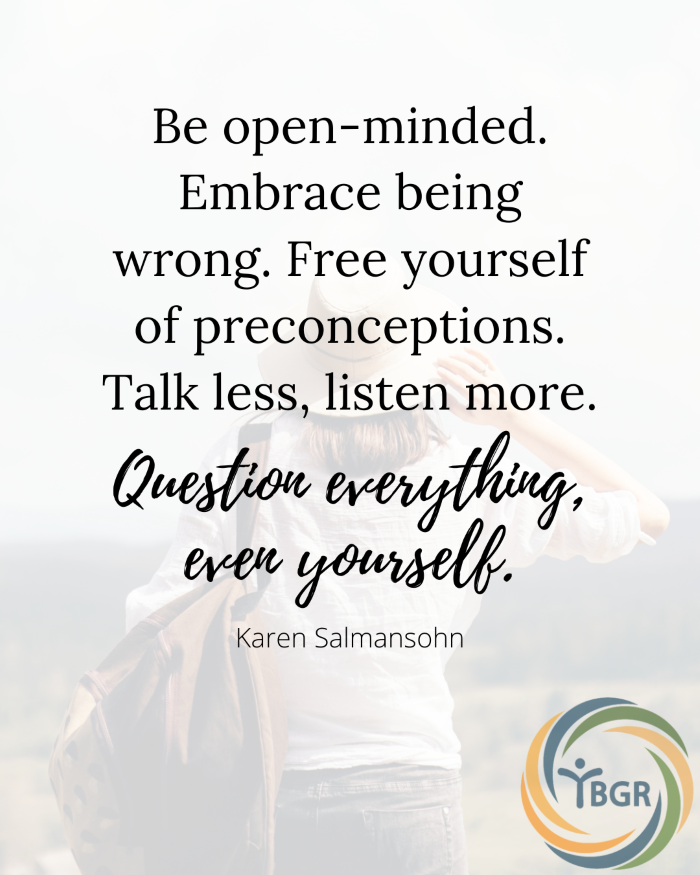
Quote 1: Be open-minded. Embrace being wrong. Free yourself of preconceptions. Talk less, listen more. Question everything, even yourself. – Karen Salmansohn
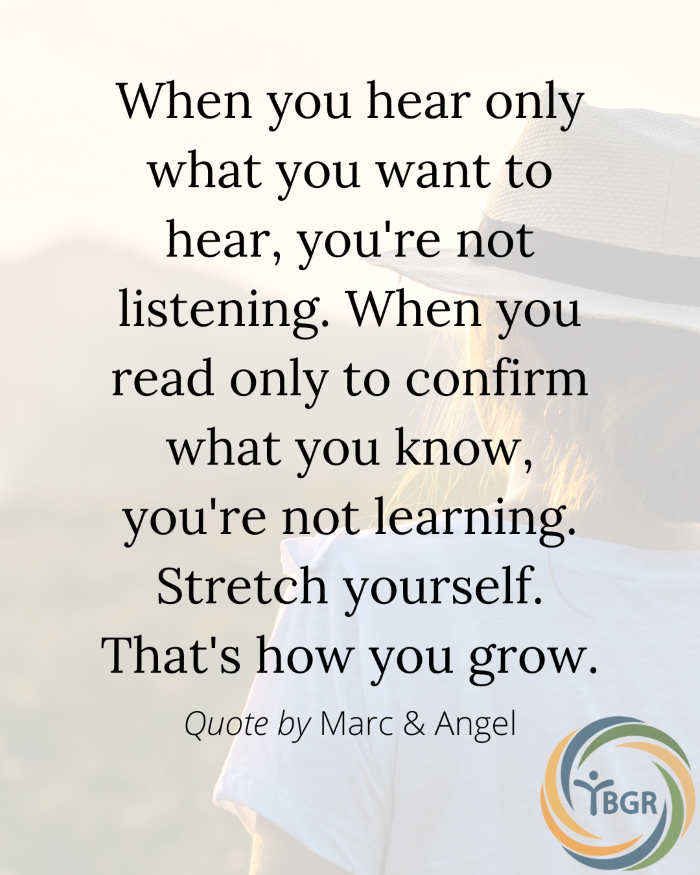
Quote 2: When you hear only what you want to hear, you’re not listening. When you read only to confirm what you know, you’re not learning. Stretch yourself. That’s how you grow. – Marc & Angel

Quote 3: Always be teachable. You are not always right. There is always something to be learned. – Lauren Fortenberry
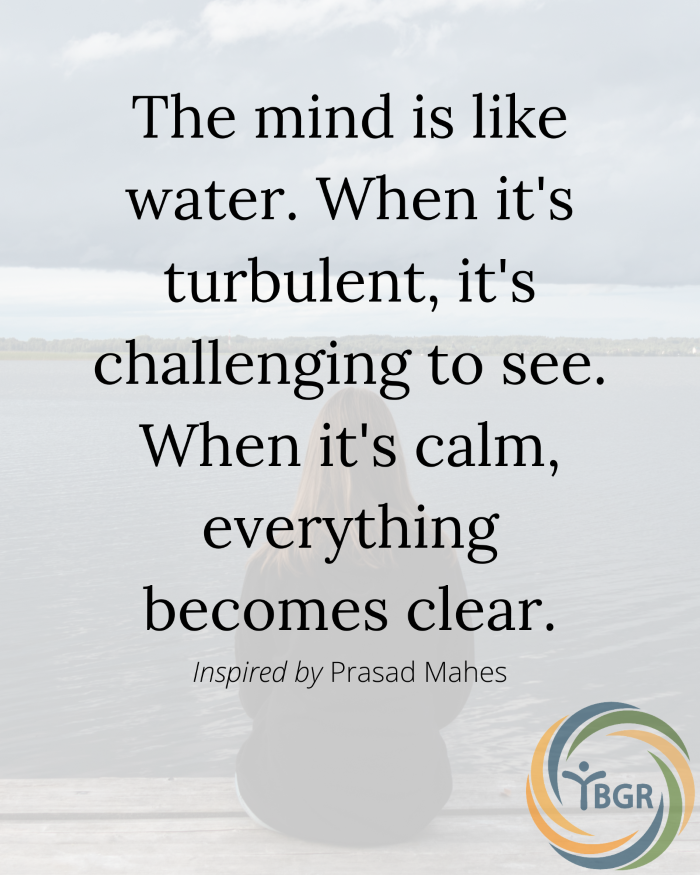
Quote 4: The mind is like water. When it’s turbulent, it’s challenging to see. When it’s calm, everything becomes clear. – Prasad Mahes
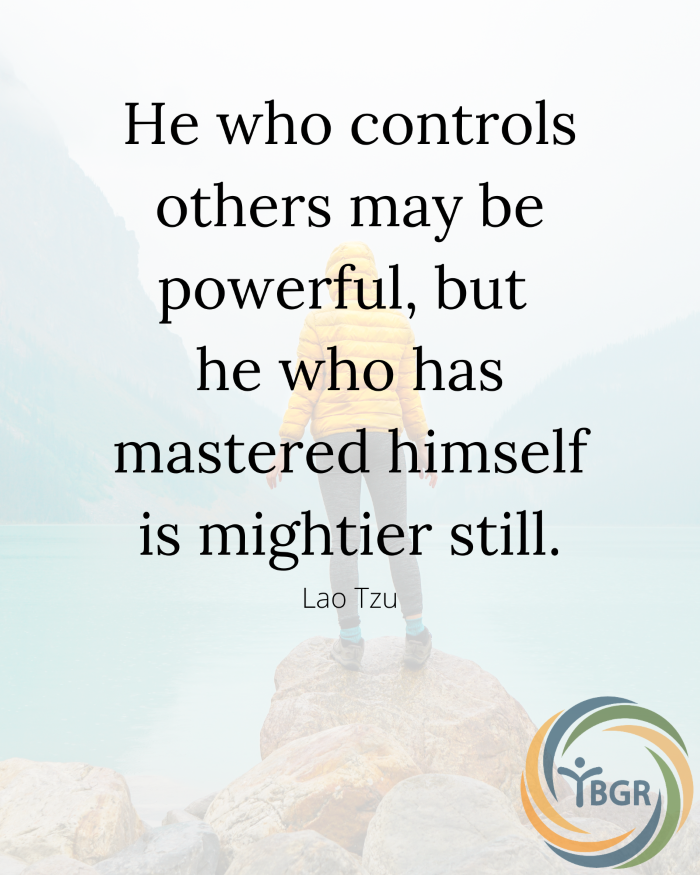
Quote 5: He who controls others may be powerful, but he who has mastered himself is mightier still. – Lao Tzu
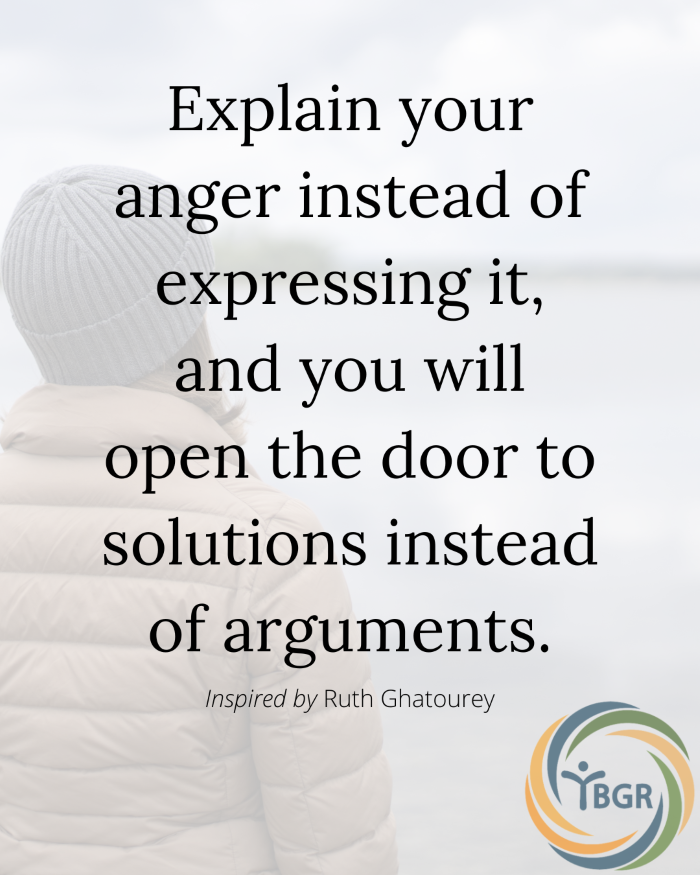
Quote 6: Explain your anger instead of expressing it, and you will open the door to solutions instead of arguments. – Ruth Ghatourey
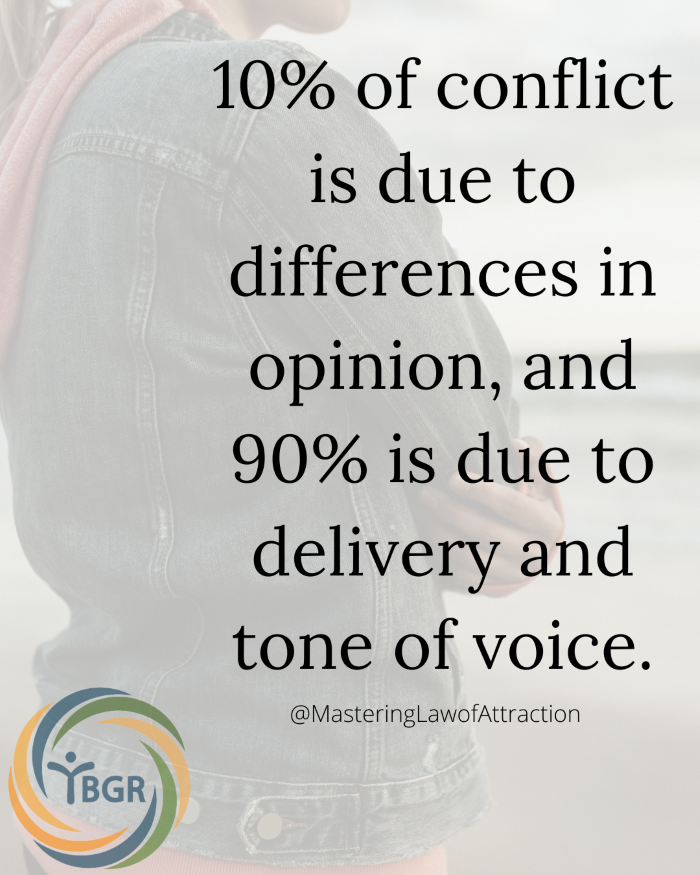
Quote 7: 10% of conflict is due to differences in opinion, and 90% is due to delivery and tone of voice. – @masteringlawofattraction
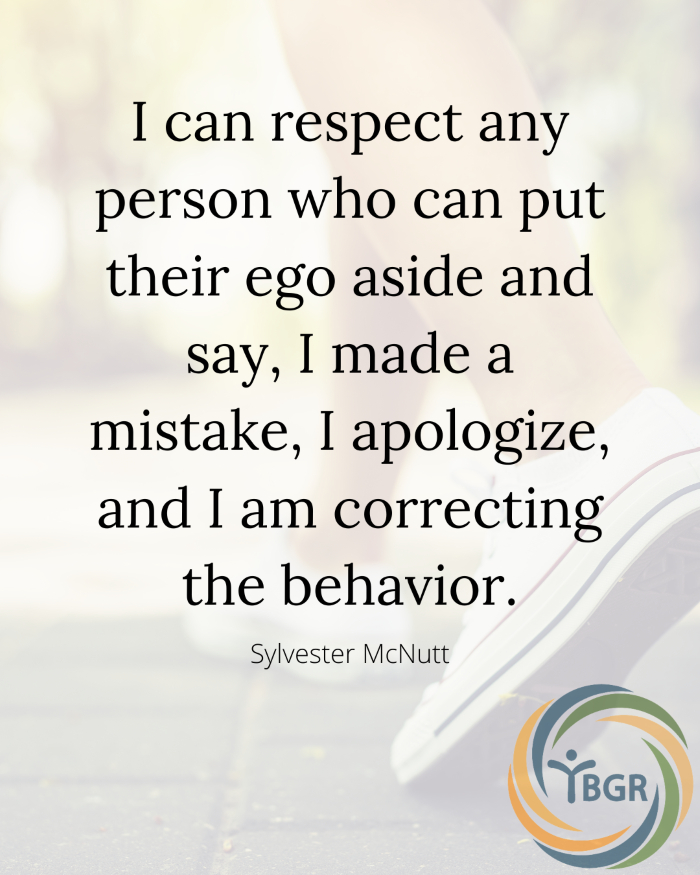
Quote 8: I can respect any person who can put their ego aside and say, I made a mistake, I apologize, and I am correcting the behavior. – Sylvester McNutt
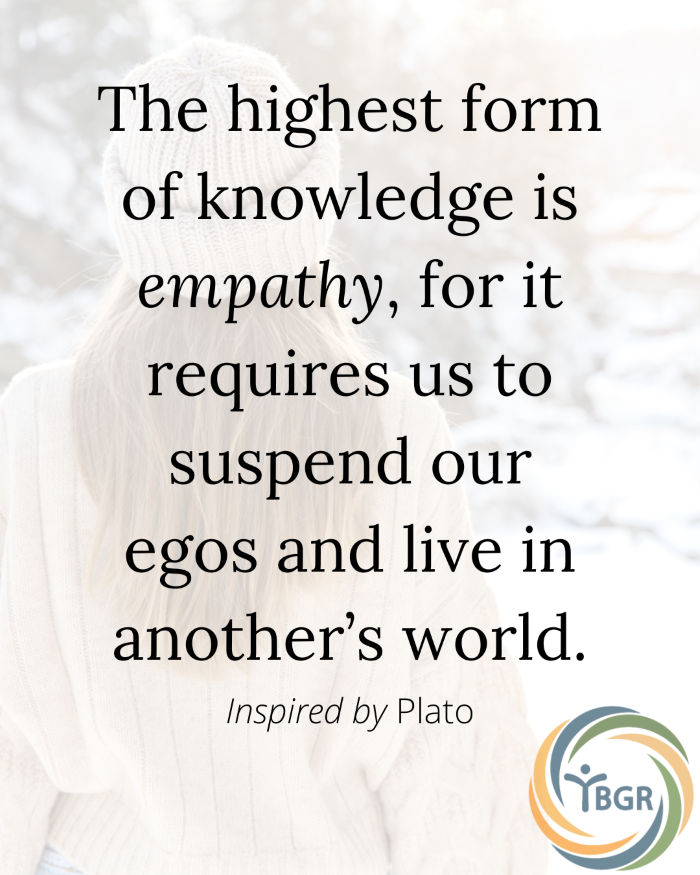
Quote 9: The highest form of knowledge is empathy, for it requires us to suspend our egos and live in another’s world. – Plato
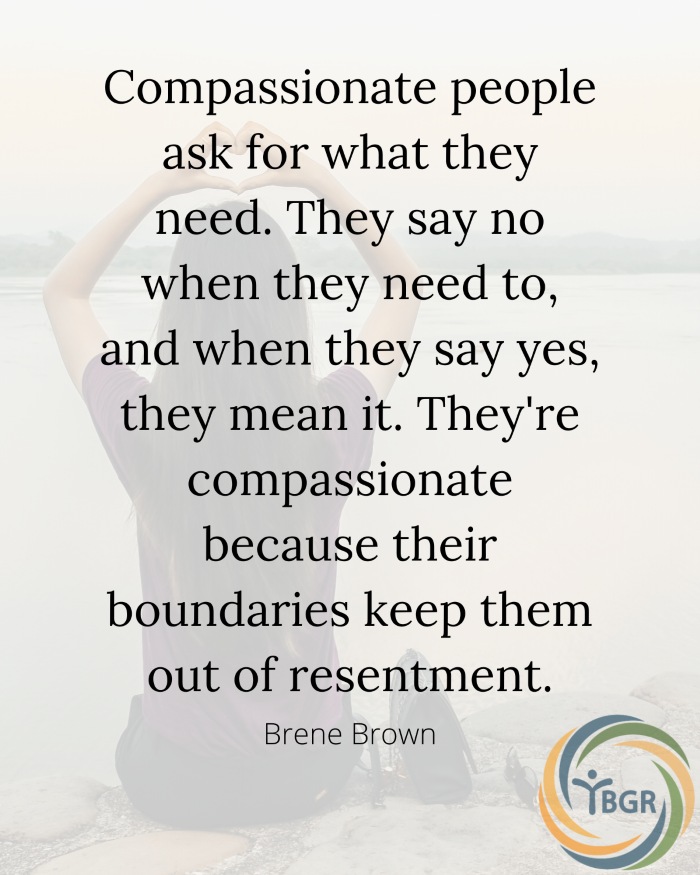
Quote 10: Compassionate people ask for what they need. They say no when they need to, and when they say yes, they mean it. They are compassionate because their boundaries keep them out of resentment. – Brene Brown
Quote 11: When you find yourself in situations of impossible demands, choose relationships first. – Sarah Boyd
Quote 12: Your gifts, leadership, purpose—none of it is about you. Instead, a life of significance is about serving others. It’s about guiding those who need your talents—those gifts, that leadership, and purpose. – Kevin Hall
Quote 13: If we are not a little bit uncomfortable every day, we’re not growing. All the good stuff is outside our comfort zone. – Jack Canfield

Quote 14: There are no limits to what you can accomplish, except the limits you place on your own thinking. – Brian Tracy
Want More?
Check out the rest of our blog and follow us on social media. You can find us on LinkedIn at Yellowstone Boys and Girls Ranch, Instagram at @ybgr_cares, and Facebook at YBGR and Yellowstone Boys and Girls Ranch.
YBGR Partners With Many Rivers Whole Health to Strengthen Youth Transitions to Adult Care
Did you know young adults ages 18–25 have the highest rate of serious mental illness? Research also shows that during the transition into adulthood, when gaps form in care, the risk of psychiatric hospitalization and ER visits rises. Strengthening how we’re transitioning youth into adult mental health care is essential to closing those gaps.
Great Outcomes Happen When We Work Together
When providers collaborate, Montanans experience stronger outcomes.
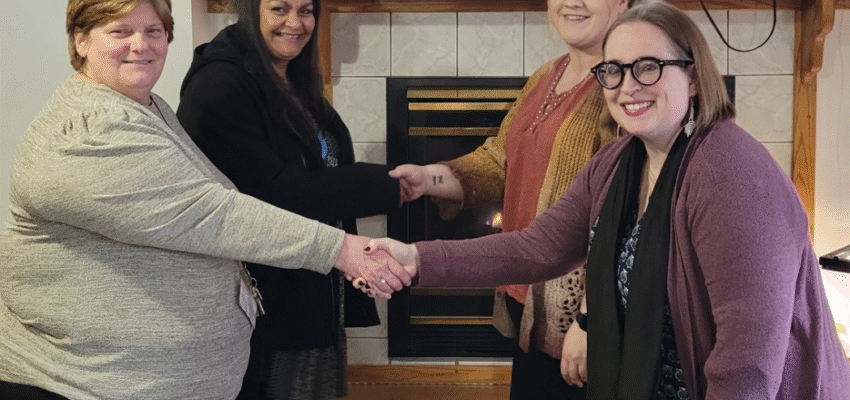
That’s why we’re proud to announce our partnership with Many Rivers Whole Health, expanding support for youth in Cascade County as they move from children’s services into adult mental health care. This collaboration reinforces our commitment to stability and continuity as youth take their next steps.
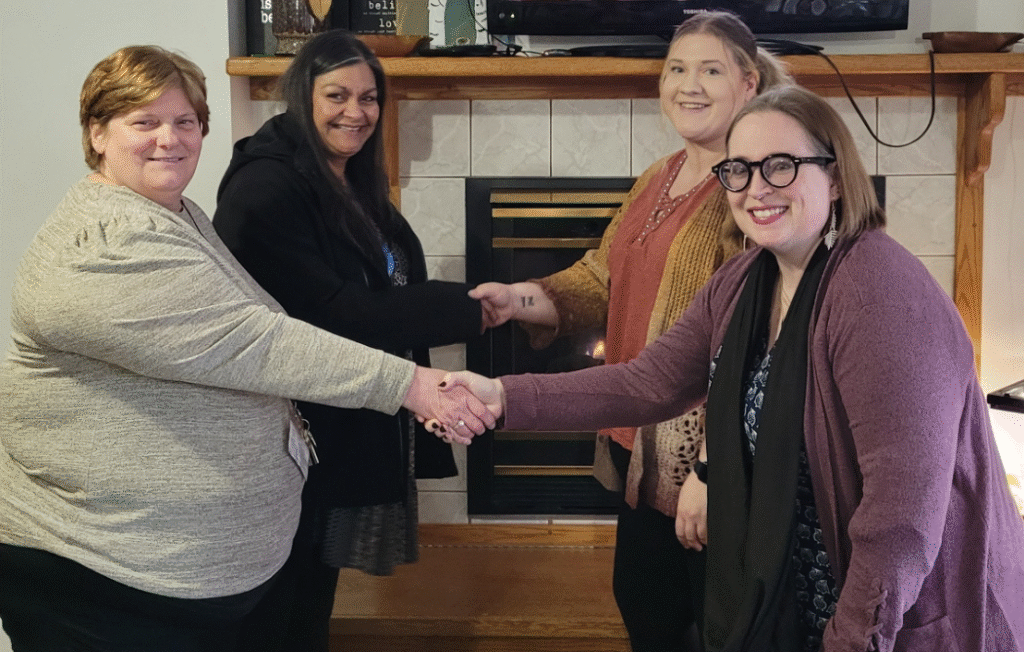
Pictured above are Holly Kober and Linda Robbins from Many Rivers alongside Brittany Olson, Therapist, and Mariah Lefebre, Lead Mental Health Worker, from our North Skyline Group Home in Great Falls.
Why Transitional Care Matters
As youth age out of children’s services, the need for support doesn’t disappear—it shifts. Without a coordinated handoff into adult care, young adults can face gaps that increase the likelihood of crisis and instability.
Our partnership with Many Rivers strengthens that handoff and supports transitioning youth into adult mental health care in a way that keeps their progress moving forward.
Building Stronger Foundations for Montanans
Through this partnership, youth in Cascade County enter adulthood with a solid footing—supported by a seamless move to adult services. As we improve how we’re transitioning youth into adult mental health care, we’re strengthening Montana’s system of care and building stronger foundations for Montanans.
Stay Connected
Stay tuned for our latest news updates from across Montana, and follow us on social media. You can find us on LinkedIn at Yellowstone Boys and Girls Ranch, Instagram at @ybgr_cares, and Facebook at Yellowstone Boys and Girls Ranch and YBGR.
Youth Satisfaction Survey Highlights the Power of Caring People
What does healing feel like for the kids in our therapeutic group homes? This year’s youth satisfaction survey offers a direct look, showing how caring adults shape the experience of the youth we serve.
Every response reflects what matters most to the kids in our community-rooted residential care: feeling supported, staying connected to family, and having opportunities to grow. Their feedback guides us as we strengthen programs and continue building supportive, relationship-centered environments across our homes.
What Kids Say Makes the Difference
Youth shared what they value most in their experience with us. Here’s a snapshot of their feedback (edited for readability and privacy):
“The staff are very caring.”
“I’m able to see my family every week. Staff also care about us.”
“I like that they give me an opportunity to correct my mistakes and move on.”
Three strengths stood out across our homes:
- Nutritious, consistent meals supporting physical and emotional well-being
- Trauma-informed, de-escalation-based care
- Coaching around prescribed medications to empower youth in their treatment
Strong Results Across Our Residential Programs
Survey scores reflected high satisfaction, with every home and every question averaging above 3.5.
Lewis and Clark (Helena), North Skyline (Great Falls), and our Boulder campus each received scores above 4.0, reinforcing the high-quality, relationship-focused care happening within our therapeutic group homes.
For families served through our community-based services, watch for a survey arriving by email in the weeks ahead.
Stay Connected
Stay tuned for our latest news updates from across Montana, and follow us on social media. You can find us on LinkedIn at Yellowstone Boys and Girls Ranch, Instagram at @ybgr_cares, and Facebook at Yellowstone Boys and Girls Ranch and YBGR.

Connection’s Key! 15 Quotes for Raising Strong Kids

Are you looking for the secret formula for raising strong kids? You’re in the right place—because the answer is simpler than most people realize.
Parenting is about connection.
The relationship you build with your child shapes the way they learn, grow, and understand themselves. Connection helps kids feel secure and open to guidance—and it becomes the foundation for every future relationship they have.
Below are fifteen powerful quotes about parenting with connection to raise strong, confident kids.
Quotes on Parenting Connection for Raising Strong Kids
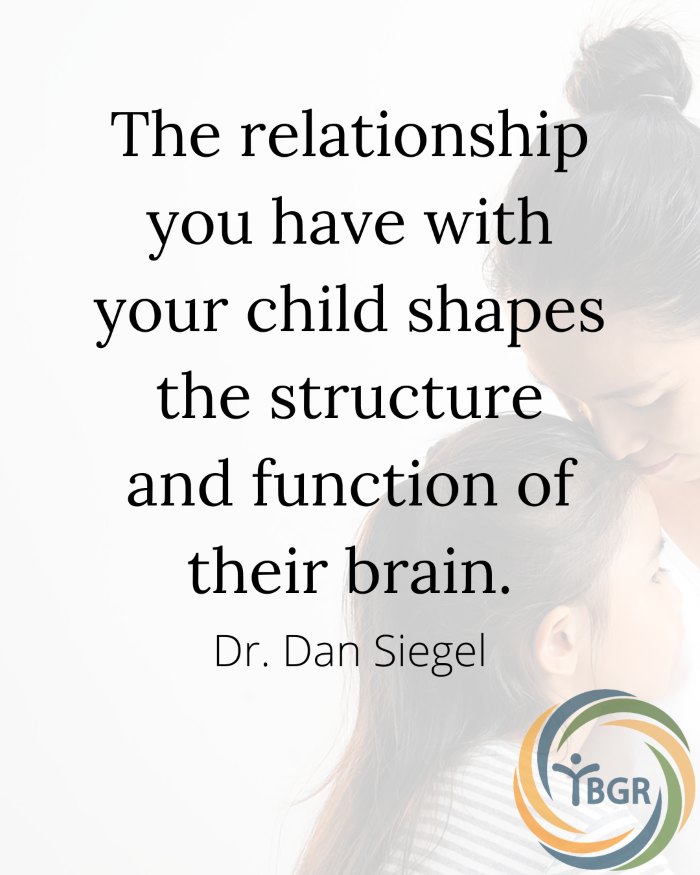
Quote 1: The relationship you have with your child shapes the structure and function of their brain. – Dr. Dan Siegel
Quote 2: Kids learn best when they like their teacher and when they think their teacher likes them. – Gordon Neufeld
Quote 3: If you don’t listen eagerly to the little stuff when they’re little, they won’t tell you the big stuff when they’re big because to them, all of it has always been big stuff. – C.M. Wallace
Quote 4: Our goal with kids is to maintain a connection with their hearts while teaching skills, boundaries, & behavior. If we lose their heart during the process, nothing else will matter. – Sarah Boyd

Quote 5: If kids can trust you with the little stuff, they will come to you with the big stuff. – Dr. Laura Markham
Quote 6: Children don’t just need to be loved. They need to know that nothing they do will change the fact that they’re loved. – Alfie Kohn
Quote 7: Connection is a child’s deepest need and a parent’s highest influence. – Lelia Schott
Quote 8: You can have the best wisdom to share with your child but without a connected relationship, they won’t hear it. When they feel seen, then they can hear. – @The_Therapist_Parent
Quote 9: It turns out that what you’re mostly looking for as a parent is influence, not control. – Ross Greene
Quote 10: What matters most? It’s not the rules. It’s the conversations we have with our kids about the rules we make. – Dr. Lisa Damour
Quote 11: As a child, I just needed to know someone was on my side without having to work so hard to prove myself. – Big Little Feelings
Quote 12: I never want my kids to mess up and think, “Dad’s going to kill me.” Instead, I want their first thought to be, “I need to call my dad.” – Unknown
Quote 13: If your children fear you, they cannot trust you. If they do not trust you, they cannot learn from you. – Lori Petro
Quote 14: When we apologize and repair, we teach our kids how to make amends when they make mistakes in relationships. – Tina Payne Bryson
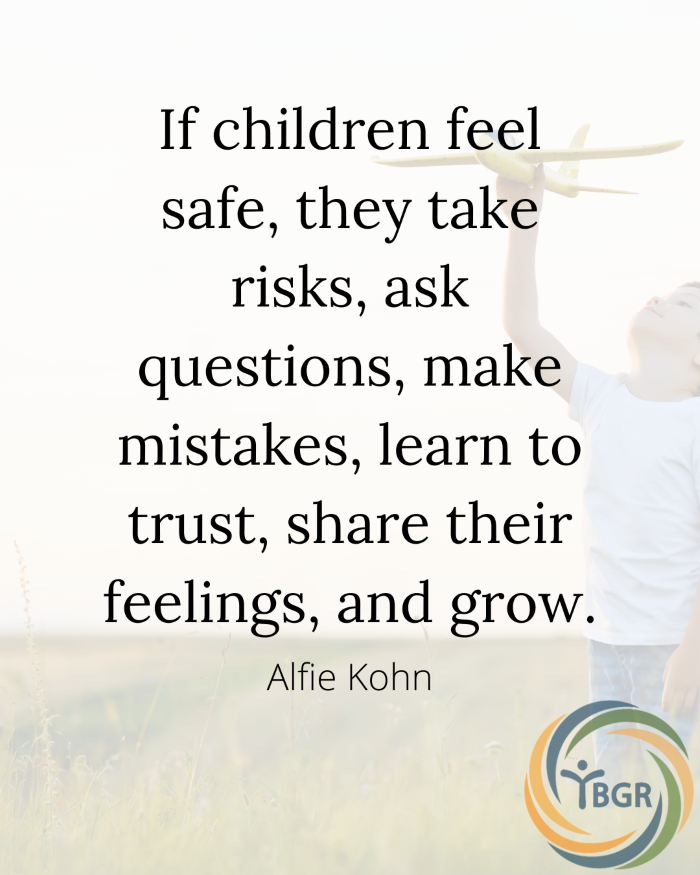
Quote 15: If children feel safe, they take risks, ask questions, make mistakes, learn to trust, share their feelings, and grow. – Alfie Kohn
Want More?
Check out the rest of our blog and follow us on social media. You can find us on LinkedIn at Yellowstone Boys and Girls Ranch, Instagram at @ybgr_cares, and Facebook at YBGR and Yellowstone Boys and Girls Ranch.