New YBGR Challenge Coins Recognize Kids Graduating From Therapeutic Group Home Care
For kids in our therapeutic group home care, growth doesn’t happen by chance—it’s built over time through trust, consistency, and hard work.
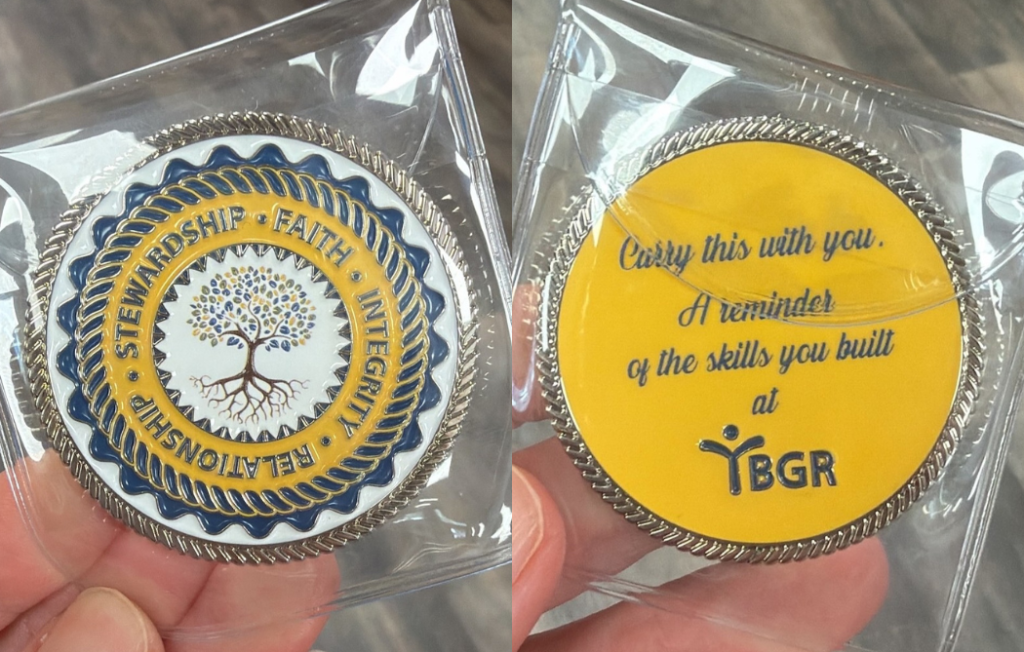
We recognize that growth through our new YBGR Challenge Coins, presented to youth as they graduate from this level of care. Each coin reflects the work they’ve put in and the progress they’ve made along the way.
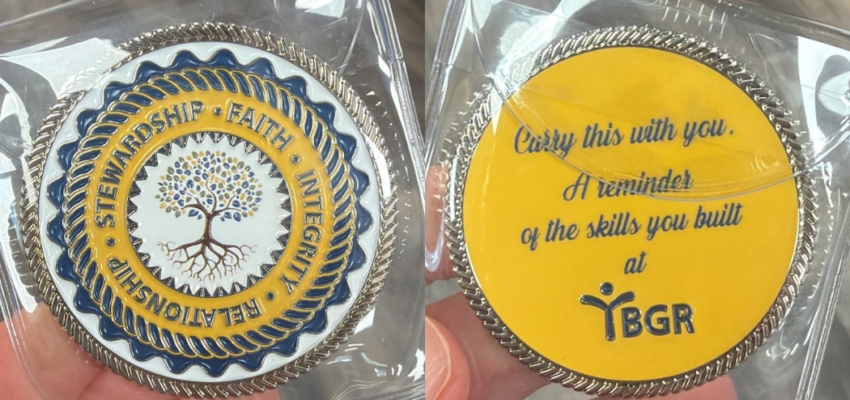
Each coin features the values that guide our work—Faith, Integrity, Relationship, and Stewardship. These values shape daily interactions and help each child build the skills needed for life.
As kids return home or move into their next chapter, they take the coin with them. They can share it with family, friends, and their community—a reminder of what they’ve worked through and what they can carry forward.
About the New Challenge Coins
We created these coins to recognize growth in a tangible way and mark an important milestone. For many of the kids we serve, it’s something they can hold onto—a reflection of their time in care and the progress they made.
Recognizing Progress in Therapeutic Group Home Care
At Yellowstone Boys and Girls Ranch, therapeutic group home care helps kids build the skills they need to succeed at home, in school, and in their communities. This new coin reflects that work—capturing the effort, consistency, and growth that happens throughout care.
Bringing YBGR Challenge Coins to Life
Copy Right in Billings partnered with us to bring these coins to life, and Ashley Santos, Program Manager in Boulder, helped shape the design.
We’re grateful to them and to the kids and families who open their lives to us every day.
Stay Connected
Stay tuned for our latest news updates from across Montana, and follow us on social media. You can find us on LinkedIn at Yellowstone Boys and Girls Ranch, Instagram at @ybgr_cares, and Facebook at Yellowstone Boys and Girls Ranch and YBGR.

10 Quotes for Understanding People and Relationships

People are complicated! And truthfully, not all of us are great at building bonds with others. But, fear not! We’ve pulled together a few resources to help.
Here are ten of our best quotes to help you understand people and navigate relationships like a pro.
Quotes for Understanding People and Relationships
Quote 1: It’s not our job to fix people. It’s our job to love them even while they are broken. – Dave Willis
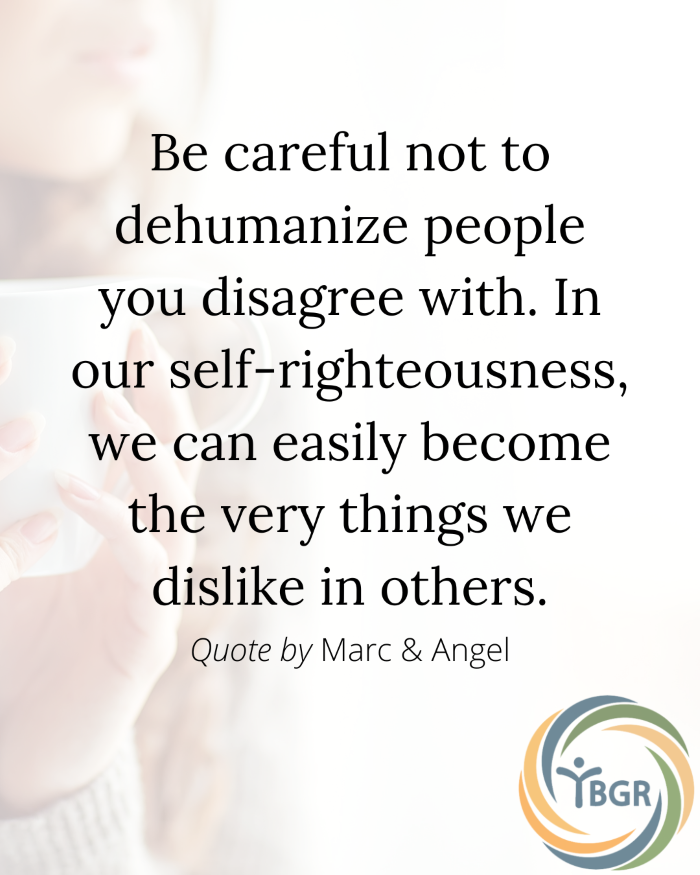
Quote 2: Be careful not to dehumanize people you disagree with. In our self-righteousness, we can easily become the very things we dislike in others. – Unknown
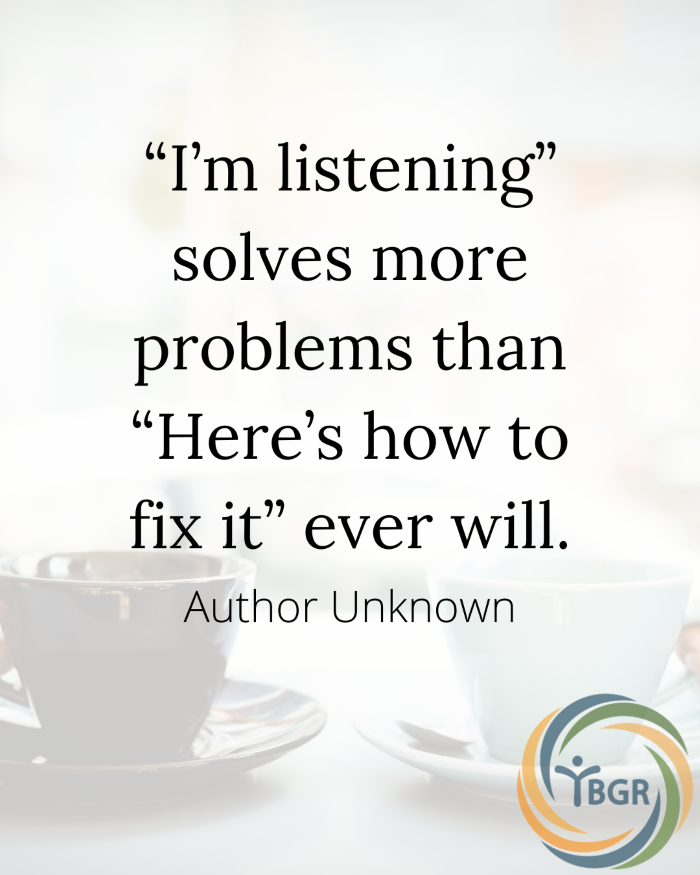
Quote 3: “I’m listening” solves more problems than “Here’s how to fix it” ever will. – Unknown
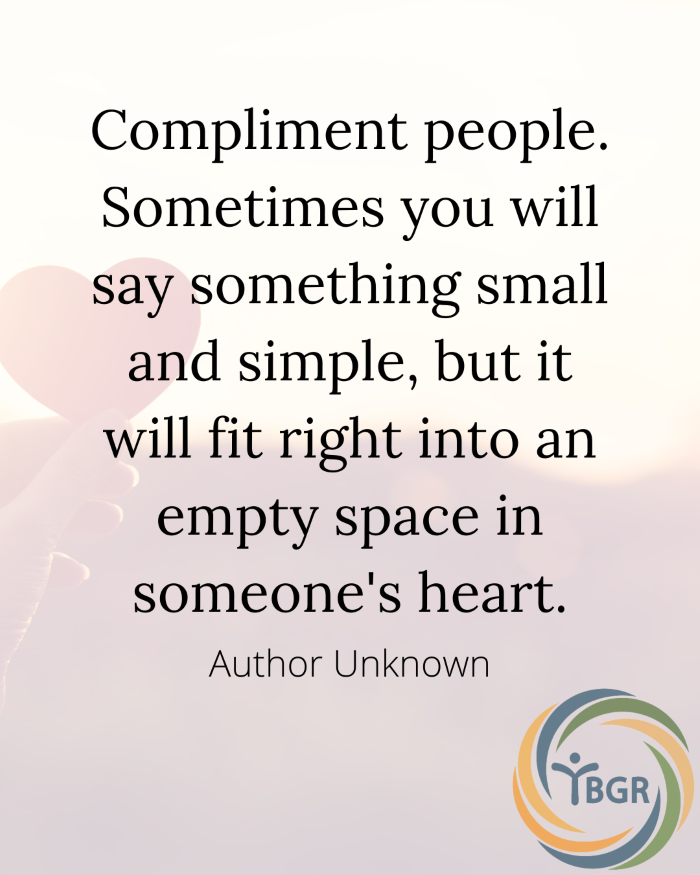
Quote 4: Compliment people. Sometimes you will say something small and simple, but it will fit right into an empty space in someone’s heart. – Unknown
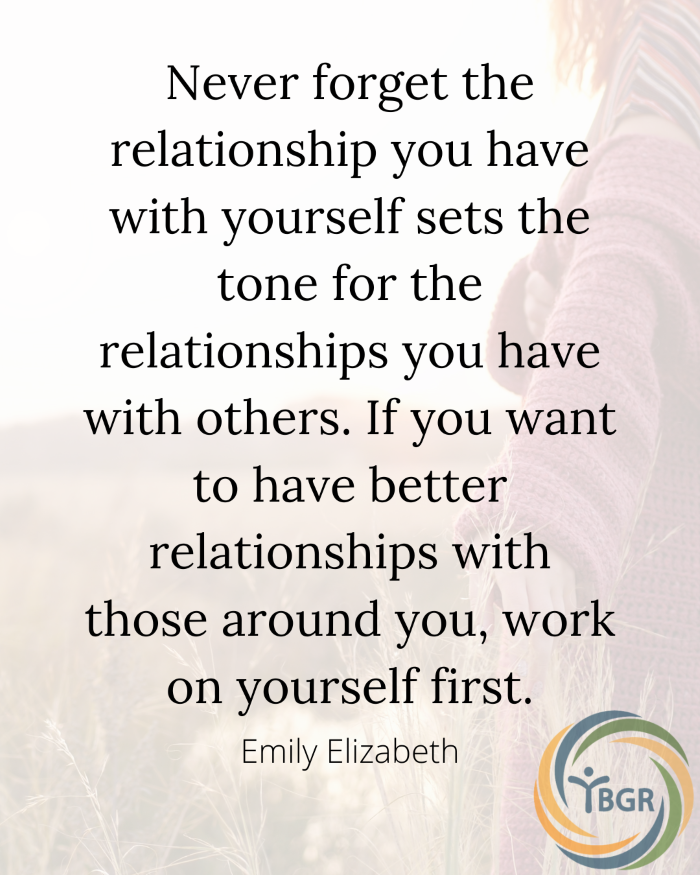
Quote 5: Never forget, the relationship you have with yourself sets the tone for the relationships you have with others. If you want to have better relationships with those around you, work on yourself first. – Unknown
Quote 6: Knowing your own darkness is the best method for dealing with the darkness of other people. – Carl Jung
Quote 7: When we live with unprocessed trauma, we see everyone’s actions towards us through that lens. – Unknown
Quote 8: Forgiveness is a strange thing. It can sometimes be easier to forgive our enemies than our friends. It can be hardest of all to forgive people we love. Like all of life’s important coping skills, the ability to forgive and the capacity to let go of resentments most likely take root very early in our lives. – Fred Rogers
Quote 9: It’s easy to judge. It’s more difficult to understand. Understanding requires compassion, patience, and a willingness to believe that good hearts sometimes choose poor methods. Through judging, we separate. Through understanding, we grow. – Unknown
Quote 10: Compassion is not a relationship between the healer and the wounded. It’s a relationship between equals. Only when we know our own darkness well can we be present with the darkness of others. Compassion becomes real when we recognize our shared humanity. – Pema Chodron
Want More?
Check out the rest of our blog and follow us on social media. You can find us on LinkedIn at Yellowstone Boys and Girls Ranch, Instagram at @ybgr_cares, and Facebook at YBGR and Yellowstone Boys and Girls Ranch.
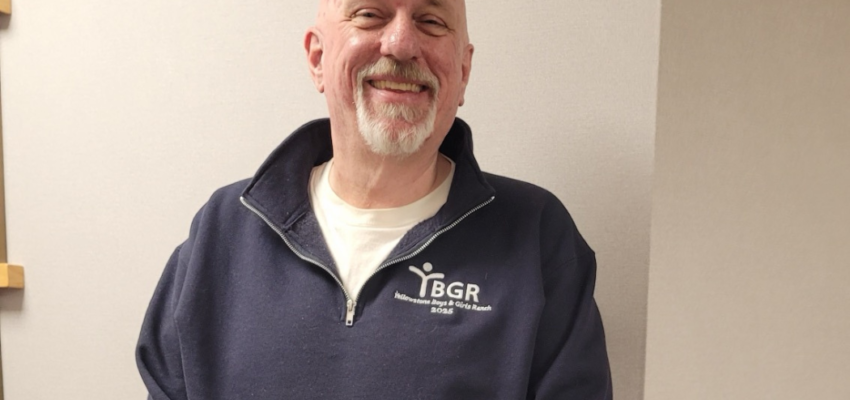
Bill Parisher Recognized by MSU Billings for Internship Leadership
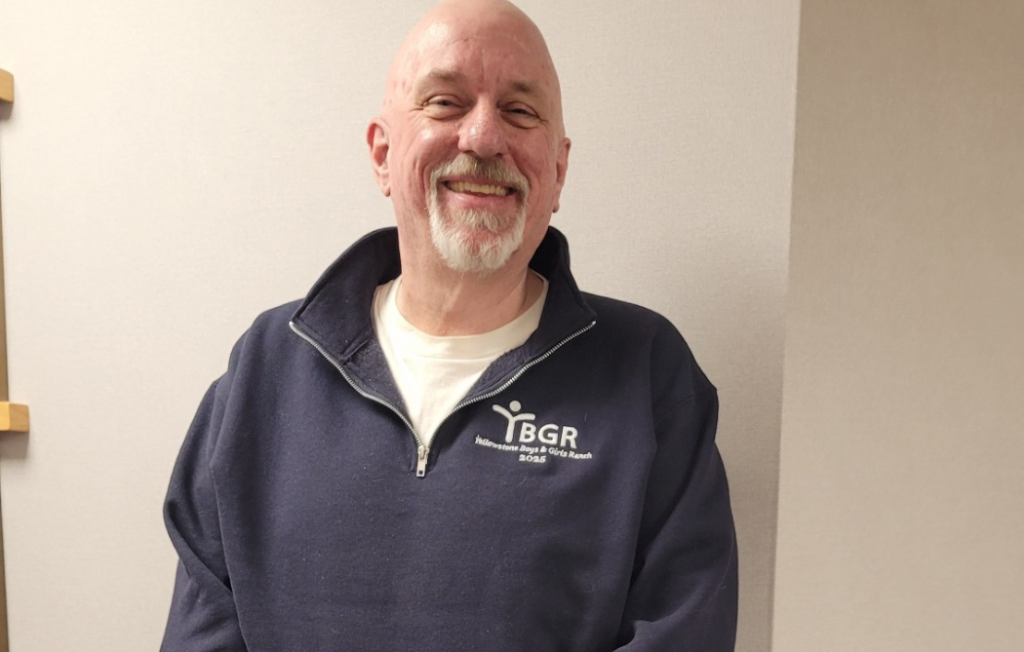
Recognize this caring, committed leader? It’s Bill Parisher, Program Manager at Jessie Grant Lodge at the Ranch in Billings.
MSU Billings recently recognized him with an Internship Site Supervisor of the Spring Semester Award.
Mentorship in Action
Here’s what an intern shared about him (edited):
“My site supervisor has been the best boss I have ever had. He is engaging, direct, and holds people accountable while being supportive. I believe he has the greatest character I have ever known in a workplace, and I have never had a bad experience with him. He always checks in with people he supervises — every day if he can. He approaches workplace issues with grace and always speaks his mind… I cannot speak more highly of Damon (Bill) Parisher. He embodies what a boss should be… In the field of mental health, where my site is specifically, I have seen a lot of supervisors and bosses. They all work so hard to make sure that the kids get the treatment that they need… He is what we all hope for when we start at a new position.”
Leadership That Reflects Our Mission & Values
See the words below?
Our Mission
Caring people, preparing youth for life.
Our Values
Faith, Integrity, Relationship, Stewardship
They’re at our core, and the feedback Bill received reflects that they shape how he leads—with integrity and care, creating space for caring people to do their best work and continue showing up for our kids.
Strong teams don’t happen by accident. They’re created by leaders like Bill who show up consistently, with clarity and purpose.
Bill, thank you for your leadership. It’s an honor to have you on our team. We’re grateful for you, your fellow Program Managers, and our entire residential crew at the Ranch.
Looking for a Job With Purpose?
Explore opportunities to join our team of caring people, preparing youth for life.
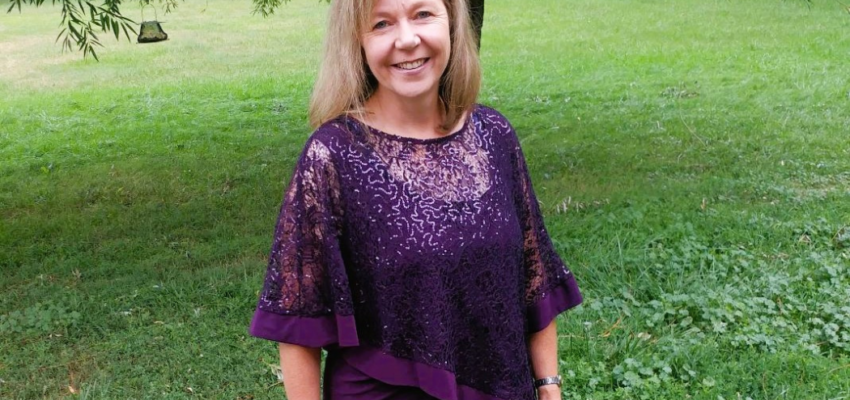
Anja Whitfield Promoted to Lead Mental Health Worker at STAR Group Home
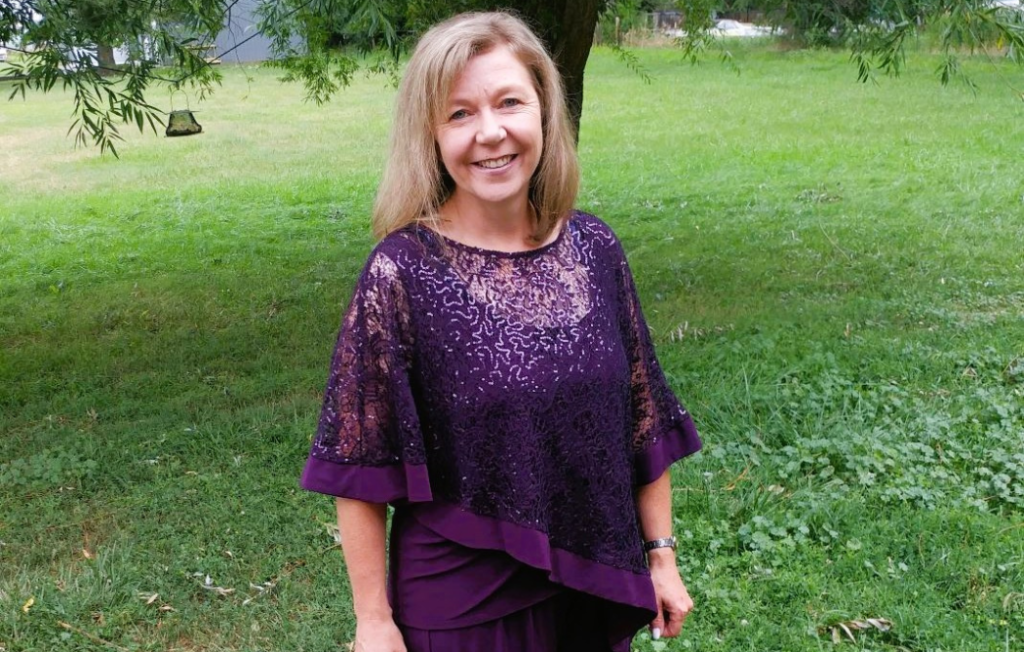
Behind every strong outcome for kids is a caring adult showing up day after day. In Billings, Anja Whitfield is one of those people. Recently promoted to Lead Mental Health Worker at our STAR Group Home, Anja helps create the kind of environment where kids can begin to heal and grow.
Supporting Kids in Our Group Homes
At STAR Group Home, Anja works closely with kids as they learn to care for themselves and the home they share with others.
She models respect for the space and for each other, helping kids build responsibility and pride in their surroundings. For many of the youth in our care, those everyday routines become an important part of rebuilding stability.
Leadership in Action
When a child is struggling, Anja leans in. Whether it’s stepping outside for fresh air or taking time for a quiet conversation, she creates space for kids to settle and reconnect.
She believes adults must model the kind of home they hope kids will one day create for themselves.
In her new role as Lead Mental Health Worker, Anja also looks forward to working with other leads in the area to streamline processes and strengthen how teams support one another.
Caring People, Preparing Youth for Life
Anja’s work is part of the larger effort happening across our group homes, where caring adults create structure and stability while kids build the skills they need to move forward.
Anja, thank you for the care and leadership you bring to our STAR Group Home each day. Congratulations on your promotion.
Looking for a Job With Purpose?
Explore opportunities to join our team of caring people, preparing youth for life.
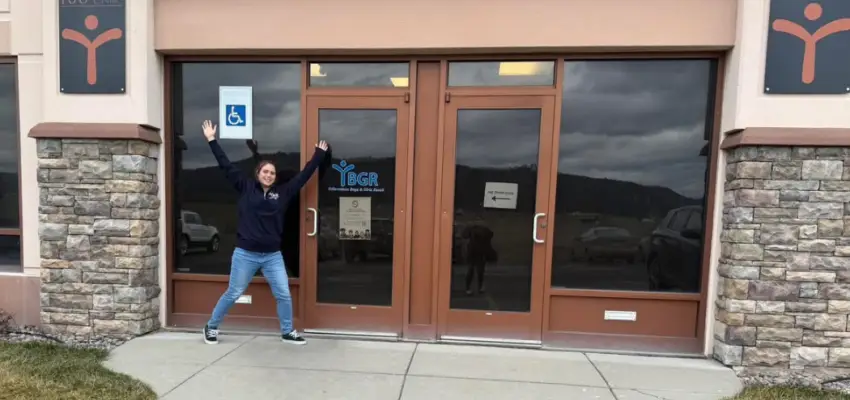
Meet Erika Wilcox, Kalispell Community Office Therapist
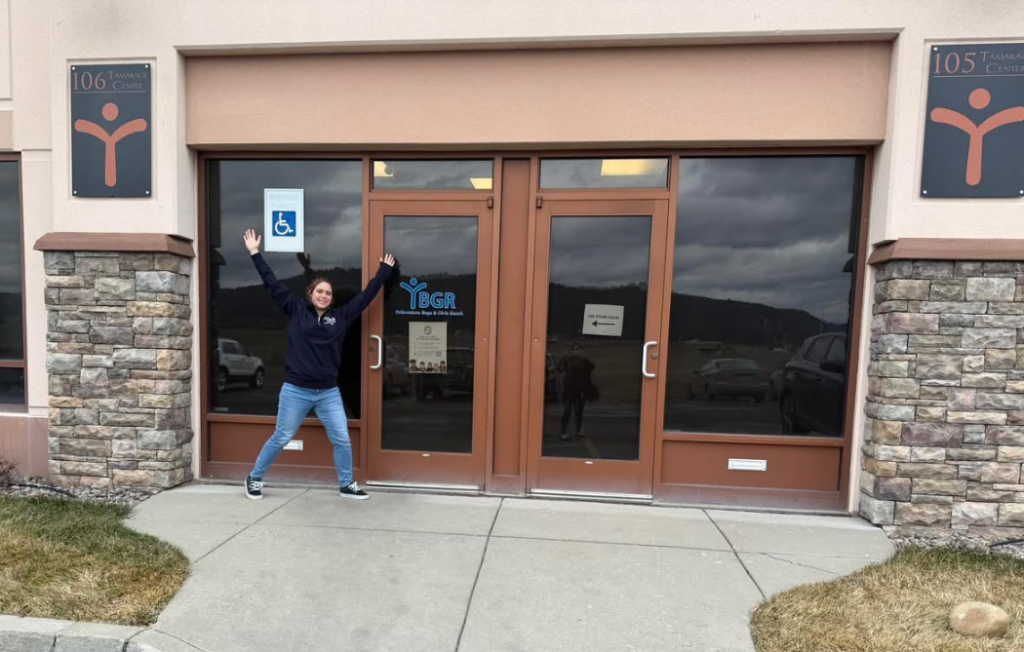
Behind every strong outcome for kids and families is a caring person doing the work day after day. In Kalispell, Erika Wilcox is part of that work as a therapist serving through our community-based mental health services.
Supporting Kids in the Community
Erika provides individual, group, and family therapy, helping kids work through challenges while building on their strengths.
Through community-based services, she meets kids where they live and learn—helping them develop skills, confidence, and resilience that carry forward into everyday life.
Her work reflects the importance of meeting families where they are and ensuring care is accessible in communities across Montana.
Strengths-Based Care in Action
In therapy sessions, Erika focuses on recognizing each child’s strengths while helping them navigate the challenges that come with growing up. By working closely with families, she helps create opportunities for growth and stronger relationships.
This work calls for patience, compassion, and a steady belief in each child’s potential.
Caring People, Preparing Youth for Life
Erika’s work is part of a larger effort across our community-based services programs—where caring people come alongside kids and families to help build the skills and support systems needed to move forward.
Erika, thank you for the work you do each day for kids and families in the Flathead Valley.
Looking for a Job With Purpose?
Explore opportunities to join our team of caring people, preparing youth for life.
Olympic Torchbearer Visits North Skyline Group Home in Great Falls
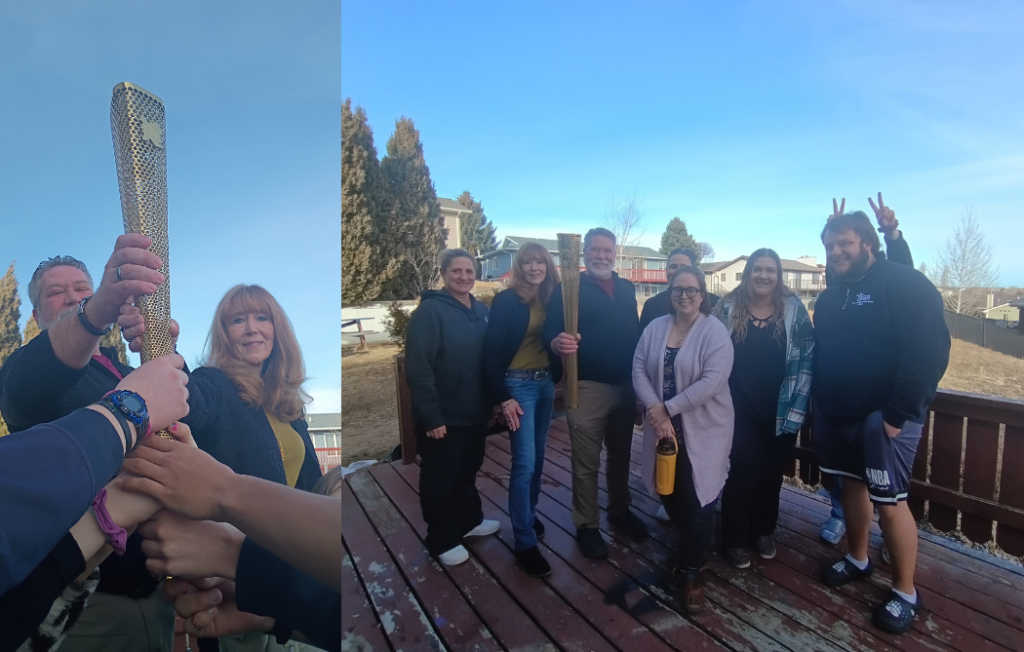
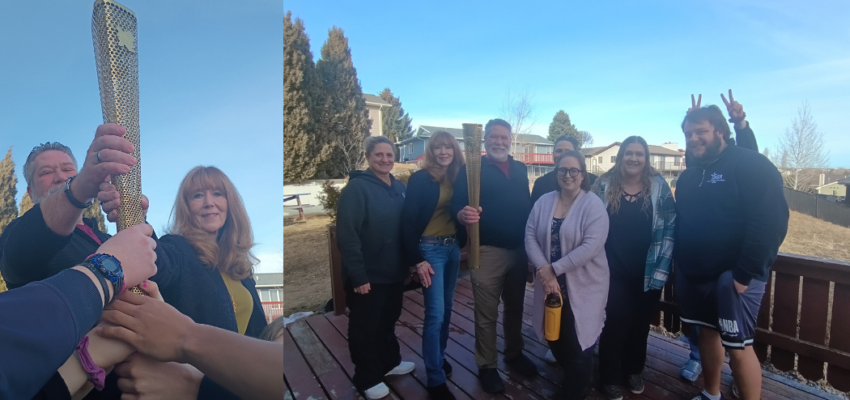
At North Skyline Group Home in Great Falls, our kids recently heard from an Olympic torchbearer—and had the chance to experience that moment for themselves.
An Olympic Story
Kathie Heusel, mother of Richard Heusel, Home Manager, visited North Skyline to share her experience carrying the Olympic torch during the 2012 Games in Edinburgh, Scotland. Her story gave kids a real example of what it looks like to follow through, take advantage of opportunities, and stay committed.
Each child also had the chance to walk with the Olympic torch, turning Kathie’s story into something they could experience firsthand.
It showed how taking the first step can open the door to new possibilities.
Connecting Stories to Everyday Choices
Brittany Olson, Therapist, built on Kathie’s message by sharing Alysa Liu’s gold-medal performance. Her story reinforced that where you start doesn’t determine where you can go. The choices made along the way matter.
Thank you, Kathie, for sharing your story, and thank you to our North Skyline team for the care you bring each day as you prepare youth for life.
Stay Connected
Stay tuned for our latest news updates from across Montana, and follow us on social media. You can find us on LinkedIn at Yellowstone Boys and Girls Ranch, Instagram at @ybgr_cares, and Facebook at Yellowstone Boys and Girls Ranch and YBGR.
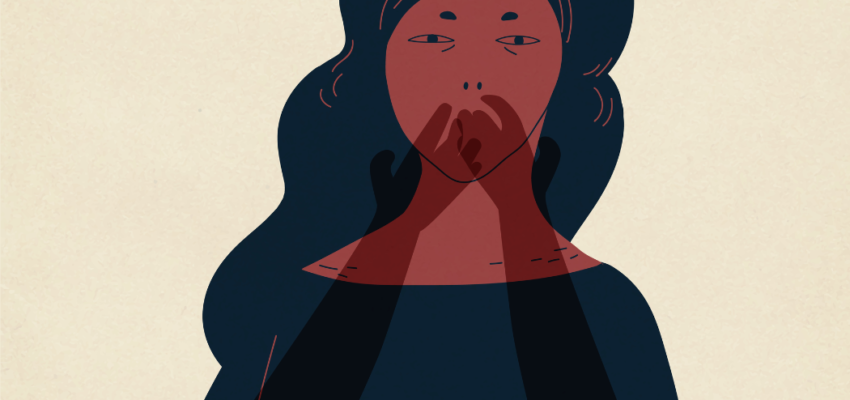
Labels Hurt: How Mental Health Stigma Limits Care
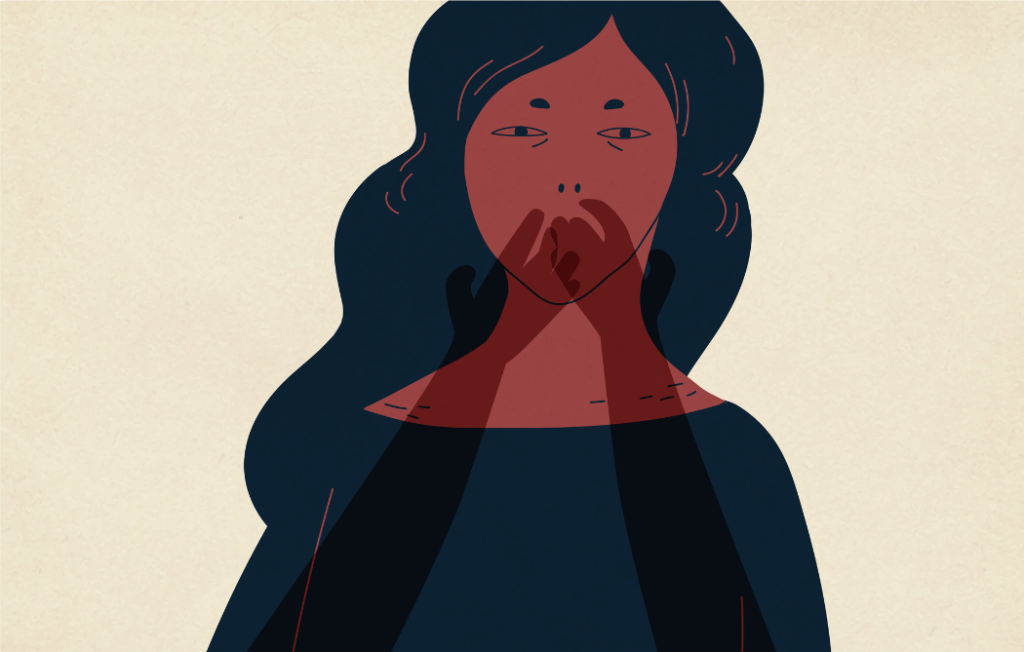
Mental health stigma remains one of the most significant barriers preventing people from seeking care, finding support, and feeling fully accepted in their communities.
Roughly 1 in 5 people live with a mental health condition. Yet despite how common these experiences are, stigma continues to shape how individuals are perceived—often reducing them to a label rather than recognizing them as whole people with strengths and potential.
How Mental Health Stigma Impacts Access to Care
Estimates show that as many as 70% of people afflicted with a mental health condition won’t seek treatment due to fear of judgment, discrimination, or social consequences.
Mental health stigma doesn’t just affect access to services. It’s associated with:
- Increased symptoms and poorer outcomes
- Social isolation and withdrawal
- Fewer educational and employment opportunities
- Reduced self-confidence and hope
In severe cases, the long-term impact of untreated mental health conditions can be life-threatening—not because care isn’t available, but because stigma stands in the way.
Why Labels Matter More Than We Realize
Have you heard of labeling theory? The framework dates back to the early work of French sociologist Emile Durkheim. It proposes that people come to identify and behave in ways that reflect the stigma associated with the labels we stick on them. Essentially, how we label people impacts their behavior.
But it doesn’t stop there. In the 1980s, the theory was revised to help explain the changes that take place in individuals diagnosed with mental health conditions.
According to the modified framework, cultural ideas associated with mental illness become personally relevant to those who struggle. In turn, they foster negative self-beliefs, ultimately leading to secrecy around treatment and social withdrawal from connections they perceive will reject them.
Why a Strength-Based Perspective Matters: Evidence That Challenges Stigma
What if I challenged you to shift your thinking about those with mental illness? Aristotle once wrote, “No great genius has existed without a strain of madness,” and to a certain degree, his words still ring true.
In 2009, researchers identified a genetic link between creativity and certain mental health conditions. Their study focused on the gene neuregulin 1 and found that those who carry it tend to score higher in creativity while also having an increased likelihood of developing schizophrenia or bipolar disorder.
Do your research, and you’ll find a host of well-known minds who grappled with mental illness, including:
- Abraham Lincoln—Clinical Depression, Social Anxiety
- Ludwig van Beethoven—Bipolar Disorder
- Vincent van Gogh—Bipolar Disorder
- Isaac Newton—Bipolar Disorder
- John Nash—Schizophrenia
- Nikola Tesla—Obsessive-Compulsive Disorder
- Leo Tolstoy—Clinical Depression
- Edgar Allan Poe—Bipolar Disorder
And that list is far from exhaustive. Perform a simple Google search, and the results will shock you. There are so many bright, creative minds living with mental health conditions.
Putting a Strength-Based Approach Into Practice
Reducing mental health stigma requires changing how we talk about mental health—and what we choose to focus on.
Whether you’re a parent trying to find strategies to guide your child or a social worker attempting to improve outcomes for your clients, people grow best when we build on their strengths rather than focusing on their weaknesses.
And people confronting mental health issues? They’re no different! Mental illness often comes alongside a host of strengths, which too frequently get overshadowed by negative stigma.
Recognizing strengths doesn’t minimize the challenges people face. It acknowledges the full picture—one that stigma often obscures.
Tenets of a Strength-Based Approach
We can significantly improve outcomes by taking a strength-based approach. Below are nine guiding principles to help people thrive:
Everyone possesses a uniqueness that helps them evolve in their journey. Unique characteristics include:
- Potential
- Strengths
- Capabilities
What receives attention or focus becomes what we strive for, eventually becoming reality.
Be careful with your words and language. Our language creates our (and others’) reality.
Accept change. Life and our world are ever-evolving; don’t resist.
Support others authentically. You will see that your relationships are deeper and more meaningful.
The person is the storyteller of their own story.
Build on what you know to dream of the future.
Capacity building has multiple facets and organizations. Be flexible.
Be collaborative. Be adaptive and value differences.
Common Misbeliefs About People with Mental Illness
There’s a ton of misinformation out there that perpetuates stigma. Here are a few common misconceptions that negatively affect those living with mental health disorders.
People with mental illness are violent.
Only 3 to 5% of violent acts are carried out by people living with serious mental illness. In fact, those afflicted are more than ten times as likely to be the victim of violent crimes as the general population.
Mental illness is always the result of trauma.
Yes, trauma can aid in the underlying expression of genes linked to mental illness, but its presence isn’t always necessary. For instance, attention-deficit/hyperactivity disorder (ADHD), bipolar disorder, and schizophrenia all have strong biological markers. Their roots often run deep in family lineages, and brain scans reveal structural abnormalities in those afflicted.
Poor parenting is at the root of all mental health conditions.
Indeed, parents influence their children’s behaviors. And without question, abuse and neglect can aid in developing mental health challenges across the lifespan. But many conditions arise despite our best parenting efforts.
For example, years ago, we believed that parents were responsible if their child developed schizophrenia. However, while there is a genetic component—the disorder tends to run in families—there is no evidence that bad parenting causes it. Even if you have a parent with schizophrenia, your chances of getting it are less than 25%.
People with mental health disorders are stupid.
Just look at the list of brilliant minds we noted earlier. Honestly, the idea that people living with mental illness are less intelligent than the general population is a ridiculous notion. Many conditions correlate with genetic markers that show just the opposite.
Want More?
Check out the rest of our blog and follow us on social media. You can find us on LinkedIn at Yellowstone Boys and Girls Ranch, Instagram at @ybgr_cares, and Facebook at YBGR and Yellowstone Boys and Girls Ranch.
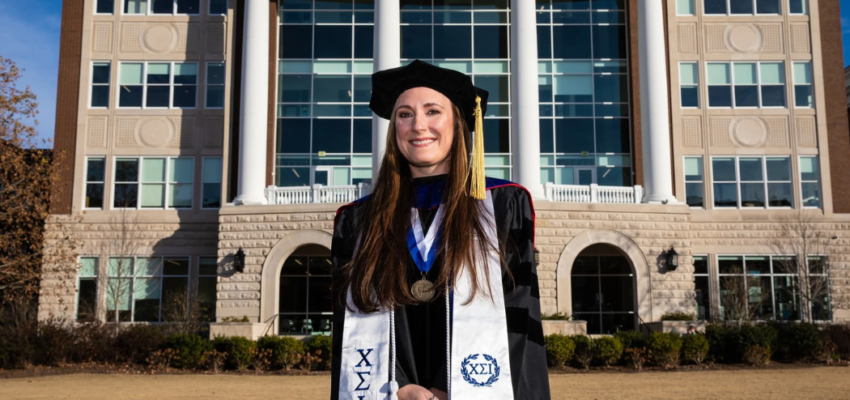
Introducing Dr. Leslin Ossoff, PhD, Regional Clinical Manager at YBGR
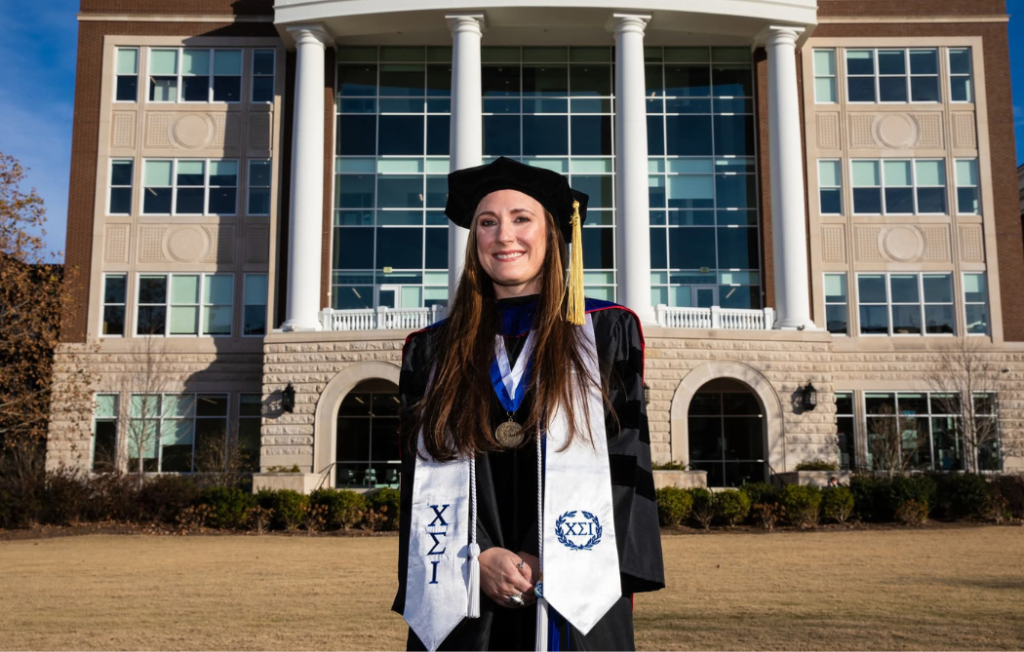
We’re excited to announce that Leslin Ossoff recently earned her Doctor of Philosophy in Counselor Education and Supervision.
This achievement reflects years of focused study, applied research, and leadership development that strengthens the care we deliver to kids and families across Montana.
Research and Experience That Strengthen Care
Dr. Ossoff grounded her doctoral work in real-world impact. Her dissertation, “The Efficacy of Casting for Recovery: Improving the Quality of Life Among Women Survivors of Breast Cancer,” examined how experiential, nature-based interventions support healing and improve overall quality of life. Through this research, she highlighted approaches that honor lived experience, resilience, and holistic well-being—principles that align closely with how we deliver care at Yellowstone Boys and Girls Ranch (YBGR).
Over the past six years, Dr. Ossoff has served in multiple direct-service roles at YBGR and now leads as Regional Clinical Manager in Livingston. She brings clinical expertise, curiosity, and compassion into her work—supporting teams and strengthening outcomes for the kids and families they serve.
Building Strong Foundations Through Leadership
When we invest in leadership, we strengthen care across programs and improve continuity for those we serve. Leaders like Dr. Ossoff help guide our teams with integrity, grounded practice, and a deep belief in people’s capacity to heal and grow.
We’re grateful for the expertise and leadership Dr. Ossoff brings to YBGR and proud to recognize this important professional milestone.
Stay Connected
Stay tuned for our latest news updates from across Montana, and follow us on social media. You can find us on LinkedIn at Yellowstone Boys and Girls Ranch, Instagram at @ybgr_cares, and Facebook at Yellowstone Boys and Girls Ranch and YBGR.
How Leadership Shapes Professional Growth — Fallon Hain’s Story
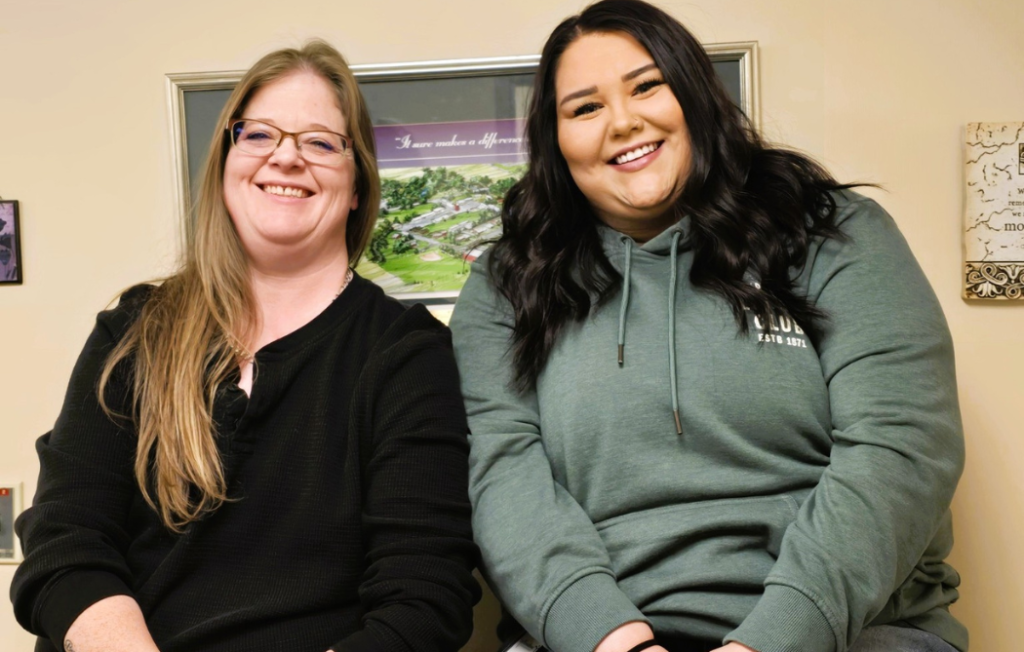
Did you know some of the most impactful leaders are the ones who make room for others to grow? At the Ranch, leadership isn’t about taking the spotlight—it’s about recognizing strengths, building trust, and supporting people as they step into new roles.
That leadership is on full display at Shumaker Lodge through Emily Barnhart, Program Manager, and Fallon Hain, Lead Mental Health Worker.
Creating Space for Growth Through Leadership
Strong teams grow when people feel trusted and supported.
When Fallon transitioned into her role as Lead Mental Health Worker, Emily was quick to deflect credit.
“Whenever someone approaches me about Fallon’s transition to our Lead Mental Health Worker, I often get told I have done well as her supervisor and have helped her grow into this role. However, from my perspective, I didn’t do anything special but allow her to lean into her own strengths and provide her with support and guidance.”
That approach reflects how leadership shows up at the Ranch—by creating space for growth and encouraging people to bring their strengths forward.
Leading From Strength
In her role, Fallon supports and trains other Mental Health Workers, brings thoughtful ideas to the table, and helps work through challenges as they arise.
Emily describes Fallon as a steady presence and trusted collaborator—someone who strengthens both the team and the care provided to youth.
“Fallon has not only helped provide training to other Mental Health Workers, but also to me. She provides great ideas and is extremely helpful at working through challenges as they arise. Fallon is truly my right hand and is a great example of a Lead Mental Health Worker.”
Growth That’s Felt — And Seen
From Fallon’s perspective, that trust made all the difference.
“Emily has by far been a Program Manager I fully trust. She helped me grow more in the last year than I could have ever imagined.”
Feeling seen and supported allowed Fallon to step confidently into her new role—demonstrating what growth can look like when leadership is rooted in trust and people are encouraged to develop their strengths.
Caring People, Preparing Youth for Life
Stories like Emily’s and Fallon’s reflect the culture at the Ranch—where caring people support one another, leadership creates opportunity, and growth strengthens the work we do preparing youth for life.
Thank you, Emily and Fallon, for the way you show up for your team and for the kids we serve.
Stay Connected
Stay tuned for our latest news updates from across Montana, and follow us on social media. You can find us on LinkedIn at Yellowstone Boys and Girls Ranch, Instagram at @ybgr_cares, and Facebook at Yellowstone Boys and Girls Ranch and YBGR.
Supporting Emotional Regulation in Kids with Boundaries, Validation, and Empathy

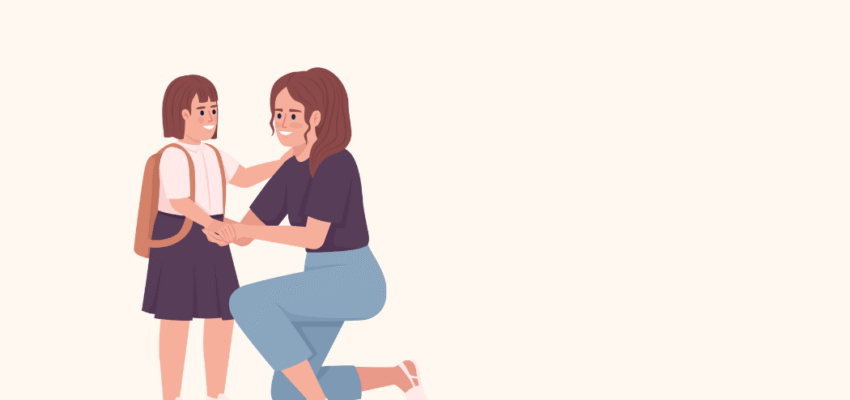
When kids come in hot, it can be tempting to match their intensity—raise your voice, react quickly, try to shut things down fast.
But meeting fire with fire rarely helps. It escalates the moment and leaves everyone feeling more overwhelmed than before.
What does help is something quieter and more intentional: a clear, grounded response that slows the moment down instead of turning up the heat. This kind of response supports emotional regulation in kids as they learn how to navigate stress, frustration, and big feelings.
Why Reactions Escalate
All kids experience moments when emotions run high. When that happens, their nervous systems can shift into survival mode, making it harder to think clearly, communicate, or pause before reacting.
If adults respond with urgency, sharpness, or intensity, it can signal that the situation is unsafe or out of control. The result is often more escalation, not less.
A regulated adult response helps bring stability back into the moment—giving kids the space they need to regain control.
What Intention Looks Like in Practice: Boundary, Validation, and Empathy
Responding with intention doesn’t mean ignoring behavior or lowering expectations. It means holding boundaries while staying calm and connected.
Here’s what that can look like in real time:

Each piece serves a purpose.
- The boundary provides clarity and safety.
- Validation acknowledges the child’s emotional experience.
- Empathy helps calm the nervous system by signaling understanding.
Together, they slow the moment down and reduce the likelihood of escalation.
Why This Matters Beyond the Moment
When adults respond this way consistently, kids aren’t just getting through a hard moment—they’re building skills they’ll use throughout their lives.
They’re learning how to pause before reacting.
They’re learning how to communicate when emotions are high.
They’re learning that difficult feelings don’t have to derail relationships or outcomes.
These emotional regulation skills show up at school, in conflict, and later in adulthood. They help frustration slow down instead of turning into shutdown or aggression.
The Power of Modeling
Kids don’t learn emotional regulation because we tell them to “calm down.” They learn it by watching how the adults around them respond when things get hard.
When adults slow themselves down, kids are more likely to do the same.
Meeting intensity with intention isn’t passive. It’s purposeful. It’s choosing responses that protect connection, build skills, and create space for growth.
Want More?
Check out the rest of our blog and follow us on social media. You can find us on LinkedIn at Yellowstone Boys and Girls Ranch, Instagram at @ybgr_cares, and Facebook at YBGR and Yellowstone Boys and Girls Ranch.