Monthly Archives: July 2025

17 Quotes on Coaching Kids Through Behaviors

17 Quotes on Coaching Kids Through Behaviors

17 Quotes on Coaching Kids Through Behaviors

As parents, navigating tricky behaviors can be challenging. But with a positive approach built on a foundation of curiosity and intention, we can help our little ones learn, grow, and thrive.

Below are seventeen quotes to help you decode and coach kids through behaviors.

Quotes on Coaching Kids Through Behaviors

Quote 1 - When we don’t understand a behavior

Quote 1: When we don’t understand a behavior, we tend to assume a child is doing it on purpose. – @raisinghumankind

When we don’t understand behavior, it’s easy to assume it’s intentional.

The talking back. The shutdown. The meltdown in the grocery store. Without context, it can feel personal—even defiant.

But most of the time, it’s not about us. It’s about a child trying to cope with something they can’t yet manage, express, or explain.

Assuming intent closes the door to understanding. Curiosity cracks it open.

Quote 2 - There’s usually an “inside” story to every outside behavior

Quote 2: There’s usually an “inside” story to every “outside” behavior. Though we may not be able to know that “inside story,” there’s generally some inner reason for what children do. – Fred Rogers

Every behavior tells a story—even if we don’t know the full plot.

What we see on the outside is often just the surface: the outburst, the shutdown, the refusal. But underneath? There’s almost always a reason—stress, confusion, fear, or needs that haven’t been met.

We don’t have to excuse the behavior to understand it. When we lead with that mindset, we respond with more patience, clarity, and compassion.

Quote 3 - One of the most important tools for parents is the power of observation

Quote 3: One of the most important tools for parents is the power of observation. Often, we act before considering the underlying meaning of kids’ behaviors, focusing on managing or correcting it instead of reflecting on what it means for the child. – Inspired by @monadelahooke

Before we correct, it helps to observe. Behavior isn’t random—it’s often a clue.

Kids may not say, “I’m overwhelmed” or “This is too much for me.” But their behavior might be trying to tell you just that.

One of the most powerful tools we have as parents is curiosity. When we pause long enough to notice, we shift from reacting to understanding. That shift helps us respond in ways that support our kids.

Quote 4 - Beneath misbehavior often lies a struggling child

Quote 4: Beneath misbehavior often lies a struggling child who is aware that they are not meeting expectations but unaware or unequipped on how to do so. – Inspired by Sarah Boyd

Kids usually want to meet expectations. But under stress, the skills that help them do that—like calming down, thinking ahead, or stopping to consider their choices—can fall apart.

That’s because the part of the brain responsible for planning, focus, and self-control (called executive function) is still developing—and even more so when emotions run high.

It’s not about motivation. It’s about brain development. And kids need coaching, not criticism, to build those skills over time.

Quote 5 - Challenging behavior occurs when the demands

Quote 5: Challenging behavior occurs when the demands placed on a child outstrip the skills they have to respond adaptively to those demands. – Dr. Ross Greene

Challenging behavior doesn’t mean a child won’t—it often means they can’t. At least not yet.

When the demands placed on a child exceed the skills they have—whether it’s managing emotions, thinking flexibly, or navigating social situations—behavior becomes the signal.

This idea is at the heart of Dr. Ross Greene’s Collaborative & Proactive Solutions model. Backed by research on lagging executive, emotional, and social skills, it offers a simple, powerful truth:

Kids do well if they can.

And if they can’t? They don’t need more pressure—they need support to build the skills they’re missing.

Quote 6 - Children do not enter the world with bad intentions

Quote 6: Children do not enter this world with bad intentions. They do not come to wear us out, test our patience, or push us over the edge. They come to us with a need for love, connection, and belonging. – Rebecca Eanes

From the very beginning, kids are wired to seek connection and safety—it’s how they survive, and how they grow.

So when behavior gets loud or hard to manage, it’s usually not about manipulation. It’s a signal. A sign that something isn’t working, and a child is struggling to get their core needs met.

When we see behavior as a call for connection—not control—we’re more likely to respond with the guidance and support kids truly need.

Quote 7 - Every child wants to succeed

Quote 7: Every child wants to succeed. Every child wants to have a good relationship with others. Every child wants to have a sense of belonging and significance. When we remember this, we will give misbehaving children the benefit of the doubt. Instead of assuming they want to be difficult, we will assume they want positive results and are simply confused about how to achieve them. – Jane Nelsen

At the core, every child wants to do well. They want to connect. To feel seen. To belong.

When behavior misses the mark, it’s rarely because a child wants to cause problems—it’s usually because they’re struggling to get their core needs met—and working to meet them in the only way they know how.

Giving kids the benefit of the doubt doesn’t mean lowering expectations. It means recognizing their intentions are good—even when their behavior isn’t—and showing them how to get to the outcome they’re really after.

Quote 8 - Too often, we forget that discipline really means to teach, not to punish

Quote 8: Too often, we forget that discipline really means to teach, not to punish. A disciple is a student, not a recipient of behavioral consequences. – Daniel J. Siegel

Discipline at its core is about helping kids learn what to do next time—not just making them pay for what went wrong.

When we shift from reacting to teaching, we give kids the tools to build better behavior over time.

Quote 9 - Repeatedly telling a child what they’re doing wrong

Quote 9: Repeatedly telling a child what they’re doing wrong won’t help them learn what to do differently. – @parenting_pathfinders

Pointing out what’s wrong doesn’t teach what to do instead.

Kids need more than correction—they need coaching. When we only tell them what not to do, we leave a gap. A blank space where the skill should be.

Real growth comes when we help them fill that gap—with guidance, modeling, and practice. It’s not about lowering expectations—it’s about giving them the tools to reach them.

Quote 10 - Before telling a child to stop doing something, imagine them asking you

Quote 10: Before telling a child to stop doing something, imagine them asking you, “What should I do instead?” Then, skip telling them to “stop” and tell them this. – @parenting_pathfinders

What if, before saying “stop,” we paused to consider what a child could do instead?

Most kids aren’t trying to misbehave—they’re trying to navigate a situation with the tools they have. When we only tell them what not to do, we leave them without a way forward.

So next time, imagine them asking, “What should I do instead?” And lead with that.

Giving clear direction helps kids build the skills they need to succeed.

Quote 11 - Affirmation is powerful

Quote 11: Affirmation is powerful! When you encourage kids with their small successes, they are usually eager to do more. – @connectedfams

Kids grow where they’re encouraged.

A small win—a kind word—a moment of progress noticed. That’s often all it takes to spark motivation. Affirmation builds confidence, and confidence fuels growth.

As @connectedfams puts it: “When you encourage kids with their small successes, they are usually eager to do more.”

What we choose to highlight matters. Catch them doing well, and watch what happens next.

Quote 12 - Clear is kind Unclear is unkind

Quote 12: Clear is kind. Unclear is unkind. Often, we get so focused on how to respond when kids cross boundaries that we forget to ensure our boundaries are clear to begin with. – @helpingfamiliesthrive

“Clear is kind. Unclear is unkind.”

We often focus on how to respond when kids cross boundaries—but sometimes, the real issue is that the boundary wasn’t clear to begin with.

Kids aren’t mind readers. They’re learners.

When we set limits with calm, consistent clarity, we make it easier for them to succeed.

Quote 13 - Punishing a child forces them to focus on how their behavior affects them

Quote 13: Punishing a child forces them to focus on how their behavior affects them. Communicating with a child helps them to focus on how their behavior affects others. To parent effectively, focus on communication instead of retribution. – Inspired by L.R. Knost

Punishment makes kids think, “I’m in trouble.” Communication helps them think, “I made a mistake—and here’s how it affected someone else.”

One pushes kids into self-protection. The other invites growth, accountability, and connection.

It’s not about making kids pay for what went wrong—it’s about helping them understand, repair, and grow.

Quote 14 - If controlling another human being is the goal, then force is necessary

Quote 14: If controlling another human being is the goal, then force is necessary. Fear, intimidation, threats, power-plays, physical pain—those are the means of control. But, if growing healthy humans is the goal, then building trust, relationships, encouraging, guiding, leading, teaching, and communicating are the tools for success. – Inspired by L.R. Knost

The way we respond to challenging behavior says a lot about what we’re aiming for.

If the goal is short-term compliance, we might lean on control or fear to get it. But if the goal is long-term growth—raising thoughtful, capable humans—we have to take a different path.

That means leaning into connection, not coercion. Teaching instead of punishing. Holding boundaries and holding space.

It takes more time, more intention—but it builds something stronger.

Quote 15 - You won’t be able to always control your child

Quote 15: You won’t be able to always control your child. But with a relationship with trust and connection, you will be able to influence them for years beyond childhood. Focus on connection & influence instead of power & control. – Dr. David Erickson

Control is temporary. But connection? That lasts.

You won’t always be able to control your child’s choices—and you shouldn’t have to. What carries real weight over time is the relationship you build.

When trust and connection are strong, your influence lasts far beyond childhood. Not because you demanded it—but because you earned it.

Quote 16 - Never miss an opportunity to make a kid feel better about themselves

Quote 16: Never miss an opportunity to make a kid feel better about themselves. When they feel good, their whole demeanor changes. They learn better, behave better, and act better toward others. – Christine Derengowski

It’s easy to focus on what needs correcting. And yes—kids need guidance, limits, and clear expectations. But if that’s all they hear, they can start to believe they’re only as good as their mistakes.

Encouragement shifts that narrative. When we reflect back their effort, growth, and small wins, we help them see themselves differently—and that changes everything.

A child who feels seen and capable is more open to feedback, more willing to try again, and more likely to grow—not because we demanded it, but because they believe they can.

Quote 17 - When children feel they belong

Quote 17: When children perceive that they belong and that they are capable, they feel encouraged and behave in socially acceptable ways. – Jane Nelson

When kids feel like they belong and that they matter, their behavior often starts to shift.

Belonging isn’t just a warm feeling—it’s a basic need. And when kids see themselves as capable contributors, they’re more likely to show up in ways that reflect that belief.

That sense of belonging fuels motivation. It builds resilience. It gives kids a reason to care—not just about how they’re doing, but about how they’re impacting others.

Instead of trying to earn their place, they begin to live into it—taking ownership, showing empathy, and stepping into who they’re becoming.

Need Support?

We’re here to help! With everything from therapy to in-home caregiver support and more, we provide a wide range of behavioral health services tailored to each child’s unique needs—designed to empower families in treatment.

Contact us to learn more about getting involved.

Did You Find This Article Helpful?

Check out the rest of our blog and follow us on social media. You can find us on LinkedIn at Yellowstone Boys and Girls Ranch, Instagram at @ybgr_cares, and Facebook at Yellowstone Boys and Girls Ranch.

1956 Marked the Start. 1957 Made It Real. A Legacy of Caring Still Growing

1956 Marked the Start. 1957 Made It Real. A Legacy of Caring Still Growing

1956 Marked the Start. 1957 Made It Real. A Legacy of Caring Still Growing

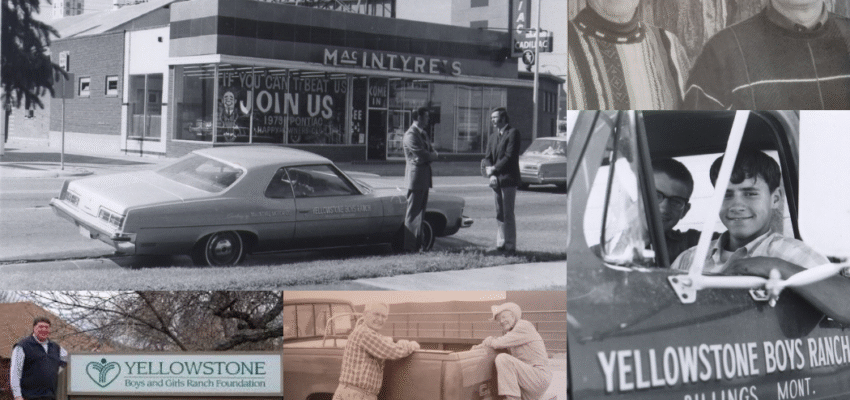
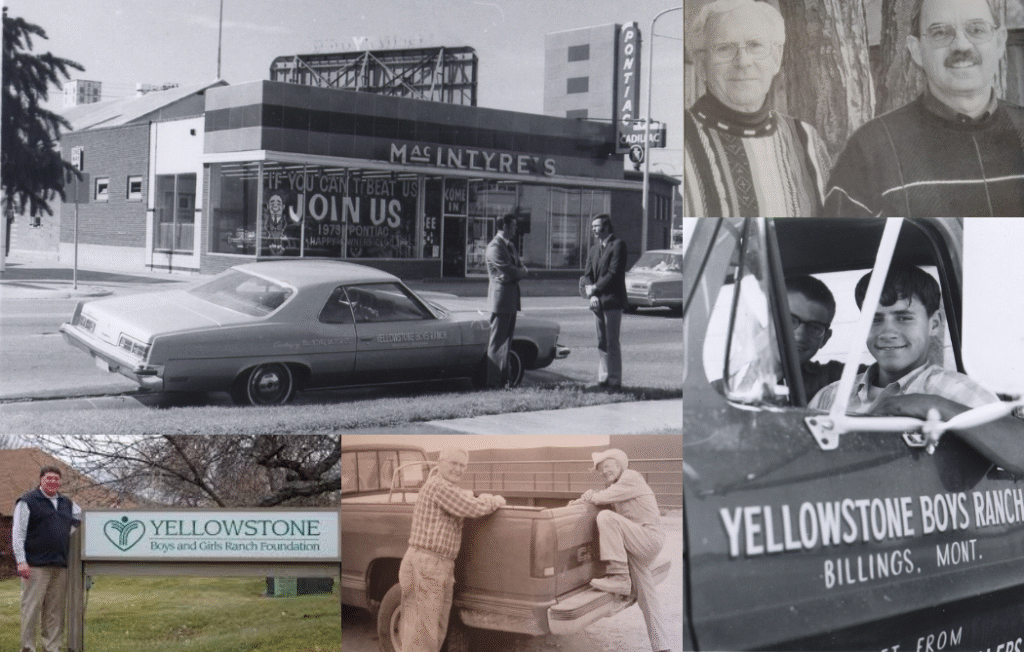
Did you know June marked our 68th year of caring for kids?

In June of 1957, after purchasing the old O’Rourke Farm west of Billings, we welcomed the first child into our care—planting the roots of what would become Yellowstone Boys and Girls Ranch.

It all began with a bold response to injustice: At the time, young boys—some barely old enough to ride a bike—were being housed alongside adult criminals at the Montana State Industrial School. Franklin Robbie saw it and said, not on our watch. There has to be a better way.

What started as a safe haven soon grew into a therapeutic residential treatment center for youth.

A Legacy of Caring Takes Root

By the fall of 1973, we had already served 400 youth. In 1977, we began transitioning from long-term custodial care to short-term therapeutic treatment, launching our first Pilot Assessment and Treatment programs in Orth Lodge.

In June 1980, The Wrangler announced a historic milestone: the decision to admit girls to our Brekkeflat Assessment and Treatment Lodge. That edition also marked the first time we were referred to as Yellowstone Boys and Girls Ranch.

The 1990s brought another important step forward. We were approved by the State of Montana to pilot Medicaid reimbursement for Psychiatric Residential Treatment Services—ensuring access to critical care for youth with significant mental health needs.

And in 1999, we expanded into community-based services, stepping outside the walls of the Ranch to meet kids where they live, learn, and grow.

A Mission That Keeps Growing

In our first 14 months, we served just 14 youth.

Today, we reach more than 3,600 kids annually through a full spectrum of mental health services—ranging from our Psychiatric Residential Treatment Facility (PRTF) in Billings, to therapeutic group homes in Boulder, Billings, Helena, and Great Falls, and community-based care that now touches nearly every corner of Montana.

YBGR Map

While our reach has grown, our heart has never changed: Caring people, preparing youth for life. We continue to show up for kids when it matters most.

Looking Back as We Look Ahead

Every September, we celebrate our beginnings—the moment we officially filed our Articles of Incorporation in 1956.

As we prepare for this year’s celebration, we’ll be sharing stories from our past and the legacy that continues to shape who we are today.

We invite you to join us on the journey.

Learn More About Our History

Visit our History page to explore the story—and the caring people—who gave birth to our mission. Their vision continues to touch the lives of thousands of youth across Montana and beyond each year.

Want to dive deeper? You can also find A Legacy of Caring, written by our founder, Franklin Robbie, on Amazon.
YBGR Staff Give Back 4,238 Hours of Volunteering Across Montana

YBGR Staff Give Back: 4,238 Hours of Volunteering Across Montana

YBGR Staff Give Back 4,238 Hours of Volunteering Across Montana

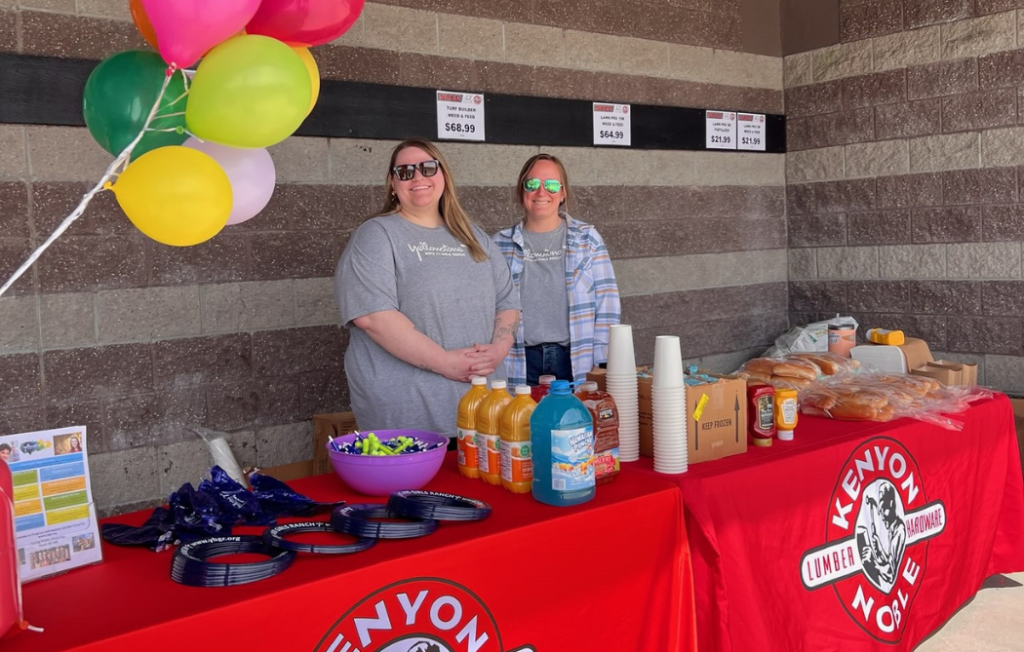
Every hour counts—and YBGR employees are proving it in powerful ways! In just a quarter’s time, our team spent 4,238 hours volunteering across Montana. From coaching youth sports to mentoring kids, delivering meals, serving on boards, and so much more, they’re making a real difference far beyond the workday.

This is what it looks like when caring people come together. We don’t just serve our communities—we’re part of them.

More Than Numbers: The Heart Behind the Service

What makes these hours so meaningful isn’t just the total—it’s the spirit behind them. Whether it’s firing up the grill for a crowd, helping a neighbor in need, or quietly mentoring a young athlete, our team shows up with commitment, care, and humility. These moments build lasting connections and communities that thrive.

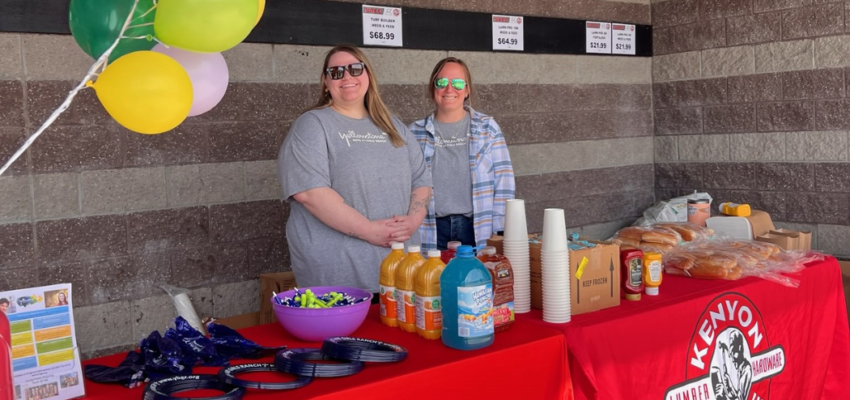
Take Leslin Ossoff, Regional Clinical Director, and Alexis Freydenfelt, Administrative Supervisor, for example. In May, they volunteered at a Kenyon Noble event in Bozeman, where they grilled hot dogs for kids and helped families build flowerpots in time for Mother’s Day. It’s a snapshot of the kind of hands-on care and connection our staff bring into their communities every day.

Why Volunteering Matters at YBGR

At Yellowstone Boys and Girls Ranch, we believe community involvement is part of who we are, not just what we do. When our staff give their time, they’re helping create the positive connections that kids, families, and neighbors need to succeed. Together, we’re helping youth grow stronger and communities grow closer.

To every employee who gives so generously—thank you. Your time and heart make a lasting difference.

Stay Connected

Stay tuned to our news updates for the latest from across Montana, and follow us on social media. You can find us on LinkedIn at Yellowstone Boys and Girls Ranch, Instagram at @ybgr_cares, and Facebook at Yellowstone Boys and Girls Ranch.

Dr. Jane Gillette Appointed to YBGR Board Chair (1)

Dr. Jane Gillette Appointed Board Chair at YBGR

Dr. Jane Gillette Appointed to YBGR Board Chair (1)

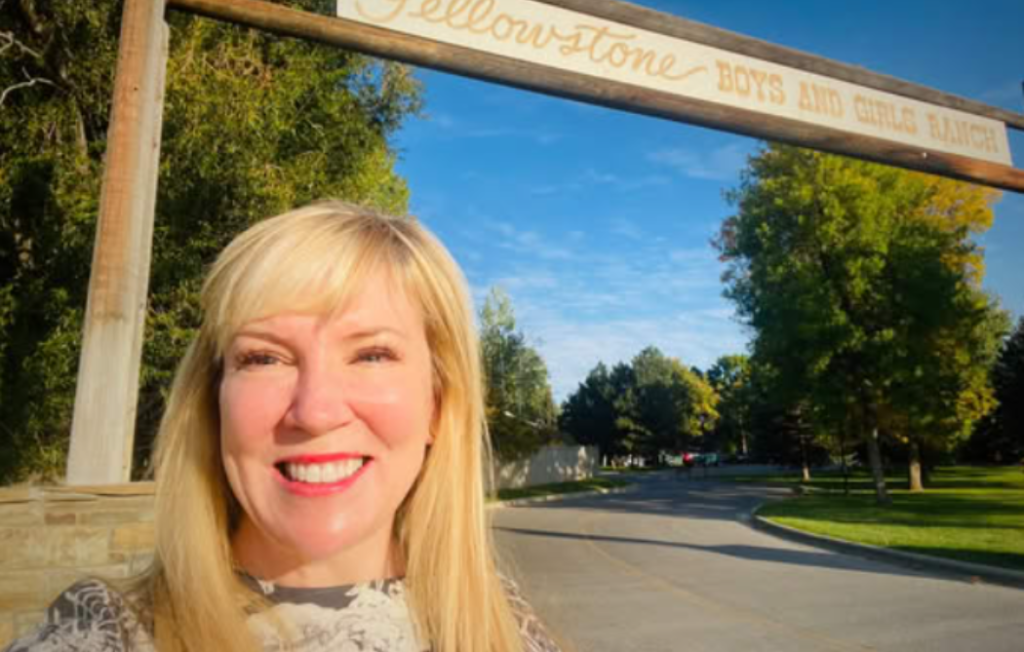
We’re excited to announce the appointment of Dr. Jane Gillette as Chair of our Board of Directors, effective July 1st, 2025.

Dr. Gillette has served on the Board since 2021 and was Vice Chair from July 1st, 2024, through June 30th, 2025. A Montana State Legislator, she is a recognized leader in primary disease prevention, health disparities, and evidence-based healthcare.

Her past leadership roles include serving as Chair of the American Dental Association’s Council on Access, Prevention, and Interprofessional Relations and Media Spokesperson for the ADA on Evidence-based Dentistry. She is a recipient of the ADA/American Association of Dental Research Evidence-based Practice Award and the HRDC IX Future Generations Award.

Dr. Gillette has also served on nonprofit healthcare and research boards, including Save the Mothers USA, the American Academy of Pediatric Dentistry, the Mountain Health CO-OP, and the NIH-funded NW PRECEDENT research network.

Stay Connected

Stay tuned to our news updates for the latest from across Montana, and follow us on social media. You can find us on LinkedIn at Yellowstone Boys and Girls Ranch, Instagram at @ybgr_cares, and Facebook at YBGR and Yellowstone Boys and Girls Ranch.