

10 Quotes for Understanding People and Relationships

People are complicated! And truthfully, not all of us are great at building bonds with others. But, fear not! We’ve pulled together a few resources to help.
Here are ten of our best quotes to help you understand people and navigate relationships like a pro.
Quotes for Understanding People and Relationships
Quote 1: It’s not our job to fix people. It’s our job to love them even while they are broken. – Dave Willis
Quote 2: Be careful not to dehumanize people you disagree with. In our self-righteousness, we can easily become the very things we dislike in others. – Unknown
Quote 3: “I’m listening” solves more problems than “Here’s how to fix it” ever will. – Unknown
Quote 4: Compliment people. Sometimes you will say something small and simple, but it will fit right into an empty space in someone’s heart. – Unknown
Quote 5: Never forget, the relationship you have with yourself sets the tone for the relationships you have with others. If you want to have better relationships with those around you, work on yourself first. – Unknown
Quote 6: Knowing your own darkness is the best method for dealing with the darkness of other people. – Carl Jung
Quote 7: When we live with unprocessed trauma, we see everyone’s actions towards us through that lens. – Unknown
Quote 8: Forgiveness is a strange thing. It can sometimes be easier to forgive our enemies than our friends. It can be hardest of all to forgive people we love. Like all of life’s important coping skills, the ability to forgive and the capacity to let go of resentments most likely take root very early in our lives. – Fred Rogers
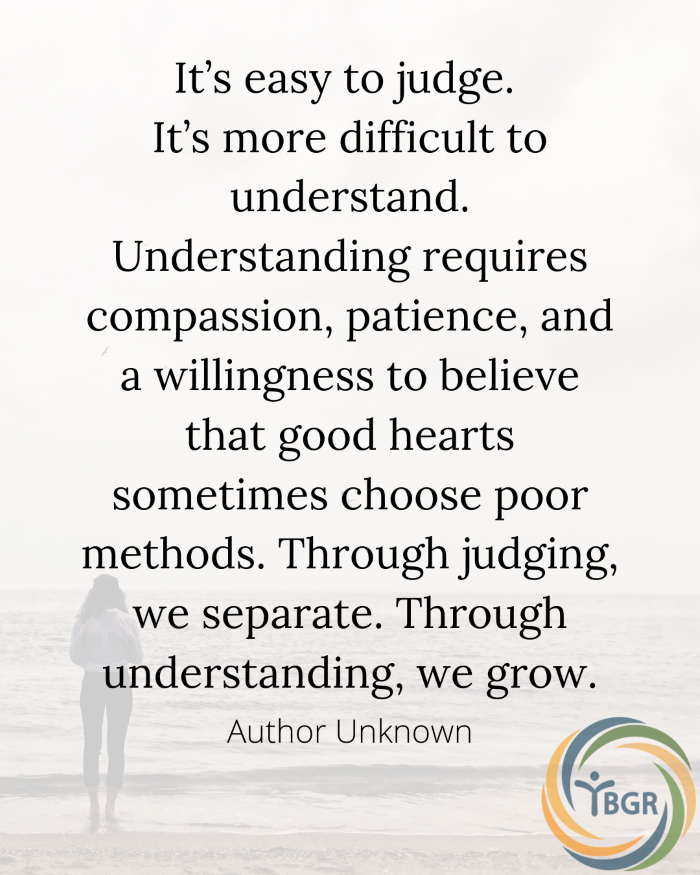
Quote 9: It’s easy to judge. It’s more difficult to understand. Understanding requires compassion, patience, and a willingness to believe that good hearts sometimes choose poor methods. Through judging, we separate. Through understanding, we grow. – Unknown
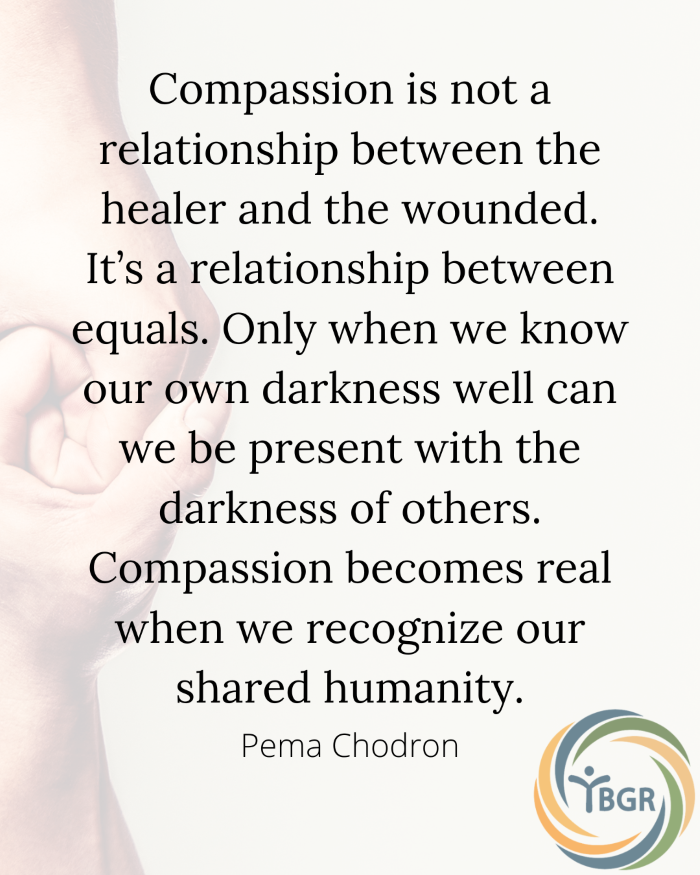
Quote 10: Compassion is not a relationship between the healer and the wounded. It’s a relationship between equals. Only when we know our own darkness well can we be present with the darkness of others. Compassion becomes real when we recognize our shared humanity. – Pema Chodron
Want More?
Check out the rest of our blog and follow us on social media. You can find us on LinkedIn at Yellowstone Boys and Girls Ranch, Instagram at @ybgr_cares, and Facebook at YBGR and Yellowstone Boys and Girls Ranch.
Bill Parisher Recognized by MSU Billings for Internship Leadership
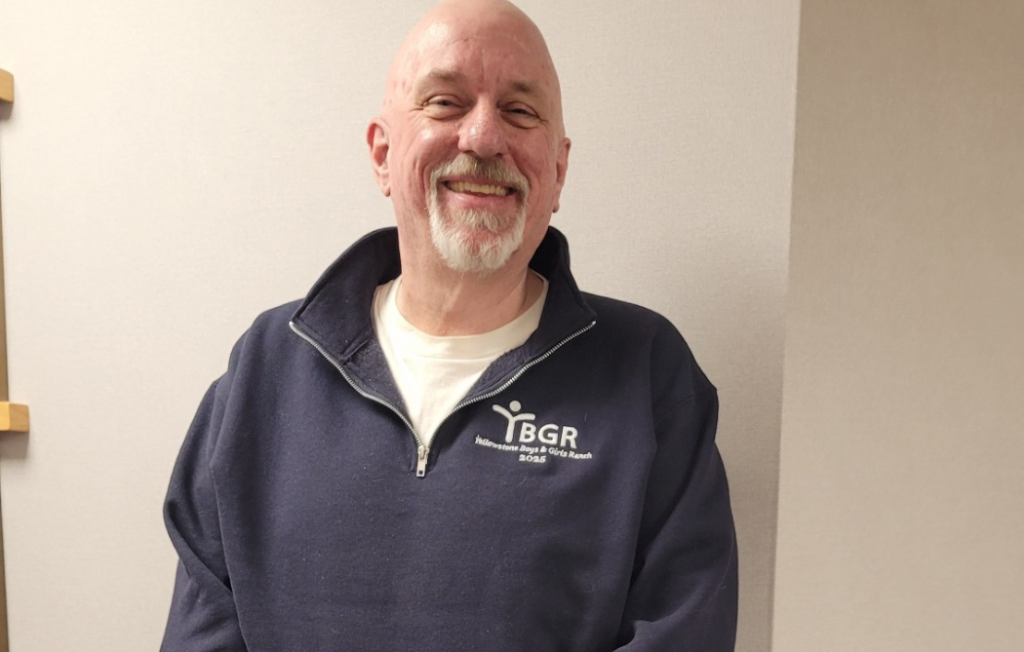
Recognize this caring, committed leader? It’s Bill Parisher, Program Manager at Jessie Grant Lodge at the Ranch in Billings.
MSU Billings recently recognized him with an Internship Site Supervisor of the Spring Semester Award.
Mentorship in Action
Here’s what an intern shared about him (edited):
“My site supervisor has been the best boss I have ever had. He is engaging, direct, and holds people accountable while being supportive. I believe he has the greatest character I have ever known in a workplace, and I have never had a bad experience with him. He always checks in with people he supervises — every day if he can. He approaches workplace issues with grace and always speaks his mind… I cannot speak more highly of Damon (Bill) Parisher. He embodies what a boss should be… In the field of mental health, where my site is specifically, I have seen a lot of supervisors and bosses. They all work so hard to make sure that the kids get the treatment that they need… He is what we all hope for when we start at a new position.”
Leadership That Reflects Our Mission & Values
See the words below?
Our Mission
Caring people, preparing youth for life.
Our Values
Faith, Integrity, Relationship, Stewardship
They’re at our core, and the feedback Bill received reflects that they shape how he leads—with integrity and care, creating space for caring people to do their best work and continue showing up for our kids.
Strong teams don’t happen by accident. They’re created by leaders like Bill who show up consistently, with clarity and purpose.
Bill, thank you for your leadership. It’s an honor to have you on our team. We’re grateful for you, your fellow Program Managers, and our entire residential crew at the Ranch.
Looking for a Job With Purpose?
Explore opportunities to join our team of caring people, preparing youth for life.
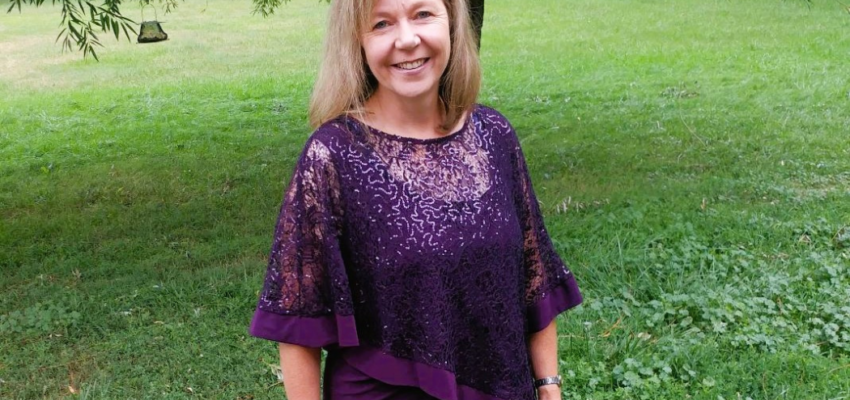
Anja Whitfield Promoted to Lead Mental Health Worker at STAR Group Home
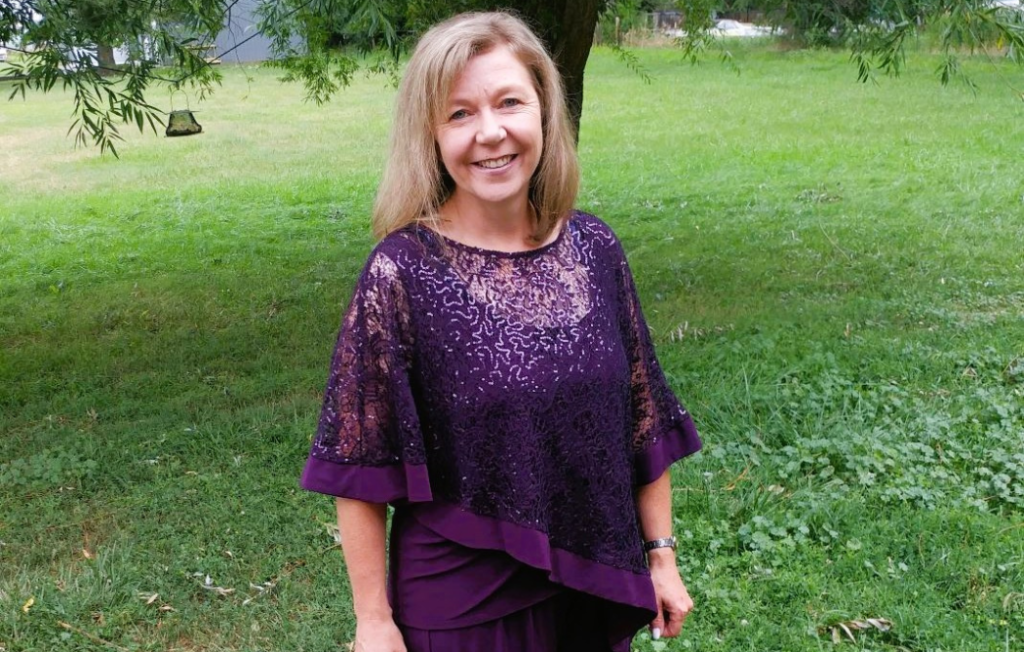
Behind every strong outcome for kids is a caring adult showing up day after day. In Billings, Anja Whitfield is one of those people. Recently promoted to Lead Mental Health Worker at our STAR Group Home, Anja helps create the kind of environment where kids can begin to heal and grow.
Supporting Kids in Our Group Homes
At STAR Group Home, Anja works closely with kids as they learn to care for themselves and the home they share with others.
She models respect for the space and for each other, helping kids build responsibility and pride in their surroundings. For many of the youth in our care, those everyday routines become an important part of rebuilding stability.
Leadership in Action
When a child is struggling, Anja leans in. Whether it’s stepping outside for fresh air or taking time for a quiet conversation, she creates space for kids to settle and reconnect.
She believes adults must model the kind of home they hope kids will one day create for themselves.
In her new role as Lead Mental Health Worker, Anja also looks forward to working with other leads in the area to streamline processes and strengthen how teams support one another.
Caring People, Preparing Youth for Life
Anja’s work is part of the larger effort happening across our group homes, where caring adults create structure and stability while kids build the skills they need to move forward.
Anja, thank you for the care and leadership you bring to our STAR Group Home each day. Congratulations on your promotion.
Looking for a Job With Purpose?
Explore opportunities to join our team of caring people, preparing youth for life.
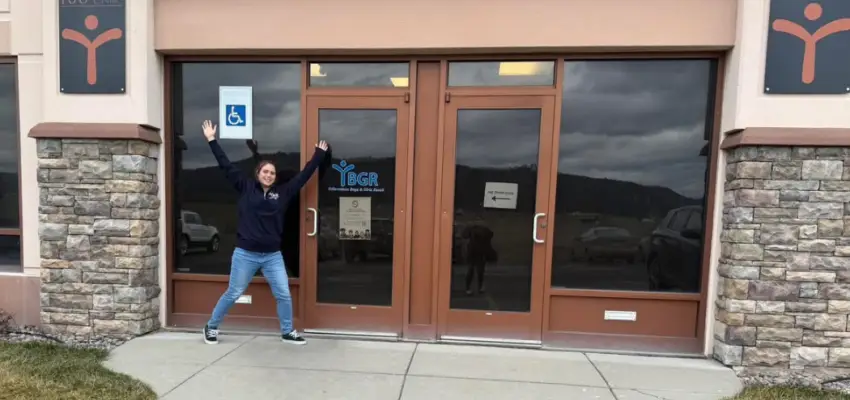
Meet Erika Wilcox, Kalispell Community Office Therapist
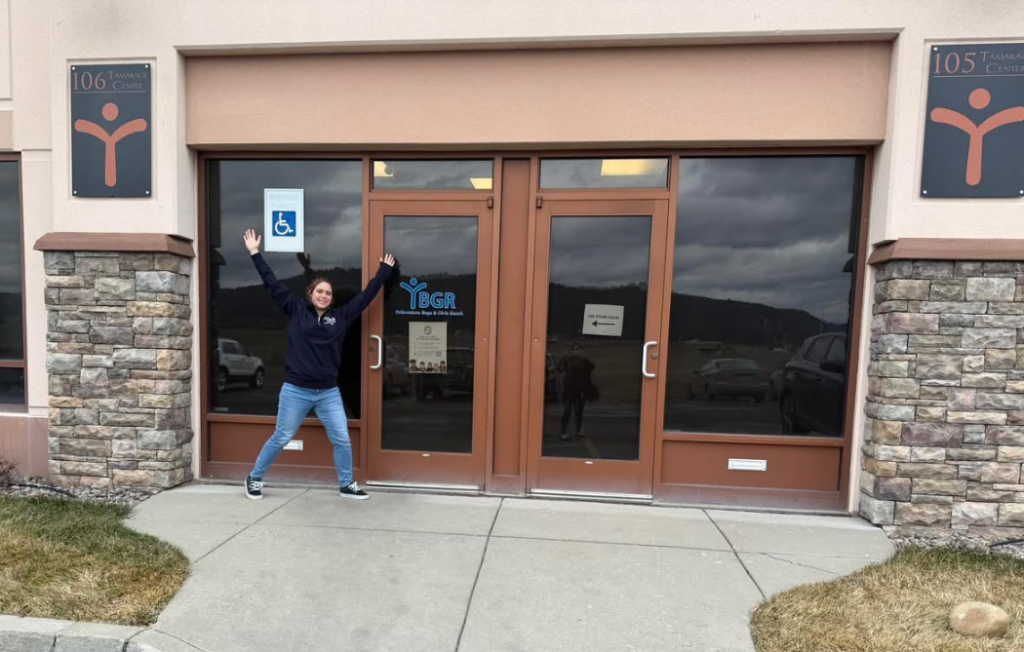
Behind every strong outcome for kids and families is a caring person doing the work day after day. In Kalispell, Erika Wilcox is part of that work as a therapist serving through our community-based mental health services.
Supporting Kids in the Community
Erika provides individual, group, and family therapy, helping kids work through challenges while building on their strengths.
Through community-based services, she meets kids where they live and learn—helping them develop skills, confidence, and resilience that carry forward into everyday life.
Her work reflects the importance of meeting families where they are and ensuring care is accessible in communities across Montana.
Strengths-Based Care in Action
In therapy sessions, Erika focuses on recognizing each child’s strengths while helping them navigate the challenges that come with growing up. By working closely with families, she helps create opportunities for growth and stronger relationships.
This work calls for patience, compassion, and a steady belief in each child’s potential.
Caring People, Preparing Youth for Life
Erika’s work is part of a larger effort across our community-based services programs—where caring people come alongside kids and families to help build the skills and support systems needed to move forward.
Erika, thank you for the work you do each day for kids and families in the Flathead Valley.
Looking for a Job With Purpose?
Explore opportunities to join our team of caring people, preparing youth for life.
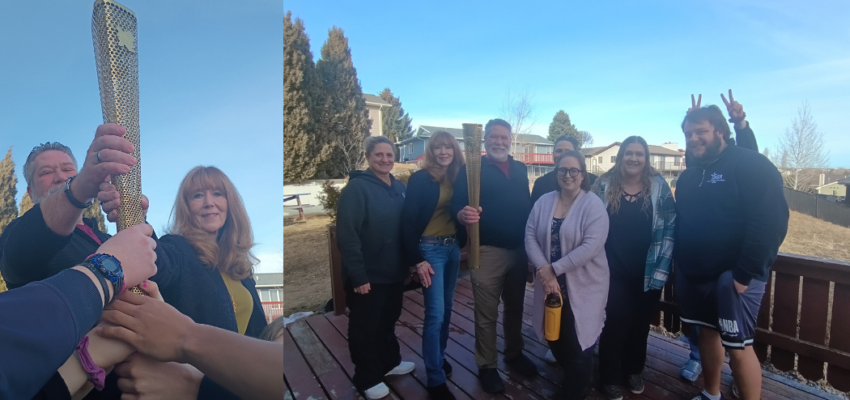
Olympic Torchbearer Visits North Skyline Group Home in Great Falls
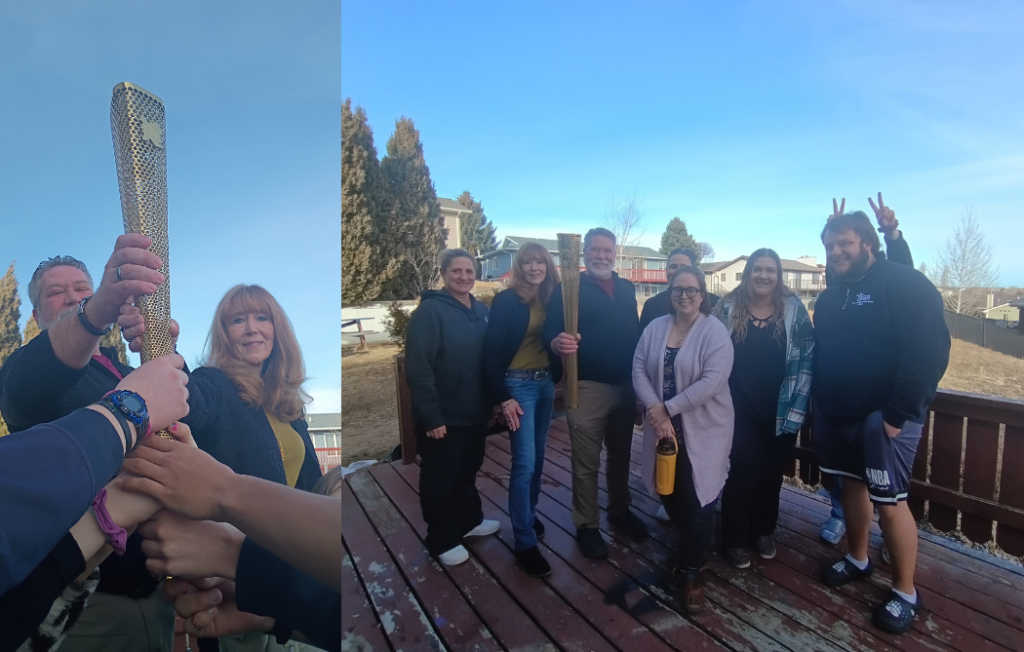
At North Skyline Group Home in Great Falls, our kids recently heard from an Olympic torchbearer—and had the chance to experience that moment for themselves.
An Olympic Story
Kathie Heusel, mother of Richard Heusel, Home Manager, visited North Skyline to share her experience carrying the Olympic torch during the 2012 Games in Edinburgh, Scotland. Her story gave kids a real example of what it looks like to follow through, take advantage of opportunities, and stay committed.
Each child also had the chance to walk with the Olympic torch, turning Kathie’s story into something they could experience firsthand.
It showed how taking the first step can open the door to new possibilities.
Connecting Stories to Everyday Choices
Brittany Olson, Therapist, built on Kathie’s message by sharing Alysa Liu’s gold-medal performance. Her story reinforced that where you start doesn’t determine where you can go. The choices made along the way matter.
Thank you, Kathie, for sharing your story, and thank you to our North Skyline team for the care you bring each day as you prepare youth for life.
Stay Connected
Stay tuned for our latest news updates from across Montana, and follow us on social media. You can find us on LinkedIn at Yellowstone Boys and Girls Ranch, Instagram at @ybgr_cares, and Facebook at Yellowstone Boys and Girls Ranch and YBGR.
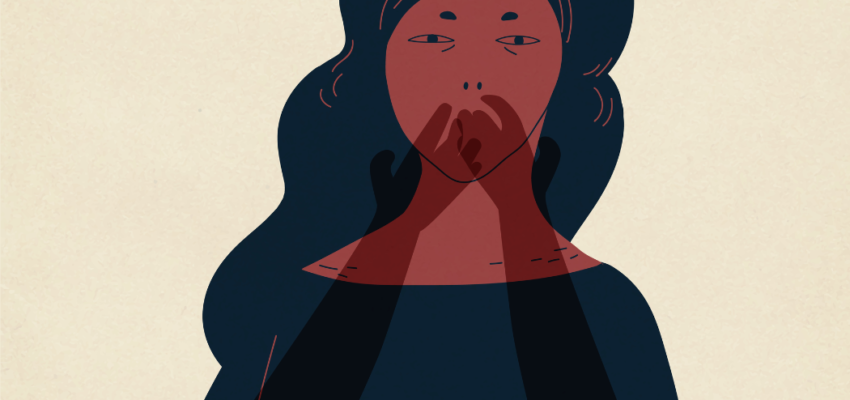
Labels Hurt: How Mental Health Stigma Limits Care
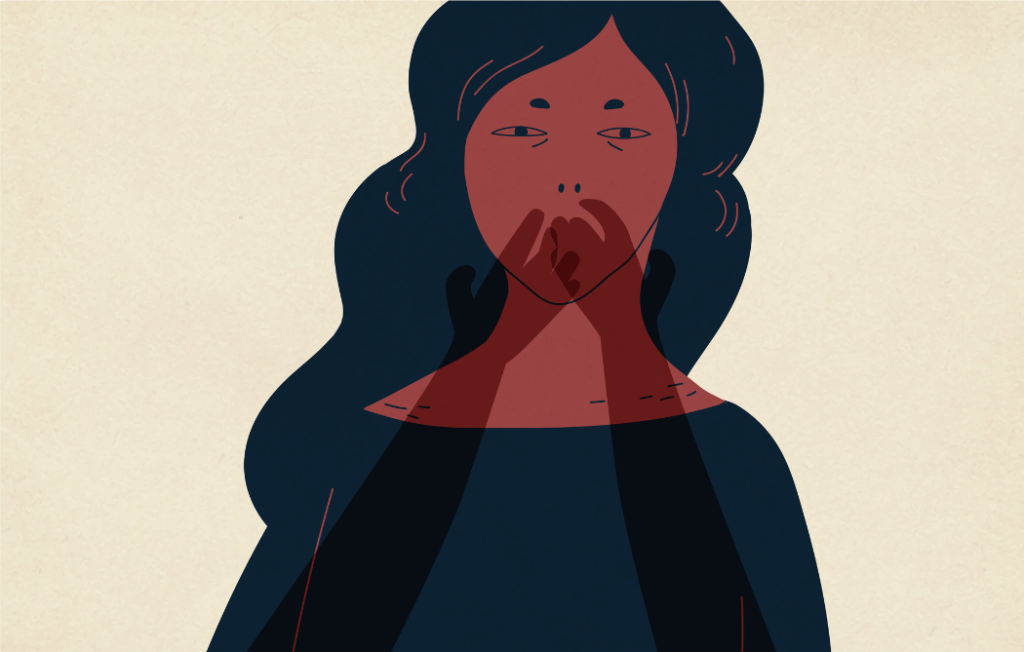
Mental health stigma remains one of the most significant barriers preventing people from seeking care, finding support, and feeling fully accepted in their communities.
Roughly 1 in 5 people live with a mental health condition. Yet despite how common these experiences are, stigma continues to shape how individuals are perceived—often reducing them to a label rather than recognizing them as whole people with strengths and potential.
How Mental Health Stigma Impacts Access to Care
Estimates show that as many as 70% of people afflicted with a mental health condition won’t seek treatment due to fear of judgment, discrimination, or social consequences.
Mental health stigma doesn’t just affect access to services. It’s associated with:
- Increased symptoms and poorer outcomes
- Social isolation and withdrawal
- Fewer educational and employment opportunities
- Reduced self-confidence and hope
In severe cases, the long-term impact of untreated mental health conditions can be life-threatening—not because care isn’t available, but because stigma stands in the way.
Why Labels Matter More Than We Realize
Have you heard of labeling theory? The framework dates back to the early work of French sociologist Emile Durkheim. It proposes that people come to identify and behave in ways that reflect the stigma associated with the labels we stick on them. Essentially, how we label people impacts their behavior.
But it doesn’t stop there. In the 1980s, the theory was revised to help explain the changes that take place in individuals diagnosed with mental health conditions.
According to the modified framework, cultural ideas associated with mental illness become personally relevant to those who struggle. In turn, they foster negative self-beliefs, ultimately leading to secrecy around treatment and social withdrawal from connections they perceive will reject them.
Why a Strength-Based Perspective Matters: Evidence That Challenges Stigma
What if I challenged you to shift your thinking about those with mental illness? Aristotle once wrote, “No great genius has existed without a strain of madness,” and to a certain degree, his words still ring true.
In 2009, researchers identified a genetic link between creativity and certain mental health conditions. Their study focused on the gene neuregulin 1 and found that those who carry it tend to score higher in creativity while also having an increased likelihood of developing schizophrenia or bipolar disorder.
Do your research, and you’ll find a host of well-known minds who grappled with mental illness, including:
- Abraham Lincoln—Clinical Depression, Social Anxiety
- Ludwig van Beethoven—Bipolar Disorder
- Vincent van Gogh—Bipolar Disorder
- Isaac Newton—Bipolar Disorder
- John Nash—Schizophrenia
- Nikola Tesla—Obsessive-Compulsive Disorder
- Leo Tolstoy—Clinical Depression
- Edgar Allan Poe—Bipolar Disorder
And that list is far from exhaustive. Perform a simple Google search, and the results will shock you. There are so many bright, creative minds living with mental health conditions.
Putting a Strength-Based Approach Into Practice
Reducing mental health stigma requires changing how we talk about mental health—and what we choose to focus on.
Whether you’re a parent trying to find strategies to guide your child or a social worker attempting to improve outcomes for your clients, people grow best when we build on their strengths rather than focusing on their weaknesses.
And people confronting mental health issues? They’re no different! Mental illness often comes alongside a host of strengths, which too frequently get overshadowed by negative stigma.
Recognizing strengths doesn’t minimize the challenges people face. It acknowledges the full picture—one that stigma often obscures.
Tenets of a Strength-Based Approach
We can significantly improve outcomes by taking a strength-based approach. Below are nine guiding principles to help people thrive:
Everyone possesses a uniqueness that helps them evolve in their journey. Unique characteristics include:
- Potential
- Strengths
- Capabilities
What receives attention or focus becomes what we strive for, eventually becoming reality.
Be careful with your words and language. Our language creates our (and others’) reality.
Accept change. Life and our world are ever-evolving; don’t resist.
Support others authentically. You will see that your relationships are deeper and more meaningful.
The person is the storyteller of their own story.
Build on what you know to dream of the future.
Capacity building has multiple facets and organizations. Be flexible.
Be collaborative. Be adaptive and value differences.
Common Misbeliefs About People with Mental Illness
There’s a ton of misinformation out there that perpetuates stigma. Here are a few common misconceptions that negatively affect those living with mental health disorders.
People with mental illness are violent.
Only 3 to 5% of violent acts are carried out by people living with serious mental illness. In fact, those afflicted are more than ten times as likely to be the victim of violent crimes as the general population.
Mental illness is always the result of trauma.
Yes, trauma can aid in the underlying expression of genes linked to mental illness, but its presence isn’t always necessary. For instance, attention-deficit/hyperactivity disorder (ADHD), bipolar disorder, and schizophrenia all have strong biological markers. Their roots often run deep in family lineages, and brain scans reveal structural abnormalities in those afflicted.
Poor parenting is at the root of all mental health conditions.
Indeed, parents influence their children’s behaviors. And without question, abuse and neglect can aid in developing mental health challenges across the lifespan. But many conditions arise despite our best parenting efforts.
For example, years ago, we believed that parents were responsible if their child developed schizophrenia. However, while there is a genetic component—the disorder tends to run in families—there is no evidence that bad parenting causes it. Even if you have a parent with schizophrenia, your chances of getting it are less than 25%.
People with mental health disorders are stupid.
Just look at the list of brilliant minds we noted earlier. Honestly, the idea that people living with mental illness are less intelligent than the general population is a ridiculous notion. Many conditions correlate with genetic markers that show just the opposite.
Want More?
Check out the rest of our blog and follow us on social media. You can find us on LinkedIn at Yellowstone Boys and Girls Ranch, Instagram at @ybgr_cares, and Facebook at YBGR and Yellowstone Boys and Girls Ranch.
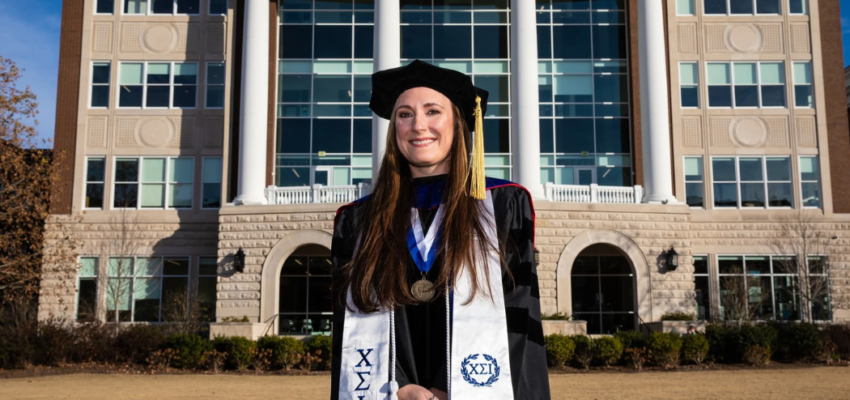
Introducing Dr. Leslin Ossoff, PhD, Regional Clinical Manager at YBGR

We’re excited to announce that Leslin Ossoff recently earned her Doctor of Philosophy in Counselor Education and Supervision.
This achievement reflects years of focused study, applied research, and leadership development that strengthens the care we deliver to kids and families across Montana.
Research and Experience That Strengthen Care
Dr. Ossoff grounded her doctoral work in real-world impact. Her dissertation, “The Efficacy of Casting for Recovery: Improving the Quality of Life Among Women Survivors of Breast Cancer,” examined how experiential, nature-based interventions support healing and improve overall quality of life. Through this research, she highlighted approaches that honor lived experience, resilience, and holistic well-being—principles that align closely with how we deliver care at Yellowstone Boys and Girls Ranch (YBGR).
Over the past six years, Dr. Ossoff has served in multiple direct-service roles at YBGR and now leads as Regional Clinical Manager in Livingston. She brings clinical expertise, curiosity, and compassion into her work—supporting teams and strengthening outcomes for the kids and families they serve.
Building Strong Foundations Through Leadership
When we invest in leadership, we strengthen care across programs and improve continuity for those we serve. Leaders like Dr. Ossoff help guide our teams with integrity, grounded practice, and a deep belief in people’s capacity to heal and grow.
We’re grateful for the expertise and leadership Dr. Ossoff brings to YBGR and proud to recognize this important professional milestone.
Stay Connected
Stay tuned for our latest news updates from across Montana, and follow us on social media. You can find us on LinkedIn at Yellowstone Boys and Girls Ranch, Instagram at @ybgr_cares, and Facebook at Yellowstone Boys and Girls Ranch and YBGR.
How Leadership Shapes Professional Growth — Fallon Hain’s Story
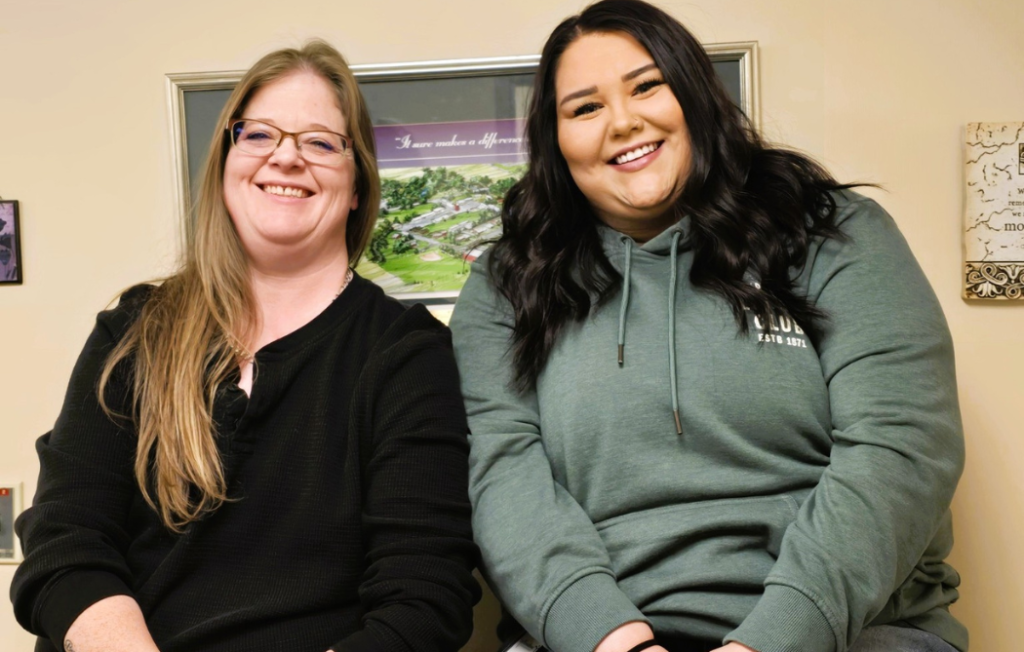
Did you know some of the most impactful leaders are the ones who make room for others to grow? At the Ranch, leadership isn’t about taking the spotlight—it’s about recognizing strengths, building trust, and supporting people as they step into new roles.
That leadership is on full display at Shumaker Lodge through Emily Barnhart, Program Manager, and Fallon Hain, Lead Mental Health Worker.
Creating Space for Growth Through Leadership
Strong teams grow when people feel trusted and supported.
When Fallon transitioned into her role as Lead Mental Health Worker, Emily was quick to deflect credit.
“Whenever someone approaches me about Fallon’s transition to our Lead Mental Health Worker, I often get told I have done well as her supervisor and have helped her grow into this role. However, from my perspective, I didn’t do anything special but allow her to lean into her own strengths and provide her with support and guidance.”
That approach reflects how leadership shows up at the Ranch—by creating space for growth and encouraging people to bring their strengths forward.
Leading From Strength
In her role, Fallon supports and trains other Mental Health Workers, brings thoughtful ideas to the table, and helps work through challenges as they arise.
Emily describes Fallon as a steady presence and trusted collaborator—someone who strengthens both the team and the care provided to youth.
“Fallon has not only helped provide training to other Mental Health Workers, but also to me. She provides great ideas and is extremely helpful at working through challenges as they arise. Fallon is truly my right hand and is a great example of a Lead Mental Health Worker.”
Growth That’s Felt — And Seen
From Fallon’s perspective, that trust made all the difference.
“Emily has by far been a Program Manager I fully trust. She helped me grow more in the last year than I could have ever imagined.”
Feeling seen and supported allowed Fallon to step confidently into her new role—demonstrating what growth can look like when leadership is rooted in trust and people are encouraged to develop their strengths.
Caring People, Preparing Youth for Life
Stories like Emily’s and Fallon’s reflect the culture at the Ranch—where caring people support one another, leadership creates opportunity, and growth strengthens the work we do preparing youth for life.
Thank you, Emily and Fallon, for the way you show up for your team and for the kids we serve.
Stay Connected
Stay tuned for our latest news updates from across Montana, and follow us on social media. You can find us on LinkedIn at Yellowstone Boys and Girls Ranch, Instagram at @ybgr_cares, and Facebook at Yellowstone Boys and Girls Ranch and YBGR.

Supporting Emotional Regulation in Kids with Boundaries, Validation, and Empathy

When kids come in hot, it can be tempting to match their intensity—raise your voice, react quickly, try to shut things down fast.
But meeting fire with fire rarely helps. It escalates the moment and leaves everyone feeling more overwhelmed than before.
What does help is something quieter and more intentional: a clear, grounded response that slows the moment down instead of turning up the heat. This kind of response supports emotional regulation in kids as they learn how to navigate stress, frustration, and big feelings.
Why Reactions Escalate
All kids experience moments when emotions run high. When that happens, their nervous systems can shift into survival mode, making it harder to think clearly, communicate, or pause before reacting.
If adults respond with urgency, sharpness, or intensity, it can signal that the situation is unsafe or out of control. The result is often more escalation, not less.
A regulated adult response helps bring stability back into the moment—giving kids the space they need to regain control.
What Intention Looks Like in Practice: Boundary, Validation, and Empathy
Responding with intention doesn’t mean ignoring behavior or lowering expectations. It means holding boundaries while staying calm and connected.
Here’s what that can look like in real time:

Each piece serves a purpose.
- The boundary provides clarity and safety.
- Validation acknowledges the child’s emotional experience.
- Empathy helps calm the nervous system by signaling understanding.
Together, they slow the moment down and reduce the likelihood of escalation.
Why This Matters Beyond the Moment
When adults respond this way consistently, kids aren’t just getting through a hard moment—they’re building skills they’ll use throughout their lives.
They’re learning how to pause before reacting.
They’re learning how to communicate when emotions are high.
They’re learning that difficult feelings don’t have to derail relationships or outcomes.
These emotional regulation skills show up at school, in conflict, and later in adulthood. They help frustration slow down instead of turning into shutdown or aggression.
The Power of Modeling
Kids don’t learn emotional regulation because we tell them to “calm down.” They learn it by watching how the adults around them respond when things get hard.
When adults slow themselves down, kids are more likely to do the same.
Meeting intensity with intention isn’t passive. It’s purposeful. It’s choosing responses that protect connection, build skills, and create space for growth.
Want More?
Check out the rest of our blog and follow us on social media. You can find us on LinkedIn at Yellowstone Boys and Girls Ranch, Instagram at @ybgr_cares, and Facebook at YBGR and Yellowstone Boys and Girls Ranch.
Montana-Raised Beef Now Being Served at the Ranch
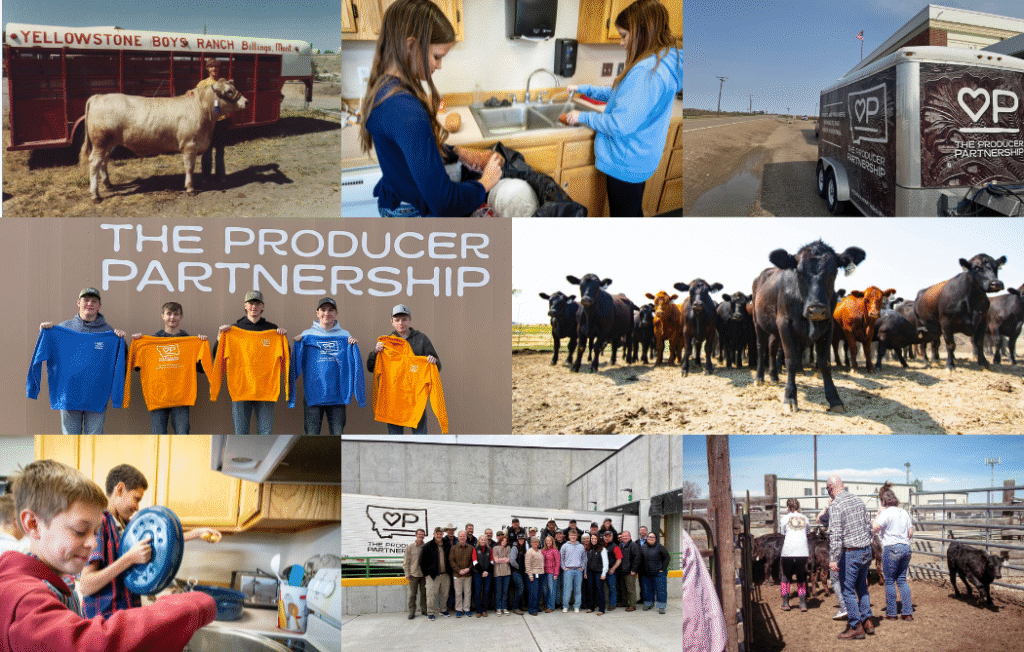
What we put on kids’ plates plays a fundamental role in their overall wellness.
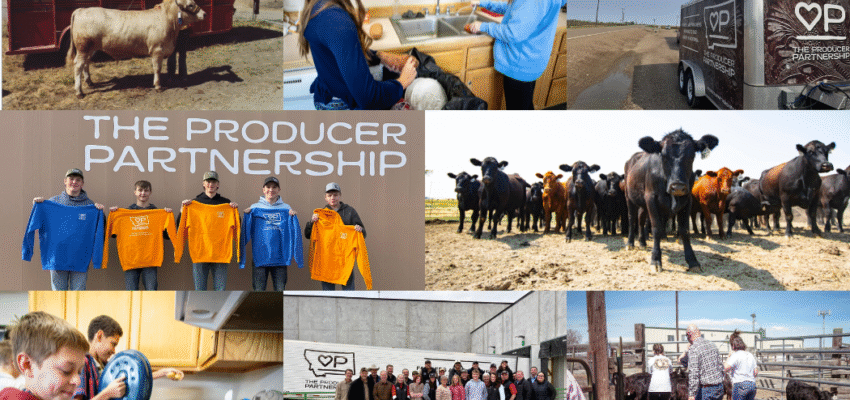
That’s why kids at the Ranch are now enjoying Montana-raised, grass-fed beef through our Homes for Heifers program. This effort is made possible by generous livestock donors and our partners at The Producer Partnership, who are processing the meat for us at no charge.
About The Producer Partnership
The Producer Partnership is the nation’s first and only USDA nonprofit-owned and operated meat processing facility, based in Livingston, that processes donated livestock into top-quality protein at no cost for nonprofits, schools, and food banks across the state.
Through this partnership, donated livestock is processed, packaged, and delivered directly to the Ranch—helping ensure kids in our care have access to nutritious, high-quality meals sourced right here in Montana.
How to Donate
Interested in donating? You don’t need to be a rancher to take part. Livestock donations can be raised personally or purchased at a local fair or livestock auction.
Here’s how to give:
Step 1: Contact The Producer Partnership
Reach out to Jeri Delys at The Producer Partnership at jeri@producerpartnership.com to submit a livestock donation (beef, pork, or lamb)—raised on your own or purchased at your local fair or livestock auction.
Step 2: Designate the Recipient
Designate Yellowstone Boys and Girls Ranch as the recipient.
Step 3: Processing & Delivery
The Producer Partnership team coordinates pickup, processing, and packaging.
Thank you to The Producer Partnership for helping turn Montana generosity into meals served right here at the Ranch—and to everyone who supports this effort.
Stay Connected
Stay tuned for our latest news updates from across Montana, and follow us on social media. You can find us on LinkedIn at Yellowstone Boys and Girls Ranch, Instagram at @ybgr_cares, and Facebook at Yellowstone Boys and Girls Ranch and YBGR.

How to Skip Power Struggles with Kids by Saying Yes
Want to know an easy trick to reduce power struggles, build trust, and teach kids healthy decision-making skills? It starts with saying yes!
That might sound backwards. Parents spend a lot of time saying no to keep kids safe and on track. But the way we say no often sparks the very battles we’re trying to avoid. A slight shift in language can protect the boundary and keep the relationship steady.
Check out the graphic below to see how a simple change in wording can help you set limits while giving kids a path forward.
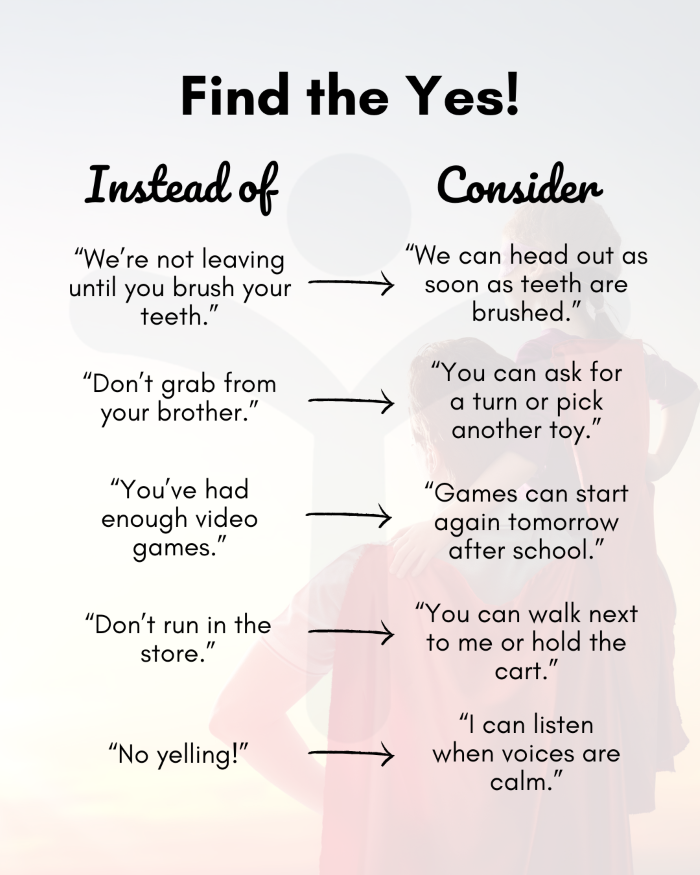
Why “Finding the Yes” Works
Kids have very little control over their daily lives. Adults decide when they wake up, where they go, what they eat, and how they spend their time. That lack of control can show up as arguing, stalling, or big reactions to small requests.
When we only say no, kids hear a door slam shut—when we “find the yes,” we leave a door open.
The boundary stays the same, but the message changes from:
“You can’t” → to → “Here’s how you can.”
That difference helps kids feel empowered instead of powerless.
What This Teaches Children
This approach does more than stop a meltdown in the moment. It builds skills kids will use for life:
- How to handle limits without losing connection
- How to make choices within boundaries
- How to delay gratification
- How to solve problems instead of digging in
How to Try It Today
Here’s how to try the “find the yes” technique today:
1. Hold the boundary.
You don’t need to give in to be kind.
2. Offer a path to yes.
Tell your child what can happen and when.
3. Keep your tone steady.
The magic is in calm, confident delivery.
Remember, even one sentence can change the direction of an interaction.
Want More?
Check out the rest of our blog and follow us on social media. You can find us on LinkedIn at Yellowstone Boys and Girls Ranch, Instagram at @ybgr_cares, and Facebook at YBGR and Yellowstone Boys and Girls Ranch.
Caring for Montana Kids: A Look Back at 2025
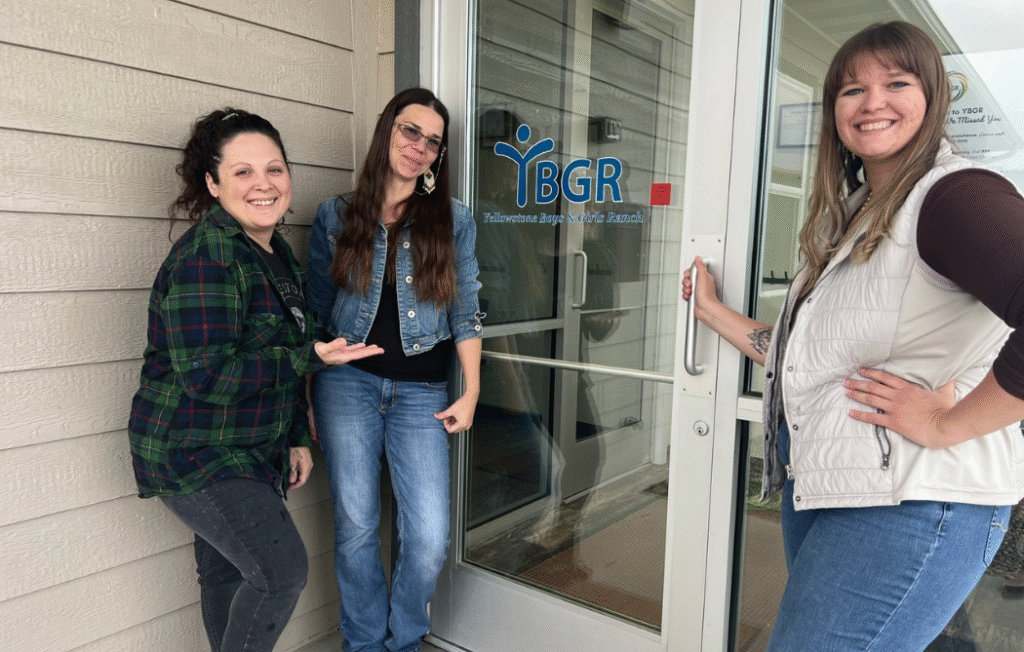
What happens when caring people show up for kids, day after day, across an entire state? A lot! Our work shows up in homes, programs, and everyday decisions made with the children and families we serve in mind.
Caring for Montana Kids — 2025 Highlights
Below are a few moments from 2025 that show what caring for Montana kids looked like across our work.
Showing Up for Kids Across Montana
In 2025, we served over 3,200 children statewide, reaching roughly 1,800 kids each day through our community-based services, group homes, Yellowstone Academy, and residential care at the Ranch.
During our Council on Accreditation review, families put that impact into their own words:
“We love how they treat our kids. We know when they’re with Yellowstone, they are safe.”
“I couldn’t do this without them. I’m now proud of myself.”
“My kid wouldn’t be alive without them.”
The voices above guide us more than numbers alone ever could.
COA Seal of Excellence Through 2029
In September, the Council on Accreditation (COA) renewed our seal of excellence after a four-day onsite review. COA affirmed the quality of our services and the integrity of how we care for children and families.
This recognition belongs to our team and everyone who walks alongside us.
7 New Yellowstone Academy Graduates
Last spring, Yellowstone Academy celebrated one of its largest graduating classes, including the first student to complete their full K–12 journey with us.
Each graduate carried a story of perseverance and courage—even when the path was hard.
Hats off to the 2025 Yellowstone Academy high school graduates! 🎓
Investing in the People Who Care for Kids
Our mission doesn’t move forward without our team.
From launching Bucketlist, our peer-to-peer recognition platform, to refreshing core learning, expanding the training team, and strengthening communication channels, 2025 was about investing in culture and in the tools our team needs to prepare youth for life.
In May, we celebrated our graduating MSW class through Carroll College as part of our Grow Our Own program—a milestone that reflects what’s possible when we invest in our own caring people.
Strengthening the Places Where Care Happens
In 2025, we invested in the places where care happens—strengthening the trauma-informed spaces that support our mission.
Here are a few highlights:
- Bathroom upgrades and interior updates across lodges at the Ranch, with work currently underway at Leuthold, Dorothy’s, and Kramlich Lodge
- Major renovations at River’s Edge Group Home in Billings, and bathroom upgrades at Lewis and Clark Group Home in Helena
- Continued investment in our Campus Security Project, now in Phase IV and nearing completion
- Updated signage across our facilities for a refreshed, consistent statewide look
These upgrades were made possible in part by the HB 872 grant and the generous support of donors through the Yellowstone Boys and Girls Ranch Foundation.
Connecting Faster, Caring Better
We brought all of our locations onto a single telecommunications system through Dialpad, making it easier for families and partners to reach us and for our teams to coordinate in real time.
Better connection means quicker, more collaborative care for kids.
Looking Ahead
As we enter the new year, we want to thank our team for their care and commitment. No doubt, they live our mission, demonstrating what it truly means to be Caring People, Preparing Youth for Life.
And to the families who trust us and the partners who stand beside us—thank you.
Cheers to 2025! And here’s to an even stronger 2026!
Stay Connected
Stay tuned for our latest news updates from across Montana, and follow us on social media. You can find us on LinkedIn at Yellowstone Boys and Girls Ranch, Instagram at @ybgr_cares, and Facebook at Yellowstone Boys and Girls Ranch and YBGR.

3 Ways to Tame Anxiety

Anxiety can show up quietly—or it can hit all at once.
Your thoughts start racing.
Your body feels tense.
Small worries suddenly feel overwhelming.
If this sounds familiar, you’re not alone. Anxiety is one of the most common mental health conditions in the United States, affecting millions of adults, teens, and children each year.
The good news? There are practical ways to calm your mind, reduce stress, and regain a sense of steadiness, even in the middle of challenging moments.
How to Tame Anxiety
Here are three simple, effective ways to tame anxiety.
1. Challenge Anxious Thoughts
Anxiety often grows from thoughts that feel true but aren’t accurate.
When worry takes over, the mind tends to jump to worst-case scenarios, assume negative outcomes, and become far more critical than it would be toward anyone else.
Common anxious thinking patterns include:
- Seeing situations in black-and-white
- Letting one tough moment define everything
- Assuming you know what others think
- Focusing only on what went wrong
- Expecting the worst to happen
When anxious thoughts show up, pause and gently ask:
- Is this thought based on facts or fear?
- Would this make sense if a friend said it out loud?
- Is there another possible explanation?
Questioning anxious thoughts doesn’t make problems disappear, but it can take away some of their power.
Learn More: Cognitive Distortions: 15 Examples & Worksheets
2. Practice Mindfulness
Mindfulness helps bring attention back to the present moment—where steadiness, clarity, and control live.
To start:
- Notice thoughts instead of fighting them.
- Focus on breathing and how the body feels.
- Gently guide attention back when the mind wanders.
Mindfulness isn’t about emptying the mind—it’s about learning to observe thoughts without letting them control the day.
Learn More: Mindfulness for Anxiety: How It Works & Techniques to Try
3. Release Nervous Energy
Anxiety affects both the mind and the body. Movement helps release tension and reset the nervous system.
Helpful ways to move include:
- Walking
- Stretching
- Climbing stairs
- Playing outside
- Short workouts
Even a few minutes of movement can make anxious feelings feel more manageable.
Learn More: Can exercise help treat anxiety?
When to Reach Out
When anxiety starts affecting work, school, sleep, or daily routines, professional support can make a difference.
If you have a child who is struggling, YBGR can help.
We deliver children’s mental health care across Montana to help kids navigate anxiety and other mental and behavioral health challenges.
Learn more about our full range of services. Then, contact us online to get started.
Want More?
Check out the rest of our blog and follow us on social media. You can find us on LinkedIn at Yellowstone Boys and Girls Ranch, Instagram at @ybgr_cares, and Facebook at YBGR and Yellowstone Boys and Girls Ranch.
Christmas Eve Breakfast at the Ranch — A Holiday Tradition
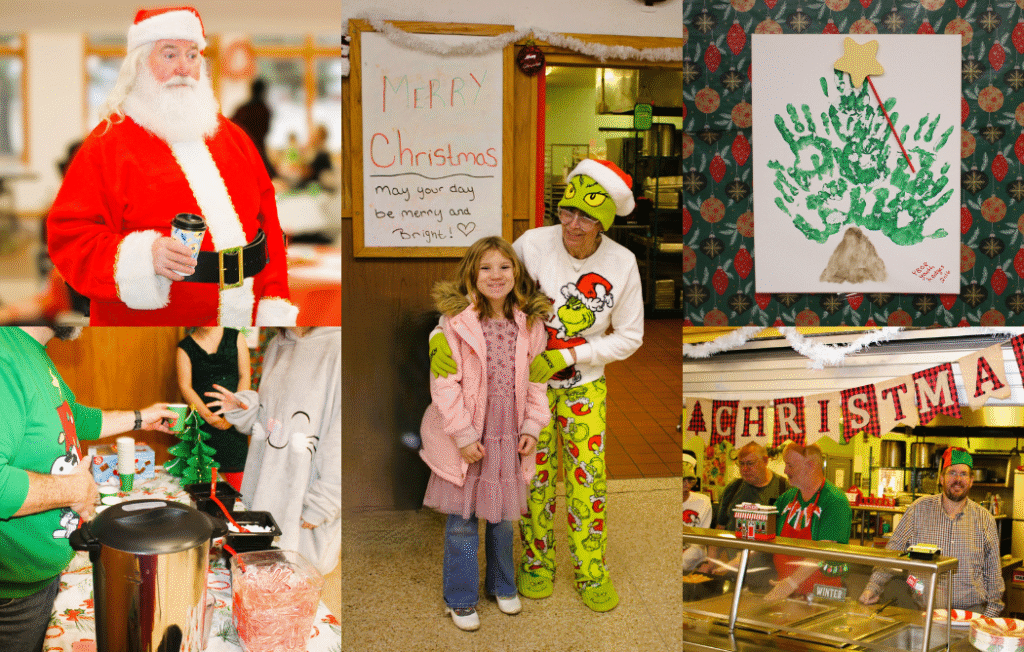
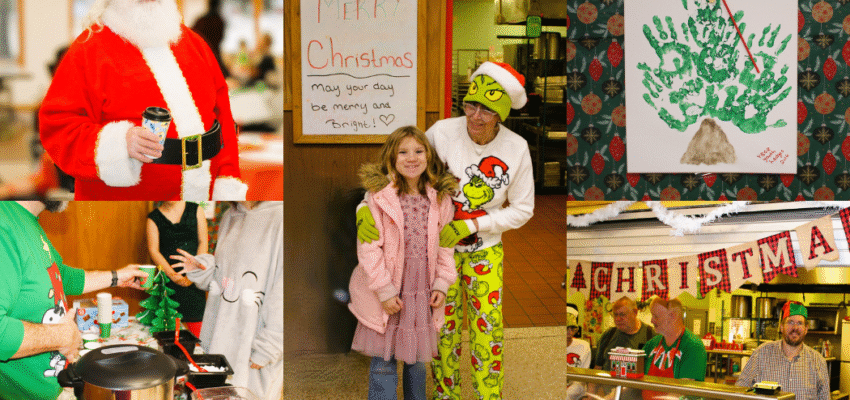
For many of the kids in our care, the holidays are spent away from home, making moments of connection and familiarity especially meaningful. That’s why Christmas Eve breakfast at the Ranch remains an important tradition.
From the moment kids arrived to Donald Nutter Memorial Dining Hall this year, they were welcomed by smiling faces, festive décor, and tables set for a special holiday morning. A hot breakfast included cinnamon rolls, sausage links, cheesy eggs, and fresh fruit, followed by a visit to the hot cocoa station with toppings and candy canes.
Some kids arrived in cozy pajamas, others dressed up for the day ahead—but all were met with the same sense of care and belonging.
More Than a Holiday Breakfast
As plates were filled and volunteers poured juice, conversation and laughter filled the room. Tables worked together on Christmas trivia, creating connection throughout the dining hall.
Soon, whispers spread as Santa arrived. Smiles widened as he moved from table to table, bringing a sense of wonder to the room.
Chapel services followed, with voices rising together in familiar Christmas carols—closing the morning with reflection and connection.
Why This Tradition Matters
The Christmas Eve breakfast at the Ranch does more than provide a holiday meal. It creates lasting memories and reinforces a sense of belonging for kids in our care.
Thank You to Our Volunteers
Thank you to the volunteers who made this morning possible. Your generosity and presence made a meaningful difference.
Stay Connected
Stay tuned for our latest news updates from across Montana, and follow us on social media. You can find us on LinkedIn at Yellowstone Boys and Girls Ranch, Instagram at @ybgr_cares, and Facebook at Yellowstone Boys and Girls Ranch and YBGR.
Shelby Community Stroll: A Sweet Holiday Tradition
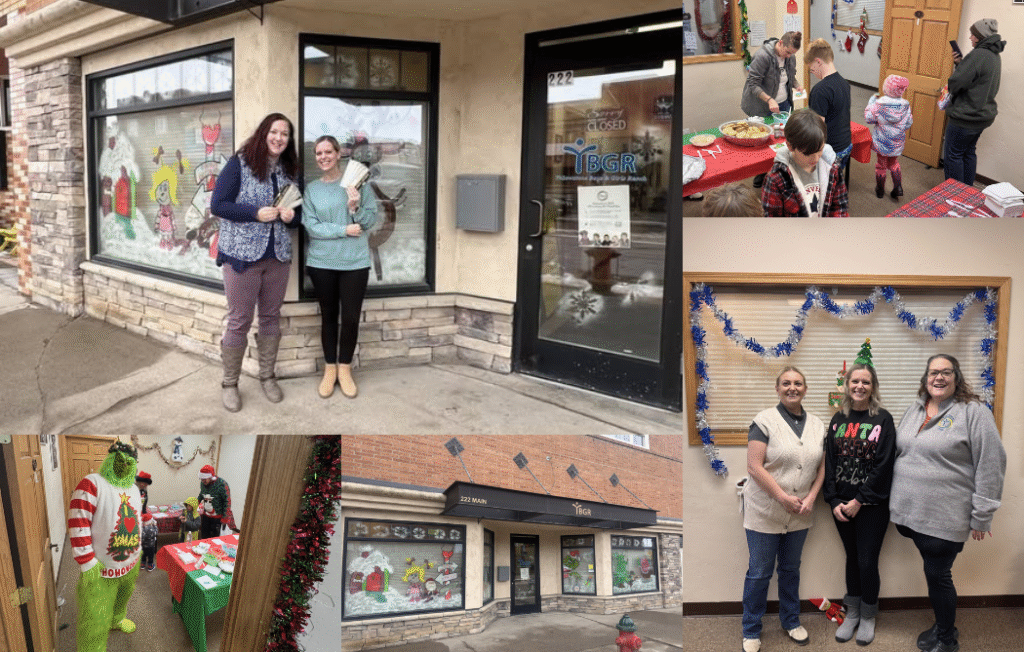
What does community connection look like in action? In Shelby, it looks like showing up, year after year, for families, kids, and neighbors during the Shelby Community Stroll.
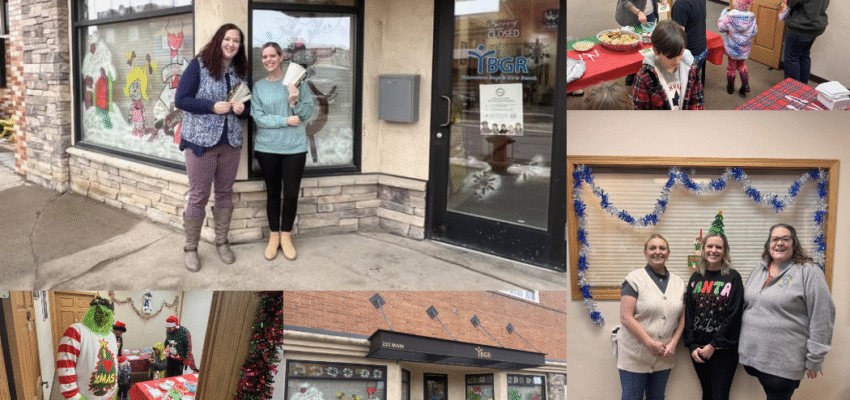
This December marked our Shelby community-based services team’s third year hosting cookie decorating as part of the annual holiday event. Their presence has become a familiar and welcomed part of the celebration, creating space for families to gather, connect, and enjoy the season together.
Every detail reflected what matters most in small-town communities—relationships and a shared sense of belonging. From baking to decorating to cheering each other on, the day was rooted in connection.
A Holiday Tradition That Brings People Together
Our participation in this year’s event was made possible by the dedication of our Shelby team, with Jessica Kjos, Administrative Supervisor, baking more than 200 cookies and preparing frosting for kids and families to decorate and enjoy.
Families stopped by throughout the stroll, kids proudly showed off their creations, and the space buzzed with conversation and laughter.
The celebration wrapped up on a high note, with the team taking home first place in the business holiday decorations contest, making it a pretty sweet day all around.
Showing Up Across Our Communities
For the Shelby team, events like this are about more than festivities. They’re about being present, building trust, and staying connected to the community they serve every day.
That same commitment shows up in communities across Montana, shaped by local relationships and needs.
To our Shelby team and the families who welcomed us into their holiday celebration, thank you. We’re grateful to be part of the Toole County community.
Stay Connected
Stay tuned for our latest news updates from across Montana, and follow us on social media. You can find us on LinkedIn at Yellowstone Boys and Girls Ranch, Instagram at @ybgr_cares, and Facebook at Yellowstone Boys and Girls Ranch and YBGR.

14 Quotes to Buff Up Your Leadership Skills

Few are born to lead. Instead, we acquire leadership skills throughout our professional journey. Everything from mindset to emotional intelligence and sound decision-making capabilities play into our capacity to guide others successfully.
Below are fourteen quotes to help you buff up your leadership skills.
Quotes to Grow Your Leadership Skills
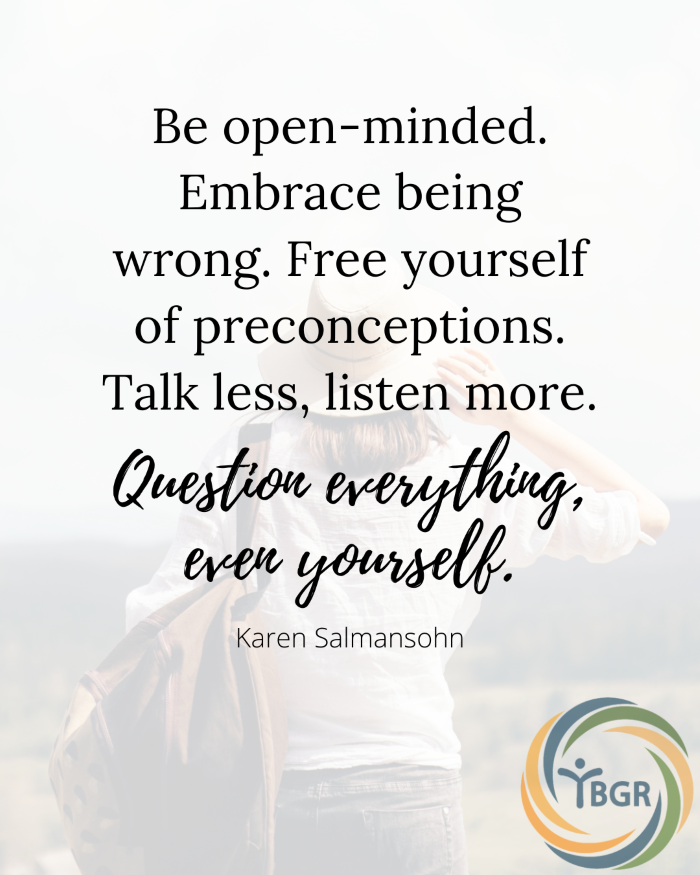
Quote 1: Be open-minded. Embrace being wrong. Free yourself of preconceptions. Talk less, listen more. Question everything, even yourself. – Karen Salmansohn
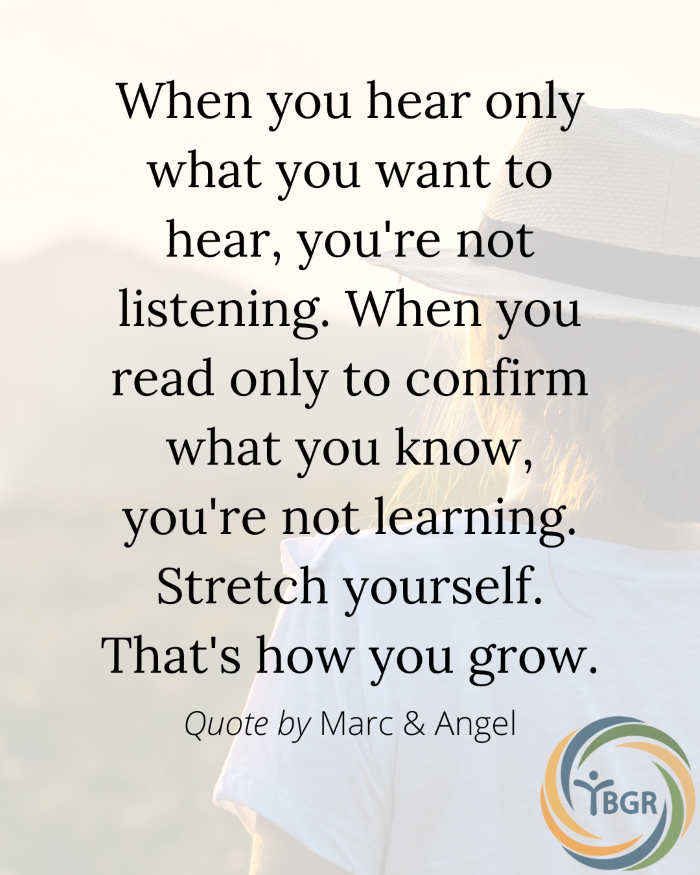
Quote 2: When you hear only what you want to hear, you’re not listening. When you read only to confirm what you know, you’re not learning. Stretch yourself. That’s how you grow. – Marc & Angel

Quote 3: Always be teachable. You are not always right. There is always something to be learned. – Lauren Fortenberry
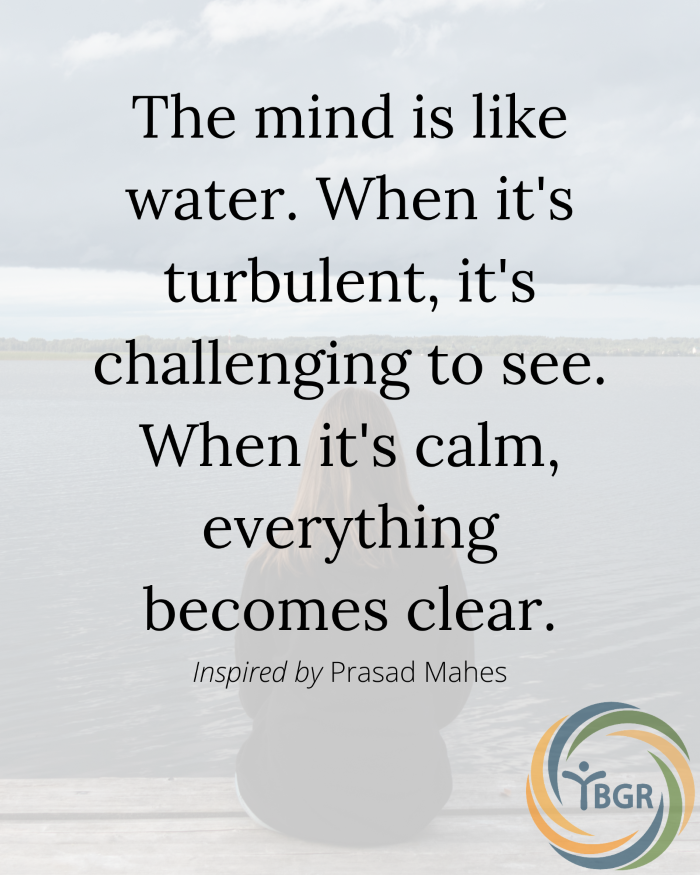
Quote 4: The mind is like water. When it’s turbulent, it’s challenging to see. When it’s calm, everything becomes clear. – Prasad Mahes
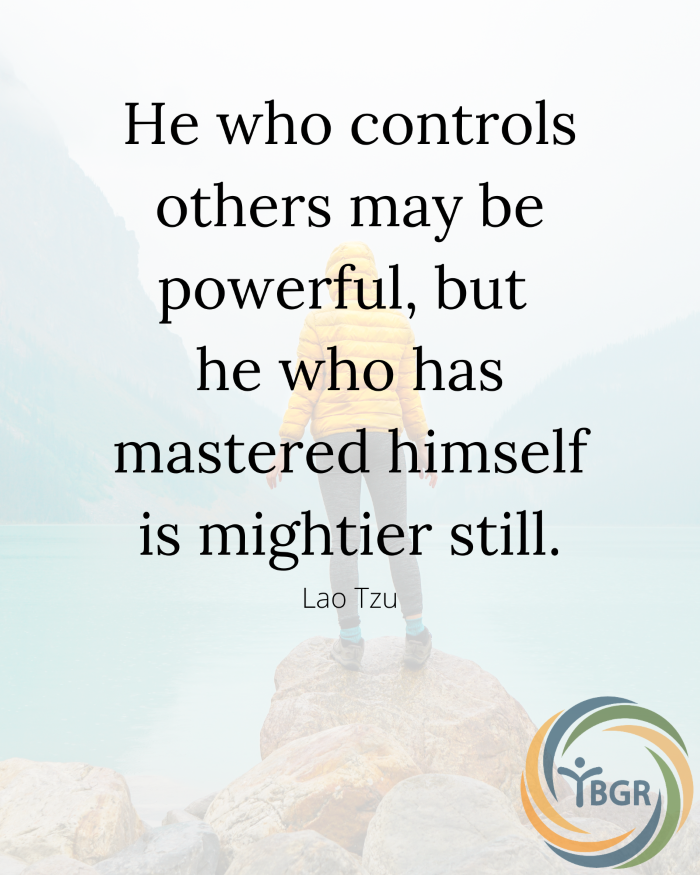
Quote 5: He who controls others may be powerful, but he who has mastered himself is mightier still. – Lao Tzu
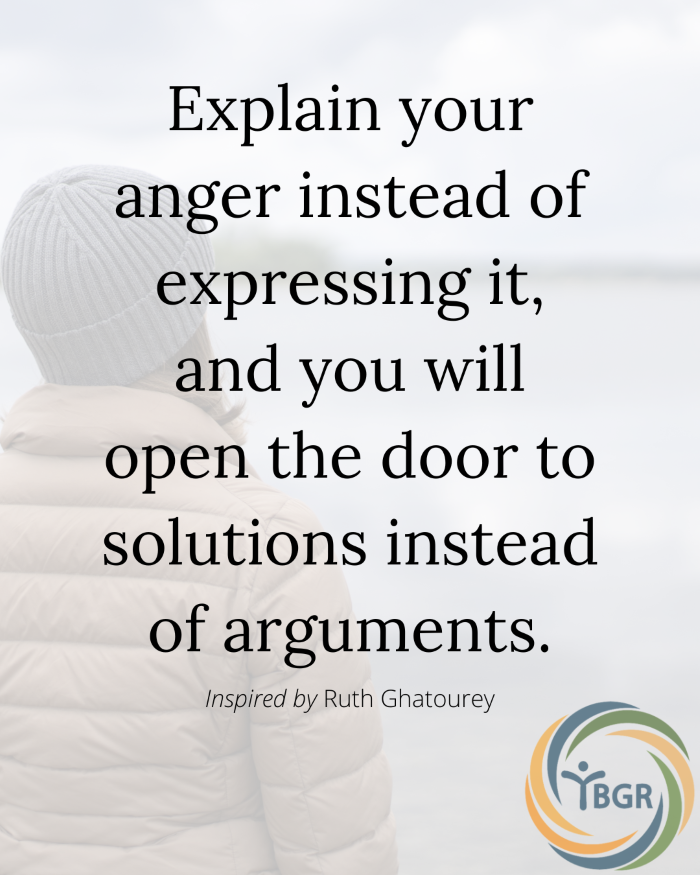
Quote 6: Explain your anger instead of expressing it, and you will open the door to solutions instead of arguments. – Ruth Ghatourey
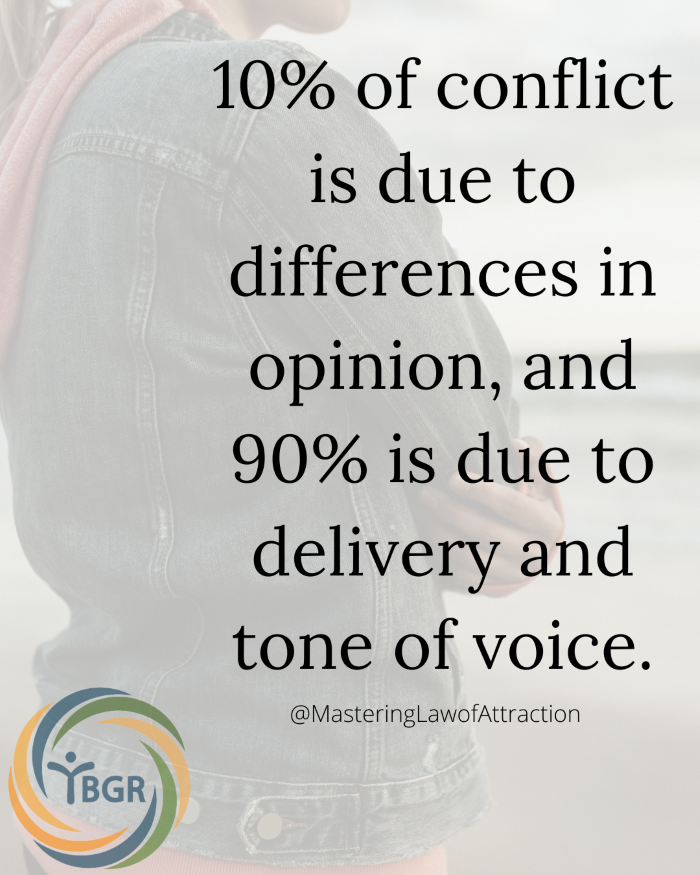
Quote 7: 10% of conflict is due to differences in opinion, and 90% is due to delivery and tone of voice. – @masteringlawofattraction
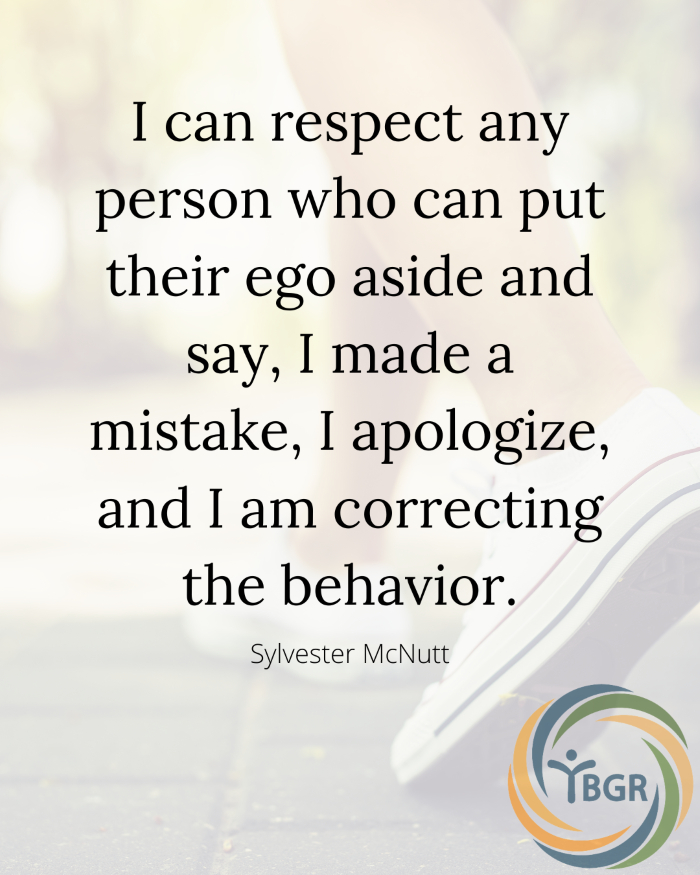
Quote 8: I can respect any person who can put their ego aside and say, I made a mistake, I apologize, and I am correcting the behavior. – Sylvester McNutt
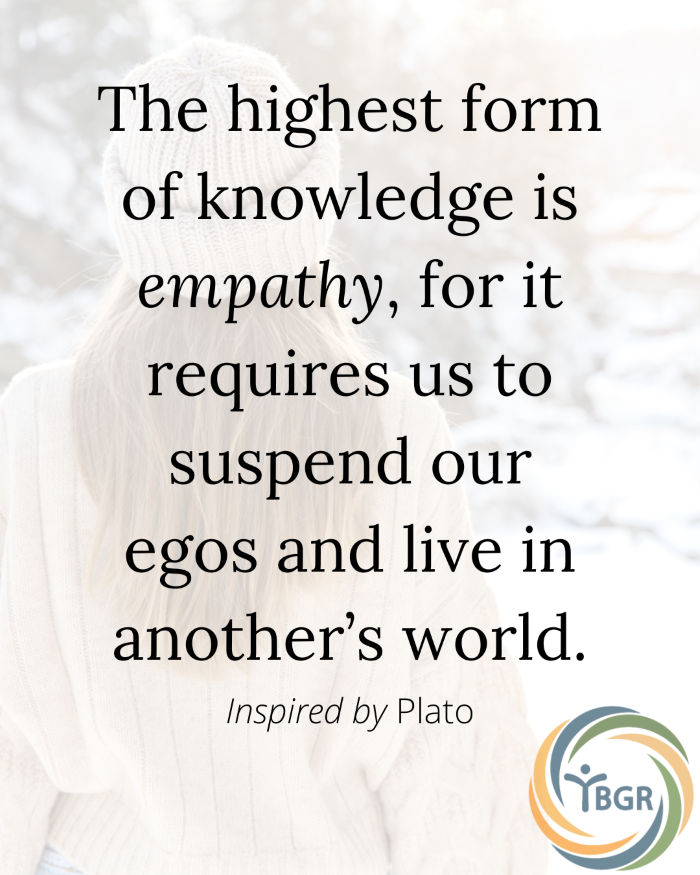
Quote 9: The highest form of knowledge is empathy, for it requires us to suspend our egos and live in another’s world. – Plato
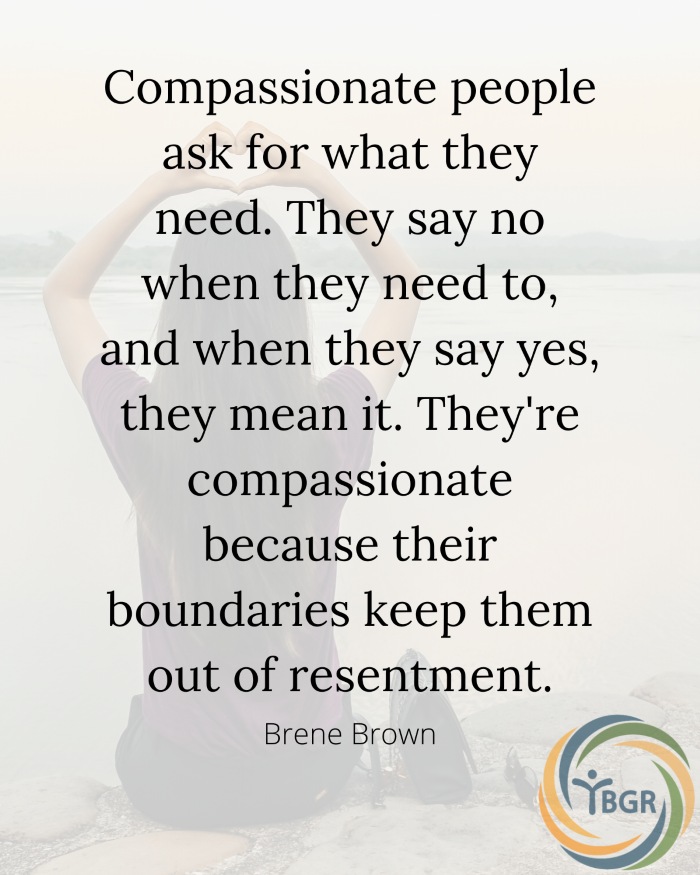
Quote 10: Compassionate people ask for what they need. They say no when they need to, and when they say yes, they mean it. They are compassionate because their boundaries keep them out of resentment. – Brene Brown

Quote 11: When you find yourself in situations of impossible demands, choose relationships first. – Sarah Boyd
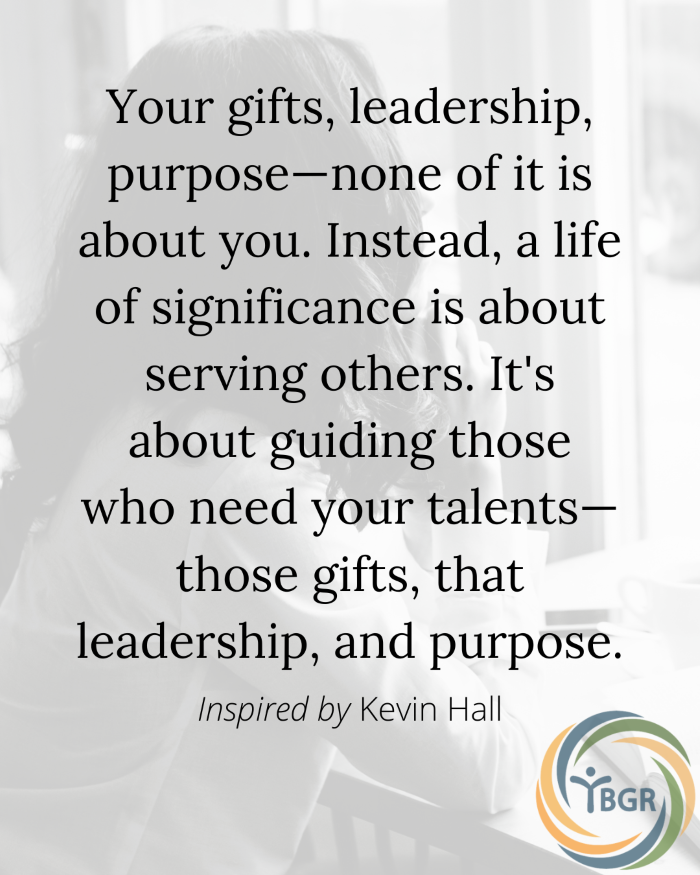
Quote 12: Your gifts, leadership, purpose—none of it is about you. Instead, a life of significance is about serving others. It’s about guiding those who need your talents—those gifts, that leadership, and purpose. – Kevin Hall
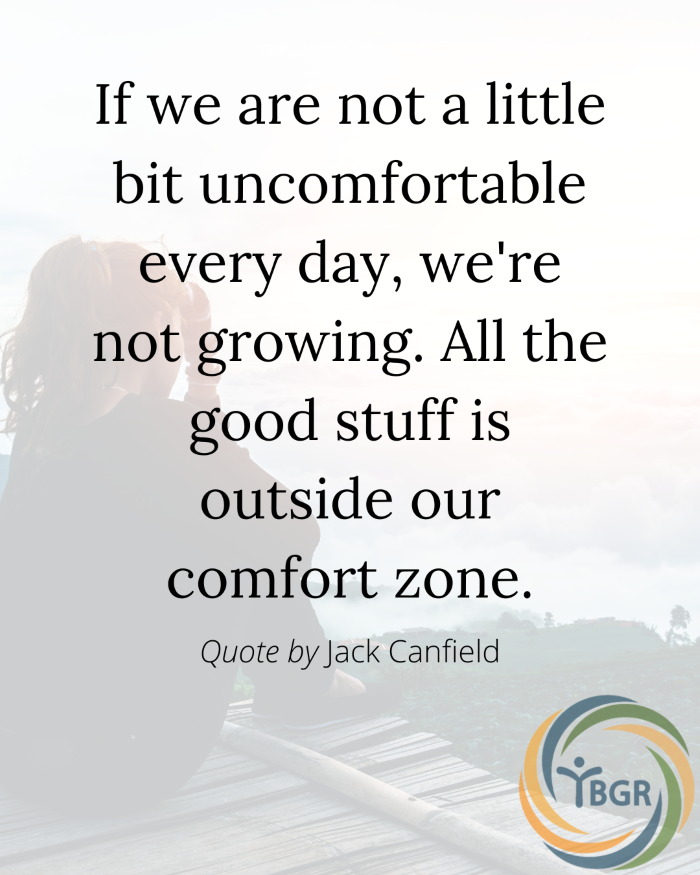
Quote 13: If we are not a little bit uncomfortable every day, we’re not growing. All the good stuff is outside our comfort zone. – Jack Canfield

Quote 14: There are no limits to what you can accomplish, except the limits you place on your own thinking. – Brian Tracy
Want More?
Check out the rest of our blog and follow us on social media. You can find us on LinkedIn at Yellowstone Boys and Girls Ranch, Instagram at @ybgr_cares, and Facebook at YBGR and Yellowstone Boys and Girls Ranch.
YBGR Partners With Many Rivers Whole Health to Strengthen Youth Transitions to Adult Care
Did you know young adults ages 18–25 have the highest rate of serious mental illness? Research also shows that during the transition into adulthood, when gaps form in care, the risk of psychiatric hospitalization and ER visits rises. Strengthening how we’re transitioning youth into adult mental health care is essential to closing those gaps.
Great Outcomes Happen When We Work Together
When providers collaborate, Montanans experience stronger outcomes.
That’s why we’re proud to announce our partnership with Many Rivers Whole Health, expanding support for youth in Cascade County as they move from children’s services into adult mental health care. This collaboration reinforces our commitment to stability and continuity as youth take their next steps.
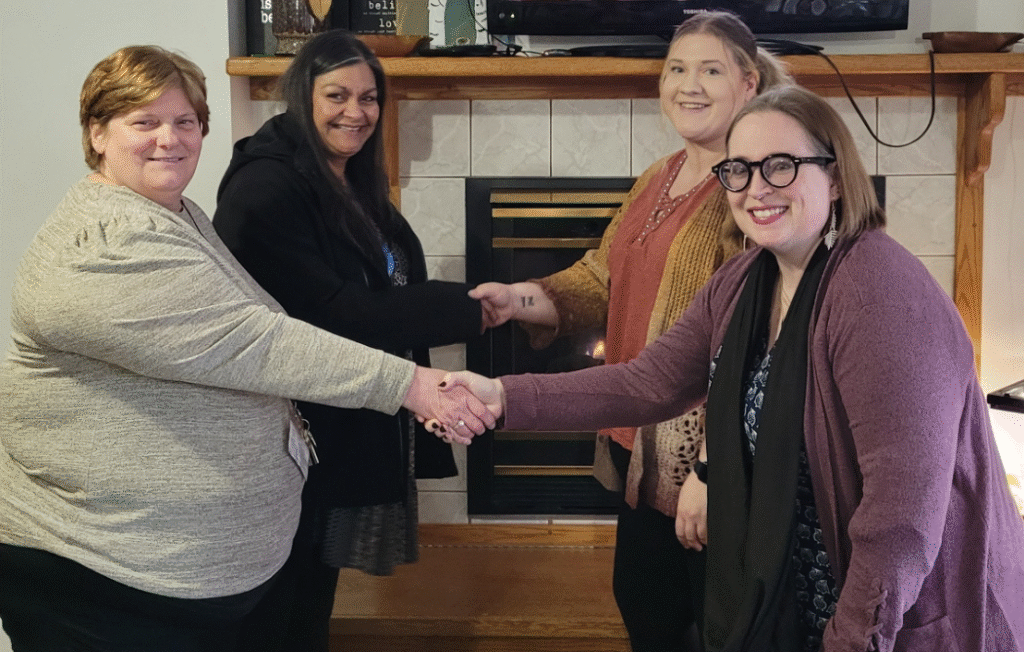
Pictured above are Holly Kober and Linda Robbins from Many Rivers alongside Brittany Olson, Therapist, and Mariah Lefebre, Lead Mental Health Worker, from our North Skyline Group Home in Great Falls.
Why Transitional Care Matters
As youth age out of children’s services, the need for support doesn’t disappear—it shifts. Without a coordinated handoff into adult care, young adults can face gaps that increase the likelihood of crisis and instability.
Our partnership with Many Rivers strengthens that handoff and supports transitioning youth into adult mental health care in a way that keeps their progress moving forward.
Building Stronger Foundations for Montanans
Through this partnership, youth in Cascade County enter adulthood with a solid footing—supported by a seamless move to adult services. As we improve how we’re transitioning youth into adult mental health care, we’re strengthening Montana’s system of care and building stronger foundations for Montanans.
Stay Connected
Stay tuned for our latest news updates from across Montana, and follow us on social media. You can find us on LinkedIn at Yellowstone Boys and Girls Ranch, Instagram at @ybgr_cares, and Facebook at Yellowstone Boys and Girls Ranch and YBGR.
Youth Satisfaction Survey Highlights the Power of Caring People
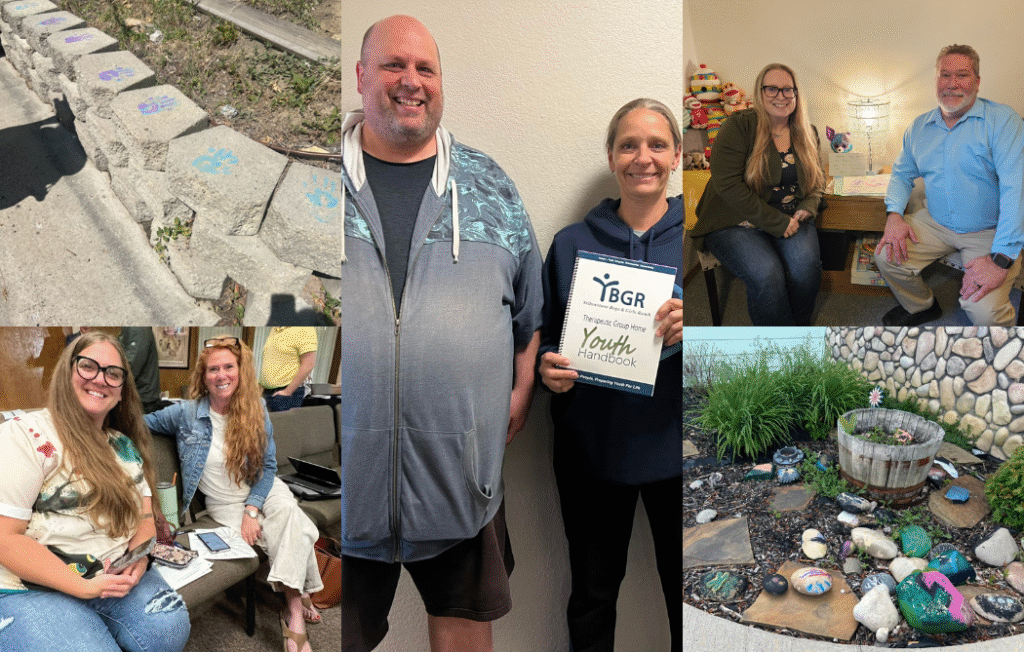
What does healing feel like for the kids in our therapeutic group homes? This year’s youth satisfaction survey offers a direct look, showing how caring adults shape the experience of the youth we serve.
Every response reflects what matters most to the kids in our community-rooted residential care: feeling supported, staying connected to family, and having opportunities to grow. Their feedback guides us as we strengthen programs and continue building supportive, relationship-centered environments across our homes.
What Kids Say Makes the Difference
Youth shared what they value most in their experience with us. Here’s a snapshot of their feedback (edited for readability and privacy):
“The staff are very caring.”
“I’m able to see my family every week. Staff also care about us.”
“I like that they give me an opportunity to correct my mistakes and move on.”
Three strengths stood out across our homes:
- Nutritious, consistent meals supporting physical and emotional well-being
- Trauma-informed, de-escalation-based care
- Coaching around prescribed medications to empower youth in their treatment
Strong Results Across Our Residential Programs
Survey scores reflected high satisfaction, with every home and every question averaging above 3.5.
Lewis and Clark (Helena), North Skyline (Great Falls), and our Boulder campus each received scores above 4.0, reinforcing the high-quality, relationship-focused care happening within our therapeutic group homes.
For families served through our community-based services, watch for a survey arriving by email in the weeks ahead.
Stay Connected
Stay tuned for our latest news updates from across Montana, and follow us on social media. You can find us on LinkedIn at Yellowstone Boys and Girls Ranch, Instagram at @ybgr_cares, and Facebook at Yellowstone Boys and Girls Ranch and YBGR.

Connection’s Key! 15 Quotes for Raising Strong Kids

Are you looking for the secret formula for raising strong kids? You’re in the right place—because the answer is simpler than most people realize.
Parenting is about connection.
The relationship you build with your child shapes the way they learn, grow, and understand themselves. Connection helps kids feel secure and open to guidance—and it becomes the foundation for every future relationship they have.
Below are fifteen powerful quotes about parenting with connection to raise strong, confident kids.
Quotes on Parenting Connection for Raising Strong Kids
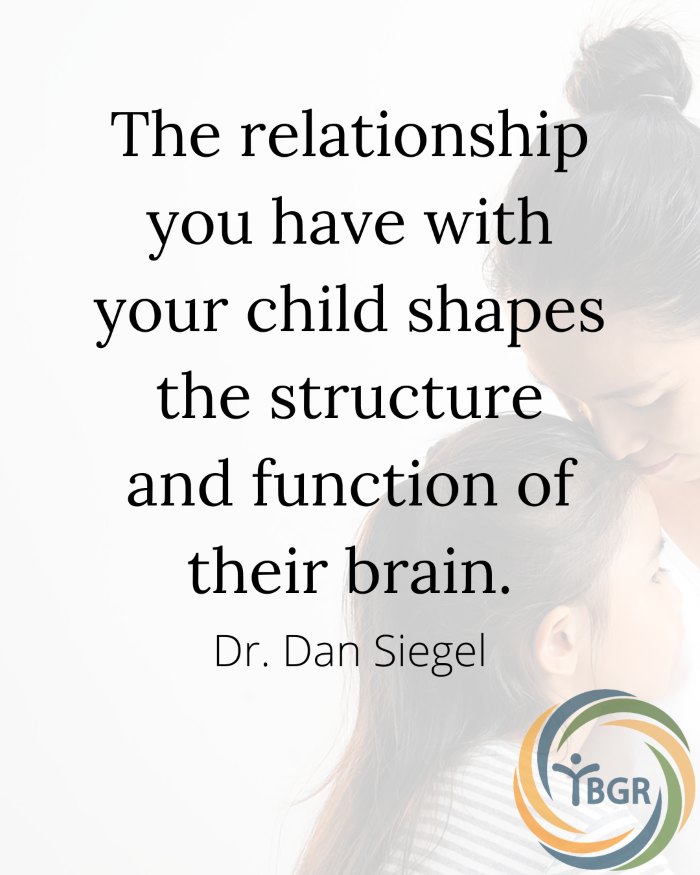
Quote 1: The relationship you have with your child shapes the structure and function of their brain. – Dr. Dan Siegel
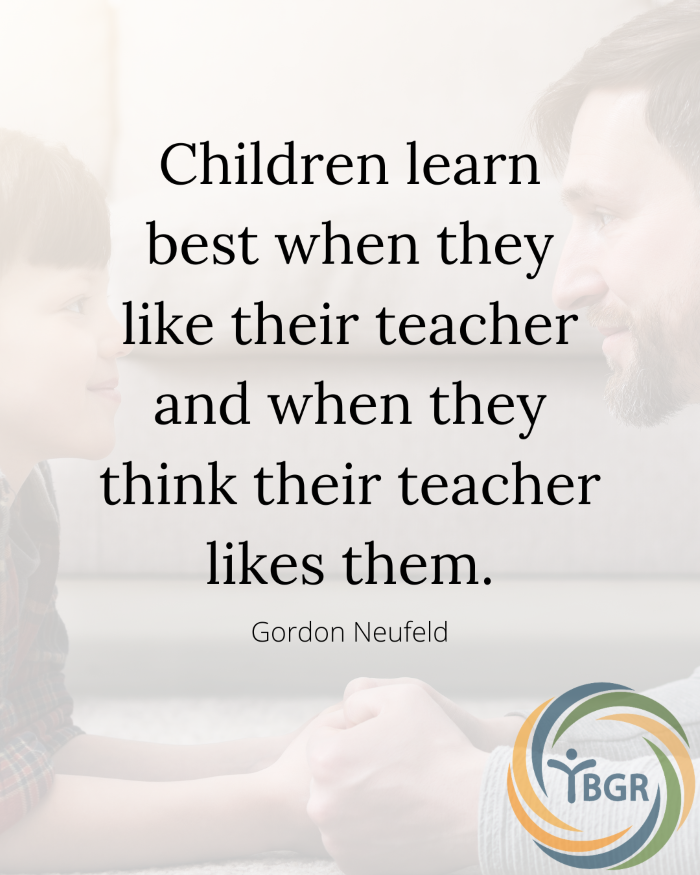
Quote 2: Kids learn best when they like their teacher and when they think their teacher likes them. – Gordon Neufeld
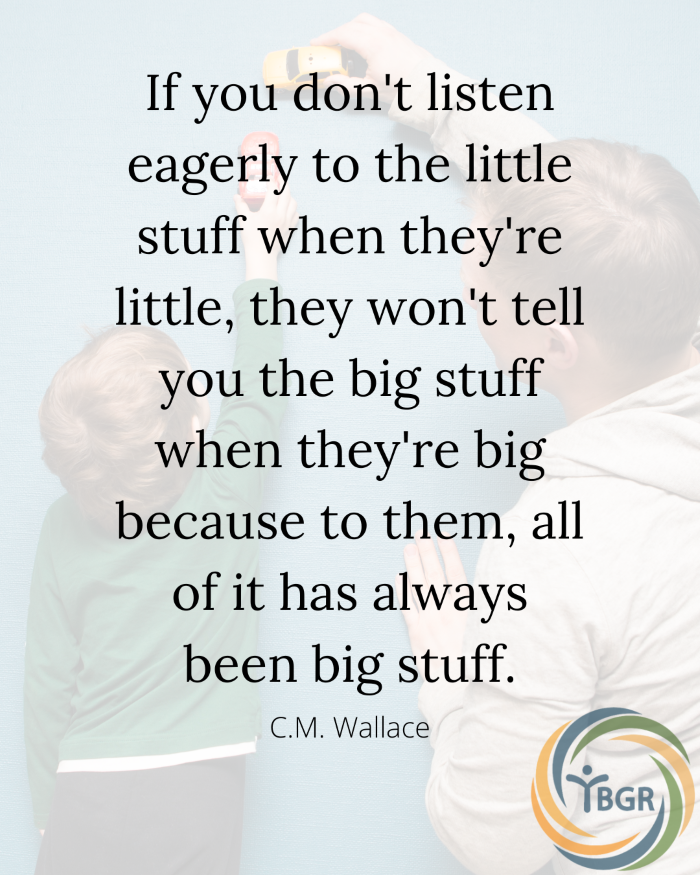
Quote 3: If you don’t listen eagerly to the little stuff when they’re little, they won’t tell you the big stuff when they’re big because to them, all of it has always been big stuff. – C.M. Wallace
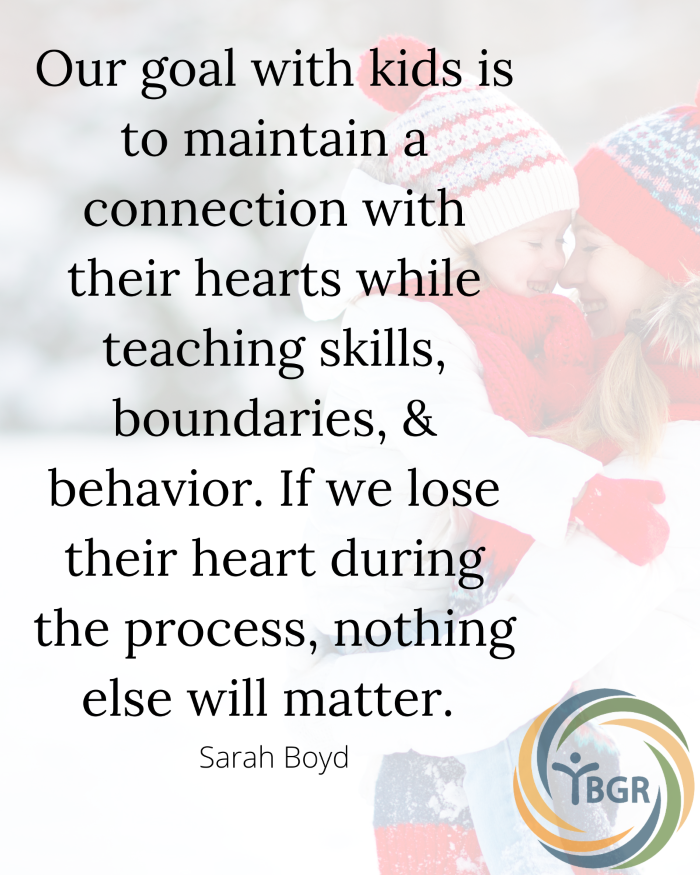
Quote 4: Our goal with kids is to maintain a connection with their hearts while teaching skills, boundaries, & behavior. If we lose their heart during the process, nothing else will matter. – Sarah Boyd

Quote 5: If kids can trust you with the little stuff, they will come to you with the big stuff. – Dr. Laura Markham
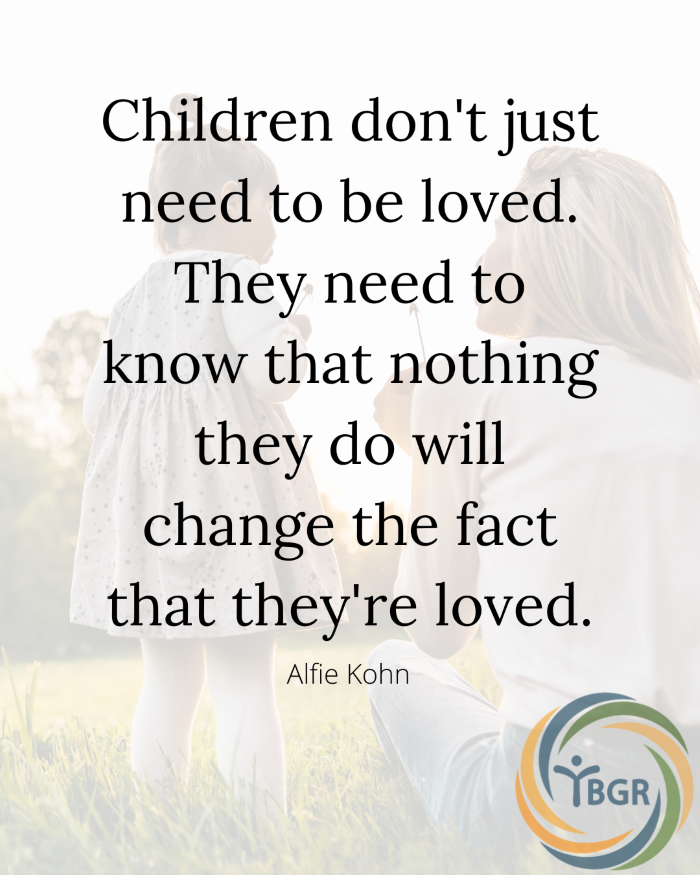
Quote 6: Children don’t just need to be loved. They need to know that nothing they do will change the fact that they’re loved. – Alfie Kohn
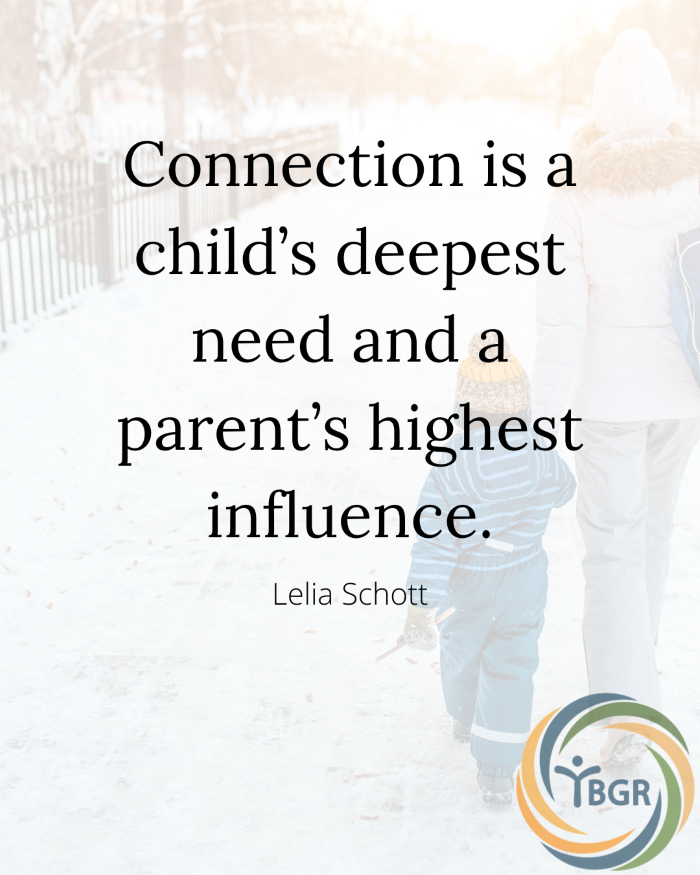
Quote 7: Connection is a child’s deepest need and a parent’s highest influence. – Lelia Schott
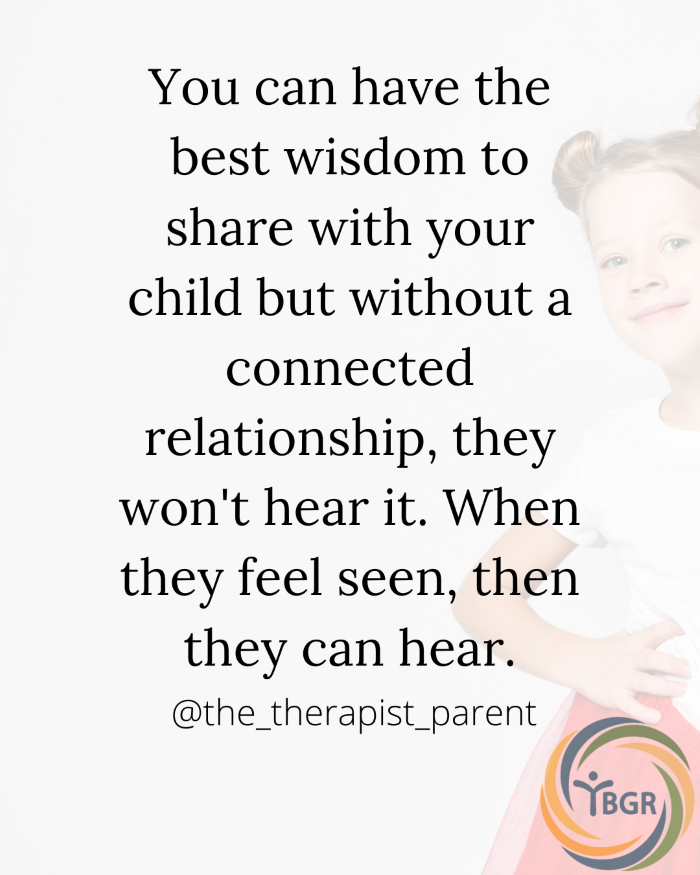
Quote 8: You can have the best wisdom to share with your child but without a connected relationship, they won’t hear it. When they feel seen, then they can hear. – @The_Therapist_Parent
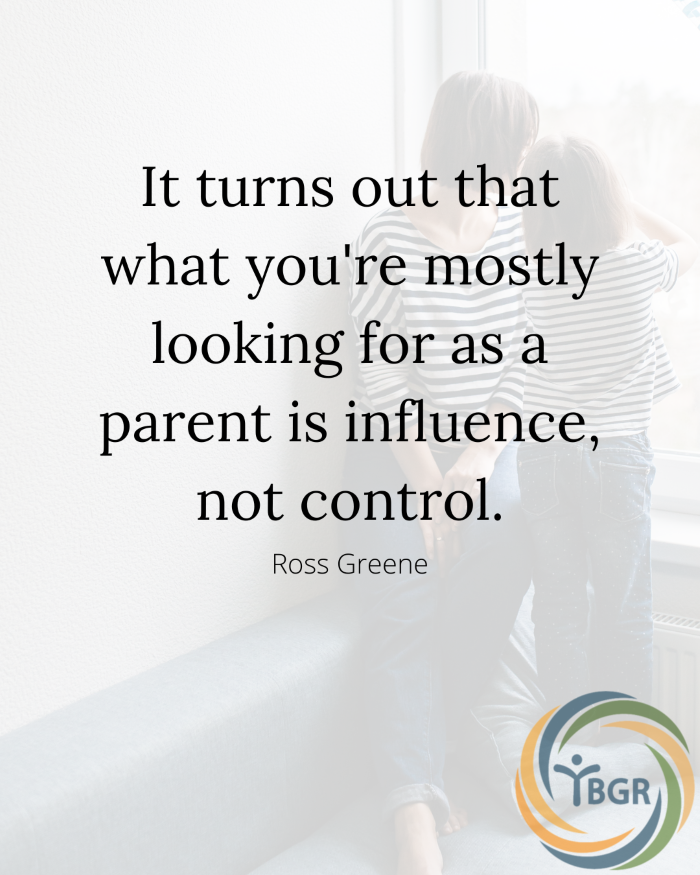
Quote 9: It turns out that what you’re mostly looking for as a parent is influence, not control. – Ross Greene
Quote 10: What matters most? It’s not the rules. It’s the conversations we have with our kids about the rules we make. – Dr. Lisa Damour
Quote 11: As a child, I just needed to know someone was on my side without having to work so hard to prove myself. – Big Little Feelings
Quote 12: I never want my kids to mess up and think, “Dad’s going to kill me.” Instead, I want their first thought to be, “I need to call my dad.” – Unknown
Quote 13: If your children fear you, they cannot trust you. If they do not trust you, they cannot learn from you. – Lori Petro
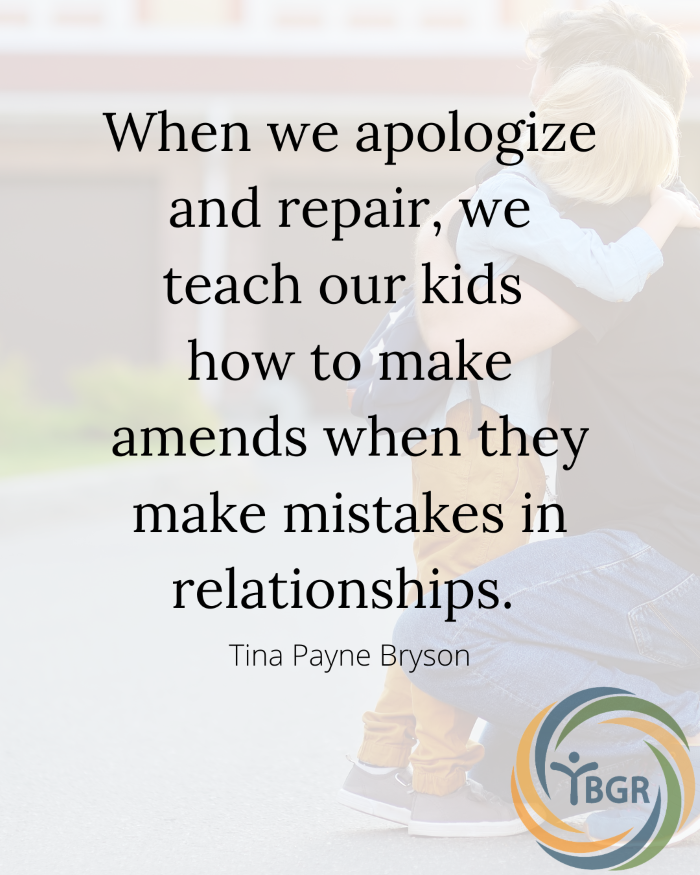
Quote 14: When we apologize and repair, we teach our kids how to make amends when they make mistakes in relationships. – Tina Payne Bryson
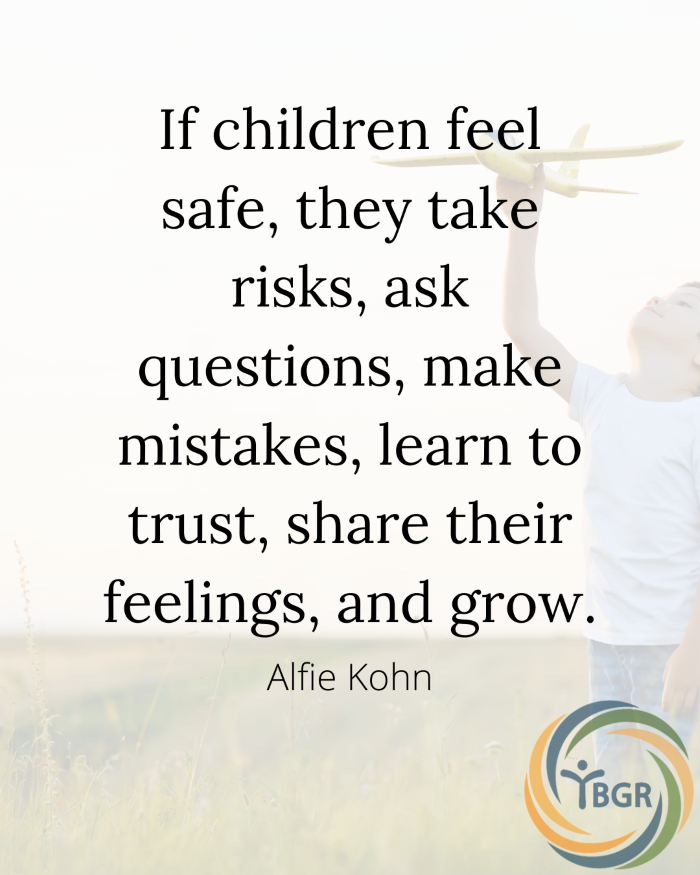
Quote 15: If children feel safe, they take risks, ask questions, make mistakes, learn to trust, share their feelings, and grow. – Alfie Kohn
Want More?
Check out the rest of our blog and follow us on social media. You can find us on LinkedIn at Yellowstone Boys and Girls Ranch, Instagram at @ybgr_cares, and Facebook at YBGR and Yellowstone Boys and Girls Ranch.
Annual Kalispell Thanksgiving Dinner Brings Families Together
What brings families back to the same table year after year? A place where they feel supported, welcomed, and connected.
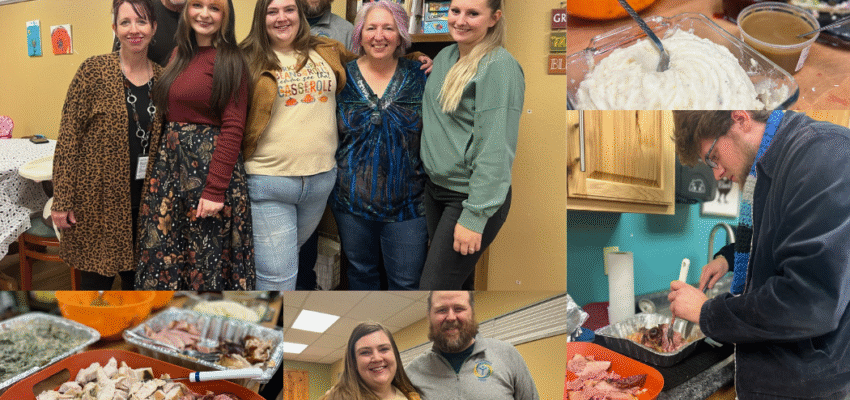
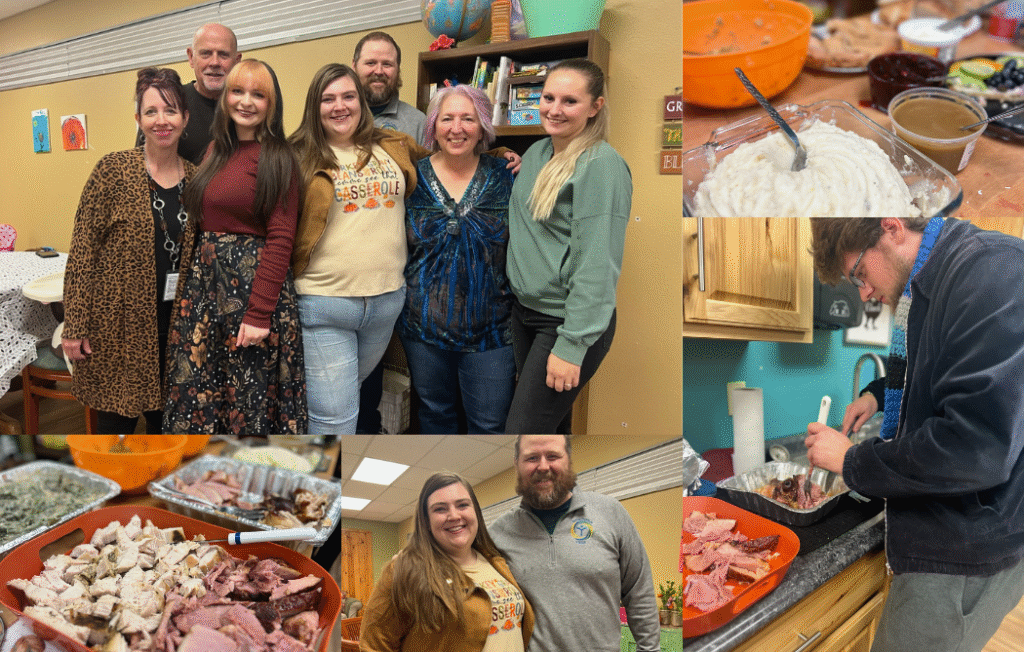
This week, families gathered once again in Kalispell for our annual Thanksgiving dinner hosted by our Child Welfare Prevention and Support Services (CWPSS) team. Local families, CASA workers, and partners from Child and Family Services joined us for an evening of sharing a meal, reconnecting, and strengthening the relationships that help kids thrive.
A Tradition Rooted in Family and Community Connection
This Thanksgiving dinner tradition began years ago in Kalispell with Berni McDonald, CWPSS Program Supervisor, and Tammy Eads, Administrative Supervisor—long before either joined our YBGR family.
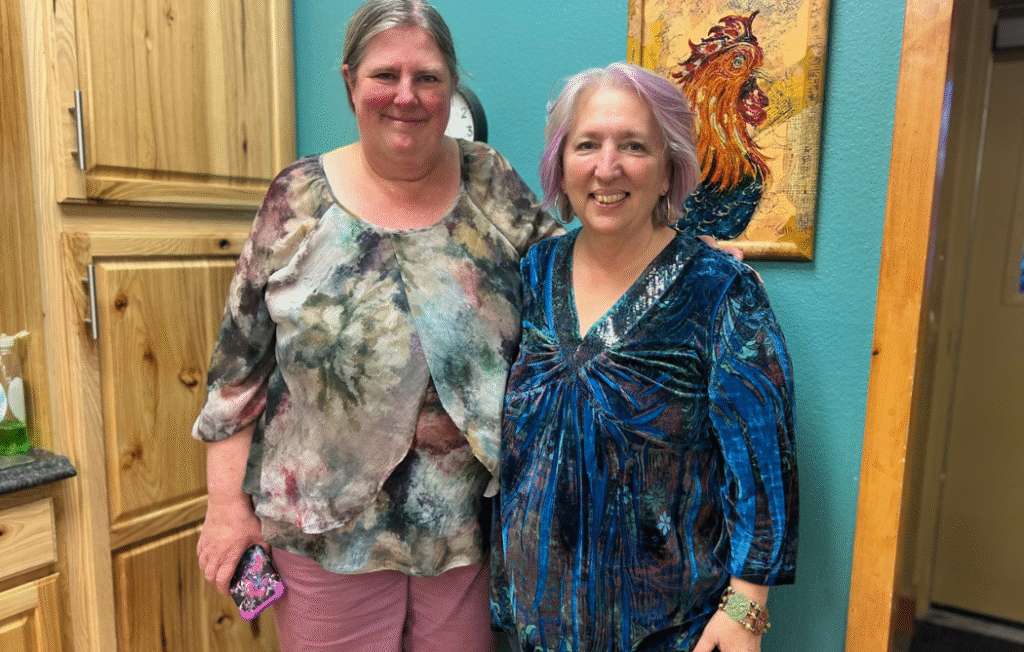
Pictured: Tammy Eads, Kalispell Administrative Supervisor, and Berni McDonald, CWPSS Supervisor, at last night’s Thanksgiving celebration for families. This holiday tradition began years ago with Tammy and Berni—long before they joined the YBGR team. The two created it to support Flathead County families.
What began as a simple effort to bring people together has grown into a meaningful tradition for current families, program graduates, and our community partners, who form a critical network of support for the Flathead County residents we serve.
Since becoming part of the YBGR umbrella of care, our Child Welfare Prevention and Support Services program in Kalispell has helped dozens of families find stability and build strong foundations for the future.
Expanding Child Welfare Prevention and Support Services Across Montana
Because of the impact in Kalispell and the growing need statewide, our Child Welfare Prevention and Support Services program is now expanding across our community-based care locations.
The program partners with Child and Family Services—blending parent education, parent coaching, and care coordination to prevent separation, support reunification efforts, and strengthen family systems.
Events like this dinner show what that work looks like in action: connection, consistency, and a community that shows up for families.
To everyone who made this night possible—and to the families who open their lives to us—thank you. Your trust, care, and commitment are valued. We’re grateful for you.
Stay Connected
Stay tuned for our latest news updates from across Montana, and follow us on social media. You can find us on LinkedIn at Yellowstone Boys and Girls Ranch, Instagram at @ybgr_cares, and Facebook at Yellowstone Boys and Girls Ranch and YBGR.
YBGR Polson Expands Community-Based Care in Lake County
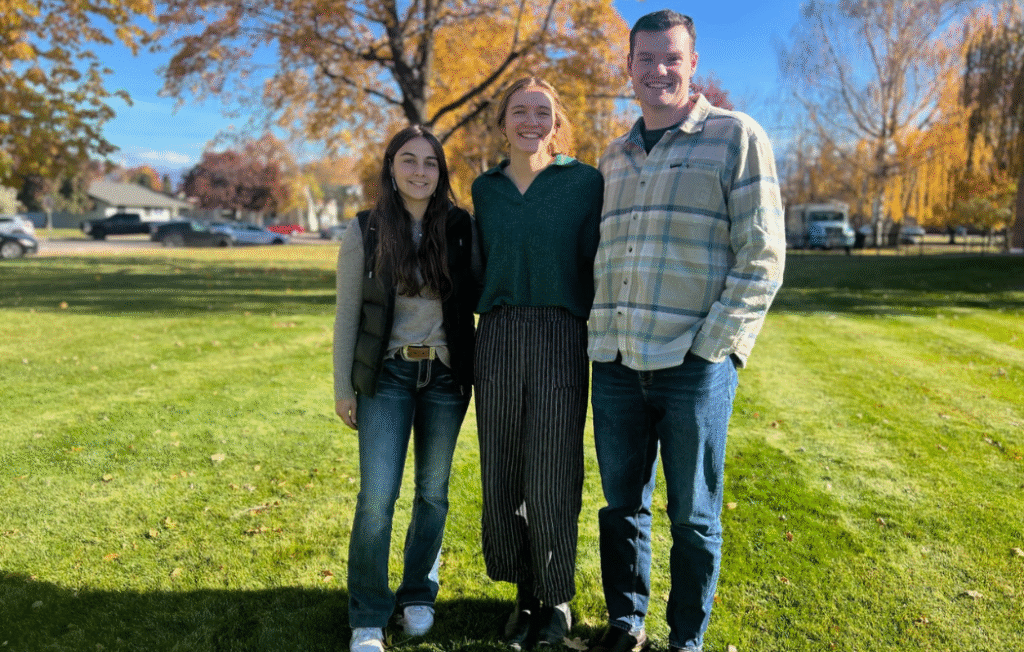
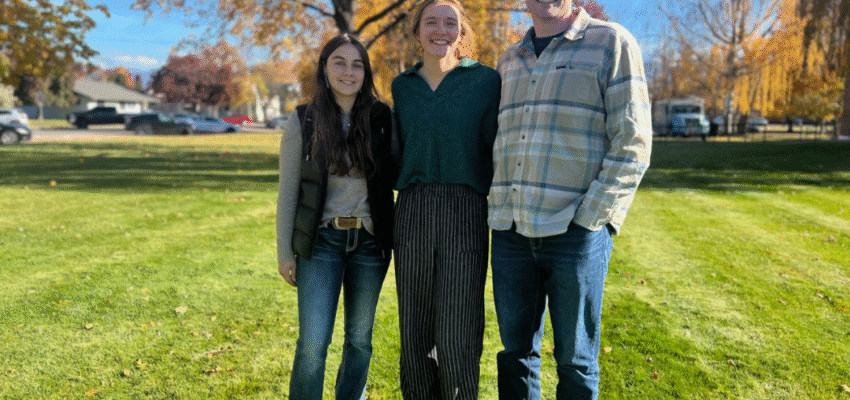
Yellowstone Boys and Girls Ranch (YBGR) continues to extend its mission of caring people, preparing youth for life through the YBGR Polson office, part of the organization’s growing network of community-based services across Montana.
The Lake County team—Anna Paige, Home Support Services Specialist; Siera Chowning, Therapist; and Timothy Sellars, Targeted Case Manager—provides therapy, skill-building, and family support to help youth stay connected to their homes and schools. Their work strengthens family systems and builds the resilience needed for kids to thrive within their communities.
Strengthening Families Across Montana
Through YBGR’s community-based programs, families can access the care they need without having to travel far from home. From Polson to Billings and beyond, the care we provide touches the lives of children and families in nearly every county across Montana. Our teams work side by side with families in homes, schools, and community settings—empowering youth to grow stronger every day.
We’re grateful for the commitment of the YBGR Polson crew and for the Lake County families who partner with us in this vital work.
Stay Connected
Stay tuned for our latest news updates from across Montana, and follow us on social media. You can find us on LinkedIn at Yellowstone Boys and Girls Ranch, Instagram at @ybgr_cares, and Facebook at Yellowstone Boys and Girls Ranch and YBGR.

How to Combat Caregiver Burnout Over the Holidays

Who doesn’t love the holidays? The shimmering lights, family gatherings, sweet treats, fireworks, and the sparkle of joy on kids’ faces as they tear open gifts on a cold December morning.
But as any parent knows, that magic doesn’t just happen—it takes work. And when you pile holiday preparations on top of an already full plate, caregiver burnout can creep in fast.
What Is Caregiver Burnout?
Caregiver burnout is the emotional, mental, and physical exhaustion that comes from caring for others while neglecting your own needs. It can show up as irritability, fatigue, headaches, sleep issues, or feeling detached from those you love.
Symptoms of Caregiver Burnout
- A change in attitude from feeling loving to feeling negative and unconcerned
- Withdrawing from friends and family
- Losing interest in things you previously enjoyed
- Feeling crabby, hopeless, helpless, and exhausted
- Changes in eating habits and body weight
- Different sleep patterns.
- Feeling under the weather or getting sick often
Do any of these sound familiar? If so, you’re not alone.
Many parents say the holiday season brings high levels of stress—and that tension can spill over, dimming the joy for you and your kids.
How to Prevent Caregiver Burnout During the Holidays
Most of us juggle multiple roles—parent, partner, professional, friend—and adding “holiday planner” to the list can feel like too much. Below are a few ways to reduce holiday stress and protect your well-being.
Ask for help.
You don’t have to do it all. Let others lend a hand—whether that’s asking a friend to bring dessert, a partner to take over bedtime, or a grandparent to host one event this year.
Don’t overdo it.
Perfection isn’t the goal—connection is. Simplify traditions, say no when needed, and focus on what truly matters to your family.
Talk it out.
When stress builds, share what’s on your mind. Sometimes a simple conversation with someone you trust can lighten the emotional load.
Take a break.
Rest isn’t indulgent—it’s essential. Step away for a quiet walk, schedule a sitter, or carve out an evening to unwind and recharge.
Seek professional support if you need it.
If your exhaustion lingers for more than two weeks and rest doesn’t help, it may be time to talk with a doctor or therapist. You don’t have to navigate burnout alone.
You’re Not Just a Caregiver—You’re Human
This season, give yourself permission to slow down and savor what really counts. A calmer, more present you is the best gift your family could ask for.
Want More?
Check out the rest of our blog and follow us on social media. You can find us on LinkedIn at Yellowstone Boys and Girls Ranch, Instagram at @ybgr_cares, and Facebook at YBGR and Yellowstone Boys and Girls Ranch.
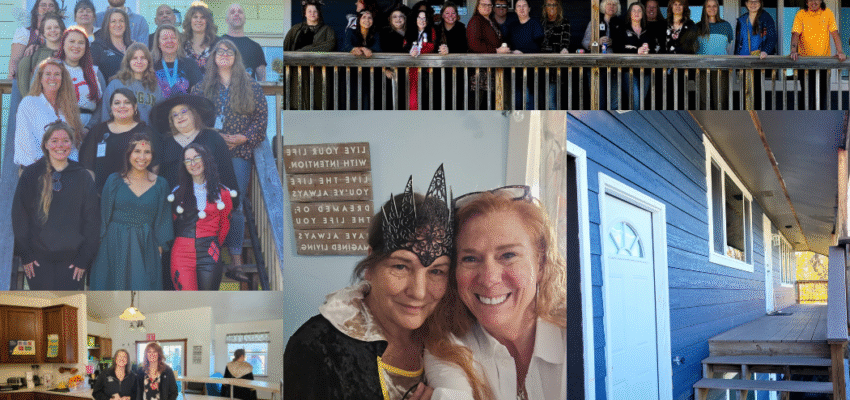
Celebrating the Reopening of Our River’s Edge Group Home Space
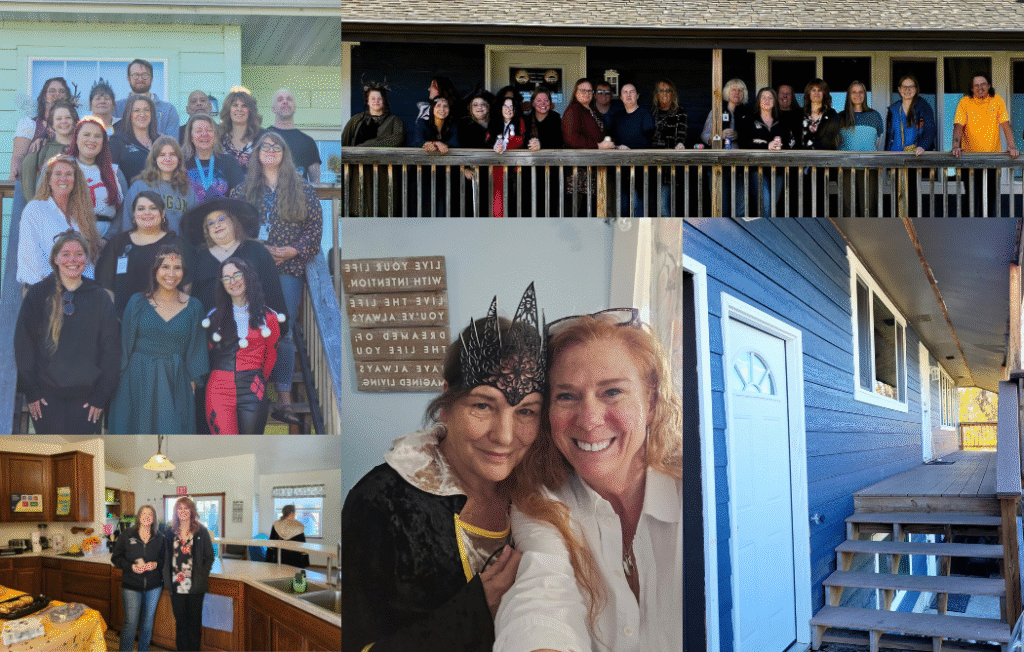
Our Billings Group Home team gathered this week, welcoming crewmates from the Ranch and across the state for a festive, Halloween-themed tour of our homes, including the newly renovated River’s Edge space.
The event brought together caring people from across our network who deliver care through our therapeutic group homes in Billings and beyond. Between laughter, costumes, and reconnecting, the celebration reflected the teamwork and commitment that fuel our mission.
Strengthening Care Across Montana
For youth struggling with behaviors that impact their safety, daily functioning, or ability to attend school, we provide structured, family-style care through our Therapeutic Group Homes in Billings, Boulder, Helena, and Great Falls. Each home offers 24-hour supervision, treatment, and advocacy in a supportive community setting—helping youth find stability and build resilience.
Across Montana, our residential group home and Ranch teams provide care for youth in need of safe, structured environments that support their path toward healing. Every day, they create nurturing spaces where kids grow stronger, build relationships, and move toward brighter futures.
We’re grateful for their dedication and for the life-changing work they do daily with the youth in our care.
Stay Connected
Stay tuned to our news updates for the latest from across Montana, and follow us on social media. You can find us on LinkedIn at Yellowstone Boys and Girls Ranch, Instagram at @ybgr_cares, and Facebook at Yellowstone Boys and Girls Ranch and YBGR.

6 Ways to Create Space for Important Conversations

Every day, we navigate important conversations—with coworkers, friends, and family members. Some are easy, while others require us to slow down, listen deeply, and respond with care.
Our ability to self-regulate and remain emotionally grounded plays a critical role in how effectively we communicate. To truly be present with others, we need to create a safe emotional climate, both within ourselves and in the environment around us.
How to Create Space for Important Conversations
Below are six ways you can create a safe space for important conversations with others.
Be Transparent About Your Limitations
When people know what to expect, they feel more comfortable opening up. Be upfront about your time or focus so the other person knows you’re present within clear boundaries.
“Thank you so much for coming in. I do have a meeting at 11:00, but that still gives us a good chunk of time to chat. What’s up?”
Transparency builds trust. It communicates that you value the other person’s time while being honest about your own.
Be Consistent and Predictable
Predictability creates safety. When others can anticipate how you’ll respond, they’re less likely to feel anxious or defensive.
Speak in an even, calm tone—what we like to call your “DJ voice.” Steady, low, and measured speech signals that you’re approachable and in control, even in emotionally charged moments.
Mind Your Demeanor
Words matter, but nonverbal cues often speak louder. Notice your body language.
Unclench your jaw, relax your shoulders, and soften your eyes. A calm, open posture communicates empathy and emotional steadiness before you even say a word.
Prepare Before Important Meetings
Take five to ten minutes before meetings or conversations to transition out of what you were working on. Ground yourself with a few deep breaths, clear your mind, and set an intention for the discussion.
That slight pause helps you show up mentally and emotionally present—not distracted or reactive.
Know When to Reschedule
If you’re not in the right frame of mind, it’s okay to hit pause. Going into a tough conversation while stressed or preoccupied rarely leads to connection.
Rescheduling isn’t avoidance—it’s respect. It ensures you can give the other person your full attention when it truly matters.
Creating a Culture of Safety
Emotional safety begins with self-awareness. When we take the time to regulate ourselves first, we make space for understanding, empathy, and trust to grow. Whether at home, in the workplace, or within our teams, safe conversations start with grounded people.
Want More?
Check out the rest of our blog and follow us on social media. You can find us on LinkedIn at Yellowstone Boys and Girls Ranch, Instagram at @ybgr_cares, and Facebook at YBGR and Yellowstone Boys and Girls Ranch.
Strengthening Families in Montana: Small Acts of Care
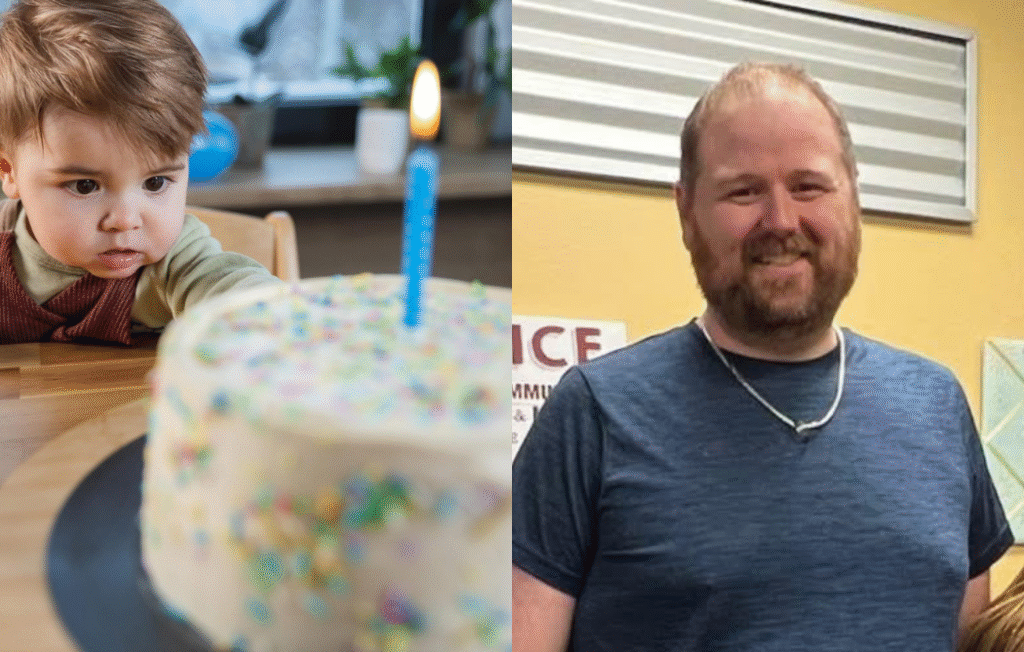
What does “Caring people, preparing youth for life” look like in action? Sometimes, it’s as simple as showing up with a cake.
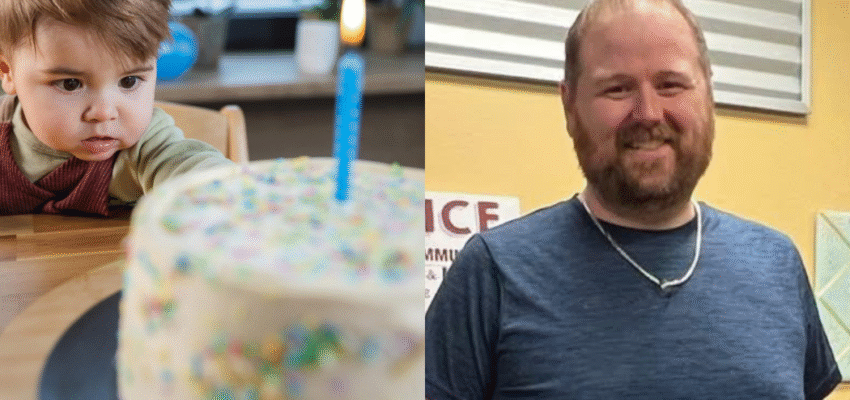
In Kalispell, a child in our Child Welfare Prevention and Support Services (CWPSS) program recently celebrated their first birthday. When the father couldn’t bring something to mark the day, Michael Palumbo, Family Unification Specialist, stepped in—picking up a smash cake and a candle so the milestone wouldn’t go uncelebrated.
It was a small gesture that spoke volumes about the heart of our mission. Acts of care like this remind us that caring for children and families isn’t only about services—it’s about people who notice the little things and go the extra mile.
Strengthening Families Across Montana
Our CWPSS program partners with Child and Family Services to strengthen families and keep kids safely at home whenever possible. Through parent education, supervised visitation, and care coordination, our team helps prevent separation and supports reunification—building resilient, stable family systems across Montana.
These efforts are part of a broader network of family support services in Montana, helping children thrive in their own homes and communities. Every day, caring professionals like Michael Palumbo show what it means to be caring people, preparing youth for life—meeting families where they are and ensuring that no milestone, big or small, goes unnoticed.
Stay Connected
Stay tuned to our news updates for the latest from across Montana, and follow us on social media. You can find us on LinkedIn at Yellowstone Boys and Girls Ranch, Instagram at @ybgr_cares, and Facebook at Yellowstone Boys and Girls Ranch and YBGR.

How to Help Kids with ADHD Thrive

Are you looking for ways to help kids with ADHD thrive? Attention Deficit Hyperactivity Disorder (ADHD) is a neurological condition that affects how children think, learn, and connect with the world around them.
More than six million kids in the United States live with ADHD, and understanding how it shapes their experiences is key to helping them reach their full potential.
Keep reading for ways to support kids living with ADHD, and check out our blog post, 16 Quotes That Illustrate ADHD, for more perspective on the diagnosis.
Quotes on How to Help Kids with ADHD Thrive
Quote 1: Kids do well if they can. If they aren’t doing well, it means there’s a barrier between effort and success that must be addressed. – Dr. Ross Greene
Quote 2: I am always open to communication, but I need to hear positive comments about my son as well. – ADDitude Magazine
Quote 3: Ask students to set small achievable learning goals so they can experience success. – ADDitude Magazine
Quote 4: The key is pushing kids past their comfort zone but not so far that they feel overwhelmed. – ADDitude Magazine

Quote 5: Multi-step directions are counterproductive. There is just too much information to take in and retain. – ADDitude Magazine
Quote 6: Research shows that distractible kids need to fidget in order to focus. – ADDitude Magazine
Quote 7: The more of my senses you address, the more engaged I will be in learning. – ADDitude Magazine
Quote 8: Teach students to write down questions that occur to them during “silent time.” – ADDitude Magazine
Quote 9: Delayed consequences, such as detention, don’t work for kids with ADHD. – ADDitude Magazine
Quote 10: Don’t assign homework as a punishment or consequence for misbehavior at school. – ADDitude Magazine
Quote 11: Research shows that music helps the ADHD brain organize time and space, aiding in learning and memory. – ADDitude Magazine
Quote 12: Choice increases motivation, and motivation increases learning. – ADDitude Magazine
Quote 13: Provide opportunities for kids to show divergent, creative, and imaginative thinking—and to receive recognition for that originality. – ADDitude Magazine
Quote 14: The best teacher for a child with ADHD is one who celebrates and works with their student’s creativity, energy, and curiosity. – ADDitude Magazine
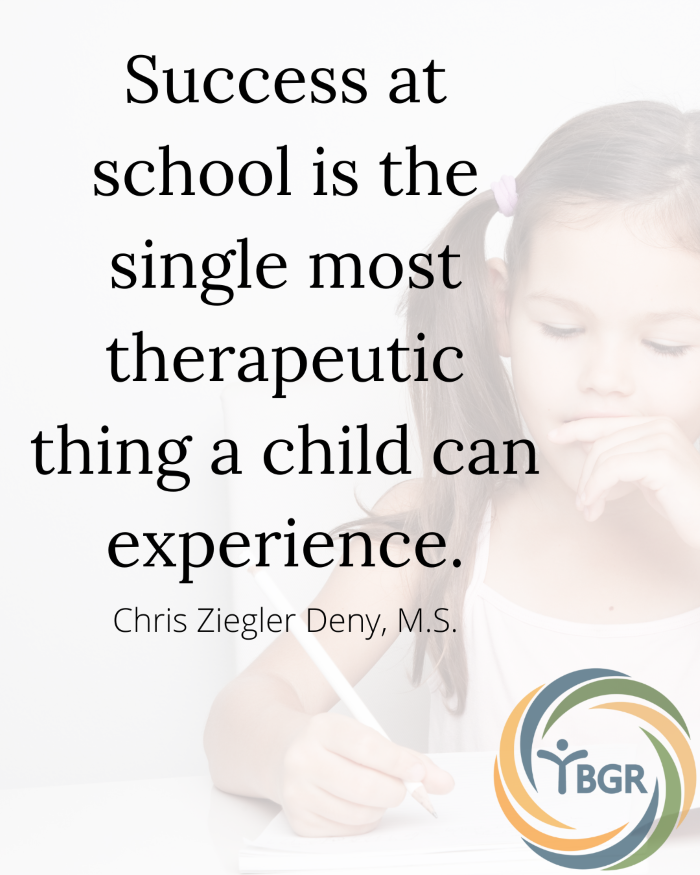
Quote 15: Success at school is the single more therapeutic thing a child can experience. – Chris Ziegler Deny, M.S.
Want More?
Check out the rest of our blog and follow us on social media. You can find us on LinkedIn at Yellowstone Boys and Girls Ranch, Instagram at @ybgr_cares, and Facebook at YBGR and Yellowstone Boys and Girls Ranch.
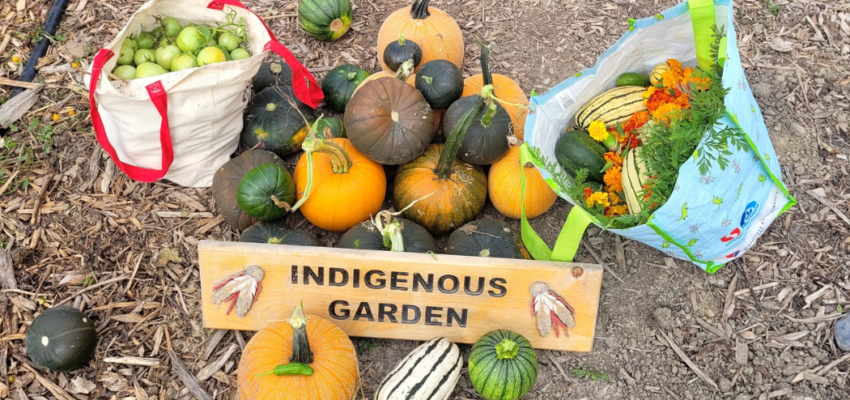
Closing the Season in the Indigenous Garden
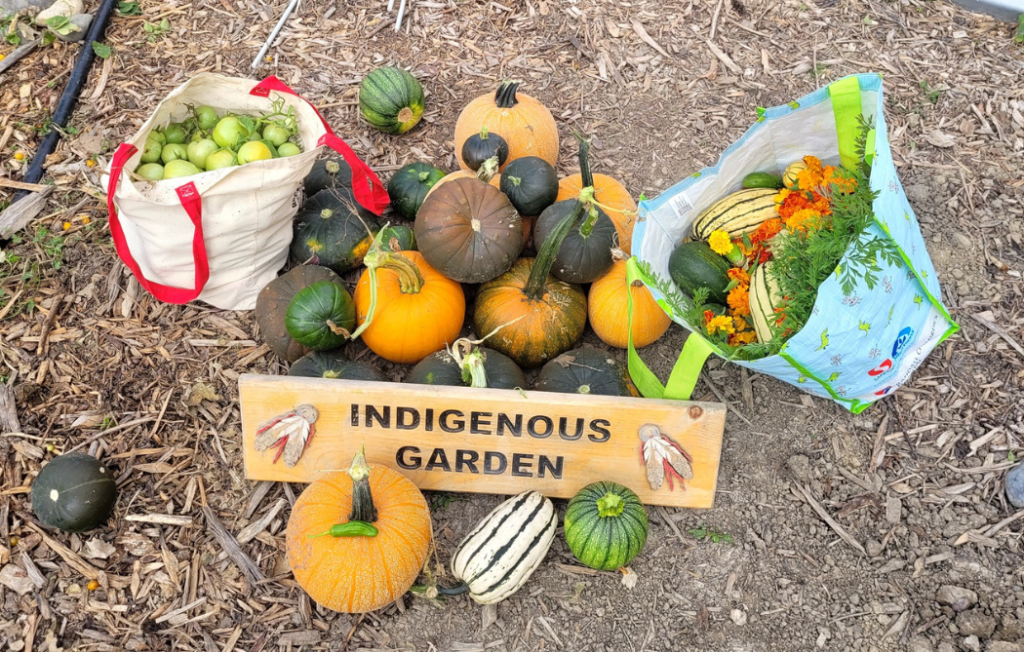
The first freeze of fall arrived earlier this month, marking a shift in season and spirit across the Ranch in Billings. Before the chill set in, Josie Brady, Native American Services Coordinator, and Liz Campoy, PR Coordinator, made one final visit to the Indigenous Garden—a space rooted in culture, healing, and connection. Together, they harvested the last of the season’s bounty and prepared the garden for rest.
A Season of Abundance in the Indigenous Garden
The Indigenous Garden radiated life and color—delicata squash, tomatoes, marigolds, pumpkins, sunflowers, corn, tomatillos, cucumbers, peppers, and lemon balm. Each plant carried purpose and meaning.
Tomatoes were simmered into soup served with grilled cheese sandwiches, while marigolds and lemon balm steeped into calming teas. Pumpkins brightened shared spaces with their cheerful hues, and cucumbers and peppers offered fresh, nourishing simplicity.
Using tomatoes and jalapeños from the harvest, homemade salsa brought people together—a gift from the earth shared in community.
Connection, Renewal, and Rest
For Josie and Liz, harvesting in the Indigenous Garden was more than gathering food—it was a spiritual experience, a quiet connection to the ancestors who once tended these same crops for their families. With each seed, root, and blossom, their wisdom was honored, and wellness renewed.
Working the soil grounded the spirit, cleared the mind, and reminded all who helped that healing grows in cycles—just like the earth.
As the beds are cleared and the soil rests, the Indigenous Garden enters a season of renewal—its lessons of gratitude, growth, and connection continuing to nourish all who walk its paths.
Stay Connected
Stay tuned to our news updates for the latest from across Montana, and follow us on social media. You can find us on LinkedIn at Yellowstone Boys and Girls Ranch, Instagram at @ybgr_cares, and Facebook at Yellowstone Boys and Girls Ranch and YBGR.

16 Quotes That Illustrate ADHD

Have you heard of attention deficit hyperactivity disorder (ADHD)? It’s a neurodevelopmental condition that affects how a person thinks, learns, and behaves.
Below are details about the condition, the strengths that often accompany it, and quotes that capture what it’s like to live with ADHD.
Hallmark symptoms include:
Inattentive Type
- Trouble paying attention (easily sidetracked)
- Doesn’t like or avoids long mental tasks (such as homework)
- Trouble staying on task during school, at home, or even at play
- Disorganized and seems forgetful
- Doesn’t appear to listen when directly spoken to
- Doesn’t pay close attention to details
- Loses things often
- Makes careless mistakes
- Struggles to follow through with instructions
Hyperactive/Impulsive Type
- Blurting out answers before a question is finished
- Frequently interrupting others
- Trouble waiting for their turn
- Talks too much
- Fidgeting, tapping, and squirming
- Gets up when it’s not appropriate (such as when the teacher is talking or in the middle of dinner)
- Running or climbing in inappropriate situations.
- Unable to play quietly
- Always “on the go.”
Kids with attention deficit hyperactivity disorder present predominantly with inattentive, hyperactive/impulsive, or, most frequently, a combination of symptoms.
It often coexists with learning, autism spectrum, anxiety, and mood disorders, and children exposed to trauma may be misdiagnosed with the condition.
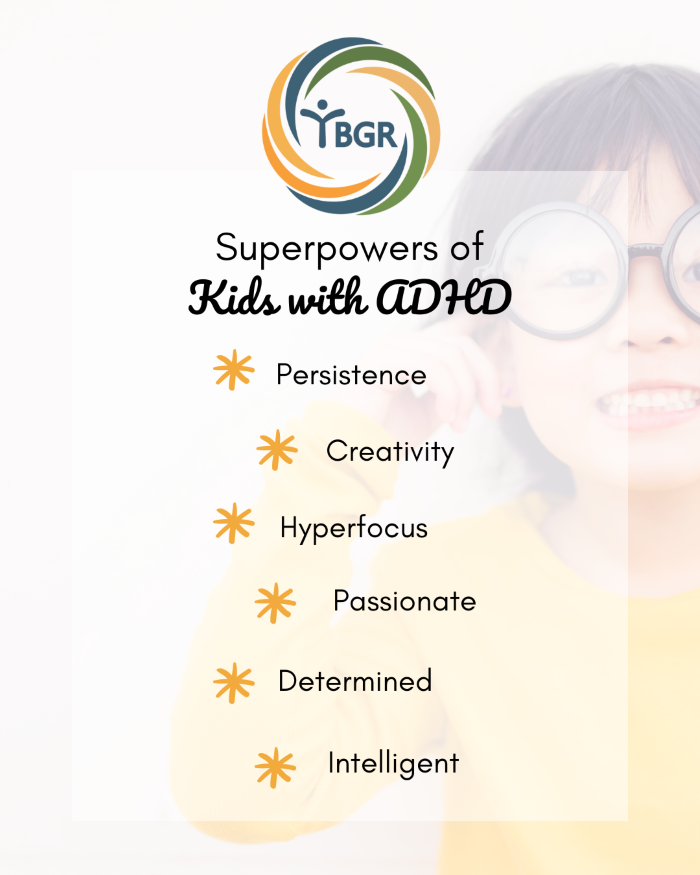
Children with ADHD think differently and have a host of strengths.
16 Quotes Illustrating ADHD
Below are sixteen quotes that paint a portrait of what life is like for kids living with ADHD.

Quote 1: Only a small fraction of children with ADHD demonstrate outwardly hyperactive symptoms. – ADDitude Magazine
Quote 2: Anyone who exhibits the classic symptoms of ADHD will have difficulty with all or most of the seven core executive functions. – Russell Barkley, Ph.D.
Quote 3: Even mild stress floods the prefrontal cortex with dopamine, essentially taking it offline. – Adele Diamond, Ph.D.
Quote 4: Many kids with ADHD shut down when overwhelmed. They may act out when confronted with meeting parental expectations, like cleaning their room, as they have no idea how to start and finish. – ADDitude Magazine
Quote 5: Repeated bouts of fear, frustration and failure in school create stress that is neurologically damaging. – Jerome Scultz, Ph.D.
Quote 6: A lot of kids will develop poor self-esteem related to the symptoms of ADHD. – Perri Klass, M.D. & Eileen Costello, M.D.
Quote 7: Teens with ADHD often have a deep-seated fear of failure that can look like a problem with motivation. – Rick Fiery, M.S.
Quote 8: Many boys with social anxiety retreat into a virtual world of gaming because it is safer and easier than possibly facing rejection from peers. – Ryan Wexelblatt, LCSW

Quote 9: The way ADHD often expresses itself in girls—excessive talking, poor self-esteem, worrying, perfectionism—is seldom read as such. – ADDitude Magazine
Quote 10: Executive function challenges are often mistaken for disobedience, laziness, defiance, or apathy. – Chris Zeigler Dendy, M.S.
Quote 11: For kids with ADHD, poor behavior usually blossoms from a skill deficit. – ADDitude Magazine

Quote 12: Children with ADHD have lower brain arousal; this decreases their ability to screen out distractions. – ADDitude Magazine
Quote 13: For kids with undiagnosed dyslexia, everyday schooling is like being taught in a foreign language. – Roberto Olivardia, Ph.D.
Quote 14: Auditory processing disorder may impair auditory discrimination, listening in noisy environments, and recalling what you’ve heard and the sequence of words spoken. – ADDitude Magazine
Quote 15: Kids do well if they can. If they aren’t doing well, it means there’s a barrier between effort and success that must be addressed. – Dr. Ross Greene
Quote 16: Success at school is the single more therapeutic thing a child can experience. – Chris Ziegler Deny, M.S.
How to Help Kids with ADHD Thrive
Read the blog below for tips on how to support kids with ADHD.
Learn More: How to Help Kids with ADHD Thrive
Want More?
Check out the rest of our blog and follow us on social media. You can find us on LinkedIn at Yellowstone Boys and Girls Ranch, Instagram at @ybgr_cares, and Facebook at YBGR and Yellowstone Boys and Girls Ranch.
What Difference Can One Year Make for Montana Youth Mental Health?
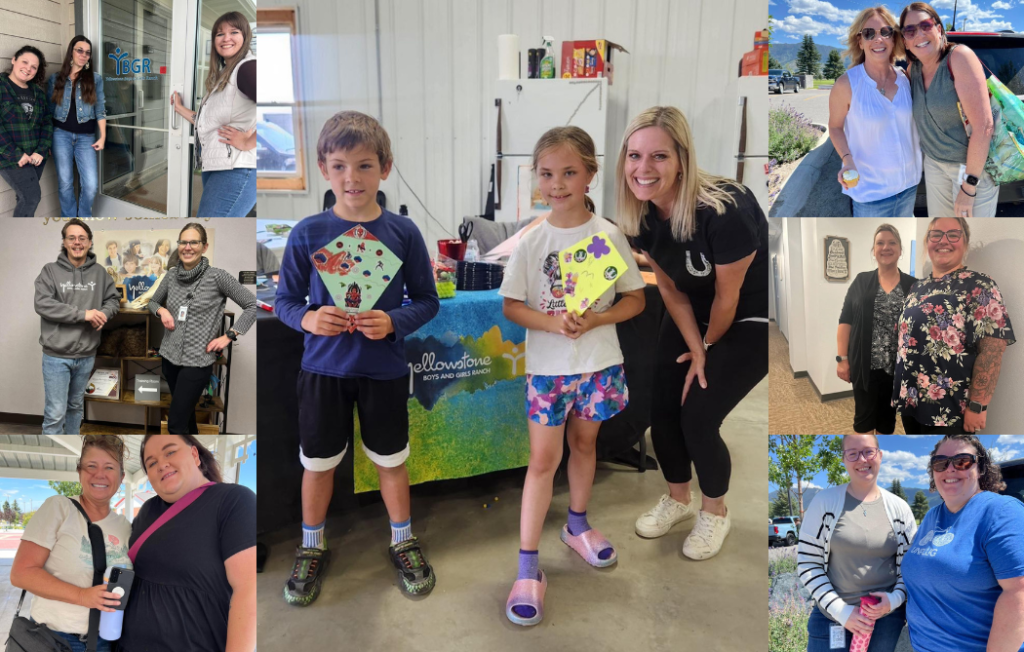
When it comes to Montana youth mental health, one year can change everything. For kids and families across the state, it’s meant more access to care, more stability, and more hope.
This month marks one year since Youth Dynamics (YDI) joined Yellowstone Boys and Girls Ranch (YBGR)—a partnership grounded in compassion, collaboration, and commitment to strengthening the continuum of care for youth and families. Together, we’ve expanded our reach, unified our systems, and built a stronger foundation for healing across Montana.
Expanding Reach and Impact
In the past year, our team of over 740 caring people across YBGR and Yellowstone Academy has made a measurable difference. We’ve seen a 46% increase in youth served through therapeutic group homes, giving more kids a safe, supportive place to heal and grow.
These homes are more than programs—they’re communities where young people build relationships, rediscover purpose, and gain the skills they need for a successful future. This growth reflects not only increased capacity but the heart of our shared mission: helping kids and families thrive close to home.
Strengthening Systems That Support Care
Behind each success is a focus on stewardship and connection. Over the past year, YBGR has implemented streamlined systems that enhance how we work, communicate, and support one another. These improvements allow teams to spend more time where it matters most—caring for youth and families.
Together, we’re building a stronger, more responsive behavioral health system—one that ensures kids receive the right care, at the right time, close to home.
Stay Connected
Stay tuned to our news updates for the latest from across Montana, and follow us on social media. You can find us on LinkedIn at Yellowstone Boys and Girls Ranch, Instagram at @ybgr_cares, and Facebook at Yellowstone Boys and Girls Ranch and YBGR.
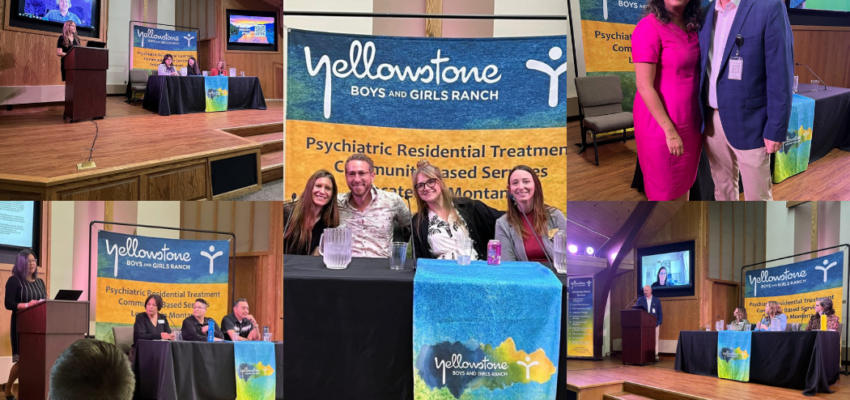
Leaders Unite to Strengthen Care for Kids at the Yellowstone Conference
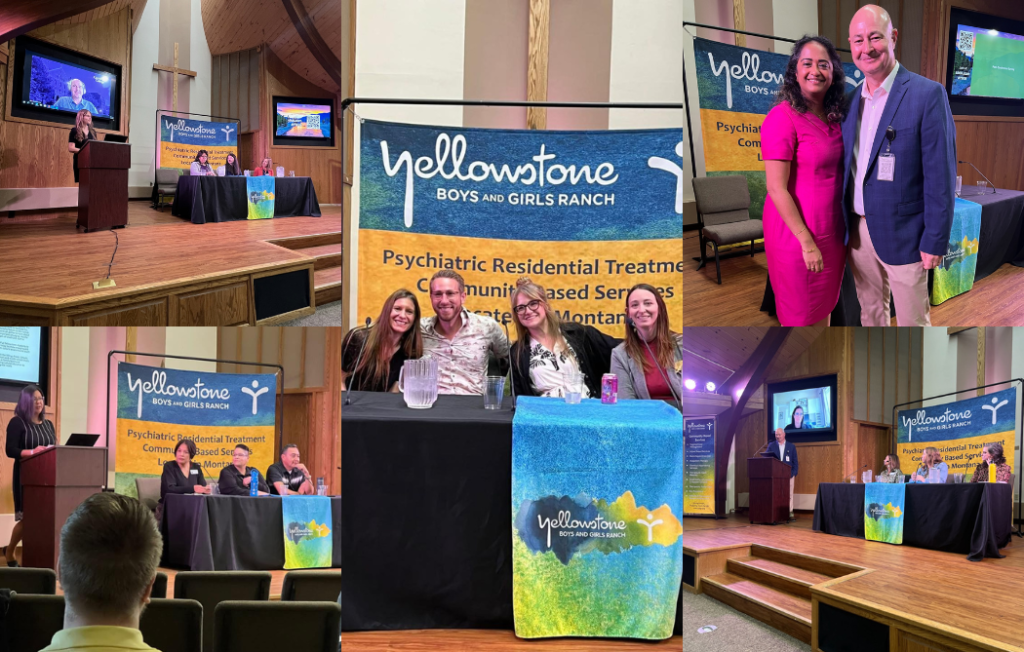
What moves the needle for kids? At this year’s Yellowstone Conference, the answer was clear—we are stronger together.
Under the theme “Stronger Together: Building Strategic Partnerships for Lasting Impact,” leaders from across Montana’s behavioral health, education, and nonprofit sectors gathered to share expertise, strengthen relationships, and explore collaborative solutions that reach beyond any one organization.
The conversations weren’t just inspiring—they were practical, thoughtful, and rooted in action. Every discussion pointed to one truth: lasting change happens when we work side by side.
The takeaway was simple but powerful: none of us can do this alone. Together, we can move the needle in ways that change lives for Montana kids and families.
Building Stronger Systems of Care
Throughout the day, panel discussions highlighted how connection, trust, and shared goals lead to stronger, more resilient systems of care. From deepening partnerships with Native communities to strengthening Montana’s behavioral health workforce, each session emphasized collaboration as the foundation of progress.
These exchanges moved beyond theory to what works in practice: aligning systems, listening to communities, and ensuring kids receive the right care, at the right time, in the right place.
Thank You to Our Yellowstone Conference Participants
Much gratitude to every speaker who brought their expertise, insight, and leadership to this year’s conference. Your voices shaped meaningful dialogue and drove forward a shared vision for Montana’s youth.
Panelists included:
- Clint Valandra – Indigenous Education Coordinator, Billings Public Schools
- Charlene “Charli” Sleeper – Founder, MMIP Billings Advocacy Project; Mental Health Worker, Yellowstone Boys and Girls Ranch
- Sunny Day Real Bird – Director of American Indian Outreach, Montana State University Billings
- David R. Blaine – CEO, Crow Times Youth and Elder Works
- James C. Petrovich, PhD, MSW – Professor & Department Chair; Founding Director, Master of Social Work Program, Carroll College
- Kate Chapin, MSW, LCSW – Executive Director, Center for Children, Families, and Workforce Development, University of Montana
- Becky Lyons, EdD – Director of Career & Employment Services, Montana State University Billings
- Jen Chancellor, MBA – University Development Counselor, Grand Canyon University
- Matt Leavenworth, PhD, LCPC – Founder, Pay Love Forward; Vice Chair, Yellowstone County Suicide Prevention Coalition
- Nina Hernandez – Executive Director, Friends of the Children – Eastern Montana; Nonprofit Leader & Consultant
- Dennis Sulser, EdD – Retired CEO, Youth Dynamics; 40-Year Education & Healthcare Leader
- Sarah Music – Director of Coordinated School Health, Montana Office of Public Instruction
- Sierra Riesberg – Social Services & Behavioral Health Systems Leader
- Erika Purington, MS – CEO, Allies in Aging; Leadership Coach & Nonprofit Executive
- Meghan Peel – Interim Division Administrator, Behavioral Health & Developmental Disabilities Division, Montana DPHHS
- Kirsten Smith, MPA, PMP – Principal, Bloom Consulting, LLC
Keynote Speaker:
- Mohini Venkatesh – Chief of Staff, National Council for Mental Wellbeing
We’re grateful for your time and contribution to advancing collaborative care for youth and families across Montana.
Learn More: Meet our Yellowstone Conference panelists and keynote speaker, Mohini Venkatesh.
Thanking Our Sponsors
Special thanks to our conference sponsors, Grand Canyon University and Love INC–Yellowstone County, for helping make this event possible and for their commitment to strengthening Montana’s systems of care.
Moving Forward
The Yellowstone Conference reaffirmed a collective belief: progress happens when people work together. Across every discussion, one message stood out — collaboration builds the foundation for lasting impact.
Together, we’re creating opportunities, strengthening relationships, and preparing youth for life.
Stay Connected
Stay tuned to our news updates for the latest from across Montana, and follow us on social media. You can find us on LinkedIn at Yellowstone Boys and Girls Ranch, Instagram at @ybgr_cares, and Facebook at Yellowstone Boys and Girls Ranch and YBGR.

Mohini Venkatesh, MPH, Chief of Staff of the National Council for Mental Wellbeing | Yellowstone Conference 2025

Keynote Speaker
Mohini Venkatesh, MPH, joined the National Council in 2007, serving in numerous positions leading quality improvement, workforce, consulting, and business development initiatives before assuming her newly established role as chief of staff within the Office of the CEO in October 2022. A connector of people, ideas, and initiatives, she works closely with the CEO, board of directors, and other leadership in navigating the National Council’s growth and internal changes to better position its impact against its mission and strategic goals.
By building connections with the National Council’s membership over several years, she has seen the impact of those working to improve mental wellbeing and the escalating challenges they face, such as workforce shortages and social determinants impacting access to care. Inspired by the resolve of others to do good, she strives for the National Council — alongside its members — to positively influence the lives of people in the U.S. with mental health and substance use challenges to ensure access to care when and where they need it. She believes in the organization’s vision for the future and using every means possible — policy, training and education; a vast and diverse network; and more — to develop greater understanding of the challenges surrounding mental health and substance use treatment and promote solutions of impact.
Venkatesh’s career has also included work at a hospital-based psychiatric unit, several social service nonprofit organizations, and a state association advocating for community mental health and substance use services. She received her master’s degree in public health from Yale University and her bachelor’s degree in psychology from the University of Massachusetts-Amherst.
Mohini Venkatesh’s Role at the 2025 Yellowstone Conference
As keynote speaker, Mohini Venkatesh will headline the 2025 Yellowstone Conference with the theme Stronger Together: Building Strategic Partnerships for Lasting Impact, highlighting how cross-sector collaboration fuels sustainable change.
More About the Yellowstone Conference
Visit our Yellowstone Conference event page to learn more and register.
Kirsten Smith, MPA, PMP, Principal, Bloom Consulting, LLC | Yellowstone Conference 2025
Panelist | Bridging Sectors, Building Futures
Kirsten Smith is Bloom Consulting, LLC’s principal. She has over 13 years of experience working with state and local clients on a wide range of projects. Kirsten is a project manager, researcher, facilitator, writer, and evaluator. She enjoys and has deep experience working with diverse clients and topics.
Kirsten is trained as a facilitator and strategic planner using methods developed by the Institute of Cultural Affairs. She is also a certified Project Management Professional through the Project Management Institute. She holds a Master of Public Affairs from the LBJ School of Public Affairs and a Master of Arts in Russian, East European, and Eurasian Studies from the University of Texas at Austin.
Kirsten is also an active community member, volunteering as a:
- Court Appointed Special Advocate (CASA) for children in the Child Protective Services system
- Fundraiser, instructor, and previous board member for the Montana Ballet Company
Kirsten Smith’s Role at the 2025 Yellowstone Conference
At the 2025 Yellowstone Conference, Kirsten Smith will join the Bridging Sectors, Building Futures panel, where she’ll share her expertise in public-private partnerships for sustainable change.
More About the Yellowstone Conference
Visit our Yellowstone Conference event page to learn more and register.
Meghan Peel, Interim Division Administrator, Behavioral Health & Developmental Disabilities Division, Montana DPHHS | Yellowstone Conference 2025
Panelist | Bridging Sectors, Building Futures
Meghan Peel is currently the Interim Division Administrator of the Behavioral Health and Developmental Disabilities Division at the Montana Department of Public Health and Human Services (DPHHS). Meghan has also served as the Deputy Division Administrator of BHDD and Director of the Children’s Mental Health Bureau within DPHHS.
Prior to joining DPHHS, she managed the CHIP program and was part of the implementation and operations team for Medicaid Expansion. During her tenure with the department, she has focused on working closely with providers and stakeholders to evaluate and improve services within the continuum of care.
Additionally, Meghan holds a degree in Business Accounting and worked in both public and private accounting for seven years prior to joining DPHHS.
Meghan Peel’s Role at the 2025 Yellowstone Conference
At the 2025 Yellowstone Conference, Meghan Peel will join the Bridging Sectors, Building Futures panel, where she’ll share her expertise in public-private partnerships for sustainable change.
More About the Yellowstone Conference
Visit our Yellowstone Conference event page to learn more and register.
Matt Bugni, CEO, AWARE | Yellowstone Conference 2025
Panelist | Bridging Sectors, Building Futures
Matt Bugni joined AWARE in January of 2011, performing various leadership and business development roles prior to becoming AWARE’s Chief Executive Officer in November of 2018.
He pursued his undergraduate education at St. John’s University in Minnesota before returning to Montana. Prior to his time at AWARE, Matt worked as a direct support professional for a psychiatric hospital; he also performed budgeting and finance roles for the State of Montana in the Governor’s Budget Office and Department of Public Health and Human Services.
Matt is a passionate advocate for community-based disability services. Matt and his wife, Katy, have four adult sons of whom they are immensely proud. Matt and Katy’s family has diverse ethnicities and disabilities which drives their passions to be constant learners and active participants in our communities.
Matt is a Montana native. He enjoys daily hikes with his wife, hunting, mountain biking, listening to and playing music, and traveling around the world.
Matt Bugni’s Role at the 2025 Yellowstone Conference
At the 2025 Yellowstone Conference, Matt Bugni will join the Bridging Sectors, Building Futures panel, where he’ll share his expertise in public-private partnerships for sustainable change.
More About the Yellowstone Conference
Visit our Yellowstone Conference event page to learn more and register.
Erika Purington, MS, CEO, Allies in Aging; Leadership Coach & Nonprofit Executive | Yellowstone Conference 2025
Panelist | Bridging Sectors, Building Futures
Erika Purington is a dynamic leader, coach, and changemaker whose career spans nonprofit leadership, executive coaching, and community transformation. Based in Billings, she currently serves as CEO of Allies in Aging: Senior Services, Lifelong Support, where she led the bold merger of two senior service agencies into a unified, future-focused organization.
With a master’s in Rehabilitation and Mental Health Counseling from Montana State University Billings, Erika has held executive roles across youth, family, and senior service organizations—including Tumbleweed, STEP, and Girl Scouts of Montana & Wyoming. She also founded SheLeads and EW Coaching & Consulting, helping leaders and teams thrive.
A certified Presence-Based Leadership Coach, Erika is known for blending empathy and accountability—her “superpower”—to inspire transformation. She is a sought-after keynote speaker and facilitator, offering audiences fresh perspectives, humor, and practical tools for leading through complexity and change.
Erika Purington’s Role at the 2025 Yellowstone Conference
At the 2025 Yellowstone Conference, Erika Purington will join the Bridging Sectors, Building Futures panel, where she’ll share her expertise in public-private partnerships for sustainable change.
More About the Yellowstone Conference
Visit our Yellowstone Conference event page to learn more and register.
Sierra Riesberg, Social Services & Behavioral Health Systems Leader | Yellowstone Conference 2025
Panelist | Bridging Sectors, Building Futures
Sierra Riesberg has over 10 years of experience in the social services field, working in both rural and urban communities, as well as within behavioral health, intellectual/developmental, and aging populations.
She is a systems-level thinker and wants to break down barriers for anyone who needs to access services, as well as barriers for service providers to be able to deliver the services that community members need.
Additionally, she believes that complex problems cannot be solved by one person or one agency alone; unique perspectives and collaboration are key to the progression and development of our social services system.
Sierra Riesberg’s Role at the 2025 Yellowstone Conference
At the 2025 Yellowstone Conference, Sierra Riesberg will join the Bridging Sectors, Building Futures panel, where she’ll share her expertise in public-private partnerships for sustainable change.
More About the Yellowstone Conference
Visit our Yellowstone Conference event page to learn more and register.
Mike Chavers, MA, CEO | Yellowstone Conference 2025
Moderator | Bridging Sectors, Building Futures
Mike Chavers joined YBGR in August of 2016 as the Chief Executive Officer. Born and raised in Idaho, Chavers pursued his education and career in Illinois. Before moving to Montana, he worked at Indian Oaks Academy, Nexus, for 22 years. Most recently, he served as the Executive Director of the organization.
Chavers holds a Master of Arts in Counseling from Olivet Nazarene University and a Bachelor of Arts in Communications from the Moody Bible Institute. He is a fellow at Georgetown University’s Center for Juvenile Justice Reform.
Mike is married to Michelle. They have three daughters—Caroline, Olivia, and Chloe. Besides spending time with his family, Mike enjoys fishing, the outdoors, and supporting the arts, particularly live music.
Mike Chavers’ Role at the 2025 Yellowstone Conference
At this year’s Yellowstone Conference, Mike Chavers will moderate the “Bridging Sectors, Building Futures” panel, where he’ll lead a discussion on public-private partnerships for sustainable change.
More About the Yellowstone Conference
Visit our Yellowstone Conference event page to learn more and register.
Sarah Music, Director of Coordinated School Health, Montana Office of Public Instruction | Yellowstone Conference 2025
Panelist | Mission-Driven Collaboration
Sarah Music is the Director of Coordinated School Health at the Montana Office of Public Instruction. With a decade of experience in public health, her work has focused on crucial areas like mental health, suicide prevention, youth resiliency, and substance misuse.
In her current role, she advances initiatives in school safety, mental health, tobacco prevention, and high-quality afterschool programs.
In her free time, she enjoys spending time with her family, golfing, hiking, and playing board games.
Sarah Music’s Role at the 2025 Yellowstone Conference
At the 2025 Yellowstone Conference, Sarah Music will join the Mission-Driven Collaboration panel, where she’ll share her expertise in uniting youth-serving organizations for greater reach.
More About the Yellowstone Conference
Visit our Yellowstone Conference event page to learn more and register.
Dennis Sulser, EdD, Retired CEO, Youth Dynamics; 40-Year Education & Healthcare Leader | Yellowstone Conference 2025
Panelist | Mission-Driven Collaboration
Dennis Sulser recently retired after more than four decades of service in education and healthcare. He spent 27 years as a high school teacher and administrator before moving into healthcare leadership, serving as a pediatric clinic administrator, CEO of a development office, and ultimately CEO of Youth Dynamics, where he guided the organization through its partnership with Yellowstone Boys and Girls Ranch.
Dennis earned his undergraduate degree in education from Dickinson State University, a master’s degree in education from the University of Montana, and an Educational Doctorate from Montana State University.
In retirement, he enjoys small construction projects, riding his motorcycle, and reading. He and his wife, Valerie, are parents of three adult children: Maisie, Randi, and Sydney.
Dennis Sulser’s Role at the 2025 Yellowstone Conference
At the 2025 Yellowstone Conference, Dennis Sulser will join the Mission-Driven Collaboration panel, where he’ll share his expertise in uniting youth-serving organizations for greater reach.
More About the Yellowstone Conference
Visit our Yellowstone Conference event page to learn more and register.
Nina Hernandez, Executive Director, Friends of the Children – Eastern Montana; Nonprofit Leader & Consultant | Yellowstone Conference 2025
Panelist | Mission-Driven Collaboration
Nina Hernandez’s background is in philanthropy, business, and program development in the nonprofit sector. She campaigned for large nonprofits in Texas and Montana, such as the Cystic Fibrosis Foundation in Dallas.
Her Montana roots brought her back to Billings after she and her husband adopted their first child. In Billings, she worked as the Executive Director for the American Heart Association, as the Development Director for Youth Dynamics, and as a consultant primarily working with nonprofit boards and executives.
She is the founding Executive Director of Friends of the Children – Eastern Montana chapter, the community’s first and only long-term, professional mentoring program for children.
Nina is an avid reader (with a degree in English from the University of North Texas) and enjoys skiing, hiking, bicycling, and front-porching with her kids, husband, and dogs.
Nina Hernandez’s Role at the 2025 Yellowstone Conference
At the 2025 Yellowstone Conference, Nina Hernandez will join the Mission-Driven Collaboration panel, where she’ll share her expertise in uniting youth-serving organizations for greater reach.
More About the Yellowstone Conference
Visit our Yellowstone Conference event page to learn more and register.
Matt Leavenworth, PhD, LCPC, Founder, Pay Love Forward; Vice Chair, Yellowstone County Suicide Prevention Coalition | Yellowstone Conference 2025
Panelist | Mission-Driven Collaboration
Matt Leavenworth is a licensed mental health counselor and the founder of Pay Love Forward, a nonprofit dedicated to building compassionate communities for at-risk and underserved youth through a mentoring model. Based in Billings, Montana, he serves as vice chair of the Yellowstone County Suicide Prevention Coalition and chairs the county’s Mentoring Work Group, where he helps lead collaborative efforts across schools, nonprofits, and community organizations.
Matt holds a PhD in Counselor Education and Supervision and is a certified mentor-coach. He has spent more than a decade designing trauma-informed programs that bridge mental health, leadership, and community resilience. He is also an author and storyteller, with several published works, including To Leap off the Dock, a collection of poems rooted in the healing process of counseling.
Outside of his professional work, Matthew is a father, climber, fly fisherman, and advocate for creative leadership shaped by empathy, imagination, and interconnection.
Matt Leavenworth’s Role at the 2025 Yellowstone Conference
At the 2025 Yellowstone Conference, Matt Leavenworth will join the Mission-Driven Collaboration panel, where he’ll share his expertise in uniting youth-serving organizations for greater reach.
More About the Yellowstone Conference
Visit our Yellowstone Conference event page to learn more and register.
Katie Gerten, MBA, Marketing & Communications Director | Yellowstone Conference 2025
Moderator | Mission-Driven Collaboration
As Marketing and Communications Director at Yellowstone Boys and Girls Ranch (YBGR), Katie Gerten drives the organization’s voice, breathing life into its mission and amplifying its vision. She guided communications through the 2024 unification of YBGR and Youth Dynamics, working alongside a team of leaders to bring together two of Montana’s largest nonprofits to expand access to care and strengthen outcomes for kids.
Katie began her journey in children’s behavioral health in 2013 and has more than a decade of experience in the field, spanning leadership roles in marketing, communications, and program development.
She holds a Bachelor of Arts in Psychology, a Bachelor of Social Work, and a Master of Business Administration from the University of Montana. Katie is passionate about sharing YBGR’s mission, Caring People, Preparing Youth for Life, and often says, “The work we do with kids will be carried with them for a lifetime, echoing through future generations.”
In her free time, Katie enjoys working outdoors and spending time with her family.
Katie Gerten’s Role at the 2025 Yellowstone Conference
At this year’s Yellowstone Conference, Katie Gerten will moderate the “Mission-Driven Collaboration” panel, where she’ll lead a discussion on uniting youth-serving organizations for greater reach.
More About the Yellowstone Conference
Visit our Yellowstone Conference event page to learn more and register.
Jen Chancellor, MBA, University Development Counselor, Grand Canyon University | Yellowstone Conference 2025
Panelist | Empowering Excellence
Jen Chancellor, MBA, never imagined her dream of staying connected to college would become a lifelong calling—yet it did. With over 21 years of experience in higher education, including 14 years of dedicated service at Grand Canyon University, Jen has turned her passion into purpose.
Driven by a belief in the transformative power of education, Jen works tirelessly to help individuals unlock their potential. She understands that misconceptions about college can hold people back. Be it affordability, accessibility, or relevance, she and her team are committed to debunking myths and guiding individuals through the maze of academic options.
Whether someone has prior college credits or is starting from scratch, Jen’s team provides clear, personalized degree plans tailored to each person’s goals. With team members based in Missoula, Bozeman, Kalispell, Great Falls, and Billings, they offer one-on-one support to help individuals apply existing credits, navigate admissions, and build achievable educational pathways.
Jen’s mission is simple but powerful: to show that education isn’t just about earning a degree—it’s about changing lives.
Jen Chancellor’s Role at the 2025 Yellowstone Conference
At the 2025 Yellowstone Conference, Jen Chancellor will join the Empowering Excellence panel, where she’ll share her expertise in strengthening workforce development through higher education partnerships.
More About the Yellowstone Conference
Visit our Yellowstone Conference event page to learn more and register.
Becky Lyons, EdD, Director of Career & Employment Services, Montana State University Billings | Yellowstone Conference 2025
Panelist | Empowering Excellence
Hello! My name is Becky Lyons, and I serve as the Director of Career & Employment Services at Montana State University Billings. I am originally from a small town in western New York. This means I grew up a Buffalo Bills fan and will always be a huge Bills fan. Go Bills!
While pursuing my B.A. degree in communications at the State University of New York in Plattsburgh, I would spend my summers in Colorado working on a ranch. I knew at that time that I wanted to live in the West. After graduating with my bachelor’s degree, I packed my car and headed west to Montana State University Billings. I told my family that I would be in Montana for just a couple of years. Twenty-two years later, I am proud to still call Billings my home and now raise my own family here.
I earned a Master of Science in Public Relations from MSUB, and then I earned my Doctor of Education degree from MSU Bozeman. I started working at MSU Billings in 2004 as an Academic Advisor. Over the course of 21 years, I have primarily served in leadership roles in the Advising and Career Services areas. In addition to the director roles in Advising and Career Services, I have also overseen programs at MSUB such as orientation, first-year seminar, international studies, and academic support services.
Being the Director of Career & Employment Services at MSUB is my absolute dream job. In my role, I help support students on their career path. Knowing I can help a student connect with the next opportunity on their journey is what inspires me to do what I do every day.
Becky Lyons’ Role at the 2025 Yellowstone Conference
At the 2025 Yellowstone Conference, Becky Lyons will join the Empowering Excellence panel, where she’ll share her expertise in strengthening workforce development through higher education partnerships.
More About the Yellowstone Conference
Visit our Yellowstone Conference event page to learn more and register.
Kate Chapin, MSW, LCSW, Executive Director, Center for Children, Families, and Workforce Development, University of Montana | Yellowstone Conference 2025
Panelist | Empowering Excellence
Kate Chapin, MSW, LCSW, is a social worker, educator, and leader dedicated to strengthening communities through collaboration and innovation. She serves as Executive Director of the University of Montana’s Center for Children, Families, and Workforce Development, where she works alongside a dedicated team of educators, social workers, and public health professionals to support Montana’s systems of care through workforce development, training, research, and technical assistance.
Kate’s background spans clinical practice, academic leadership, workforce development, and program evaluation. She has contributed to statewide and national initiatives, including serving as lead evaluator for the Zero Suicide in Health Systems Implementation grant and the PAX Good Behavior Game. Before her current role, she was the Director of Field Education and Clinical Faculty at the University of Montana School of Social Work and held clinical and administrative roles in nonprofit and healthcare settings.
Kate approaches her work as a lifelong learner and values the partnerships that make meaningful change possible. She’s grateful for the opportunity to contribute to efforts that improve outcomes for children, families, and communities across Montana.
Kate Chapin’s Role at the 2025 Yellowstone Conference
At the 2025 Yellowstone Conference, Kate Chapin will join the Empowering Excellence panel, where she’ll share her expertise in strengthening workforce development through higher education partnerships.
More About the Yellowstone Conference
Visit our Yellowstone Conference event page to learn more and register.
James C. Petrovich, PhD, MSW, Professor & Department Chair; Founding Director, Master of Social Work Program, Carroll College | Yellowstone Conference 2025
Panelist | Empowering Excellence
James C. Petrovich, PhD, MSW, is a seasoned social work educator, administrator, and researcher with more than two decades of experience in clinical practice, higher education leadership, and applied research.
He currently serves as Professor, Department Chair, and Founding Director of the Master of Social Work program at Carroll College in Helena, Montana. Dr. Petrovich’s academic and professional career has focused on advancing trauma-informed care, housing justice, and the well-being of people experiencing homelessness.
He has authored over 20 peer-reviewed publications and numerous community-based reports and evaluations. A dedicated mentor and collaborative leader, he brings a deep commitment to equity, community engagement, and interdisciplinary innovation in social work education and practice.
James C. Petrovich’s Role at the 2025 Yellowstone Conference
At the 2025 Yellowstone Conference, James C. Petrovich will join the Empowering Excellence panel, where he’ll share his expertise in strengthening workforce development through higher education partnerships.
More About the Yellowstone Conference
Visit our Yellowstone Conference event page to learn more and register.
Kristin Thompson, Associate Director of Human Resources | Yellowstone Conference 2025
Moderator | Empowering Excellence
Kristin Thompson began her career at Youth Dynamics while in college, gaining early fieldwork experience that sparked her dedication to serving youth and families. Over the years, she held a variety of clinical and administrative roles that shaped her professional path and commitment to mission-driven work.
In October 2024, during the coming together of Youth Dynamics and Yellowstone Boys and Girls Ranch, Kristin transitioned into the role of Associate Director of Human Resources at YBGR. The connection to the mission that first inspired her continues to guide her work in this new chapter, carrying forward her deep commitment to supporting staff and strengthening the organization’s ability to serve youth and families.
Kristin holds a Bachelor’s Degree in Psychology from Montana State University and is a SHRM-CP certified professional.
Kristin Thompson’s Role at the 2025 Yellowstone Conference
At this year’s Yellowstone Conference, Kristin Thompson will moderate the “Empowering Excellence” panel, where she’ll lead a discussion on strengthening workforce development through higher education partnerships.
More About the Yellowstone Conference
Visit our Yellowstone Conference event page to learn more and register.
David R. Blaine, CEO, Crow Times Youth and Elder Works | Yellowstone Conference 2025
Panelist | Strengthening Native American Partnerships
David R. Blaine, “Whistles Good,” is a name given to him by his grandfather. David had an outspoken demeanor as a child, and his grandfather recognized early on that his words would carry far, much like the sound of an eagle’s whistle.
David grew up in Bismarck, North Dakota, and attended high school in Solen/Cannon Ball, North Dakota. In 2015, he returned to his home in Crow Country. He serves as the CEO of Crow Times Youth and Elder Works and is the sole proprietor of Crow Times. Additionally, he holds the position of President at the Mighty Few Community Development and freelances for the Missing and Murdered Indigenous People initiative.
David has organized numerous youth projects, with the Movie in the Parks series being particularly notable for his local communities. He is a dedicated volunteer and maintains a non-partisan stance, promoting community unity—a strong community run by the community.
After facing challenges in finding property in Lodge Grass, he has successfully acquired a location and is now working on establishing a community center for youth and elders.
David R. Blaine’s Role at the 2025 Yellowstone Conference
At the 2025 Yellowstone Conference, David R. Blaine will join the Strengthening Native American Partnerships panel, where he’ll share his expertise in leveraging community partnerships for collective impact.
More About the Yellowstone Conference
Visit our Yellowstone Conference event page to learn more and register.
Sunny Day Real Bird, Director of American Indian Outreach, Montana State University | Yellowstone Conference 2025
Panelist | Strengthening Native American Partnerships
Sunny Day Real Bird, Akbaaiiwishe-Itchish (Raises Good Children), serves as the Director of American Indian Outreach at Montana State University Billings (MSUB). She is an enrolled member of the Apsáalooke (Crow) Nation and a Gros Ventre descendant. Sunny brings over 15 years of experience in teaching, administration, and advocacy for Native student success across K–12 and higher education.
She holds a Master’s in Educational Leadership from Montana State University Bozeman, a Master’s in Education: Curriculum and Teaching (Secondary Mathematics) from the University of Oregon, and a Bachelor’s in Elementary Education with a Mathematics minor from MSU Billings. She is licensed in Montana to teach both elementary education and secondary mathematics.
Before her role at MSUB, Sunny taught mathematics at Ronan Middle School, where she was also selected as Educator of the Year by the Confederated Salish and Kootenai Education Committee. She later served as the Director of Indian Education for Ronan School District, where she secured major grants, created new partnerships, and raised graduation and attendance rates for Native students. Her teaching career has included positions at Riverside Indian School, Northern Cheyenne Tribal School, St. Labre Indian School, and St. Charles Mission School.
At MSUB, Sunny provides advocacy and support for Native students, leads outreach and retention efforts, and forges partnerships with tribal colleges, communities, and schools. She is active in multiple statewide initiatives, including the American Indian Minority Achievement Council, the City of Billings Chamber Advisory Board, and the Crow Language Club.
Sunny’s leadership and service have been recognized widely, including the University of Oregon’s 2022 Sapsik’ʷałá Outstanding Community Service Award. She is deeply committed to data-driven, culturally responsive education and to strengthening opportunities for Native students.
Sunny Day Real Bird’s Role at the 2025 Yellowstone Conference
At the 2025 Yellowstone Conference, Sunny Day Real Bird will join the Strengthening Native American Partnerships panel, where she’ll share her expertise in leveraging community partnerships for collective impact.
More About the Yellowstone Conference
Visit our Yellowstone Conference event page to learn more and register.
Charli Sleeper, Founder, MMIP Billings Advocacy Project | Yellowstone Conference 2025
Panelist | Strengthening Native American Partnerships
Charlene “Charli” Sleeper is a Billings-based Missing & Murdered Indigenous Peoples (MMIP) advocate and mental health worker at Yellowstone Boys & Girls Ranch (YBGR). Their Indigenous name is Axpe Hisshe Bia (Red Eagle Fan Woman). They are a descendant of the Crow Tribe and Chippewa-Cree Tribe and are enrolled in the Southern Cheyenne & Arapahoe Tribes of Oklahoma.
Inspired by the 2018 Billings Women’s March, which highlighted the Missing & Murdered Indigenous Women’s (MMIW) Movement, Charlene began researching the scope of the MMIW crisis. That same year, eastern Montana experienced several high-profile missing juvenile cases. As a grassroots response—with an emphasis on the safe recovery of missing juveniles—Charlene developed the Missing & Murdered Indigenous Peoples Billings Advocacy Project (MMIP Billings). The group provides a range of volunteer services, including: sharing missing persons information with the public, supporting MMIP victim families, consulting on contributing issues, promoting MMIP resource information, and coordinating nonprofit fundraising. MMIP Billings also organizes and collaborates on awareness, intervention, and prevention projects.
Charli’s grassroots work spans tribal, local, state, and federal levels. They have supported Montana’s MMIP policy work since 2019, provided homicide and missing persons field observations to the FBI, and testified to both the Trump Administration’s Operation Lady Justice and the Biden Administration’s Not Invisible Act Commission. In 2025, MMIP Billings’ focus is on the intersection between human trafficking, missing persons, and homicides.
At YBGR, Charli notes that youth are at the highest risk for becoming missing juveniles, domestic violence-related homicide victims, and/or victims of human trafficking. They are grateful for the support found at YBGR, which has enabled the continuation of youth-specific MMIP prevention projects tailored to serve all youth in care.
Charli Sleeper’s Role at the 2025 Yellowstone Conference
At the 2025 Yellowstone Conference, Charli Sleeper will join the Strengthening Native American Partnerships panel, where they’ll share their expertise in leveraging community partnerships for collective impact.
More About the Yellowstone Conference
Visit our Yellowstone Conference event page to learn more and register.
Clint Valandra, Indigenous Education Coordinator, Billings Public Schools | Yellowstone Conference 2025
Panelist | Strengthening Native American Partnerships Panel
Clint Valandra, “Crow Feather,” a name given to him by his Lakota grandmother to commemorate his great-grandfather’s feat, is of Blackfeet and Lakota descent, with French and Irish roots. Born in Rosebud, South Dakota, and raised in Browning, Montana, he grew up as one of ten siblings.
His education began at Cut Bank Boarding School and continued through earning a bachelor’s degree from Troy University.
In 2023, he established Willow Creek Productions to provide cultural presentations and training in traditional games for youth and adults, demonstrating his dedication to preserving Indigenous traditions and educating others.
Clint has served as the Indigenous Education Coordinator for Billings Public Schools at Skyview High School for the last 15 years. He has become a vital source of strength by advocating for and promoting Indigenous perspectives. Through his work, he inspires students to honor their heritage while embracing their futures. Additionally, he plays a key role in facilitating the Elk River Tribal Youth Council.
Clint Valandra’s Role at the 2025 Yellowstone Conference
At the 2025 Yellowstone Conference, Clint Valandra will join the Strengthening Native American Partnerships panel, where he’ll share his expertise in leveraging community partnerships for collective impact.
More About the Yellowstone Conference
Visit our Yellowstone Conference event page to learn more and register.
Josie Brady, Native American Services Coordinator | Yellowstone Conference 2025
Moderator | Strengthening Native American Partnerships Panel
Named after her great-grandmother, Josephine Pine, a Northern Cheyenne tribal member, Josie Brady serves as the Native American Resource Coordinator at Yellowstone Boys and Girls Ranch. She works to create a supportive environment for Native American youth, focusing on cultural connection and engagement in treatment programming.
Josie has initiated a weekly Wellbriety talking circle to support those dealing with chemical dependency, collaborating with the chemical dependency team to facilitate the group. She also brought Mustang Nation to life—a club where Native American youth can gather to learn about their cultures and traditions. Josie incorporates smudging into the weekly schedule and encourages all youth and staff to participate.
She also worked with Yellowstone Academy staff to create an Indigenous garden and helps facilitate engaging, educational presentations that promote cultural awareness for both youth and staff.
Previously, Josie gained experience with Billings Public Schools, leading initiatives at the elementary and middle school levels. These included organizing events such as Family Night and Grandparents’ Night, as well as coordinating summer programs designed to bring cultural education to students across grade levels.
Josie Brady’s Role at the 2025 Yellowstone Conference
At this year’s Yellowstone Conference, Josie Brady will moderate the “Strengthening Native American Partnerships” panel, where she’ll lead a discussion on leveraging community partnerships for collective impact.
More About the Yellowstone Conference
Visit our Yellowstone Conference event page to learn more and register.
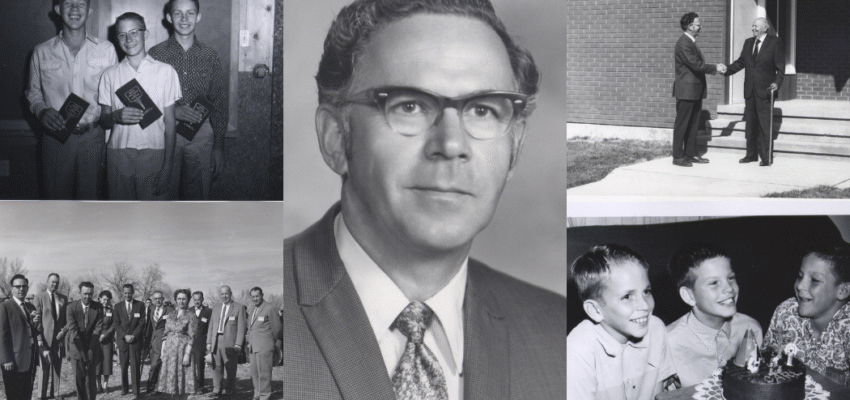
Remembering Franklin Robbie: The Heart Behind Yellowstone Boys and Girls Ranch
“It sure makes a difference when you know somebody cares.”
Those words guided Franklin LeRoy (Rabe) Robbie, founder of Yellowstone Boys and Girls Ranch, whose faith, compassion, and vision continue to shape the organization today.
Below is the story of Franklin Robbie—and how a life rooted in faith and resilience unfolded into a vision that gave birth to Yellowstone Boys and Girls Ranch (YBGR), a place where children could find structure, care, and belonging.
A Life Shaped by Faith and Resilience
Born on December 5, 1918, in Minneapolis, Franklin Robbie was the eldest of nine children to Rudolph and Leona Rabe. His father’s ministry led the family to move often—seven schools before graduation—and being left-handed in a right-handed world made learning even tougher. Yet through it all, Franklin’s resilience began to shine.
At fourteen, a ruptured appendix nearly took his life. An experimental treatment saved him, sparking a lifelong faith in God’s purpose. At fifteen, he made a personal commitment to Christ—a decision that became the compass for his life and work.
Soon after, at a church camp, he met Merle Middleton, who became his partner in life and ministry for nearly fifty years. Together they raised three children—Barbara, Wesley, and Kathy—and devoted their lives to helping others.
Franklin Robbie’s Call to Ministry
In 1948, Franklin Robbie moved his family to Montana to serve as pastor of Knees Community Church. There, he inspired his congregation to dedicate “God’s Acres,” where crops grown on donated land funded a parsonage. Within a year, a new home stood as a testament to faith, work, and community spirit.
Later, through Youth for Christ, Franklin began visiting correctional schools and meeting boys burdened by neglect and hardship—“little boys with big problems,” as he called them. Those encounters planted the seeds of what would become his life’s mission.
The Vision That Became Yellowstone Boys and Girls Ranch
In 1957, Franklin Robbie and Merle moved to Billings, Montana, to open Yellowstone Boys Ranch—a leap of faith born from conviction and compassion. With limited means but an unshakable belief in what was possible, they created a home where children could find love, structure, and belonging.
What began as one small home grew into Yellowstone Boys and Girls Ranch, an organization that has since touched tens of thousands of young lives across Montana and beyond.
Franklin Robbie’s ability to connect with people was unmatched—he drew in ranchers, business leaders, and neighbors, transforming them into lifelong supporters united by care and purpose.
A Legacy Beyond One Ranch
Franklin Robbie’s leadership extended far beyond Billings. Over three decades, he advised 23 child-care agencies nationwide, promoting financial stability through his “pay as we go” philosophy. His approach helped YBGR and other nonprofits remain strong, debt-free, and mission-focused.
Away from his work, Franklin Robbie was a husband, father, and friend who loved skiing, gardening, and woodworking. His home was filled with laughter, stories, and the joy of family. Even in his eighties, he lived with curiosity, creativity, and gratitude.
Love, Loss, and New Beginnings
In 1988, Franklin lost his beloved Merle to cancer after his own heart surgery. Her passing left a deep void, but her parting wish—that he find love again—brought new hope. He later married Peggy Oberweiser, whose warmth and care, along with her son Jonathan, renewed his joy in later life.
The Lasting Legacy of Franklin Robbie
Franklin Robbie’s proudest legacy wasn’t just the ranch he built—it was the lives he changed. From his own family to the thousands of youth who found healing and hope through YBGR, his life’s work continues to ripple through generations.
When Franklin Robbie passed away on March 21, 2014, at age 95, he left behind a story of faith, perseverance, and compassion that continues to guide YBGR’s mission today.
“It sure makes a difference when you know somebody cares.”
Because Franklin Robbie cared, generations have been forever changed—and his dream lives on each time a child finds hope, healing, and belonging at Yellowstone Boys and Girls Ranch.
Learn More About Our History
Visit our History page to explore the story—and the caring people—who gave birth to our mission. Their vision continues to touch the lives of thousands of youth across Montana and beyond each year.
Want to dive deeper? You can also find A Legacy of Caring, written by our founder, Franklin Robbie, on Amazon.
1956 Marked the Start. 1957 Made It Real. A Legacy of Caring Still Growing
Did you know June marked our 68th year of caring for kids?
In June of 1957, after purchasing the old O’Rourke Farm west of Billings, we welcomed the first child into our care—planting the roots of what would become Yellowstone Boys and Girls Ranch.
It all began with a bold response to injustice: At the time, young boys—some barely old enough to ride a bike—were being housed alongside adult criminals at the Montana State Industrial School. Franklin Robbie saw it and said, not on our watch. There has to be a better way.
What started as a safe haven soon grew into a therapeutic residential treatment center for youth.
A Legacy of Caring Takes Root
By the fall of 1973, we had already served 400 youth. In 1977, we began transitioning from long-term custodial care to short-term therapeutic treatment, launching our first Pilot Assessment and Treatment programs in Orth Lodge.
In June 1980, The Wrangler announced a historic milestone: the decision to admit girls to our Brekkeflat Assessment and Treatment Lodge. That edition also marked the first time we were referred to as Yellowstone Boys and Girls Ranch.
The 1990s brought another important step forward. We were approved by the State of Montana to pilot Medicaid reimbursement for Psychiatric Residential Treatment Services—ensuring access to critical care for youth with significant mental health needs.
And in 1999, we expanded into community-based services, stepping outside the walls of the Ranch to meet kids where they live, learn, and grow.
A Mission That Keeps Growing
In our first 14 months, we served just 14 youth.
Today, we reach thousands of kids annually through a full spectrum of mental health services—ranging from our Psychiatric Residential Treatment Facility (PRTF) in Billings, to therapeutic group homes in Boulder, Billings, Helena, and Great Falls, and community-based care that now touches nearly every corner of Montana.
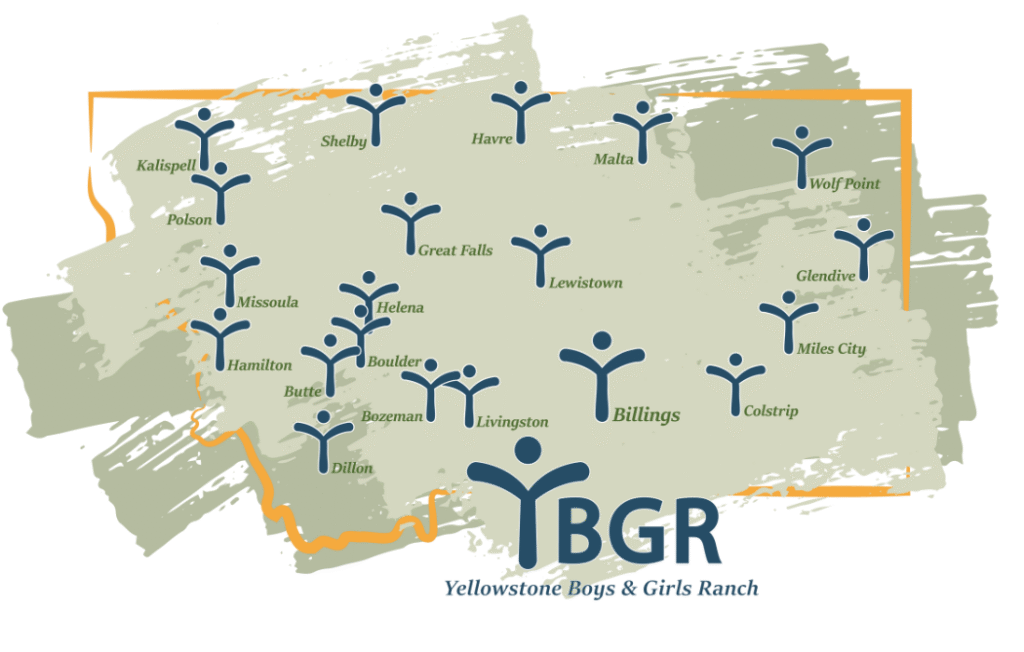
While our reach has grown, our heart has never changed: Caring people, preparing youth for life. We continue to show up for kids when it matters most.
Looking Back as We Look Ahead
Every September, we celebrate our beginnings—the moment we officially filed our Articles of Incorporation in 1956.
As we prepare for this year’s celebration, we’ll be sharing stories from our past and the legacy that continues to shape who we are today.
We invite you to join us on the journey.
Learn More About Our History
Visit our History page to explore the story—and the caring people—who gave birth to our mission. Their vision continues to touch the lives of thousands of youth across Montana and beyond each year.
Want to dive deeper? You can also find A Legacy of Caring, written by our founder, Franklin Robbie, on Amazon.

Saving Lives: Change Starts with Suicide Prevention Strategies

Suicide is a tragedy of epic proportions. To paint a picture, in 2023, 49,316 Americans took their own life. Overall, it’s the 10th leading cause of death in the United States and the 2nd for youth between the ages of 10 and 24.
September is Suicide Prevention Month, and we want to shed light on this critical topic because education saves lives. Today, we’re taking a deep dive into prevention strategies.
Addressing Suicide Through Systemwide Prevention
Preventing suicide requires more than individual action—it takes coordinated efforts across communities and systems. Below are key strategies that can make a life-saving difference.
Identify & Assist Persons at Risk
The first step in preventing suicide is to identify populations at risk. Then, educate the people who work with them on suicide warning signs and intervention strategies, so they’re empowered to save lives.
Breakdown Stigma
Data reflects 1 in 5 people struggle with their mental health. Yet, because of stigma, few will reach out for support. Sadly, 90% of those who complete suicide are grappling with mental health conditions at the time of their death.
Public awareness campaigns and education can reduce barriers to seeking treatment, ultimately helping individuals receive life-saving support.
Organizational Linkages & Seamless Transitional Care
There’s no question that when organizations communicate and work together to wrap around the people they serve, it equates to excellent client care. In essence, it serves as a buffer, ensuring no suicide warning signs are missed and that people move seamlessly between different levels of care.
Create Systems to Respond to People in Crisis
Putting systems in place for those in crisis is essential and is not limited to mental health. Everything from emergency shelters to food stamps, and of course, mental health crisis call centers play a critical hand in preventing suicide.
Encourage Social Connectedness
Social isolation is a significant risk factor for suicide. Thus, communities that create systems to foster social connections can significantly reduce risk. Free community events, volunteer programs, and support groups are all great ways to bring people together.
Together, We Can Save Lives
Suicide prevention isn’t just about one program or one conversation—it’s about building communities where no one falls through the cracks. When we dismantle stigma, strengthen support systems, and foster connection, we create the conditions where hope has a chance to grow.
Learn More: A Comprehensive Approach to Suicide Prevention
Want More Resources?
If you found this article helpful, check out the rest of our blog and follow us on social media. You can find us on LinkedIn at Yellowstone Boys and Girls Ranch, Instagram at @ybgr_cares, and Facebook at Yellowstone Boys and Girls Ranch and YBGR.

Beyond Medication: Practical Approaches for Depression and Suicidality in Clinical Practice

Join Montana Psychiatry & Brain Health Center in the exploration of innovative approaches to treating depression and suicidality at this continuing education event for mental health professionals at the Ranch.
Date & Time:
Wednesday, October 15th, 2025
5:30 – 7:30 PM MDT
Location:
Yellowstone Boys and Girls Ranch Chapel
1701 Ray of Hope Lane, Billings, MT 59106
Tickets:
This event is free to the public. Click here to get tickets.
More About the Event
When traditional interventions fall short, what’s next? Beyond Medication is a 1.5 CE Hour professional development event bringing together experts in psychiatry and counseling to explore practical, evidence-based strategies for depression and suicidality.
Attendees will:
- Learn practical skills for supporting clients in crisis
- Explore emerging alternatives such as ketamine therapy, TMS (transcranial magnetic stimulation), and psychedelic-assisted therapy
- Engage in an interactive panel discussion with leaders across the mental health field
CE Credit Information
This event offers 1.5 CE Hours, eligible for: LCSW, LAC, LCPC, LMFT, LMSW, LBSW, and CBHPSS
Why Attend?
With one in five adults in the U.S. experiencing a mental health condition each year, equipping providers with effective, innovative tools is more important than ever. Join us for an evening of collaboration, learning, and practical takeaways to strengthen mental health care and build resilient communities.
Event Sponsors
This event is proudly sponsored by:
- NASW Montana
- Charlie Health
- Yellowstone Boys and Girls Ranch
Want to Learn More?
View the event flyer online by clicking here.
Stay Connected
Stay tuned for the latest news and event updates from across Montana, and follow us on social media. You can find us on LinkedIn at Yellowstone Boys and Girls Ranch, Instagram at @ybgr_cares, and Facebook at Yellowstone Boys and Girls Ranch and YBGR.
Saving Lives: How to Help Suicide Survivors Heal
In the United States, roughly 135 people die by suicide every day. And for every life lost, countless others are left in the wake, making the magnitude of grief and loss at the hands of this tragedy astronomical.
September is Suicide Prevention Month. To honor it, we’re exploring the topic of suicide because education saves lives. Today, we’re taking a closer look at how to support suicide survivors.
Listen to the TED Talk below, where psychologist Erica Lennon brings attention to suicide and shares her experience of losing a client to it.
The truth is, nearly all of us have been affected by suicide. It’s a common tragedy that we don’t often speak openly about.
Intimate survivors are often riddled with guilt and complex feelings of grief, which makes navigating support all the more difficult for people closely involved.
What Sets Suicide Grief Apart from Other Losses
In addition to typical feelings associated with grief and loss, survivors of suicide often grapple with the following:
Stigma & Isolation
Talking about suicide can be challenging for survivors because of differing cultural and religious viewpoints, leading to conflicting emotions and difficulties navigating conversations on the topic.
Mixed Emotions
When death is by suicide, people often mourn the loss and hold intense feelings surrounding the circumstances of the death. Emotions such as anger and feelings of abandonment and rejection can all occur after a suicide, alongside positive feelings about the deceased. Sorting through all of these various emotions can make the healing process more challenging.
Needing to Understand Why
Searching to understand the circumstances of losing someone to suicide can lead to the question of “Why?” As a result, people may second-guess actions, hold feelings of guilt, and wonder if they missed signs or could have done something different to prevent the tragedy.
Loss by suicide increases the risk for suicide among survivors.
5 Ways to Support Someone After a Suicide Loss
Below are five ways you can support someone who’s experienced loss by suicide.
Promote Self-Care
Healing takes time and starts with self-care. Encourage those grieving to engage in activities that promote wellness.
Offer Resources
Be prepared to provide resources such as local support groups, mental health professionals, and self-help options.
Engage in Conversation
Often, people are uncomfortable broaching the topic of grief because they don’t want to remind survivors of their loss. Believe us when we say they didn’t forget—offer a non-judgmental listening ear and validate feelings.
Help Them Speak Out About Suicide
If they’re comfortable with it, speaking out about suicide, sharing their story, and spreading awareness can promote healing.
Encourage Professional Support
Survivors are at significant risk for mental health conditions and suicide. Encouraging professional support can mitigate this and help them navigate loss.
Want More Resources?
If you found this article helpful, check out the rest of our blog and follow us on social media. You can find us on LinkedIn at Yellowstone Boys and Girls Ranch, Instagram at @ybgr_cares, and Facebook at Yellowstone Boys and Girls Ranch and YBGR.

18 Inspiring Quotes for Purposeful Parenting

Parenting is a journey filled with challenges, growth, and meaningful moments. To support you along the way, we’ve gathered eighteen powerful quotes on purposeful parenting—designed to guide, inspire, and encourage you no matter where you are on the path.
Purposeful Parenting Quotes
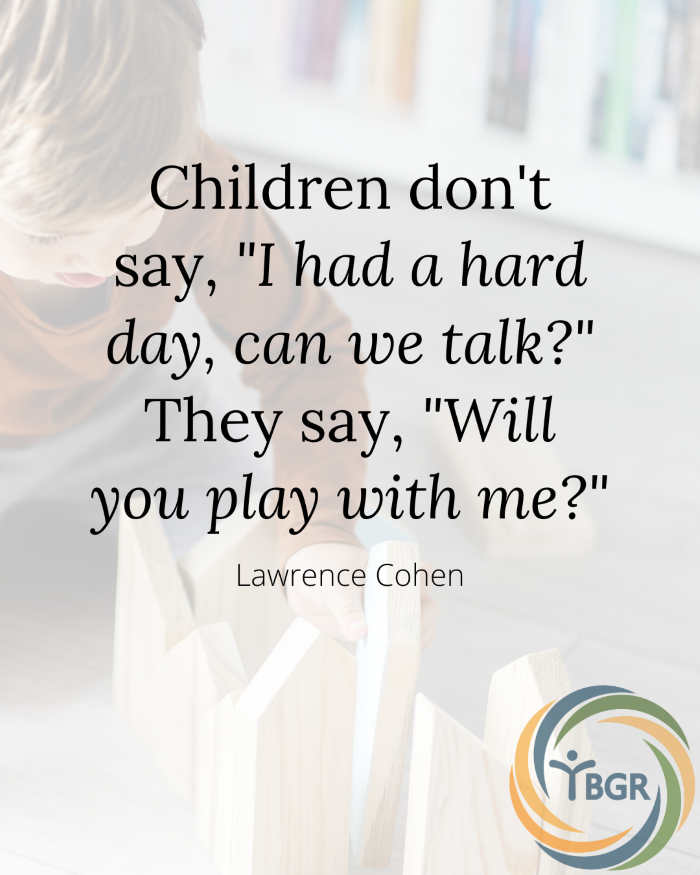
Quote 1: Children don’t say, “I had a hard day, can we talk?” They say, “Will you play with me?” – Lawrence Cohen
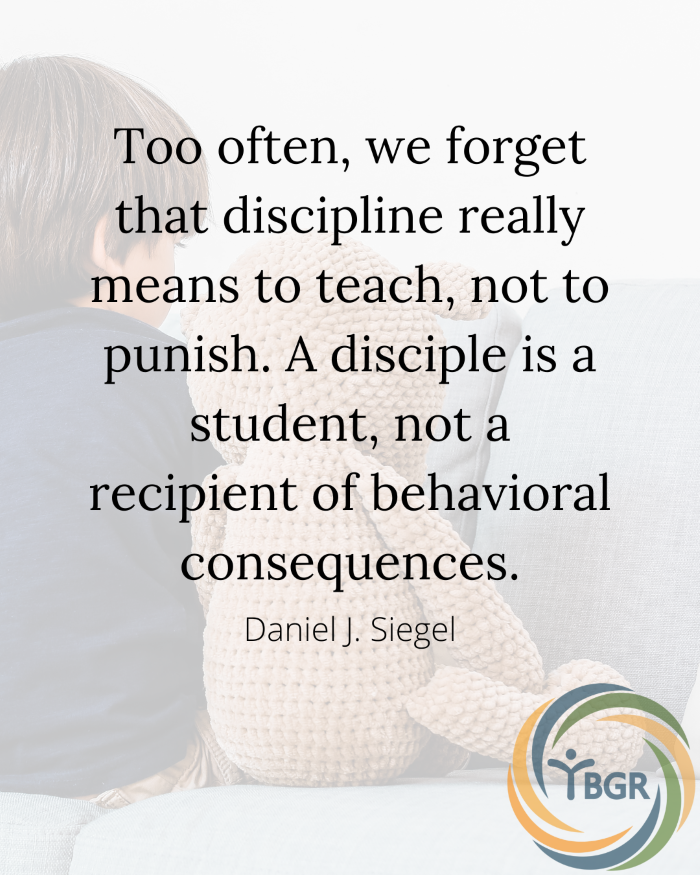
Quote 2: Too often, we forget that discipline really means to teach, not to punish. A disciple is a student, not a recipient of behavioral consequences. – Daniel J. Siegel
Quote 3: If you want your child to improve, focus on their strengths more than their weaknesses. – Unknown
Quote 4: Every child’s behavior is telling us something. Our job is to see the behavior as information, not aggravation. – Unknown
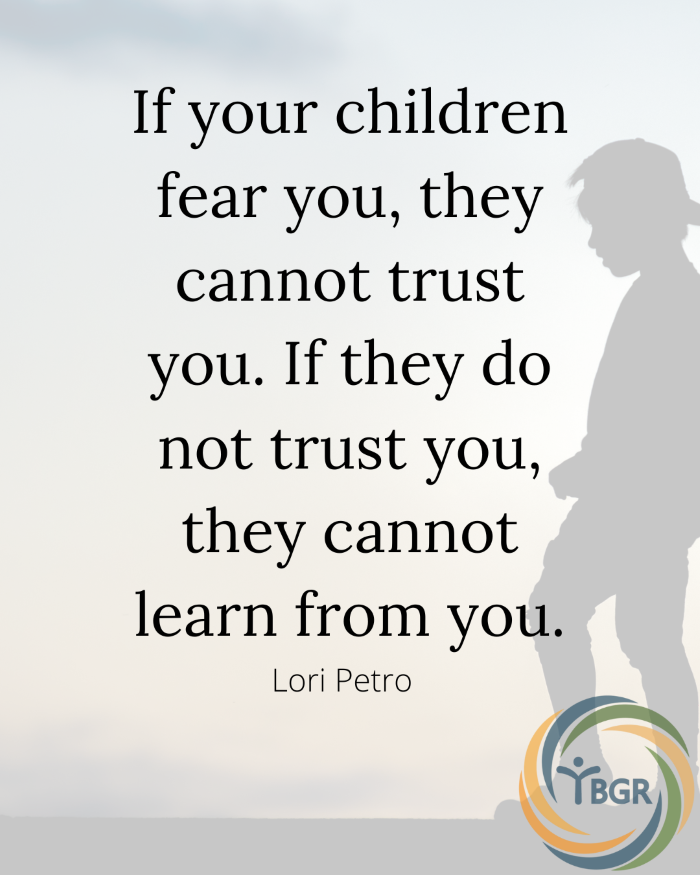
Quote 5: If your children fear you, they cannot trust you. If they do not trust you, they cannot learn from you. – Lori Petro
Quote 6: Children behave best when they feel most loved. Shame isn’t a strategy to encourage good behavior; it leads to compliance and then to rebellion. – Sarah Boyd
Quote 7: A parent’s voice becomes a child’s self-talk. Let’s wire our kids for self-compassion, not self-criticism. – Unknown
Quote 8: Respond to your children with love in their worst moments, their broken moments, their angry moments, their selfish moments, their lonely moments, their frustrated moments, their inconvenient moments. Because it is in their most unlovable human moments that they most need to feel loved. – L.R. Knost
Quote 9: Our kids are counting on us to provide two things: consistency and structure. Kids need parents who say what they mean, mean what they say, and do what they say they are going to do. – Barbara Coloroso
Quote 10: Parents who pay attention can avoid power struggles, even with strong-willed kids, by empathizing as they set limits, give choices, and understand that respect goes both ways. – Dr. Laura Markham
Quote 11: “No” is not a complete thought. If we want our children to learn to think like adults, we need to explain our adult thinking. Don’t command. Communicate. – L.R. Knost
Quote 12: We teach our kids how honest they can be with us based on how we react when they tell us things we don’t want to hear. – Susan Stiffleman
Quote 13: If we want to stop our child’s aggression, we have to stop focusing on the behavior and respond to their feelings. – Sarah Rosensweet
Quote 14: Hitting a child doesn’t teach them that the stove or the road or the outlet isn’t safe. It teaches them that the person hitting them isn’t safe. – L.R. Knost
Quote 15: When a child is upset, logic often won’t work until we have responded to the right brain’s emotional needs. – Dr. Dan Siegel
Quote 16: Our children need to know that mistakes are okay, imperfections are normal, and failure is just a step on the path to success. – L.R. Knost
Quote 17: It’s not our job to make our kids happy. They’re allowed to be upset, sad, and feel however they feel. It’s our job to hold space for all their feelings so they don’t feel alone in their distress. – Blimie Heller
Quote 18: Being harder on our children doesn’t make them stronger. People are strengthened through compassion and understanding. No matter their age or gender. – Lelia Schott
Want More?
Check out the rest of our blog and follow us on social media. You can find us on LinkedIn at Yellowstone Boys and Girls Ranch, Instagram at @ybgr_cares, and Facebook at YBGR and Yellowstone Boys and Girls Ranch.
Honoring the Legacy of Orth Lodge
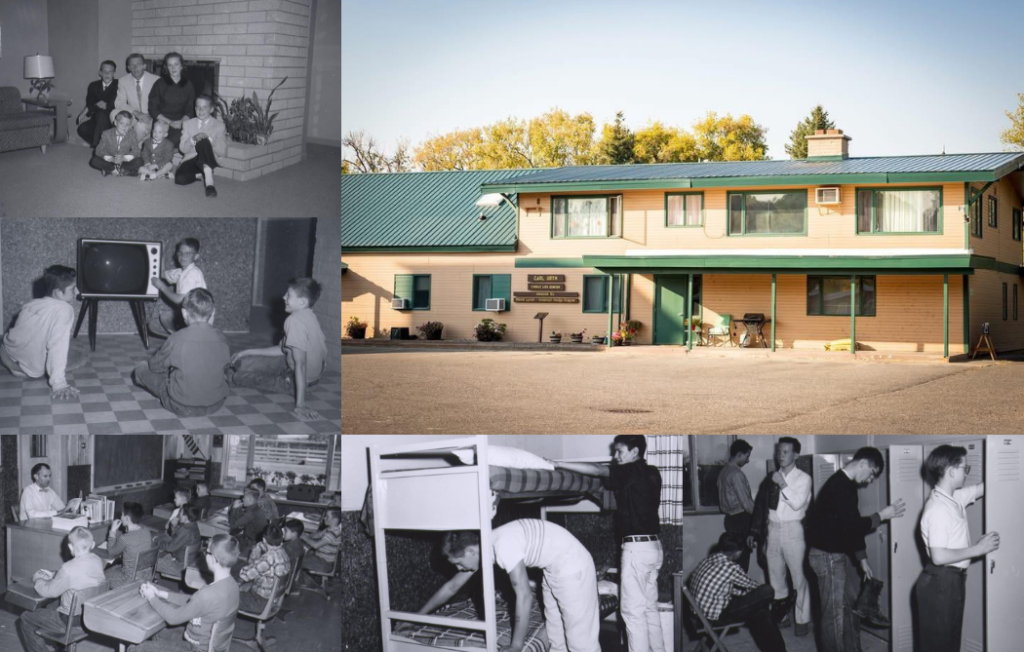
Every story has a first chapter. For Yellowstone Boys and Girls Ranch, Orth Lodge is a cornerstone of that chapter.
In 1959, what began as a leftover machine shed on the old O’Rourke Farm in Billings became something more. Through the generosity of our first donors, that humble structure was transformed into the Ranch’s first building, complete with sleeping quarters, a dining hall, a schoolroom, a kitchen, and staff housing.
It was more than just a place to live and work. Orth Lodge embodied a bold new vision: that Montana’s most vulnerable youth deserve safety, structure, and the chance to heal.
A Space Shaped by People, Not Just Walls
Later named Orth Lodge in honor of Carl Orth, one of the early champions of our mission, the building became a lasting symbol of care, resilience, and community.
Today, Orth serves a new purpose: it’s a family life center, providing a welcoming space for families to stay while visiting their children in our therapeutic residential care at the Ranch.
What’s endured isn’t just the structure, but the spirit of compassion, stability, and human connection that has lived within it for decades.
Looking Back as We Look Ahead
Each September, we commemorate our founding by reflecting on the milestones that shaped us, from our incorporation in 1956 to becoming a statewide provider delivering care to over 3,600 youth annually.
A lot has changed over the decades. But the heart of Orth—and the heart of Yellowstone—remains the same:
Caring people, preparing youth for life.
As we prepare for this year’s “Living the Legacy” celebration to honor our founding, we’ll be sharing stories from our past that have shaped who we are today.
We invite you to join us on the journey.
Learn More About Our History
Visit our History page to explore the story—and the caring people—who gave birth to our mission. Their vision continues to touch the lives of thousands of youth across Montana and beyond each year.
Want to dive deeper? You can also find A Legacy of Caring, written by our founder, Franklin Robbie, on Amazon.
Healing Outdoors Under the Big Sky: Kids at the Ranch Hit the Trails
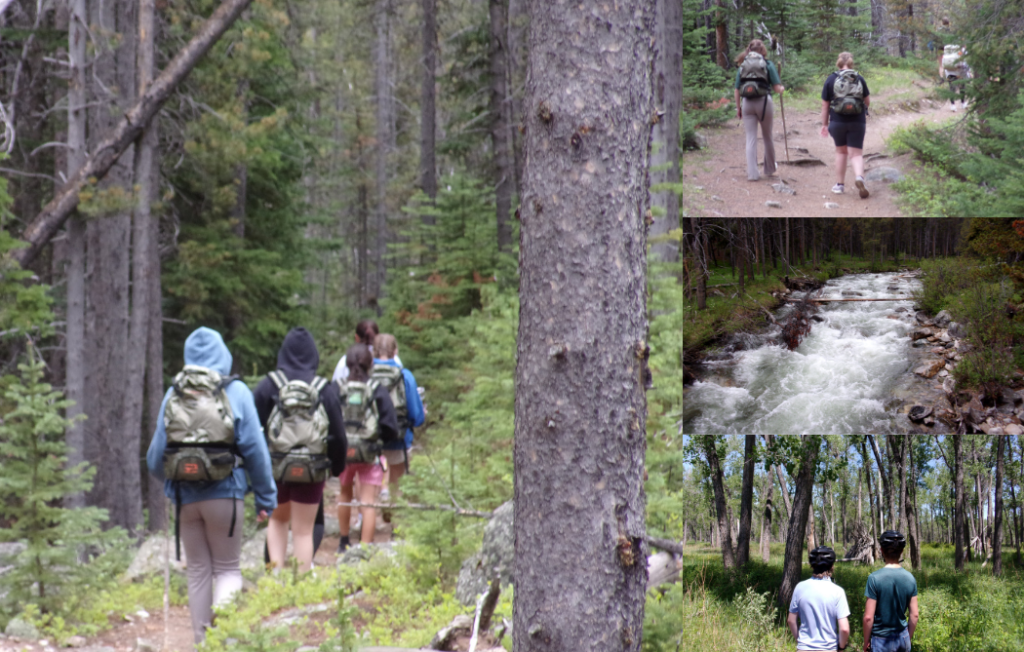
For kids at the Ranch, time in Montana’s wilderness is more than a day outdoors—it’s a chance to find joy, build confidence, and create lasting memories. Earlier this summer, a group set out on the trails of the Absaroka-Beartooth Wilderness, many experiencing its beauty for the very first time. It was a powerful reminder of how healing outdoors can help kids see new possibilities for themselves.
Experiencing Montana’s Outdoors for the First Time
Some hiked rocky paths, others spotted wildlife, felt the spray of a rushing river, or paused to take in breathtaking mountain views. For many, it was an adventure that showed not only the wonder of Montana but also the strength and resilience within them.
Why These Moments Matter
These simple but profound experiences give kids a sense of belonging and remind them that joy is possible. They help kids feel connected to the world around them and confident in what they can achieve. With the encouragement of caring professionals, the memories made on these trails will last long after the hike ends.
At YBGR, we believe healing outdoors is just as vital as the work we do indoors—thriving under the wide-open skies of Montana.
Stay Connected
Stay tuned to our news updates for the latest from across Montana, and follow us on social media. You can find us on LinkedIn at Yellowstone Boys and Girls Ranch, Instagram at @ybgr_cares, and Facebook at YBGR and Yellowstone Boys and Girls Ranch.

17 Quotes on Being the Calm in Our Kids’ Storm

Have you ever witnessed the storm—the choppy waters of a child’s big emotions? Of course! Like us, our little ones are human—experiencing the full spectrum of emotions. But unlike us, their brains are still developing the skills to navigate and cope.
In moments when kids are experiencing immense, turbulent feelings, they look to us for safety. To be the calm gently guiding them through their storm—the anchor in their waves.
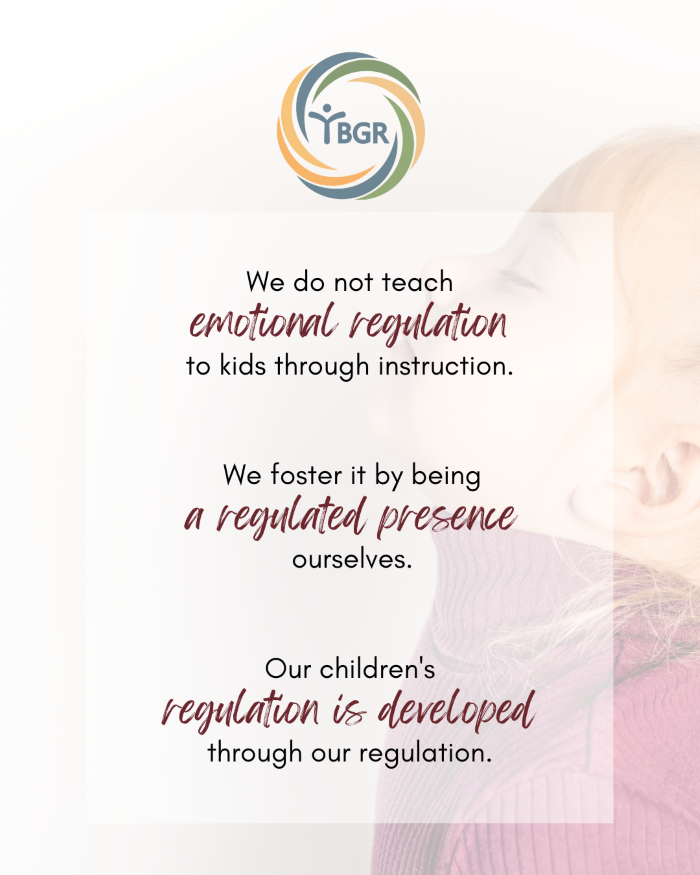
Children learn emotional regulation through our regulated presence. Simply put, we learn to self-soothe through thousands of instances of being soothed by someone else.
Below are seventeen quotes on emotional regulation—on being the calm in our kids’ storm.
Quotes on Being the Calm in Our Kids’ Storm
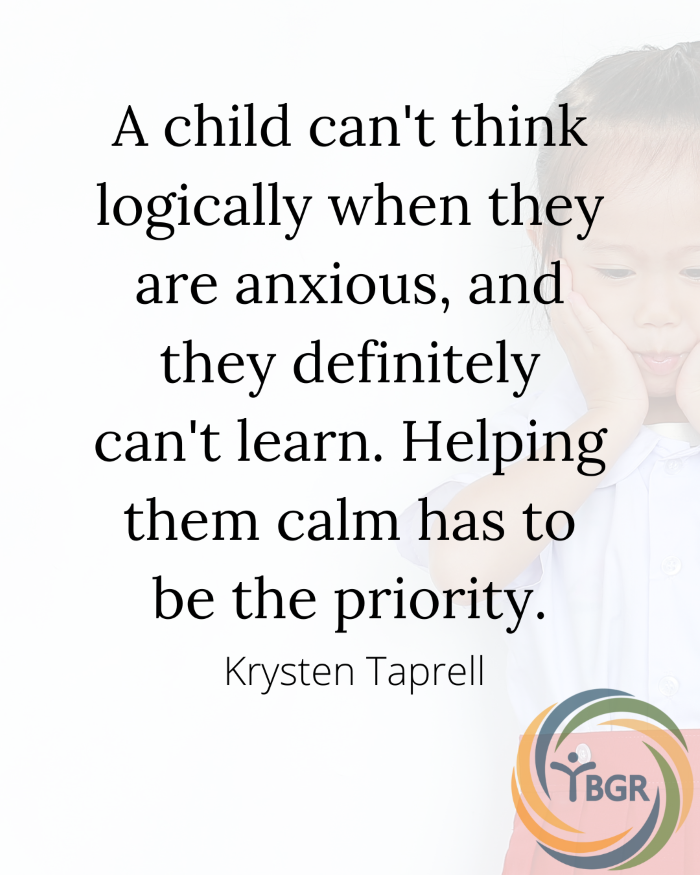
Quote 1: A child can’t think logically when they are anxious, and they definitely can’t learn. Helping them calm has to be the priority. – Inspired by Krysten Taprell, @the_therapist_parent
When kids become flooded with emotion, logical thinking takes a backseat. Our primary focus must be to soothe—sharing our calm.
Hold space and validate feelings. Then, once strong emotions such as anxiety have subsided, we can effectively teach.
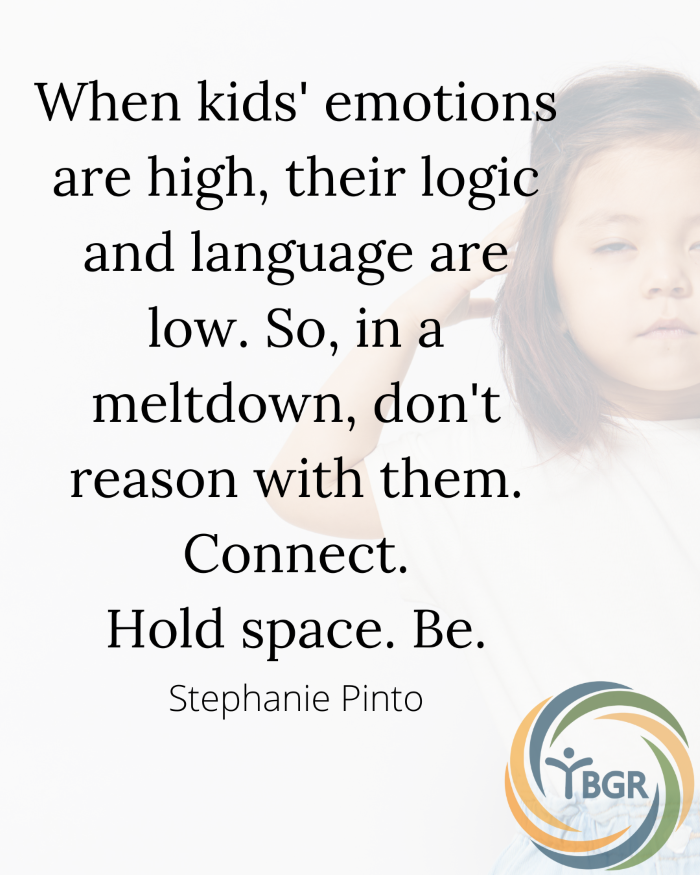
Quote 2: When kids’ emotions are high, their logic and language are low. So, in a meltdown, don’t reason with them. Connect. Hold space. Be. – Stephanie Pinto
When children are experiencing big emotions, it’s not the time for reasoning or a lecture. Attend to their feelings first. Then, after they have calmed, you can effectively coach them.
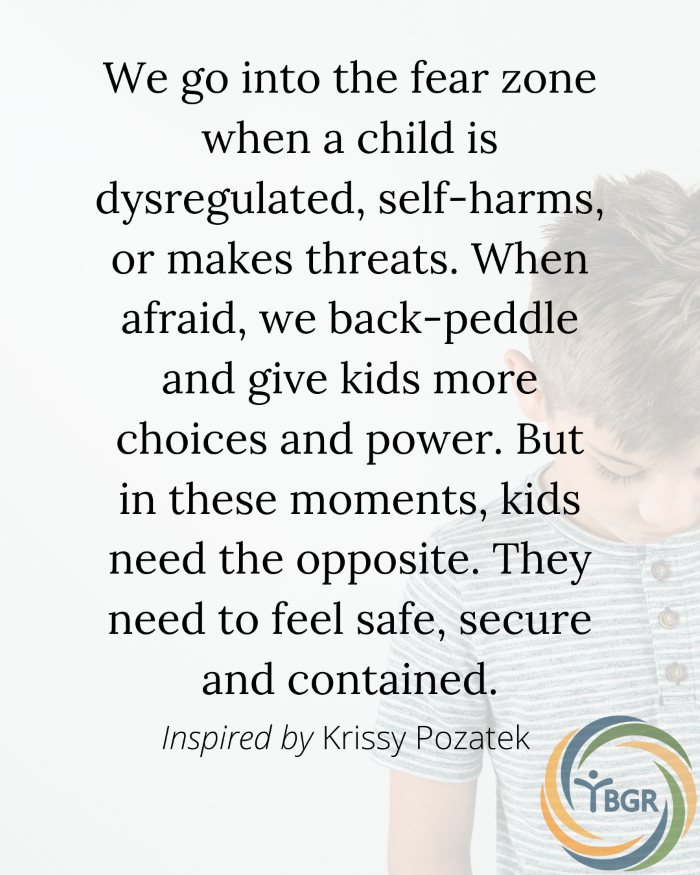
Quote 3: We go into the fear zone when a child is dysregulated, self-harms, or makes threats. When afraid, we back-peddle and give kids more choices and power. But in these moments, kids need the opposite. They need to feel safe, secure, and contained. – Inspired by Krissy Pozatek
When dysregulated, kids need safety, security, and boundaries that provide comfort. Be their safe haven—the anchor in their storm.
Quote 4: As a mom, I could feed my child’s anxiety, or I could feed their peace. We set the temperature for our kids. – Beth Moore
We hold the power to shape our children’s emotional well-being. Remember—we set the tone. Feed their peace.
Quote 5: Your child can’t lead you into their chaos. You must lead them out of theirs. – @dr.siggie
Our children need us to be a calm, steady force—especially during times when they are experiencing turbulent emotions.
Quote 6: When I’m not sure how to support my child, I focus on my own regulation. – @responsive_parenting
When you don’t know how to best support your kids, try turning inward.
By noticing, understanding, and regulating our emotions, we can better provide the calm and stability our children need—approaching parenting with a more centered, grounded perspective.
Quote 7: My job as a parent isn’t to control my child’s emotions. My job as a parent is to control my own. – Shelly Robinson
We can’t control our children’s feelings, but we can teach them how to navigate them by how we navigate our own. And in doing so, we can better provide a safe, supportive environment for them to grow.
Quote 8: Children pick up on our emotional tone milliseconds before processing our words. And that emotional tone conveys cues of safety or threat, regardless of what we’re trying to communicate. – Adopted from Dr. Dan Siegel
Our kids are always listening, not just to our words but to the emotions behind them. Create a safe, nurturing environment—one where children feel loved and protected.
Quote 9: If you want to support your child’s emotional health, you need to take care of your own emotions. Your tone, energy, and overall emotional presence serve as your child’s emotional guidepost. – Inspired by Angela Pruess
Our wellness shapes our children’s wellness. Caring for ourselves is an act of love—for both us and our little ones.
Quote 10: Our responses influence our children’s behavior. A slight shift in our communication from defensive to proactive can make all the difference in shaping their stress response. – Lori Petro
Parenting isn’t just about our kid’s behavior; it’s also about our own. The energy we put out can either fuel their fire or calm their storm. Emotions feed off emotions.
Quote 11: Our confidence has the power to weaken the fear that our children experience. – @parenting_pathfinders
Our confidence is a mighty force—weakening the grip of fear our kid’s experience. When we embody self-assurance, we impart a sense of safety and security.
Quote 12: The goal is NOT to never get triggered. You’re human. You will get triggered sometimes. The goal is to learn to regulate and respond to those triggers with intention. – @the.peaceful.mother
A trigger is anything that sets you off emotionally and activates memories of trauma. It’s particular to you and what your experiences have been.
Triggers may include feeling:
- Powerless
- Judged
- Unheard
- Unsafe
- Disrespected
- Unloved
- Controlled
Our ability to navigate triggers and the emotions springing from them is tied to our ability to understand feelings, where they come from, and tolerate the sensations that arise when we experience them.
When we create space for ourselves to do this, we’re better able to create space for our kids.
Quote 13: Teaching a child to shut down their emotions does not make them calm. It makes them numb. Calmness is a skill that develops after a child has learned to feel their emotions, not ignore them. – Inspired by Eli Harwood
Calmness is not achieved by shutting down our feelings but by learning to navigate and regulate the storm within.
Quote 14: Peaceful parenting isn’t about your ability to stop feeling what you feel. It’s about separating your feelings from your actions. Letting the feelings come. Acknowledging them. Letting them go. Then, responding with intention. – @loveandletgrow
Feel the feeling but don’t become the emotion.
Quote 15: We don’t need to get rid of anxiety. What we need is to practice noticing the sensations in the body, naming the feelings under the anxiety, and nurturing our capacity to still do brave, challenging things even when we feel anxious. – Inspired by Lelia Scott
Instead of trying to rid ourselves of big feelings like anxiety, let’s shift our focus toward developing the skills to navigate them gracefully.
One skill for navigating emotions, particularly anxiousness, is mindfulness—becoming aware of the sensations in our body. By tuning in, we can identify the feelings beneath the surface—acknowledging and naming them without judgment.
Foster self-compassion, and remember, it’s not about eradicating our emotions but developing skills to coexist with them.
Quote 16: Mindfulness means bringing your focus to the present and accepting your thoughts and feelings for what they are without judging them, trying to change them, or expecting them to be different. – Inspired by Renee Jain
To be mindful is to bring your focus to the present moment—accepting your thoughts and feelings for what they are without judgment or trying to change them.
In a world that often pulls us in different directions, mindfulness offers a sanctuary of peace and acceptance, inviting us to notice the beauty in the simplest moments and cultivate deeper self-awareness.
By taking a moment to:
🧘♀️ Pause
🧘♀️ Breathe
🧘♀️ Embrace the present
We can better anchor ourselves during waves of emotion, support our kids during their storms, and live with clarity, authenticity, and gratitude.
Quote 17: Practicing how to anchor ourselves as our children navigate the ocean of emotions will help them grow to anchor themselves more naturally. – Inspired by Lelia Scott
When we practice grounding ourselves alongside our children’s turbulent emotions, we teach them the art of anchoring themselves. Through our self-awareness and regulation, we create safety—modeling inner stability and guiding toward emotional resilience.
Want More?
Check out the rest of our blog and follow us on social media. You can find us on LinkedIn at Yellowstone Boys and Girls Ranch, Instagram at @ybgr_cares, and Facebook at YBGR and Yellowstone Boys and Girls Ranch.

Saving Lives: Suicide Warning Signs and How to Intervene

Did you know that every year, nearly 800,000 people die by suicide? That’s roughly one death every 40 seconds. It’s a startling number, and sadly, 90% of those lost will wrestle with mental health conditions.
It’s National Suicide Prevention Month, and we’re on a mission to spread knowledge to save lives. Today, we’re exploring suicide warning signs and equipping you with the tools to help.
To start that journey, take a second to watch this brief video released shortly after actor Robin Williams’s death.
Robin fit the criteria for many suicide risk factors, including depression, bipolar disorder, a chronic health condition, and a history of substance abuse.
Warning Signs That Someone May Attempt Suicide
You can’t always see how people are feeling on the inside, which can make it hard to identify when someone is struggling. However, there are often outward suicide warning signs when people are grappling with thoughts of suicide.
Talking about:
- Wanting to die
- Great guilt or shame
- Being a burden to others
Feeling:
- Empty, hopeless, trapped, or having no reason to live
- Extremely sad, more anxious, agitated, or full of rage
- Unbearable emotional or physical pain
Changing behavior, such as:
- Making a plan or researching ways to die
- Withdrawing from friends, saying goodbye, giving away important items, or making a will
- Taking dangerous risks, such as driving extremely fast
- Displaying extreme mood swings
- Eating or sleeping more or less
- Using drugs or alcohol more often
What to Do if You Think Someone May Be Considering Suicide
If you suspect that someone may be considering suicide, talk to them about your concerns. Begin the conversation by asking questions in a non-judgmental and non-confrontational way.
Talk openly and don’t be afraid to ask direct questions, such as “Are you thinking about suicide?”
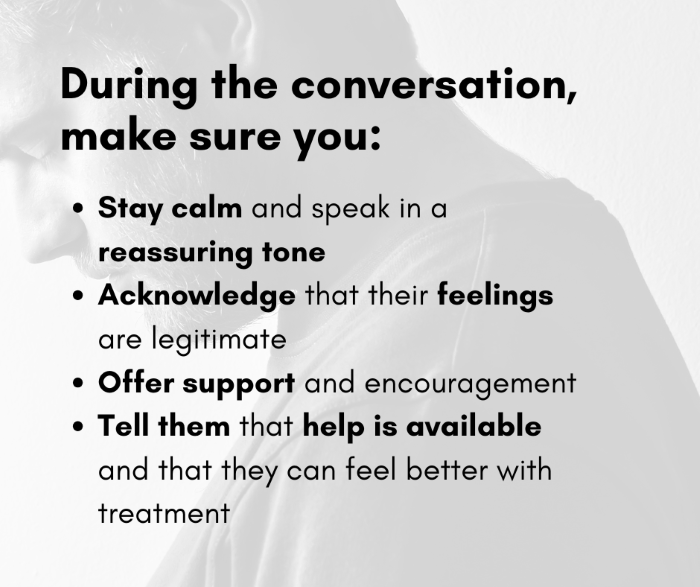
Be prepared with resources to help, and don’t hesitate to assist them in utilizing the tools you’ve provided.
In Cases of Imminent Danger
According to the National Alliance on Mental Illness (NAMI), if you notice someone doing any of the following, they should get care immediately:
- Putting their affairs in order or giving away their possessions
- Saying goodbye to friends and family
- Having a mood shift from despair to calm
- Planning, looking to buy, steal, or borrow the tools to complete suicide, such as a firearm or medication
Check out the graphic below for information on what to do in case of an emergency.
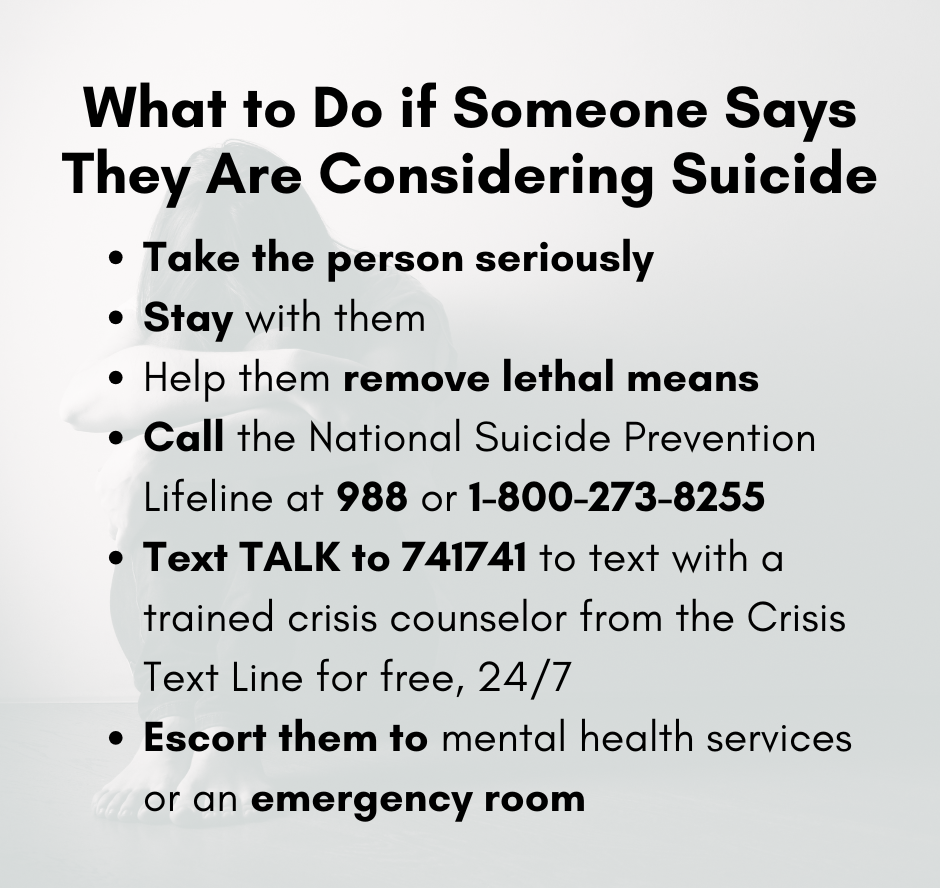
If someone has an immediate plan for suicide and means to exercise it, they need to go to the ER and be evaluated by a mental health professional for a higher level of care. And until that happens, they mustn’t be left alone.
Are You or Your Child Struggling?
You don’t need to bear the heavy weight of sadness without support. It might feel like you’re alone, but there are people out there who care about you and want to help. Call a friend or family member, and don’t be afraid to reach out to the National Suicide Prevention Lifeline by dialing 988.
If you have a child who is struggling, know that we’re here to help. We provide mental health support to kids and families across Montana. To learn more, contact us here.
Want More Resources?
If you found this article helpful, check out the rest of our blog today and follow us on social media. You can find us on LinkedIn at Yellowstone Boys and Girls Ranch, Instagram at @ybgr_cares, and Facebook at Yellowstone Boys and Girls Ranch and YBGR.
Training Strengthens Support for Native Youth in Foster Care
For Native youth in foster care, healing is about more than stability. It’s about belonging—being connected to culture, tradition, and community. Without that, children risk losing not only their sense of place but their sense of self.
That’s why Josie Brady, Native American Services Coordinator, and Kayla Goble, Family Resource Specialist, recently attended the Circle of Keepers Train the Trainer event in Billings, held alongside the Rocky Mountain Tribal Leaders Council’s Walking the Sacred Path Conference. The training provided them with new tools to ensure that Native youth in foster care feel seen, valued, and supported in ways that honor their identity.
A Deeper Understanding of Cultural Healing
The sessions, led by Rita Hart, MSW (Jicarilla Apache and Choctaw) and Kelly Tannehill, MSW, centered on the sacred meaning of the circle in Native traditions—symbolizing protection, belonging, and strength without end. Participants explored how trauma histories intersect with cultural healing practices, gaining insight into the unique challenges Native youth face.
For Josie and Kayla, this was more than professional development—it was a chance to deepen their understanding of how culture itself can be a source of healing.
Strengthening Circles of Care
Through this training, Josie and Kayla strengthened their ability to help create natural, protective circles of care for Native youth in foster care. Their commitment reflects YBGR’s promise to walk alongside every child, ensuring each one feels embraced by a community of caring people. Because when both stability and culture surround Native youth in foster care, they don’t just survive—they thrive.
Stay Connected
Stay tuned to our news updates for the latest from across Montana, and follow us on social media. You can find us on LinkedIn at Yellowstone Boys and Girls Ranch, Instagram at @ybgr_cares, and Facebook at YBGR and Yellowstone Boys and Girls Ranch.
Fortin Lodge: Honoring the Fortins’ Lasting Impact
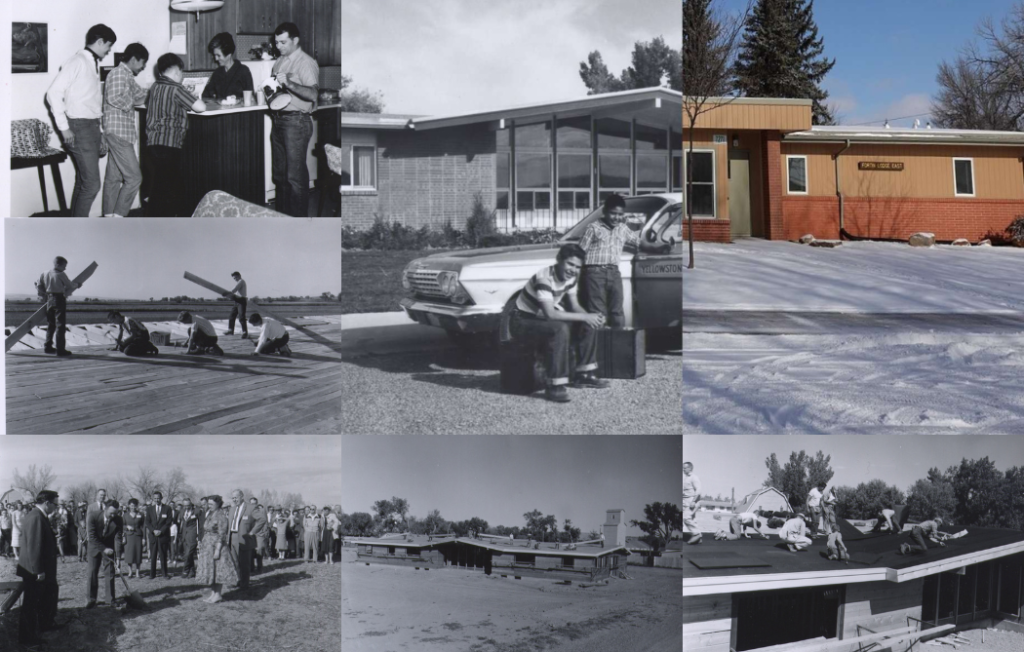
Some legacies are loud. Others are quietly lived, etched into the lives they’ve touched. Fortin Lodge at the Ranch stands as a tribute to the latter.
Built in 1961, Dorothy Fortin Lodge was the first home constructed at Yellowstone Boys and Girls Ranch with a house parent model. Named in memory of Dorothy Fortin, the kind and gracious wife of Phillip Fortin, the lodge reflects the couple’s enduring spirit of generosity.
The Fortins were among our earliest and most devoted supporters. Blessed in business, they believed deeply in giving back—and they did so with humility and joy. With open hearts and steadfast faith in our mission, they helped lay the foundation for the work we continue today.
Secret Santas and a Spirit of Giving
From 1959 to 1985, the Fortins quietly served as “Secret Santas” for the Ranch, making sure the children experienced the joy of Christmas through festive shopping trips and gifts. Though many were given anonymously, their impact was deeply felt.
Their generosity extended far beyond Yellowstone Boys and Girls Ranch, reaching into the heart of the Billings community and beyond. But their giving wasn’t just about resources—it was about creating stability, trust, and the feeling of being cared for.
A Home That Still Holds Meaning
Designed to house up to 36 boys, the lodge became more than a structure—it became a home. Today, Fortin Lodge stands tall as a testament to second chances and quiet generosity.
That legacy continues in the lives of those who once called it home. One former youth shared:
“Every so often, I pass through Billings and stop and say ‘Hi’ to any lodge staff who are there when I was. I feel it is important because they have a very difficult job, and they may not see the reward gained by their hard work. If I can go back ten years later and show them the positive results of their work, it may encourage or motivate them to continue.”
These words are a powerful reminder that the Fortins’ legacy lives on—in every life changed, every step forward, and every moment of hope sparked within those walls.
Learn More About Our History
Visit our History page to explore the story—and the caring people—who gave birth to our mission. Their vision continues to touch the lives of thousands of youth across Montana and beyond each year.
Want to dive deeper? You can also find A Legacy of Caring, written by our founder, Franklin Robbie, on Amazon.
Saving Lives: Understanding Suicide Risk Factors
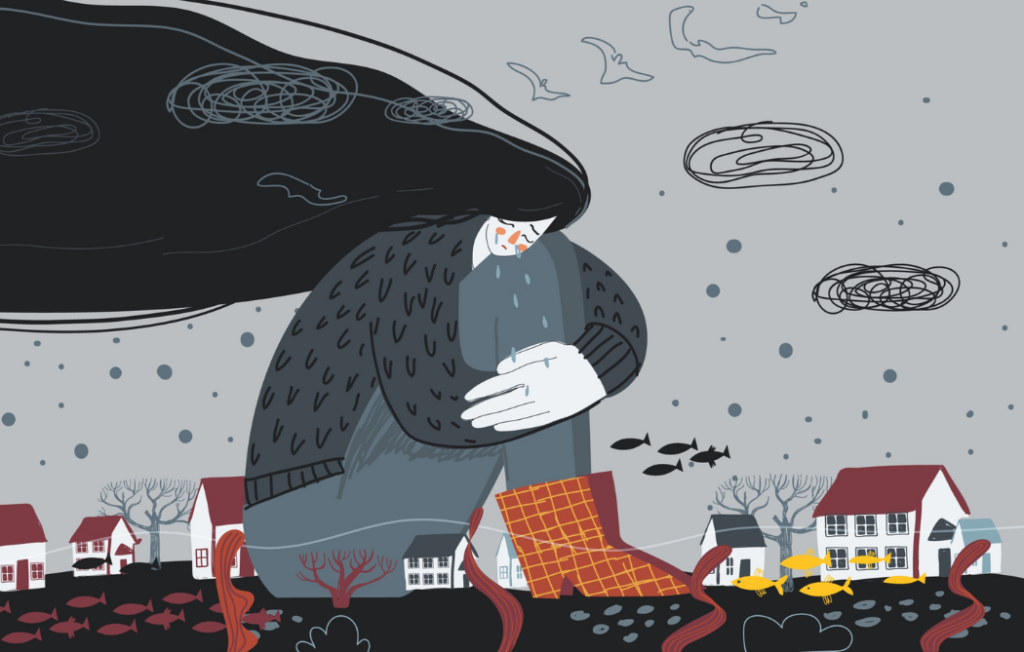
A 2020 survey by the CDC found that 1 in 4 young adults has considered suicide. More than half of us have been touched by it in some way. Globally, suicide claims more lives than war, murder, and natural disasters combined.
September is Suicide Prevention Month, and we’re exploring suicide risk factors.
Below is Alexandra Valoras’ story, told in her family’s words. Alexandra was a straight-A student, class officer, and robotics whiz. Her death is a heartbreaking reminder that even those who seem to be thriving can be at risk.
Understanding suicide risk factors helps us see what isn’t always visible on the surface.
Risk Factors
Research shows there isn’t one single cause of suicide—it’s often the result of multiple risk factors coming together.
Prior suicide attempts
For every death by suicide, there are an estimated 25 attempts.
Mental health conditions
According to the American Foundation for Suicide Prevention, 90% of people who die by suicide had a diagnosable mental health condition.
- Depression: Up to 60% of those who die by suicide experience clinical depression.
- Bipolar disorder: 1 in 5 people with bipolar disorder will die by suicide.
- Schizophrenia: Up to 13% of people with schizophrenia die by suicide.
Lack of access to mental health care
Without treatment, the risk of suicide rises significantly.
Substance misuse
Drugs and alcohol can impair judgment and increase impulsivity.
Prolonged stress
Harassment, bullying, relationship struggles, or unemployment elevate risk.
Significant life events
Divorce, financial crisis, grief, or major transitions (such as retirement) can heighten vulnerability.
Social isolation
Loneliness has been shown to increase risk for depression, anxiety, and premature death—rivaling the risks of smoking, obesity, and inactivity.
Chronic or terminal illness
Roughly 10% of suicides are linked to serious health conditions.
Access to lethal means
85% of suicide attempts with a gun are fatal, compared to 4% using other methods. Safe firearm storage is a key protective measure for youth.
Recent loss by suicide
Losing a friend or loved one to suicide can increase personal risk.
Protective Factors
Protective factors are personal or environmental characteristics that reduce risk and help people cope with life’s challenges.
Below are several protective factors that can mitigate risk of suicide.
- Access to effective behavioral health care
- Strong connections with family, friends, and community
- Life skills such as problem-solving, coping, and ability to adapt to change
- Self-esteem and a sense of meaning or purpose in life
- Cultural, religious, or personal beliefs that discourage suicide
What to Do if Someone Is Struggling
If you’re concerned about someone, don’t be afraid to ask directly about suicide. You won’t “put the idea” in their head—many people feel relief when someone cares enough to ask.
If someone shares that they’re considering suicide:
- Stay with them if they have immediate plans and means.
- Take them to the emergency room to be evaluated by a mental health professional.
- Call 911 if they’re in immediate danger.
Learn More: How to Talk to Someone About Suicide
If Your Child Is Struggling
Help is here. We provide mental health support for youth and families across Montana. Contact us here to get help for your child.
Learn More: 9 Warning Signs of Teen Suicide Parents Need to Know
If You’re Struggling
You don’t have to carry the weight alone. Reach out to a trusted friend or family member, and don’t hesitate to call 988 to connect with the National Suicide Prevention Lifeline. Support is just a call away.
Want to Learn More?
If you found this article helpful, check out the rest of our blog today and follow us on social media. You can find us on LinkedIn at Yellowstone Boys and Girls Ranch, Instagram at @ybgr_cares, and Facebook at Yellowstone Boys and Girls Ranch and YBGR.
Yellowstone Conference: Stronger Together, Building Strategic Partnerships for Lasting Impact
Join us for a day of inspiration, learning, and collaboration designed to strengthen partnerships and spark lasting impact.
Yellowstone Conference 2025 at a Glance:
Topic: Stronger Together, Building Strategic Partnerships for Lasting Impact
Date: Thursday, October 2, 2025
Time: 8:30 AM – 4:30 PM
Location: 1701 Ray of Hope Lane, Billings, MT.
Tickets: Click here to purchase tickets on Eventbrite
Credits: 5.75 CEUs & 6 OPI credits available
Format: In-Person or Virtual | Lunch & Snacks Provided
This annual gathering unites leaders, innovators, and changemakers from across sectors to exchange ideas, celebrate successes, and spark new opportunities for growth. Through dynamic panel discussions and interactive networking, participants will gain practical tools, fresh perspectives, and stronger connections to drive meaningful, lasting impact in our communities.
Panel Topics & Descriptions
Strengthening Native American Partnerships: Leveraging Community Partnerships for Collective Impact
Moderator: Josie Brady, Native American Services Coordinator.
Panelists: Clint Valandra, Indigenous Education Coordinator, Billings Public Schools | Charlene “Charli” Sleeper, Founder, MMIP Billings Advocacy Project; Mental Health Worker, Yellowstone Boys and Girls Ranch | Sunny Day Real Bird, Director of American Indian Outreach, Montana State University Billings | David R. Blaine, CEO, Crow Times Youth and Elder Works
This panel emphasizes the importance of building strong, respectful, and mutually beneficial relationships with Native American communities. By fostering authentic partnerships, the effort seeks to honor cultural traditions, elevate community voices, and collaborate on shared goals. Leveraging cross-sector partnerships enhances access to resources, supports sustainable solutions, and drives collective impact. The focus is on long-term trust, equity, and shared decision-making to strengthen outcomes for Native youth in their communities.
Empowering Excellence: Strengthening Workforce Development through Higher Education Partnerships
Moderator: Kristin Thompson, Associate Director of Human Resources.
Panelists: James C. Petrovich, PhD, MSW, Professor & Department Chair; Founding Director, Master of Social Work Program, Carroll College | Kate Chapin, MSW, LCSW, Executive Director, Center for Children, Families, and Workforce Development, University of Montana | Becky Lyons, EdD, Director of Career & Employment Services, Montana State University Billings | Jen Chancellor, MBA, University Development Counselor, Grand Canyon University
A strong, mission-aligned workforce is the backbone of effective nonprofit impact. This panel explores how strategic partnerships with higher education institutions can help build and sustain a pipeline of skilled, passionate professionals. These partnerships not only enhance organizational capacity but also ensure that services remain responsive, community-centered, and future-focused. Together, we can cultivate a workforce that’s ready to meet today’s needs—and tomorrow’s possibilities.
Mission-Driven Collaboration: Uniting Youth-Serving Organizations for Greater Reach
Moderator: Katie Gerten, Marketing & Communications Director.
Panelists: Matt Leavenworth, PhD, LCPC, Founder, Pay Love Forward; Vice Chair, Yellowstone County Suicide Prevention Coalition | Nina Hernandez, Executive Director, Friends of the Children – Eastern Montana; Nonprofit Leader & Consultant | Dennis Sulser, EdD, Retired CEO, Youth Dynamics; 40-Year Education & Healthcare Leader | Sarah Music, Director of Coordinated School Health, Montana Office of Public Instruction
When youth-serving organizations unite around a shared mission, their impact multiplies. By combining strengths and resources, partners expand reach and deepen support for kids and families. These collaborations close gaps and build stronger systems—especially in under-resourced areas—creating a more connected, resilient network of care that ensures youth get the support they need, when they need it.
Bridging Sectors, Building Futures: Public-Private Partnerships for Sustainable Change
Moderator: Mike Chavers, CEO.
Panelists: Sierra Riesberg, Social Services & Behavioral Health Systems Leader | Erika Purington, MS, CEO, Allies in Aging; Leadership Coach & Nonprofit Executive | Matt Bugni, CEO, AWARE | Meghan Peel, Interim Division Administrator, Behavioral Health & Developmental Disabilities Division, Montana DPHHS | Kirsten Smith, MPA, PMP, Principal, Bloom Consulting, LLC
When government, business, and community organizations come together, the results can be transformative. This panel explores how cross-sector collaboration sparks innovation, drives sustainable solutions, and strengthens communities for the long term.
Special Keynote Speaker
Mohini Venkatesh, Chief of Staff of the National Council for Mental Wellbeing
Conference Agenda
- Registration (8:30–9:00 AM)
- Welcome (9:00–9:15 AM)
- Strengthening Native American Partnerships Panel (9:15–10:30 AM)
- Break (10:30–10:45 AM)
- Empowering Excellence Panel (10:45–12:00 PM)
- Lunch (12:00–1:00 PM)
- Mission-Driven Collaboration Panel (1:00–2:15 PM)
- Dessert Break, Sponsored by Grand Canyon University (2:15–2:30 PM)
- Bridging Sectors, Building Futures Panel (2:30–3:45 PM)
- Keynote Speaker – Mohini Venkatesh (3:45–4:30 PM)
Have Questions About the Yellowstone Conference?
For questions about this event, please reach out to us at info@ybgr.org.
Stay Connected
Stay tuned to our news updates for the latest from across Montana, and follow us on social media. You can find us on LinkedIn at Yellowstone Boys and Girls Ranch, Instagram at @ybgr_cares, and Facebook at Yellowstone Boys and Girls Ranch.
Lasting Legacy of Giving: The Story Behind Donald Nutter Memorial Dining Hall
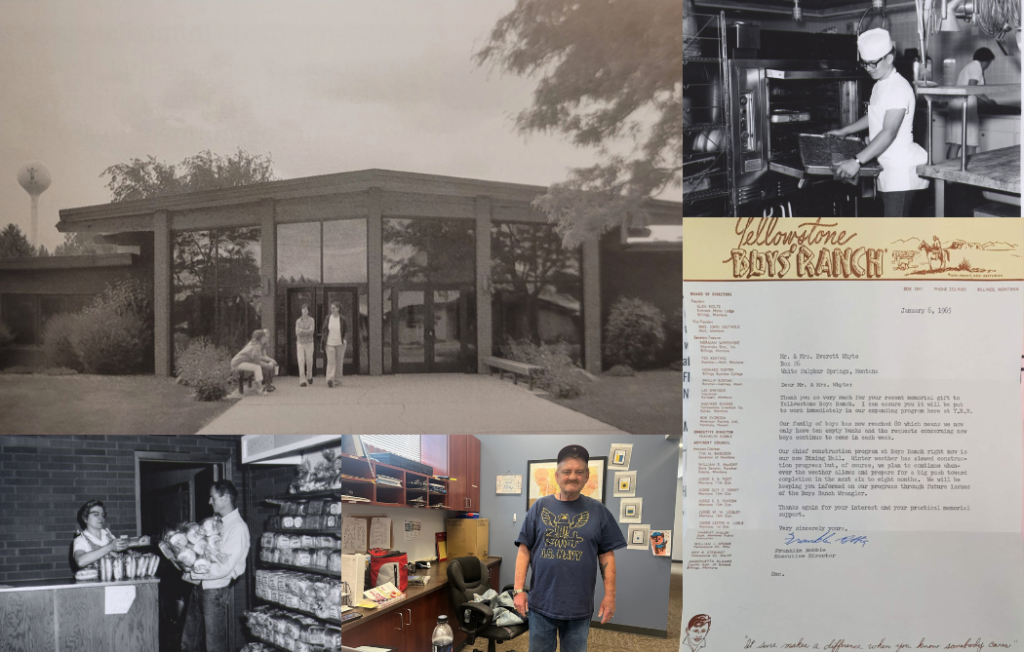
Can a $1 gift make a difference? At Yellowstone Boys and Girls Ranch, it always has.
From a heartfelt donation in 1964 to the hundreds of meals served each day with care, the story of Donald Nutter Memorial Dining Hall is one rooted in generosity, community, and small acts that build something lasting.
This beloved space at the Ranch stands today thanks to the many who gave—each gift, large or small, helped bring it to life.
A powerful reminder of that came recently from John Whyte, our Admissions Coordinator in Great Falls. John shared a thank-you letter his parents received in 1965 from then-CEO Franklin Robbie, recognizing their $1 donation toward the Dining Hall’s construction.
Honoring a Tradition of Gratitude
A single dollar and a sincere note of gratitude. It’s a tradition the Yellowstone Foundation proudly carries on today—still sending handwritten thank-you letters to the donors who help power our mission.
Every gift matters. Every act of generosity leaves a mark.
A Space Built for Community, Nourishment, and Care
Named after Governor Donald Nutter, a Montana leader instrumental in the Ranch’s early years, the Dining Hall officially opened in 1966. That day, 450 people gathered to celebrate a new chapter—one centered around shared meals, belonging, and care.
Before the Ranch had a chapel, the Dining Hall served as a sacred space where kids gathered for Sunday morning services. It also became a cozy movie theater for monthly film nights, filling the room with laughter and community.
Still Feeding Hearts and Lives Today
Today, the Donald Nutter Memorial Dining Hall remains a cornerstone of daily life at the Ranch. The Sodexo team prepares and serves hundreds of meals each day, ensuring every child in our care is well-nourished and supported.
More than just a building, the Dining Hall is a symbol of what’s possible when people come together to give, build, and believe. It’s a space shaped by love, filled with stories, and sustained by the ongoing generosity of those who stand behind our mission.
Learn More About Our History
Visit our History page to explore the story—and the caring people—who gave birth to our mission. Their vision continues to touch the lives of thousands of youth across Montana and beyond each year.
Want to dive deeper? You can also find A Legacy of Caring, written by our founder, Franklin Robbie, on Amazon.

14 Quotes on Parenting When Triggered

What does it mean to parent when triggered? Often, our kids meet us with big emotions and behaviors that can stretch us and activate an in-kind response, particularly when we’re stressed or worn thin.
And at that moment, we’re challenged to slow down. To create space between our reaction and response so we can respond in love.
Below are fourteen quotes to help you with parenting when triggered.
Quotes on Parenting When Triggered
Quote 1: Kids don’t “make” us yell. They reveal to us where we have room to grow, where we have wounds to heal, and where we still have unresolved trauma from our own childhoods. – Inspired by Shelly Robinson
Quote 2: When the milk is splattered all over the floor, and those little eyes are looking at you for your reaction, remember what really matters. It takes 5 minutes to clean up spilled milk; it takes much longer to clean up a broken spirit. – Rebecca Eanes
Quote 3: Unless there is a risk of your child hurting themselves and you need to step in, when your child is having a meltdown or “tantrum,” your first step should be to calm yourself down. Very rarely does effective parenting happen when you are triggered, angry, or stressed. – @australianpsychologist
Quote 4: Your capacity to have empathy for your child in difficult moments is directly related to your capacity to have empathy for yourself in difficult moments. – @drnicolebeurken
Quote 5: In the heat of the moment, first, attend to how your child’s behavior makes you feel, so you can then attend to how your child feels without the interference of your own emotions. – @dr.siggie
Quote 6: When I calm myself first, I protect my kids from things that have nothing to do with their behavior. – Inspired by Dr. David Erickson
Quote 7: When your child is having a meltdown, your number one priority is to stay in control of your own emotions. – @dr.siggie
Quote 8: Your child’s state of reactivity will often mirror your own state of reactivity. – Inspired by Caley Kukla
Quote 9: Meeting a child’s hostility with adult aggression only adds fuel to the fire. To extinguish hostile behavior, meet it with calm and compassion. – Rebecca Eanes
Quote 10: It doesn’t make sense that adults lose control with children for losing control. And then expect children to be able to control themselves when the adult in front of them can’t even control themselves. – Inspired by Jessica Martin-Weber
Quote 11: My kids aren’t to blame for triggering me, pushing my buttons, or driving me up the wall. It’s on me to work through those triggers, remove those buttons, and tear down the wall instead of expecting my kids to change their behavior before I change mine. – Inspired by Iris Chen
Quote 12: If we want our kids to stop and think before reacting, then we need to show them how. That means we need to practice pausing, keeping ourselves regulated, and then responding—not just with them, but in all areas of life. – @drnicolebeurken
Quote 13: Peaceful parenting isn’t about your ability to stop feeling what you feel. It’s about separating your feelings from your actions. Letting the feelings come. Acknowledging them. Letting them go. Then responding with intention. – @loveandletgrow
Quote 14: Respond to children with the same connection and empathy for all their behaviors, and they’ll know your love isn’t conditional. That’s how you become their “safe space.” – Sarah R. Moore
Want More?
Check out the rest of our blog and follow us on social media. You can find us on LinkedIn at Yellowstone Boys and Girls Ranch, Instagram at @ybgr_cares, and Facebook at Yellowstone Boys and Girls Ranch.
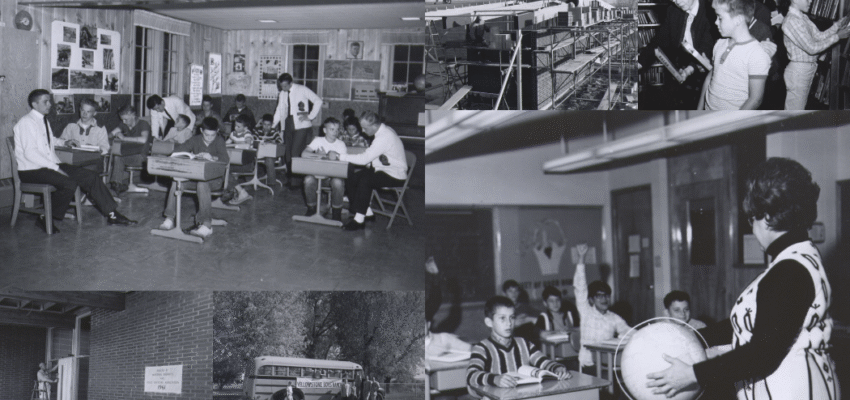
Yellowstone Academy: A School Built on Belief and Possibility
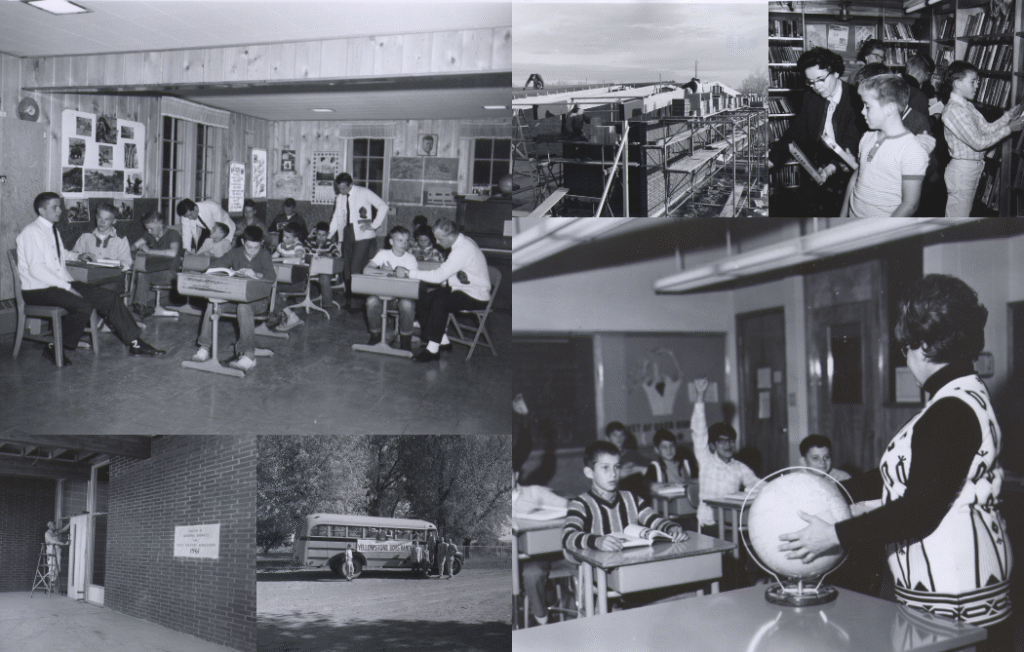
Built from scratch. Backed by belief.
Yellowstone Academy began with salvaged desks, a makeshift classroom, and a simple but powerful vision: a place where every child has the chance to learn, heal, and grow. That first classroom marked a defining chapter in Yellowstone Academy history.
In 1959, inside a lodge furnished with desks from an abandoned schoolhouse, the vision came to life. The small space filled quickly with students who had experienced trauma, struggled in traditional classroom settings, and needed a different kind of learning environment—one grounded in patience, structure, and hope.
Students soon outgrew the space, overwhelming the nearby rural school system. It was clear that a new model of education was needed.
A “School Without Failure”
In 1961, generous local businesses stepped in with time, talent, and donated materials to help create what became known as a “school without failure”—a place where success was possible for children who had long felt left behind.
As one parent shared at the time:
“I’ve seen such a great change in my son. It’s the first time he’s been successful in a classroom—and received an A.”
Laying the Foundation for the Future
By September 16, 1965, School District 58 was officially established, allowing education and healing to grow hand in hand. What began as a four-room schoolhouse expanded through the generosity of caring donors such as Alvy Casper and the Heptner sisters, whose gifts helped create additional classrooms, an auditorium, and space for community day treatment.
In 1962, fifteen students proudly graduated from eighth grade—many for the first time in their lives. It was more than a graduation. It was proof that belief, structure, and opportunity could change a child’s path.
Yellowstone Academy History — A Legacy That Continues Today
Today, Yellowstone Academy continues to carry their original vision forward, writing the next chapter of Yellowstone Academy history each day. With small class sizes, individualized instruction, therapeutic support, and caring adults who meet students where they are, the Academy remains a place where youth rediscover their potential.
What began with salvaged desks and unwavering belief continues to transform lives—one student at a time.
Learn More About Our History
Visit our History page to explore the story—and the caring people—who gave birth to our mission. Their vision continues to touch the lives of thousands of youth across Montana and beyond each year.
Want to dive deeper? You can also find A Legacy of Caring, written by our founder, Franklin Robbie, on Amazon.

Trauma-Informed Communication Starts With L.O.V.E

Trauma-informed communication isn’t just about what we say—it’s about how we say it. It’s about presence, intention, and connection, especially in moments that feel charged or difficult.
That’s where L.O.V.E. comes in.
It’s a simple framework that reminds us to slow down and center ourselves when communicating—whether with kids, colleagues, or loved ones. And in high-stress moments, that pause can make all the difference.
The L.O.V.E. Approach to Trauma-Informed Communication
When emotions run high, try using the L.O.V.E. approach:
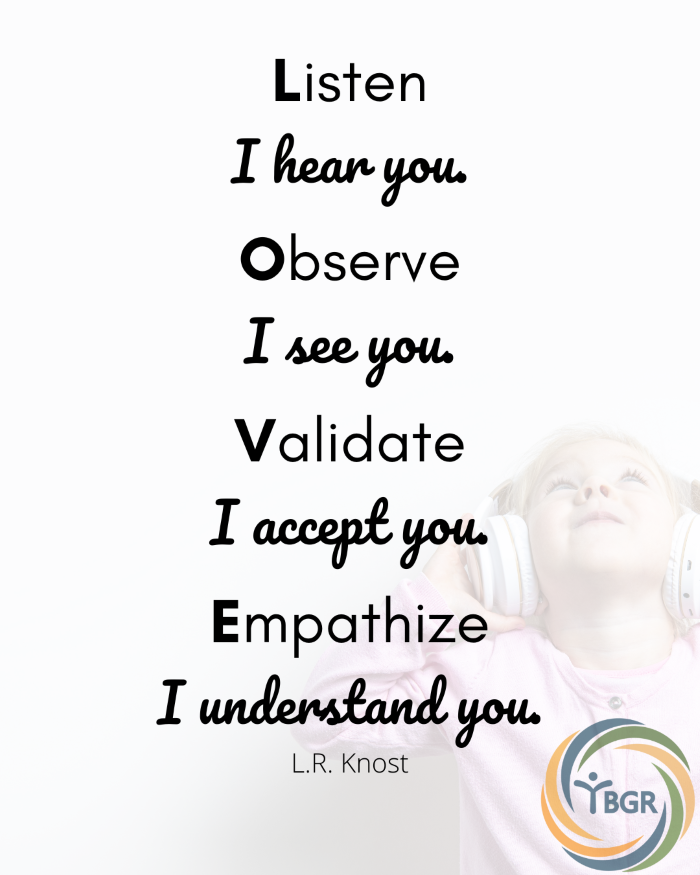
L – Listen (“I hear you.”)
Give your full attention. Put away distractions, pause your inner dialogue, and truly listen—without interrupting or planning your response. Feeling heard is the foundation of connection.
O – Observe (“I see you.”)
Notice more than words. Body language, tone, and facial expressions often speak louder. Observation helps us tune in to what might be happening beneath the surface.
V – Validate (“I accept you.”)
Validation isn’t agreement—it’s acknowledgment. It means recognizing someone’s feelings as real and important, even if you don’t fully understand or share them.
E – Empathize (“I understand you.”)
Empathy invites us to step into another’s shoes and connect with their experience. It’s how we show care, build trust, and respond rather than react.
Learn More: 15 Quotes on Communicating with Empathy
Slow Down to Strengthen Connection
We can avoid so many problems when we respond with L.O.V.E. instead of reacting in haste.
In trauma-informed communication, timing matters. When emotions are high, it’s okay—even wise—to pause. Whether you’re parenting, leading a team, or resolving conflict with a friend, take a moment to check in with yourself before diving into tough conversations.
Give yourself permission to delay. The goal isn’t just to get through it—it’s to move forward in a way that builds connection, not tension.
Want More?
Check out the rest of our blog and follow us on social media. You can find us on LinkedIn at Yellowstone Boys and Girls Ranch, Instagram at @ybgr_cares, and Facebook at Yellowstone Boys and Girls Ranch.
Yellowstone County organizations requesting community help this back-to-school season
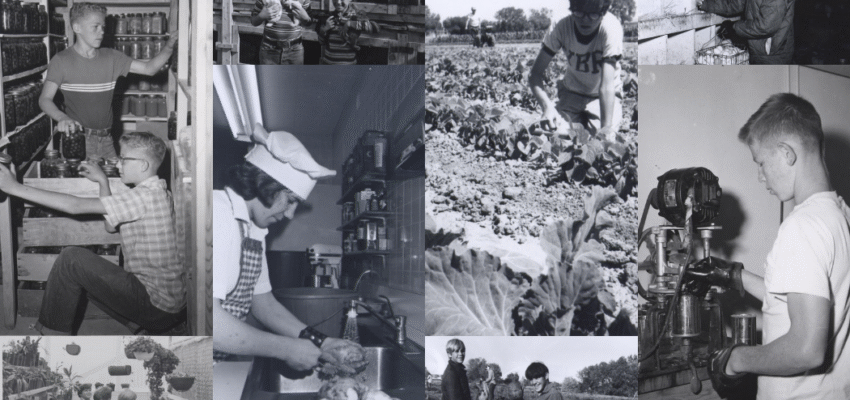
How Yellowstone Academy’s Vo-Tech Program Took Root
Knowledge that sticks. Work that matters.
In Yellowstone Academy’s Vo-Tech program (Vocational Technologies), students don’t just learn skills—they build purpose. Many kids who come to the Ranch arrive discouraged, behind in school, or unsure of their own abilities. Vo-Tech gives them a way to reconnect with learning in a way that feels real.
A Program Rooted in Hands-On Learning
The Vo-Tech program began taking shape in 1972, when Yellowstone Academy launched its first vocational curriculum. Just two years later, the Academy earned state accreditation, marking a turning point. For the first time, students were gaining hands-on experience connected to life, work, and a future they could build for themselves.
That vision grew again in 2005, when Bob McFarlane—long-standing member of the YBGR family and Yellowstone’s first superintendent—led students and volunteers in rebuilding a donated greenhouse. Their efforts created the 13,000-square-foot Poetzl Horticultural Center, a space designed for learning through doing.
Today, the Poetzl Horticultural Center is central to the Vo-Tech experience. The greenhouse operates as a pheasant hatchery, with birds later moving to flight pens built by students. Kids raise bees for honey, grow fruit for jams and pies, and tend to chickens, corn, pumpkins, beans, and squash.
The land is a living classroom—one where confidence grows alongside the crops.
Building Skills That Last
Yellowstone Academy’s Vo-Tech program is more than a set of classes. It’s an opportunity for students to build something that lasts—on the land, in the shop, and within themselves.
Students also learn trades such as small engine repair, welding, and woodworking. These hands-on skills introduce new strengths, build vocational confidence, and help students experience the pride that comes from meaningful work.
What they build stays with them.
Learn More About Our History
Visit our History page to explore the story—and the caring people—who gave birth to this mission. Their vision continues to touch the lives of thousands of youth across Montana and beyond each year.
Want to dive deeper? You can also find A Legacy of Caring, written by founder Franklin Robbie, available on Amazon.

4 Tips for Building Meaningful Relationships
A recent study by Cigna found that more than 50% of Americans experience loneliness, and 54% say they don’t have anyone in their lives who truly knows them.
In today’s fast-paced world, building meaningful relationships isn’t always easy—but it’s essential for both mental and physical health.
If you’re looking for practical ways to feel more connected, here are four simple strategies to help you create stronger, healthier bonds with others.
#1: Spend Time with the People Who Matter
In the busyness of everyday life, it’s easy to overlook the people who mean the most. But even fifteen minutes of intentional time with someone you care about can have a powerful impact.
Prioritize presence.
#2: Eliminate Distractions
To truly connect, be all in. Put down your phone, turn off notifications, and focus on who you’re with. We build meaningful relationships when we listen fully and show others they matter.
#3: Embrace Solitude to Strengthen Self-Connection
To connect deeply with others, we must first know ourselves. Spend time alone in ways that feel fulfilling, whether it’s walking in nature, journaling, or listening to music.
A healthy relationship with yourself sets the tone for every other connection.
#4: Be Kind—and Take the First Step
Kindness creates space for trust. Share encouragement, check in on someone, or offer help when it’s needed. Strong relationships grow when we let others know they’re seen and valued.
Building meaningful relationships takes effort, but it’s worth it. Small steps can lead to deeper, more fulfilling connections with others and with yourself.
Want More?
Check out the rest of our blog and follow us on social media. You can find us on LinkedIn at Yellowstone Boys and Girls Ranch, Instagram at @ybgr_cares, and Facebook at Yellowstone Boys and Girls Ranch.
YBGR Group Homes Collaborate, Bringing Billings and Great Falls Teams Together
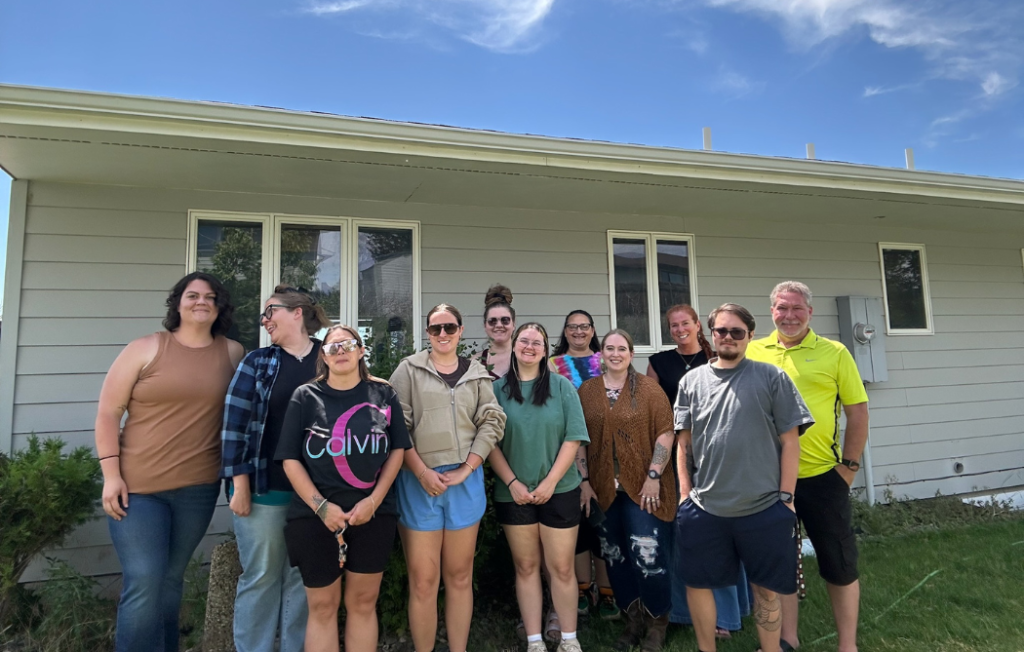
When YBGR group homes collaborate, the impact goes beyond logistics—it strengthens teams, improves communication, and enhances the care we provide to Montana kids.
That collaboration was on full display this month as staff from River’s Edge and STAR Group Homes in Billings traveled to connect with the team at North Skyline Group Home in Great Falls.
A Day of Purposeful Collaboration—and Tacos
Hosted by the North Skyline crew, the gathering included therapeutic discussion, relationship-building, and a taco lunch that brought everyone together. From shared care strategies to laughter over homemade fry bread, the event reinforced the value of taking time to connect as a united team.
Moments like these show how YBGR group homes collaborate not only to solve challenges, but to support one another and align around our shared mission: caring people, preparing youth for life.
Strengthening Teams & Care Across Montana
Teammates in attendance included: Jessie Wilson, Michelle Mouat, Lori Kapphan, Chloe Foster, Dani Miller, Brittany Olson, Zander Mathis, Richard Heusel, Jennifer Hawks, Alycia Hall, and Mariah Lefebre.
As YBGR continues to grow across the state, collaboration between group homes plays a critical role in maintaining consistency, trust, and mission-focused care. When we invest in each other, everyone benefits—especially the youth we serve.
At YBGR, the strength of our teams is the foundation for the care we provide.
Stay Connected
Stay tuned to our news updates for the latest from across Montana, and follow us on social media. You can find us on LinkedIn at Yellowstone Boys and Girls Ranch, Instagram at @ybgr_cares, and Facebook at Yellowstone Boys and Girls Ranch.

15 Quotes on Communicating with Empathy

Empathy is more than kindness—it’s the ability to understand and share in what someone else is feeling. Whether you’re leading a team, raising a child, or simply navigating day-to-day interactions, communicating with empathy builds trust, eases tension, and strengthens relationships.
Below are 15 quotes to inspire deeper connection through communication with care.
How to Connect with Empathy
Quote 1: It’s extremely powerful to hear someone say, “I get you. I understand. I see why you feel this way.” This kind of empathy disarms us. – Inspired by Daniel J. Siegel

Quote 2: People will hear you better if you speak from a voice of compassion instead of authority. They long to be understood more than to be lectured. – Inspired by Dodinsky
Quote 3: Sometimes, the most influential thing we can do is listen. – Bob Burg
Quote 4: What does it mean to “hold space” for someone else? It means that we are willing to walk alongside another person in whatever journey they’re on without judging them, making them feel inadequate, trying to fix them, or trying to impact the outcome. When we hold space for other people, we open our hearts, offer unconditional support, and let go of judgment and control. – Unknown
Quote 5: Connection: The power that exists between people when they feel seen, heard, and valued. – Brene Brown
Quote 6: When someone is struggling, they already know. They don’t need advice. They don’t need solutions. They don’t need judgment. What they need are a smile and grace. And to be reminded that the person behind the battle can still be loved. – Lauren Fortenberry
Quote 7: Empathy has no script. There is no right way or wrong way to do it. It’s simply listening, holding space, withholding judgment, emotionally connecting, and communicating that incredibly healing message “you’re not alone.” – Brene Brown
Quote 8: I judge others less when I judge myself less. – Unknown
Quote 9: When someone shares a difficult situation they are facing, don’t respond as though life is simple and there’s an easy solution. Life is complex, and often there are no simple solutions. – Rachel Samson
Quote 10: What people of all ages can use in a moment of distress is not agreement or disagreement; they need someone to recognize what it is they’re experiencing. – Adele Faber
Quote 11: Trauma happens and harms us. But I often wonder if the worst trauma is the second wave—when your story is disbelieved, mistrusted, and maligned. May your story find safe harbor in the presence of people who will honor both your vulnerability and resilience. – @kjramseywrites
Quote 12: To empathize with someone’s experience, you must be willing to believe them as they see it and not how you imagine their experience to be. – Brene Brown
Quote 13: Client: I know I probably shouldn’t have these feelings. Therapist: What you are feeling in this situation is perfectly okay. – Rachel Samson
Quote 14: Do not try to reason with someone who is not regulated. – Inspired by Rachel Samson
Quote 15: One of the most effective strategies for regulating emotion is cultivating an attitude of acceptance towards your emotions and the emotions of others. – Rachel Samson
Want More?
Check out the rest of our blog and follow us on social media. You can find us on LinkedIn at Yellowstone Boys and Girls Ranch, Instagram at @ybgr_cares, and Facebook at Yellowstone Boys and Girls Ranch.
The History of Leuthold Lodge: A Legacy of Generosity and Care
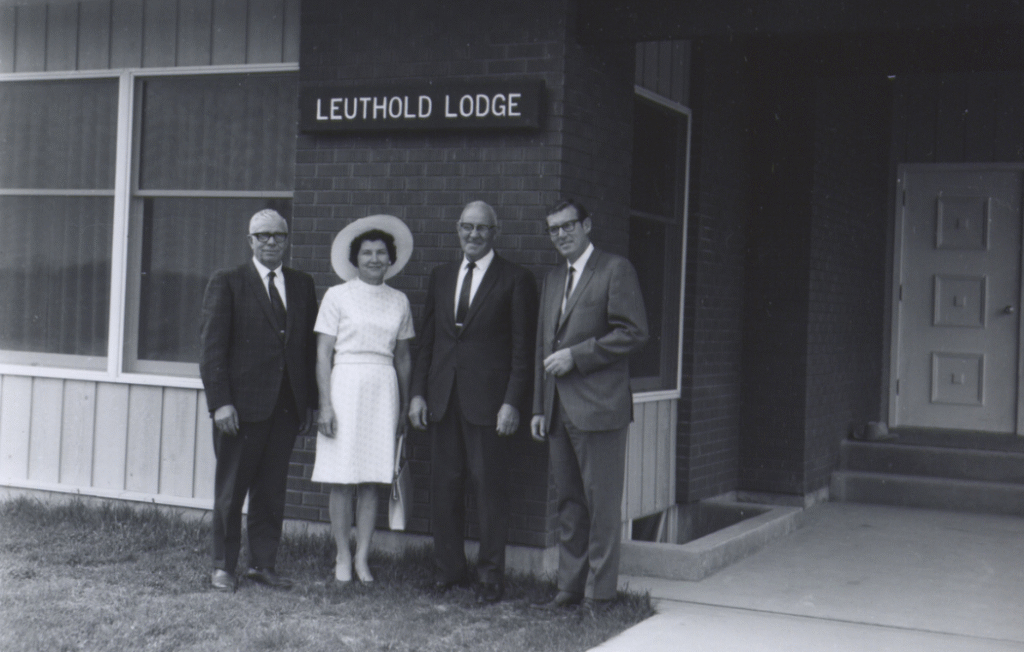
Some opportunities to change a life last only a moment. John and Grace Leuthold recognized theirs with Leuthold Lodge, and their generosity continues to shape lives at the Ranch decades later.
Early Partners With a Heart for Kids
When founder Franklin Robbie brought the Leutholds a need—whether it was serving on the Board of Directors, funding a project, or supporting a new building—their answer was always the same: “Yes.” Their support began early in Yellowstone’s story and grew as they saw the mission take root.
Building Leuthold Lodge
In 1959, John and Grace created Yellowstone’s first endowment fund, laying a foundation of caring that would support youth for generations.
A decade later, in 1969, they funded the construction of Leuthold Lodge, giving kids in residential care a warm, welcoming place to call home. Years later, the Leutholds funded a full renovation to ensure the lodge remained a strong, comfortable place for the next generation.
Inside its walls, generations of youth have found routine, safety, stability, learning, and moments of healing.
A Legacy That Lives On
The Leutholds’ impact is more than brick and mortar—it lives in every child who has found stability, hope, and care within Leuthold Lodge. Their generosity continues to echo across campus and throughout the lives of youth who call the Ranch home during some of their hardest chapters.
Their legacy reminds us that when caring people step forward with a “yes,” lives change.
Learn More About Our History
Visit our History page to explore the story—and the caring people—who helped shape our mission. Their vision continues to impact thousands of youth across Montana and beyond each year.
Want to dive deeper? You can also find A Legacy of Caring, written by our founder, Franklin Robbie, available on Amazon.
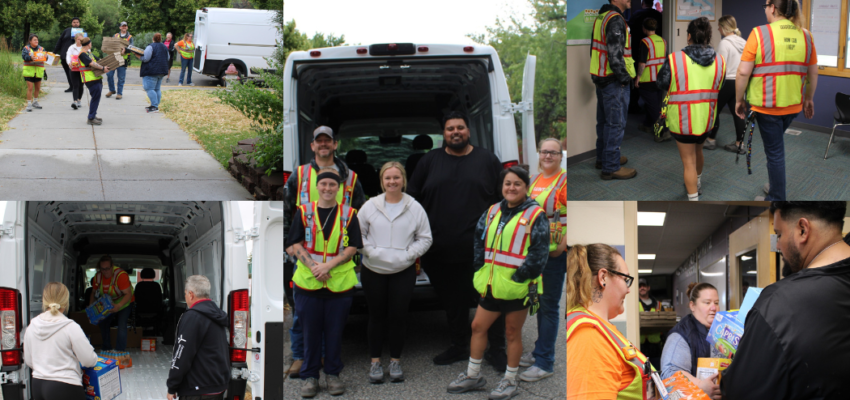
Amazon Brings Pizza, Smiles, and Care to the Ranch
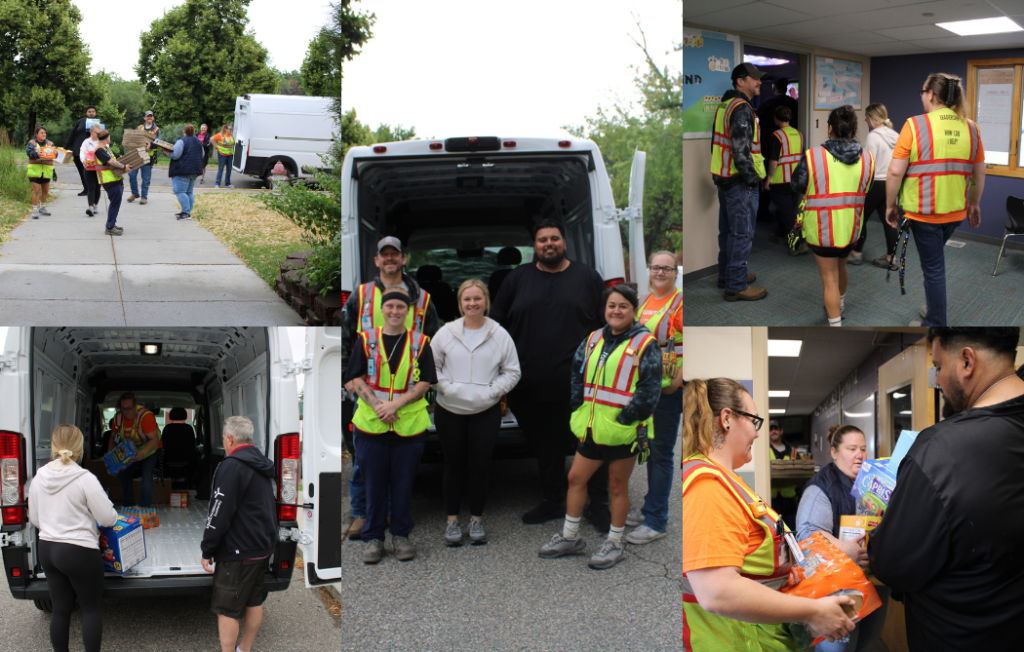
When Amazon brings pizza to the Ranch, it’s more than just a delivery—it’s a show of noteworthy support for the kids at Yellowstone Boys and Girls Ranch (YBGR).
During a recent visit, six Amazon employees arrived on campus with 42 pizzas, drinks, and snacks in hand, ready to make the day unforgettable for students at Yellowstone Academy.
Delivering Pizza and Encouragement
Fresh off a four-day regional tour, the Amazon team made a stop at YBGR to deliver an afternoon of fun and food. Every classroom was included, from our youngest learners to high school students. They offered each child as much as they wanted—yes, even seconds and thirds.
Amazon didn’t stop there. They also stocked the chapel with extra snacks, extending the impact of their visit beyond the day itself.
A New Partnership Making a Difference
While new to supporting YBGR, Amazon is already making a measurable impact through monthly in-kind donations and campus visits. When Amazon brings pizza to the Ranch, it’s not just about the food—it’s about showing up for kids in meaningful ways, even if just for the day.
Thank you, Amazon, for your generosity and commitment to Montana youth. Your contributions help meet daily needs and strengthen the foundation of care we provide.
Stay Connected
Stay tuned to our news updates for the latest from across Montana, and follow us on social media. You can find us on LinkedIn at Yellowstone Boys and Girls Ranch, Instagram at @ybgr_cares, and Facebook at Yellowstone Boys and Girls Ranch.

16 Quotes on Parenting with Empathy
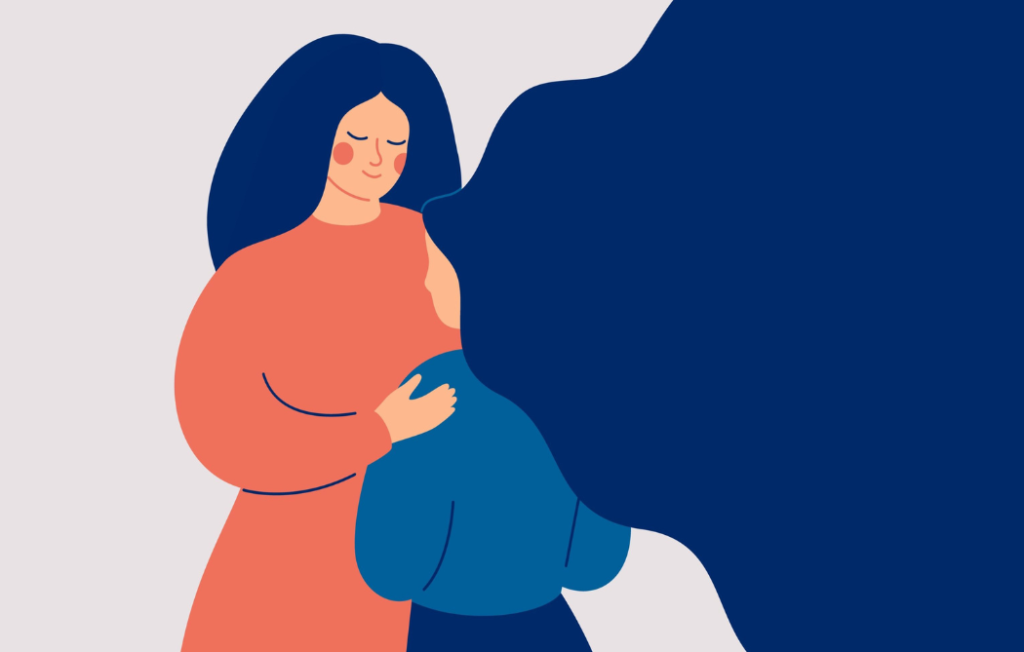
Want to give your kids a strong foundation for life? Parenting with empathy is linked to everything from healthy attachment to emotional intelligence and solid relationship skills!
But it’s not always easy, particularly when we’re stressed or our children display challenging behaviors. Below are sixteen quotes to help you master parenting with empathy.
Quotes to Guide You in Parenting with Empathy
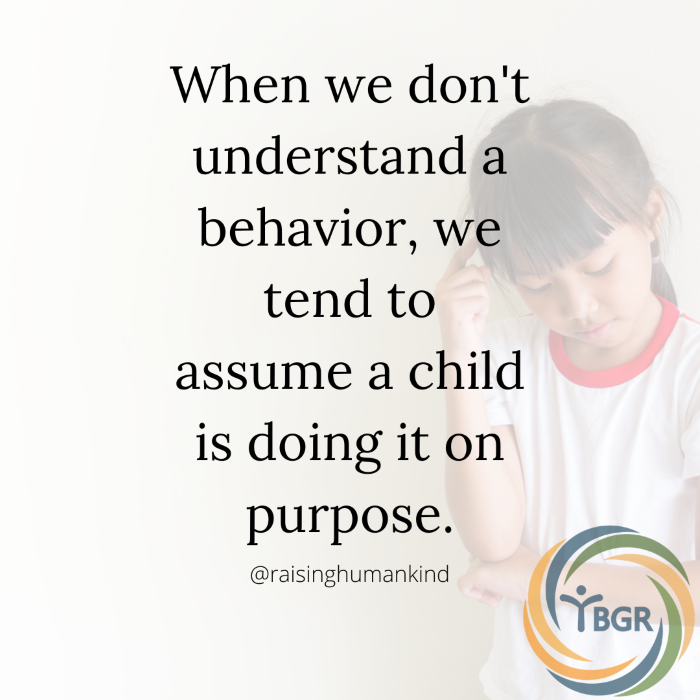
Quote 1: When we don’t understand a behavior, we tend to assume a child is doing it on purpose. – @raisinghumankind
Quote 2: The more we can look underneath a child’s behavior to understand it, the more compassion we’ll have. – Unknown
Quote 3: Beneath every behavior, there is a feeling. And beneath each feeling is a need. And when we meet that need rather than focus on the behavior, we begin to deal with the cause, not the symptom. – Ashleigh Warner
Quote 4: When a child is upset, logic often won’t work until we have responded to the right brain’s emotional needs. – Dr. Dan Siegel
Quote 5: When kids believe your first goal is to empathize and understand rather than to admonish and correct, you leave the door open for future conversations. – Philip Daniel De Jesus
Quote 6: Kids will hear you better if you speak from a voice of compassion instead of authority. They long to be understood more than to be lectured. – Inspired by Dodinsky
Quote 7: Our kids want us to give them a safe space to process their hard feelings more than they want us to fix all their problems. – Shelly Robinson
Quote 8: As a parent, the coolest tool I learned a while back was when one of my kids started complaining to me about something was to say, “do you need me to get involved, offer advice, or just listen?” 9/10, they just want my ear. – Inspired by Tobias Buckell
Quote 9: It’s crucial to keep in mind that no matter how nonsensical and frustrating our child’s feelings may seem to us, they are real and important to our child. It’s vital that we treat them as such in our response. – Daniel J. Siegel
Quote 10: What people of all ages can use in a moment of distress is not agreement or disagreement; they need someone to recognize what it is they’re experiencing. – Adele Faber
Quote 11: Children don’t need to have their feelings agreed with; they need to have them acknowledged. The more you try to push their unhappy feelings away, the more they become stuck in them. The more comfortable you can be accepting the bad feelings, the easier it is for kids to let them go. – Inspired by Adele Faber & Elaine Mazlish
Quote 12: Sometimes parents avoid talking about upsetting experiences, thinking that doing so will reinforce their children’s pain or make things worse. But telling the story is often exactly what children need to make sense of the event and move on to a place where they can feel better about what happened. – Unknown
Quote 13: By acknowledging our children’s emotions, we are helping them learn skills for soothing themselves, skills that will serve them well for a lifetime. – John Gottman, Ph.D.
Quote 14: The goal is for children to express their wants and needs with us openly. That doesn’t mean they always get what they want. It means they feel safe enough to share—even when the answer is no. – Inspired by @dr.siggie
Quote 15: The next time you lock horns with your child and tempers are flaring, remember this… It is likely a head-on collision of both parent and child not feeling seen or heard in that moment. As the adult with more power and resources, it is our job to recognize this and remove our egos from the equation so we can parent from a place of calm, curiosity, and compassion. – Shelly Robinson
Quote 16: Don’t normalize pain or neglect by refusing to be a safe haven for your child because the “real world won’t coddle them when they grow up.” Show them what love and respect look like so they’ll recognize when they’re being mistreated. – Amanda Erickson
Want More?
Check out the rest of our blog and follow us on social media. You can find us on LinkedIn at Yellowstone Boys and Girls Ranch, Instagram at @ybgr_cares, and Facebook at Yellowstone Boys and Girls Ranch.
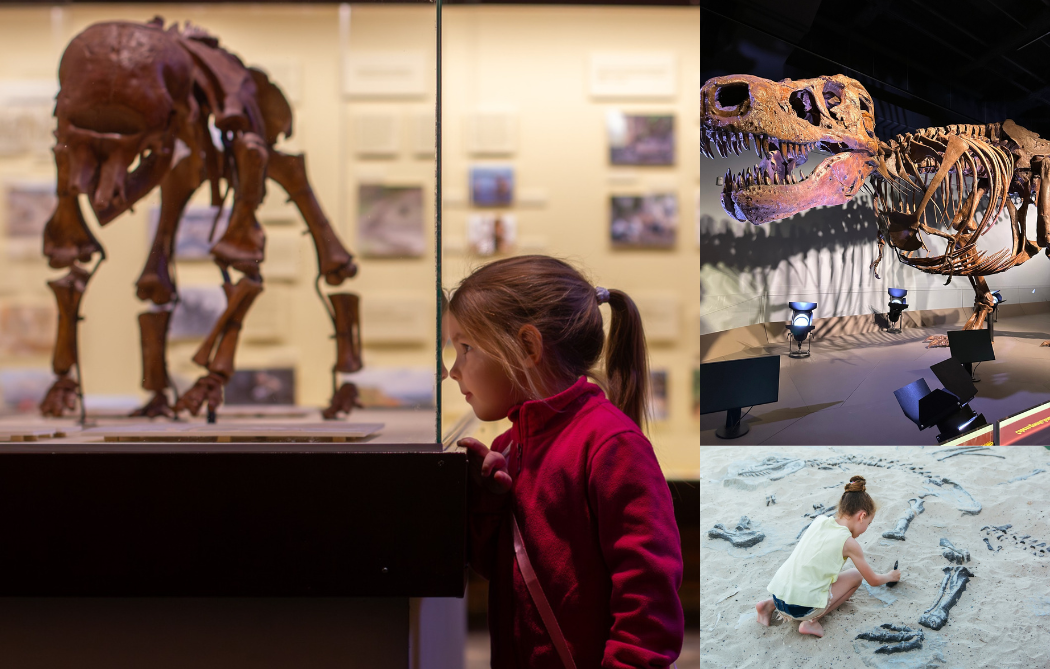
Museum Trip Celebrates Growth for Kids in YBGR’s Community-Based Services
Kids in YBGR’s community-based services in Butte recently took a special trip to the Museum of the Rockies to celebrate the progress they’ve made in their treatment plans. The outing blended learning, exploration, and was a powerful reminder of how far they’ve come.
For many, it was their very first museum visit. As the kids explored towering dinosaur fossils, hands-on science exhibits, and interactive displays, their curiosity sparked in real time.
This wasn’t just a field trip; it was a meaningful experience that promoted healing, connection, and a sense of accomplishment.
First-Time Experiences That Matter
For the kids in our care, experiences like a day at the Museum of the Rockies can be especially meaningful. This field trip became a milestone moment filled with awe, discovery, and the kind of wonder that makes learning come alive.
Each exhibit explored was a reflection of the progress they’ve made. Each question asked showed just how far they’ve come on their journey, and how much possibility still lies ahead.
Gratitude for an Experience That Inspires
We’re deeply grateful to the Museum of the Rockies for welcoming the kids in our care and helping create a day they’ll never forget. Experiences like this are one of many ways YBGR’s community-based services helps kids build confidence and discover what’s possible.
Stay Connected
Stay tuned to our news updates for the latest from across Montana, and follow us on social media. You can find us on LinkedIn at Yellowstone Boys and Girls Ranch, Instagram at @ybgr_cares, and Facebook at Yellowstone Boys and Girls Ranch.

4 Tips to Parent Foster Children with Trauma History

Parenting a foster child with trauma history can be challenging.
Trauma profoundly influences brain development, impacting children’s behaviors, ability to regulate emotions, and even their capacity to form healthy relationships.
And for many, it’s coupled with attachment issues, rooted in everything from abuse and neglect early on in life to repeated moves due to broken-down placements.
Here are some signs that may indicate a child is struggling with attachment.

Parenting children with attachment issues rooted in a history of trauma can be a formidable task. To put it simply—it’s not easy to be a foster parent.
But the work is so critical. The bonds foster parents build with kids help them heal and serve as the foundation for healthy connections in adulthood.
We want to guide you on the path to parenting kids with trauma history. So, here are a few tips to help build trust and influence children’s behavior.
Tips on Parenting Kids with a History of Trauma

Meet Needs
Your #1 goal is to find out your foster child’s needs and meet them. And the best way to find out is to ask. When doing so, be direct, using exact language. For example, “What’s going on?” “What are your needs?” “How can I support you?”
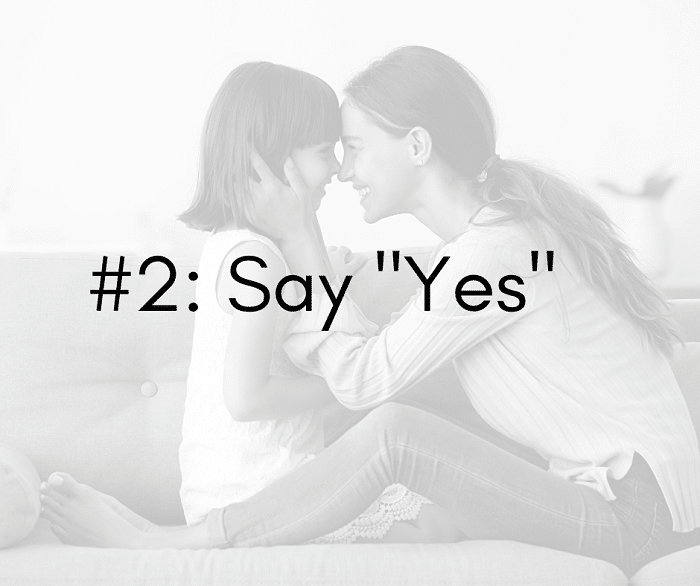
Say “Yes”
Kids in foster care have little power over their lives. So, often that manifests in a desire for control.
You can go miles when it comes to building trust with children by focusing on dishing out “yes” more than “no.” The optimal ratio is 7:1, saying “yes” 7 times for every “no.”
Learn More: How to Skip Power Struggles with Kids by Saying Yes
Make Eye Contact
Our eyes speak louder than words.
Nonverbal cues are critical components of communication, especially for kids with trauma history. As often as possible, get on your foster child’s eye level when speaking to them.
Mirror Behavior
Be a mirror. Secure attachment is characterized by a healthy rhythm between children and their caregiver’s behavior. For instance, if a baby coos, their mother will coo back, or when a toddler laughs, their father laughs too.
Congruent behaviors build trust and attachment.
Want More?
Did you find this article helpful? If so, check out the rest of our blog and follow us on social media. You can find us on LinkedIn at Yellowstone Boys and Girls Ranch, Instagram at @ybgr_cares, and Facebook at Yellowstone Boys and Girls Ranch.
Franklin and Merle Robbie Chapel: A Place Where Faith Takes Root
Faith has always been part of the Ranch’s heartbeat.
In the early 1960s, Sunday mornings meant loading nearly thirty kids into cars, vans, and even an old bus to attend churches across Billings. We were welcomed warmly by the faith community, but our founders soon realized the Ranch needed something more—a spiritual home of its own.
That vision led to the creation of the Franklin and Merle Robbie Chapel, a place where faith and belonging take root.
Building the Franklin and Merle Robbie Chapel
Thanks to generous donors—like Dr. Harold Schwartz, the Kresge Foundation, and many faithful friends—the idea of a chapel became a reality. Their gifts funded what was first known as the All-Faith Chapel, later renamed the Franklin and Merle Robbie Chapel to honor the Ranch’s founder.
The Hamilton family donated custom-stained-glass windows, designed by their son to reflect the beauty and spirit of Montana. When the chapel opened in 1970, the Ranch’s Spiritual Life Program formally began.
Life Inside the Franklin and Merle Robbie Chapel
Inside the chapel, Chaplain Wendell Wilson guided kids in both faith and character. Worship services, Bible studies, youth groups, drama teams, and the Ranch Choir filled the space with music, reflection, and moments of hope. Over time, the chapel became more than a building—it became a steady place for healing, guidance, and growth.
Spiritual Life at the Ranch Today
Today, our Spiritual Life Program continues to thrive. The Franklin and Merle Robbie Chapel remains a place where kids experience faith—often for the first time in a way that feels personal and lasting.
For many youth, the chapel is where they discover something they carry long after leaving the Ranch: A sense of purpose, a place to belong, and a foundation of hope.
Learn More About Our History
Visit our History page to explore the story—and the caring people—who helped shape our mission. Their vision continues to impact thousands of youth across Montana and beyond each year.
Want to dive deeper? You can also find A Legacy of Caring, written by our founder, Franklin Robbie, available on Amazon.

5 Tips to Help You Regulate and Respond to Others

When emotions run high, your ability to regulate—to effectively manage your emotions, energy levels, and behaviors—makes all the difference. It’s an essential skill, not just for your own well-being, but for navigating relationships with others in a way that builds trust and connection.
We all have moments when our feelings take over—when frustration builds or someone hits a nerve. In those moments, it’s easy to react. But when we pause, reflect, and respond with intention, we strengthen our relationships and model emotional balance for those around us.
How to Regulate Emotions & Respond to Others
Here are five simple, powerful tips to help you regulate in the moment and respond with clarity—not overwhelm.
Identify Your Triggers
Start by paying attention to the patterns—those moments that consistently spark strong emotional responses. Do certain situations, tones, or topics light a fuse? Recognizing your triggers isn’t about blame. It’s about awareness. When you understand what’s setting you off, you’re better equipped to respond instead of react.
Pause and Breathe
When you notice your body or mind getting activated, give yourself a beat. Pause. Breathe. That tiny gap between stimulus and response? It matters. It’s where self-control lives. The goal isn’t to ignore what you’re feeling—it’s to create just enough space to choose how you want to respond.

Notice What You Feel
Emotions often show up in the body before the brain fully catches on. A tight chest. Clenched jaw. Restless legs. Be curious about those signals—they’re information. Tuning in to what you feel physically can offer insight into what’s happening emotionally.

Accept Your Emotions
There’s no “bad” emotion. Anger, sadness, fear—these are all natural parts of being human. Accepting your emotions doesn’t mean letting them run the show. It means acknowledging what’s present without judgment. Practicing self-compassion in tough moments helps us show up better for others and for ourselves.
Practice Mindfulness
Mindfulness doesn’t need to be complicated. It’s simply about noticing what’s happening—inside you and around you. Use your senses. What do you hear? Feel? See? Returning to the present helps you stay grounded when emotions feel big.
The Bottom Line
Regulating emotions isn’t about stuffing them down or pretending everything’s fine. It’s about building awareness, creating space, and responding with intention. Whether you’re parenting a child with big feelings or navigating the complexities of professional life, these small shifts can have a big impact.
You won’t get it perfect every time—and that’s okay. But with practice, you’ll start to notice moments of calm where there once was chaos. And those moments matter.
Want More?
Check out the rest of our blog and follow us on social media. You can find us on LinkedIn at Yellowstone Boys and Girls Ranch, Instagram at @ybgr_cares, and Facebook at Yellowstone Boys and Girls Ranch.

16 Quotes on the Power of Focused Effort

Great things come to those who put in focused, strategic effort. And that requires keeping it simple—to practice discipline and say no much more than saying yes.
Below are sixteen quotes illustrating the power of focused effort.
Quotes on the Power of Focused Effort
Quote 1: Productivity is never an accident. It is always the result of a commitment to excellence, intelligent planning, and focused effort. – Paul J. Meyer
Quote 2: Juggling, multitasking, and other forms of “attention shifting” are highly inefficient. Simply, the brain works much faster and more accurately when attention is focused, for a stretch of time, on one thing at a time. – Harvard Business Review
Quote 3: The concept of always being reachable makes us present nowhere. – Peter Arvai
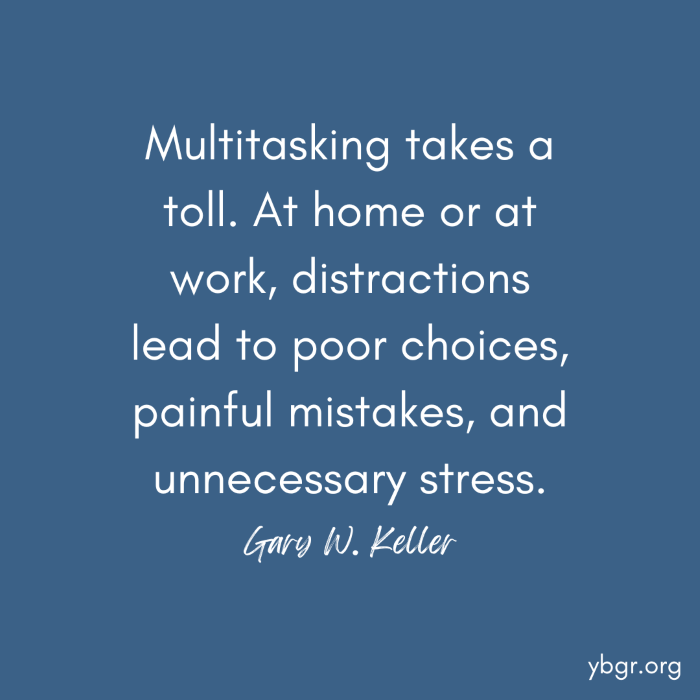
Quote 4: Multitasking takes a toll. At home or at work, distractions lead to poor choices, painful mistakes, and unnecessary stress. – Gary W. Keller
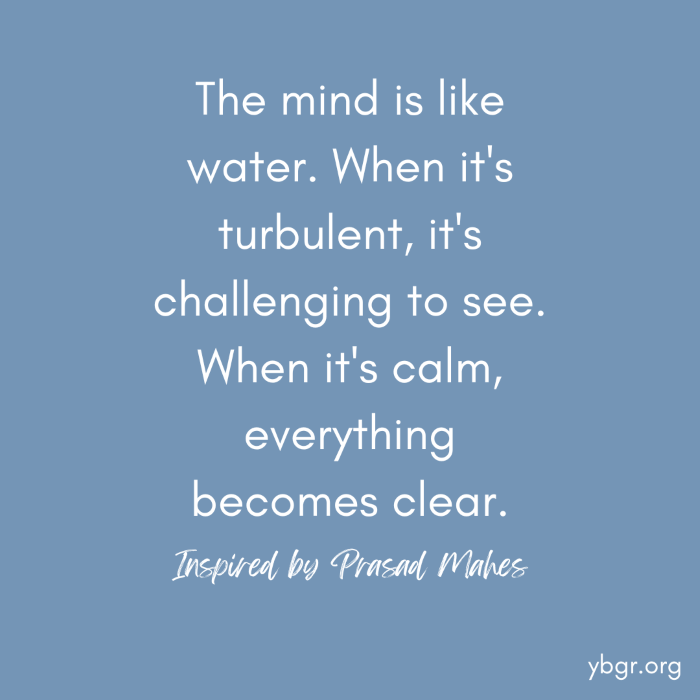
Quote 5: The mind is like water. When it’s turbulent, it’s challenging to see. When it’s calm, everything becomes clear. – Inspired by Prasad Mahes
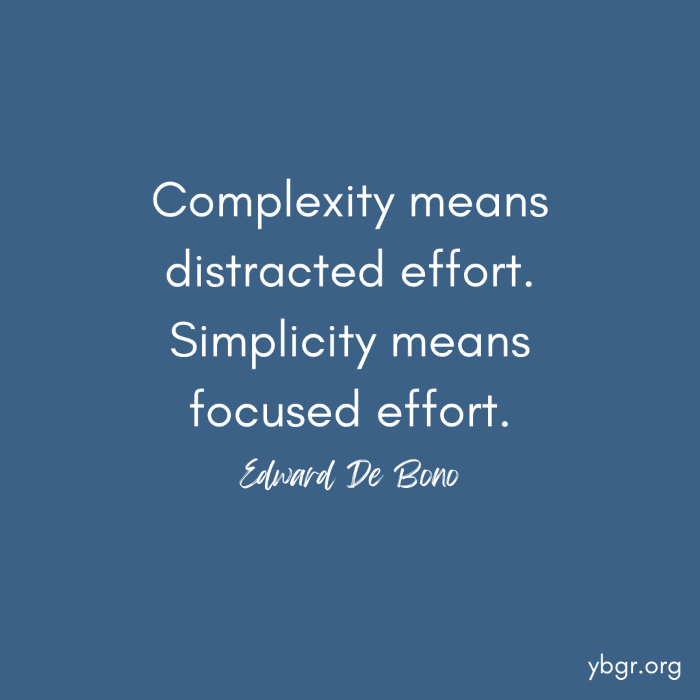
Quote 6: Complexity means distracted effort. Simplicity means focused effort. – Edward De Bono
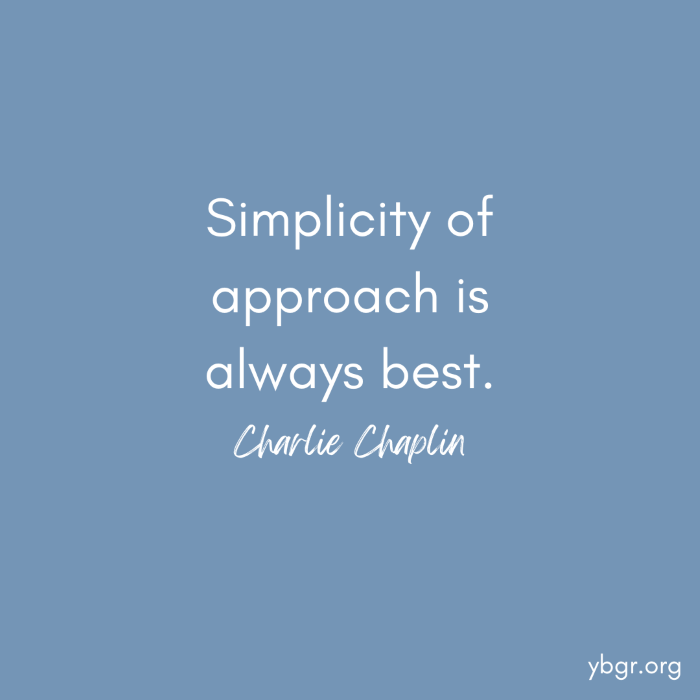
Quote 7: Simplicity of approach is always best. – Charlie Chaplin
Quote 8: Doing less is often harder than doing more. – Inspired by Carolyn Rubenstein
Quote 9: You can do anything—but not everything. – David Allen
Quote 10: The art of leadership is saying no, not saying yes. It is very easy to say yes. – Tony Blair
Quote 11: Deciding what not to do is as important as deciding what to do. – Steve Jobs
Quote 12: Time and energy are limited. Any successful person has to decide what to do in part by deciding what not to do. – Angela Duckworth
Quote 13: It’s only by saying no that you can concentrate on the things that are really important. – Steve Jobs
Quote 14: You have to say no to a lot of good things in order to be able to say yes to a lot of great things. – Steve Jobs
Quote 15: You can’t do big things if you’re distracted by small things. – Unknown
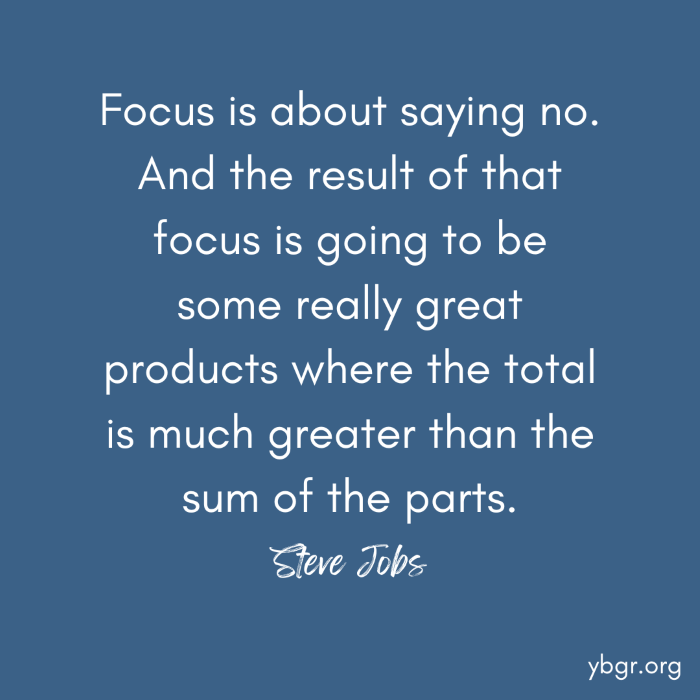
Quote 16: Focus is about saying no. And the result of that focus is going to be some really great products where the total is much greater than the sum of the parts. – Steve Jobs
Want More?
Check out the rest of our blog and follow us on social media. You can find us on LinkedIn at Yellowstone Boys and Girls Ranch, Instagram at @ybgr_cares, and Facebook at Yellowstone Boys and Girls Ranch.
Update from CEO Mike Chavers Regarding Former Employee John Whiteside
At Yellowstone Boys and Girls Ranch, we’re committed to transparency and the well-being of the youth in our care. Please see the statement below from CEO Mike Chavers addressing recent media coverage involving former employee John Whiteside:
“Protecting the safety and well-being of the youth in our care is our highest priority at YBGR. Mr. Whiteside was employed by YBGR on April 21, 2025, and was terminated on May 23, 2025.
Mr. Whiteside’s last contact with youth as a YBGR employee was on May 19, 2025. YBGR cooperated fully with all investigative efforts by law enforcement and Child and Family Services. We support appropriate legal action in response to unlawful behavior, particularly when it involves youth.
On May 20, 2025, youth at the ranch made reports indicating that Mr. Whiteside made inappropriate comments. YBGR ensured that Mr. Whiteside would have no other contact with YBGR youth and reported the incident to the appropriate authorities and guardians, per all requirements. We are grateful that the youth felt safe and empowered to report, for the quick action by YBGR staff to ensure safety, and for the thorough investigation by law enforcement.
Prior to employment, Mr. Whiteside was cleared by the Montana Department of Public Health and Human Services, a national criminal background check, and received positive references, as required for all YBGR employees. Mr. Whiteside’s 32 days as a YBGR employee included 15 days without any youth contact, and five (5) days of on-the-job shadowing.”
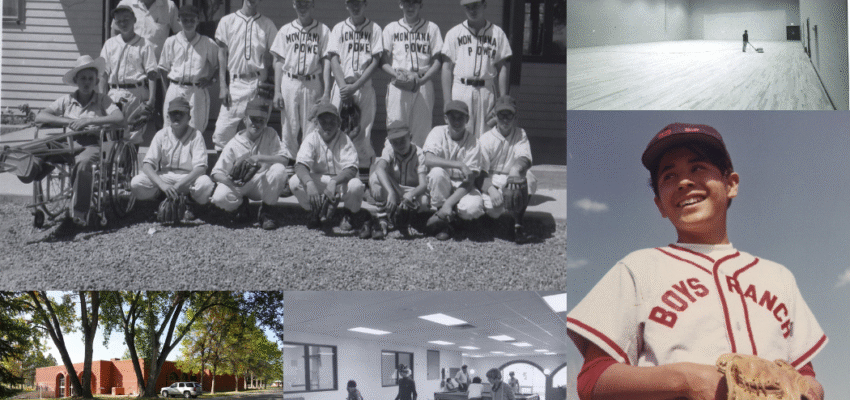
The Uihlein Center: How One Man’s Vision Shaped Our Recreation Program at the Ranch
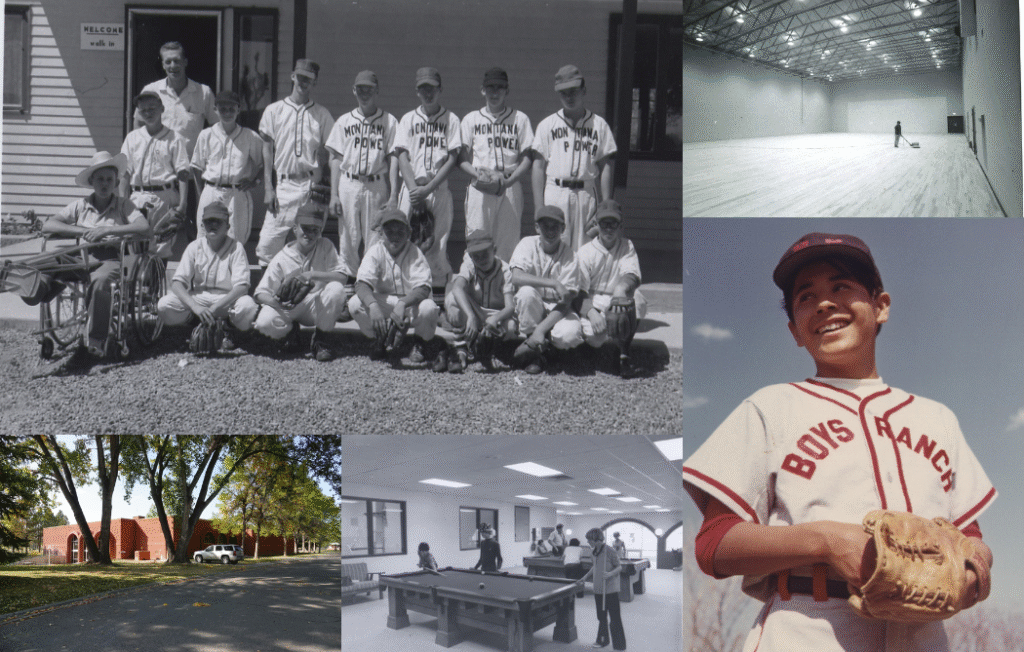
Did you know the Uihlein Center (UC) at Yellowstone Boys and Girls Ranch was built in 1973, thanks to the vision and generosity of one man?
A Donor Who Believed in Possibility
John Uihlein understood hardship firsthand. He began supporting our mission through small donations—humble acts of generosity that reflected his belief in giving kids a chance at a better future.
As he learned more about the Ranch and saw the impact of our work, his commitment grew.
After inviting our leadership to his home in Ennis, Montana, John pledged $500,000 to build what would become the Uihlein Center. His gift brought new opportunities for recreation, connection, and growth to the youth in our care.
A Center Built for Growth and Belonging
Over the years, the UC has offered activities that help young people build confidence, develop healthy relationships, and learn the value of teamwork.
Programs and amenities have included:
- A swimming pool and bowling alley
- Basketball, softball, and soccer
- Frisbee golf
- Ropes courses and team-building activities
Each of these spaces has given kids room to move, to laugh, to connect—and to experience moments of joy during some of the hardest chapters of their lives.
A Legacy That Continues Today
What began as one man’s belief in the potential of Montana youth continues to ripple across generations. The Uihlein Center remains a cornerstone of Ranch life, shaping thousands of young lives and offering a place where healing, growth, and community take root.
Learn More About Our History
Visit our History page to explore the story—and the caring people—who gave birth to our mission. Their vision continues to touch the lives of thousands of youth across Montana and beyond each year.
Want to dive deeper? You can also find A Legacy of Caring, written by our founder, Franklin Robbie, available on Amazon.

14 Quotes on Having a Gentle Response to Kids’ Mistakes

How do you respond to children when they make mistakes? It impacts everything from the comfort they have coming to us when they slip up to the mindset they develop to successfully navigate challenges.
Your Child’s Mistakes Help Them To:
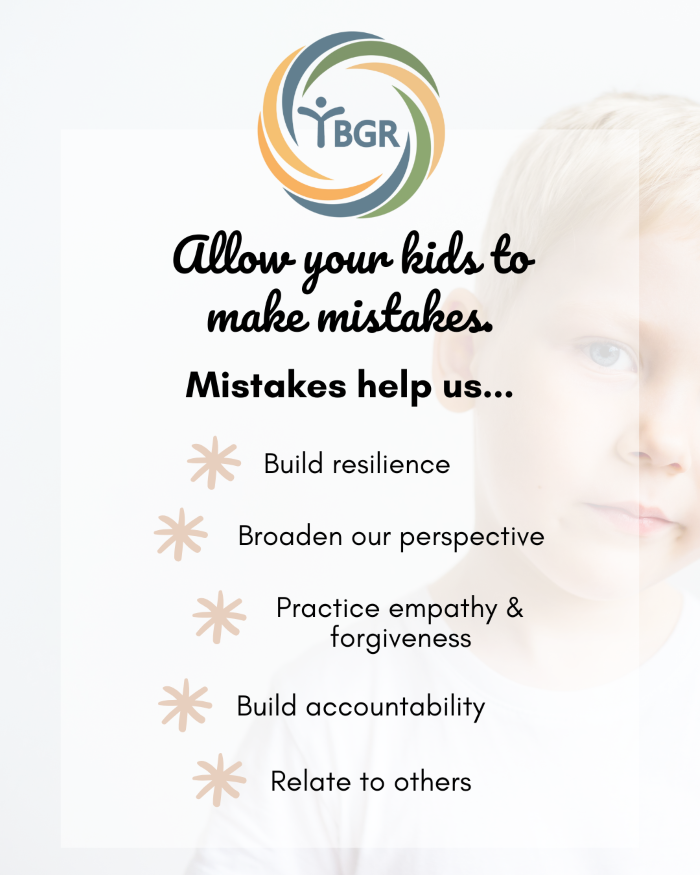
Quotes on Having a Gentle Response to Kids’ Mistakes
Below are fourteen quotes to guide you in having a gentle response to your child when they make mistakes.
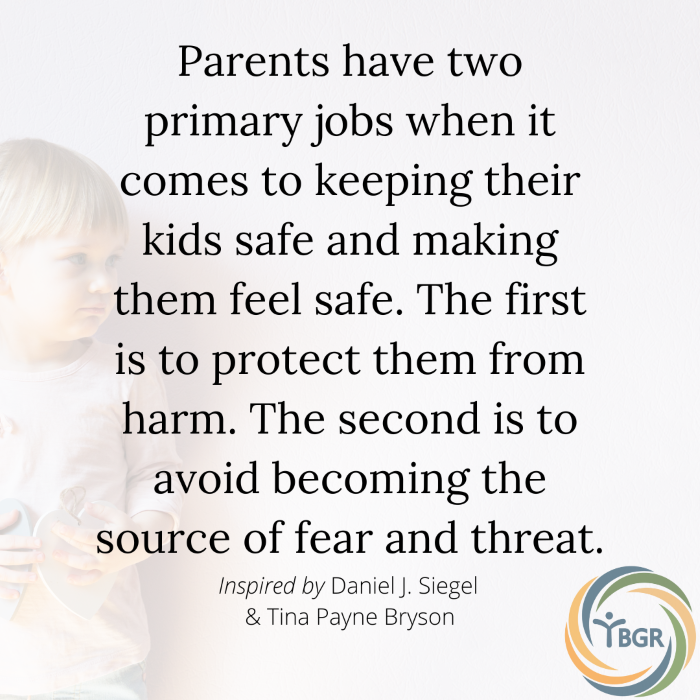
Quote 1: Parents have two primary jobs when it comes to keeping their kids safe and making them feel safe. The first is to protect them from harm. The second is to avoid becoming the source of fear and threat. – Daniel J. Siegel & Tina Payne Bryson
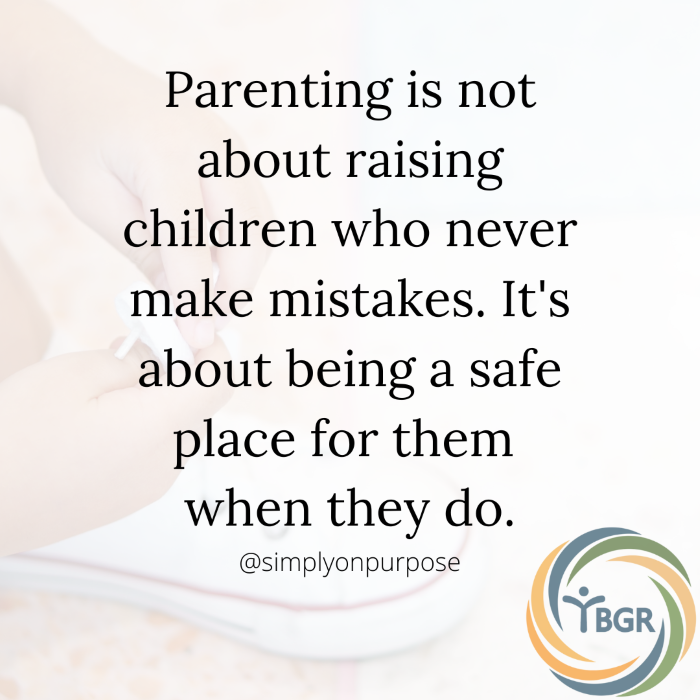
Quote 2: Parenting is not about raising children who never make mistakes. It’s about being a safe place for them when they do. – @simplyonpurpose
Quote 3: I think it’s really, really important that our home is not another place where our kids feel like they are failing—like they aren’t enough. – Rachel Macy Stafford
Quote 4: I often wonder if we speak so harshly to ourselves when we make a mistake because that’s how we were spoken to when we messed up as kids. – Shelly Robinson
Quote 5: The patience and kindness you offer your child when they’ve made a mistake will be the patience and kindness they offer themselves when they make a mistake as an adult. Be kind and intentional with your words. – @loveandletgrow
Quote 6: We teach our kids how honest they can be with us based on how we react when they tell us things we don’t want to hear. – Susan Stiffelman
Quote 7: Getting angry and yelling at kids for making mistakes doesn’t teach them not to make mistakes—it teaches them to hide their mistakes. – @simplyonpurpose
Quote 8: I never want my kids to mess up and think, “Dad’s going to kill me.” Instead, I want their first thought to be, “I need to call my dad.” – Unknown
Quote 9: When we make a mistake while attempting to learn a new skill, we don’t like to be isolated and made to feel ashamed for what we did wrong. Neither do children. – Shelly Robinson
Quote 10: When my child has made a poor decision that has led to a painful lesson, the last thing they need is a side of belittlement and condescension from me. – Unknown
Quote 11: When my child makes a mistake, and I feel tempted to scold them, I try to remember how I want to be treated when I make mistakes in my own life—with compassion, curiosity, and grace. – Shelly Robinson
Quote 12: Kids cannot persevere unless they know mistakes are part of life. Talk about your child’s mistakes without criticizing, showing anger, or shaming. Then give constructive feedback on how to improve. – Inspired by Michele Borba
Quote 13: Look for solutions rather than punishments. Children need to learn how to fix their mistakes, not just pay for them. – Rebecca Eanes
Quote 14: One day, your child will make a mistake or a bad choice and run to you instead of away from you. And in that moment, you will know the immense value of peaceful, positive, respectful parenting. – L.R. Knost
Want More?
Check out the rest of our blog and follow us on social media. You can find us on LinkedIn at Yellowstone Boys and Girls Ranch, Instagram at @ybgr_cares, and Facebook at Yellowstone Boys and Girls Ranch.
Yellowstone Boys and Girls Ranch Welcomes First Girls to the Ranch
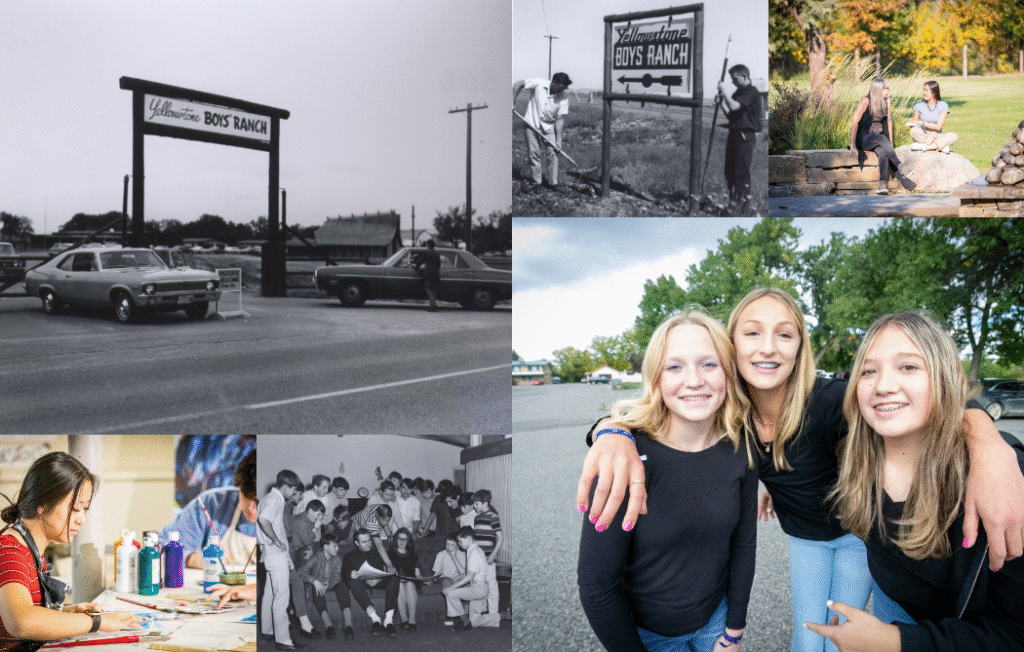
For years, it was only boys. But what about the girls?
In 1956, Franklin Robbie led a united vision to create an alternative refuge for boys at Montana State Industrial School, giving rise to Yellowstone Boys Ranch. For 23 years, the Ranch lived up to its name—serving only boys who carried heavy burdens.
A Call for Change — Yellowstone Boys and Girls Ranch Welcomes Girls
By the late 1970s, Montana was seeing more and more girls in crisis, and families began voicing heartfelt pleas—don’t forget the sisters, the daughters, the girls who hurt too.
In June of 1980, the Yellowstone Foundation announced in The Wrangler that girls would soon join our care, marking the first time we were known as Yellowstone Boys and Girls Ranch. That summer, Yellowstone Boys and Girls Ranch welcomed its first girls, launching a new pilot program that opened doors for healing and belonging.
With state support, one brave girl became the first to walk through our gates. Her arrival marked a turning point—lodges built, donors rallying, and girls finally finding a place to heal and grow.
Expanding Hope and Belonging
When Yellowstone Boys and Girls Ranch welcomed its first girls, it became clear that the Ranch’s heart had never been just for boys—it had always been for kids.
Today, more than four decades later, girls make up nearly 80% of the youth in care at the Ranch. Their courage and resilience continue to shape who we are as a community of caring people, preparing youth for life.
Learn More About Our History
Visit our History page to explore the story—and the caring people—who gave birth to our mission. Their vision continues to touch the lives of thousands of youth across Montana and beyond each year.
Want to dive deeper? You can also find A Legacy of Caring, written by our founder, Franklin Robbie, on Amazon.
Kids at YBGR’s Boulder Group Homes Make a Lasting Impact at Local Animal Shelter
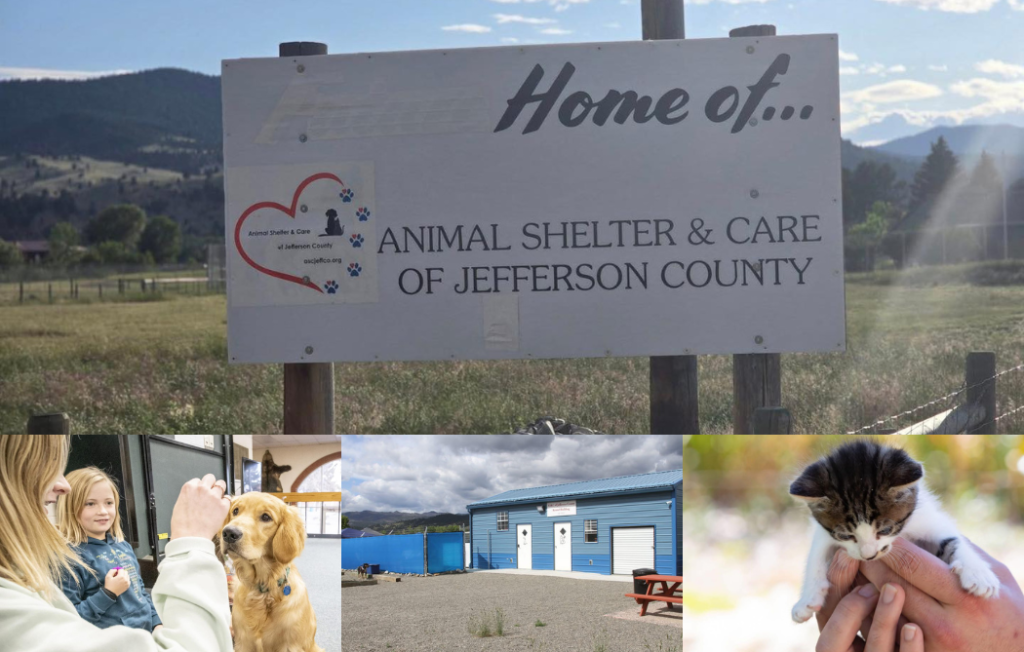
What began as a one-time service project has grown into something much deeper. For over a year, kids from our Boulder Group Homes have partnered with Animal Shelter and Care of Jefferson County (ASCJeffco)—and the impact continues to grow.
A Community Partnership That’s Building More Than a Shelter
It began with a simple goal: to help build a shelter and dog park that would serve the community and provide care for animals in need. But long after the construction wrapped up, the connection remained.
Now, each week, youth return to ASCJeffco—not because they have to, but because they want to. They walk dogs, clean kennels, and comfort animals still waiting for a home. Their steady presence has become a source of support that the shelter can count on.
Building Skills at Boulder Group Homes Through Service
This isn’t just about volunteering—it’s about growth. Through their work, youth are learning responsibility, showing up with consistency, and experiencing the power of care in action.
With the guidance of our Boulder team, they’re developing real-world skills and growing into leaders. They’re learning what it means to contribute, to connect, and to show up for something bigger than themselves.
Preparing Youth for Life Through Purposeful Engagement
This is what our mission, “Caring People, Preparing Youth for Life,” looks like in practice.
By creating space for service, our kids are not only supporting the community—they’re discovering who they are and what they’re capable of. This partnership with ASCJeffco is a powerful example of what can happen when care is consistent and purpose-driven, both for the animals and for the youth in our Boulder Group Homes.
Stay Connected
Stay tuned to our news updates for the latest from across Montana, and follow us on social media. You can find us on LinkedIn at Yellowstone Boys and Girls Ranch, Instagram at @ybgr_cares, and Facebook at Yellowstone Boys and Girls Ranch.
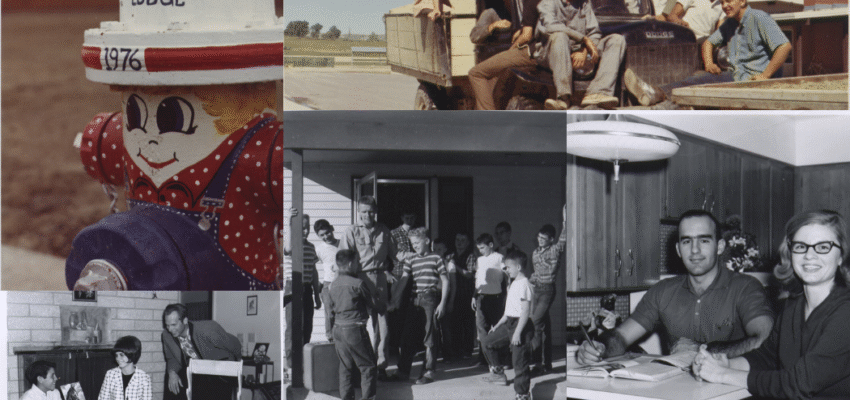
The Yellowstone Boys and Girls Ranch Expansion in the 1970s Into Therapeutic Care
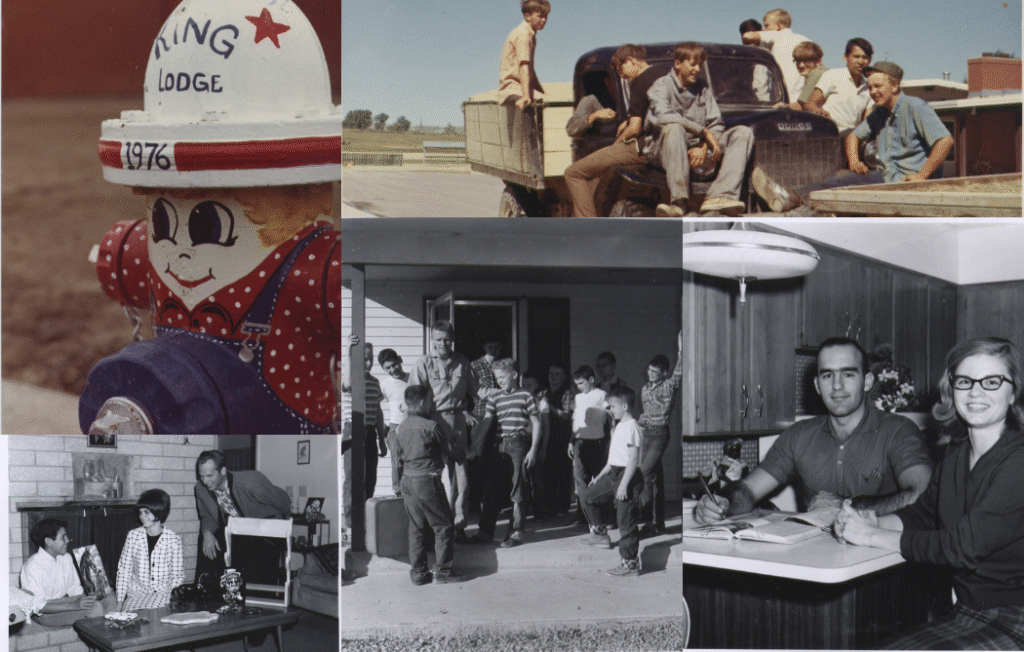
When hundreds of young lives find healing, you know something powerful is at work.
The Yellowstone Boys and Girls Ranch expansion in the 1970s marked a new chapter for mental health care.
In 1976, King Lodge opened as the first to include its own kitchen and dining room, creating a space where daily life could feel more like home. Soon after, the Ranch partnered with the State of Montana to serve youth in need of therapeutic care. By 1977, Orth Lodge had launched a pilot program, opening new possibilities for treatment.
Expanding Care, Restoring Hope
By 1978, Yellowstone Boys and Girls Ranch had built a more comprehensive continuum of behavioral health care, earning accreditation from the Joint Commission of Hospitals. Jessie Grant Lodge welcomed six young girls in 1979, and by 1982, Shumaker Lodge expanded its treatment for girls, while London Lodge provided a supportive environment for boys.
By our 25th anniversary, more than 600 youth had received care through the Ranch. Even the fireplaces in Jessie Grant and Shumaker Lodges—built by a former youth apprenticing under Gene Halone—carried symbolic weight, crafted by hands once in need of healing.
At YBGR, every lodge is more than brick and timber. Each stands as a testament to the work of caring people, preparing youth for life.
Learn More About Our History
Visit our History page to explore the story—and the caring people—who gave birth to our mission. Their vision continues to touch the lives of thousands of youth across Montana and beyond each year.
Want to dive deeper? You can also find A Legacy of Caring, written by our founder, Franklin Robbie, on Amazon.
Friction. How to Conquer Conflict at Work

Conflict! For many, the word insights extreme discomfort. I mean, hats off to those who navigate relationship tension like a pro. I know I don’t. And I’m not alone.
Surveys show that an astounding 85% of American workers regularly traverse conflict. And over half of them feel ill-equipped for the journey.
Friction, particularly in the workplace, is inevitable. Work is where people with diverse backgrounds, values, and personalities congregate. And disputes often arise where differences meet.
Conflict Boils Down to Communication
Have you heard of the four horsemen of the apocalypse? After a mountain of research, Psychologist John Gottman found that specific communication patterns predicted divorce with over 93% accuracy. And what were those patterns? Criticism, defensiveness, contempt, and stonewalling.

Here’s the kicker. While Gottman’s research focused on marriage, his findings ring true for relationships across all settings. Understanding the four horsemen and developing the skills to overcome them is priceless in navigating conflict.
Below is a breakdown of John Gottman’s four horsemen and tips on how to conquer them at work.

Criticism
When we criticize others, we state complaints as a defect in their personality or character. As a result, our communication comes across as a personal attack, causing the other party to become defensive and shut down their desire for mutual resolution.
Frequently, criticism is characterized by universal statements, such as “You never” or “You’re too lazy.”
How to Counter Criticism
Of course, the best counter to criticism is to complain without dishing out blame. To do so, gently express your needs using “I” statements, rather than resorting to “you” statements. Try describing how you feel as neutrally as possible while still making your point.
Before walking into an interaction, think to yourself:
“What emotions do I feel?”
“What do I need from the other person in this situation?”
When countering criticism in the workplace, try to be as general as possible, asking questions such as “Can you tell me what brought you to that approach?”

Contempt
What’s contempt? It’s general meanness, mocking, condescension, and sarcasm. Some examples include eye-rolling, sneering, and name-calling.
Contempt can come across as any statement or nonverbal behavior aiming to elevate you to a higher ground than another person. It’s the ultimate sign of disrespect, and according to John Gottman, it’s the number one predictor of relationship failure.
When we engage in contempt, it often causes the other party to counter with defensiveness and stonewalling, spiraling both parties further down the rabbit hole of conflict.
How to Counter Contempt
Counter contempt by creating a culture of appreciation. For instance, if you admire something about a teammate, tell them. And when they do something great, let them know.
Moreover, try to avoid sarcasm, even through humor. It’s often taken out of context and can result in hurt feelings.
Note for Supervisors
Don’t wait for formal performance reviews to communicate a job well done to your people. Instead, catch them doing good and call it out whenever possible.

Defensiveness
I don’t know about you, but I don’t like feeling attacked, rejected, or criticized. And my first reaction to it, like most of us, is to defend myself.
But that reaction? It can be damaging! And why is that?
Because when we’re defensive, it signals to the other party that we aren’t able to take a hard look at our behavior and execute actions to correct it.
When we act defensively, we counter a perceived attack with a counterattack. Frequently, we take the victim role and refuse to take responsibility for our part in destructive communications.
And that behavior only escalates and spins the interaction out of control.
How to Counter Defensiveness
The counter to defensiveness is straightforward—take responsibility. We can’t mitigate conflict with others unless we take accountability for our part in it.
Yes, you heard me right. You play a role in the negative interactions you have with others. It’s inevitable. We all do.
So, next time you feel attacked, take responsibility by openly acknowledging your part in the exchange. And even if you slip up in your communications, you can still clean it up.
Here’s an example: “Let’s start that again. I might not have expressed that thought very well. I apologize.”

Stonewalling
Stonewalling involves avoiding contact with another person with the intent of making them feel ignored or invalidated. When we stonewall, we shut down and emotionally withdraw from conflict.
Essentially, we close ourselves off from those we’re in discord with, which often leads to noncooperation.
Stonewalling can look like:
- Ignoring what the other person is saying
- Changing the subject to avoid an uncomfortable topic
- Storming off without a word
- Coming up with reasons not to talk
- Refusing to answer questions
- Making accusations rather than talking about the current problem
- Using dismissive body language such as rolling or closing eyes
- Engaging in passive-aggressive behaviors such as stalling or procrastinating to avoid talking about a problem
- Refusing to acknowledge the stonewalling behavior
Here are some reasons why we respond to conflict by stonewalling:
- We have a hard time expressing feelings & needs.
- We feel pressured or threatened to get our point across
- We are flooded with emotion
- It’s hard to open up and be vulnerable with feelings, so we push those feelings inward.
- We use the “silent treatment” as a control tactic to punish or get back at the person we’re upset with.
- We feel the other person won’t understand where we are coming from, so we think, “what’s the point?”
- We grew up in an environment where feelings were not openly discussed, and caregivers modeled avoidance.
The thing with stonewalling is we never address conflict when we do it. Instead of fixing the problems at the root of relationship friction, we let them rot, only perpetuating negative feelings.
How to Counter Stonewalling
Stonewalling is tricky. Sometimes, we get so flooded with emotion that we know we’ll become highly agitated or even enraged if we confront conflict head-on. And that’s not good. But disengaging isn’t a solution either.
So, what’s the answer? First, practice open communication by letting the other party know you need a break. Then, use that time to distract yourself from the conflict, explore your feelings, and calm down.
Remember, decompress, but always come back to the interaction when you’re in a space to navigate it constructively. When you return, use empathy and convey that you are listening to understand the other party’s experience, even if you disagree with their viewpoint.
Want More?
For more content like you found in this article, check out the rest of our blog and follow us on social media. You can find us on LinkedIn at Yellowstone Boys and Girls Ranch, Instagram at @ybgr_cares, and Facebook at Yellowstone Boys and Girls Ranch.

4th Annual Chili Cook-Off at the Ranch

Get ready for an evening full of flavor, fun, and real country music—Yellowstone Foundation is bringing the heat to the Jones Equestrian Center for the 4th Annual Chili Cook-Off at the Ranch!
Put your chili-tasting skills to the test while enjoying live music from www.Twang—authentic country sound at its finest.
When:
Thursday, September 25th | 5–8 PM
Where:
Jones Equestrian Center, Yellowstone Boys and Girls Ranch
1732 72nd St W, Billings, MT 59106
(on Hesper Rd, West of 72nd St. on the North side)
Your ticket includes:
🍲 Chili, sides, soda, and water
🎶 Live entertainment
🎟️ Access to games and festivities
Available for purchase:
🔥 Collector chili bowls
🐎 Horse rides
🍻 Adult beverages
🎉 Heads/tails game & silent auction fun
Ticket Prices:
- $15 per person
- $50 for a family of four or more
- Children 5 & under are FREE
- Children 12 & under receive one free horse ride
- $150 for a reserved table for eight
Click here to visit the Yellowstone Foundation’s website to purchase tickets.
All proceeds support activities for kids across Yellowstone Boys and Girls Ranch’s residential, educational, and community-based programs.
A special thank you to our generous sponsors for making this community celebration possible.
Have questions or want to get involved?
Contact Abigail at Yellowstone Foundation today.

17 Quotes on Coaching Kids Through Behaviors

As parents, navigating tricky behaviors can be challenging. But with a positive approach built on a foundation of curiosity and intention, we can help our little ones learn, grow, and thrive.
Below are seventeen quotes to help you decode and coach kids through behaviors.
Quotes on Coaching Kids Through Behaviors

Quote 1: When we don’t understand a behavior, we tend to assume a child is doing it on purpose. – @raisinghumankind
When we don’t understand behavior, it’s easy to assume it’s intentional.
The talking back. The shutdown. The meltdown in the grocery store. Without context, it can feel personal—even defiant.
But most of the time, it’s not about us. It’s about a child trying to cope with something they can’t yet manage, express, or explain.
Assuming intent closes the door to understanding. Curiosity cracks it open.

Quote 2: There’s usually an “inside” story to every “outside” behavior. Though we may not be able to know that “inside story,” there’s generally some inner reason for what children do. – Fred Rogers
Every behavior tells a story—even if we don’t know the full plot.
What we see on the outside is often just the surface: the outburst, the shutdown, the refusal. But underneath? There’s almost always a reason—stress, confusion, fear, or needs that haven’t been met.
We don’t have to excuse the behavior to understand it. When we lead with that mindset, we respond with more patience, clarity, and compassion.

Quote 3: One of the most important tools for parents is the power of observation. Often, we act before considering the underlying meaning of kids’ behaviors, focusing on managing or correcting it instead of reflecting on what it means for the child. – Inspired by @monadelahooke
Before we correct, it helps to observe. Behavior isn’t random—it’s often a clue.
Kids may not say, “I’m overwhelmed” or “This is too much for me.” But their behavior might be trying to tell you just that.
One of the most powerful tools we have as parents is curiosity. When we pause long enough to notice, we shift from reacting to understanding. That shift helps us respond in ways that support our kids.

Quote 4: Beneath misbehavior often lies a struggling child who is aware that they are not meeting expectations but unaware or unequipped on how to do so. – Inspired by Sarah Boyd
Kids usually want to meet expectations. But under stress, the skills that help them do that—like calming down, thinking ahead, or stopping to consider their choices—can fall apart.
That’s because the part of the brain responsible for planning, focus, and self-control (called executive function) is still developing—and even more so when emotions run high.
It’s not about motivation. It’s about brain development. And kids need coaching, not criticism, to build those skills over time.

Quote 5: Challenging behavior occurs when the demands placed on a child outstrip the skills they have to respond adaptively to those demands. – Dr. Ross Greene
Challenging behavior doesn’t mean a child won’t—it often means they can’t. At least not yet.
When the demands placed on a child exceed the skills they have—whether it’s managing emotions, thinking flexibly, or navigating social situations—behavior becomes the signal.
This idea is at the heart of Dr. Ross Greene’s Collaborative & Proactive Solutions model. Backed by research on lagging executive, emotional, and social skills, it offers a simple, powerful truth:
Kids do well if they can.
And if they can’t? They don’t need more pressure—they need support to build the skills they’re missing.

Quote 6: Children do not enter this world with bad intentions. They do not come to wear us out, test our patience, or push us over the edge. They come to us with a need for love, connection, and belonging. – Rebecca Eanes
From the very beginning, kids are wired to seek connection and safety—it’s how they survive, and how they grow.
So when behavior gets loud or hard to manage, it’s usually not about manipulation. It’s a signal. A sign that something isn’t working, and a child is struggling to get their core needs met.
When we see behavior as a call for connection—not control—we’re more likely to respond with the guidance and support kids truly need.

Quote 7: Every child wants to succeed. Every child wants to have a good relationship with others. Every child wants to have a sense of belonging and significance. When we remember this, we will give misbehaving children the benefit of the doubt. Instead of assuming they want to be difficult, we will assume they want positive results and are simply confused about how to achieve them. – Jane Nelsen
At the core, every child wants to do well. They want to connect. To feel seen. To belong.
When behavior misses the mark, it’s rarely because a child wants to cause problems—it’s usually because they’re struggling to get their core needs met—and working to meet them in the only way they know how.
Giving kids the benefit of the doubt doesn’t mean lowering expectations. It means recognizing their intentions are good—even when their behavior isn’t—and showing them how to get to the outcome they’re really after.

Quote 8: Too often, we forget that discipline really means to teach, not to punish. A disciple is a student, not a recipient of behavioral consequences. – Daniel J. Siegel
Discipline at its core is about helping kids learn what to do next time—not just making them pay for what went wrong.
When we shift from reacting to teaching, we give kids the tools to build better behavior over time.

Quote 9: Repeatedly telling a child what they’re doing wrong won’t help them learn what to do differently. – @parenting_pathfinders
Pointing out what’s wrong doesn’t teach what to do instead.
Kids need more than correction—they need coaching. When we only tell them what not to do, we leave a gap. A blank space where the skill should be.
Real growth comes when we help them fill that gap—with guidance, modeling, and practice. It’s not about lowering expectations—it’s about giving them the tools to reach them.

Quote 10: Before telling a child to stop doing something, imagine them asking you, “What should I do instead?” Then, skip telling them to “stop” and tell them this. – @parenting_pathfinders
What if, before saying “stop,” we paused to consider what a child could do instead?
Most kids aren’t trying to misbehave—they’re trying to navigate a situation with the tools they have. When we only tell them what not to do, we leave them without a way forward.
So next time, imagine them asking, “What should I do instead?” And lead with that.
Giving clear direction helps kids build the skills they need to succeed.

Quote 11: Affirmation is powerful! When you encourage kids with their small successes, they are usually eager to do more. – @connectedfams
Kids grow where they’re encouraged.
A small win—a kind word—a moment of progress noticed. That’s often all it takes to spark motivation. Affirmation builds confidence, and confidence fuels growth.
As @connectedfams puts it: “When you encourage kids with their small successes, they are usually eager to do more.”
What we choose to highlight matters. Catch them doing well, and watch what happens next.

Quote 12: Clear is kind. Unclear is unkind. Often, we get so focused on how to respond when kids cross boundaries that we forget to ensure our boundaries are clear to begin with. – @helpingfamiliesthrive
“Clear is kind. Unclear is unkind.”
We often focus on how to respond when kids cross boundaries—but sometimes, the real issue is that the boundary wasn’t clear to begin with.
Kids aren’t mind readers. They’re learners.
When we set limits with calm, consistent clarity, we make it easier for them to succeed.

Quote 13: Punishing a child forces them to focus on how their behavior affects them. Communicating with a child helps them to focus on how their behavior affects others. To parent effectively, focus on communication instead of retribution. – Inspired by L.R. Knost
Punishment makes kids think, “I’m in trouble.” Communication helps them think, “I made a mistake—and here’s how it affected someone else.”
One pushes kids into self-protection. The other invites growth, accountability, and connection.
It’s not about making kids pay for what went wrong—it’s about helping them understand, repair, and grow.

Quote 14: If controlling another human being is the goal, then force is necessary. Fear, intimidation, threats, power-plays, physical pain—those are the means of control. But, if growing healthy humans is the goal, then building trust, relationships, encouraging, guiding, leading, teaching, and communicating are the tools for success. – Inspired by L.R. Knost
The way we respond to challenging behavior says a lot about what we’re aiming for.
If the goal is short-term compliance, we might lean on control or fear to get it. But if the goal is long-term growth—raising thoughtful, capable humans—we have to take a different path.
That means leaning into connection, not coercion. Teaching instead of punishing. Holding boundaries and holding space.
It takes more time, more intention—but it builds something stronger.

Quote 15: You won’t be able to always control your child. But with a relationship with trust and connection, you will be able to influence them for years beyond childhood. Focus on connection & influence instead of power & control. – Dr. David Erickson
Control is temporary. But connection? That lasts.
You won’t always be able to control your child’s choices—and you shouldn’t have to. What carries real weight over time is the relationship you build.
When trust and connection are strong, your influence lasts far beyond childhood. Not because you demanded it—but because you earned it.

Quote 16: Never miss an opportunity to make a kid feel better about themselves. When they feel good, their whole demeanor changes. They learn better, behave better, and act better toward others. – Christine Derengowski
It’s easy to focus on what needs correcting. And yes—kids need guidance, limits, and clear expectations. But if that’s all they hear, they can start to believe they’re only as good as their mistakes.
Encouragement shifts that narrative. When we reflect back their effort, growth, and small wins, we help them see themselves differently—and that changes everything.
A child who feels seen and capable is more open to feedback, more willing to try again, and more likely to grow—not because we demanded it, but because they believe they can.

Quote 17: When children perceive that they belong and that they are capable, they feel encouraged and behave in socially acceptable ways. – Jane Nelson
When kids feel like they belong and that they matter, their behavior often starts to shift.
Belonging isn’t just a warm feeling—it’s a basic need. And when kids see themselves as capable contributors, they’re more likely to show up in ways that reflect that belief.
That sense of belonging fuels motivation. It builds resilience. It gives kids a reason to care—not just about how they’re doing, but about how they’re impacting others.
Instead of trying to earn their place, they begin to live into it—taking ownership, showing empathy, and stepping into who they’re becoming.
Need Support?
We’re here to help! With everything from therapy to in-home caregiver support and more, we provide a wide range of behavioral health services tailored to each child’s unique needs—designed to empower families in treatment.
Contact us to learn more about getting involved.
Did You Find This Article Helpful?
Check out the rest of our blog and follow us on social media. You can find us on LinkedIn at Yellowstone Boys and Girls Ranch, Instagram at @ybgr_cares, and Facebook at Yellowstone Boys and Girls Ranch.
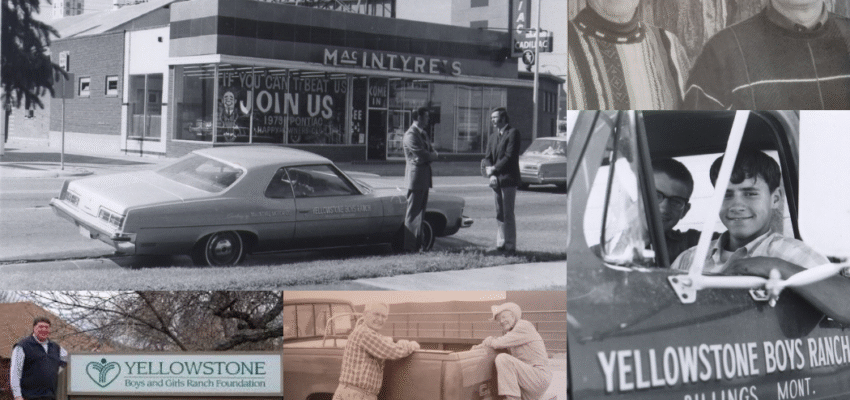
The Story Behind Yellowstone Boys and Girls Ranch Foundation
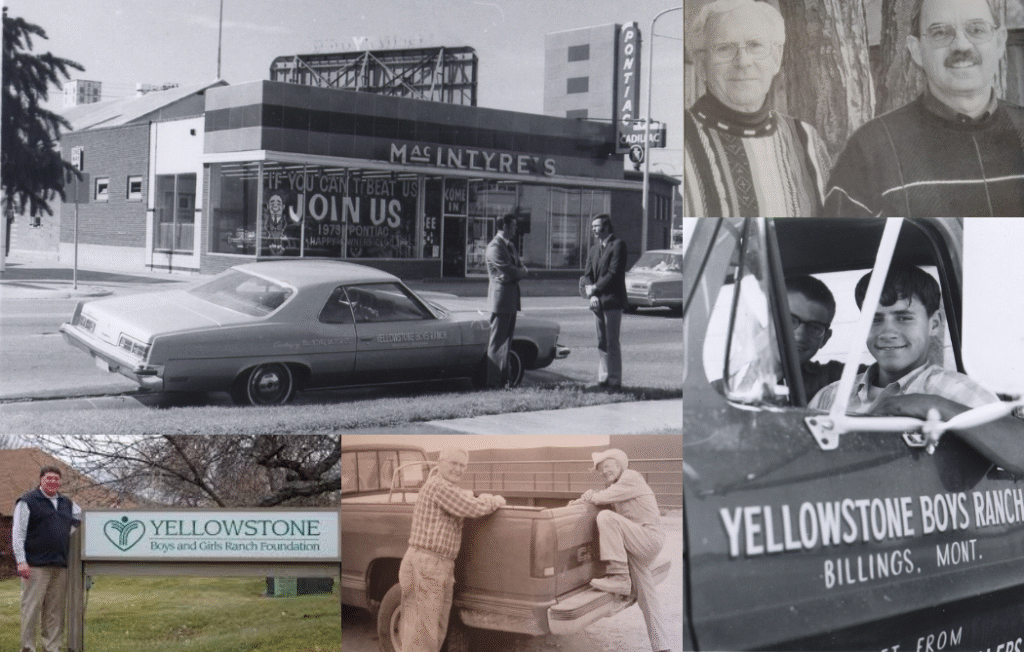
The story of the Yellowstone Boys and Girls Ranch Foundation begins long before its official formation—with the roots of generosity that shaped Yellowstone Boys and Girls Ranch itself.
From the start, the Ranch stood tall because of caring people who believed in its mission and the leaders who carried that mission forward. In the early days, Bob McFarlane rallied ranchers across Montana to give what they could—calves, grain, even land rights.
When the effort grew beyond one man, Irwin Eleson, a can-do ranch hand with a gift for connection, took to the road in a donated pickup, recruiting trustees and donors who built a foundation of trust and community support.
Laying the Groundwork for the Foundation
Decades later, Jim Soft carried that same spirit into the creation of the Yellowstone Boys and Girls Ranch Foundation, established to ensure the Ranch’s long-term stability. His guiding belief was simple: strong roots ensure lasting growth. With the Blankenship Charitable Remainder Trust, the Foundation secured its first major planned gift, demonstrating that generosity could sustain the Ranch’s mission for generations to come.
Meanwhile, Franklin Robbie devoted his life to leading the Ranch, and later the Foundation, driving thousands of miles each year to raise the funds that kept hope alive. Alongside him, Merle Robbie offered steadfast partnership and wisdom, helping shape the heart of the organization.
A Legacy Carried Forward
In 1984, the Yellowstone Boys and Girls Ranch Foundation became its own nonprofit organization, dedicated to supporting the mission and future of Yellowstone Boys and Girls Ranch and similar organizations. This step formalized years of grassroots generosity, creating a sustainable structure to carry forward the legacy of giving that began with the Ranch’s founders.
When Franklin later passed the torch to his son, Wes Robbie, the Foundation entered a new era. Wes brought professionalism and vision, modernizing operations while preserving the spirit of generosity his parents and predecessors had lived out so faithfully.
Today, Yellowstone Boys and Girls Ranch stands strong not because of buildings or programs alone, but because of caring people who planted roots of giving and leadership. Nearly 400 charitable gift annuities and trusts now sustain this legacy, each one a testament to enduring faith in the mission.
The Robbie family’s legacy, joined with that of so many others, ensures that every child in our care finds not only healing but a future filled with hope.
Learn More About Our History
Visit our History page to explore the story—and the caring people—who gave birth to our mission. Their vision continues to impact the lives of thousands of youth across Montana and beyond each year.
Want to dive deeper? You can also find A Legacy of Caring, written by our founder, Franklin Robbie, on Amazon.
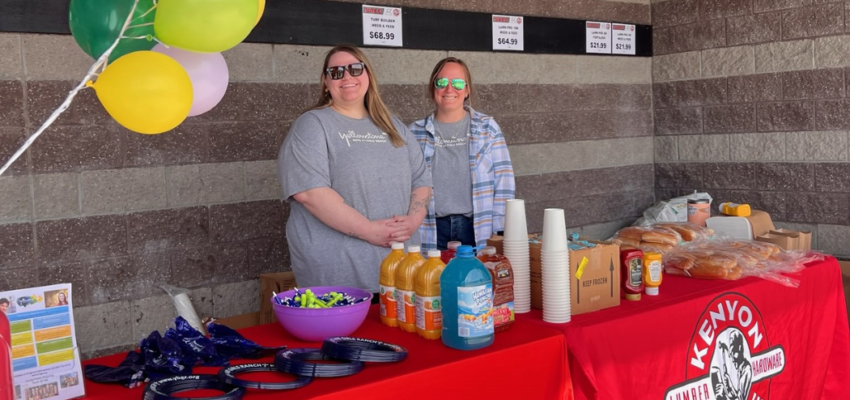
YBGR Staff Give Back: 4,238 Hours of Volunteering Across Montana
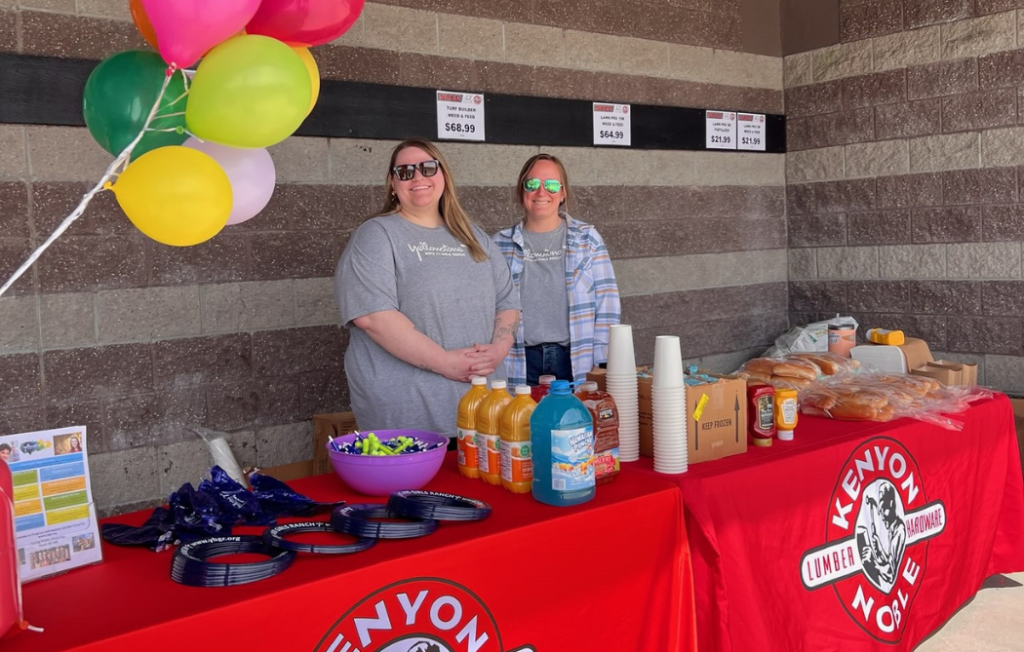
Every hour counts—and YBGR employees are proving it in powerful ways! In just a quarter’s time, our team spent 4,238 hours volunteering across Montana. From coaching youth sports to mentoring kids, delivering meals, serving on boards, and so much more, they’re making a real difference far beyond the workday.
This is what it looks like when caring people come together. We don’t just serve our communities—we’re part of them.
More Than Numbers: The Heart Behind the Service
What makes these hours so meaningful isn’t just the total—it’s the spirit behind them. Whether it’s firing up the grill for a crowd, helping a neighbor in need, or quietly mentoring a young athlete, our team shows up with commitment, care, and humility. These moments build lasting connections and communities that thrive.
Take Leslin Ossoff, Regional Clinical Director, and Alexis Freydenfelt, Administrative Supervisor, for example. In May, they volunteered at a Kenyon Noble event in Bozeman, where they grilled hot dogs for kids and helped families build flowerpots in time for Mother’s Day. It’s a snapshot of the kind of hands-on care and connection our staff bring into their communities every day.
Why Volunteering Matters at YBGR
At Yellowstone Boys and Girls Ranch, we believe community involvement is part of who we are, not just what we do. When our staff give their time, they’re helping create the positive connections that kids, families, and neighbors need to succeed. Together, we’re helping youth grow stronger and communities grow closer.
To every employee who gives so generously—thank you. Your time and heart make a lasting difference.
Stay Connected
Stay tuned to our news updates for the latest from across Montana, and follow us on social media. You can find us on LinkedIn at Yellowstone Boys and Girls Ranch, Instagram at @ybgr_cares, and Facebook at Yellowstone Boys and Girls Ranch.
Dr. Jane Gillette Appointed Board Chair at YBGR
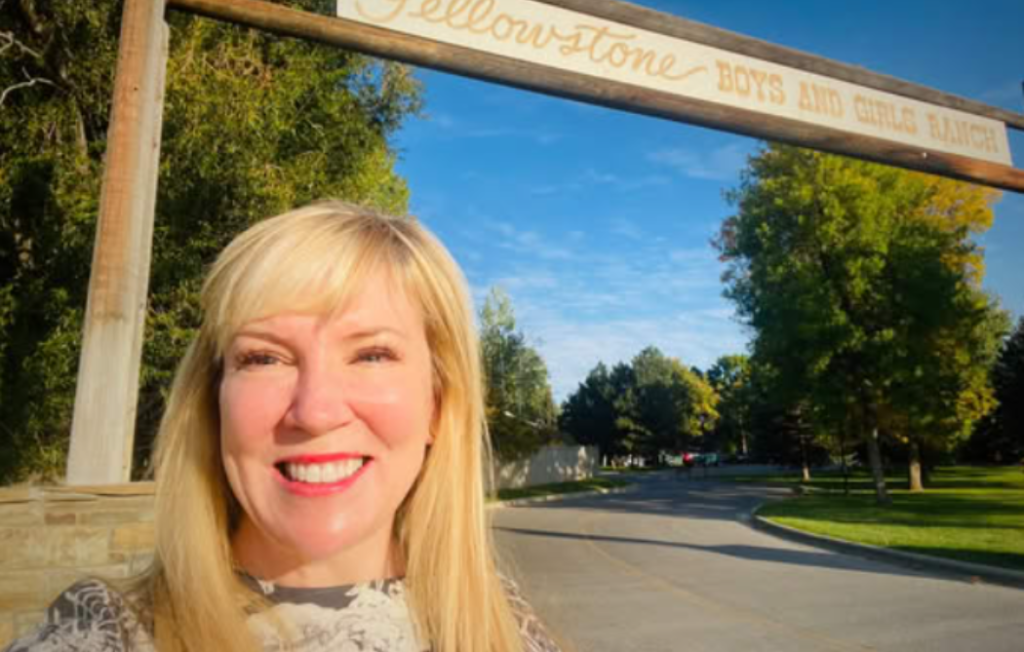
We’re excited to announce the appointment of Dr. Jane Gillette as Chair of our Board of Directors, effective July 1st, 2025.
Dr. Gillette has served on the Board since 2021 and was Vice Chair from July 1st, 2024, through June 30th, 2025. A Montana State Legislator, she is a recognized leader in primary disease prevention, health disparities, and evidence-based healthcare.
Her past leadership roles include serving as Chair of the American Dental Association’s Council on Access, Prevention, and Interprofessional Relations and Media Spokesperson for the ADA on Evidence-based Dentistry. She is a recipient of the ADA/American Association of Dental Research Evidence-based Practice Award and the HRDC IX Future Generations Award.
Dr. Gillette has also served on nonprofit healthcare and research boards, including Save the Mothers USA, the American Academy of Pediatric Dentistry, the Mountain Health CO-OP, and the NIH-funded NW PRECEDENT research network.
Stay Connected
Stay tuned to our news updates for the latest from across Montana, and follow us on social media. You can find us on LinkedIn at Yellowstone Boys and Girls Ranch, Instagram at @ybgr_cares, and Facebook at YBGR and Yellowstone Boys and Girls Ranch.

13 Quotes Illustrating the Power of Building on Strengths
Would you build a house on unsteady ground? Probably not. So why overlook a child’s strengths when guiding them?
Every child possesses an inherent set of strengths. And when we lean into them rather than focusing on weaknesses, we empower—laying a solid foundation for kids to thrive!
Below are thirteen quotes illustrating the power of building on children’s strengths.
Quotes Illustrating Building on Strengths
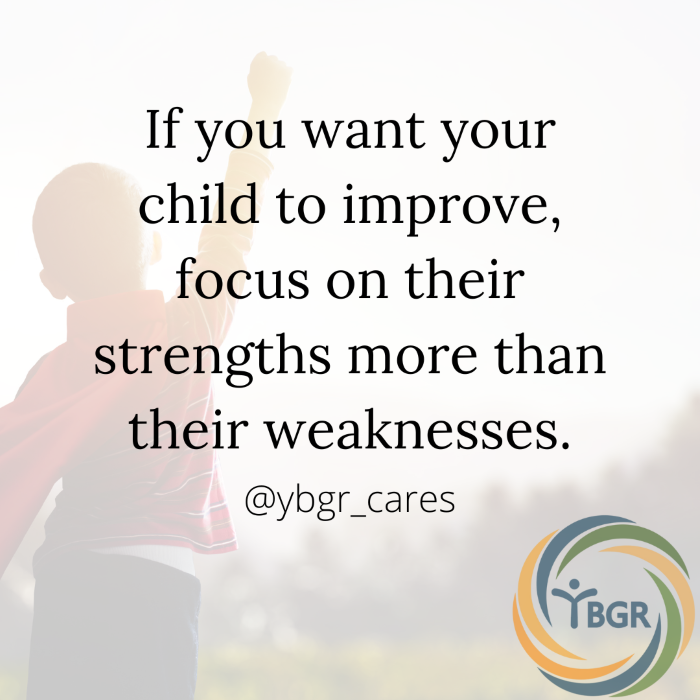
Quote 1: If you want your child to improve, focus on their strengths more than their weaknesses. – @ybgr_cares
Focusing on strengths isn’t about ignoring challenges—it’s about helping kids use what’s already working as a springboard. When a child experiences success in one area, they gain what psychologists call a “mastery experience.” These successes build self-efficacy, the belief that “I can handle this,” which research shows is key to motivation, resilience, and future effort.
Kids who feel capable are more likely to try new things, persevere through setbacks, and tackle areas they struggle with because they have proof their effort matters.
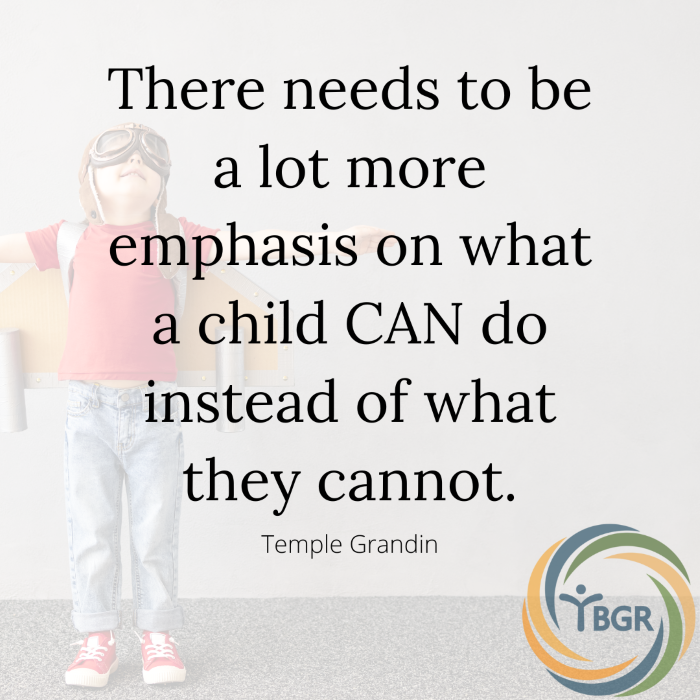
Quote 2: There needs to be a lot more emphasis on what a child CAN do instead of what they cannot. – Temple Grandin
When we point out what kids can do, we help them build a sense of competence that drives learning. Studies on motivation show that children are more willing to take on difficult tasks when they feel capable in at least one area—it fuels persistence, curiosity, and a willingness to take risks.
It’s not about empty praise or inflating self-esteem. It’s about reflecting back real strengths and effort, so kids learn to trust their abilities and stretch beyond their comfort zone.
Research rooted in Self-Determination Theory shows that when kids feel competent, they’re more intrinsically motivated and more likely to persevere through challenges.
Quote 3: The best way to teach our kids is by building them up. Not tearing them down. – @renewedhopeparenting
Research on positive reinforcement shows that kids learn better when they feel safe and valued. Encouragement reinforces desired behaviors and creates conditions where kids stay open to learning.
Harsh criticism or punishment may stop behavior temporarily, but it often triggers shame or fear—shutting down growth and effort.
Quote 4: What you say about your child is what they think about themselves. You are the first person to give them a hint about their identity. Your words are powerful—be selective. – @ybgr_cares
Children form their sense of self partly through the repeated feedback they hear from trusted adults. When we highlight strengths, we help them build an inner voice that says, “I am capable,” “I am kind,” or “I can try.” Over time, this shapes identity and self-esteem, influencing how they approach challenges.
Quote 5: Speak to people as if all you see is their potential. Not everyone gets someone like that in their life. Be that someone. – Unknown
The Pygmalion effect demonstrates that children often rise or fall to meet the expectations adults have of them. When we communicate belief in a child’s potential, we help them envision a future they might not dare consider otherwise—and that belief can motivate them to strive toward it.
Quote 6: When we believe in our kids, they start to believe in themselves. – @atparentingsurvival
Children build confidence through the belief and encouragement of trusted adults. Our belief acts as a kind of scaffolding—support that helps kids take steps they might not risk alone. Over time, that borrowed confidence helps them build their own self-efficacy.
Quote 7: To inspire people, don’t show them your superpowers. Show them theirs. – Alexander Den Heijer
Want to inspire a child? Help them see what they’re capable of. Confidence grows when kids experience their own strengths in motion.
It’s not about praise—it’s about giving them meaningful chances to contribute, succeed, and feel the impact of their effort. That’s what drives lasting motivation and a belief in their ability to handle what comes next.
Quote 8: Every kid has strengths. Sometimes they’re obvious, like the kid who is a good athlete. But some strengths can be harder to notice—like the kid who is a kind person who accepts others. Both deserve equal praise. – Inspired by Living Full
Character development studies show that praising traits like kindness, fairness, or perseverance is just as important as praising achievement. Both help kids build self-worth and guide how they contribute to the world.
Quote 9: The teachers who we remember from childhood are the ones who saw us for who we really were and inspired us toward who we could become. – Sarah Boyd
Kids internalize the reflections they hear from trusted adults. When we name strengths—kindness, creativity, courage—it helps shape how they see themselves.
Over time, these early reflections form the foundation of identity, confidence, and motivation to develop into their full potential.
Quote 10: Never miss an opportunity to make a kid feel better about themselves. When they feel good, their whole demeanor changes. They learn better, behave better, and act better toward others. – Christine Derengowski
Self-esteem research shows that when children feel valued, they’re more likely to engage positively with learning, peers, and adults.
Genuine encouragement reduces anxiety and promotes healthy risk-taking—socially and academically. Feeling seen helps kids approach the world with confidence, curiosity, and resilience instead of fear or avoidance.
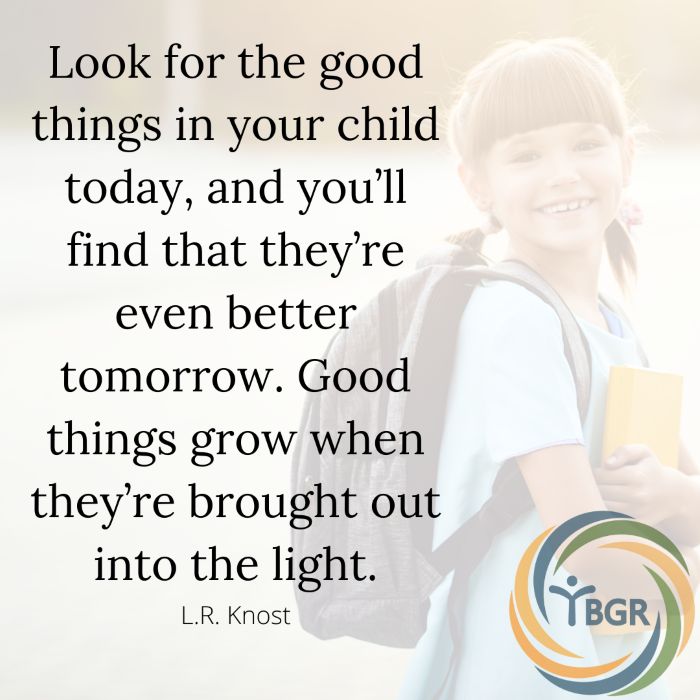
Quote 11: Look for the good things in your child today, and you’ll find that they’re even better tomorrow. Good things grow when they’re brought out into the light. – L.R. Knost
Reinforcement theory shows that the behaviors we notice and praise are more likely to grow. Kids tend to repeat what earns positive attention from the adults they care about — attention shapes behavior.
Quote 12: Inclusion is when the strengths of every child and young person are recognized, encouraged, and fostered. – Inspired by Beyond Blue
Research on belonging shows that when kids feel their unique strengths are valued, they’re more motivated to participate, learn, and connect. Inclusion isn’t about treating kids the same—it’s about helping each contribute in ways that build confidence and connection.
Quote 13: Knowing that we can be loved exactly as we are gives us all the best opportunity to grow into the healthiest of people. – Inspired by Mr. Rogers
Attachment theory suggests that unconditional acceptance fosters the emotional security children need to explore, try, and grow. When kids feel loved as they are, they’re more willing to take healthy risks and bounce back from setbacks.
Want More?
Check out the rest of our blog and follow us on social media. You can find us on LinkedIn at Yellowstone Boys and Girls Ranch, Instagram at @ybgr_cares, and Facebook at Yellowstone Boys and Girls Ranch.
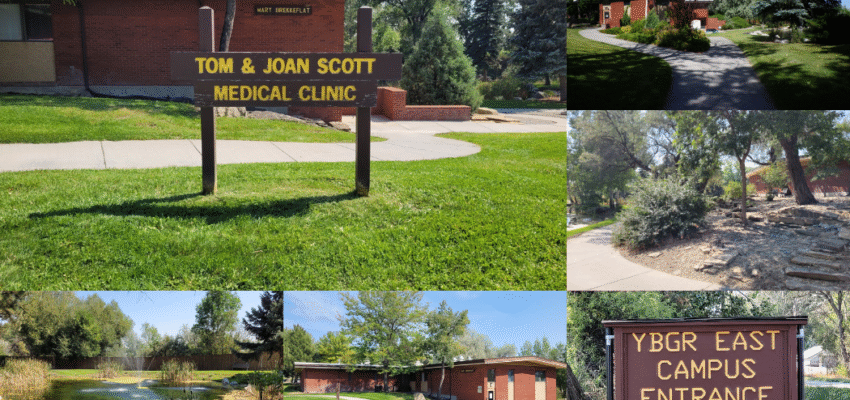
A Gift of Healing: The Story Behind the Tom and Joan Scott Medical Clinic
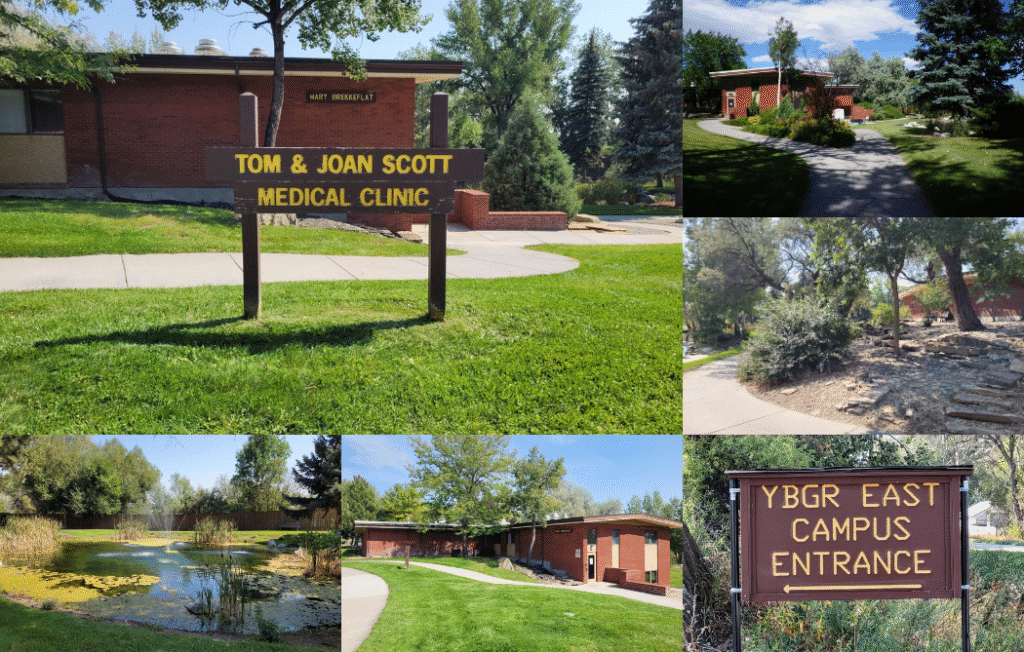
What happens when a single act of generosity reshapes the future for thousands of children?
In the early 1990s, leaders at Yellowstone Boys and Girls Ranch recognized that true healing required medical care close at hand. Tom and Joan Scott of Billings answered that need with a remarkable gift—a grant that fully funded the Tom and Joan Scott Medical Clinic on the ground floor of the Mary Brekkeflat Lodge.
Turning Vision Into Reality
By 1998, the Scotts’ generosity had transformed the space into something more than a clinic—it became a place where physical health and emotional well-being could be supported side by side. For our team, the clinic offered reassurance that medical care was always within reach. For our kids, it brought comfort and confidence, knowing that care and compassion were part of daily life at the Ranch.
A Legacy That Endures
Today, nestled among the ponds and pathways of the East Campus, the Tom and Joan Scott Medical Clinic continues to serve youth and families at Yellowstone Boys and Girls Ranch. It stands as a lasting reminder that thoughtful generosity can shape futures and bring healing for generations to come.
Learn More About Our History
Visit our History page to explore the story—and the caring people—who gave birth to our mission. Their vision continues to touch the lives of thousands of youth across Montana and beyond each year.
Want to dive deeper? You can also find A Legacy of Caring, written by our founder, Franklin Robbie, on Amazon.

Walmart’s Generosity Helps Yellowstone Youth Gardening Thrive
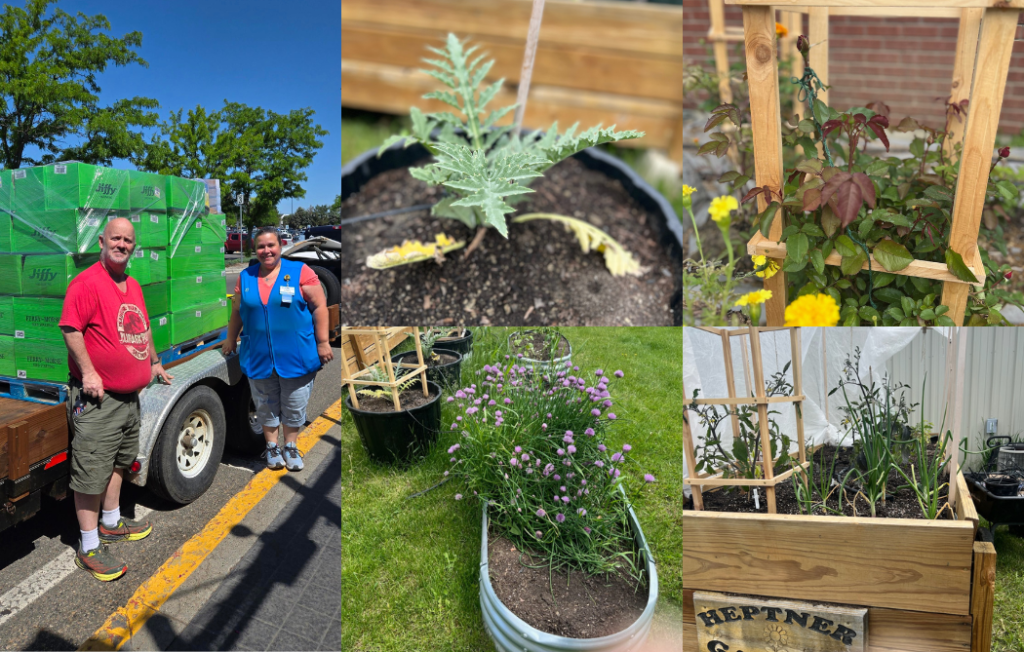
Did you know that every June, Walmart steps up to support kids at Yellowstone Boys and Girls Ranch by donating unsold seeds, pots, soil, and gardening supplies? Their contributions play a vital role in keeping Yellowstone youth gardening programs thriving — helping maintain the Ranch gardens and supporting horticultural activities at Yellowstone Academy.
Through these programs, youth engage in meaningful, hands-on learning that teaches responsibility, patience, and growth.
How Yellowstone Youth Gardening Builds Skills and Confidence
Yellowstone youth gardening isn’t just about planting seeds; it’s about planting the roots of resilience. Thanks to Walmart’s generosity, youth at Yellowstone Academy and the Ranch experience the full cycle of care, from preparing the soil to seeing the first sprouts. Along the way, kids learn the value of hard work, gain a sense of responsibility, and build patience as they nurture their plants.
The donated supplies help our gardens flourish all season, creating spaces where youth connect with nature, experience the calming benefits of outdoor work, and see the results of their dedication. For many, it’s a chance to build confidence and discover new interests they might not have explored otherwise.
Mitch Burns from Yellowstone Academy met with April from Walmart to pick up this year’s donation for our youth gardening program—a reminder of how local partnerships strengthen our ability to serve youth.
Thank You, Walmart!
We’re deeply grateful to Walmart for their ongoing support of Yellowstone youth gardening projects and programs. Their generosity helps make a difference in the lives of the kids we serve, giving them opportunities to grow, learn, and heal in new ways.
Stay Connected
Stay tuned to our news updates for the latest from across Montana, and follow us on social media. You can find us on LinkedIn at Yellowstone Boys and Girls Ranch, Instagram at @ybgr_cares, and Facebook at Yellowstone Boys and Girls Ranch.

Breaking the Silence: Why Men’s Mental Health Deserves Our Attention

The statistics surrounding men’s mental health in the United States are sobering. Did you know that around 75% of all suicide victims in the U.S. are men? Or that over 6 million men experience depression each year—many going undiagnosed?
Suicide remains one of the leading causes of death among males, a heartbreaking reality that too often goes unspoken.
The Silent Epidemic: Why Men’s Mental Health Struggles Are Overlooked
Mental health challenges among men are sometimes called a silent epidemic because they’re rarely discussed openly. Society tends to sweep men’s emotional struggles under the rug, driven by stereotypes about masculinity and strength. From an early age, boys are taught, directly or indirectly, that showing emotion is a sign of weakness, that they should “tough it out” no matter what they’re feeling inside.
But men aren’t machines. They’re human—with real emotions, struggles, and limits. Yet stigma and unspoken expectations often prevent them from expressing vulnerability or seeking help.
Even public figures are speaking out to help change that narrative.
“We need to feel like we can speak about it. The only way we can beat the stigma is by talking about it.” — Prince Harry
“Anyone can suffer from mental health issues. No matter how rich you are or how famous or powerful.” — Dwayne “The Rock” Johnson
Shattering Stigma, One Conversation at a Time
Men’s mental health struggles are common. Men, like women, grapple with trauma, loss, anxiety, depression, and grief. But societal expectations often block them from reaching out—and that silence can be deadly.
Imagine what might change if we let go of frameworks that equate manhood with emotional suppression.
“Depression is something that just happens. You don’t have to be ashamed of it.” — Michael Phelps
“There’s no shame in talking about your feelings and asking for help.” — Ryan Reynolds
Breaking down stigma could save lives—encouraging men to seek help, healing, and hope.
Whether you’re a man working through life’s challenges, a parent raising a boy, a partner, a sibling, or a friend, we all have a role to play in creating space for these critical conversations. The time is now. Together, we can change the narrative and help future generations grow up knowing it’s okay to ask for help.
Want More?
For more content like you found in this article, check out the rest of our blog and follow us on social media. You can find us on LinkedIn at Yellowstone Boys and Girls Ranch, Instagram at @ybgr_cares, and Facebook at Yellowstone Boys and Girls Ranch.

Yellowstone Academy Gardening Takes Root
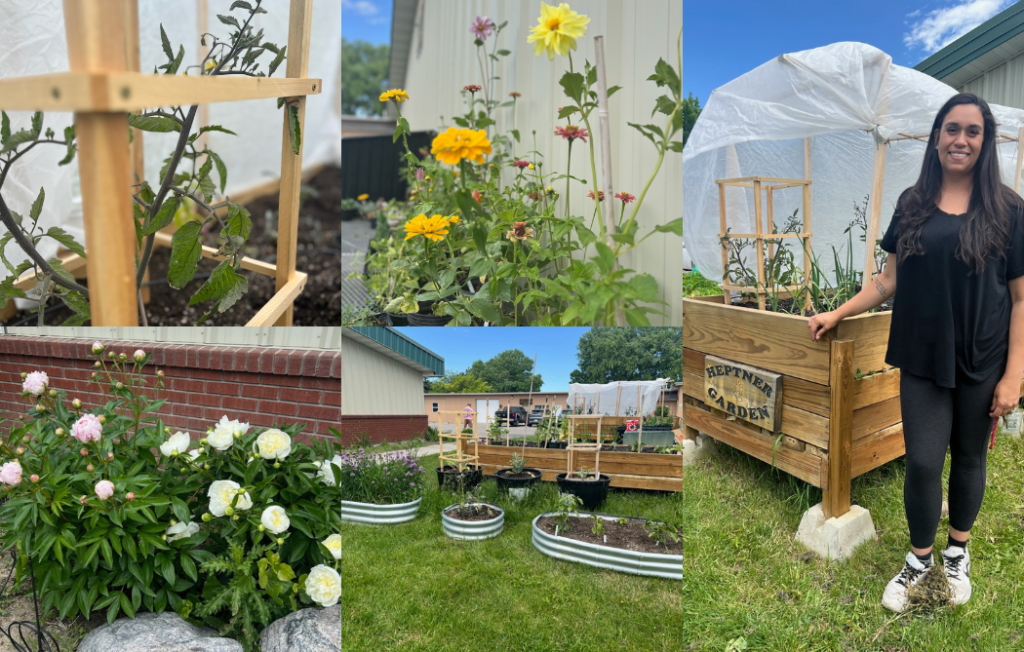
Meet Alissa Brady, Behavior Specialist at Yellowstone Academy, and the heart behind many of the gardening projects happening across campus! Thanks to Alissa’s leadership, the Yellowstone Boys and Girls Ranch garden beds are bursting with life — filled with plants that youth started from seed and recently transplanted into the soil they’ve spent weeks preparing.
How Yellowstone Academy Gardening Builds Lifelong Skills
Alissa has led the charge in bringing gardening to life at the Ranch. Through her guidance, youth are discovering the therapeutic value of growing something from the ground up. From planting seeds to nurturing seedlings and watching them thrive, kids are building patience, resilience, and quiet confidence through hands-on care.
But what’s growing here goes far beyond flowers and vegetables.
Yellowstone Academy gardening allows youth to connect with nature, experience the calming benefits of outdoor work, and learn important life skills. Each day spent in the garden helps them practice consistency, responsibility, and teamwork—all while creating something beautiful and nourishing.
Yellowstone Academy Gardening Supports Healing and Growth
At Yellowstone Academy, caring people like Alissa and her teammates are committed to creating learning experiences that support healing and personal growth. Gardening projects are just one example of how the Academy blends academics, therapeutic support, and real-world skills to help prepare youth for life.
We’re grateful for the heart Alissa and the Yellowstone Academy team bring to their work with the kids entrusted to our care. Together, they’re planting seeds of hope, healing, and strength.
Stay Connected
Stay tuned to our news updates for the latest from across Montana and follow us on social media. You can find us on LinkedIn at Yellowstone Boys and Girls Ranch, Instagram at @ybgr_cares, and Facebook at Yellowstone Boys and Girls Ranch.
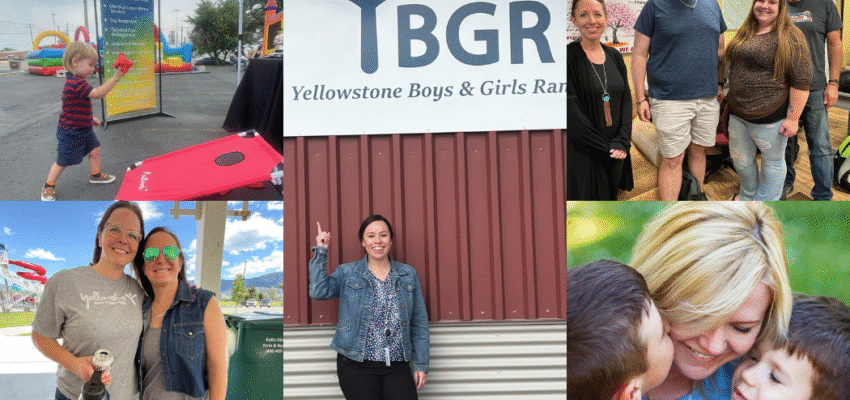
Expanding Care Beyond the Ranch: A Legacy of Community-Based Services
What happens when an idea moves beyond policy papers and becomes real change for kids and families?
In the 1990s, a national movement in children’s mental health began shaping policy around community-based systems of care. For Yellowstone Boys and Girls Ranch, this was more than a trend—it was an opportunity to extend our mission of caring people, preparing youth for life through community-based services in Montana.
Pioneering Community-Based Care
With foresight and determination, leaders Loren Soft, Ry Sorensen, and David Groot brought the Ranch’s expertise beyond campus walls, directly into local communities. This bold move gave families access to care close to home, often preventing the need for residential treatment.
A Legacy That Continues to Grow
What began as a visionary step has grown into a robust continuum of care reaching thousands of youth and families across the state. In 2024, that reach expanded even further when Youth Dynamics joined our team—doubling our annual impact and extending community-based services in Montana to some of the most rural communities in the state.
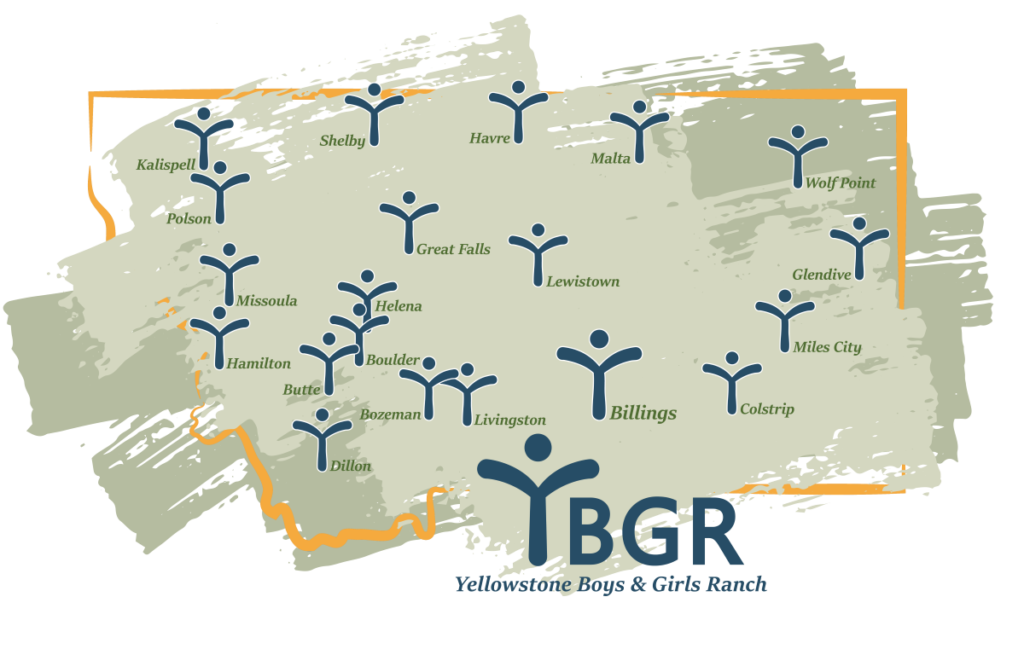
Three decades later, that pioneering spirit continues to shape lives across Montana, ensuring that kids and families have access to the care they need, where they need it.
Learn More About Our History
Visit our History page to explore the story—and the caring people—who gave birth to our mission. Their vision continues to touch the lives of thousands of youth across Montana and beyond each year.
Want to dive deeper? You can also find A Legacy of Caring, written by our founder, Franklin Robbie, on Amazon.

It’s Survival. 13 Quotes on Trauma and Healing

What is trauma? Look it up in the dictionary, and you’ll find it defined as “a deeply distressing or disturbing experience.” And you know what? It’s painfully common.
According to the Sidran Institute of Traumatic Stress Education and Advocacy, about 70% of people will experience at least one traumatic event in their lifetime.
June is Post-Traumatic Stress Disorder (PTSD) Awareness Month—a time to shine a light on trauma, its lasting effects, and the importance of healing. Here are thirteen powerful quotes to inspire strength, resilience, and hope.
Quotes on Trauma and Healing
Quote 1: To live in the body of a survivor is to never be able to leave the scene of the crime. I cannot ignore the fact that I live here. – Blythe Baird
Quote 2: Someone once asked me, “Why do you always insist on taking the hard road?” I replied, “Why do you assume I see two roads?” – Unknown
Quote 3: Childhood trauma can lead to an adulthood spent in survival mode, afraid to plant roots, to plan for the future, to trust, and to let joy in. It’s a blessing to shift from surviving to thriving. It’s not simple, but there is more than survival. – Unknown
Quote 4: There are wounds that never show on the body that are deeper and more hurtful than anything that bleeds. – Laurell K. Hamilton
Quote 5: Trauma in a person, decontextualized over time, looks like personality. Trauma in a family, decontextualized over time, looks like family traits. Trauma in a people, decontextualized over time, looks like culture. – Resmaa Menakem
Quote 6: An unhealed person can find offense in pretty much anything someone does. A healed person understands that the actions of others have nothing to do with them. Each day you get to decide which one you will be. – Unknown
Quote 7: Heal, so you don’t have to give a sarcastic tone to uplifting messages. Heal, so you never have to make anyone else the object of your own frustration. Heal, so when someone tells you they love you, you may allow yourself to believe them. – Banff Wellness Retreat
Quote 8: If you continue to carry bricks from your past, you will end up building the same house. – Unknown
Quote 9: Your trauma is not your fault, but healing is your responsibility. – Unknown
Quote 10: As every therapist will tell you, healing involves discomfort. But so is refusing to heal. And over time, refusing to heal is always more painful. – Resmaa Menakem
Quote 11: Trauma creates change you don’t choose. Healing is about creating change you do choose. – Michelle Rosenthal
Quote 12: Now, every time I witness a strong person, I want to know: What darkness did you conquer in your story? Mountains don’t rise without earthquakes. – Katherine Mackenett
Quote 13: Perhaps the butterfly is proof that you can go through a great deal of darkness yet become something beautiful. – Unknown
Want More?
Check out the rest of our blog and follow us on social media. You can find us on LinkedIn at Yellowstone Boys and Girls Ranch, Instagram at @ybgr_cares, and Facebook at Yellowstone Boys and Girls Ranch.
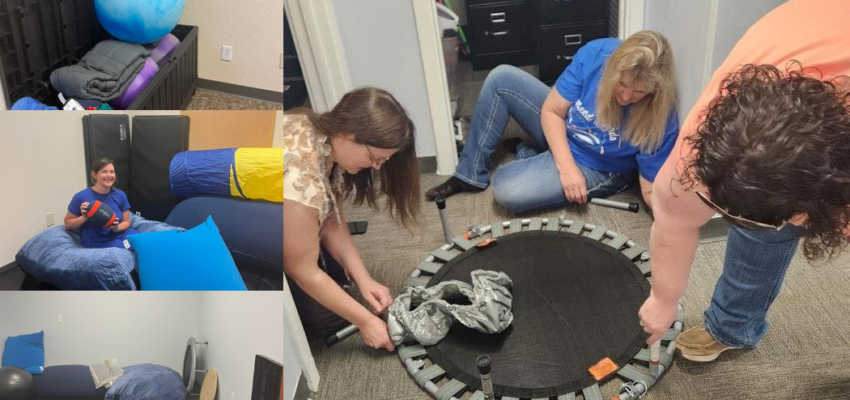
New YBGR SMART Rooms Are Helping Montana Kids Heal
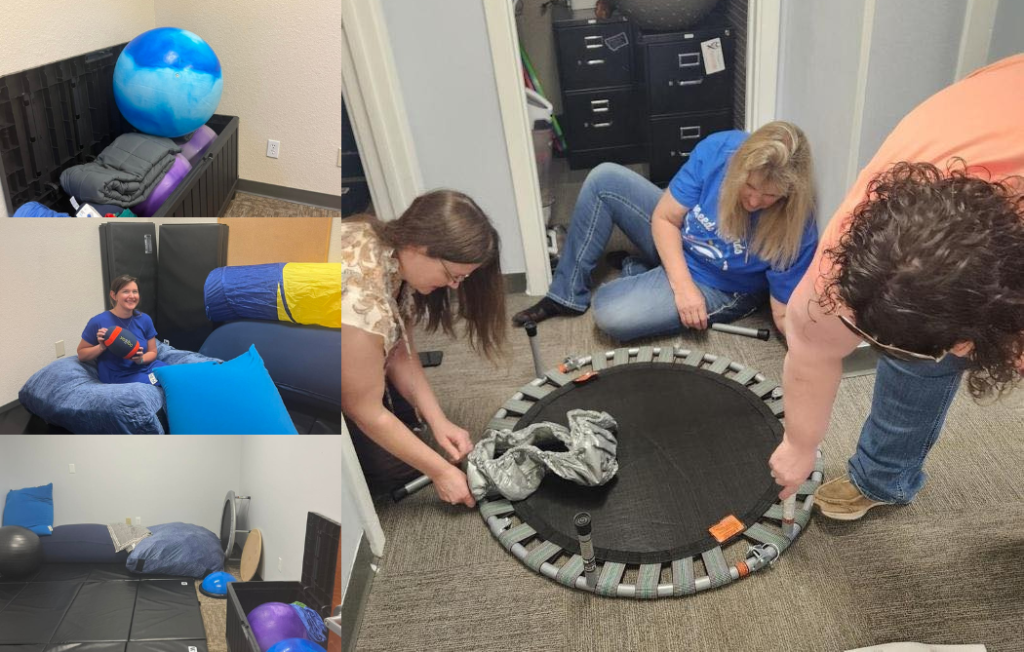
What if healing didn’t have to start with words? Across Montana, SMART rooms are offering kids who’ve experienced trauma a new way to reset, reconnect, and heal. These spaces use sensory experiences and are thoughtfully designed to support their unique needs.
Leading this effort is Charise Lemelin, Clinical Director of Community-Based Services, whose vision is bringing SMART rooms to life in communities across the state.
What Are SMART Rooms?
SMART rooms (Sensory Motor Arousal Regulation Treatment) are therapeutic spaces that help children and teens regulate emotions and behaviors in ways that go beyond traditional talk therapy. Developed by clinical experts at the Trauma Center at Justice Resource Institute, the SMART model integrates sensory and motor activities to support youth who have experienced complex trauma.
These rooms use tools like:
- Weighted blankets for comfort and grounding
- Fitness balls to promote body awareness and self-regulation
- Other sensory tools that help kids manage emotions and build resilience
Each space gives youth a place to pause, engage their senses, and practice healthy ways to navigate difficult moments.
Expanding SMART Rooms Across Montana
Thanks to Charise’s leadership, SMART spaces are becoming a vital part of our community-based services. Each new room reflects our commitment to trauma-informed care — helping youth access practical tools that support healing and growth.
Stay Connected
Stay tuned to our news updates for the latest from across Montana, and follow us on social media. You can find us on LinkedIn at Yellowstone Boys and Girls Ranch, Instagram at @ybgr_cares, and Facebook at Yellowstone Boys and Girls Ranch.

June Is PTSD Awareness Month: Exploring Trauma, Recovery, and Hope

Did you know June is PTSD Awareness Month? It’s a time to shed light on post-traumatic stress disorder (PTSD) — a serious mental health condition that can affect people of all ages and backgrounds.
What Is PTSD?
Post-traumatic stress disorder develops after exposure to highly stressful or traumatic events. This may include violence, abuse, accidents, natural disasters, or combat. It affects roughly 8 million Americans annually, including children, caregivers, and adults in our communities.
Check out the video below from Vietnam veteran Ron Whitcomb, where he shares his powerful story of navigating life with PTSD after returning from the war in the late 1960s.
PTSD Symptoms
PTSD symptoms can vary but often fall into these key categories:
Intrusive Memories
Intrusive memories can look like:
- Recurring, unwanted, distressing memories
- Flashbacks (reliving the traumatic event)
- Nightmares about the trauma
- Emotional or physical distress when reminded of the event
Avoidance
Avoidance can manifest as:
- Avoiding thoughts, feelings, or conversations about trauma
- Steering clear of places, people, or activities that bring back memories of trauma
Negative Changes in Mood and Thinking
Negative changes in mood and thinking can look like:
- Negative beliefs about self, others, or the world
- Feelings of hopelessness
- Memory gaps about trauma
- Feeling detached or estranged from loved ones
- Loss of interest in once-enjoyed activities
- Emotional numbness
Changes in Physical and Emotional Reactions
Changes in physical and emotional reactions can manifest as:
- Being easily startled or feeling on edge
- Self-destructive behaviors (e.g., substance misuse, reckless driving)
- Difficulty sleeping or concentrating
- Irritability, angry outbursts, or aggressive behavior
- Feelings of guilt or shame
PTSD in Children
For children under age 6, symptoms may also include:
- Re-enacting the trauma during play
- Frightening dreams
What Causes PTSD?
PTSD can result from any event that feels life-threatening or overwhelming. Common causes include:
- Combat exposure
- Physical or sexual assault
- Serious accidents
- Sudden loss of a loved one
- Childhood abuse or neglect
Treatment and Support
There is hope. PTSD treatment often includes therapy, medication, and support groups. Early intervention can make a big difference in healing and recovery.
Want to Learn More?
Click here for more information about PTSD causes, treatments, and how it affects children.
For more content like you found in this article, check out the rest of our blog and follow us on social media. You can find us on LinkedIn at Yellowstone Boys and Girls Ranch, Instagram at @ybgr_cares, and Facebook at Yellowstone Boys and Girls Ranch.
Legacies of Love: The Stories Behind Kramlich and Dorothy’s Lodges
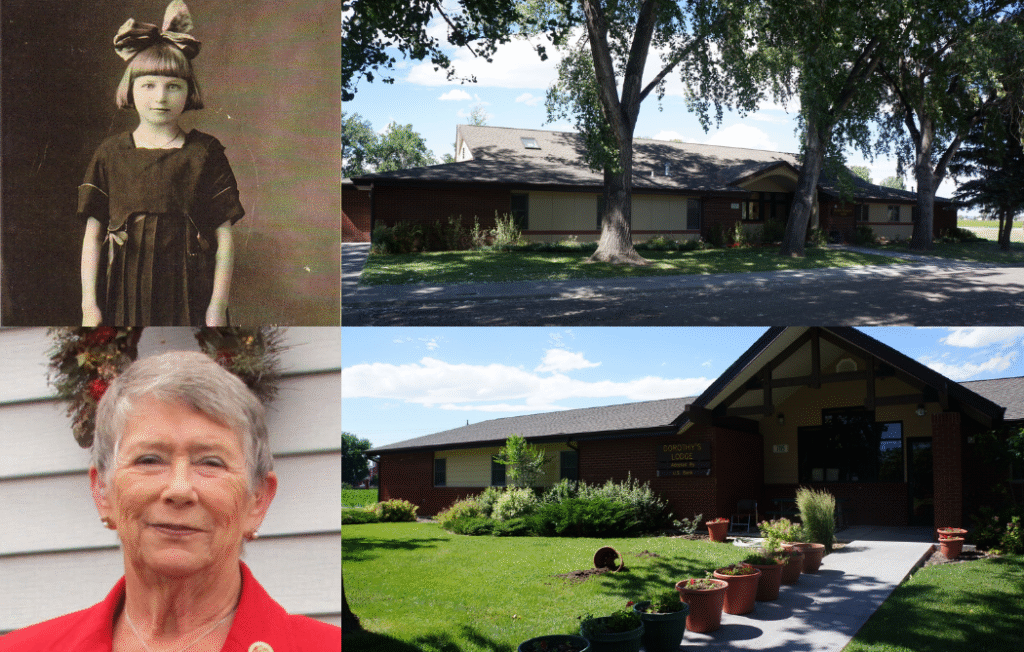
Every lodge at the Ranch in Billings carries a story—and there is no exception for those named in honor of Alvina Kramlich and Dorothy Hollatz.
Known today as Kramlich and Dorothy’s Lodges, these homes stand as lasting symbols of love and generosity. Their lives took different paths, yet both women left behind legacies that continue to shelter and heal children today.
Alvina’s Story: A Gift Born From Resilience
Alvina Kramlich’s childhood was marked by hardship. Orphaned at just four years old, she and her siblings were separated and placed for adoption—a painful memory she once described as being “picked over like a litter of kittens.”
Despite those early wounds, Alvina grew into a woman of remarkable strength and compassion. When she later had the means, she worked with the Yellowstone Foundation to create an estate plan to benefit future generations of children.
Her gift made possible the Kramlich Lodge, a home where young girls—many facing struggles like her own—find safety, healing, and hope.
Alvina’s story is one of resilience and redemption, showing how even the hardest beginnings can give rise to lasting good.
Dorothy’s Story: Quiet Service, Lasting Impact
Dorothy Hollatz served Yellowstone Boys and Girls Ranch faithfully for forty-seven years in the business office, ensuring that behind the scenes, every detail was cared for. Her quiet dedication supported our mission for decades, reflecting a life of service and steady faithfulness.
Yet Dorothy’s greatest act of generosity came after her passing in 2004, when it was discovered she had established a trust to help build a new lodge. With support from other women, her final gift became Dorothy’s Lodge—now home to young boys in need of love, stability, and care.
From the beginning, Dorthy’s Lodge residents have been affectionately known as Dorothy’s Boys, a reflection of her enduring spirit of compassion.
A Legacy That Lives on Through Kramlich and Dorothy’s Lodges
Together, Alvina Kramlich and Dorothy Hollatz remind us that legacies are built in many ways—through resilience, service, compassion, and quiet acts of generosity.
Their names now grace lodges at the Ranch, standing as beacons of love for children who need it most. Through their gifts, both women continue to shape stories of healing, belonging, and hope.
Learn More About Our History
Visit our History page to explore the story—and the caring people—who gave birth to our mission. Their vision continues to touch the lives of thousands of youth across Montana and beyond each year.
Want to dive deeper? You can also find A Legacy of Caring, written by our founder, Franklin Robbie, available on Amazon.
A Legacy of Healing with Horses: The Bill and Anita Jones Equestrian Center
For as long as Yellowstone Boys and Girls Ranch has existed, horses have walked alongside our mission of caring for youth. Their strength, gentleness, and ability to connect in ways words cannot have made them powerful partners in healing.
Long before equine therapy became widely known, we recognized that remarkable things happen when children and horses work together. That vision lives on today through the Bill and Anita Jones Equestrian Center at the Ranch, where horses continue to play a vital role in helping youth heal, grow, and discover their strength.
Former CEO Loren Soft once reflected,
“It’s hard to explain what happens, but we have found significant breakthroughs with kids when working with animals.”
That belief shaped the Ranch’s programs for decades, embedding horses into both daily life and long-term healing.
The Bill and Anita Jones Equestrian Center
A major milestone in this tradition came in 2003 with the dedication of the Bill and Anita Jones Equestrian Center. The gift of Bill and Anita Jones expanded the Ranch’s ability to offer equine programs year-round—strengthening a connection between youth and horses that had already been part of our story for decades.
Within its arena and pastures, countless young people have discovered courage, built trust, and learned lessons that extend far beyond their time at the Ranch. Here, horses are more than companions—they are guides on the path to healing.
Whether through structured therapy or recreational programs, the equestrian center remains a cornerstone of growth, responsibility, and hope—carrying forward a legacy rooted in care, compassion, and the belief that healing happens through connection.
Carrying the Legacy Forward
Today, that heritage continues through innovative models like EAGALA (Equine Assisted Growth and Learning Association) therapy, pioneered at YBGR by Mackenzie Warren, Equine Specialist.
Unlike traditional horseback riding, EAGALA therapy takes place entirely on the ground. By engaging in activities and challenges with horses, youth begin to see their emotions and choices reflected in the animals’ responses.
This process helps them gain insight, strengthen problem-solving skills, and develop resilience.
Alongside EAGALA, we continue to offer recreational riding programs, where youth learn horsemanship, basic care, and responsibility through daily work crews—all while experiencing the joy and freedom of riding.
A Continuing Legacy of Connection
For generations, horses have been more than animals at Yellowstone Boys and Girls Ranch. They are mirrors, teachers, and healers—partners guiding youth toward hope, belonging, and a future filled with possibility.
Each interaction between a child and a horse tells a story of trust built, boundaries tested, and confidence taking root.
In the quiet rhythm of brushing a horse or leading one across the arena, youth learn patience, empathy, and the value of steady presence. These small moments often become lasting lessons—reminders that progress takes time and that healing happens through connection.
The legacy of the Bill and Anita Jones Equestrian Center isn’t measured only in the number of youth served but in the lives transformed through its pastures and programs.
Each day, horses help young people find courage, confidence, and care—qualities that stay with them long after they leave the Ranch.
Learn More About Our History
Visit our History page to explore the story—and the caring people—who gave birth to our mission. Their vision continues to touch the lives of thousands of youth across Montana and beyond each year.
Want to dive deeper? You can also find A Legacy of Caring, written by our founder, Franklin Robbie, available on Amazon.

A Day to Remember: Yellowstone Academy Graduation, Class of 2025

Yesterday’s Yellowstone Academy graduation ceremony at the Ranch marked a powerful milestone—one that was years in the making for seven incredible students.
Some spent nearly their entire educational journeys as day school students at Yellowstone Academy, while others completed the final stretch of high school while in our care.
No matter their path, each student earned far more than a diploma. They walked away with a hard-won victory—a testament to perseverance, growth, and the power of care and connection.
Staff Reflections Highlight Growth, Resilience, and Strength
The 2025 Yellowstone Academy graduation ceremony opened with heartfelt remarks from John Boeder, Chaplain, and Cass Cole, Principal. Their words set the tone for a moving celebration grounded in hope and achievement.
Throughout the event, staff who stood beside these students over the years shared reflections on their growth and transformation.
Speakers included:
- Bobby Sipes, Teacher
- Tara Kirkegard, Behavior Specialist
- Dan Porisch, Former Behavior Specialist
- Lacey Jones, Therapist
- Jevon Lulf, Teacher
Their stories honored the progress each student made—both academically and personally.
Graduates Share Wisdom for the Road Ahead
Each graduate left their mark—and a quote of wisdom for others:
“Treat others how you want to be treated.”
“Working hard is important, but there is something that matters even more…believing in yourself.”
“Life is your game. If you have a dream, go chase it.”
“Life is too deep for words, so don’t try to describe it. Just live it.”
“Doubt kills more dreams than failure ever will.”
“The history you leave behind should be what describes you, not your past.”
“It’s your life; live it well.”
“How wonderful it is that nobody need wait a single moment before starting to improve the world.”
Keith Tresch, Superintendent, handed out the diplomas, and Dwight Von Schriltz, Director of Special Education Services, presented the newly graduated students to the crowd—marking both an ending and a new beginning.
From all of us at YBGR and Yellowstone Academy—congratulations to the class of 2025! Your strength inspires us. Your future is bright.
Stay Connected
Stay tuned to our news updates for the latest from across Montana, and follow us on social media. You can find us on LinkedIn at Yellowstone Boys and Girls Ranch, Instagram at @ybgr_cares, and Facebook at Yellowstone Boys and Girls Ranch.

15 Quotes on Emotional Healing

Emotional healing starts with feeling.
We can’t heal what we don’t allow ourselves to feel. The emotions we bury don’t disappear; they build up, quietly impacting our health, relationships, and sense of peace. Left unaddressed, they can become a heavy weight that we pass down through our parenting—rippling through future generations.
Below are fifteen quotes on generational patterns, trauma, and the journey to emotional healing.
Quotes Exploring the Path to Emotional Healing
Quote 1: That which is left unresolved from our childhood will land on the lap of our romantic partnerships + our parenting. – Inspired by Dr. Erika Velez
What remains unsettled within us finds its way into our parenting and relationships. Through self-awareness and compassion, we can break free from the patterns that no longer serve us. By nurturing our emotional well-being, we pave the way for a brighter, more connected future.
Quote 2: When children have big feelings, and we use toys, treats, or activities to distract them from what’s upsetting, we show them how to escape uncomfortable feelings rather than how to cope and move through them. – @aparentingpath
When children experience big emotions, it can be tempting to resort to toys, treats, or activities as a quick fix to help them feel better. But when we choose this path, we unintentionally teach them to evade rather than confront their discomfort.
Instead, embrace the opportunity to teach kids how to sit with and process their emotions. By holding space, validating feelings, and gently guiding children through challenging moments, we equip them with the tools to cope, grow, and thrive.
Quote 3: Addiction begins with the hope that something “out there” can instantly fill the emptiness inside. – Jean Kilbourne
Addiction is often born from a pattern of seeking external comforts to escape internal discomfort. When we distract kids from their feelings, we unintentionally teach them to avoid or suppress their emotions rather than develop healthy coping mechanisms to navigate through them.
Early patterns of seeking instant relief set the stage for addiction as we learn to seek external sources to fill our inner void. We must teach kids how to recognize, express, and process their emotions, providing them with the tools to cope, heal, and build resilience in facing life’s challenges.
Quote 4: If we never let children go through the full wave of emotions when the emotion hits, there won’t be the assurance that it will pass. That is scary. – Krysten Taprell
Emotions are like waves, rising and falling in intensity. We must allow kids to experience the entire spectrum of the waters.
If we shield them from the waves, they may not grasp the temporary nature of emotions—which, for a child, can be scary. But when we courageously guide them through the storm, we assure them that feelings pass, bringing strength and comfort.
Quote 5: Numbing is a very human defense mechanism. It is a disconnect to protect ourselves from what has been emotionally and relationally too vulnerable, overwhelming, hurtful, or unsafe. – Inspired by Lelia Schott
Numbing acts as a disconnect, offering temporary respite from the intensity of our emotions—but while momentarily comforting, it prevents healing.
We must allow ourselves to experience emotions, embracing our discomfort with courage and compassion. By facing our vulnerabilities head-on, we create space for healing and lay the path to resilience.
Quote 6: Research on emotional suppression shows that when emotions are pushed aside or ignored, they get stronger. Psychologists call this amplification. – Inspired by Susan David
We have to feel it to heal it. By embracing our emotions, we open the door to self-regulation—cultivating greater self-awareness, healthier responses to others, and a more balanced journey.
Quote 7: Yes, your emotions are valid, but that is not permission to react to those emotions in any way you feel like it. We are all connected, and words and actions are impactful, so use them responsibly. – Inspired by Dr. Caroline Leaf
Yes, our emotions are valid, and it’s important to honor and acknowledge them. But it’s equally essential to recognize that our emotions don’t permit us to react without considering the impact on others.
Our words and actions hold power. Even in the face of intense emotions, we have the capacity to respond thoughtfully. We can choose words that heal rather than harm—actions that uplift rather than tear down.
Quote 8: A lot of our explosive emotional reactions aren’t actually a response to the present moment. They’re a build-up of all the times we were in a similar dynamic and did not stand up for ourselves, use our voices, or express our emotions. – @haileypaigemagee
Our emotional reactions often trace back to unresolved echoes of our past, reverberating through our present experiences. By acknowledging our feelings, we grant ourselves the space to understand their origins—unraveling the threads of past experiences that continue to weave into our present reactions.
As we cultivate a deeper understanding, we unlock the power of healthier responses to others, fostering empathy and compassion in our connections.

Quote 9: Never let your emotions overpower your intelligence. – Drake Taylor
Have you heard of the term “emotional hijacking?” It refers to a sudden and intense emotional response that bypasses our ability to process situations logically.
Our amygdala, the part of the brain responsible for processing emotions and triggering the fight-or-flight response, takes over the rational thinking processes of the prefrontal cortex, resulting in impulsive behaviors, exaggerated emotional reactions, and difficulty in making sound decisions.
It can occur in response to perceived threats, stressful events, or triggers of traumatic experiences, leading to outbursts of anger, fear, or sadness that may be disproportionate to a situation.
Recognizing when emotional hijacking is taking place is essential to responding effectively. Techniques like deep breathing, mindfulness, and taking a step back to assess can help us regain control over our emotions and allow for more thoughtful responses.

Quote 10: It’s not about managing your emotions. It’s about managing your reaction to your emotions. – Inspired by Yung Pueblo
Emotional intelligence is not just about controlling our emotions but leveraging them as a source of strength. More than managing our feelings, it’s empowering ourselves to manage our reactions to them effectively.

Quote 11: Identifying the pattern is awareness; choosing not to repeat the cycle is growth. – Billy Chapata
Growth starts when we consciously decide not to perpetuate old cycles—a journey that begins with self-awareness. By identifying patterns woven into our interactions and tuning into our emotions, we can understand ourselves and others more profoundly.
Once we start this trek, we’re better able to respond intentionally to those in our lives rather than simply reacting—a transformative step towards greater well-being and more harmonious relationships.

Quote 12: We cannot be more connected to others than we are to ourselves. – Brene Brown
True connection to others begins with cultivating a deep connection to ourselves. Through self-discovery, self-acceptance, and self-compassion, we create the foundation for meaningful and authentic relationships.
When we prioritize nurturing our own well-being, we unlock the capacity to understand and empathize with others on a more profound level. By tending to our own emotional landscape, we gain the tools to navigate the intricate terrain of human connection.

Quote 13: Our ability to tolerate anger, frustration, and behavior we don’t like is a skill we can strengthen by investigating the source of our discomfort. – Lori Petro
We can’t meet others more deeply than we’ve met ourselves.
By delving into the root causes of our discomfort, we open the door to strengthening our emotional resilience. As we gain insight into our triggers and patterns, we empower ourselves to respond with empathy and understanding to others.
Remember, our capacity to navigate anger, frustration, and behaviors that challenge us is a skill we can hone. Through self-reflection and curiosity, we expand our ability to tolerate + hold space for others, fostering healthier relationships.

Quote 14: Practicing how to turn toward ourselves with curious compassion when we are having a hard time is a big step towards softening our reactions. – Lelia Schott
In challenging moments when emotions are high and patience is low, we can respond instead of react.
By cultivating the ability to pause and tune into our emotions, we create space for understanding and acceptance. When we extend compassion to ourselves, we open the door to softer, more empathetic responses to others.

Quote 15: Look at yourself through the lens of compassion and understanding. Only then growth is possible. – Anna Aslanian, LMFT
Self-awareness is a powerful tool that allows us to evolve and thrive—both personally and professionally. By looking at ourselves through a lens of compassion, we open the door to endless opportunities for growth.
Did You Find This Article Helpful?
Check out the rest of our blog and follow us on social media. You can find us on LinkedIn at Yellowstone Boys and Girls Ranch, Instagram at @ybgr_cares, and Facebook at Yellowstone Boys and Girls Ranch.

MMIP Awareness Month: Honoring Lives and Raising Voices at the Ranch
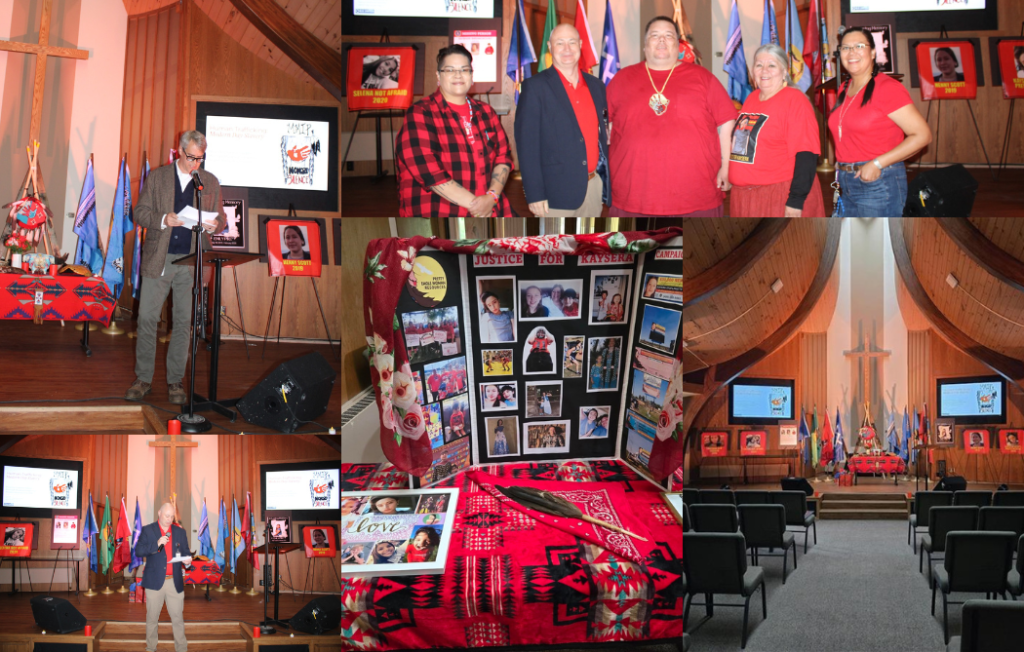
May is MMIP Awareness Month, a time to honor Missing and Murdered Indigenous People (MMIP) and raise visibility around the violence impacting Native communities. At Yellowstone Boys and Girls Ranch, youth and staff gathered for a powerful vigil on Wednesday, May 14th, that brought this national crisis close to home.
Youth-Led Vigil Brings Focus to MMIP Awareness
Led by Mustang Nation—a youth-led cultural club through our Native American Services program—the event was held in the Chapel on campus. Youth and staff came together to reflect, learn, and take action.
The vigil raised awareness about MMIP, the risks of human trafficking, and the growing dangers of illicit fentanyl in Indigenous communities. To close the gathering, participants joined in a Red Sand activation—filling sidewalk cracks with red sand to symbolize those who have fallen through the cracks of systems meant to protect them.
Standing in Solidarity, Amplifying Awareness
Among those present were Mike Chavers, CEO; Josie Brady, Native American Services Coordinator; Charlie Sleeper, Mental Health Worker; Eric Thorson, Licensed Addiction Counselor; and MMIP advocates Yolanda Fraser and Justin Ras. Their presence reflected a shared commitment to standing with Indigenous communities and amplifying youth voices.
As we observe MMIP Awareness Month, we recommit to listening, learning, and taking action. Events like this remind us that awareness is only the beginning—what follows must be ongoing support, advocacy, and change.
Shirts Now Available to Support MMIP Efforts
Youth at the Ranch designed a T-shirt to raise awareness and funds in support of MMIP efforts. Proceeds from shirt purchases go directly toward advocacy and outreach.
Shirts are available through June 20th. Click here to order and support the cause.
Stay Connected
Stay tuned to our news updates for the latest from across Montana, and follow us on social media. You can find us on LinkedIn at Yellowstone Boys and Girls Ranch, Instagram at @ybgr_cares, and Facebook at Yellowstone Boys and Girls Ranch.

YBGR Celebrates MSW Carroll College Graduates

This spring, we’re celebrating teammates who put in the work—earning everything from professional certificates to master’s degrees, including our MSW crew at Carroll College.
Pictured above with Dr. James Petrovich, Director of the Master of Social Work Program and a YBGR board member, are:
- Katon Gerky, Targeted Case Manager in Harlem
- Jasmine Hansen, PR Coordinator
- Caitlin Cooper, Behavioral Specialist in Dillon
- Skyler Carroll, Program Manager at Jessie Grant Lodge
These graduates were recognized at Carroll College’s MSW Hooding Ceremony in Helena on Friday, May 9th.
Balancing Responsibilities & Pushing Forward
Each of these professionals balanced full-time jobs, family responsibilities, and challenging academic coursework—all while continuing to serve youth and families with heart and perseverance.
Their achievement is a testament to what’s possible when education is supported and aligned with purpose. At YBGR, we believe in investing in the people delivering critical youth mental health services across Montana. By creating opportunities for professional development, we expand access to care in our rural communities and strengthen our workforce from within.
Our “Grow Your Own” Program: Advancing MSW Careers & More
YBGR and Yellowstone Academy offer several pathways to pursue an MSW or other academic goals through our “Grow Your Own” initiative:
- University partnerships, such as those with Carroll College and Grand Canyon University, offer tuition discounts and flexible degree programs.
- Scholarships, provided by the Yellowstone Boys and Girls Ranch Foundation, help fund degrees and certifications.
- Student loan repayment grants support therapists currently practicing at YBGR or the Academy.
These supports help our team grow while expanding the care we provide to kids across Montana.
Grow Your Career While Giving Back
Looking for a meaningful career where you can grow professionally and make an impact? Join our team of caring people, preparing youth for life! Navigate to our Careers tab to explore our open positions.
Stay Connected
Stay tuned to our news updates for the latest from across Montana, and follow us on social media. You can find us on LinkedIn at Yellowstone Boys and Girls Ranch, Instagram at @ybgr_cares, and Facebook at Yellowstone Boys and Girls Ranch.

How to Recognize Trauma Triggers in Kids and Respond
Trauma triggers can be easy to miss—especially in children. But recognizing them is key to understanding behavior, offering meaningful support, and helping kids feel safe.
What’s a trauma trigger? A trigger is a reminder of past trauma. It can set off an emotional alarm system, causing feelings of overwhelming sadness, anxiety, or panic.
Common Trauma Triggers
Our capacity to navigate our triggers and recognize them in children is critical to our ability to provide gentle guidance and help kids grow strong.
Common trauma triggers include:
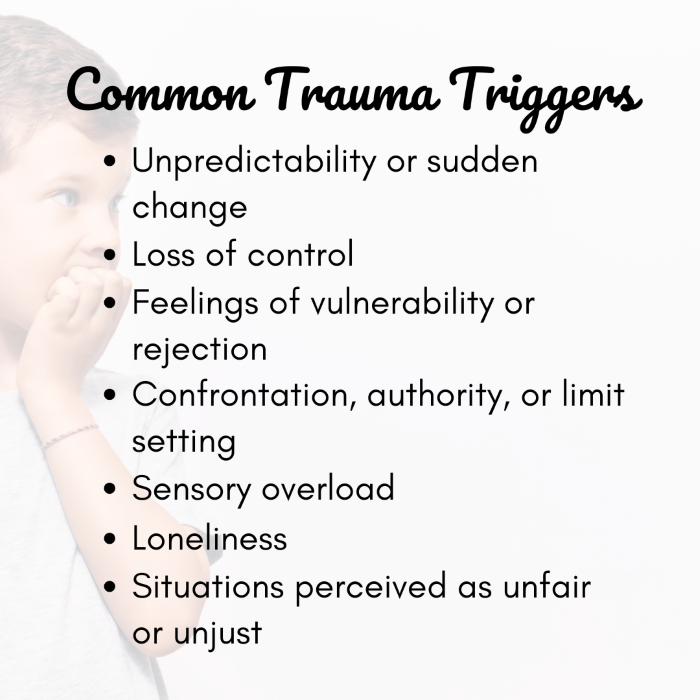
How Kids Respond to Trauma Triggers
A good indicator that trauma has been triggered is when response intensity doesn’t match the intensity of stressors or when behaviors seem confusing or inexplicable.
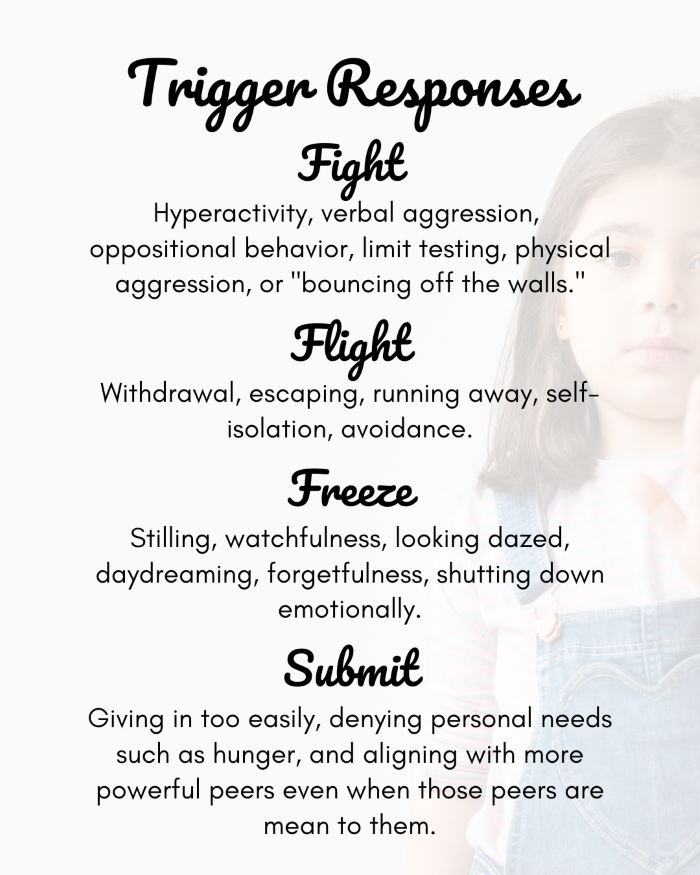
Look for Emotions Driving Behaviors
When navigating triggers, get curious. Look for the emotions driving behaviors and use mirroring as a tool for supportive conversations.
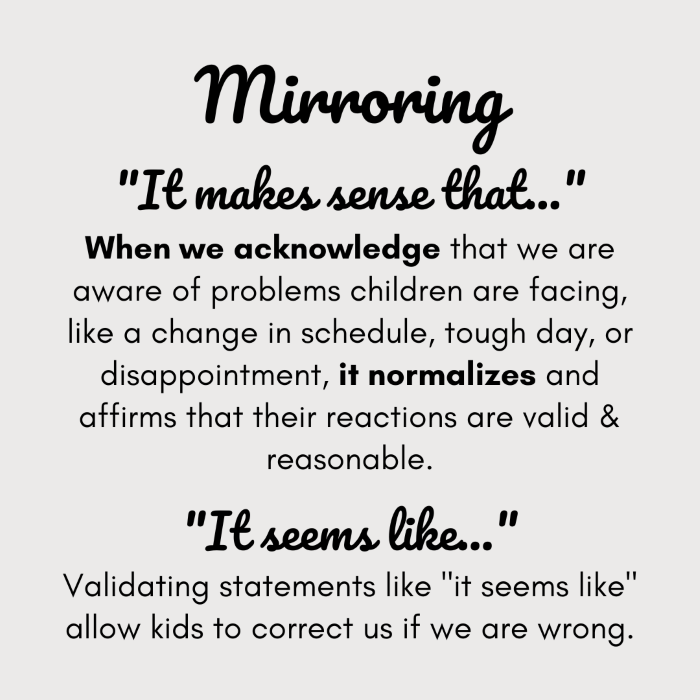
When we acknowledge we’re aware of children’s feelings & experiences, it’s normalizing. We don’t need to talk them out of their feelings—this kind of recognition is healing.
Did You Find This Article Helpful?
Check out the rest of our blog and follow us on social media. You can find us on LinkedIn at Yellowstone Boys and Girls Ranch, Instagram at @ybgr_cares, and Facebook at Yellowstone Boys and Girls Ranch.

Tribal Leaders Visit for Closer Look at Native American Services

In April, we had the privilege of welcoming tribal chairmen and council members from across Montana to the Ranch for a closer look at our Native American Services programming—a vital piece of how we deliver on our mission: Caring people, preparing youth for life.
Native American Services — Cultural Connection in Practice
Our Native American Services program weaves cultural connection into treatment at the Ranch—supporting healing, strengthening identity, and fostering belonging. From weekly smudging and cultural activities to classroom integration, Native heritage is part of everyday life for youth who choose to participate.
We welcomed guests with a smudge prepared for the occasion using a custom blend from Lunar Brambles, a small herbal business that provides ongoing support, free of charge, to Mustang Nation—a key part of our programming.
Shared Conversation and Commitment
The visit was led by Josie Brady, our Native American Services Coordinator, whose work anchors the program and creates meaningful opportunities for cultural connection at the Ranch. Under her guidance, the day included space for honest conversation, shared insight, and reflections on how we can continue to strengthen our work moving forward.
We’re grateful for the time spent together—and for the opportunity to walk alongside youth in ways that honor their culture and identity.
Stay Connected
Stay tuned to our news updates for the latest from across Montana, and follow us on social media. You can find us on LinkedIn at Yellowstone Boys and Girls Ranch, Instagram at @ybgr_cares, and Facebook at Yellowstone Boys and Girls Ranch.

17 Quotes on Helping Kids Navigate Anxiety

Do you have a child who struggles with anxiety? If so, you know that anxious feelings can shine through in several less-than-straightforward ways—making them, at times, tricky to navigate.
Common Missed Signs of Anxiety

Quotes Illustrating How to Help Kids Navigate Anxiety
Below are seventeen quotes illustrating childhood anxiety, its trajectory, and how to support kids.

Quote 1: Anxiety doesn’t always look like a nervous child. Sometimes it looks like a quiet, angry, or difficult child. – Unknown
Anxiety in kids can be easy to miss if we’re only looking for signs of nervousness. More often than not, it hides behind behaviors we misread—like refusal, irritability, or silence.
What looks like “bad behavior” is often the language of distress. Kids who feel out of control inside will try to find control in the only ways they can.
Anxiety is the brain’s alarm system working overtime—scanning for danger and often misfiring.

Quote 2: Anxiety is often masked by aggression. – @raisinghumankind
Aggression can be anxiety’s armor. When a child feels emotionally cornered, they may fight their way out by yelling, hitting, or pushing limits.
This isn’t defiance—it’s protection. Many children don’t yet have the language to express what they’re feeling, so their body speaks for them.

Quote 3: Consistent anger from a child is often a sign of overwhelm and anxiety. – Sarah Boyd
When a child seems angry all the time, it’s easy to assume they’re just being difficult. But anger, especially when it becomes a pattern, is usually a sign that something deeper is going on.
Here’s what’s actually happening: Their nervous system is overwhelmed.
Instead of moving through stress and returning to calm, their body stays on high alert—stuck in a state that feels unsafe, even if there’s no obvious danger. That constant tension builds, and it often spills out as anger. It’s not about bad behavior. It’s about a body and brain that can’t reset.
What kids need isn’t harsher consequences—it’s support. Tools that help them feel safe, calm, and connected.
Without intervention, that stress response pattern can hardwire itself, following kids into adulthood and shaping how they respond to the world. Understanding this doesn’t mean we excuse the behavior—but it does change how we respond to it.

Quote 4: Frustration, anger, and fear shut down the thinking parts of our brain. When your child is dysregulated, they cannot access the smartest part of the brain until their emotions are calmed. – Institute of Child Psychology
Ever tried reasoning with a child mid-meltdown? It’s like trying to explain taxes to someone whose house is on fire. The brain literally can’t take in logic when it’s in panic mode.
Psychologist Daniel Goleman called this an “amygdala hijack”—when the emotional center of the brain (the amygdala) senses threat and takes over, sending the body into fight, flight, or freeze.
When this happens, the thinking part of the brain—responsible for decision-making and problem-solving—goes offline. At that moment, our job isn’t to fix the behavior with words. It’s to help their body feel safe again.
Fewer words.
Slower breath.
Calm presence.
You’re not teaching—they’re not ready to learn. You’re just helping the storm pass.

Quote 5: Young kids can feel big emotions or think with logic and reason. But they can’t do both at the same time. Connect first. Then reason. – @loveandletgrow
Picture the brain like a ladder. At the bottom are survival instincts—big emotions, impulsive reactions, fight or flight responses. At the top is logical thinking. When a child is upset, they’re down on the bottom rungs.
Dr. Bruce Perry, a leading expert in childhood trauma, teaches that the brain develops and responds in sequence: first we regulate, then we relate, and only then can we reason. That means emotional safety comes before problem-solving.
We can’t ask kids to think clearly if their body still feels under threat. Connection—eye contact, empathy, calm presence—is how we help them climb back up the ladder.

Quote 6: Remember, nobody (child or adult) thinks clearly when emotions are high. Wait for the wave to pass before working through the issue. – Inspired by Krysten Taprell
There’s a time to teach, and it’s not mid-meltdown. Kids need the emotional wave to pass before they can reflect, reset, and try again.
Be patient.
Patience doesn’t mean ignoring the behavior—it means picking the right moment to address it. When a child is dysregulated, their thinking brain goes offline. Giving them a chance to settle first helps bring that part of the brain back online—so they can hear you.

Quote 7: Few adults are comfortable in the presence of a child’s anger. We see it as disrespectful, embarrassing, or threatening. That’s a problem because these outbursts are often nested in worry, confusion, loneliness, anxiety, jealousy, or insecurity. What would happen if we trained ourselves to see children’s anger as an invitation to get curious? What if we practiced stepping toward our kids rather than sending them away until they’ve pulled themselves together? – Deborah Farmer Kris
Big feelings in kids tend to stir up big reactions in adults. But attachment research tells us that when children are dysregulated, they don’t need space from us—they need space with us. Step in, not back.
Your calm presence shows them that emotions aren’t something to be ashamed of—and that they don’t have to face them alone.

Quote 8: When we try to talk kids out of their emotions, they feel like we don’t understand. So their anxiety will then “fight” to be heard. – Unknown
Telling kids to “calm down” or “don’t worry” can feel invalidating—even if we mean well. What they hear is, “You’re overreacting.” When kids don’t feel heard, their anxiety gets louder.
A simple “That sounds really hard” can go a long way in helping them settle. Emotional validation helps the brain feel safe, which is a prerequisite for problem-solving.

Quote 9: If you punish a child for what was actually a stress-induced behavior, all you’ll do is add to the child’s stress load and your own. – Dr. Stuart Shanker
If a child could do better in a challenging moment, they would. Behaviors driven by stress or fear aren’t calculated—they’re reactive. Responding with punishment often makes it worse. What helps is recognizing the signal and responding with regulation. This approach doesn’t remove accountability—it creates a pathway to it.

Quote 10: Children never choose the meltdown or any anxiety-related behavior in the same way that you never choose to have a meltdown in front of your family, colleagues, or friends. A meltdown is not a choice; it’s a byproduct of a brain that isn’t coping with something. And that brain needs to be showered in love, compassion, and safety. Not punishment, fear, or shame. – Allison Davies
No one wants to lose control—not kids, not adults. When a child is melting down, their system is overwhelmed. What they need is an anchor. Someone calm. Someone steady. Someone who reminds them that they’re still safe. The goal is to co-regulate first—only then can reflection and repair happen.

Quote 11: Rhythm and ritual decrease the unknown in a child’s day, which soothes the nervous system and results in fewer meltdowns and less hard-to-navigate behaviors. – Inspired by @raisinghumankind
Kids thrive on knowing what’s next. Ever notice how a breakdown is more likely when plans change at the last minute or routines get skipped?
That’s not a coincidence—it’s brain science.
Dr. Stephen Porges’ Polyvagal Theory explains that our nervous system is constantly scanning for cues of safety or danger. When things feel familiar and predictable, the brain relaxes. When they don’t, the brain prepares for threat.
This is why rituals and routines—like a morning goodbye hug or a nightly story—aren’t just nice traditions. They help calm the body and create the sense of safety anxious kids need to function well.

Quote 12: During high-stress moments or those of transition, provide kids with as much certainty and control as possible to reduce anxiety and increase their ability to cope emotionally. – Unknown
Transitions are fertile ground for anxiety. Offering small choices—what to wear, what book to bring—restores a child’s sense of control. When kids feel like they have a say, their stress load drops. And when they feel prepared, they feel safer.

Quote 13: Feeling out of control as a child creates a need to control as an adult. – @breakthecycle_coaching
When a child grows up in chaos—never sure what mood the adults will be in, or whether they’ll be praised or punished for the same behavior—they learn to brace themselves. Their nervous system stays on high alert, always scanning for what might go wrong. Over time, that constant tension can show up as anxiety, hypervigilance, and a deep need to control the world around them—because control feels like safety.
The CDC’s Adverse Childhood Experiences (ACE) study found that early experiences of abuse, neglect, and instability can significantly impact how the brain and body respond to stress. While the study doesn’t talk about control specifically, what we see in practice—and what other trauma research supports—is that kids from unpredictable environments often try to create order in whatever ways they can.
But here’s the powerful part: when we give kids voice and choice—when we let them feel heard and offer safe, predictable care—we help their nervous systems learn that not everything has to be a threat. We teach them that the world can be safe, and they do get a say.

Quote 14: People prefer the certainty of misery to the misery of uncertainty. – Virginia Satir
Cognitive Behavioral Therapy teaches us something important about anxiety: it feeds on unpredictability. When things feel uncertain or out of control, anxiety ramps up. That’s why kids often cling to what’s familiar—even if it isn’t working. The known feels safer than the unknown.
Virginia Satir’s words above couldn’t be more true for anxious kids. That’s why they may resist change, avoid new situations, or freeze when things feel uncertain. It’s not about defiance—it’s about survival.
The work isn’t to force them out of their comfort zone. It’s to stretch it gently. When we help kids tolerate discomfort—rather than avoid it—we expand their window of tolerance and help them build confidence.
Over time, they learn they can do hard things. And that’s when anxiety starts to loosen its grip.

Quote 15: If we allow kids to avoid the things they fear, they’ll enjoy the short-term relief of staying close to home and the long-term problem of continuing to feel fearful. – Dr. Lisa Damour
Avoidance brings relief—but only for a moment. Long-term, it feeds the fear. Supporting kids in facing fear in small steps helps them realize they’re more capable than they think.
Bravery isn’t fearlessness—it’s fear walked through. And every step builds the belief: “I can do hard things.”

Quote 16: If we want to help our children manage anxiety, we need to celebrate their bravery, not just their success. -Krysten Taprell
A child might not finish the race—but for some, showing up at the starting line takes everything. When we celebrate courage, not just outcomes, we reinforce what matters most: effort, resilience, and the belief that trying again is always worth it.
Highlight the process, not just the performance.

Quote 17: Feeling capable is a natural antidote to anxiety and depression in children and teens. – @drnicolebeurkens
Research on self-efficacy tells us that confidence is built through doing. Kids don’t need to be rescued from struggle—they need support while they move through it. The more capable they feel, the quieter their anxiety becomes.
Capability builds confidence—and confidence calms fear.
Did you find this article helpful?
Check out the rest of our blog and follow us on social media. You can find us on LinkedIn at Yellowstone Boys and Girls Ranch, Instagram at @ybgr_cares, and Facebook at Yellowstone Boys and Girls Ranch.

YBGR Butte Gathers to Honor the Past and Celebrate the Future

In April, our YBGR Butte team came together to mark a pivotal moment—celebrating the rebranding of their Community Office and two legacies now serving under one roof.
In a simple ceremony, we laid the old Youth Dynamics signage to rest—paying respect to the decades of care, connection, and hard work that built the foundation we stand on today at 775 W Gold Street.
YBGR Butte Honors Decades of Service
For years, 775 W Gold Street has been a steady presence for kids and families. Generations have walked through these doors—seeking support, finding connection, and building hope.
Both YBGR and Youth Dynamics have long histories of delivering care in Butte. Earlier this year, those paths officially came together—united under the shared mission: caring people, preparing youth for life.
What we celebrated was not the beginning but the continuation of that work—stronger, together, and reaching more youth and families than ever before.
The work started here is part of a much larger story—one still being written through every youth we serve and every family we support.
Expanding Our Reach Across Silver Bow County and Beyond
Today, our reach is more expansive, and our roots are deeper. From the Ranch to group homes to community-based services, our teams stand with kids at every step—building resilience, delivering hope, and creating strong foundations for the future.
We’re grateful to every team member who makes this work possible. Together, we’re making an impact that will ripple through future generations of children and families.
Stay Connected
Stay tuned to our news updates for the latest from across Montana, and follow us on social media. You can find us on LinkedIn at Yellowstone Boys and Girls Ranch, Instagram at @ybgr_cares, and Facebook at Yellowstone Boys and Girls Ranch.

4 Tips to Help Kids with Anxiety

Does your child wrestle with fearful or anxious feelings? If so, they’re not alone! Anxiety is common. In fact, it’s one of the most frequent mental health issues children face.
Surveys show that in 2021, 30-40% of kids grappled with feelings of anxiousness. And as parents, it’s essential we know how to support them.
Here are some signs of anxiety in children to look out for:

Do any of the signs above sound familiar? If so, we want to help! Here are a few tips on coaching your child through anxious feelings.
How to Help Kids with Anxiety

Tip #1: Relax their environment
Anxiety is a powerful emotion, and kids who grapple with it can easily get overwhelmed. One of the best things you can do when your child is feeling anxious is to reduce sensory stimulation, activity commitments, and pressure on their performance.

Tip #2: Help them name their worries & fears
When children have a good understanding of their feelings, they’re better able to cope with them. And that’s backed by research! In 2003, a study found that kids who could label their emotions in first grade had fewer anxiety symptoms four years down the road.
So, how does labeling emotions work? When kids name their feelings, it reduces the physiological stress response and shame attached to them. It also normalizes the human experience and helps them develop a healthy EQ.

Tip #3: Coach them to be brave
The only way to overcome fear is to face it. If we consistently run away from what makes us anxious, our anxiety only grows.
Support your child in confronting their fears, but make sure to move at a pace that feels comfortable and remind them – “You can do hard things.”

Tip #4: Reach out for support
Is your child struggling? If so, we’re here to help! With everything from therapy to in-home caregiver support and more, we provide services tailored to the unique needs of each child we serve designed to empower families in treatment.
Contact us online to learn more about getting your child support through any of our locations across Montana.
Did you find this article helpful?
Check out the rest of our blog and follow us on social media. You can find us on LinkedIn at Yellowstone Boys and Girls Ranch, Instagram at @ybgr_cares, and Facebook at Yellowstone Boys and Girls Ranch.

Strengthening Families Month— Stronger Families, Stronger Futures

Did you know that April is Strengthening Families Month? It’s a reminder that building a strong, resilient tomorrow starts with investing in families today.
At YBGR, strengthening families is at the heart of everything we do. Every service we offer—whether it’s delivered in the community, our group homes, or at the Ranch—is designed to strengthen connections, build resilience, and equip kids and caregivers with the tools they need to thrive.
Last year, we showed up for more than 3,600 youth and their families—delivering critical care that touched lives across nearly every corner of Montana. Behind each number is a story of hope, healing, and strength—the result of a community rallying around kids and families when it matters most.
Every connection we build today creates a stronger foundation for tomorrow. When kids have stable relationships, practical skills, and caring support systems, they’re better prepared to navigate challenges, achieve their goals, and contribute to stronger communities.
How We Strengthen Families Across Montana
From crisis intervention to ongoing skill-building and beyond, our continuum of care is built to meet families where they are—walking alongside them every step of the way.
Whether we’re supporting a family through a challenging time or helping kids develop skills that last a lifetime, the focus stays the same: strengthening families to strengthen futures.
Our teams work in homes, schools, and communities across Montana, delivering care that helps families stay connected, build resilience, and move forward with confidence.
Learn more about the care we deliver across Montana.
Stay Connected
Stay tuned to our news updates for the latest from across Montana, and follow us on social media. You can find us on LinkedIn at Yellowstone Boys and Girls Ranch, Instagram at @ybgr_cares, and Facebook at Yellowstone Boys and Girls Ranch.

Butte Community-Based Services Brings Easter Joy to Youth and Families
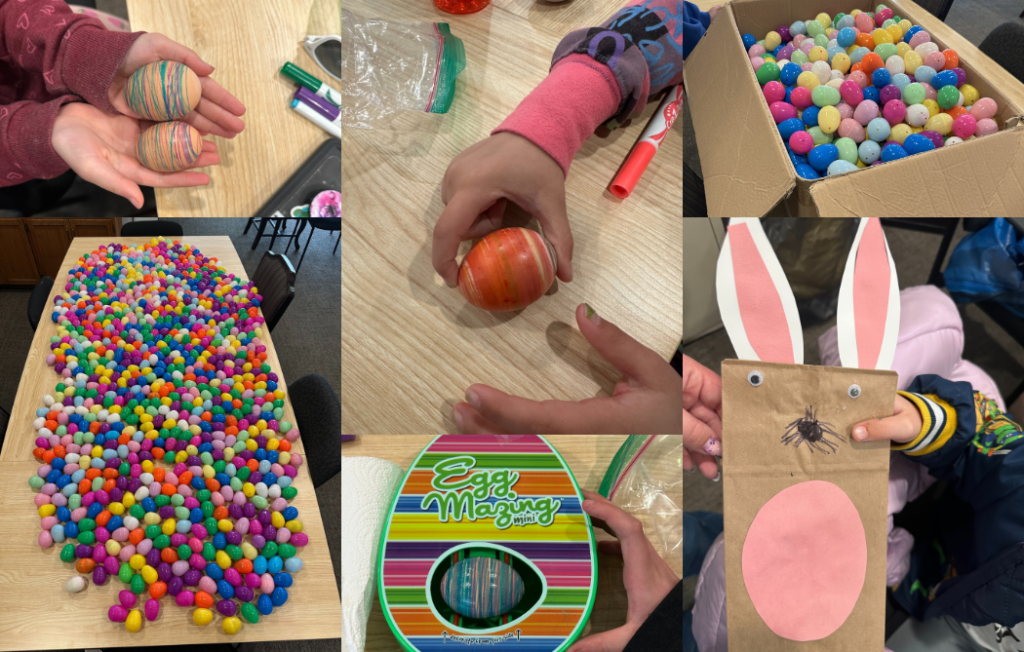
Earlier this month, our Butte community-based services crew brought Easter to life for the youth and families they serve.
The team organized egg hunts at the park, hosted crafts and games at the office, and even made hand-dyed eggs—courtesy of Madelin Speer, Targeted Case Manager, and her chickens. Our kids spent the day laughing, creating, and connecting with each other and the caring adults around them.
Simple moments like these leave a real impact. They build positive memories, strengthen trust, and remind kids they are seen and valued.
Celebrating Connection and Community
In Butte, our team creates spaces where youth feel connected, supported, and seen.
Activities like these give kids a chance to experience joy, connection, and moments of celebration. They strengthen trust, build resilience, and help youth keep moving forward with confidence.
Beyond the holidays, our Butte community-based services team works daily to strengthen families, build skills, and support youth in staying connected to the people and communities that matter most.
Thank You to Our Butte Community-Based Services Team
We’re grateful to our Butte team for bringing heart, joy, and connection to the kids and families we serve. No doubt, their care and commitment makes a difference.
Stay Connected
Stay tuned to our news updates for the latest from across Montana, and follow us on social media. You can find us on LinkedIn at Yellowstone Boys and Girls Ranch, Instagram at @ybgr_cares, and Facebook at Yellowstone Boys and Girls Ranch.

7 Ways to Practice Mindful Parenting—and Strengthen Every Relationship
Feeling the pressure to be a perfect parent? Mindful parenting offers a better path—one grounded in research showing that practicing presence, connection, and emotional awareness can lower family stress, strengthen parent-child bonds, and support healthy emotional development.
At its core, mindful parenting means bringing intentional, nonjudgmental awareness to your interactions with your child—staying open, present, and compassionate, even when things get tough. It’s not about perfection. It’s about embracing imperfection, navigating difficult emotions, and choosing to respond with intention instead of reacting on autopilot.
Practicing mindfulness deepens your bond with your children—and strengthens every relationship in your life.
7 Ways to Practice Mindful Parenting
Here are seven ways to bring mindfulness into your parenting—and beyond.

Make space for your emotions.
You’ve likely heard the phrase, “what we resist persists”—and it’s true. Emotions that we push away tend to grow stronger.
Mindful parenting starts with allowing yourself to sit with your feelings without judgment. When big emotions surface, take a moment to pause, name what you’re feeling, and move through it with compassion.
The more we make space for our own emotions, the more space we create for others’ too.
Practice acceptance.
Life isn’t perfect. Some days you’ll burn dinner, your kids will act out, and everything will feel off track. Mindful parenting is about releasing the illusion of control and meeting each moment as it is—not as you wish it would be.
Practicing acceptance with your kids builds your muscle to practice it with partners, friends, and coworkers too.

Stay flexible.
Plans fall apart. Routines get disrupted. Kids—and adults—struggle with change. Mindful parenting invites you to stay flexible, pausing before reacting and responding thoughtfully instead.
Flexibility not only eases conflict with kids—it makes all your relationships more resilient.

Lead with compassion.
When kids are hungry, tired, or overwhelmed, their behavior often spirals. Instead of focusing only on the behavior, mindful parenting invites us to look beneath it—to the need underneath. Compassion doesn’t eliminate boundaries; it makes them more human.
In every relationship, compassion opens doors that criticism never can.
Forgive often.
Parenting offers daily lessons in forgiveness—for yourself and for your children. Mindful parenting reminds us that mistakes aren’t failures—they’re opportunities to repair and reconnect.
Learning to forgive in small moments with your child lays the groundwork for deeper forgiveness with everyone in your life.
Practice gratitude.
Mindfulness and gratitude go hand in hand. When you intentionally notice the good—the moments of laughter, connection, and growth—you nurture a mindset of joy and abundance.
Gratitude naturally spills into how you show up with everyone, from your family to your community.
Stay present.
The past is behind you, and the future isn’t guaranteed. All you truly have is this moment.
Mindful parenting is about showing up fully—whether you’re reading a bedtime story, cooking dinner together, or simply listening.
Presence transforms relationships, creating the trust and connection we all crave.
Want more?
Check out the rest of our blog and follow us on social media. You can find us on LinkedIn at Yellowstone Boys and Girls Ranch, Instagram at @ybgr_cares, and Facebook at Yellowstone Boys and Girls Ranch.

A 12 Quote Guide to Raising Teens

Who said raising teens was easy? I don’t know about you, but I always thought things would get easier as my kids got older. But once they reached puberty, parenting became a whole new playing field.
Raising teens means your people skills need to be on point. Empathy, mindful communications, patience—all are essential for guiding your soon-to-be adult.
Below are twelve quotes on raising teens.
12 Quotes to Guide You in Raising Teens

#1: Don’t ever pass over an opportunity for connection with your teen.
Quote: No matter what kind of day you had today, if your teen comes to you and wants to talk or hang out, drop everything and do it. Don’t miss a golden opportunity to connect on their terms. – Raising Teens Today

#2: Let your teen talk and really listen.
Quote: Take the time to listen to your teenager, no matter how emotional or ridiculous their statements sound to you. When someone doesn’t feel valued or heard, their desire to participate in a relationship disappears. – Parenting Teens & Tweens

#3: Sometimes, your teen doesn’t want you to fix anything. They just want to be heard.
Quote: Sometimes, when our teens open up to us, they are not looking for us to fix their problems. They are just looking for a safe place to share their pain. – Parenting Tweens & Teens

#4: Don’t meet your teen’s aggression with aggression. Squash it with good communication, empathy, and kindness.
Quote: The louder your teen gets, the quieter you should be. The angrier your teen becomes, the gentler you should become. The meaner your teen behaves, the kinder you should be. – Eva Rito

#5: Read between the lines and look for the communication behind the behavior.
Quote: I knew I was finally becoming the kind of parent my teen needed when I stopped taking everything they said personally and started becoming compassionately curious about what they were really trying to communicate. – Raising Teens Today

#6: Sometimes, natural consequences are the best teacher. No lectures are needed.
Quote: When my child has made a poor decision that has led to a painful lesson, the last thing they need is a side of belittlement and condescension from me. – Raising Teens Today

#7: Your teen will learn to navigate relationships based on the one they have with you. Teach them healthy conflict resolution skills.
Quote: Setting an example for healthy conflict resolution skills and modeling forgiveness is better than never having conflict. – Inspired by Sarah Boyd

#8: Your teen needs unconditional love and acceptance.
Quote: Most teens need love and acceptance a lot more than they need advice. – Bob Goff

#9: Help them develop a healthy sense of confidence.
Quote: Nothing can shake our teen’s confidence more than being fed the notion that something’s wrong with them simply because they don’t measure up in our eyes. – Raising Teens Today

#10: EQ is critical! Foster it in your teen! Studies show that emotional intelligence is one of the single most significant contributing factors to success in adulthood.
Quote: If a child can do advanced math, speak three languages, and receive top grades, but can’t manage their emotions, practice conflict resolution, or handle stress—no amount of education is going to matter. – Unknown

#11: Mistakes are part of the learning process. Don’t make your teen’s acceptance conditional on achievement.
Quote: Children who are too obsessed with perfection can become hard on themselves, have unreachable expectations, and avoid challenges. Work with them to develop a healthier attitude about achievement. – Benjamin Mizrahi

#12: Your teen needs to know that nothing will make you love them anymore or less.
Quote: Teenagers long to know that there’s nothing they can do to make us love them more, and there’s nothing they can do to make us love them less. – Mark Gregston
Want more?
Check out the rest of our blog and follow us on social media. You can find us on LinkedIn at Yellowstone Boys and Girls Ranch, Instagram at @ybgr_cares, and Facebook at Yellowstone Boys and Girls Ranch.

YBGR Sponsors Pheasants Forever with Student-Raised Birds
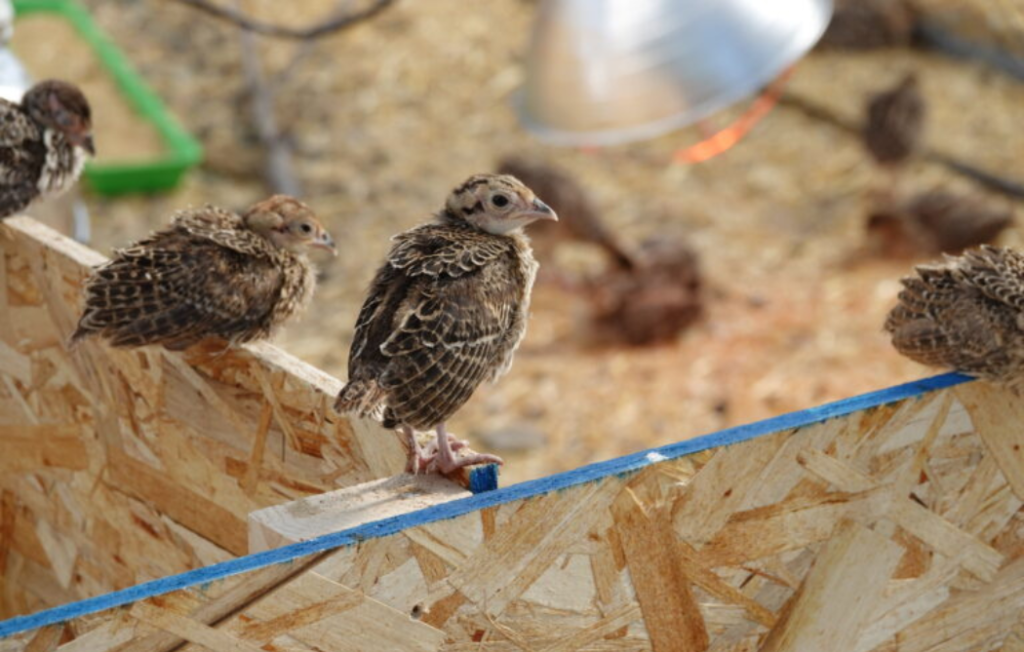
We were proud to sponsor Pheasants Forever this year—supporting wildlife conservation and youth development in a truly hands-on way. As part of our partnership, we donated 50 pheasants raised with care by students at Yellowstone Academy at the Ranch through our Vocational Agriculture (Voc-Ag) program.
Building Responsibility & Life Skills Through Voc-Ag
At the Ranch, our Voc-Ag program gives youth the opportunity to raise pheasants from egg to maturity. With support from staff, students learn how to care for the birds throughout every stage of life—feeding, monitoring, and preparing them for release into the wild. Along the way, they build responsibility, confidence, and life skills that will serve them far beyond the classroom.
This hands-on experience also fosters a deep connection to the natural world and instills a lasting sense of pride in giving back—both to their community and to Montana’s wild places.
Partnering with Pheasants Forever to Support Conservation in Montana
Partnering with Pheasants Forever reflects our commitment to service, stewardship, and creating opportunities for youth to build skills for life. The organization plays a vital role in preserving wildlife habitats, promoting outdoor education, and ensuring that future generations of Montanans can experience the outdoors.
By contributing student-raised pheasants, we’re not only supporting local conservation efforts—we’re empowering youth through meaningful, real-world learning that benefits both people and the land.
It’s an honor to support Pheasants Forever’s mission while helping our students grow, give back, and make a lasting impact.
Stay Connected
Stay tuned to our news updates for the latest from across Montana, and follow us on social media. You can find us on LinkedIn at Yellowstone Boys and Girls Ranch, Instagram at @ybgr_cares, and Facebook at Yellowstone Boys and Girls Ranch.

3 Positive Parenting Keys for Hard Days
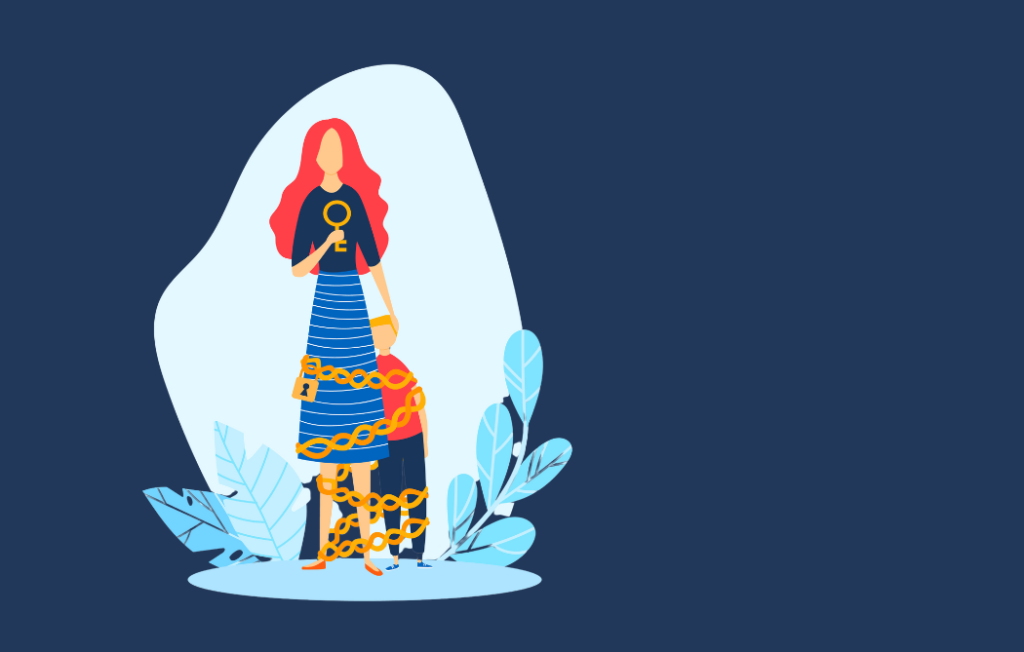
Let’s be real—parenting can feel overwhelming. With advice coming from every direction, it’s easy to get lost in the noise. When things feel especially tough, these positive parenting keys will help you refocus on what truly matters: connection, calm, and collaboration.
Below are three strategies that can bring clarity and intention back to your parenting—even on the hard days.
3 Positive Parenting Keys
🗝️ Relationship Comes First
Rules and structure matter—but without relationship, they often fall flat. When kids feel emotionally connected and seen, they’re more likely to cooperate and trust your guidance. If that connection breaks down, you’ll often see it show up in their behavior.
Try this: Slow down. Listen without jumping to fix. Make time for small moments of connection. When your relationship is strong, everything else becomes easier.

🗝️ Co-Regulate to Calm Emotions
Big emotions are contagious—and so is calm. Kids don’t learn to regulate their emotions on their own. First, they borrow our calm presence until they’re able to build that skill for themselves.
Try this: Take a deep breath together. Get down on their level. Offer your steady presence. This kind of co-regulation is a core piece of positive parenting and helps build emotional strength—for both of you.

🗝️ Work Through Solutions Together
Is your child facing something challenging? Work through it with them, not for them. This teaches problem-solving, encourages trust, and builds their confidence over time.
Try this: Ask, “What do you think we can do about this?” Collaborating like this supports kids in building skills for life and can turn moments of conflict into connection—helping kids feel capable and seen.
Keep the Keys Close
You don’t need to have all the answers. On the hard days, come back to these three positive parenting keys:
🗝️ Build connection
🗝️ Co-regulate emotions
🗝️ Solve problems side by side
Let go of perfection—and stay focused on what matters most.
Need Support?
Yellowstone Boys and Girls Ranch (YBGR) provides a full continuum of children’s behavioral health care designed to wrap families up in support and empower caregivers. Contact us today to learn more.
Want More?
Check out the rest of our blog and follow us on social media. You can find us on LinkedIn at Yellowstone Boys and Girls Ranch, Instagram at @ybgr_cares, and Facebook at Yellowstone Boys and Girls Ranch.
Article adapted from a Facebook post by Krysten Taprell @ The Therapist Parent.
Safe Sacred Spaces Conference — Thursday, May 8th
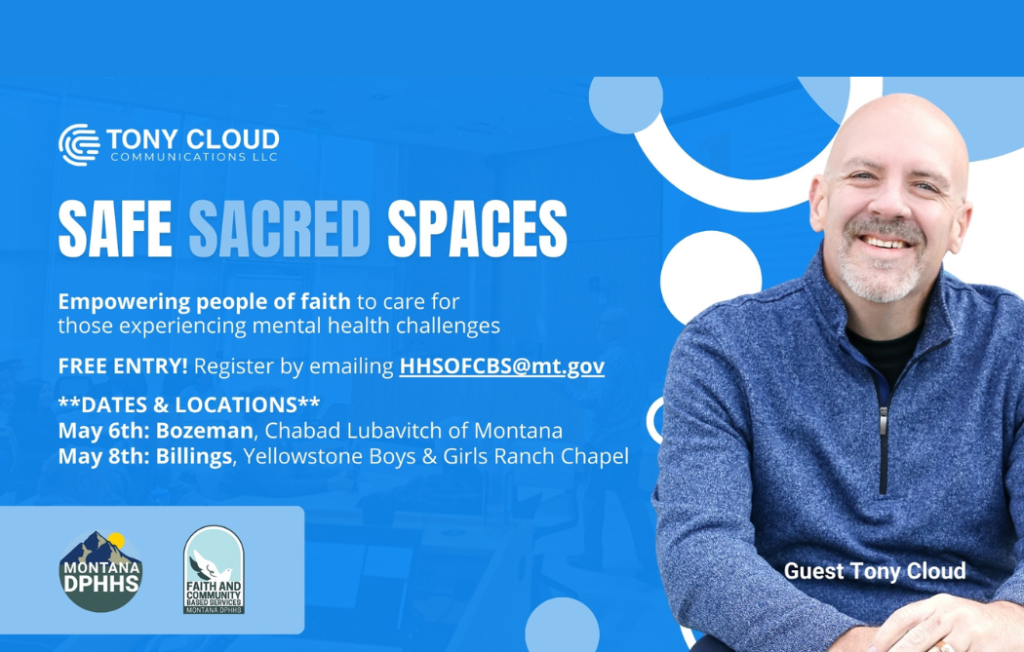
Safe Sacred Spaces: Empowering People of Faith to Recognize & Respond to Mental Health Challenge
We’re honored to serve as the Billings host site for Safe Sacred Spaces, a statewide tour presented in partnership with the Montana Department of Health and Human Services Office of Faith and Community Services and Tony Cloud Communications.
This free event is especially designed for leaders and members of faith communities—but is open to all. Join us for a powerful morning with keynote speaker Tony Cloud, a nationally recognized trainer and former social services professional, as he shares insight on:
- What the Bible says about mental health
- Common myths and misunderstandings
- How to recognize and respond when someone is struggling
Plus, connect with local faith-based and community service providers at our resource fair.
Here are the details:
When:
Thursday, May 8th, from 9:30am – 1:00pm
Where:
Yellowstone Boys and Girls Ranch Chapel
1732 South 72nd Street West
Billings, MT 59106
Event Schedule:
🕗 8:00am – Event & Resource Exhibit Set Up
🕤 9:30am – Resource Exhibits Open
🕙 10:00am –11:30am – Keynote Presentation: Safe Sacred Spaces
🕦 11:30am – 12:30pm – Resource Exhibits Open
🕐 1:00pm – Event Close
Want to Attend?
Reserve your spot by emailing HHSOFCBS@mt.gov.
Interested in Tabling?
Faith-based & community service providers can reserve free exhibit space. Email info@tonycloudcommunications.com to get a spot.
Stay Connected
Stay tuned to our news and events updates for the latest from across Montana, and follow us on social media. You can find us on LinkedIn at Yellowstone Boys and Girls Ranch, Instagram at @ybgr_cares, and Facebook at Yellowstone Boys and Girls Ranch.

Youth Wrap Up Volleyball Season with Match Against Staff
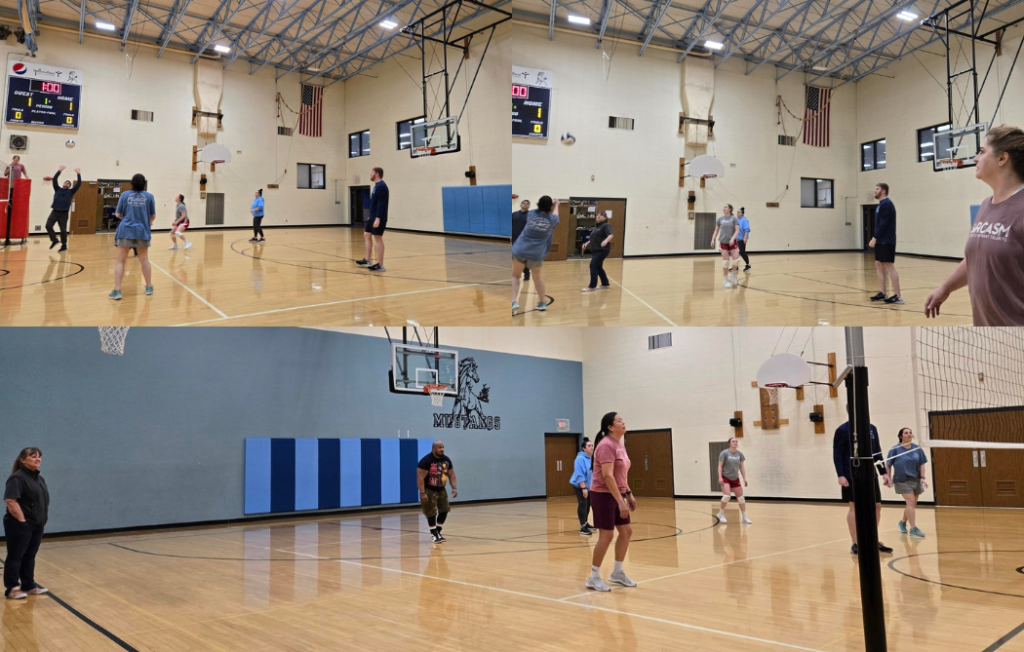
What a match! April 2nd marked the end of volleyball season at the Ranch, and our youth wrapped it up in style—with a spirited game against staff. In a close and exciting match, the staff team edged out a win with a final score of 25–21.
More Than Just a Volleyball Game
While the scoreboard showed a staff victory, the real wins this season came to the kids through the lessons learned on the court. Throughout the season, our youth practiced teamwork, communication, strategy, and perseverance—skills that extend far beyond the game.
From learning to collaborate with peers to encouraging each other through challenges, our volleyball season offered more than just physical activity. It created space for connection, growth, and a whole lot of fun.
We’re incredibly proud of the heart, hustle, and positive spirit our youth brought to every practice and game. And we’re grateful to the staff who stepped up—not just for the final match, but for encouraging and supporting the kids all season long.
🏐 Here’s to a season full of memories, movement, and moments that matter.
Stay Connected
Stay tuned to our news updates for the latest from across Montana, and follow us on social media. You can find us on LinkedIn at Yellowstone Boys and Girls Ranch, Instagram at @ybgr_cares, and Facebook at Yellowstone Boys and Girls Ranch.

6 Tips to Combat Caregiver Burnout

Feeling exhausted? You’re not alone.
In today’s world, caregiver burnout is more common than ever—especially for those juggling parenting, work, and the endless demands of life. Whether you’re a stay-at-home parent or balancing a full-time career with caregiving responsibilities, the emotional and physical toll adds up fast.
In fact, an article by Investopedia reports that stay-at-home parents work an average of 98 hours per week—and for working caregivers, that number only increases.
Without a strategy to manage stress and prevent caregiver burnout, it’s easy to run on empty. Here are six practical tips to help you recharge, protect your well-being, and bring your best self to those who depend on you.
Tips to Combat Caregiver Burnout

Connect with others.
Social support is a must for parents! Studies show that when caregivers are connected and have an open dialogue on stress and burnout, it serves as a buffer against it. So, carve out time for friends, family, and build a tribe you can lean on.

Re-evaluate your stress.
Mindset is a critical component of navigating stress. The truth is, how we look at our circumstances directly affects how they impact us. So, explore areas of your life that make you grateful. And if you’re confronting parenting challenges, ask yourself, “How can I use these as opportunities to grow?”
Make small changes.
Do you feel trapped by your parenting responsibilities? If so, make small changes to help you manage stress over the long haul. For example, try delegating tasks among family members, cutting down on commitments, or scheduling carpools with other parents.

Let go of perfectionism.
No one’s perfect. And when we shoot for such an unrealistic mark, we put unnecessary pressure on ourselves—creating stress and fostering feelings of shame when we don’t live up to our expectations.
So, drop the “should” statements and swap them for “it would be great if I had more energy to…” instead. Reframing like this will help you deal with your current reality rather than what you think it should be.
Take microbreaks.
Self-care is a critical component of managing stress and burnout recovery. Yet, being a caregiver is a full-time job, so taking long breaks or vacations for yourself isn’t always realistic. But you can take tiny moments throughout your day.
Try sitting in your car to listen to a guided meditation after grocery shopping or going into the bathroom for five minutes to practice deep breathing to enhance your resilience.

Find meaning.
Has stress brought you to the point of detachment? If so, take the time to re-explore and connect to your values.
What are the meaningful aspects of parenting? Don’t get lost in the drudgery of your role. Instead, dive deep, and don’t forget the purpose behind your work.
Need support?
We provide a wide range of wraparound mental health services that support caregivers and help kids heal. Contact us online to learn more about help available through Yellowstone Boys and Girls Ranch (YBGR).
Want more?
Check out the rest of our blog and follow us on social media. You can find us on LinkedIn at Yellowstone Boys and Girls Ranch, Instagram at @ybgr_cares, and Facebook at Yellowstone Boys and Girls Ranch.

YBGR Shelby Pedals for a Purpose at CycleMT Fundraiser

YBGR Shelby recently joined Logan Health’s CycleMT fundraiser, rallying behind a powerful cause: raising funds for Montana children facing serious medical hardships.
The high-energy stationary bike relay brought community members together to support youth across the state—kids whose needs aren’t fully met by traditional funding sources.
YBGR Shelby in Action for Montana Kids
For YBGR Shelby, CycleMT was more than just a fun competition—it was a mission in motion. Funds raised during the event directly support children and families facing the overwhelming costs of medical care, including travel, lodging, and other essentials. These efforts ensure more Montana kids have access to the resources they need to stay healthy.
Events like this create a ripple effect of hope and healing, and we’re proud that our team showed up, heart and soul, to be part of it.
Living the Mission—At Work and Beyond
At Yellowstone Boys and Girls Ranch (YBGR), our commitment to kids doesn’t end when the workday does. We believe in living the mission—at work and beyond—and that means stepping up for our communities in meaningful ways, like volunteering time and energy to causes that align with our values.
Our Shelby team’s participation in CycleMT reflects that spirit of service. It’s a powerful reminder that the same values guiding our work with youth extend into every corner of our lives. We’re proud to support efforts that make Montana a better place for children and families, one ride at a time.
Thank you, Logan Health, for leading the charge. We’re honored to ride alongside you for a cause that matters.
Stay Connected
Stay tuned to our news updates for the latest from across Montana, and follow us on social media. You can find us on LinkedIn at Yellowstone Boys and Girls Ranch, Instagram at @ybgr_cares, and Facebook at Yellowstone Boys and Girls Ranch.

Grit—18 Quotes Exploring Passion and Perseverance

Got grit? By grit, I mean the stubborn refusal to quit: the mindset—the mental fortitude to navigate even the most challenging circumstances.
The truth is that the discipline and attitude we bring into each day are critical—they determine our ability to succeed in our endeavors, resilience in the face of adversity, and even play a key role in our mental health.
So, what exactly is grit? It’s a unique blend of passion and perseverance. Below are eighteen quotes illustrating the path to being gritty.
18 Quotes Exploring Grit

Quote 1: At its core, the idea of purpose is the idea that what we do matters to people other than ourselves. – Angela Duckworth
Quote 2: Purpose is the reason you journey. Passion is the fire that lights the way. – Anonymous

Quote 3: Passion begins with intrinsically enjoying what you do. – Angela Duckworth
Quote 4: Our potential is one thing. What we do with it is quite another. – Angela Duckworth
Quote 5: As much as talent counts, effort counts twice. – Angela Duckworth
Quote 6: Without effort, your skill is nothing more than what you could have done but didn’t. – Angela Duckworth
Quote 7: The only thing that I see that is distinctly different about me is: I’m not afraid to die on a treadmill. I will not be outworked, period. You might have more talent than me. You might be smarter than me. You might be more attractive than me. You might be all of those things; you got it on me in nine categories. But if we get on a treadmill together, there are two things: You’re getting off first, or I’m going to die. It’s really that simple. – Inspired by Will Smith

Quote 8: It was passion and perseverance that made high achievers special. In a word, they had grit. – Angela Duckworth
Quote 9: It soon became clear that doing one thing better and better might be more satisfying than staying an amateur at many different things. – Angela Duckworth

Quote 10: Life is more about consistency than about intensity. Intensity steals the limelight. – Angela Duckworth

Quote 11: Grit is passion and perseverance for very long-term goals. Grit is having stamina. Grit is sticking with your future, day-in, day-out. Not just for the week, not just for the month, but for years. And working really hard to make that future a reality. Grit is living life like it’s a marathon, not a sprint. – Angela Duckworth

Quote 12: Grit is having the courage to push through, no matter what the obstacles are, because it’s worth it. – Chris Morris
Quote 13: To be gritty is to keep putting one foot in front of the other. To be gritty is to hold fast to an interesting and purposeful goal. To be gritty is to invest, day after week after year, in challenging practice. To be gritty is to fall down seven times and rise eight. – Angela Duckworth

Quote 14: Grit is choosing to hang on when you desperately want to let go. – Anonymous

Quote 15: Strength doesn’t come from what you can do. It comes from overcoming the things you thought you could not. – Rikki Rogers
Quote 16: True grit is making a decision and standing by it, doing what must be done. No moral man can have peace of mind if he leaves undone what he knows he should have done. – John Wayne
Quote 17: Use mistakes and problems as opportunities to get better — not reasons to quit. – Angela Duckworth
Quote 18: Grit is about having what researchers call an “ultimate concern,” a goal you care about so much that it organizes and gives meaning to almost everything you do. And grit is holding steadfast to that goal even when you fall down. – Angela Duckworth
Curious to dive deeper into the science behind grit?
Angela Duckworth’s book Grit: The Power of Passion and Perseverance is a must-read. It’s packed with powerful research, real-life stories, and practical insights on how grit shapes success—not just for adults, but for kids too. Highly recommended for anyone passionate about personal growth and resilience.
Want more?
Check out the rest of our blog and follow us on social media. You can find us on LinkedIn at Yellowstone Boys and Girls Ranch, Instagram at @ybgr_cares, and Facebook at Yellowstone Boys and Girls Ranch.

Drop the Labels! Kids Shine When We Focus on Strengths

Are you familiar with labeling theory? Sociology buffs probably are. It proposes that people come to both identify and behave in ways reflecting the labels we place on them— Essentially, how we label people impacts their behavior.
The theory helps explain changes often occurring in individuals diagnosed with mental health conditions—suggesting cultural ideas associated with mental illness become personally relevant for those struggling.
Labels, and the stigma associated with them, lead to internalized negative self-beliefs, resulting in secrecy around diagnosis, reluctance to seek treatment, and social withdrawal.

Diagnosis is frequently necessary for kids to access treatment. But that label need not define them.
Instead, there’s a more robust approach. Everyone has a unique set of strengths that, when illuminated, helps them shine!

A Different Perspective—Focus on Strengths!
Want to know the secret to engaging kids and families in behavioral health services? It starts with focusing on strengths! Studies show positive outcomes happen when we build on competencies instead of concentrating on deficits.
Below are nine guiding principles of a strength-based approach:

Shining a Light on Strengths! How to Leverage a Strength-Based Approach
Interested in learning more about how you can use a strength-based approach to drive excellent outcomes in your work with kids? Check out the tips below!
#1: Emphasize positive outcomes
Focus on positive and healthy treatment outcomes for kids, such as self-confidence, connectedness, and healthy relationships with their family, friends, and community.
And don’t forget to highlight positive traits like strong character or being caring and compassionate.
#2: Involve kids in decision-making
Kids and caregivers should be able to voice their opinions and reason through decisions with their mental health providers.
#3: Emphasize collaboration
Echoing the previous recommendation, give kids every opportunity to collaborate regarding their treatment! To engage kids in their strengths, they need to feel empowered and supported.
#4: Provide stability
Long-term involvement builds trust and helps children understand how to develop and maintain supportive relationships. Avoid frequent treatment team member changes and discontinuing support services before kids are ready.
#5: Connect kids to their community
Make sure kids have lots of opportunities for community involvement. Link them to local committees, school activities, youth groups—whatever lights their fire and keeps them connected!
Want More?
Check out the rest of our blog and follow us on social media. You can find us on LinkedIn at Yellowstone Boys and Girls Ranch, Instagram at @ybgr_cares, and Facebook at Yellowstone Boys and Girls Ranch.

17 Quotes on Childhood Trauma & Healing

Did you know that sixty percent of us lay claim to childhood trauma? It’s an astounding number. And every year, over thirty-four million more kids are touched by it.
Below are seventeen quotes on childhood trauma and the journey to healing.
Quotes on Childhood Trauma & Healing

Quote 1: Childhood trauma doesn’t come in one single package. – Dr. Asa Don Brown
Quote 2: Behavior is the language of trauma. Children will show you before they tell you that they are in distress. – Micere Keels

Quote 3: Nine times out of ten, the story behind the misbehavior won’t make you angry; it will break your heart. – Annette Breaux

Quote 4: Children don’t get traumatized because they are hurt. They get traumatized because they’re alone with the hurt. – Dr. Gabor Mate

Quote 5: Students with childhood trauma don’t have faulty brains. They have minds designed in threatening environments to help them survive. – Inspired by Peggy Leigh

Quote 6: Repeated childhood trauma causes a child to live in a constant state of hypervigilance, always alert to impending perceived danger. – Unknown
Quote 7: Kids with trauma history don’t need more punishment. And quite frankly, they don’t need more stickers. – Dr. Ross Greene

Quote 8: A child who has experienced trauma will sometimes show they feel connected to an attachment figure by releasing all their big emotions in their presence. What may appear as disconnection may actually be a sign of trust. – J. Milburn

Quote 9: People raised on love see things differently than those raised on survival. – Joy Marino
Quote 10: Our brains are wired for connection, but trauma rewires them for protection. That’s why healthy relationships are difficult for wounded people. – Ryan North
Quote 11: Trauma comes back as a reaction, not a memory. – Bessel Van Der Kolk

Quote 12: A trigger is anything that sets you off emotionally and activates memories of your trauma. It’s particular to you and what your experience has been. Triggered, we revert to the feelings and behaviors we had in the traumatizing situation. – @healingfromtrauma
Quote 13: As traumatized children, we always dreamed that someone would come and save us. We never dreamed that it would, in fact, be ourselves as adults. – Alice Little

Quote 14: When it feels disheartening to learn that trauma changes the brain, remember that healing changes the brain, too. – @howhumansheal

Quote 15: Trauma is a result of an overwhelming sense of danger, powerlessness, and fear. Healing is a result of feeling safe, empowered, and supported. – Unknown

Quote 16: People start to heal the moment they feel heard. – Cheryl Richardson

Quote 17: There’s a saying that goes, “Hurt people will hurt people.” But I rarely hear the opposite, “Healed people heal people.” Get healed. Then, go heal. – Unknown
Want More?
Check out the rest of our blog and follow us on social media. You can find us on LinkedIn at Yellowstone Boys and Girls Ranch, Instagram at @ybgr_cares, and Facebook at Yellowstone Boys and Girls Ranch.

YBGR Brings Mental Health Care to Schools Across Montana
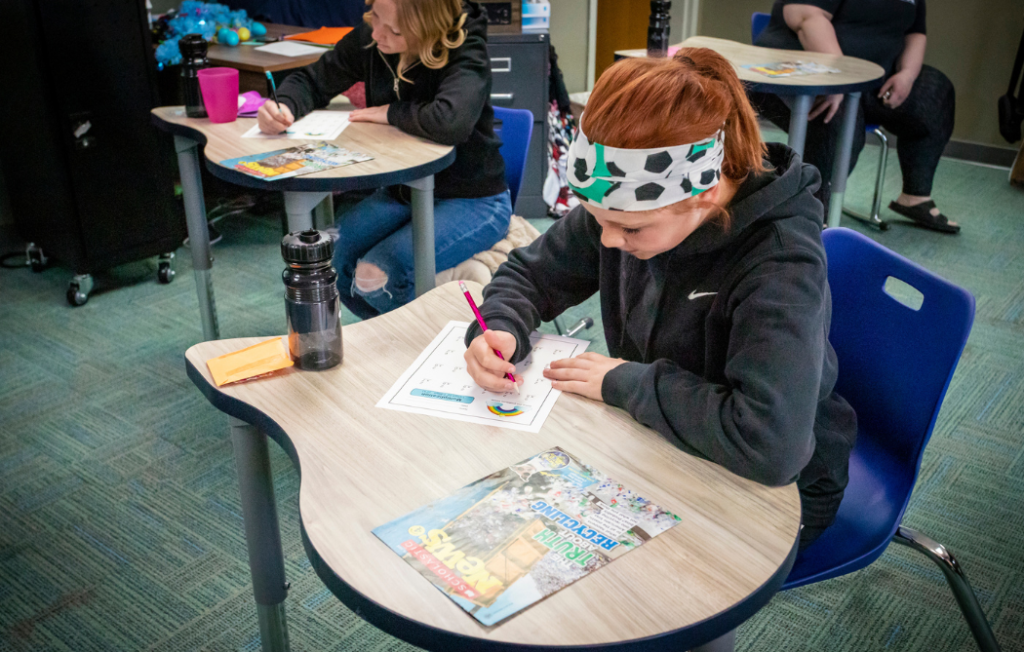
At Yellowstone Boys and Girls Ranch (YBGR), we’re committed to meeting kids where they are—and for many, that means providing support right inside their schools. Through partnerships with 24 school districts across Montana, YBGR delivers school-based mental health services that help students stay engaged, build resilience, and thrive both in and out of the classroom.
What Are School-Based Mental Health Services?
School-based mental health services integrate therapeutic support into the daily school experience. Led by therapists, our teams of behavior specialists work directly in classrooms to deliver targeted interventions and counseling tailored to each child’s needs.
Support doesn’t end at the school doors—our services extend into homes and communities, creating wraparound care that provides stability and consistency for youth and families alike. This model keeps kids in school, reduces disruptions, and builds strong foundations for emotional and academic success.
A Statewide Effort to Support Students in Schools
From small rural communities to more populated school districts, YBGR’s school-based teams are making a meaningful difference across the state. These caring professionals play a vital role in early intervention, helping students navigate challenges before they escalate.
To our school-based community care teams: thank you. Your compassion, skill, and dedication are empowering Montana kids with the tools they need for life.
Stay Connected
Stay tuned to our news updates for the latest from across Montana, and follow us on social media. You can find us on LinkedIn at Yellowstone Boys and Girls Ranch, Instagram at @ybgr_cares, and Facebook at Yellowstone Boys and Girls Ranch.

21 Quotes on Raising Kids with Grit

Want to raise kids with grit? The mindset to weather difficulties—the passion and perseverance to push through challenges to achieve long–term goals.
Check out the short Ted Talk by Angela Duckworth, Ph.D., below to learn more about grit and its importance.
Grittiness is one of the most significant predictors of success—more than talent and I.Q. combined. And today, we know a little more about how to help kids develop it.
Below are twenty-one quotes illustrating how to raise kids with grit.
Quotes on Raising Kids with Grit

Quote 1: My father didn’t tell me how to live; he lived and let me watch him do it. – Clarence Budington Kelland
Kids don’t learn grit through lectures—they learn it by watching how you respond to challenges. If they see you keep going when things get tough, they learn that perseverance is normal—not something special or rare. They model their mindset after yours.

Quote 2: The attitude you have as a parent is what your kids will learn. They don’t remember what you try to teach them. They remember who you are. – Inspired by Jim Henson
You don’t need the perfect words. Your tone, your reactions, your effort—all of that teaches your kids how to handle life. If you stay calm during stress or keep trying after a failure, your kids pick up on that. Grit is caught, not taught.

Quote 3: Children have this way of becoming who we tell them they are. If we tell them they are strong, they become strong. If we tell them they are kind, they become kind. If we tell them they are capable, they become capable. Speak life into your kids, so they will have what it takes to tackle their own life one day. – Amy Weatherly
A child’s sense of identity forms early, and it shapes what they believe they can handle. If you consistently speak strength and capability into them, they begin to believe they can face difficulty. Kids who see themselves as capable are more likely to persist through setbacks.

Quote 4: My teacher once told me, “You’re going to do big things.” It made me feel 10 feet tall. I’ve remembered his words during the darkest lows and the highest highs. I always knew he believed in me—and that helped me believe in myself. Never underestimate the power of words. – Leslie Means
Encouragement doesn’t just boost confidence—it builds a child’s narrative about who they are. One meaningful comment can echo in a child’s mind for years, especially during hard times. That belief becomes a foundation for grit.

Quote 5: Don’t tell your kids, “I’m proud of you,” tell them, “You should be proud of yourself.” – Kristen Welch
If a child only works for adult approval, they’ll stop trying when no one’s watching. But if they learn to feel pride in their own effort, they develop the inner motivation that keeps them going—even when it’s hard and no one’s clapping.

Quote 6: Don’t waste a lot of time and money pushing kids in directions they don’t want to go. Instead, find out what weirdness they excel at and encourage them to do that. Then get out of the way. – Seth Godin
Passion drives perseverance. When kids are forced down a path that doesn’t fit, they resist. But if they’re encouraged to pursue what they love, they’ll stick with it through struggle. Grit is more likely to grow where there’s natural interest.
Quote 7: Instead of focusing on making your child’s life easier, help them recognize they are capable of handling hard things. – @dr.siggie
It’s natural to want to protect your child from struggle, but doing so sends the message they can’t handle it. When kids are trusted to face hard things—with your support—they learn to believe in their own strength, which builds resilience.
Quote 8: Self-esteem can’t be given or received. It’s developed through a sense of capability and the self-confidence gained from dealing with disappointments, solving problems, and having lots of opportunities to learn from mistakes. – Inspired by Jane Nelson
Real confidence doesn’t come from praise—it comes from doing. Each time a child faces something hard, learns from a mistake, or bounces back from disappointment, they gain proof they can handle life. That’s how grit and self-esteem grow.

Quote 9: If we’re not preparing our kids for the small challenges while they are young, how will they ever be prepared for the larger challenges and losses we all face as adults? – Brandon & Pace Verner
Struggles in childhood aren’t just bumps in the road—they’re training grounds. When kids are allowed to work through minor issues now, they build the emotional muscles they’ll need to handle bigger ones later. Grit grows in layers.
Quote 10: If parents want to give their children a gift, the best thing they can do is to teach them to love challenges, be intrigued by mistakes, enjoy effort, and keep on learning. That way, their children don’t have to be slaves to praise. They will have a lifelong way to build and repair their own confidence. – Carol Dweck
Kids who are obsessed with praise often avoid challenges—because failure feels like the end. But if we teach them that effort matters most, they’ll start to value learning over looking good. That shift is at the heart of grit.
Quote 11: By loving them for more than their abilities, we show our children that they are much more than the sum of their accomplishments. – Eileen Kennedy-Moore
When kids feel valued only for their accomplishments, failure becomes terrifying. But if they know they’re loved no matter what, they’re more likely to take risks, try again, and keep growing. That emotional safety is key to building grit.
Quote 12: When we give them permission to fail, we give them permission to be brave. – Karen Young
Kids can’t be brave if they’re afraid of disappointing you. But when you normalize failure, you give them the freedom to take risks. Grit isn’t about never falling—it’s about learning to get back up without shame.
Quote 13: When we shield children from failure or choreograph success for them, we’re distorting the experiences they need in order to grow. – Madeline Levine, Ph.D.
Struggle is how kids develop coping skills. When we step in too often, we deny them the practice they need to manage stress, problem-solve, and build confidence. Protecting them from all hardship actually makes them more fragile.
Quote 14: Let them fail. Life is not always going to be kind, and they won’t always reach their goals or achieve what they want but learning how to deal with these failures is a critical life lesson. They have to develop the internal drive and grit to not let these setbacks permanently undermine them. When they fail but then dust themselves off and get back up to face their next challenge, it helps them recognize their own strength and resilience. – Parenting Teens & Tweens
Failure teaches grit, but only if kids experience it firsthand. When they learn they can survive disappointment, it builds strength and a sense of control. Each time they rise again, they become more resilient.
Quote 15: Teach your kids that: Success is not final; failure is not fatal; it’s the courage to continue that counts. – Winston A. Churchill
Grit isn’t about one big win—it’s about staying the course. Kids need to know that setbacks don’t define them and success isn’t a finish line. What really matters is showing up again tomorrow.

Quote 16: Got a 2.4 GPA my first semester in college. Thought maybe I wasn’t cut out for engineering. Today, I’ve landed two spacecrafts on Mars and am designing one for the moon. STEM is hard for everyone. Grades ultimately aren’t what matters. Curiosity and persistence matter. – Ben Cichy
Early struggles don’t mean kids aren’t cut out for something. Grit means sticking with a goal despite early failure. What predicts long-term success isn’t talent—it’s determination and a willingness to keep learning.
Quote 17: It is not what you do for your children but what you have taught them to do for themselves that will make them successful human beings. – Ann Landers
Doing things for your child might help today—but teaching them to do it themselves builds long-term grit. Kids feel more capable when they can take ownership of their world, one step at a time.

Quote 18: Most of us will perform best at any job or role when we are entrusted with it rather than over-managed, doubted, or nit-picked. Children are no different. – Janet Lansbury
Micromanagement signals, “I don’t trust you.” Autonomy says, “You’ve got this.” Grit flourishes when kids are trusted to try, fail, and try again—without fear of being constantly corrected or doubted.
Quote 19: Raise your kids with the strength to know what they stand for, yet the humility to listen, learn, and grow. – Unknown
Grit doesn’t mean being stubborn. It means knowing when to stand firm and when to learn something new. Kids need both courage and curiosity to grow into strong, adaptable adults.

Quote 20: Strong-willed kids become adults who change the world as long as we can hang on for the ride and resist the temptation to “tame” the spirit out of them. – Unknown
That intensity you see in your child? It’s not a flaw—it’s fuel. Gritty kids often start as spirited ones. The key is helping them channel that energy, not squash it.

Quote 21: If I get one thing right in this parenting gig, I want my children to understand how their actions impact others. I want them to always think about what they can offer the world instead of what they can get from it. And I hope they always remember they are a part of something bigger than themselves. – Whitney Fleming
Purpose gives grit its direction. When kids believe they matter—that their actions affect others—they’re more likely to keep going, even when life gets hard. It’s not just about achieving. It’s about contributing.
Want More?
Check out the rest of our blog and follow us on social media. You can find us on LinkedIn at Yellowstone Boys and Girls Ranch, Instagram at @ybgr_cares, and Facebook at Yellowstone Boys and Girls Ranch.

6 Months Strong: Reshaping Youth Mental Health Through Integrated Care

On October 6, 2024, Youth Dynamics and Yellowstone Boys and Girls Ranch came together with bold goals—one of them: improving youth outcomes through integrated care.
Today, six months later, we’re not just marking a milestone—we’re seeing real momentum and measurable impact.
That goal isn’t just taking root. It’s reshaping how care reaches kids across Montana.
Before joining forces, YDI and YBGR each served around 2,000 kids a year. Today, together, we’re reaching that many every day.
Integrated Care in Action
Here’s what we’ve accomplished since Youth Dynamics joined the YBGR team:
Expanded Access and Increased Capacity
The majority of our therapeutic group homes are now at full capacity, with efforts underway to reopen additional locations across Montana. This growth allows more youth to receive care closer to home in an environment that bridges higher levels of treatment and community-based support.
By strengthening this key level of care, we’re reinforcing a continuum that helps kids build a stable foundation for long-term success.
Improved Continuity of Care
Integrated care is reducing delays and strengthening transitions between different levels of service. In our second month as a unified organization, nearly 800 youth entered care under YBGR—a milestone made possible by shared systems, strong collaboration, and the combined strengths of both teams.
Youth now move more seamlessly through the continuum—from case management to group homes to residential treatment—receiving timely, connected support with fewer disruptions.
Increased Responsiveness
Our ability to respond to shifting needs has increased significantly with aligned teams and shared systems. Integrated care allows us to move quickly and deliver the right care at the right time.
When 13-year-old Jason’s needs escalated last fall, that responsiveness made all the difference. After transitioning from residential care at the Ranch to a previous Youth Dynamics group home, it became clear he needed more support.
In the past, moving him to a higher level of care could have taken weeks—time he didn’t have. But one call from Program Manager Jennifer Hawks was all it took to get him the help he needed—without hospitalization or disruption.
“Unifying as one provider allowed us to act fast and provide the care Jason needed when he needed it most.” — Jennifer Hawks, Group Home Program Manager
Today, Jason is back on the road to recovery—proof of what’s possible when we remove barriers and align care.
Across Montana—from Billings to Boulder, Glendive to Great Falls, Malta, Colstrip, and beyond—youth are getting help faster, more consistently, and in environment built for healing.
“With the addition of YDI into our ranks, I’m so grateful that YBGR is able to expand more in the Great Falls area!” — Stacey Sullivan, Therapist, Great Falls
Our progress reflects the strength of a unified mission and the dedication of the people carrying it forward. It shows what happens when two teams come together around a shared vision—and lean in to do hard things for the right reasons.
And we’re just getting started.
This progress is only possible because of the people behind it.
To our teammates across the state—thank you for showing up, embracing the vision behind this new path, and helping carry our mission forward: “Caring people, preparing youth for life.”
Stay Connected
Stay tuned to our news updates for the latest from across Montana, and follow us on social media. You can find us on LinkedIn at Yellowstone Boys and Girls Ranch, Instagram at @ybgr_cares, and Facebook at Yellowstone Boys and Girls Ranch.

Amazon Brings Smiles (and Snacks) to the Ranch

March’s delivery from Amazon brought more than just snack bags to the Ranch—it brought joy, excitement, and a wave of gratitude from the kids we serve. As part of a generous donation, Amazon provided individually packed snack bags for every child on campus.
The response? Pure happiness. The smiles, laughter, and energy in the lodges made it clear—this simple gesture made a big impact.
Supporting Youth with More Than Just Snacks
We’re incredibly grateful to Amazon for their continued support of our mission. Donations like these go a long way in making our kids feel cared for and seen. While the snack bags were a hit, the real impact was in the message behind them: you matter.
At Yellowstone Boys and Girls Ranch, we know that meaningful experiences like this can leave a lasting impression. When kids experience generosity and community support firsthand, it helps reinforce their sense of worth and belonging.
From all of us at YBGR, thank you to Amazon for investing in the well-being of youth at the Ranch. Your support helps us continue our work in preparing them for life.
Get Involved
Want to learn more about how your organization can support our kids? Visit Yellowstone Boys and Girls Ranch Foundation at yellowstonefoundation.org.
Stay Connected
Stay tuned to our news updates for the latest from across Montana, and follow us on social media. You can find us on LinkedIn at Yellowstone Boys and Girls Ranch, Instagram at @ybgr_cares, and Facebook at Yellowstone Boys and Girls Ranch.

7 Ways to Raise Resilient Kids

Why do some kids bounce back after setbacks while others seem to struggle? The answer lies in resilience—a child’s ability to adapt and grow stronger in the face of adversity.
In psychology, resilience is often defined as the ability to adapt well during stress, trauma, or hardship. And in today’s world, nurturing resilience in kids is more critical than ever.
The 7 Cs of Resilience
Developed by pediatrician and resilience expert Dr. Kenneth Ginsburg, the 7 Cs are key building blocks that help children develop the strength they need to navigate life’s ups and downs. Here’s how you can support each one:
#1: Competence
Developing competence builds the foundation for resilience. When children recognize their strengths and abilities, they begin to see themselves as capable of handling whatever life throws at them.
You can help your child feel competent by nurturing their unique talents, praising effort over outcome, and giving them space to try—and sometimes fail—on their own. These experiences boost self-esteem and encourage them to step outside their comfort zone, growing new skills in the process.
#2: Confidence
Confidence empowers kids to explore new challenges and bounce back from failure. It gives them the belief that they can face hard things and keep going.
Support confidence by giving children opportunities to try age-appropriate tasks on their own. Celebrate effort, not just results, and remind them that mistakes are a natural part of learning. Confidence is essential to building long-term resilience.
#3: Connection
Connection is one of the most powerful protective factors when building resilience. Feeling supported gives children the emotional anchor they need to face tough times.
Help kids develop a sense of belonging by connecting them with peers and mentors through clubs, sports, youth groups, or school activities. A child who feels seen, loved, and accepted is more likely to weather emotional storms with strength.
#4: Coping
Healthy coping skills help kids manage stress, solve problems, and regulate emotions—all critical components of resilience.
You can support coping by modeling calm responses to stress, teaching kids healthy tools like deep breathing, journaling, or movement, and giving them chances to practice. When children have access to these tools, they’re better prepared to face life’s inevitable challenges.
#5: Control
Kids who believe they have some control over their lives are more likely to engage, make decisions, and take ownership of their outcomes. This sense of agency is a major contributor to resilience.
Give your child choices and involve them in decisions where appropriate. Creating opportunities for kids to problem-solve and make meaningful decisions builds critical thinking skills and increases their sense of capability.
#6: Character
Character is shaped by knowing what you stand for and choosing to act in alignment with your values. It’s the moral compass that helps kids stay grounded, even in tough situations.
You can help your child build character by talking about your family’s values, recognizing acts of kindness and integrity, and emphasizing empathy. Kids with strong character are better able to make decisions that reflect who they want to be—even under pressure.
#7: Contribution
When kids feel that they matter and can make a difference, they’re more likely to believe they have a place in the world. This belief reinforces confidence, connection, and a resilient mindset.
Encourage contribution through volunteering, helping others, or simple acts of kindness. When we thank kids for their efforts and highlight the good they bring to others, we show them they’re not just recipients of care—they’re capable of giving it, too.
Building Resilience—One Day at a Time
Resilience isn’t something kids are born with—it’s something we build together, through daily actions, encouragement, and trust. By focusing on the 7 Cs, we create the conditions where children not only bounce back—but soar.
Need Support?
Yellowstone Boys and Girls Ranch (YBGR) provides a wide range of mental health care to build resilience in kids and families. Contact us online to get involved today.
Want More?
Check out the rest of our blog and follow us on social media. You can find us on LinkedIn at Yellowstone Boys and Girls Ranch, Instagram at @ybgr_cares, and Facebook at Yellowstone Boys and Girls Ranch.

Can Childhood Trauma Make You Sick?

For some, the topic of childhood trauma is still taboo. If we told you experiences growing up could impact your long-term health, would you believe us?
Understanding the Long-Term Impact of Childhood Trauma
For those of us working in human services, the idea that trauma can affect your mental and physical health is nothing new. But for those outside the field, it may sound unfamiliar—or even far-fetched.
The ACE Study: Groundbreaking Research That Changed Everything
In the mid to late ’90s, the link between childhood trauma and adult health came into the spotlight. In collaboration with the CDC, Kaiser Permanente conducted a study with over 17,000 participants that shook the medical and mental health communities.
The Adverse Childhood Experiences (ACE) Study revealed a clear, powerful connection between early trauma and lifelong health outcomes—ranging from obesity and cancer to addiction and early death.
What Are ACEs?
The study identified six main categories of adverse experiences:
- Experiencing violence, abuse, or neglect
- Witnessing violence in the home or community
- Having a family member attempt or die by suicide
- Substance misuse in the household
- Mental health challenges in the household
- Family instability due to separation, divorce, or incarceration
Each experience counts as one point toward an ACE score. The more points someone has, the higher their risk for serious health issues later in life.
More than 60% of people report at least one ACE.
Curious about your ACE score? Take the quiz.
Can Trauma Really Make You Physically Sick?
Yes—research shows that the body remembers. Chronic stress in childhood can alter brain development, hormone levels, immune response, and more. Over time, these changes increase the risk for a wide range of physical and mental health conditions.
But Trauma Doesn’t Define You
Here’s what’s important: trauma may increase risk, but it doesn’t guarantee poor outcomes. Protective factors can dramatically change the trajectory of a child’s life.
These include:
- A child’s individual strengths and unique personality traits
- Supportive family and community networks
- Safe environments
- And most of all—at least one caring adult
How You Can Be a Protective Factor
Our time with children is critical. Your steady presence matters whether you’re a parent, grandparent, teacher, or mentor. Watching a movie, making dinner together, or simply showing up can be healing.
If you work in the helping field, your impact is real. You’re building stronger families and creating a safety net for vulnerable youth—shielding them from the weight of trauma.
Want to Help? You’re Needed More Than Ever
If you’ve been thinking about getting involved, this is your sign. We’re always looking for caring adults to become mentors, foster parents, mental health workers, and more.
Visit our foster care or career pages to learn how you can make a difference.
Need Help for a Child in Your Life?
Trauma doesn’t always show up in obvious ways—it can hide in behavior, anxiety, sleep problems, or even physical illness. But there is help.
Each year, we deliver mental health care to thousands of children and families through our locations across Montana. If a child in your life needs support, contact us online today.
Want More?
Check out the rest of our blog and follow us on social media. You can find us on LinkedIn at Yellowstone Boys and Girls Ranch, Instagram at @ybgr_cares, and Facebook at Yellowstone Boys and Girls Ranch.

New Signs, Mission Shines! New YBGR Signage Arriving Statewide

See the signs that Jennifer Bauman and Stacey Sullivan, Therapists, are proudly showcasing at our Great Falls Community Office? They’re among the first in a statewide signage rollout happening now through early summer.
These new signs represent more than a visual update—they bring a clean, consistent, and unified face to the brick-and-mortar spaces where caring people at YBGR prepare youth for life.
From our community offices to group home campuses, the fresh new look ensures each site is easily recognizable and welcoming, reinforcing our commitment to youth where our mission hits the pavement in the areas we serve.
Honoring Our History
One exception to this update is our historic Ranch in Billings, which will retain its original signage in honor of its long-standing legacy and deep roots in the community. This decision reflects our respect for the history and traditions that continue to shape who we are today.
Watch for Signage Updates in Your Community
As installations continue across the state, keep an eye out for new signs going up in a community near you. Each one is a visible reminder of the hope, healing, and connection happening within.
Stay Connected
Stay tuned to our news updates for the latest from across Montana, and follow us on social media. You can find us on LinkedIn at Yellowstone Boys and Girls Ranch, Instagram at @ybgr_cares, and Facebook at Yellowstone Boys and Girls Ranch.

No Shortcuts to Excellence—Great Work, Great Outcomes Take Grit

“There are no shortcuts to excellence. Developing real expertise, figuring out really hard problems—it all takes time—longer than most people imagine. Grit is about working on something you care about so much that you’re willing to stay loyal to it. It’s doing what you love, but not just falling in love—staying in love.” – Angela Duckworth
What if doing well in school and life depends on much more than just our ability to learn quickly and easily?
Well, that’s just what Angela Duckworth, Ph.D., found in her groundbreaking research on grit over a decade ago! She studied everyone from grade school students to West Point Military Academy cadets—even partnering with private companies to explore who stayed and excelled in challenging roles such as sales.
Her work found that the most significant factor for success across settings wasn’t IQ, physical health, social intelligence, or good looks. It was grit!

In one study done with Chicago public school students, Angela found that kids scoring high on a grit scale questionnaire were significantly more likely to graduate—even when matched against characteristics like:
- Family income
- Standardized achievement test scores
- And even how safe kids feel when they are at school
Angela’s Ted Talk, featured at the beginning of this article, was filmed in 2013. Today, we know much more about grit and how to foster it in kids, adults, organizations, and communities.
How gritty are you?
Click here to find out! And to learn more about grit and how to grow it in yourself and others, check out Angela Duckworth’s book, Grit: The Power of Passion and Perseverance.
Want more?
Did you find this article helpful? If so, check out the rest of our blog and follow us on social media. You can find us on LinkedIn at Yellowstone Boys and Girls Ranch, Instagram at @ybgr_cares, and Facebook at Yellowstone Boys and Girls Ranch.

YBGR Students at Yellowstone Academy Take the ACT

Earlier this week, students at Yellowstone Academy participated in the ACT exam—a crucial academic milestone and a step forward on the path to college and future opportunities.
ACT Prepares Youth for What’s Next
The ACT, administered on the Ranch campus in Billings, helps students explore post-secondary options and set goals for what comes next. For the kids we serve, it’s more than just a test. It’s a chance to think beyond today—to imagine possibilities and take tangible steps toward them.
Education is provided through Yellowstone Academy, working hand-in-hand with the therapeutic support students receive through YBGR. This experience highlights the strength of that partnership—helping kids stabilize, heal, and re-engage with learning in a way that prepares them for life, not just school.
A Shared Commitment
Moments like this bring our mission to life: Caring people, preparing youth for life. They also align with Yellowstone Academy’s mission: To provide excellence in education through trusting, positive, and supportive relationships.
We’re proud of our kids for showing up, setting goals, and stepping into their future with purpose.
Stay Connected
Stay tuned to our news updates for the latest from across Montana, and follow us on social media. You can find us on LinkedIn at Yellowstone Boys and Girls Ranch, Instagram at @ybgr_cares, and Facebook at Yellowstone Boys and Girls Ranch.

13 Quotes on Navigating Stress

Do you have experience navigating stress? I bet your answer’s yes. I mean, who doesn’t? It’s unavoidable in today’s world. But there are things we can do to mitigate it.
Below are thirteen quotes on the journey through stress and how to traverse it successfully.
13 Quotes on Navigating Stress

Quote 1: I am so emotionally drained. I can feel myself shutting down. – Unknown

Quote 2: I will simply breathe, and it will be okay because I don’t quit. – Unknown

Quote 3: Peace is the result of retraining your mind to process life as it is rather than as you think it should be. – Dr. Wayne W. Dyer

Quote 4: Stress acts as an accelerator: it will push you either forward or backward, but you choose which direction. – Chelsea Erieau

Quote 5: Stress is not what happens to us. It is our response to what happens. And response is something we can choose. – Maureen Killoran

Quote 6: The greatest weapon against stress is our ability to choose one thought over another. – William James

Quote 7: It’s not stress that kills us. It’s our reaction to it. – Hans Selye
Quote 8: It’s not the load that breaks you down. It’s the way you carry it. – Lou Holtz

Quote 9: Stress is the inability to decide what’s important. – Unknown

Quote 10: You can do anything—but not everything. – David Allen

Quote 11: The key is not to prioritize what’s on your schedule but to schedule your priorities. – Stephen Covey

Quote 12: In stressful times, it’s okay to not be perfect. It’s okay to cut yourself some slack. Because right now, you might not be your best self. But you are growing, and you are trying your best, and that is good enough. – Ashley Hetherington

Quote 13: I will breathe. I will think of solutions. I will not let my worry control me. I will not stress myself out about things I can’t control or change. – Shayne McClendon
Want More?
Check out the rest of our blog and follow us on social media. You can find us on LinkedIn at Yellowstone Boys and Girls Ranch, Instagram at @ybgr_cares, and Facebook at Yellowstone Boys and Girls Ranch.

4 Tips to Help Kids Impacted by Trauma Feel Safe & Heal
Did you know that two-thirds of kids experience trauma during childhood? It’s a staggering number. Right?
Here are a few ways that trauma can affect children’s overall well-being:
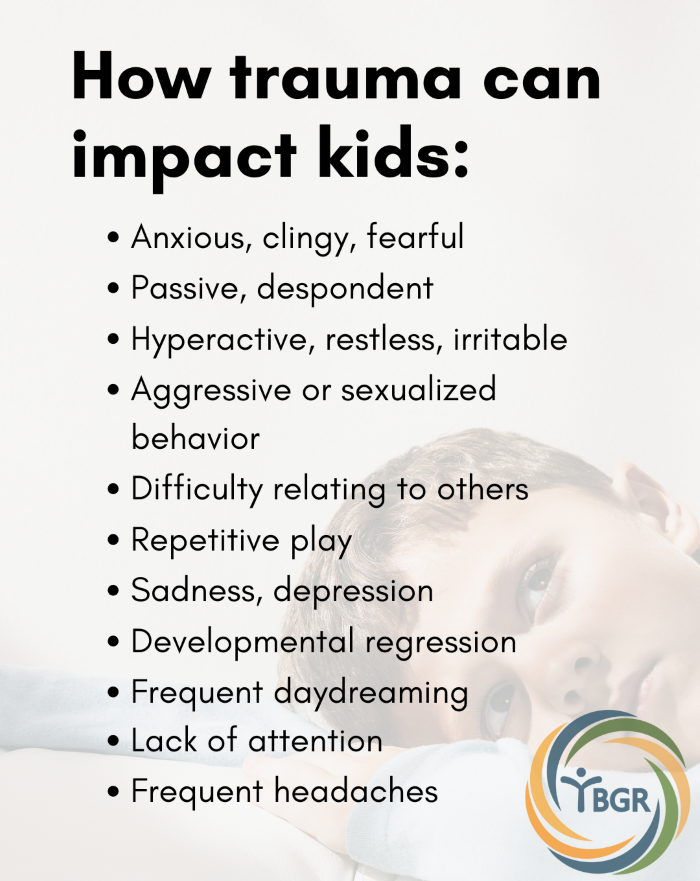
The impact of trauma can range widely, depending on many different factors, including a child’s relationships with caring adults, social supports, and unique personal characteristics.
And often, childhood trauma can even influence children’s ability to form healthy, trusting bonds with caregivers.
Here are a few tips to help you build the trust you need to guide kids with trauma history and help them heal.

Provide structure
Create a routine and ensure that your child understands rules and expectations clearly. Doing so will create a sense of safety and help them thrive.
Use positive discipline
Punitive, physical, or inconsistent discipline can be a trigger for kids with a history of trauma and be counterproductive to your ability to guide them.
Here are some positive discipline methods you can leverage:
- Ignore mild misbehavior
- Praise good behavior
- Frame things as incentives versus pointing out negative consequences
- Redirect attention
- Offer choices
- Provide rewards
- Use time in vs. time outs

Be consistent & show warmth
Trust in any relationship is built on consistent positive interactions. Show warmth towards your child, even during conflict and discipline. And if you slip up, make sure to repair the situation with an apology and good communication.
Be sensitive to trauma
Be mindful of a child’s background and avoid putting them in a position where they feel cornered or threatened. For example, if children have a history of sexual trauma, be mindful of their physical boundaries and unexpected touch.
Need support?
We provide a wide range of wraparound mental health services that help kids and families heal. Contact us online to get a child help today.
Did you find this article helpful?
Check out the rest of our blog and follow us on social media. You can find us on LinkedIn at Yellowstone Boys and Girls Ranch, Instagram at @ybgr_cares, and Facebook at Yellowstone Boys and Girls Ranch.

8 Signs of Depression in Kids that Parents Miss

Do you know the signs of depression in kids? They’re easy to miss. Yet, when overlooked, the outcome can be tragic.
Data shows that suicide is the second leading cause of death in youth, and a significant portion of those who pass are confronting the condition.
Below are eight indicators of childhood depression that every parent needs to be familiar with.
Signs of Depression in Kids

Deep & Persistent Sadness
Children with depression experience sadness that persists for two or more weeks. And it can be profound! They may have thoughts of suicide or talk about hurting themselves.
Learn more: 9 Warning Signs of Teen Suicide Parents Need to Know

Problems at School
Have you recently noticed a decline in your child’s school performance? Kids confronting depression often have a hard time concentrating, making decisions, and can be quicker to anger or emotional outbursts.
Be on the watch for a sudden drop in grades, school refusal, and new behavioral issues cropping up.

Changes in Weight or Eating Habits
Has your child recently lost or gained weight? Significant fluctuations in body size or sudden changes in eating habits may signify depression.
A Shift in Sleep Patterns
Have you noticed a change in your child’s sleep patterns? Maybe they’re struggling to fall asleep, waking in the middle of the night, or even sleeping far more than usual?
Depression can impact kids’ rest and wake cycles. So, pay attention to sudden shifts in your child’s sleep routine. It may be a sign that something more is going on.

Changes in Mood & Behavior
Does it feel like your child’s demeanor changed overnight? Take notice if they’ve suddenly developed a more negative attitude or are expressing feelings of hopelessness, guilt, or worthlessness. And if they seem more agitated, irritable, or are quicker to get upset, it could also be a sign of depression.

Decrease in Self-Esteem
Does your once confident kid now seem to need frequent reassurance? A marked decrease in self-esteem is frequently an indicator of depression. Children with the condition tend to think negatively and very critically about themselves.

Withdrawal
Kids experiencing depression will frequently withdraw socially from friends and family. So, pay attention if your child no longer wants to participate in activities they once enjoyed.
Physical Pain
Depression is more than emotional pain—symptoms can frequently manifest physically. So look out for persistent fatigue, frequent headaches, stomach aches, or any other sudden unexplained discomfort. And remember, it’s essential to rule out underlying medical conditions with a doctor.
We’re Here to Help!
Do any of the signs and symptoms above sound familiar? Yellowstone Boys and Girls Ranch (YBGR) provides a wide range of wraparound mental health services designed to help kids heal. Contact us online to get a child support today.
Want More?
Did you find this article helpful? If so, check out the rest of our blog and follow us on social media. You can find us on LinkedIn at Yellowstone Boys and Girls Ranch, Instagram at @ybgr_cares, and Facebook at Yellowstone Boys and Girls Ranch.

Renovations Underway at River’s Edge Group Home
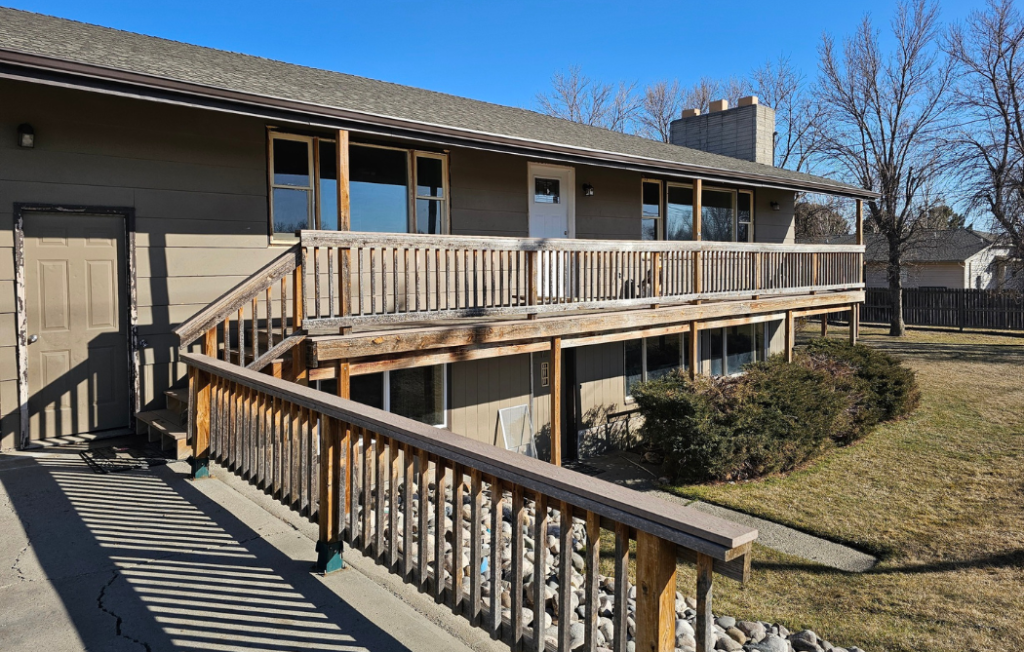
Big changes are underway at River’s Edge, one of our therapeutic group homes serving youth in Billings. With generous support from the Charles M. Bair Family Trust, renovations have officially begun—starting with brand-new, energy-efficient windows.
River’s Edge provides essential mental health support and safe housing for youth in need of stability, structure, and care in a family-style environment. These renovations are part of a more significant effort to strengthen the environment where healing happens every day.
Investing in the Future of River’s Edge
Thanks to HB 872 grant funding through the State of Montana, the next phase of improvements at River’s Edge includes new roofing, siding, and doors. These upgrades enhance safety, reduce energy costs, and support long-term sustainability—ensuring the home can continue to serve Montana kids for years to come.
Over time, the upgrades will set the stage for sustainably expanding our capacity to serve more kids through therapeutic group homes—a critical intermediary level of treatment between PRTF care at the Ranch and community-based services.
Renovations like these reflect our commitment to building safe, welcoming environments where youth can thrive. As we continue improving our facilities across the state, the work at River’s Edge marks a meaningful step forward in strengthening access to care.
Stay Connected
Stay tuned to our news updates for the latest from across Montana, and follow us on social media. You can find us on LinkedIn at Yellowstone Boys and Girls Ranch, Instagram at @ybgr_cares, and Facebook at Yellowstone Boys and Girls Ranch.

A Timeline of Impact: Exploring YBGR History
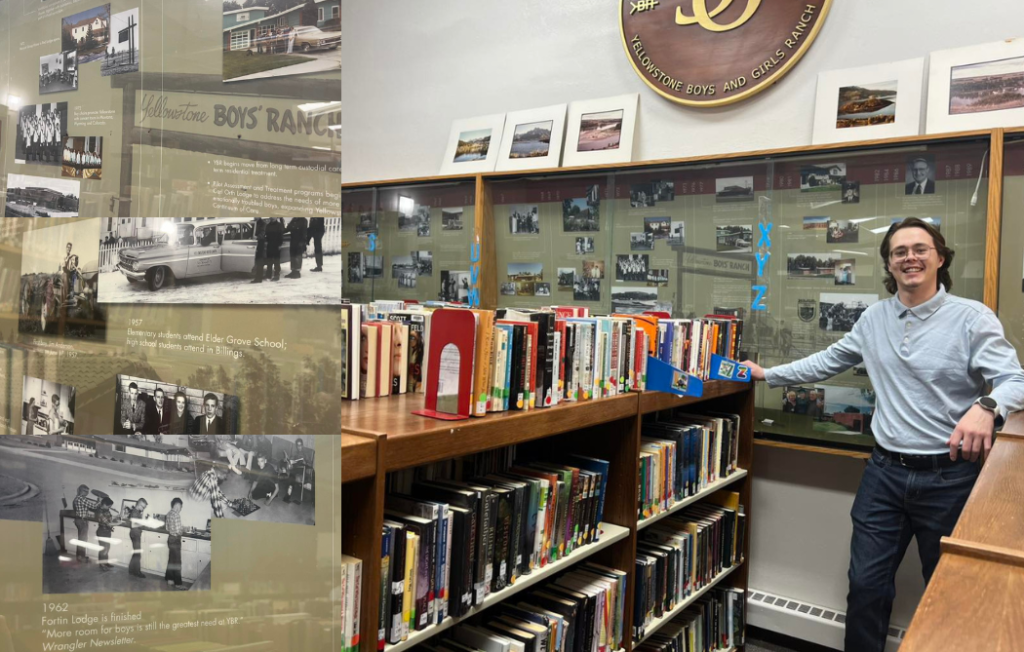
How much do you know about the history of Yellowstone Boys and Girls Ranch (YBGR)? The timeline above brings it to life.
Tucked behind the dining hall, the Ranch library holds more than just books—it showcases a powerful visual display of our history. This timeline reflects decades of impact, growth, and transformation.
In the photograph above, Jake Mullins, HR Recruiter, stands beside this timeline, underscoring its significance. More than just a collection of dates, it tells the story of the mission that has guided us for over 67 years. Through challenges, growth, and change, our commitment to youth and families has remained steadfast.
More Than a Timeline—A Legacy of Caring That Stands the Test of Time
Much has changed over the years, but our historic slogan continues to ring true. Still painted on the back of the sign above the entryway to campus, it serves as a lasting reminder: “It sure makes a difference to know someone cares.”
We are grateful for the many caring individuals across YBGR who continue to carry our mission forward: “Caring people, preparing youth for life.”
Your work makes a lasting impact—just like the history we continue to write every day.
Stay Connected
Stay tuned to our news updates for the latest from around the state, and follow us on social media. You can find us on LinkedIn at Yellowstone Boys and Girls Ranch, Instagram at @ybgr_cares, and Facebook at Yellowstone Boys and Girls Ranch.

43 Years of Caring: Laurie Moore’s Legacy at YBGR

Recognize this little lady? It’s Laurie Moore, Program Manager at the Ranch! Last month, Laurie celebrated an incredible 43 years at Yellowstone Boys and Girls Ranch (YBGR).
When asked for a photo, Laurie opted for a baby picture over a recent one—so we’re rolling with it! But don’t let that sweet face fool you. Laurie is tough as nails when it comes to serving kids with integrity and standing by her team. She embodies our mission: Caring people, preparing youth for life.
A Lifelong Commitment to Kids and Community
Laurie’s dedication runs deep. Over the years, she has not only invested in the lives of countless youth but also mentored teammates as they grow into caring professionals. She has watched YBGR evolve—from a small refuge in Billings to a statewide network delivering mental health care across Montana.
Thank You, Laurie!
Laurie, your commitment to our mission, your crewmates, and the kids we serve is nothing short of inspiring. Your work has shaped lives, strengthened our purpose, and left a lasting impact on countless youth.
Words can’t express our gratitude for your sacrifice, service, and loyalty over the years. We are so fortunate to have you on our team!
Stay Connected
Stay tuned to our news updates for the latest from around the state, and follow us on social media. You can find us on LinkedIn at Yellowstone Boys and Girls Ranch, Instagram at @ybgr_cares, and Facebook at Yellowstone Boys and Girls Ranch.

Honoring Remarkable Women – meet YBGR’s Jasmine Hansen

8 Tips to Master Active Listening

What’s active listening? You close your mouth and let the other person speak. Right?
Not quite. There’s more to it than that.
How to Practice Active Listening
Here’s a guide to active listening inspired by the book, The Empathetic Workplace by Katharine Manning, that you can draw on for trauma-informed conversations in and out of the workplace.
Encouragement
Make brief and gentle sounds such as “ahh” & “got it” to encourage the other person to continue their story, ensuring it’s subtle and keeps the focus on them.
Eye contact
Where we focus is what we care about. That said, read the other party—if they refuse to make eye contact, it could signal they are uncomfortable, and you should follow suit.
Mirroring
We mimic the body language of the person we’re speaking with when we are fully engaged. Doing it too much can be creepy, but a subtle nod to it will create ease in a conversation.

Looping
Repeat what the other person says as closely as possible to their exact words.

Clarification
Seeking clarification shows the other person you are listening, and ensures you understand what they’re saying.

Ask open-ended questions
Typically, open-ended questions begin with what, where, when, and why and are a great way to kick-start a conversation if the speaker peters out or, conversely, get it back on track if they are heading off on a tangent.

If they’re triggered, you will notice they either become emphatic, and the conversation will become less productive, or they will shut down and stop talking altogether.

Read demeanor
Be mindful that when someone shares a story of trauma, it can be re-traumatizing—back off if it appears that responding to questions is difficult and allow a break if needed.
Body language
Keep body language loose and calm, maintaining an open stance while facing the other person. Be careful not to look down, out the window, or at their hands.

Want more?
Check out the rest of our blog and follow us on social media. You can find us on LinkedIn at Yellowstone Boys and Girls Ranch, Instagram at @ybgr_cares, and Facebook at Yellowstone Boys and Girls Ranch.

Strength in Tradition: Youth in Wellbriety Create Medicine Wheel

At the heart of our work lies a deep commitment to healing—not just in mind, but in body, spirit, and community. This morning, youth in our Wellbriety program at the Ranch created a powerful symbol of their journey: a Medicine Wheel.
Wellbriety: A Culturally Rooted Path to Healing
Guided by Josie Brady, our Native American Services Coordinator and a White Bison-certified facilitator in Medicine Wheel + 12 Steps for Youth, the exercise mapped values across all four directions, tying them into the 12-step recovery process.
More than just a recovery program, Wellbriety integrates culture, spirituality, and personal growth. Each week, youth participate in smudging ceremonies, talking circles, and reflection—fostering balance, strength, and long-term sobriety.
These traditional practices reconnect them to their roots while providing a strong foundation for lasting wellness.
The Power of the Medicine Wheel in Recovery
The Medicine Wheel is a sacred symbol in many Native traditions, representing balance and the interconnectedness of life. The four directions (North, South, East, West), are often used as a guide for living a balanced life and achieving spiritual harmony.
In Wellbriety, it serves as a visual guide to healing, mapping emotional, mental, physical, and spiritual well-being across all four directions. By incorporating these teachings, youth gain a deeper understanding of their journey toward sobriety and personal growth.
Stay Connected
Stay tuned to our news updates for the latest from around the state, and follow us on social media. You can find us on LinkedIn at Yellowstone Boys and Girls Ranch, Instagram at @ybgr_cares, and Facebook at Yellowstone Boys and Girls Ranch.

YBGR’s Supported Employment Program Helps Youth Thrive
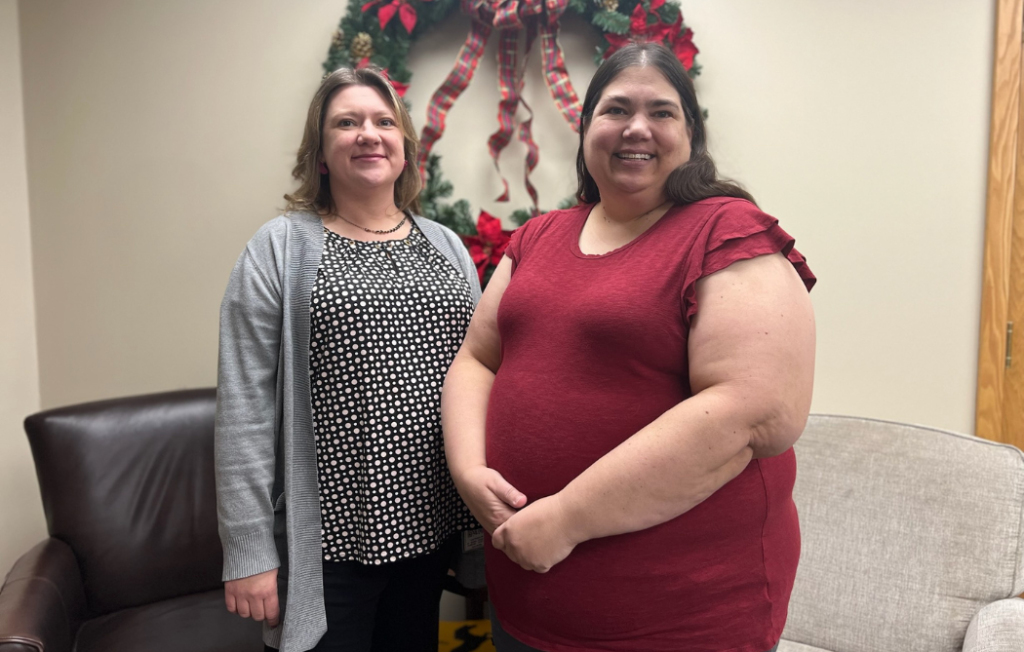
At Yellowstone Boys & Girls Ranch (YBGR), preparing youth for life means more than academics—it’s about building the skills, confidence, and opportunities young people need to excel in the real world. That’s exactly what Elizabeth Campoy, Supported Employment Supervisor, and Erica Kern, Supported Employment Specialist, are passionate about.
Building Skills That Last a Lifetime
Every day, Elizabeth, Erica, and their team make a difference by helping youth gain the tools they need to thrive—not just in the workforce but in life. Their work goes beyond job placement. It’s about building confidence, independence, and resilience.
Through the Supported Employment Program, they provide:
- Career coaching to help explore strengths and interests
- Resume writing guidance that gives a competitive edge
- Interview preparation to boost confidence
- On-site job support to help youth succeed long-term
It’s all about making sure youth are prepared—not just for their first job, but for everything life throws their way.
Partnering with the Community
A big part of the program’s success comes from strong partnerships with local employers in Yellowstone County. These relationships open doors, connecting youth with meaningful job opportunities that fit their interests and strengths.
By working closely with businesses, Elizabeth and Erica make sure youth aren’t just placed in jobs—they’re set up to succeed in them.
The Impact Speaks for Itself
The results say it all:
- 337 youth served through the Supported Employment Program
- Over 500 jobs filled in Yellowstone County
The numbers above, tallied in December 2024, represent lives changed, futures brightened, and young people stepping confidently into adulthood.
It’s About More Than Jobs
What sets YBGR’s Supported Employment Program apart is the focus on long-term success.
It’s about:
- Building confidence so youth believe in themselves
- Teaching resilience so they can overcome challenges
- Providing life skills that serve them well into the future
Because at the end of the day, it’s not just about the job—it’s about preparing youth to take on the world.
Thank You to the Team Making It Happen
A huge thank you to Elizabeth Campoy, Erica Kern, and the entire Supported Employment team for living out our mission of “Caring people, preparing youth for life.”
Because of your dedication, hundreds of young people are stepping into the future with the tools and confidence they need to build successful, meaningful lives—and that’s something worth celebrating.
Stay Connected
Stay tuned to our news updates for the latest from around the state, and follow us on social media. You can find us on LinkedIn at Yellowstone Boys and Girls Ranch, Instagram at @ybgr_cares, and Facebook at Yellowstone Boys and Girls Ranch.

Therapy Dogs Help Kids Heal at the Ranch

Have you met the therapy dogs who are making a difference daily at the Ranch? Meet Luca, Elvis, Cooper, and Emmy Lou!
These four aren’t just beloved companions—they’re four-legged therapists helping youth heal, build trust, and regulate emotions in Billings. Their presence provides comfort, connection, and stability for kids who need it most.
Meet Our Canine Team and Their People
Therapy dogs do more than bring smiles—they play a key role in supporting the emotional well-being of the youth in our care.
- Dr. Taylor Clark, Occupational Therapist, with her therapy pup, Luca
- Mackenzie Warren, Equestrian Specialist, with her therapy pup, Elvis.
- Cooper and Emmy Lou with Lisa Frazier, retired Director of Recreational Services
For many kids, therapy dogs offer something people sometimes can’t—a calming, judgment-free presence that makes it easier to open up, build trust, and regulate emotions.
Reducing stress and anxiety
Just being near a therapy dog has been shown to lower stress and help kids feel more at ease.
Building trust and social connections
Many of the youth we serve have experienced trauma. Therapy dogs create a safe space to rebuild trust and connection.
Supporting emotional regulation
Their presence can help kids self-soothe and navigate emotions.
Providing unconditional support
Therapy dogs offer consistent, reliable companionship, giving kids a sense of security and belonging.
A Lasting Impact
We see the impact of our four-legged therapists firsthand every day out at the Ranch. Their support goes beyond the moment—helping kids feel safe, seen, and supported as they navigate their healing journey.
We want to thank Lisa, Mackenzie, Taylor, and our incredible therapy dogs—Luca, Elvis, Cooper, and Emmy Lou. The work you do matters, and the difference you make is lasting.
Need Support?
Check out our Programs tab above to learn more about the therapeutic care we deliver daily at the Ranch and across Montana. Then, contact us online to make a referral.
Stay Connected
Stay tuned to our news updates for the latest from around the state, and follow us on social media. You can find us on LinkedIn at Yellowstone Boys and Girls Ranch, Instagram at @ybgr_cares, and Facebook at Yellowstone Boys and Girls Ranch.

Investing in People — YBGR Staff Take Part in CISM Training
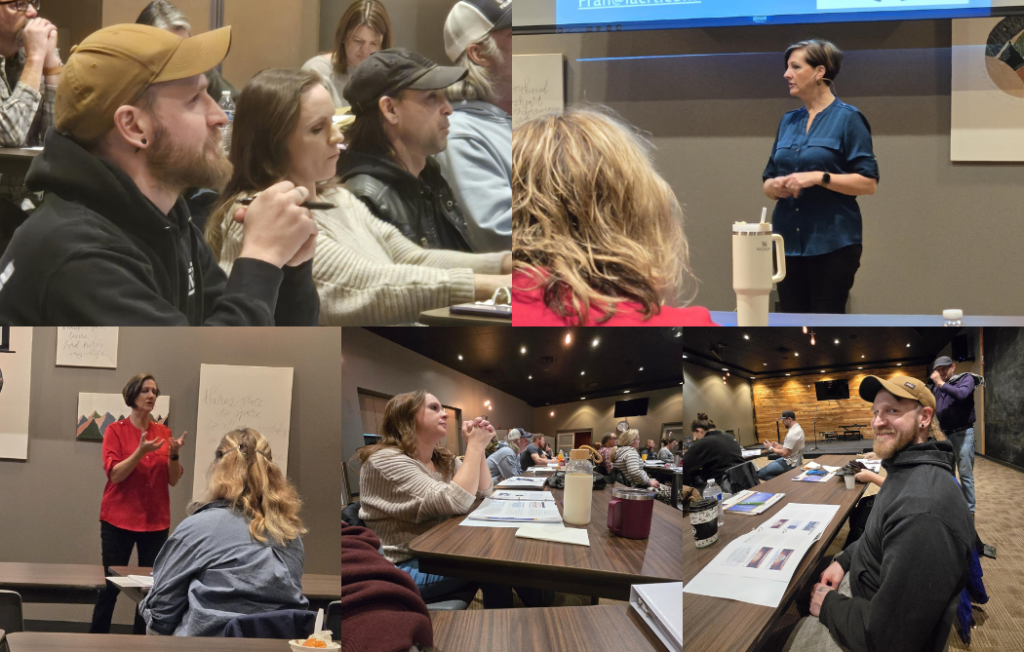
Investing in the caring people who invest in our kids matters. Over the weekend, YBGR staff from across Montana participated in Critical Incident Stress Management (CISM) training, gaining tools to help teammates process secondary trauma after delivering crisis care to youth.
CISM Training Equips Staff to Support Each Other
At YBGR, we know that a strong team means stronger support for youth. Our work with kids is meaningful and comes with heavy moments, too. No one should carry that weight alone.
CISM training equips staff with the tools to recognize signs of stress and process crisis events with others—so they can continue providing the care kids depend on.
Strengthening Our Team for the Work Ahead
This training is one of the many ways we’re building a culture of care and resilience—ensuring our team has the support needed to keep showing up for Montana’s youth.
Join Our Community of Caring People, Preparing Youth for Life
Looking for a job where you can make an impact while being part of a strong, supportive community? Visit our Careers page today to learn more about our open positions.
Stay Connected
Stay tuned to our news updates for the latest from around the state, and follow us on social media. You can find us on LinkedIn at Yellowstone Boys and Girls Ranch, Instagram at @ybgr_cares, and Facebook at Yellowstone Boys and Girls Ranch.

Kids in Butte Community-Based Services Celebrate Valentine’s Day
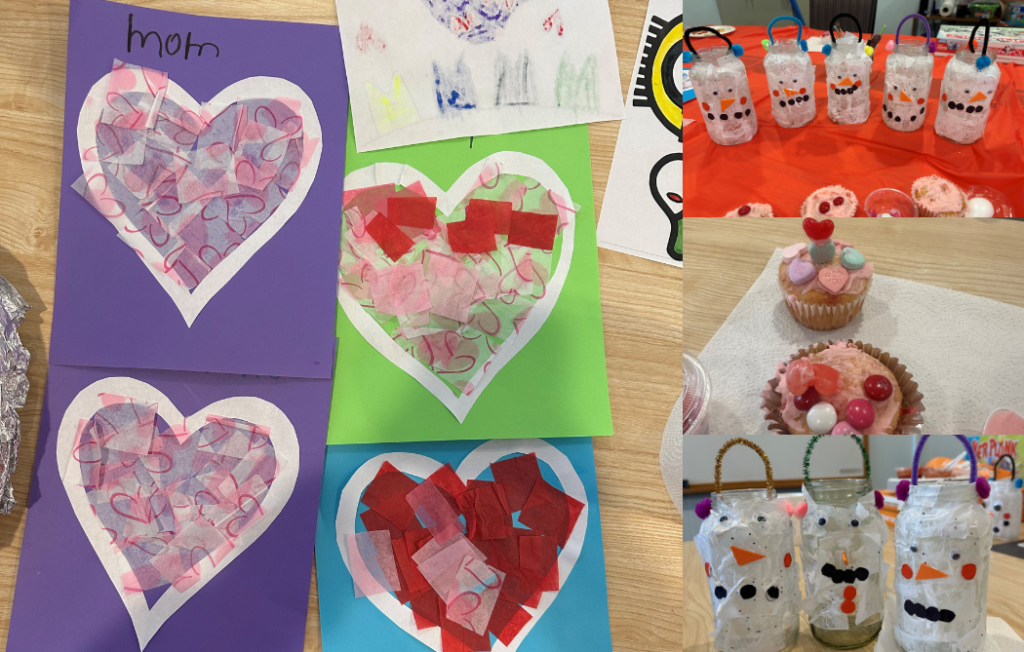
See the crafts above? On Friday, the kids in our Butte community-based services celebrated Valentine’s Day with our local team. Their time together went beyond fun—it was an opportunity for connection, creativity, and growth, reflecting our mission: Caring people, equipping youth for life.
Through activities like the ones pictured, kids build relationships and gain skills in creative expression that serve as coping tools they can lean on throughout their lives.
A big thank you to our Butte team for making Valentine’s Day therapeutic and special!
Stay Connected
Stay tuned to our news and events page for the latest YBGR updates from around the state, and follow us on social media. You can find us on LinkedIn at Yellowstone Boys and Girls Ranch, Instagram at @ybgr_cares, and Facebook at Yellowstone Boys and Girls Ranch.

McVay Lodge Reopens With a Refresh Thanks to HB 872 Grant
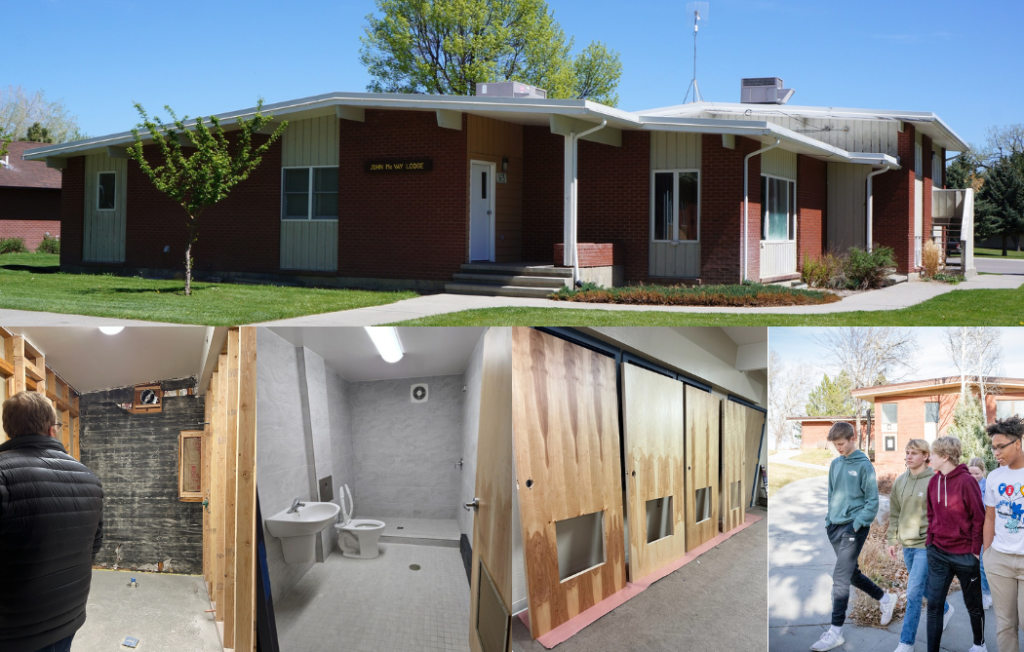
Did you hear the news? Renovations at McVay Lodge are complete—with new bathrooms, thanks to HB 872 grant funding.
While this may seem like a small upgrade, facility improvements like this are critical to expanding our capacity to care for kids who need the structured treatment we provide at the Ranch. These updates allow us to put an additional lodge to use, increasing the number of kids we can serve.
Built to stand the test of time, the new bathrooms are easy to maintain and give the lodge a warm, inviting feel. They help create a space residents can call home—a clean, cozy environment where caring people can prepare youth for life.
Last Thursday, McVay Lodge reopened, welcoming boys from Jessie Grant Lodge while their space undergoes similar renovations.
Expanding Access to Care for Kids
Why does this matter? Because kids deserve access to care in a comfortable place they can take pride in that’s close to home.
Too often, youth needing higher levels of treatment must travel out of state for support—or don’t receive the care they need at all. Through HB 872, the State of Montana is helping change that—allowing providers like us to expand access to care right here in Montana.
By enhancing our facilities, we’re strengthening our ability to provide a structured, supportive environment where kids can stabilize, heal, and grow—without the added burden of being far from home.
Want to Learn More?
Stay tuned for more updates on how we’re working to strengthen care for kids—because they deserve family, support, and hope for the future.

6 Signs of Anxiety in Kids

Anxiety is one of the most common mental health challenges children face—impacting roughly 10% of kids in the United States. As a parent or caregiver, knowing what to look for can help you step in early, offer support, and get your child the help they need to thrive.
Below are six signs of anxiety in children that are easy to miss but important to recognize.
Signs of Anxiety in Kids

Excessive Worry
Kids with anxiety often worry more than what seems reasonable for the situation. They might constantly fear getting sick, being separated from a parent, or doing poorly in school—even when there’s no clear cause for concern.
These worries can feel overwhelming, and your child may not be able to turn them off, no matter how much reassurance you provide.
Physical Symptoms
Anxiety doesn’t just live in the mind—it often shows up in the body.
Stomachaches, headaches, fatigue, muscle tension, and even rapid breathing can all be signs of underlying anxiety, especially if your child experiences them frequently or in response to stressful situations.

Avoidance Behaviors
Kids sometimes cope with anxiety by avoiding the things that trigger it. This might look like refusing to go to school, avoiding social situations, or quitting an activity they used to enjoy. While avoidance can bring immediate relief, it reinforces the fear in the long run and can make anxiety worse over time.

Sleep Disturbances
Anxiety can interfere with sleep in many ways. Kids may have trouble falling asleep because of racing thoughts or wake during the night from bad dreams.
Over time, poor sleep can worsen anxiety and affect mood, concentration, and behavior during the day.
Irritability
It’s not always obvious, but irritability can be a symptom of anxiety. Kids who are anxious may seem cranky, easily frustrated, or quick to anger. These emotional outbursts aren’t just about behavior—they’re often a sign that your child is feeling overwhelmed and unsure how to express it.

Difficulty Concentrating
When kids are anxious, it can be hard to focus. They might struggle to stay on task, follow instructions, or finish homework. You might notice they seem distracted or forgetful, especially when stress is high.
These challenges can be especially tough in school, where performance anxiety can feed into a cycle of frustration and self-doubt.
When to Get Help
If you’ve noticed some of these signs and they’re starting to interfere with your child’s daily life, it may be time to reach out for support. Anxiety is treatable—and with the right tools and guidance, kids can learn to manage it and feel more in control.
Yellowstone Boys and Girls Ranch (YBGR) provides a wide range of wraparound mental health services designed to help kids heal. Contact us online to get a child support today.
Want More?
Check out the rest of our blog and follow us on social media. You can find us on LinkedIn at Yellowstone Boys and Girls Ranch, Instagram at @ybgr_cares, and Facebook at Yellowstone Boys and Girls Ranch.

Yellowstone Academy Student Artwork Brings Learning to Life
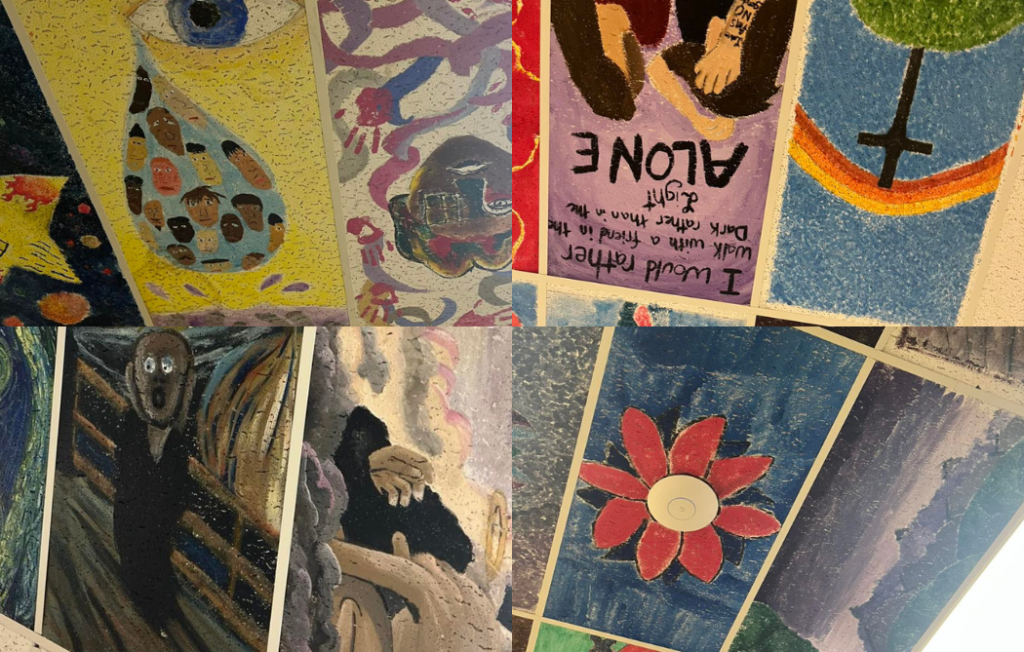
See these tiles? They’re part of the incredible Yellowstone Academy student artwork collection—painted by past students during art class. It’s just one way the school fosters creativity and connection.
Yellowstone Academy provides K-12 education and vocational classes for kids in residential care at the Ranch and its Day Treatment program. With small classes and personalized support, the school helps students overcome emotional, educational, and behavioral challenges—empowering them to thrive.
As one of the West’s few accredited public schools located on a residential treatment campus, Yellowstone Academy combines learning and healing on our historic 410-acre ranch, nestled in the countryside of Billings.
These tiles are just a glimpse of the Yellowstone Academy student artwork showcasing the creativity and growth happening daily with the kids.
Learn More About Yellowstone Academy
Visit our Yellowstone Academy tab to learn more about the creative, therapeutic, educational programming they deliver daily.
Stay Connected
Stay tuned to our news and events for the latest YBGR updates from around the state, and follow us on social media. You can find us on LinkedIn at Yellowstone Boys and Girls Ranch, Instagram at @ybgr_cares, and Facebook at Yellowstone Boys and Girls Ranch.

It’s Painful. 13 Quotes on Hurt & Healing

Has your heart ever hurt? Chances are, the answer is yes. Very few of us make it through life unscathed by a painful experience. In fact, surveys show that trauma is a nearly universal venture, with over 80% of Americans laying claim to it.
And the road to resilience is a profound one. Below are thirteen quotes illustrating the path from hurt to healing.
Quotes on Hurt & Healing

Hurt people, hurt people. Only healing ends the cycle.
Quote: If you never heal from what hurt you, you’ll bleed on people who didn’t cut you. – Tamara Kulish

The pain we carry makes it difficult to trust and form healthy relationships.
Quote: I push people away because I’m afraid I might not heal again if I get hurt. I push them away and paint my walls so good they can’t recognize me anymore. I don’t give people a chance. – Inspired by Bisma Ijaz
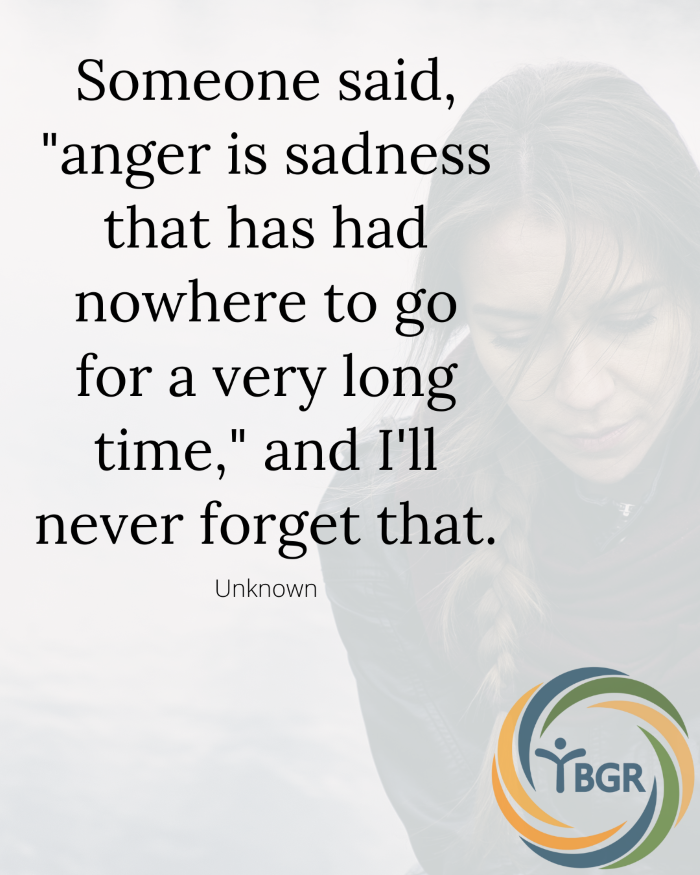
Left unaddressed, it can lead to sadness and manifest as anger towards ourselves and others.
Quote: Someone said, “anger is sadness that has had nowhere to go for a very long time,” and I’ll never forget that. – Unknown

And that anger, fueled by hurt, can creep out in some unsavory ways.
Quote: A person begging for their humanity to be acknowledged can sound an awful lot like rage. – Kalen Dion

Pain clouds the lens we use to interpret the world around us.
Quote: Heal so you can hear what’s being said without the filter of your wound. – Unknown

But it doesn’t need to harden our hearts. We can choose another way.
Quote: I admire people who could have turned cold after everything they’ve been through but still choose love anyway. There’s strength in that. – Keneilwe Dr. Mhlanga

We can heal. While painful temporarily, it’s the only way to stop the hurt.
Quote: Healing doesn’t have to look magical or pretty. Real healing is hard, exhausting, and draining. Let yourself go through it. Don’t try to paint it as anything other than what it is. Be there for yourself without judgment. – Unknown

Healing means being vulnerable. But there’s strength in that.
Quote: Vulnerability is about being brave enough to show up again and again. Even when it’s hard. Even when there’s been hurt. – Lauren Fortenberry

Because it’s the battles that we face that shape us and make us strong.
Quote: She never seemed shattered; to me, she was a breathtaking mosaic of the battles she’s won. – Matt Baker
And in the path from hurt to healing, we can grow.
Quote: If you focus on the hurt, you will continue to suffer. If you focus on the lesson, you will continue to grow. – @MasteringLawofAttraction

We can find meaning.
Quote: Healing never came when I clawed in search of it. Instead, it came when I was willing to listen to the lesson the pain was here to teach me. – Lauren Fortenberry

And while there are no easy paths for solving the hardest in life.
Quote: There are no easy answers. No quick solutions. No clear paths for resolving the hardest in life. But we can choose forgiveness. We can choose grace. No matter what, we can still choose love. – Lauren Fortenberry

You will one day heal from the hurt. And in the journey to that healing, you will become strong.
Quote: You let time pass. That’s the cure. You survive the days. You float like a rabid ghost through the weeks. You cry and wallow and lament and scratch your way back up through the months. And then one day, you find yourself alone on a bench in the sun, and you close your eyes, lean your head back and realize you’re okay. – Cheryl Strayed
Want more?
Check out the rest of our blog and follow us on social media. You can find us on LinkedIn at Yellowstone Boys and Girls Ranch, Instagram at @ybgr_cares, and Facebook at Yellowstone Boys and Girls Ranch.

Getting to the “Why” Behind Kids’ Behavior

Who hasn’t experienced a bit of confusion and even frustration when their kids display challenging behavior? Behavior that seemingly comes out of nowhere.
Why is my child throwing tantrums, acting out, or refusing to listen?
In these moments, it’s time to put on our detective hats and investigate—there’s always a “why” behind children’s actions.
When we understand the underlying needs driving behaviors, we gain valuable insights—making it easier to address them effectively and navigate difficult moments with empathy.
Unmet Needs, Behavior, & Solutions
Remember, a need met is a challenging behavior solved! Below are possible unmet needs, behaviors stemming from them, and potential solutions.
🤝 Connection
Kids who feel lonely or disconnected may seek attention by interrupting, talking out of turn to connect with others, or acting out negatively.
Pro Tip: Dedicate daily quality time with your little one. Create special rituals, such as reading together before bed or having regular family meals.
📅 Structure
Children who lack structure or routine may struggle with impulsivity or disorganization, leading to problematic behavior.
Pro Tip: Create a predictable daily schedule with regular mealtimes, study or play periods, and a consistent bedtime routine. Use visual cues like charts or calendars to help your child understand and anticipate what comes next.
🛡️ Safety
Kids who don’t feel safe may exhibit clingy or anxious behavior or act aggressively to protect themselves.
Pro Tip: Create a nurturing, physically and emotionally safe environment. Encourage open communication—validating feelings, and reassuring kids when they express worries or concerns.
We foster a trusting relationship by being available, responsive, and supportive.
💪 Autonomy
Children who feel powerless may resist authority by being defiant or oppositional.
Pro Tip: Offer choices within appropriate boundaries, allowing kids to make decisions about their clothing, activities, or chores to give them a sense of control.
Give children age-appropriate responsibilities and recognize their efforts + achievements. And foster a collaborative approach by listening to their perspectives and involving them in problem-solving.
Want More?
Check out the rest of our blog and follow us on social media. You can find us on LinkedIn at Yellowstone Boys and Girls Ranch, Instagram at @ybgr_cares, and Facebook at Yellowstone Boys and Girls Ranch.

Lisa Frazier — Celebrating 42 Years of Service
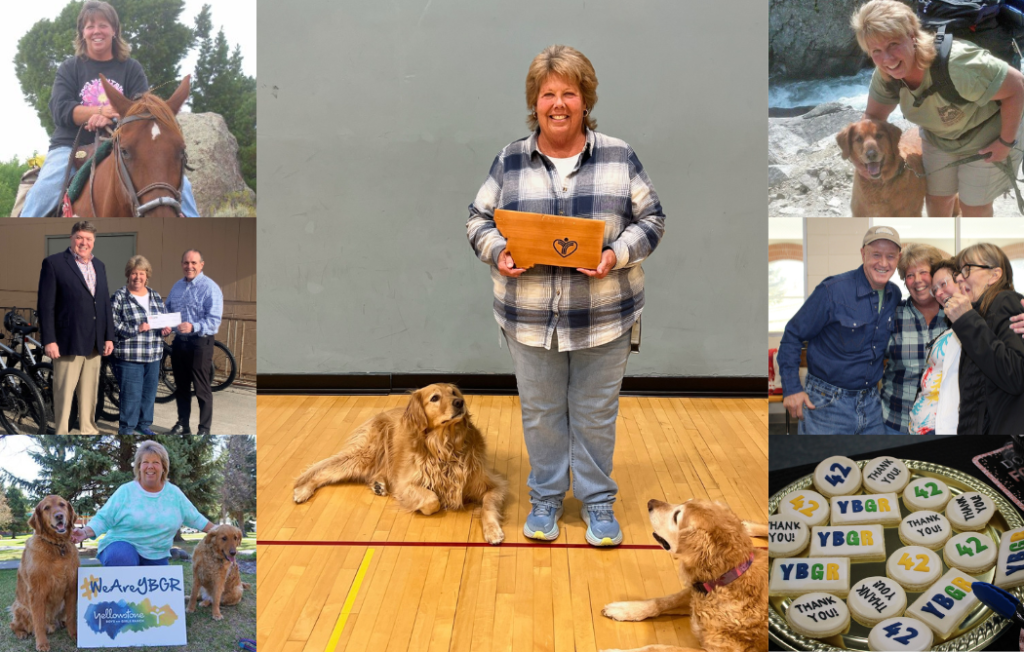
Recognize this outstanding woman? It’s Lisa Frazier, retiring Director of Recreational Services. And after 42 years of dedicated service, her impact will be felt for many years to come.
Lisa Frazier’s 42-Year Journey of Recreation and Healing
Lisa joined us in 1982, and from the beginning, she embodied our mission: “Caring people, preparing youth for life.” Her passion for investing in kids was evident.
From spearheading our dog therapy program to teaching recreational activities that help youth develop healthy coping mechanisms, Lisa played a key role in shaping the wellness initiatives we hold dear today.
Lisa is deeply ingrained in Yellowstone Boys and Girls Ranch’s long legacy of care. Her wealth of knowledge and countless memories of the youth she’s helped along the way make her a true historian of our journey over the decades.
Lisa Frazier’s Impact on Youth at Yellowstone Boys and Girls Ranch
Lisa’s favorite memories during her career at YBGR? Each surrounded time spent with kids at the Ranch:
- Camping in Yellowstone National Park
- Trips to Hedges Lake in the ’80s
- Outings to Box R Ranch in Wyoming
- Biking trips to Red Lodge
When asked what she loved most about YBGR, Lisa shared it was her work with kids and the team approach to care. She saw the value of getting youth outdoors and engaging in healthy activities as part of holistic wellness—mind, body, and spirit.
Lisa enjoyed watching youth travel the path of healing toward resilience—seeing them learn, grow, and begin to thrive.
Lisa—thank you for your unwavering commitment to our mission and the youth we serve. Your work has shaped countless lives, leaving a lasting impact on generations of Montanans. We wish you all the best in your well-deserved retirement.
Pictured is Lisa through the years at YBGR, along with some snapshots from her retirement party on campus and her beloved canine therapy pros.
Stay Connected
Stay tuned to our news and events page for the latest YBGR updates from around the state, and follow us on social media. You can find us on LinkedIn at Yellowstone Boys and Girls Ranch, Instagram at @ybgr_cares, and Facebook at Yellowstone Boys and Girls Ranch.

Handprints of Hope from Our Native American Services Program
See the handprints on this tipi liner? Each represents a child who has successfully graduated from our Native American Services Program at the Ranch, marking their journey of healing, growth, and resilience.
Josie Brady, Native American Services Coordinator, began this project in January 2024, and as the year comes to a close, we want to take a moment to reflect on the magnitude of our work.
Over 3,600 Kids Served in 2024
Through our mental health programming statewide, we provided care to more than 3,600 children this year—helping them build resilience and equipping them with the skills to thrive. Every life we impact creates a ripple effect, shaping not just the youth we serve but their families and communities for generations to come.
Looking Ahead to 2025
As we celebrate an impactful 2024, we look forward to the year ahead with a renewed commitment to serving Montana’s kids and families.
Thank you to our staff, partners, and supporters for making this work possible. Here’s to another year of hope, healing, and transformation!
Stay Connected
Stay tuned to our news updates for the latest from around the state, and follow us on social media. You can find us on LinkedIn at Yellowstone Boys and Girls Ranch, Instagram at @ybgr_cares, and Facebook at Yellowstone Boys and Girls Ranch.

Reaching More Kids Through Residential Care at the Ranch
Did you know that in 2024, we reached a peak of 91 kids in our care at one time at the Ranch in Billings? That’s our highest census in years. It reflects the growing need for therapeutic residential treatment (PRTF) in Montana and our teams’ critical role in delivering lifesaving care.
Providing Hope When Families Need It Most
Families seeking PRTF treatment are often in crisis, looking for a safe, healing environment for children struggling with unsafe behaviors stemming from trauma and mental health challenges. With limited in-state options, families are often left with impossible choices—send their child out of state, far from home and family, or go without the care they desperately need.
At Yellowstone Boys and Girls Ranch, we work to ensure Montana kids have access to high-quality mental health treatment close to home.
Breaking Barriers to Care
This year’s census peak is a testament to our collective commitment to breaking down barriers and providing trauma-informed, wraparound support for youth who need it most.
To our residential teams—your dedication makes a difference every single day. Thank you for going above and beyond to ensure kids in crisis find hope, healing, and a path forward.
Looking Ahead
As we move into 2025, we remain committed to expanding access to lifesaving mental health treatment for Montana’s youth—because every child deserves the care and support they need, right here at home.
Stay Connected
Stay tuned to our news updates for the latest from around the state, and follow us on social media. You can find us on LinkedIn at Yellowstone Boys and Girls Ranch, Instagram at @ybgr_cares, and Facebook at Yellowstone Boys and Girls Ranch.

Governor Gianforte Visits YBGR to Discuss Youth Mental Health in Montana
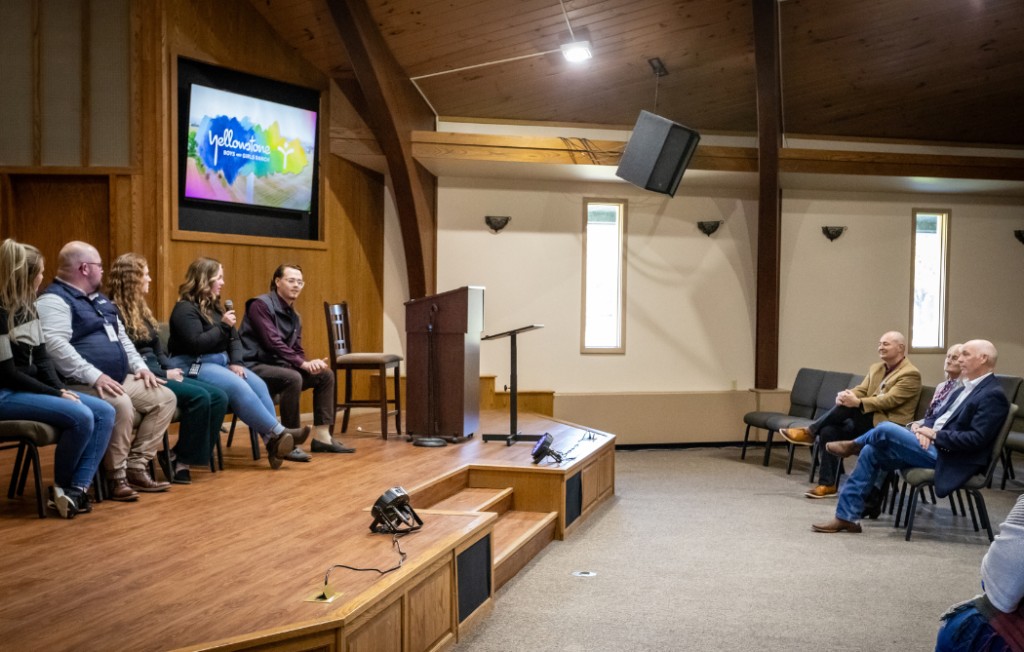
Governor Greg Gianforte and First Lady Susan Gianforte took time away from the campaign trail to visit Yellowstone Boys and Girls Ranch (YBGR), where they toured the campus and engaged in discussions about youth mental health in Montana.
During their visit, the Governor and First Lady participated in a panel discussion with YBGR team members, who shared their experiences working with youth at the Ranch:
- Natalie Nickisch, Lead Mental Health Worker
- Jake Mullins, HR Recruiter
- Juletta Gilge, Director of PRTF
- Lacey Jones, Therapist
- Skyler Carroll, Program Manager
These caring professionals highlighted success stories from their work, emphasizing the impact of mental health support on youth and families across Montana. Their insights showcased the critical role of YBGR in providing mental health care to youth in need.
A Commitment to Montana’s Youth
YBGR has been a leader in children’s mental health care in Montana since 1957, offering PTRF residential treatment, therapeutic group home care, community-based services, and school-based programs with locations across the state. The visit from Governor Gianforte and the First Lady reflects the importance of supporting mental health initiatives that help children build brighter futures.
We appreciate Governor Gianforte and the First Lady for their time and interest in learning more about the mission of YBGR. A special thank you to our dedicated team members for sharing their passion, expertise, and the purpose behind their work in youth mental health.
Stay Connected
Stay tuned to our news and events page for the latest YBGR updates from around the state, and follow us on social media. You can find us on LinkedIn at Yellowstone Boys and Girls Ranch, Instagram at @ybgr_cares, and Facebook at Yellowstone Boys and Girls Ranch.

Youth Dynamics Joins Forces With YBGR for Montana Kids
Did you hear the news? Youth Dynamics and Yellowstone Boys and Girls Ranch are joining forces to address the growing mental health needs of Montana’s kids and families.
With a vision of a seamless, comprehensive children’s behavioral health continuum, our union will bring together 100+ years of combined experience, over 3,600 children served annually, and nearly 800 caring individuals delivering our mission.
Expanding Mental Health Care Across Montana
Operating as Yellowstone Boys and Girls Ranch, we’ll offer tailored care to meet each child’s unique needs across nearly every county statewide. From community and school programming to therapeutic group homes and PRTF residential treatment, we’re committed to providing the right service at the right time—at the lowest level of care possible.
Together, we’ll enhance our capacity to serve and provide efficient, trauma-informed, wrap-around care that ensures better outcomes for kids.
Learn More About Our Partnership With Youth Dynamics
Visit our YBGR Partner Facts page to learn more about how Youth Dynamics and Yellowstone Boys and Girls Ranch are working together to strengthen mental health care for Montana’s kids and families.
Stay Connected
Stay tuned to our news updates for the latest from around the state, and follow us on social media. You can find us on LinkedIn at Yellowstone Boys and Girls Ranch, Instagram at @ybgr_cares, and Facebook at Yellowstone Boys and Girls Ranch.

2024 Yellowstone Conference: Community Strategies to Prevent Youth Violence
Welcome to The Yellowstone Conference: Community Strategies to Prevent Youth Violence! Join us on Thu Oct 10 2024 at 08:30 AM for a day of learning and collaboration at 1701 Ray of Hope Ln. Billings, MT. This event will bring together community leaders, educators, and youth advocates to discuss effective strategies for preventing youth violence. Come share your ideas, network with like-minded individuals, and make a difference in your community. Let’s work together to create a safer and more peaceful environment for our youth. We look forward to seeing you there!

Panel Topics & Descriptions:
- Strengthening Family’s in Preventing Youth Violence ~ Moderator: Mary Hash, Administrative Director for Community Based Services. What can we do to help prevent adverse childhood experiences and help create a safe, stable, and nurturing environment for our children to help them reach their full potential? Nearly one in six adults have experienced four or more types of ACEs. This diverse panel will provide the audience information regarding protective factors, resiliency, and resources to help families achieve optimal success.
- Panelists
- Brian Dennis, President & CEO of Boys & Girls Clubs of Yellowstone County
- Carrie Porter, Program Manager and Intake Specialist for CASA of Yellowstone County
- Laura Narum, Family Programs Resource Coordinator and Interim Director of Emergency Services at District 7 HRDC
- Jen Daniels, Supervisor of the RFS (Resource Family Specialists)
- Partnering With Schools ~ Moderator: Kristin Mathison, Administrative Supervisor in Community Based Services. During this panel we will discuss the importance of creating strong partnerships with schools to assist and support students and staff. Fostering effective collaboration between schools and community health and behavior health partners have significant benefits that include improved academic performance, physical and psychological safety, reduced disciplinary action, lower dropout rate, lower substance abuse and less involvement in the criminal justice system. Each panelist will have an opportunity to speak to why these partnerships are important, how they have seen the systems work together or even what they would like to see improve.
- Panelists
- Randy Shipman, Superintendent of the Dillon Elementary School District #10
- Regina Griemsman, Head of School for Grace Montessori Academy (GMA)
- Christina Peterson, Director of Student Services at Laurel Public Schools.
- Amity Burkhardt, Coordinator of the Wellness and Resiliency Grant for Billings Public Schools
- Counteracting Drug Culture ~ Moderator: Jessica Kiedrowski, LAC, BS, MCRMHC. During this panel we will discuss the warning signs and appropriate interventions that come with childhood substance use. This includes the importance of creating strong connections with family members and community resources to help keep the public informed on what is being advertised to our youth, how it affects the body, and why youth are drawn to it. Staying away from substance use has shown to be directly tied to improvement on grades, school attendance, career progression, and developing healthy relationships with their peers. Youth who struggle with substance use will report troubles with breathing, coping with anxiety, being alone with their thoughts, joining activities that do not allow them to use, and increased emotional dysregulation. Each panelist will have an opportunity to speak to on the different warning signs, how to intervene, what the consequences of use are, what we are seeing used the most often in our communities, where to receive support, and answer questions given by the crowd.
- Panelists
- Bryn Kojetin, Juvenile Probation Officer
- Dr. Malcom Horn, Clinical Supervisor for Rimrock
- Stacy Zinn, Retired Head of the Montana DEA office
- TBA
- Collaborating With Government and Institutional Responses ~ Moderator: Mike Chavers, CEO of Yellowstone Boys and Girls Ranch. Collaborating with government and institutions is an important factor in providing services for at-risk youth and their families. We will focus on the impact to Montana youth and families.
- Panelists
- Sierra Riesberg, Executive Director of Behavioral Health Alliance of Montana
- Michael “Mike” Yakawich, Montana House of Representatives from the 51st district
- Pat Cates, Senior Manager for Student Support Services for the Montana Office of Public Education
- Meghan Peel, Deputy Administrator for the Children’s Mental Health Bureau
Special Keynote Speaker, Dr. Erwin Garcia, Billings School District 2 Superintendent
To purchase tickets: https://www.eventbrite.com/e/the-yellowstone-conference-community-strategies-to-prevent-youth-violence-tickets-1004714647557
5.75 CEUs and 6 OPI credits are available upon request and the conference will be offered both in-person and virtual. Lunch will be included for in-person attendees!
Conference Agenda:
o Registration 8:30am-9:00am
o Welcome 9:00am-9:15am
o Strengthening Family’s in Preventing Youth Violence Panel 9:15am-10:30am
o Break 10:30am-10:45am
o Partnering With Schools Panel 10:45am-12:00pm
o Lunch 12:00p-1:00p
o Counteracting Drug Culture Panel 1:00pm-2:15pm
o Break 2:15pm-2:30pm
o Collaborating With Government and Institutional Responses Panel 2:30pm-3:45pm
o Keynote Speaker-Dr. Erwin Garcia, Billings School District 2 Superintendent 3:45pm-4:30pm
9 Warning Signs of Teen Suicide Parents Need to Know

Teen suicide—It’s terrifying. I mean, as a parent, there’s nothing more frightening than the idea of something happening to my kids. Especially something as tragic as one of them taking their own life.
But it’s more common than you think. A poll taken in 2021 by the Montana Office of Public Instruction found that 21% of youth have considered ending their lives.
Shocking. Right?
Kids are struggling at epic proportions right now. Surveys reveal that over 40% of teens show signs of severe depression—feeling sad or hopeless daily.
And it’s reason for concern. It’s more critical than ever for parents to understand the warning signs of suicide and how to intervene.
Below are teen suicide indicators that every parent needs to know.
Warning Signs of Teen Suicide

Talking or writing about suicide
Has your child suddenly started talking or writing about suicide? If so, take it seriously! Examples include making statements such as “I’m going to kill myself” or “I won’t be a problem for you much longer.”

Social withdrawal
Have you noticed your teen is isolating? Do they no longer seem interested in hanging out with friends? Are they finding excuses to avoid school?
If your child is a social butterfly and suddenly seems disinterested in spending time with others, it may be a sign they’re considering suicide.

Changes in mood
Marked changes in your teen’s mood indicate something isn’t right. And frequently, pronounced bouts of sadness are a precursor to completed suicide.
Here are warning signs of depression parents should never ignore:
- Sadness
- Dropping grades
- Being irritable or angry often
- Acting bored all the time, and/or dropping out of activities
- Difficulty with relationships, including changing peer groups or becoming more isolated
- Risky behavior
- Persistent physical complaints such as headaches or stomachaches
- Fatigue
Pay attention to any atypical mood swings, up or down. Even a sudden elevation in mood after a bout of sadness is something to note. Suicide survivors often report a feeling of relief and raised spirits after deciding to end their life, seeing it as an end to their suffering.

Alcohol or drug use
Has your teen started using drugs or drinking? If so, it’s not something to ignore! Often, youth who are struggling use substances to cope. And intoxication increases impulsivity, making it a dangerous cocktail for teens grappling with thoughts of suicide.

Feelings of being trapped, hopeless, or helpless about a situation
Frequently, people who attempt suicide report feelings of being trapped or hopeless. And for teens, it’s something to particularly pay attention to because their concept of time is different than adults’.
As a result, life outside of high school may seem like an eternity, with an end to painful emotions, at the hands of a breakup or friendship conflict, being hard to grasp.
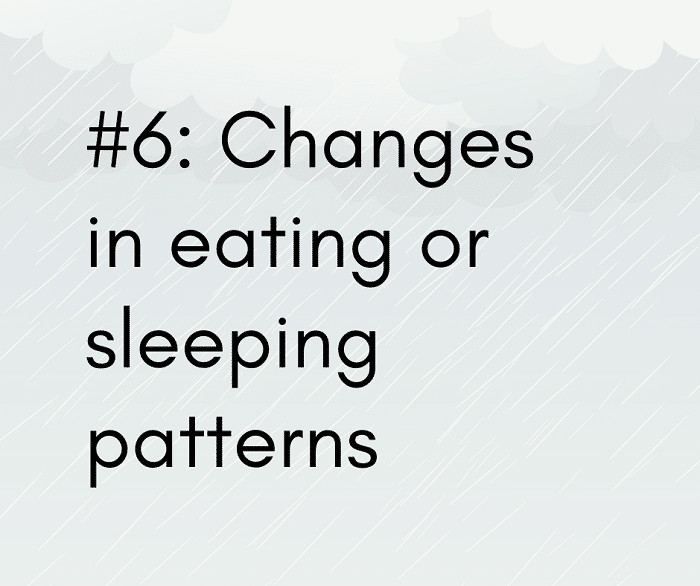
Changes in eating or sleeping patterns
Has your child’s eating or sleeping patterns changed? Both are common indicators of mental health struggles and frequently coincide with suicidal ideation.
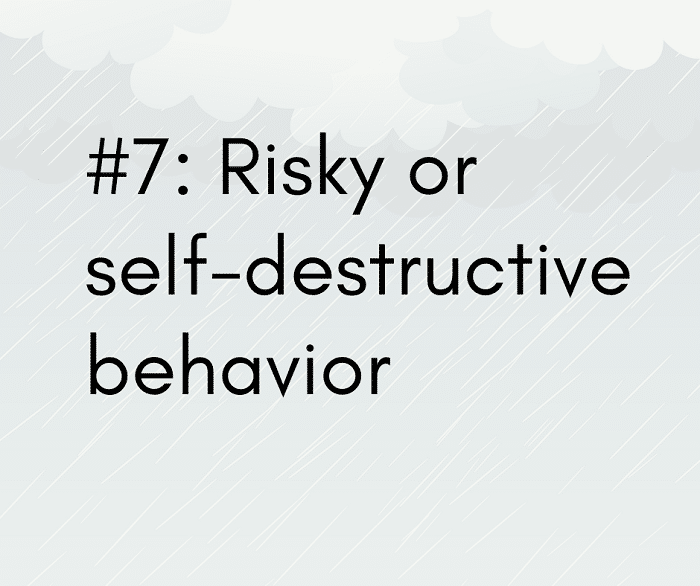
Risky or self-destructive behavior
Teens are impulsive. And risk-taking behaviors? They’re a staple of adolescence. But if you notice your teen has suddenly started engaging in destructive behavior that’s uncharacteristic and beyond what’s safe or age-appropriate, it’s a clear indicator that they need help.

Giving away personal possessions
Before completing suicide, people often give away their possessions, making final preparations to end their life. So, if you notice that your teen is giving away prized items, it might be a hint that they are considering suicide.
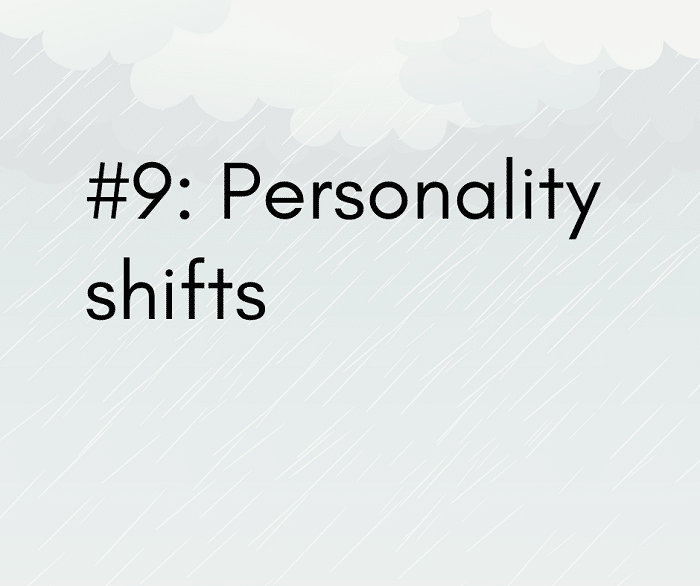
Personality shifts
Does it feel like your teen’s personality has shifted overnight? Maybe your child was once confident and upbeat and now seems consistently anxious, angry, or agitated. If so, take note! It’s often a warning sign something else is going on.
How to Prevent Teen Suicide

Listen.
Never assume that statements like “nobody cares if I live or die” are just drama. Too often, parents think that and worry if they ask directly about suicide, they’ll plant the idea.
Here’s the thing, though. The only way to know if your child is suffering and get them the help they need is to ask. By inquiring, we show that we care.
Get help.
This piece is crucial. Call your doctor, call a mental health professional, call a suicide hotline, or take your child to a local emergency room. If a professional recommends treatment, be sure to pursue it and make sure your teen sticks with it.
Take precautions.
Do you suspect that your child might be thinking of suicide? If so, take action to limit access to lethal means.
If you have a gun in your house, lock it up along with ammunition, secured separately. And note any prescription medications or alcohol in your home that your teen could use for self-harm and either get rid of it or be sure it’s stored safely.
Final words
Remember, when it comes to suicide, it’s always better to be safe than sorry. So, ask the questions, take the precautions, and reach out for help.
Yellowstone Boys and Girls Ranch (YBGR) is here to help! We provide a wide range of wraparound mental health services designed to help kids heal.
Contact us online to get a child support today.
Want More?
Check out the rest of our blog and follow us on social media. You can find us on LinkedIn at Yellowstone Boys and Girls Ranch, Instagram at @ybgr_cares, and Facebook at Yellowstone Boys and Girls Ranch.

It’s Hard. 13 Quotes that Illustrate Depression

Depression is heavy. If you’ve felt it, you know the weight—how it lingers, pressing down in ways that can be hard to put into words. For many, it’s a silent struggle carried alone, hidden by shame or stigma. But silence doesn’t have to be the norm.
Depression is more common than we think. Millions of people face it every year, and chances are someone you love is quietly navigating its depths right now. That’s why opening up the conversation matters—it helps break down barriers and reminds people they’re not alone.
Here are thirteen quotes that illustrate depression and raise awareness about the condition.
Quotes Illustrating Depression
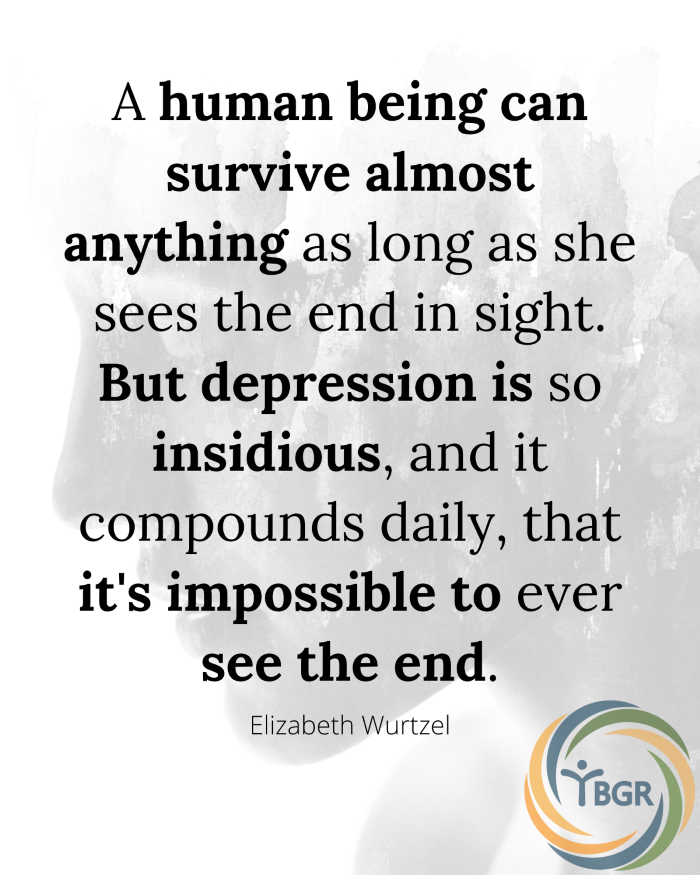
Quote 1: A human being can survive almost anything as long as she sees the end in sight. But depression is so insidious, and it compounds daily, that it’s impossible to ever see the end. – Elizabeth Wurtzel
Quote 2: It’s so difficult to describe depression to someone who’s never been there because it’s not sadness. -J.K. Rowling
Quote 3: People think depression is sadness. That it’s crying and dressing in black, but people are wrong. Depression is the constant feeling of being numb. It’s being numb to emotions, being numb to life. You wake up in the morning just to go back to bed again. – Unknown
Quote 4: You don’t understand depression until you can’t stand your own presence in an empty room. – Unknown.
Quote 5: Having anxiety and depression is like being scared and tired at the same time. It’s the fear of failure, but no urge to be productive. It’s wanting friends but hating to socialize. It’s wanting to be alone but not wanting to be lonely. It’s caring about everything, then caring about nothing. It’s feeling everything at once, then feeling paralyzingly numb. – Unknown
Quote 6: If you feel everything intensely, ultimately, you feel nothing at all. – Elizabeth Wurtzel
Quote 7: There are wounds that never show on the body that are deeper and more hurtful than anything that bleeds. – Laurell K. Hamilton
Quote 8: Depression is like a heavy blanket. It covers all of me, and it’s hard to get up. But there’s comfort in it too. I know who I am when I’m under it. – Unknown
Quote 9: I wanted to talk about it. Damn it. I wanted to scream. I wanted to yell. I wanted to shout about it. But all I could do was whisper, “I’m fine.” – Unknown.
Quote 10: Sometimes, all you can do is lie in bed and hope to fall asleep before you fall apart. – William C. Hannan
Quote 11: Depression is living in a body that fights to survive, with a mind that tries to die. – Unknown
Quote 12: It’s not always the tears that measure the pain. Sometimes it’s the smile we fake. – Unknown
Quote 13: I think the saddest people always try their hardest to make people happy because they know what it’s like to feel absolutely worthless, and they don’t want anyone else to feel like that. – Robin Williams
Are you struggling?
If you’re having a hard time, know that there are people out there who care! Reach out to a friend, family member, or seek out a mental health professional.
If you’re in crisis, here are a few resources to help:
- If you live in the United States, dial 9-8-8 to reach the National Suicide Prevention Lifeline for trained counselors available 24/7.
- Befrienders Worldwide and the International Association for Suicide Prevention are two organizations that provide contact information for crisis centers outside of the United States.
Want More?
Check out the rest of our blog and follow us on social media. You can find us on LinkedIn at Yellowstone Boys and Girls Ranch, Instagram at @ybgr_cares, and Facebook at Yellowstone Boys and Girls Ranch.

4 Ways to Tame Back-to-School Anxiety

School anxiety is a common experience, especially at the start of a new academic year. Nervousness can intensify when kids are faced with a new environment, where making new friends and adjusting to fresh expectations become part of the daily routine.
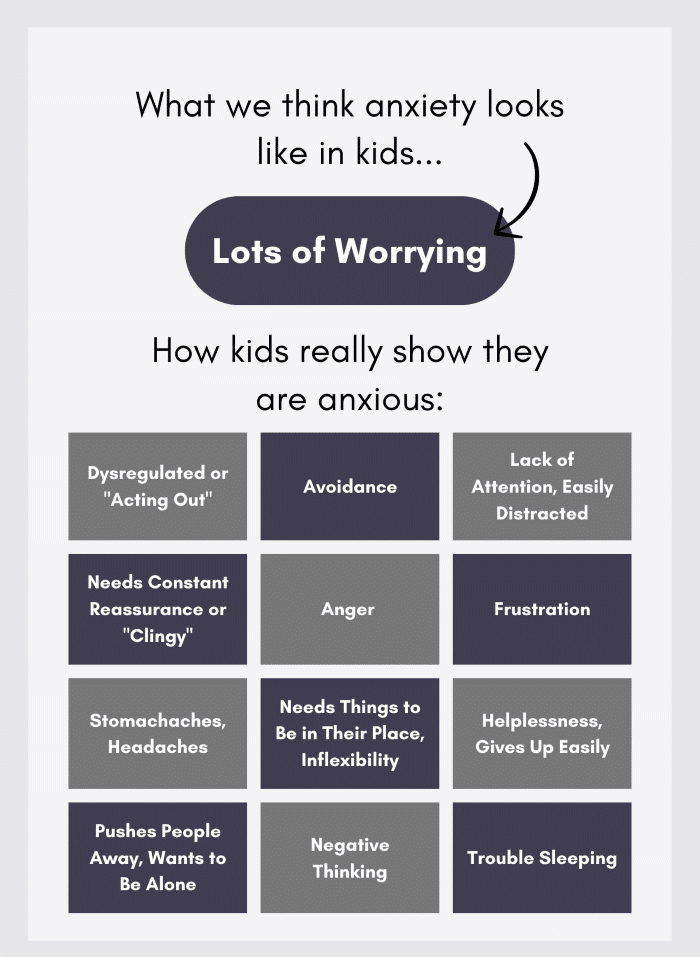
How to Tame School Anxiety
The good news? With a little preparation, open communication, and intentional connection, we can guide kids through the anxious feelings that often accompany the back-to-school transition.

Set the Stage for Success
Preparation is a powerful tool in easing anxiety.
Start by building a connection with your child’s school. Attend events, meet teachers early on, and talk with kids about the school year ahead. Focus on both upcoming challenges and opportunities.
It’s important to reassure children that feeling nervous is normal—these emotions are just part of growing and stepping into new beginnings.
Identify + Address Fears
Encourage kids to openly share their worries while steering the conversation in a way that emphasizes the positives.
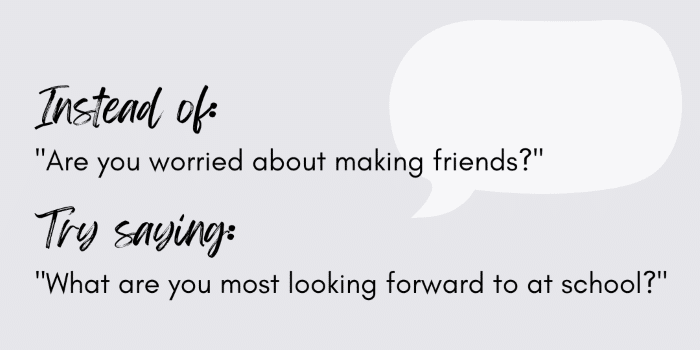
Subtle shifts in language, as illustrated above, help kids concentrate on the positive aspects of their new environment while still allowing space for their concerns.
Identifying fears early on gives you the chance to address them directly, offering both comfort and clarity.

Highlight the Positives
Help kids focus on the aspects of school that excite them.
Take some time together to list out fun activities, favorite subjects, and friends they’re looking forward to seeing. This simple exercise can shift their focus from what they’re worried about to what they love about school.
Another helpful activity is creating a “worry jar.” It allows kids to separate their anxieties from positive thoughts, helping them see that there’s balance in their experiences.
Click Here to Learn How to Make a “Worry Jar.”
Keep the Connection
Staying connected throughout the school day can do wonders for easing anxiety. Simple gestures, like slipping a comforting note into your child’s lunchbox or giving them a small item from home to carry with them, provide reassurance.
Small acts show kids that they’re supported and loved, even as they navigate new situations.
Need Support?
Back-to-school time can be tough for many kids. If you know a child who needs extra support, contact us today to learn more about the mental health services we offer for children and families.
Want More?
Check out the rest of our blog and follow us on social media. You can find us on LinkedIn at Yellowstone Boys and Girls Ranch, Instagram at @ybgr_cares, and Facebook at Yellowstone Boys and Girls Ranch.

5 Tips for Parenting Kids with PTSD
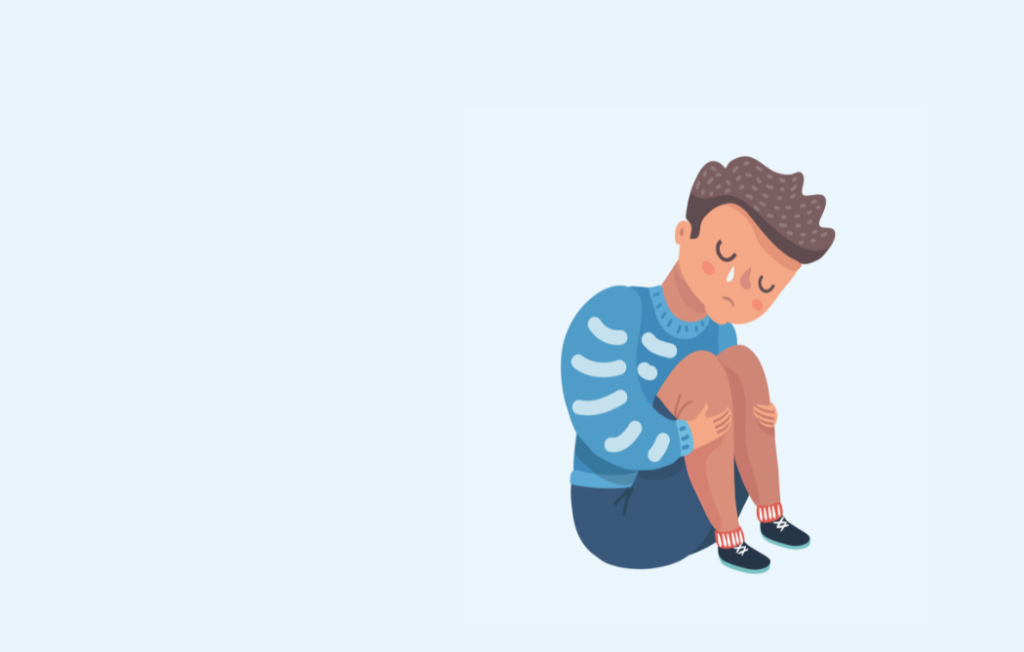
Have you heard of post-traumatic stress disorder (PTSD)? It’s a mental health condition that can develop in response to highly stressful, traumatic events.
Below is a basic overview of the symptoms of PTSD:
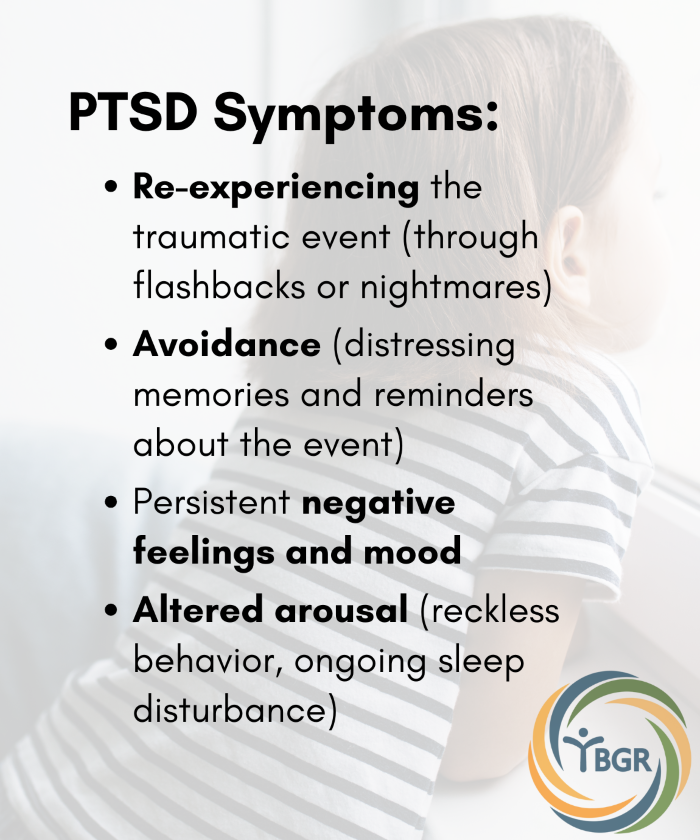
As parents, it’s critical we know how to support children experiencing post-traumatic stress disorder and create an environment where they can feel safe and heal.
Recognizing Behavior Stemming from PTSD
Trauma affects children’s bodies, brains, emotions, and behavior. And each child is different based on age, history, and unique personal characteristics. For example, toddlers may be clingy, middle schoolers may withdraw, and teenagers may react with aggression.
Learn More: Parenting Children with Trauma Factsheet
5 Tips to Help You Care for Kids with PTSD
Identify trauma triggers.
Your actions, words, or even an item in your home may trigger traumatic memories. Pay attention to what distracts or scares your child or emotions that don’t seem to fit a situation.

Be present.
Offer encouragement, reassurance, and attention in whatever way your child needs at the moment. If they want to talk about their experience, be available to listen.
Control your emotions.
When your child escalates, remain calm, lower your voice and listen. Don’t take their behavior personally or use physical punishment.

Create consistency.
Regular routines are vital to helping children feel stable and secure.
Encourage and empower.
Create positive experiences to boost self-esteem, teach relaxation techniques such as deep breathing and allow age-appropriate choices to help your child feel in control.
Do you have a child who struggles with PTSD?
Yellowstone Boys and Girls Ranch (YBGR) provides a wide range of wraparound mental health services designed to help kids heal. Contact us online to get a child support today.
Did you find this article helpful?
Check out the rest of our blog and follow us on social media. You can find us on LinkedIn at Yellowstone Boys and Girls Ranch, Instagram at @ybgr_cares, and Facebook at Yellowstone Boys and Girls Ranch.

Eating Disorders—Exploring Mental Health
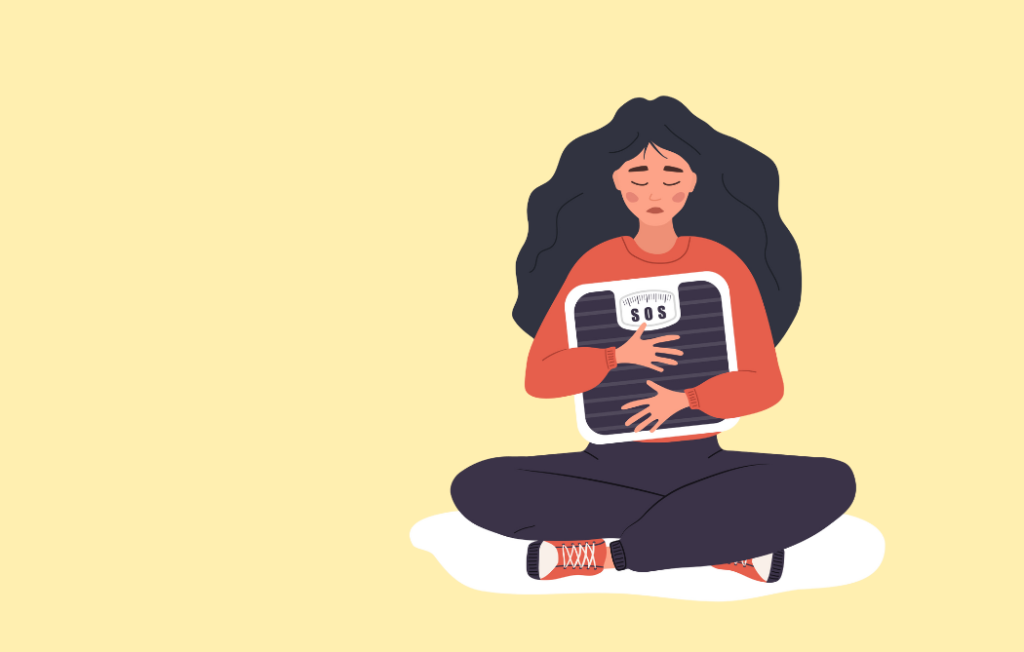
“I say I am sick. They say no, you’re an inspiration. How could I not fall in love with my illness? With becoming the kind of silhouette people are supposed to fall in love with.” — Blythe Baird
May is Mental Health Awareness Month, and we’re exploring eating disorders—some of the most pervasive and deadly mental health conditions.
Eating disorders slowly erode the body. Yet, they often go untreated—swept under the rug and even glorified until reaching a crisis point.
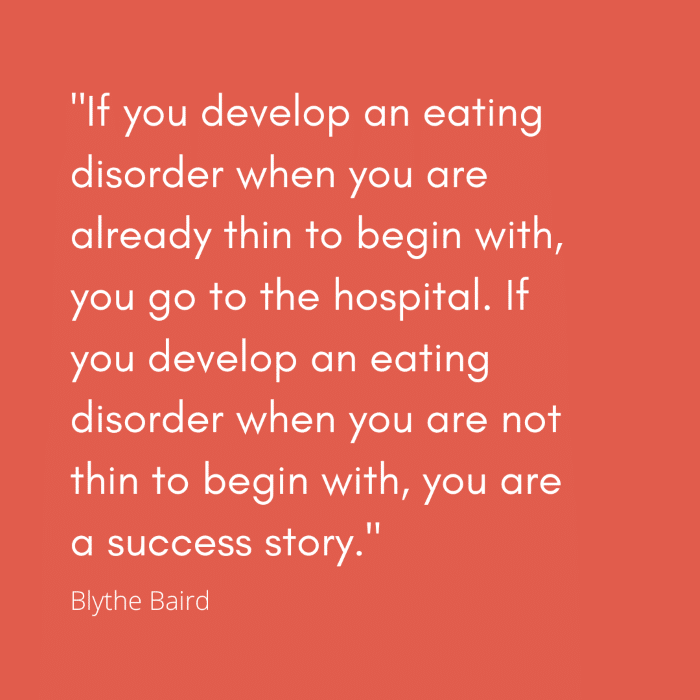
Often appearing in adolescence, they impact roughly 29 million people in the United States at some point during their lifetime.
Check out the Crash Course video below for an overview of eating disorders and their impact:
Exploring Eating Disorders
The physiological effects of eating disorders are devastating.
“If you are not recovering, you are dying.” — Blythe Baird
Impacts on the body include:
- Slowed heart rate
- Loss of bone density
- Fatigue
- Muscle weakness
- Hair loss
- Severe dehydration
- Very low body mass index
Eating Disorder Subtypes
While there’s a variety of different eating disorder diagnoses, including some not listed in this article, all share either the restrictive or binge/purge behaviors.
Restriction
Marked by an extremely low-calorie diet, excessive exercise, and purging via vomiting or laxatives
Binge/Purge
Involves episodes of binge eating combined with restrictive behavior
Common Eating Disorder Diagnoses
Below are the three most commonly diagnosed eating disorders.
Anorexia Nervosa
Marked by restrictive behaviors, those struggling with anorexia have an intense fear of gaining weight, a distorted body image, and a significantly low body mass index. And it’s thought to kill more people than any other mental illness.
Common symptoms of anorexia nervosa include:

Rigidness as a means to obtain control amidst feelings of powerlessness characterize anorexia.
Bulimia Nervosa
Bulimia is distinguished by binge eating followed by purging behaviors such as vomiting, using laxatives or diuretics, or excessive exercise. And it often goes unnoticed because those afflicted tend to maintain a normal or minimally healthy body weight.
Common signs of bulimia nervosa include:
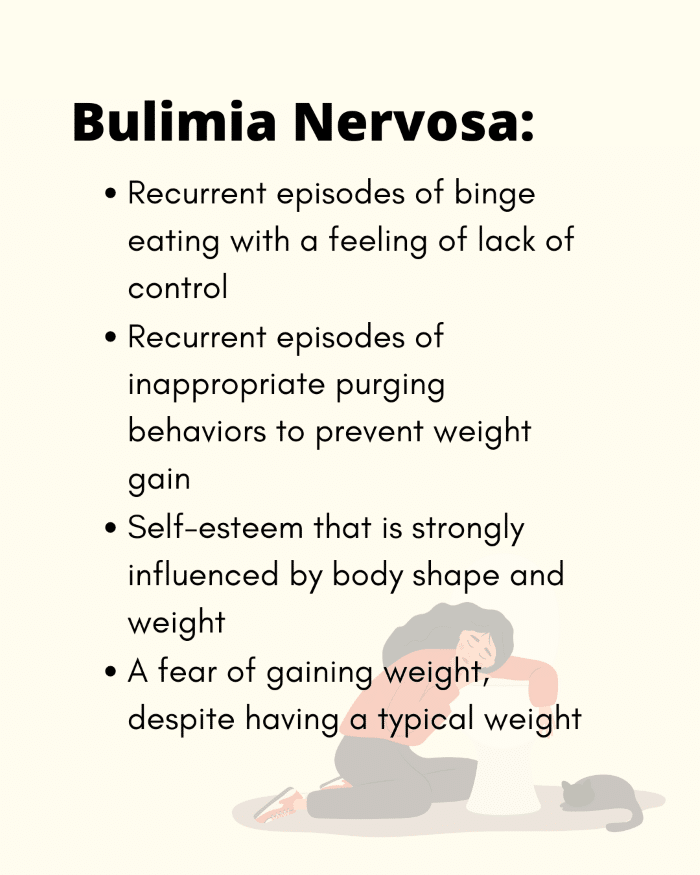
While those grappling with bulimia aren’t always dangerously underweight, it damages the entire digestive system. Irregular heartbeat, inflammation of the esophagus and mouth, tooth decay, irregular bowel movements, stomach ulcers, pancreatitis, and organ damage all stem from the condition.
Binge Eating Disorder
Binge eating disorder is characterized by recurrent episodes of eating large amounts of food, losing control during these episodes, and experiencing shame or guilt afterward.
Getting to the Roots of Eating Disorders
Eating disorders have strong individual, gender, cultural, genetic, environmental, and upbringing components.
Individually, they are often rooted in a need for perfection, low self-worth, fear of falling short of expectations, and concerns with others’ perceptions. Gender and culture also have a significant role, with beauty ideals varying widely.
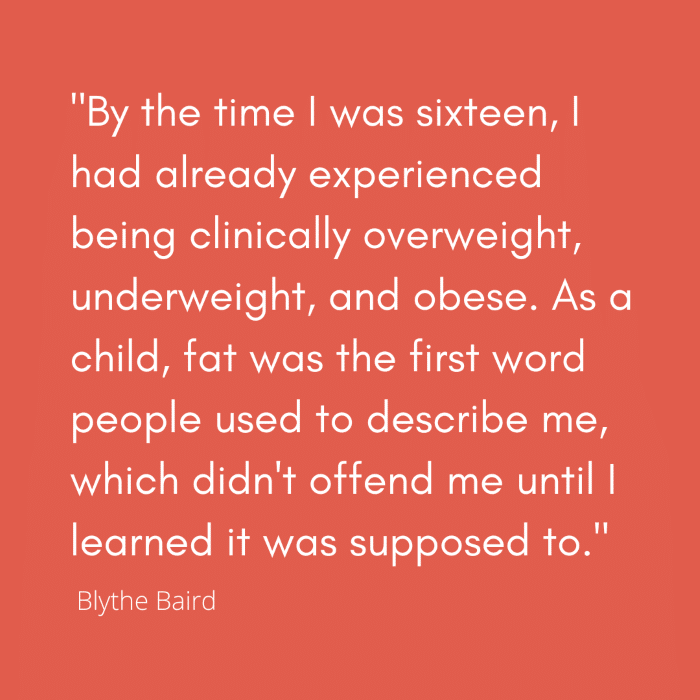
Genetics plays a hand—eating disorders tend to run in families. But more than simply biology, environmental factors, and upbringing are crucial pieces of the puzzle.
Children watch their caregiver’s relationship with food and the behaviors surrounding it. And learning unhealthy values around weight from family and peers has a powerful effect.
Need Support?
We provide a wide range of wraparound mental health services that support caregivers and help kids heal. Contact us online to learn more about help available through Yellowstone Boys and Girls Ranch (YBGR).
Want to Learn More?
For more mental health tidbits, check out the rest of our blog and follow us on social media. You can find us on LinkedIn at Yellowstone Boys and Girls Ranch, Instagram at @ybgr_cares, and Facebook at Yellowstone Boys and Girls Ranch.

Exploring Schizophrenia— May’s About Mental Health

Did you know that World Schizophrenia Day was May 24th? It’s true! And to celebrate, we want to spread a little awareness! You see, the condition affects 1 in every 100 people, yet it is one of the most misunderstood mental health disorders out there.
So, what exactly is schizophrenia? It’s a beast! Really, there’s so much to the diagnosis!
Check out the video below for a general overview of the condition and its causes.
Schizophrenia encompasses a broad range of positive and negative symptoms, including:
Positive Symptoms
Positive symptoms of schizophrenia are disturbances that are “added” to a person’s personality. These can include:
Delusions
These are false ideas an individual may believe. Common examples include the belief of being spied on or of being a famous or religious figure.
Hallucinations
Hallucinations involve seeing, feeling, tasting, hearing, or smelling things that don’t exist. The most common experience is hearing imaginary voices that give commands or comments to the individual.
Disordered Thinking and Speech
Disorganized thinking and speech can look like moving from one topic to another non-linearly. Individuals struggling with schizophrenia may make up their own words or sounds, rhyme in ways that don’t make sense, or repeat things.
Disorganized Behavior
Disorganized behavior can range from having problems with routine behaviors like hygiene or choosing appropriate clothing to unprovoked outbursts and impulsive or uninhibited actions. A person may also appear anxious, agitated, tense, or have constant movement without any apparent reason.
Trouble Concentrating
An example of trouble concentrating might be someone losing track of what’s going on in a TV show they’re watching.
Movement Disorders
Some people with schizophrenia can seem jumpy. Sometimes they’ll repeat the same movements over and over again. But sometimes, they might be perfectly still for hours at a time; something called being catatonic. Contrary to popular belief, people with the disease usually aren’t violent.
Negative Symptoms
Negative symptoms are capabilities that are “lost” from someone’s personality due to the disorder. In schizophrenia, this appears as:
- Social withdrawal
- Extreme apathy (lack of interest or enthusiasm)
- Lack of drive or initiative
- Trouble with speech
- Emotional flatness
Schizophrenia Spectrum & Related Disorders
Often referred to as a spectrum disorder, medical professionals used to breakdown schizophrenia into the following subtypes:
- Catatonic
- Disorganized
- Paranoid
- Residual
- Undifferentiated
However, today schizophrenia is a single diagnosis with a variety of related disorders. It has a substantial biological component, with the most significant risk factor for developing it being genetics. In fact, immediate relatives of those with the condition often lie within the spectrum, although not so severe it requires treatment.
Below is a list of conditions closely related to schizophrenia.
Schizotypal Personality Disorder
People with schizotypal personality disorder have difficulty developing close relationships and may hold beliefs not shared by others in their culture. They may also have unusual behaviors and learning difficulties.
Schizoid Personality Disorder
People with schizoid personality disorder are often aloof from other people and don’t show many emotions.
Paranoid Personality Disorder
People with paranoid personality disorder suffer from paranoia, an unrelenting mistrust and suspicion of others, even when there is no reason to be suspicious.
Delusional Disorder
People with delusional disorder believe things could happen that are highly unlikely. For example, they may think they have cancer despite several negative test results. More so, they have no other psychotic symptoms except those related to their delusion and can function in daily life.
Schizoaffective Disorder
Symptoms of schizoaffective disorder mirror those of schizophrenia but include episodes of depression and mania.
Schizophreniform Disorder
Symptoms of schizophreniform disorder are similar to those of schizophrenia but are present for less than six months. Additionally, people with this disorder often don’t struggle as much to get along with others.
Treatment
Treatment for schizophrenia is a lifelong process. It’s complex, requiring medication, skill-building therapy, social supports, and frequently community based services. Hospitalization is often needed to ensure the personal safety of individuals during times of peak symptoms.
Common Misbeliefs About Schizophrenia
Perform a simple Google search, and you’ll find a ton of misinformation out there! Here a few common misbeliefs about schizophrenia and people who struggle with the condition.
People with schizophrenia are violent.
Only 3 to 5% of violent acts are carried out by people living with serious mental illness. In fact, those afflicted are more than ten times as likely to be the victim of violent crimes versus the general population.
Bad parenting is what causes schizophrenia.
Years ago, we believed that parents were responsible if their child developed schizophrenia. While there is a genetic component—the disorder tends to run in families—there is no evidence that it is caused by bad parenting. In fact, even if you have a parent who has schizophrenia, your chances of getting it are less than 25 percent.
People with schizophrenia are stupid.
Some people assume that those with schizophrenia aren’t intelligent, but this isn’t the case. Many times, people with the condition are brilliant. Consider the mathematician John Nash. He was diagnosed with paranoid schizophrenia and won the Nobel Prize in economics for his scholarly work on game theory.
One reason for the assumption that those with schizophrenia aren’t intelligent is one of the disorder’s symptoms, alogia. Alogia disrupts an individual’s thought processes and leads to the absence of speech or verbal fluency. Those affected may have disorganized speech or memory, but that has nothing to do with their intelligence levels.
Want to Learn More?
Check out the rest of our blog and follow us on social media. You can find us on LinkedIn at Yellowstone Boys and Girls Ranch, Instagram at @ybgr_cares, and Facebook at Yellowstone Boys and Girls Ranch.

20 Quotes Painting Life with Schizophrenia

“If you hear nothing else today, please hear that there are no schizophrenics. There are people with schizophrenia. And each of these people may be a parent, your sibling, your neighbor, or your colleague. ” – Inspired by Elyn Saks
Have you heard of schizophrenia? It’s a chronic mental health condition that, when active, is characterized by symptoms of delusions, hallucinations, disorganized speech, trouble thinking, and lack of motivation.
The disease’s complexity leads many to misunderstand, fear, and stereotype those with it. Consequently, individuals often confront significant stigma.
We’re spreading awareness by sharing the words of those who confront the condition. Below are twenty quotes that illustrate living with schizophrenia.
Quotes on Living with Schizophrenia

Quote 1: I was diagnosed with schizophrenia 14 months ago. And I was happier pre-diagnosis. I’ve not felt normal since that day. – Unknown

Quote 2: Schizophrenia cannot be understood without understanding despair. – Unknown
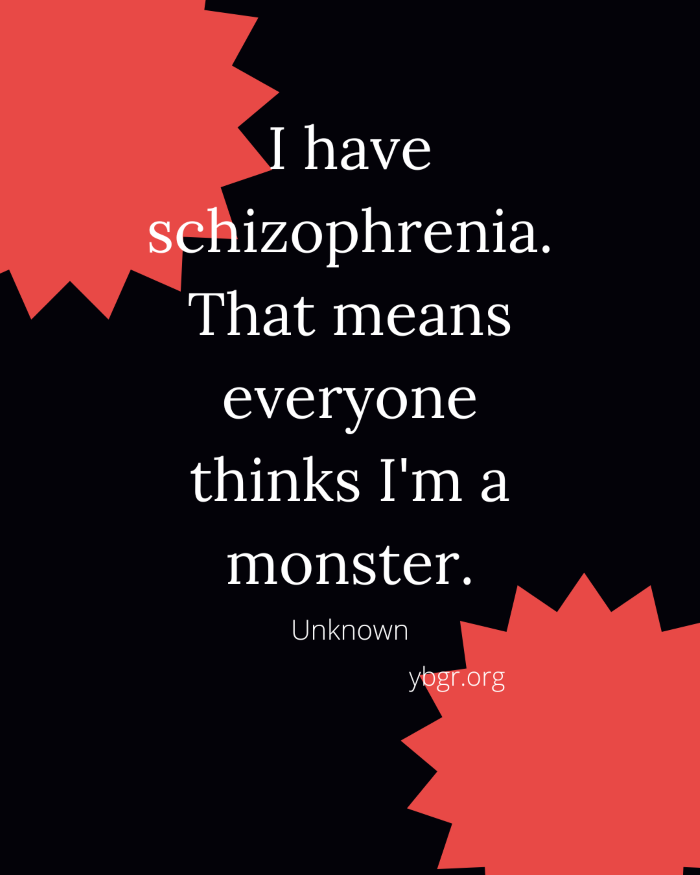
Quote 3: I have schizophrenia. That means everyone thinks I’m a monster. – Unknown

Quote 4: My mom doesn’t know how to deal with me since we found out I had schizophrenia. Whenever I tell her a problem, she freaks out and then pretends as if I never said anything. – Unknown

Quote 5: I don’t tell many people I have schizophrenia because I’m afraid of having nobody. But sometimes my problems get the best of me, and people think I’m being terribly mean to them or being weird. – Unknown

Quote 6: From the outside looking in, it’s hard to understand. From the inside looking out, it’s hard to explain. – Unknown

Quote 7: Imagine being bombarded with voices from invisible forces and stripped of your ability to understand what is real and what is not. You discover you cannot trust your senses, your mind plays tricks on you, and your family or friends seem part of a conspiracy to harm you. – Unknown

Quote 8: I know what it’s like to be afraid of your own mind. – Spencer Reid

Quote 9: Every thought is a battle. Every breath is a war, and I don’t think I’m winning anymore. – Unknown

Quote 10: I had people saying, “it’s all in your head.” Do you honestly think I want to feel this way? – Sonia Estrada
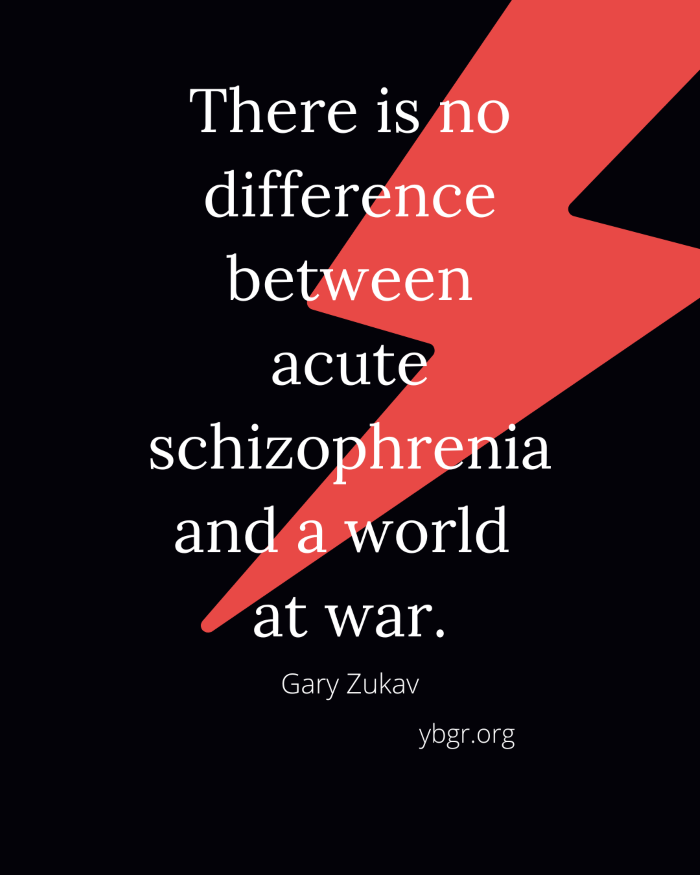
Quote 11: There is no difference between acute schizophrenia and a world at war. – Gary Zukav

Quote 12: The word schizophrenia means “split mind,” referring to disruptions or “fractures” in how a person thinks, feels, and perceives reality when symptoms of the disease are active. – Unknown

Quote 13: The schizophrenic mind is not so much split as shattered. I like to say schizophrenia is like a waking nightmare. – Elyn Saks

Quote 14: I often felt like I was watching everyone else live out in the real world while I was trapped behind a glass wall, stuck in a bad movie with too many plot holes. Life didn’t make sense. – Unknown

Quote 15: You can’t see it, but I can definitely feel it. You don’t understand it, but it’s what I know. I deal with it on a daily basis. You either think I’m lazy, or you feel sorry for me, but I’m stronger than you’ll ever know. I fight every day. I don’t want your sympathy—I just want to be treated with respect. – Unknown

Quote 16: Treat me like a person because that’s what I am. I am not a stereotype. – Syretta Clark

Quote 17: You are not your illness. You have an individual story to tell. You have a name, a history, a personality. Staying yourself is the battle. – Julian Seifter

Quote 18: I have schizophrenia. I am not schizophrenia. I am not my mental illness. My illness is a part of me. – Jonathan Harnisch

Quote 19: I have schizophrenia. My eyes do see. My ears do hear. I am still me, so let’s be clear. My memory may fade, my walk may slow, but I am me inside. Don’t let me go. – Unknown

Quote 20: As well as being one of the worst things that can happen to a human being, schizophrenia can also be one of the richest learning and humanizing experiences life offers. – Mark Vonnegut
Want More?
Did you find this article helpful? If so, check out the rest of our blog and follow us on social media. You can find us on LinkedIn at Yellowstone Boys and Girls Ranch, Instagram at @ybgr_cares, and Facebook at Yellowstone Boys and Girls Ranch.

17 Quotes Illustrating Life with Bipolar Disorder

Are you familiar with bipolar disorder? It’s a chronic mental health condition characterized by periods of mania (intense high energy and reduced need for sleep) that frequently occur alongside periods of severe depression (low energy and mood).
Previously referred to as manic depression, it’s a disease that impacts roughly 40 million people globally. And many of them face significant stigma.
We’re spreading awareness through the words of those who confront condition. Below are seventeen quotes that illustrate living with the bipolar disorder.
Quotes Illustrating Life with Bipolar Disorder
Quote 1: One of the things so bad about bipolar disorder is that if you don’t have prior awareness, you don’t have any idea what hit you. – Unknown
Quote 2: Sometimes it takes an overwhelming breakdown to have an undeniable breakthrough. – Unknown

Quote 3: Mania starts off fun—not sleeping for days, keeping company with your brain, which has become a wonderful computer, showing 24 TV channels all about you. That goes horribly wrong after a while. – Carrie Fisher
Quote 4: And suddenly, I felt really tired, like the world had drained me of everything that I had. – Unknown
Quote 5: I yearned to get better. I told myself I was getting better. In fact, the depression was still there, like a powerful undertow. Sometimes it grabbed me, yanked me under; other times, I swam free. – Tracy Thompson
Quote 6: The mania is like wasps under the skin, like my head’s going to explode with ideas. – Alice Weaver Flaherty

Quote 7: And sometimes I just need to be alone, so I can cry without being judged, so I can think without being interrupted, so I don’t bring anyone else down with me. – Unknown
Quote 8: Do I fear the sleepless nights? You have no idea how long the dark lasts when you cannot close your eyes to it. – Tyler Knott Gregson
Quote 9: The mania started with insomnia and not eating and being driven, driven to find an apartment, driven to see everybody, driven to do New York, driven to never shut up. – Patty Duke

Quote 10: Depression is a painfully slow, crashing death. Mania is the other extreme, a wild roller coaster run off its tracks. – Unknown
Quote 11: It’s having the motivation to change the world one moment, then not having the motivation to wash yourself. – Unknown
Quote 12: I am good for a while. I’ll talk more, laugh more, sleep and eat normally. But then something happens, like a switch turns off somewhere, and all I am left with is the darkness of my mind. – Unknown
Quote 13: At night, I used to lay in bed crying. Now, I just lay there with a blank expression on my face. I never thought I’d get used to feeling this way, but I did. – Unknown

Quote 14: Sometimes, even to live is an act of courage. – Seneca
Quote 15: Suicide too often results from the impulsive nature and physical speed of mania coupled with depression’s paranoid self-loathing. – Unknown
Quote 16: I’m fine, but I’m bipolar. I’m on seven medications, and I take medication three times a day. This constantly puts me in touch with the illness I have. I’m never quite allowed to be free of that for a day. It’s like being a diabetic. – Carrie Fisher

Quote 17: Bipolar disorder can be a great teacher. It’s a challenge, but it can set you up to be able to do almost anything else in your life. – Carrie Fisher
Want More?
Check out the rest of our blog and follow us on social media. You can find us on LinkedIn at Yellowstone Boys and Girls Ranch, Instagram at @ybgr_cares, and Facebook at Yellowstone Boys and Girls Ranch.

Bipolar Disorder—Exploring Mental Health

“It’s a disease that both kills and gives life. Fire, by its very nature, both creates and destroys. Mania is a strange and driving force—a destroyer—a fire in the blood.” — Dr. Kay Redfield Jamison
Have you heard of bipolar disorder? It’s a mood disorder and, to this day, is still somewhat shrouded in mystery. Yet, it impacts roughly 3% of people in the United States every year alone.
Frequently referred to as manic-depression, bipolar disorder is characterized by prolonged periods of marked “highs” (mania or hypomania) followed by depressive “lows” (depression) and often periods of symptom remission between cycles.
While stress can trigger an episode of mania or depression, it cannot cause the disorder. Instead, underlying genetics are thought to be key to the condition.
Check out the video below to learn more:
The presence of mania or hypomania distinguishes bipolar disorder from unipolar depression.
Manic Episode
“Restless, fiery, aggressive, visionary, and impatient with the status quo.” — Dr. Kay Redfield Jamison
A manic episode is a period of at least one week when someone is extremely high-spirited or irritable most of the day for most days, possesses more energy than usual, and experiences at least three of the following changes in behavior:

Some people experiencing manic episodes also experience disorganized thinking, false beliefs, and/or hallucinations, known as psychotic features.
Hypomania
A hypomanic episode is characterized by less severe manic symptoms that need last only four days in a row rather than a week. As a result, it doesn’t lead to the significant problems in daily functioning that mania commonly causes.
In fact, hypomania is often associated with increased productivity and other positive characteristics. But left untreated, it can result in full-blown mania, which may become dangerous and require hospitalization or be followed by long bouts of depression.
Major Depressive Episode
“Passive, sensitive, dependent, and with limited aspirations.” — Dr. Kay Redfield Jamison
A major depressive episode is a period of at least two weeks in which a person has at least five of the following symptoms, including at least one of the first two listed:

People with bipolar disorder experience a range of symptoms, resulting in different variations of the disease, with the most common diagnoses being bipolar type one and two.
Bipolar 1
Characterized by extreme highs alongside lows (full-blown mania that may require hospitalization).
Bipolar 2
Involves briefer, less extreme periods of elation (hypomania) interspersed with long periods of depression.
Treatment Outcomes
With medication, bipolar disorder is treatable but not cured.

Therapy centered around education on identifying mood episode triggers, and lifestyle adjustments, such as regular exercise, can help those with the illness navigate symptoms. However, neither are a substitute for medication.

Many living with bipolar disorder thrive—not despite it, but because of it— “contributing a great deal of energy, fire, enthusiasm, and imagination to the people and world around them.”

Sadly, the condition is often misdiagnosed and stigmatized—those with it can receive poor, if any, psychiatric treatment and are at high risk for suicide.
Moreover, many refuse medication altogether due to side effects and fear that it will “dim their emotions and destroy creativity.”

Experiencing mixed episodes—periods marked by symptoms of both mania and depression—put those with bipolar disorder at heightened risk for suicide, with up to 1 in 5 people with the condition ultimately ending their life.
Warning Signs of Suicide
The behaviors listed below may be some of the signs that someone is thinking about suicide.
Talking about:
- Wanting to die
- Great guilt or shame
- Being a burden to others
Feeling:
- Empty, hopeless, trapped, or having no reason to live
- Extremely sad, more anxious, agitated, or full of rage
- Unbearable emotional or physical pain
Changing behavior, such as:
- Making a plan or researching ways to die
- Withdrawing from friends, saying goodbye, giving away important items, or making a will
- Taking dangerous risks such as driving extremely fast
- Displaying extreme mood swings
- Eating or sleeping more or less
- Using drugs or alcohol more often
If these warning signs apply to you or someone you know, get help as soon as possible, particularly if the behavior is new or has increased recently.
National Suicide Prevention Lifeline
Dial 988
Crisis Text Line
Text “HELLO” to 741741
Want to Learn More?
Check out the rest of our blog and follow us on social media. You can find us on LinkedIn at Yellowstone Boys and Girls Ranch, Instagram at @ybgr_cares, and Facebook at Yellowstone Boys and Girls Ranch.
Quotes pulled from An Unquiet Mind by Kay Redfield Jamison.
16 Powerful Quotes Portraying Life with Depression
It’s heavy—depression. I mean, it weighs you down. And in February 2022, U.S. Census Bureau data showed that nearly one-third of Americans were grappling with symptoms of it.
May’s about mental health, and we’re on a mission to bust stigma through spreading awareness. And today, we’re taking a closer look at depression. Below are sixteen powerful quotes that portray living with the condition.
Quotes Portraying Life with Depression
Trigger warning: These quotes touch on the topic of suicide.

Quote 1: You say you’re ‘depressed’ — all I see is resilience. You are allowed to feel messed up and inside out. It doesn’t mean you’re defective — it just means you’re human. – David Mitchell

Quote 2: What does depression feel like? You don’t want to live, but you don’t want to die. You don’t want to talk to anyone, but you feel very lonely. You wake up in the morning and simply wait for the night to come. – Unknown

Quote 3: And something inside me just broke. That’s the only way I could describe it. – Ranata Suzuki

Quote 4: Depression is such a cruel punishment. There are no fevers, no rashes, no blood tests to send people scurrying in concern, just the slow erosion of self, as insidious as cancer. And like cancer, it is essentially a solitary experience, a room in hell with only your name on the door. – Unknown

Quote 5: Depression is feeling like you’ve lost something but having no clue when or where you last had it. Then, one day you realize what you lost was yourself. – Unknown

Quote 6: I wanted to write down exactly what I felt, but somehow the paper stayed empty, and I could not have described it any better. – WTM

Quote 7: Nobody ever tells you that emptiness weighs the most. – Unknown

Quote 8: I don’t feel sad. I don’t feel anything. – Unknown

Quote 9: Depression is a lot like drowning, except that you can see everyone else around you breathing. – Unknown

Quote 10: I think I’m afraid to be happy because whenever I get too happy, something bad always happens. – Unknown
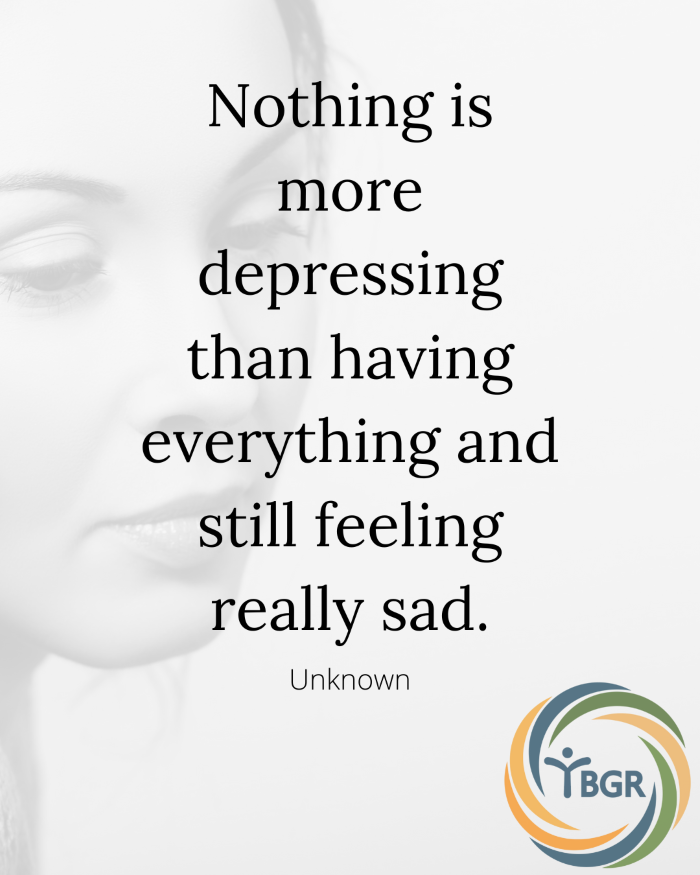
Quote 11: Nothing is more depressing than having everything and still feeling really sad. – Unknown

Quote 12: Depression is a prison where you are both the suffering prisoner and the cruel jailer. – Dorothy Rowe
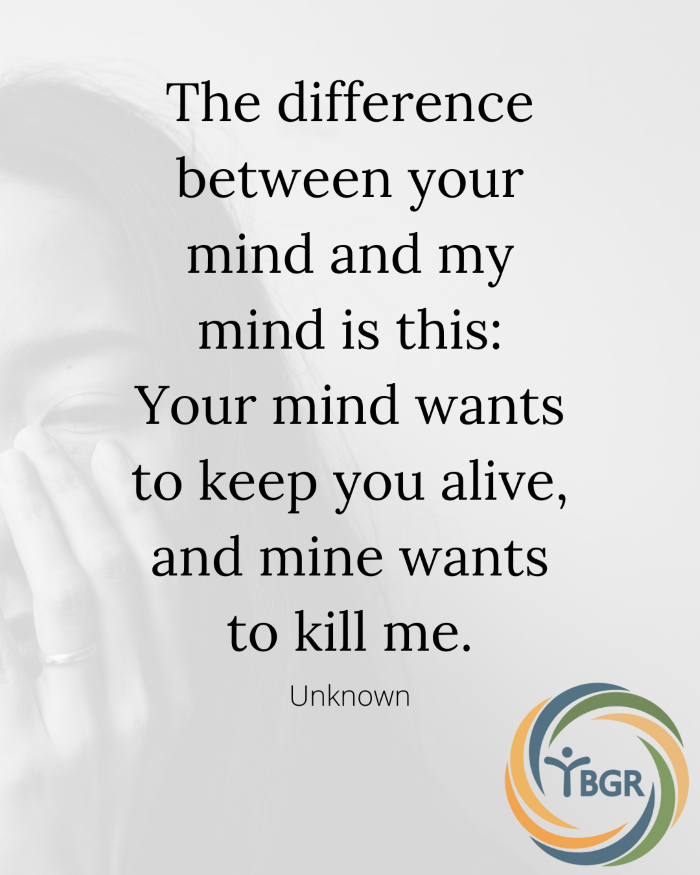
Quote 13: The difference between your mind and my mind is this: Your mind wants to keep you alive, and mine wants to kill me. – Unknown

Quote 14: What’s wrong? I’m ugly. I’m fat. I’m a failure. I’m depressed. I’m suffering. I hate this world. I hate myself. I’m imperfect. I can’t do anything right. I’m disgusting. I’m just not okay. Nothing, I’m fine. – Unknown
Quote 15: My brother died from depression. He also frequently exercised, had supportive friends/family, was successful in school and work. He had goals that he was constantly reaching—he still completed suicide. People who are depressed are not weak-minded—they are sick – Maddie Rawrk
Quote 16: If you rearrange the letters in Depression, you’ll get “I pressed on.” Your current situation is not your final destination. – Unknown
Are you struggling?
If you’re having a hard time, know that there are people out there who care. Reach out to a friend, family member, or seek out a mental health professional.
If you’re in crisis, here are a few resources to help:
If you live in the United States, call the National Suicide Prevention Lifeline by dialing 988 or 800-273-TALK (800-273-8255). They have trained counselors available 24/7. Stop a Suicide Today is another helpful resource.
Befrienders Worldwide and the International Association for Suicide Prevention are two organizations that provide contact information for crisis centers outside of the United States.
Do you know a child who needs help?
Yellowstone Boys and Girls Ranch (YBGR) provides a wide range of wraparound mental health services designed to help kids heal. Contact us online to get a child support today.
Want more?
Check out the rest of our blog and follow us on social media. You can find us on LinkedIn at Yellowstone Boys and Girls Ranch, Instagram at @ybgr_cares, and Facebook at Yellowstone Boys and Girls Ranch.

What’s Depression? Busting Stigma with Education

“A human being can survive almost anything as long as she sees the end in sight. But depression is so insidious, and it compounds daily, that it’s impossible to ever see the end.” – Elizabeth Wurtzel
What’s depression? It’s a complex illness categorized as a mood disorder. And everything from nerve cell connections to the brain’s physical anatomy play a hand in it.
Hallmark symptoms of the condition include prolonged bouts of sadness and the absence of pleasure from activities once enjoyed. But there’s more to depression than that.
Check out the video below:
Symptoms of Depression
Depression is bigger than just feeling blue. To be diagnosed with it, five or more of the following criteria must be met for two consecutive weeks, with symptoms of depressed mood or loss of interest or pleasure in activities present.

People experiencing depression may also present with irritability, obsessive rumination, anxiety, phobias, excessive worry over physical health, and complaints of pain.
Depression is Common
A snapshot of U.S. Census Bureau data in February 2022 showed that nearly one-third of Americans struggled with at least one of the symptoms of depression. And when it comes to youth, the number is even more staggering.
In September 2021, info released by OPI revealed that 41% of Montana high school students reported feelings of sadness or hopelessness for two or more consecutive weeks—a hallmark symptom of the disorder.
Depression Myths
Below are a few common myths about depression that lead to stigma and prevent people from seeking treatment.
Depression isn’t a real illness.
It’s a common misconception that depression is simply sadness or a weakness in character. On the contrary, it’s a neurological condition deeply intertwined with physical health, manifesting as pain and correlating with cardiovascular and inflammatory diseases.
Depression is always triggered by adversity or life transitions.
Yes, adverse events and life changes can trigger a depressive episode. But around sixteen million adults are diagnosed with depression every year, independent of those factors.
And for those individuals, disruptions in neurotransmitters playing key roles in mood regulation are thought to be linked to illness.
Neurotransmitter imbalances connected to depression include:
Dopamine: Helps regulate emotion, memory, thinking, motivation, and reward
Norepinephrine: Makes your heart rate and blood pressure soar during a “fight or flight” response or stressful time
Serotonin: Helps regulate mood and plays a role in your overall sense of well-being; known as the “feel-good” chemical
Researchers continue to study the causes of imbalances, and neurotransmitters acetylcholine, GABA, and glutamate are also thought to be linked to the disorder.
Depression is a sign of weakness.
Depression affects people from all walks of life, indiscriminate of age, gender, race, education, or social class. And it’s more than mindset. There are clear differences in the structure and chemistry of the brain in people with the condition.
Learn more: How Depression Affects The Brain – Yale Medicine Explains
You’d know if someone was struggling with depression.
Symptoms of depression may not be straightforward to others. Many people who suffer go to work or school and seem more irritable or anxious than sad.
The key is to look for significant changes, such as becoming more argumentative, hopeless, or less social. Shifts in weight or eating habits can also be a good indicator of the disorder.
Special Note:
Depression is associated with a high mortality rate due to suicide. So, it’s critical to know the warning signs of crisis and how to get someone help if they’re struggling.
Below is an exert from the National Institute of Mental Health’s website on behaviors associated with heightened risk for suicide and resources to help.
Warning Signs of Suicide
The behaviors listed below may be some of the signs that someone is thinking about suicide.
Talking about:
- Wanting to die
- Great guilt or shame
- Being a burden to others
Feeling:
- Empty, hopeless, trapped, or having no reason to live
- Extremely sad, more anxious, agitated, or full of rage
- Unbearable emotional or physical pain
Changing behavior, such as:
- Making a plan or researching ways to die
- Withdrawing from friends, saying goodbye, giving away important items, or making a will
- Taking dangerous risks such as driving extremely fast
- Displaying extreme mood swings
- Eating or sleeping more or less
- Using drugs or alcohol more often
If these warning signs apply to you or someone you know, get help as soon as possible, particularly if the behavior is new or has increased recently.
National Suicide Prevention Lifeline
Dial 988 or 1-800-273-TALK for free 24/7, confidential support.
Crisis Text Line
Text “HELLO” to 741741
Did you find this article helpful?
Check out the rest of our blog and follow us on social media. You can find us on LinkedIn at Yellowstone Boys and Girls Ranch, Instagram at @ybgr_cares, and Facebook at Yellowstone Boys and Girls Ranch.

It’s Exhausting. 16 Quotes Illustrating Life with Anxiety

Anxiety. Have you ever experienced it? Racing thoughts, sweaty palms, heart pounding out of your chest. It feels like every worst-case scenario is playing out in your head at once.
It’s an overwhelming, dreadful emotion. And for those of us who confront it regularly—it’s exhausting.
Here are sixteen quotes that illustrate life with anxiety.
Quotes Illustrating Life with Anxiety
Quote 1: Nobody realizes that some people expend tremendous energy merely to be normal. – Albert Camus

Quote 2: Living with anxiety is like being followed by a voice. It knows all your insecurities and uses them against you. It gets to the point when it’s the loudest voice in the room-it’s the only one you can hear. – Unknown
Quote 3: Every day is a struggle, even when I’m at my best. My anxiety is always with me, and my panic taps me on my shoulder a few times a day. On my good days, I can brush it off. On my bad days, I just want to stay in bed. – Unknown
Quote 4: It is very hard to explain to people who have never known severe depression or anxiety the sheer continuous intensity of it. There is no off switch. – Matt Haig
Quote 5: I get nervous about everything. Sometimes, I don’t even know why I’m anxious. I just am. And no one seems to understand that. – Unknown
Quote 6: Anxiety is not being able to sleep because you said something wrong two years ago and can’t stop thinking about it. – Unknown
Quote 7: I overanalyze situations because I’m scared of what might happen if I’m not prepared for them. – Turcois Ominek
Quote 8: I have to remind myself all the time that being afraid of things going wrong isn’t the way to make things go right. – Unknown
Quote 9: Anxiety is nothing but repeatedly reexperiencing failure in advance. What a waste. – Seth Godin

Quote 10: Fear is interest paid on a debt you may not even owe. – Unknown
Quote 11: Free time is death to the anxious, and thank goodness I don’t have any of it right now. – Jon Stewart
Quote 12: I feel busy, but nothing gets done. I feel tired, but sleep doesn’t help. I feel anxious, but I’m not sure why. – Unknown
Quote 13: I am very strong. But sometimes, while I’m being strong, I’m also hyperventilating—my heart is pounding out of my chest. Also, I might cry and swear a lot. That’s just how I roll. – Nanea Hoffman
Quote 14: If there’s an adrenaline rush, I will find it. If there’s an anxiety attack, I will have it. – Bert Kreischer
Quote 15: A panic attack goes from 0 to 100 in an instant. It’s halfway between feeling like you’ll faint and feeling like you’ll die. – Unknown
Quote 16: Mantra for anxiety: Anxiety is not you. It’s something moving through you. It can leave out of the same door it came in. – James Clear
Want More?
Check out the rest of our blog and follow us on social media. You can find us on LinkedIn at Yellowstone Boys and Girls Ranch, Instagram at @ybgr_cares, and Facebook at Yellowstone Boys and Girls Ranch.

Anxiety Disorders—Exploring Mental Health

“Every day is a struggle, even when I’m at my best. My anxiety is always with me, and my panic taps me on my shoulder a few times a day. On my good days, I can brush it off. On my bad days, I just want to stay in bed.” – Unknown
May is Mental Health Awareness Month. To honor it, we’re exploring common mental health conditions. And today, we’re taking a closer look at anxiety disorders.
Anxiety disorders are common—affecting roughly 40 million adults and 7% of kids between the ages of 3 and 17 every year in the United States alone.
Check out the video below for a brief overview of anxiety disorders and how they impact those afflicted.
We all experience anxious feelings from time to time—it’s part of being human.
However, two things generally separate an anxiety disorder from simply being anxious:

For people who experience anxiety disorders, excessive and persistent worries often don’t go away, even when there’s nothing to stress or worry about. And those who struggle frequently try to avoid situations that might be triggering.
Common anxiety conditions include:
- Generalized Anxiety Disorder
- Panic Disorder
- Specific Phobias
- Agoraphobia
- Social Anxiety Disorder
- Selective Mutism
- Separation Anxiety Disorder
And while specific anxiety disorder symptoms vary by diagnosis, many share the symptoms below:

Want more mental health tidbits?
Check out the rest of our blog and follow us on social media. You can find us on LinkedIn at Yellowstone Boys and Girls Ranch, Instagram at @ybgr_cares, and Facebook at Yellowstone Boys and Girls Ranch.
Coping With Depression: What To Do When Your Heart Feels Heavy
Have you ever felt like there’s a weight pressing down on you? Like you’re stuck in a hole with slippery walls, and no matter how hard you fight to climb out, you sink deeper?
We all face days like that—days when getting out of bed feels impossible or when our thoughts won’t quiet down. But when those days start stacking up, it can grow into something more. That’s when learning healthy ways of coping with depression becomes essential.
Understanding Depression
Depression doesn’t always announce itself with tears. Sometimes it shows up as anger, irritability, anxiety, or exhaustion. Sometimes it hides behind a smile. It can be triggered by big life changes—a loss, a move, retirement, a new baby—or it can creep in slowly without a single cause.
At its core, depression is more than “feeling sad.” It’s a condition that alters brain chemistry, mood, and perspective, making it hard to see a way forward. That’s why coping with depression requires patience, persistence, and often outside support.
Signs It May Be More Than Sadness
Depression doesn’t always look the same for everyone. Here are some indicators that what you’re feeling may be more than sadness:
- Persistent low mood or emptiness
- Loss of interest in activities you once enjoyed
- Fatigue or low energy
- Trouble sleeping or oversleeping
- Appetite or weight changes
- Withdrawing from family and friends
- Irritability, anger, or restlessness
- Feelings of worthlessness or hopelessness
If you or someone you know is experiencing thoughts of self-harm, call the Suicide & Crisis Lifeline at 988 right away.
6 Practical Ways of Coping With Depression
Below are six small but powerful steps that can help with coping with depression.
Move Your Body
Exercise may feel like the last thing you want to do, but movement boosts endorphins and shifts your brain chemistry in ways that can lighten your mood. Start small—even a 10-minute walk can help.
Get Daylight (Vitamin D)
Sunlight helps regulate mood. Step outside for a few minutes each morning, or sit near a window to enjoy the fresh air. If you live in an area with limited daylight, consider consulting your healthcare provider about vitamin D supplements.
Build a Simple Routine
Depression thrives on a lack of structure. A predictable routine—like waking up, showering, getting dressed, and eating breakfast—signals to your brain that the day matters and you do too.
Make and Keep Small Plans
Isolation fuels depression. Set one plan each day: call a friend, grab coffee, or tackle a small task. Following through builds momentum and gives your mind a break from negative cycles.
Stay Connected
Even when it feels draining, human connection is powerful medicine. Answer the phone, reply to a message, or open up to someone you trust. If that feels too big, consider a support group or a counselor who can walk with you.
Seek Professional Support
Therapy and, in some cases, medication can be life-changing. Neither is a quick fix, but together with lifestyle steps, they form a strong foundation for recovery. Reaching out for help is a sign of strength, not weakness.
Final Thoughts
Depression narrows your view until it feels like there’s no light ahead. But small, consistent steps can open that tunnel and remind you that healing is possible. If you’re struggling, know you’re not alone—and you don’t have to carry the weight by yourself.
Coping with depression takes courage. Every small action—moving, reaching out, getting sunlight, making one plan—all are a step toward hope.
If You’re Struggling
You don’t have to carry the weight alone. Reach out to a trusted friend or family member, and don’t hesitate to call 988 to connect with the National Suicide Prevention Lifeline. Support is just a call away.
Want to Learn More?
If you found this article helpful, check out the rest of our blog today and follow us on social media. You can find us on LinkedIn at Yellowstone Boys and Girls Ranch, Instagram at @ybgr_cares, and Facebook at Yellowstone Boys and Girls Ranch and YBGR.
2023 Yellowstone Conference: Caring For The Caregiver

Yellowstone Boys and Girls Ranch would like to invite you to attend our seventh annual Yellowstone Conference: Caring For The Caregiver being held on our main campus in Billings, MT on Thursday October 19th, 2023. This year’s conference is focused on the caregivers that provide care to Montana’s youth and families with professional panel discussions on:
- Human Resources: Recruiting & Retention ~ Moderator: Lance Moyer, Human Resources Director for Yellowstone Boys and Girls Ranch
This panel discussion will focus on the changing recruiting & retention landscape, and the challenges faced by behavioral healthcare organizations in attracting and retaining employees that support the organization’s culture.
- Preventative Resiliency ~ Moderator: Taylor Clark, OTD R/L, Occupational Therapist for Yellowstone Boys and Girls Ranch
This panel will focus resources in the community, as well as strategies caregivers can build into their own lives to support both themselves and, by extension, those they care for.
- Applying Emotional First Aid to Caregivers ~ Moderator: John Dailey, Training Specialist for Yellowstone Boys and Girls Ranch
This panel will focus on providing emotional first aid immediately after a traumatic event reduces the psychological stress while strengthening existing coping skills and building community supports which have a positive impact on the retention and resilience of caregivers.
- Systemic Supports-Collaborating for Outcomes ~ Moderator: Mike Chavers, CEO of Yellowstone Boys and Girls Ranch
The Systemic Supports-Collaborating for Outcomes panel will focus on how the systems and principles that can aid and impact caregivers for Montana youth and families.
5.75 CEUs and 6 OPI credits are available upon request. The conference will be offered both in-person and virtually again this year.
Conference Agenda:
Check-in starts 8:30am-9:00am
Welcome 9:00am-9:15am
Human Resources Recruitment Panel 9:15am-10:30am
Break 10:30am-10:45am
Preventative Resiliency Panel 10:45am-12:00pm
Lunch 12:00pm-1:00pm
Applying Emotional First Aid to Caregivers 1:00pm-2:15pm
Break 2:15pm-2:30pm
Collaborating for Outcomes panel 2:30pm-3:45pm
Keynote Speaker 3:45pm-4:30pm
Click Here to purchase tickets!
Spring is A-Buzz with Activity at YBGR
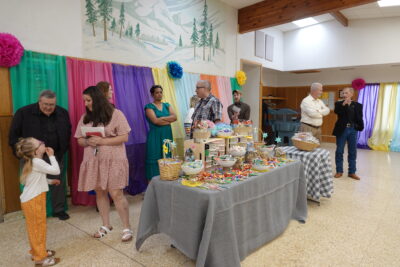
Spring is almost over, and man has it been a busy one at YBGR.
The youth enjoyed the second annual Spring Social Supper on May 12th. This year’s event featured a fantastic meal from Sodexo that the youth got to pre-ordered on RSVP cards; a candy bar full of treats thanks to a generous donor; and whimsical decorations in the dining hall thanks to some wonderful neighbors that wanted to help make the night a hit.
The youth went thrifting at Goodwill to find attire for the event and to take their turn at the photo booth. They also got to practice their social and coping skills in a festive environment and enjoyed the night off from chores as staff and volunteers did all the serving and cleaned up.
On May 26th YA and YBGR celebrated six youths that have overcome a lot in their short lives and earned the honor of graduating high school. Youth were celebrated by their families, staff, and peers in the Chapel and enjoyed a cupcake reception after the ceremony.
The following week was a blur of activity as the kids were getting ready for school break and the annual Spring Fling Clean-up on June 1st. Youth and YA staff have been getting ready for the annual clean-up since late January when they headed into the greenhouse to plant seeds. They nurtured their seedlings to life and learned a lot along the way, from growing in a greenhouse, how to remediate less than ideal soil, not to over or underwater, and patience. Their efforts paid off and the campus is abuzz with happy bees from the seven hives YA has going this year flitting from flower to flower gathering their pollen to make some delicious honey!
2022 Yellowstone Conference: Mind, Body, and Spirit a Holistic Approach
Yellowstone Boys and Girls Ranch is excited to be hosting our sixth annual Yellowstone Conference: Mind, Body, Spirit, and the Holistic Approach being held on our main campus in Billings, MT on Thursday November 3rd. This year’s conference is focused on mind, body, and spirit treatment approaches for Montana youth and families with professional panel discussions on:
- Mind ~Moderator: Juletta Gilge, Director of PRTF. This panel discussion will focus on the crucial role the mind plays in our overall health and wellness, the approaches we take to address and take care of the mind and looking at practical application across a variety of disciplines.
- Body ~Moderator: Lori Hanson, Recreation Therapist. During this panel we will discuss the importance of taking care of your body. In order for our bodies to function at an optimal level we will focus on movement and exercise, as well as, nutrition and sleep. Each of these components play a vital role in our ability to create a healthy body which in turn builds a stronger unity with the mind and spirit.
- Spirit ~Moderator: John Boeder, Director of Pastoral CareSpirituality and Religion can have great impacts on the mental health of individuals through a variety of means. Spirituality can bolster introspection, mindfulness, purpose, and individual growth. Religion can foster community, provide structure and ritual, and offer instruction and teaching to promote growth. Spirituality and Religion often work hand in hand to support mental health and encourage recovery from traumas. They can bring hope and a deeper sense of purpose to individuals in times of stress.
- Collaborating for Outcomes ~ Moderator: Mike Chavers, CEO of YBGR. The Collaborating for Outcomes will focus on how the systems and principles impact youth and families mind, body, and spirit.
Conference Agenda:
Check-in starts 9:00am-9:30am
Welcome 9:30am-9:45am
Mind Panel 9:45am-11:00am
Break 11:00am-11:15am
Body Panel 11:15am-12:30pm
Lunch 12:30pm-1:30pm
Spirit Panel 1:15pm-2:30pm
Break 2:45pm-3:00pm
Collaborating for Outcomes Panel 3:00pm-4:15pm
Keynote Speaker 4:15pm-5:00pm
Registration is open now and the cost of the conference is $25.00 and includes lunch or $50.00 for a virtually ticket. 5.75 CEUs and OPI credits are available upon request. Register at https://www.eventbrite.com/e/the-yellowstone-conference-mind-body-spirit-and-the-holistic-approach-tickets-336790769257.
YBGR Host First Annual Spring Social
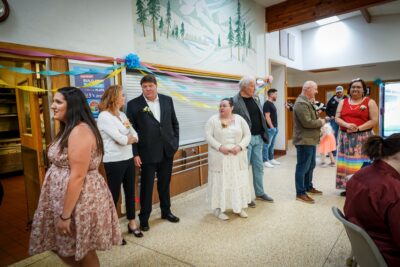
YBGR Host A VIP Train the Trainer Event
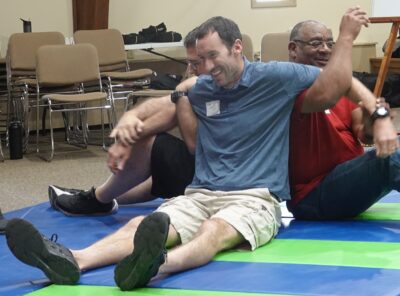
In early August, YBGR hosted over 30 teachers, school resources officers, and community program staffers for a Violence Intervention and Prevention Response (VIP Response) Training class. These attendees became certified trainers in VIP and will be able to train others within their organizations to utilize these de-escalation techniques should a member of the populations they serve become escalated.
“Yellowstone Boys and Girls Ranch has been equipping staff for working with challenging children and their families since 1957. YBGR is now going to make some of this training available to the public through the Learning Cooperative in which YBGR seeks to equip other agencies and professionals with the tools needed to effectively navigate this ever-changing field,” says John Dailey, Trainer at YBGR. “YBGR adopted the VIP Response training model over 7 years ago and has seen great value in the model with a reduction of the need for aggression prevention maneuvers. The individuals in this training will not only be trained in these methodologies and tactics, but also be able to train others within their organizations.”
“One of the great things about the VIP Response program is that it is fully customizable for any organization to adopt the elements that they are needing, be it crisis negation, evasion methods to prevent assault humanely and safely, and, should the situation warrant, prevent someone from causing harm to themselves.” Daily went on to say.
VIP Response’s goal is to provide as much of a hands-off de-escalation approach as necessary by training individuals to identify signs of escalation and intervene before an individual becomes assaultive. Attendees gained a deeper understanding of how, psychologically, humans react the way that they do and how to avoid triggering and escalating the situation to a more violent level.
The training was made possible by a learning cooperative grant from PacificSource and the individuals in attendance are certified trainers for their organizations for the next three years.
Robbie Chapel 50th Celebration
In celebration of the Franklin and Merle Robbie Chapel’s 50th year, a commemorative service will be held in the Chapel on the YBGR campus Sunday, September 12, 2021 at 9:30 AM, followed by a rededication of the Stephen Paul Healing Plaza.
The Spiritual Life Program has been an integral part of the YBGR experience since the Ranch opened in 1957. Christian based in focus, the Ranch SLP’s strives to provide support and guidance to youth of all religions or beliefs.
Who better to explain the importance of weaving Spiritual Life into the very fabric of the Ranch than the Founder, Franklin Robbie? In the October 1962 issue of the Wrangler, Franklin wrote:
“In accepting a boy from a juvenile court, there is nothing in the court order outlining the necessity or importance of religious training, but it becomes part of our moral responsibility to strive to meet all the needs of each boy given into our care. That includes more than providing food, clothing, shelter, education, and recreation. It embraces trying hard to take the place of parents in defining and teaching moral and spiritual values as well. We are keenly aware that ‘man doth not live by bread alone but by every word which proceedeth out of the mouth of God,’ (Matthew 4:4) and we have many encouraging evidences of the value of the religious emphasis included in our daily program at Yellowstone Boys Ranch.”
Much has changed since 1962 (most notably girls being accepted at the Ranch starting in the early 1980’s), but the importance of spiritual wellbeing as an integral part of treatment is more relevant today than ever before. For more information on the celebration, contact Kristi at 406.656.8772 or kristi@yellowstonefoundation.org.
2021 Yellowstone Conference

Yellowstone Boys and Girls Ranch would like to invite you to attend our fifth annual Yellowstone Conference: Resilience In The Face Of Adversity being held on our main campus in Billings, MT on Thursday September 16th. This year’s conference is focused on is focused on adversity, resilience, and change Montana families, providers, and organizations are facing with professional panel discussions on:
- Treatment & Technology
- Family Voice: Engaging Families
- Underserved Voices: Igniting Change
- Collaborating for Outcomes
Registration is open now and the cost of the conference is $25.00 and includes lunch. CEUs and OPI credits are available upon request. Register Here
2020 Yellowstone Conference: New Dimensions of Care
Maintaining safety and health of Yellowstone Boys and Girls Ranch youth, staff, and guests is our top priority. Due to the uncertain circumstances of these times, YBGR has decided to make the 2020 Yellowstone Conference: New Dimensions of Care, a FREE virtual conference experience.
The format of the conference will now be offered in free weekly one-hour Zoom panel discussions starting on September 17th from 12:00pm-1:00pm MST (see schedule below). Each panel will still consist of a moderator, professional panelists, and audience participation discussing the important youth and family issues. CEUs and OPI credits will still be offered for each of the panel discussions (free of charge), 1 CEU or OPI credit per panel discussion.
- Thursday September 17th from 12:00pm-1:00pm MST-Collaborating for Outcomes: Family 1st Act
- Thursday September 24th from 12:00pm-1:00pm MST- The Role of Adolescent Faith & Spirituality
- Thursday October 1st from 12:00pm-1:00pm MST- Looking Beyond Behavior
- Thursday October 8th from 12:00pm-1:00m MST-Youth Voice: Evolution of Care
Each panel discussion registration is setup as an individual Zoom session, so you will need to register for each of them separately. You can sign up for as many as you like and we encourage everyone to come to all four!
Collaborating for Outcomes: Family 1st Act
The Family First Prevention Services Act of 2018 has been touted as an opportunity to “change foster care as we know it”. The Act has several provisions to enhance support services for families to help children remain at home, reduce the unnecessary use of congregate care, and build the capacity of communities to support children and families.
To achieve the promise of Family First, Montana will need to adapt. State agencies will need to adjust and change systems. Private providers, particularly group home providers, will need to alter services and business models to better meet the needs of children and caregivers. Judges, attorneys and other legal partners will be relied upon to make informed decisions about what children and youth need to succeed. Members of the community need to be informed of best practices and engaged in active solutions. In short, successful implementation requires an all-hands-on-deck approach.
Moderated by Michael Chavers, YBGR CEO
Panelists: Jeff Folsom, Dennis Sulser, & Nikki Grossberg
The Role of Adolescent Faith and Spirituality
Spirituality helps people cope with everyday stresses by giving them hope and meaning in life through the values they live out on a daily basis. Looking at the core issues of independence, intimacy and identity is critical in the role of healthy spiritual development. Through questioning what beliefs adolescents will personally own, will help us to understand what values emerge through the formation of healthy spirituality.
Moderated by John Dailey, YBGR Spiritual Director
Panelists to be announced
Looking Beyond Behavior
All behavior is a form of communication. Looking beyond behavior for meaning is an important tool not just for mental-health providers but for communities. Unmet needs continue to echo in problematic behaviors and once you can determine the meaning you can create positive change through support. These concepts are universal in relationships and can be deployed by anyone. In this panel, we will explore the importance of developing communities attuned to the meaning of behavior so that we can all be part of positive change.
Moderated by Tyson Schumacher, YBGR CIO
Panelists to be announced
Youth Voice: Evolution of Care
A panel of former youth who were recipients of mental health services in and out of the state of Montana. We will explore their firsthand experiences in mental health to gather valuable information on past and existing systems of care that affect the lives of children.
Moderated by Rishay Watson, YBGR Executive Director of Business Development and Marketing
Panelists to be announced
Empowered to Connect Free Online Conference

Montana’s Yellowstone Boys and Girls Ranch will be offering free access to Karyn Purvis’ world renowned, Empowered to Connect simulcast.
Empowered to Connect (ETC) is an attachment rich community focused program that exists to support, resource, and educate caregivers. ETC’s resources and trainings are especially helpful for caregivers of children who have experienced adverse childhood experiences (ACEs), toxic stress, and maltreatment. ETC relies heavily on the model of Trust Based Relational Intervention (TBRI®) created by Dr. Karyn Purvis and Dr. David Cross at the TCU Karyn Purvis Institute of Child Development.
Yellowstone Boys and Girls Ranch staff will be on-hand to facilitate discussions throughout the presentations in order to dig deep into how these parenting techniques can be implemented in our daily lives.
| Mondays | Tuesdays | ||
| Class 1 | 27-Apr-20 | 28-Apr-20 | |
| Class 2 | 4-May-20 | 5-May-20 | |
| Class 3 | 11-May-20 | 12-May-20 | |
| Class 4 | 18-May-20 | 19-May-20 | |
| *All viewings begin at 3pm and end by 7:30pm
Click HERE to register for this free event |
|||
3-Day EMDR Intensive Training: Neuroscience, Diagnosis and State of the Art Practices to Treat Complex Trauma 1/8/2020-1/10/2020

Join trauma specialist, author and national trainer, Megan Howard, LCSW, CCTP, for this intensive 3-day EMDR training that will provide you the knowledge and skills needed to use EMDR safely and effectively. Through lecture, live and videotaped EMDR demonstrations, and supervised experiential exercises, this training will provide you with an in-depth knowledge of trauma theory, principles, diagnosis and EMDR treatment.
The stage model remains today’s state-of-the-art treatment approach for all but single-incident trauma. During this training, you will learn the goals of each stage, along with the therapeutic tools to reach those goals.
You must be present for all 3 days of EMDR training to receive the hours of training certificate. CEUs will be emailed by PESI after paperwork has been processed.
Cost is $700.00 per ticket
Schedule:
Wednesday January 8th, 2020
- Registration 7:30am-8:00am
- Training 8:00am-11:50am
- Lunch 11:50am-1:00pm (Lunch on your own)
- Training 1:00pm-4:00pm
Thursday January 9th, 2020
- Training 8:00am-11:50am
- Lunch 11:50am-1:00pm (Lunch on your own)
- Training 1:00pm-4:00pm
Friday January 10th, 2020
- Training 8:00am-11:50am
- Lunch 11:50am-1:00pm (Lunch on your own)
- Training 1:00pm-4:00pm
Program Outline:
Neuroscience of Trauma, Effective Assessment and DSM-5® Diagnostic Criteria
Neuroscience’s Current Trauma Paradigm
Biological nature of trauma
- Triune Brain, The Autonomic Nervous System and the Stress Response
- The Polyvagal Theory
- Traumatic Stress: normal, prolonged, complex and developmental
Specific trauma symptoms
Primary treatment issues in trauma therapy
Trauma’s Somatic and Sensorimotor Sequelae
- Hyperarousal
- Hypoarousal
- Dissociation, body memories and “flashbacks” Affect dysregulation
Trauma and Attachment
The Adverse Childhood Experiences Study (ACE Study)
Attachment Essentials
- Baby/momma trauma
- Insecure Attachment Styles Assessment and Primary Treatment Issues of:
- Avoidant
- Preoccupied
- Disorganized type
Assessment and Diagnosis of Trauma Disorders
Current Trauma Diagnoses:
- Acute Trauma Disorder
- PTSD and subtypes
- Dissociative
- Preschool
- Borderline Personality Disorder (BPD)
Proposed Trauma Diagnoses
- Developmental Trauma Disorder (DTD)
- Complex PTSD
Trauma Treatment: Effective Tools, Treatment Modalities, and an Introduction EMDR
The Stage Model of Treatment
- Assessment, Rapport, Psychoeducation
- Developing the “Skills to Stay Stable”
- Trauma Tools for Affect Regulation
- Recognizing and regulating affect
- Dissociative episodes and “flashbacks”
- Grounding clients in their bodies and back in the present in the here and now
- Mindfulness/bodyfulness (including somatic exercises)
- Multisensory Guided Imagery
- EFT (meridian tapping)
- Reduction of physiological arousal
- Recognizing and up & down regulating arousal levels
- Containment and self-soothing
- Stage One: Stabilization and Safety
Stage Two: Working Through Traumatic Memories
- Brief overview of the theory and applicability of three trauma processing modalities:
- Sensorimotor Psychotherapy (SP)
- Somatic Experiencing (SE)
- EMDR
Practice EMDR for both Resourcing and Trauma Processing
Live EMDR demonstration followed by experiential sessions
Under Supervision, Learn and Safely Practice the Skills of EMDR for Both Phase One and Two
Phase One Work: Imaginal Resourcing
- Containment Imagery
- Comfortable Place Imagery
- Protection Imagery and/or Nurture Imagery
Phase Two Work: Reprocessing Traumatic Memories
Limitations of Research and Potential Risk
- Contraindications and precautions for reprocessing trauma
- Differences in theory and in the associated neurophysiological models are a matter of ongoing discussion
Objectives:
1. Evaluate the biological nature of trauma and how trauma is stored in the body and limbic system, creating physical and psychological symptoms to better understand your clients.
2. Differentiate between sympathetic (activated) freeze response and the parasympathetic (deactivated) dorsal vagal immobilization response your clients experience.
3. Distinguish between the following types of traumatic stress: normal, prolonged, complex and developmental and articulate treatment considerations for each.
4. Ascertain the clinical implications of traumatic stress symptomology, including hyperarousal, affect dysregulation, dissociation, body memories, and flashbacks.
5. Employ effective somatic techniques to reduce/eliminate client’s body memories, “flashbacks” and dissociation.
6. Summarize the landmark study: Adverse Childhood Experiences Study and understand the ten adverse childhood experiences studied as they related to clinical diagnosis and assessment.
7. Evaluate the clinical presentation of the following attachment styles as it relates to your clinical assessment: secure vs insecure; insecure; organized vs insecure disorganized.
8. Designate two different treatment strategies, once attachment style has been ascertained, based on your clients’ attachment style.
9. Demonstrate strategies to help clients build skills to be prepared to process trauma via EMDR, including safety within the therapeutic alliance and skills for self-regulation.
10. Determine when/if your client is prepared to safely process trauma memories via EMDR.
11. Create and employ client-driven imagery for safety and containment during trauma processing.
12. Utilize clinical techniques to help with grounding and centering traumatized clients in-session.
13. Prepare clients with various trauma tools; mindfulness, guided imagery and meridian-based techniques to decrease client’s arousal levels and modulate affect.
14. Analyze and critique the original eight phases of EMDR’s standard protocol (Shapiro) as it relates to clinical treatment.
15. Determine Parnell’s four essential elements of each EMDR session and how it relates to client treatment.
16. Practice under supervision Parnell’s Modified EMDR protocol to prepare for work with your clients in-session.
17. Practice under supervision the skill for resourcing a client with imaginal resources prior to processing traumatic material.
18. Practice under supervision the trauma processing modality and EDMR tools for processing traumatic memories with your clients.
19. Utilize and practice two “cues for safety” with your clients based on Steve Porges’ Polyvagal Theory.
Continuing Education Credits – all 3 days
Addiction Counselors: This course has been approved by PESI, Inc., as a NAADAC Approved Education Provider, for 19.0 CE in the Counseling Services skill group. NAADAC Provider #77553. PESI, Inc. is responsible for all aspects of their programming. Full attendance is required; no partial credit will be awarded for partial attendance.
Counselors: This intermediate activity consists of 19.0 clock hours of continuing education instruction. Credit requirements and approvals vary per state board regulations. Please save the course outline, the certificate of completion you receive from the activity and contact your state board or organization to determine specific filing requirements.
Montana Counselors: The Montana Board of Behavioral Health no longer pre-approves any courses or sponsors. Each licensee is responsible for taking courses which contribute to their competence and directly relate to their scope of practice as defined in board statute (MAR 24-219-32). Licensees must keep CE documentation for three years in case of an audit. This intermediate level activity consists of 19.0 clock hours of instruction.
Marriage & Family Therapists: This activity consists of 1140 minutes of continuing education instruction. Credit requirements and approvals vary per state board regulations. You should save this course outline, the certificate of completion you receive from the activity and contact your state board or organization to determine specific filing requirements.
Montana Marriage & Family Therapists: The Montana Board of Behavioral Health no longer pre-approves any courses or sponsors. Each licensee is responsible for taking courses which contribute to their competence and directly relate to their scope of practice as defined in board statute
(MAR 24-219-32). Licensees must keep CE documentation for three years in case of an audit. This intermediate level activity consists of 19.0 clock hours of instruction.
EMDRIA: This training is not affiliated with EMDRIA and does not qualify towards EMDRIA credits or training.
Nurses, Nurse Practitioners, and Clinical Nurse Specialists: PESI, Inc. is accredited as a provider of continuing nursing education by the American Nurses Credentialing Center’s Commission on Accreditation.
- Nurses in full attendance will earn 19.0 contact hours. Partial contact hours will be awarded for partial attendance.
Psychologists: This live activity consists of 19.0 clock hours of continuing education instruction. Credit requirements and approvals vary per state board regulations. Please save the course outline and the certificate of completion you receive from this live activity. Contact us for more information on your state board or organization specific filing requirements. American Psychological Association credits are not available.
Montana Psychologists: This live activity is designed to meet the criteria requirements of the Montana Board of Psychologists and is a PESI-approved continuing education and qualifies for 1140 instructional minutes. Please save the certificate of completion you receive from this live activity.
Social Workers: PESI, Inc., #1062, is approved to offer social work continuing education by the Association of Social Work Boards (ASWB) Approved Continuing Education (ACE) program. Organizations, not individual courses, are approved as ACE providers. State and provincial regulatory boards have the final authority to determine whether an individual course may be accepted for continuing education credit. PESI, Inc. maintains responsibility for this course. ACE provider approval period: January 27, 2017 – January 27, 2020. Social Workers completing this course receive 19.0 Clinical Practice continuing education credits. Course Level: Intermediate. Full attendance is required; no partial credits will be offered for partial attendance. A certificate of attendance will be awarded at the end of the program to social workers who complete the program evaluation.
Montana Social Workers: The Montana Board of Behavioral Health no longer pre-approves any courses or sponsors. Each licensee is responsible for taking courses which contribute to their competence and directly relate to their scope of practice as defined in board statute (MAR 24-219-32). Licensees must keep CE documentation for three years in case of an audit. This intermediate level activity consists of 19.0 clock hours of instruction.
Other Professions: This activity qualifies for 1140 minutes of instructional content as required by many national, state and local licensing boards and professional organizations. Save your course outline and certificate of completion, and contact your own board or organization for specific requirements.
Speaker Megan Howard, LCSW, CCTP was trained on the use of EMDR as a treatment protocol through EMDRIA and uses EMDR in her practice to achieve improved outcomes with a broad spectrum of clients in the areas of trauma, abuse, and substance abuse.
She is certified as a Clinical Trauma Professional through the International Association of Trauma Professionals and currently owns and operates one of the largest treatment centers for substance abuse and trauma in the state of Idaho.
She has been invited to train internationally at the International Society of Addiction Medicine in India and at the International Conference on Addiction Research and Therapy in Amsterdam.
Ms. Howard earned her Masters in Clinical Social Work from Northwest Nazarene University and is a member of EMDRIA and the International Society of Addiction Medicine..
Speaker Disclosures:
Financial: Megan Howard is the owner of Addiction and Trauma Recovery Services. She receives a speaking honorarium from PESI, Inc.
Non-financial: Megan Howard has no relevant non-financial relationship to disclose.
YBGR Economic Impact Report

Recently, YBGR, through a generous grant from NorthWestern Energy, YBGR partnered with Circle Analytics to complete an Economic Impact Report. Through this partnership, we did a “deep-dive” into the benefits of YBGR: what we not only do for kids and families, but also how much of a difference we make economically to our stakeholders (you).
Circle Analytics prepared hundreds of these reports for state agencies, cities, counties, economic development districts, as well as private and nonprofit entities across the country. Social impacts recognize the greater extended value of the program to society – dollars expended vs. dollars saved.
Circle Analytics found that for every dollar spent at YBGR, there is a return of $13.90 through long-term savings to society, jobs, capital investment and indirect business taxes.
Full Report
The 2019 Yellowstone Conference: Communities in Crisis
 The 2019 Yellowstone Conference: Communities in Crisis is focused one identifying and deciphering current crises that Montana communities are facing with professional panel discussions on:
- Rural Montana
- Montana Cities
- Indigenous Communities
- Collaborating for Community Outcomes
Montana communities face an array of challenges including domestic violence, homelessness, drug use, sex trafficking, incarcerated parents, limited education, access to metal health providers, and a flood of children entering the foster care system. These challenges directly contribute to the generational cycle of abuse, and the trauma that families endure, and in turn create communities in crisis. Panelists for Rural Montana, Montana Cities, Indigenous Communities, and Collaborating for Community Outcomes will address these issues, provide education, feedback, and resources for Montana families and community members.
Date: Thursday September 19th, 2019
Time: 9am-5pm
Place: The Franklin Robbie Chapel, located on YBGR’s main campus at 1732 South 72nd Street West, Billings, MT 59106
Cost of attendance: $25.00, includes lunch and refreshments
CEUs and OPI credits are available upon request
Click to Register
Keynote Speaker:
Greg Upham, Billings Public Schools Superintendent. Greg has been a professional educator for over thirty years. His career began as a teacher and coach in Browning and Belt, Montana. He joined the Helena School District in 1992. He began his administrative career as an Assistant Principal at Capital High School, followed by six years as the Principal of Helena High School. He recently served as the Assistant Superintendent of Helena Public Schools until July 2018, and is now serving as the Superintendent of Billings Public Schools.
Mr. Upham earned his undergraduate degree in Industrial Technology from the University of Montana Western, Dillon. He received his Master’s degree in Educational Leadership from the University of Montana, Missoula.
He is the past chair of the Montana ACT Council and also served as its past president. He has presented both statewide and nationally on the process of data-based decision-making, the importance of ACT course patterning, and the effectiveness of Professional Learning Communities. Greg plays an active role in the community. He has served on the Lewis and Clark Foster Care Review Board and the Wakina Learning Center Board. Greg is a member of Rotary, is on the Yellowstone Boys and Girls Club Board, has conducted Ruby Paine poverty trainings, and serves as a sports broadcaster. He is a passionate and visible figure throughout the community.
Rural Montana Panel Discussion: There are 9 states in the US that have formed rural development committees, Montana is not one of them. Montana rural communities share common challenges of other state rural communities in regard to healthcare, economic development, infrastructure, and educational resources. The Yellowstone Conference: Communities in Crisis Rural Montana panel will address rural Montana’s particular challenges in meeting the mental health needs of at risk children.
Confirmed Panelists:
Sydney Blair, LCSW, MHP, is the Chief Operating Officer for the Center for Mental Health, a regional community mental health center for children and adults ranging from age 2 to end of life. Sydney has served in the role of CEO for the last eight years. Her career began in human services in 1983 after receiving a bachelor in science from Montana State University in Sociology and Criminology. Since that time, Sydney’s has worked in a variety of settings and positions to include the Veterans Administration, In-patient addictions, Department of Corrections, schools, and the Clinical Director for the Center. Sydney received her master’s from Colorado State University in 1990, and was licensed as a Clinical Social Worker in 1994.
Sydney presently serves on several boards; Behavioral Health of Montana (BHAM), Behavioral Health Advisory Council (BHAC), Crisis Intervention Training of Montana (CIT-MT) and served on the Governor’s Council for Healthcare Innovation and Reform. Sydney also serves on numerous steering committees to include the Integrated Behavioral Health Steering committee, the Cascade County Community Health Improvement Plan (CHIP) committee and is an active member of Rotary International.
Karl Rosston, MA, is the Suicide Prevention Coordinator for the Montana Department of Public Health and Human Services. He provides evidenced-based programs to all Montana secondary schools, implements the State Suicide Prevention Plan, supports the Montana Suicide Prevention Lifeline, implements firearm safety programs and statewide media campaigns, provides suicide prevention trainings, and coordinates suicide prevention efforts around the state. Karl is adjunct faculty at the Montana Law Enforcement Academy and a nationally certified trainer in QPR and Mental Health First Aid.
Previously, Karl was the Director of Social Services at Shodair Children’s Hospital in Helena. Before returning to Montana, he was on the faculty of the University of Colorado, School of Medicine, and a clinical consultant with the Colorado Division of Youth Corrections.
He is a licensed clinical social worker who maintains a small private practice in Helena. He received his Master’s in Social Work from the University of Denver and his Bachelor’s in Psychology from the University of Montana.
Gary Adams, Director of Farm and Ranch Operations for Yellowstone Boys and Girls Ranch.
Michael Faust, ED, Western MT Health Center
Montana Cities Panel Discussion: Montana cities face an array of challenges including domestic violence, homelessness, drug use, sex trafficking, incarcerated parents, limited education, and a flood of children entering the foster care system. These challenges directly contribute to the generational cycle of abuse, and the trauma that families endure, and in turn create communities in crisis. The panelists for this topic will address these issues, provide education, feedback, and resources for Montana families.
Moderator: Elizabeth Campoy, Supervisor for the IPS Supported Employment Program at YBGR. Elizabeth is passionate about the work she does with youth to teach them how to obtain and maintain employment, how to use soft skills, and to self-advocate. She promotes the importance of being independent, self-sufficient, and healthy in order for youth to break the cycle of poverty and abuse. She strongly believes in YBGR’s mission of Caring People, Preparing Youth for Life.
Panelists:
Stacy Zinn, Regional Agent in Charge (RAC) for the Drug Enforcement Agency. Stacy joined the DEA in 2001. She served in duty stations as a Special Agent include: El Paso, Texas, Afghanistan, and Peru. In 2014, RAC Zinn was promoted to Group Supervisor for the TDS located in Billings. In late 2018, she was promoted to the RAC position which covers the entire state of Montana. RAC Zinn holds a Master’s Degree and previously was a body guard within the private sector.
Holly Mook is the Coordinated School Health Unit Director with the MT Office of Public Instruction. Holly has dedicated most of her career to working with youth and their families. She facilitated an Adolescent Intensive Outpatient Substance Use Treatment program for a community provider in Helena, worked as a Project Success Counselor for the Helena School District, and as a Medicaid Waiver Program Manager. In August of 2016, Holly transitioned to her current role with the Montana Office of Public Instruction as the State Coordinator for MT SOARS, a systems-change, collaborative, and community-based effort in partnership with the Browning, Butte, and Kalispell school districts. The initiative was made possible by the five-year Project AWARE funding through the Substance Abuse and Mental Health Services Administration (SAMHSA). In September of 2018, Holly additionally became the Title IV A SSAE Program Managers and helps schools to run programs under the following three categories; Safe and Healthy Students, Well-Rounded Education, and Effective Use of Technology. Under the State of MT’s Every Student Succeeds Act (ESSA) plan, Holly is focusing on legislatively mandated priorities for MT schools, including bullying prevention, suicide prevention, school emergency planning, and sex trafficking prevention.
Holly Mook is the Coordinated School Health Unit Director with the MT Office of Public Instruction. Holly has dedicated most of her career to working with youth and their families. She facilitated an Adolescent Intensive Outpatient Substance Use Treatment program for a community provider in Helena, worked as a Project Success Counselor for the Helena School District, and as a Medicaid Waiver Program Manager.
Ben McKee is the Development Director for CASA of Yellowstone County. After relocating from the Philadelphia area he worked at Yellowstone Boys and Girls Ranch from 2013 to 2016, first as a Mental Health Worker and subsequently a Program Manager. Ben has a Bachelor of Science in Psychology from Pennsylvania State University where he also worked in mental health research.
Penny Ronning. Penny’s commitment to human rights, the arts, social justice, and protecting wildlife habitat is reflected in more than 30 years of professional and volunteer service. She is co-founder/co-chair of the Yellowstone County Area Human Trafficking Task Force and, in 2017, Penny was elected to a 4-year term on Billings City Council. Penny is a filmmaker and photographer; earned a Bachelor of Arts degree in Film, a Master’s Degree in Business Administration, and enjoyed law school.
Indigenous Communities Discussion Panel: The state of Montana is home to seven reservations which encompass twelve tribes. A common theme among tribes are the many ways in which these populations suffer. Currently, there is an astonishing number of missing and murdered indigenous women which is correlated to a chronic alcohol and substance abuse problem as well as domestic violence. These problems start at a very young age for most with a lack of adequate housing, access to clean water, educational opportunities, and inequality in schools with non-indigenous students. Over time, these situations lead to severe mental illness and eventually an extremely high suicide rate among all age groups.
Confirmed Panelists:
Reno Charette. Ms. Charette currently serves the American Indian Higher Education Consortium (AIHEC) as the Project Director for the Aseto’ne Networking Project (ANP). AIHEC serves 37 tribal college/universities encompassing 20,000 students. The Aseto’ne Networking Project is funded by NIH and seeks to inspire tribal college students to pursue a biomedical career in research.
Ms. Charette holds a Master of Arts degree in History with a specialty in the American West supported by a Bachelor’s degree in Liberal Studies with an emphasis in Native American Studies. Ms. Charette is a member of the Ties In the Bundle clan of the Crow Nation and a descendent of the Turtle Mountain Chippewa. She was raised on the Northern Cheyenne Reservation.
Ms. Charette has eleven years of experience in teaching Native American Studies and serving as the Native American Achievement Center Director at MSUB. Former positions she has held include the Coordinator of Indian Affairs Governor for Brian Schweitzer’s administration, Project Director for the Big Horn Teacher Projects at MSUB, Program Assistant for the Circles of Care project at In-Care Network, Project Coordinator for the Health Careers Opportunity Program in the School of Pharmacy at the University of Montana as well as an academic advisor for the Educational Opportunity Program at UM.
Ms. Charette has served on many boards in the Billings community, but currently serves on the Native American Coalition, the Billings Urban Indian Health and Wellness board, and volunteers for the Billings Urban Indian Crafters that teach powwow dancing and making powwow regalia.
Above all, her most important contribution to the world is that she is a mother of six children and grandmother of eleven.
Jennifer Smith, Executive Director of Indian Education for Billings Public Schools. She is also the SOS Signs of Suicide Program Coordinator and Title III English Language Coordinator for the school district. She is the chair for OPI’s Montana Advisory Council on Indian Education, and a board member for both Rimrock Foundation and CASA of Yellowstone County. Jennifer is a member of the DPHHS Foster Care Review Committee, Youth Court Placement Committee, Yellowstone County School and Student Safety Committee, and Centennial Youth Fund committee. Jennifer has a BS degree in psychology/sociology from Wesleyan University, an MA in Early Childhood Education from MSUB, and K-12 principal and superintendent endorsement through MSU Bozeman. She is an enrolled member of the Eastern Band Cherokee tribe and a descendant of the Turtle Mountain Band Chippewa tribe.
Kathleen Little Leaf, MSW, LAC, the Behavioral Health Coordinator at Billings Urban Indian Health and Wellness Center and is an enrolled tribal member from the Blackfoot/Blackfeet tribes. Kathleen has worked within Indian Health Services providing Mental Health and Addiction Treatment, Prevention, and Recovery with cultural interventions for over a decade. Her work history includes Domestic Violence advocacy through the YWCA. She is a Mental Health therapist and providing Co-occurring therapy and case management. Kathleen has experience working within Jail Diversion and implemented Jail Diversion Cultural Recovery Programming to Native American inmates and research in Missoula County.
Jami Pluff, has been a Policy Analyst for the Confederated Salish and Kootenai Tribes (CSKT) for the past 13 years . Prior to that she served on the Tribal Council for 8 years from 1998 until 2006. In her current position- she gets assigned various tasks. She also gets assigned Special Projects, which is where she began researching and advocating on the Missing and Murdered Indigenous Women issue. The CSKT Tribal Council passed a resolution to form a workgroup and create an action plan on the education and awareness of MMIW in our communities.
John Old Elk, Western Native Voice
Collaborating For Community Outcomes Panel Discussion: The panel on Collaborating for Community Outcomes will focus on government and provider relations and how they impact youth and families.
Confirmed Panelists:
Sheila Hogan was appointed in December 2016 by Governor Steve Bullock to be the Director of the Montana Department of Public Health and Human Services (DPHHS). She has been a champion for the thousands of Montanans this agency serves through her work in public service for over 30 years and is thrilled to begin her tenure at DPHHS.
Prior to her recent appointment, she served as the Director of the state’s Department of Administration for four years, with a focus of strategic health care initiatives, customer service, and streamlining government processes to better serve Montana communities.
She led a multi-pronged initiative in the state healthcare plan that saved the state and taxpayers more than $30 million. She led staff in a top-to-bottom review of the state health plan, resulting in the streamlining of services, saving taxpayer money, and increasing government efficiency.
Director Hogan led new efforts to help Montana businesses do business with the state, including: the creation of “Procurement Forecasts” of upcoming bid opportunities for Montana businesses, instituting procurement workshops across the state, serving more than 100 businesses as they learn best practices for submitting successful bids; establishing an online submission program that streamlines the submission process and cuts down on red tape; and creating of a pre-qualified pool of businesses and vendors, which creates greater efficiency in obtaining contracts.
She ensured that veterans and national guardsman had access to Employee Assistance Programs. She instituted training for more than 1,400 individuals through the Confront the Stigma suicide prevention campaign, and made government more accessible to citizens by establishing a free shuttle during the legislative session through a partnership with local government.
Through this work and leadership, Sheila has led innovative change initiatives, motivated teams, cut costs, and empowered employees through strategic thinking, planning, and management. She has directed multi-funded, multi-divisional, multi-disciplinary organizations utilizing performance management techniques and standards and maintaining goal-oriented approaches to effectuate positive change. She specializes in formulating effective, versatile and efficient solutions while maintaining focus and persistence to initiate and implement meaningful change.
Meghan Peel is the Bureau Chief for the Montana Children’s Mental Health Bureau, since May of 2018. Previously, Meghan was the Program Manager for Montana’s Medicaid Expansion and CHIP Programs within the Department of Public Health and Human Services. In this role, Meghan served as the liaison between the Department and its Third Party Administrator. Additionally, Meghan has managed several 1115 demonstration waivers, including Montana’s Medicaid Expansion demonstration waiver. Before joining Montana Medicaid, Meghan worked as an auditor for Ernst & Young in the Bay Area of California. Meghan received a B.S. in Business and holds a Master’s of Professional Accountancy, both from Montana State University. She lives in Helena, Montana with her husband and two sons.
Jeff Folsom is the President of Folsom Strategies, LLC and the Director of Policy and Special Projects at the Center for Children and Families and Workforce Development at the University of Montana. Jeff’s has leadership experience in all facets of behavioral health delivery systems spanning the past 35 years. Foundational experiences include providing direct care services in a variety of treatment settings, moving from front line into clinical, supervisory and ultimately executive management. Jeff’s dual qualifications in both law and clinical social work foster leadership in running programs and advocating with the state legislature and governmental agencies. Jeff is recognized for his solution focused approach to his work and his leadership role in shaping state policies and regulations to reduce systemic barriers to delivering behavioral health care, improving access and promoting the quality of care for Montana’s children and families.
Mary Windecker, is the executive director of Behavioral Health Alliance of Montana, an advocacy group representing addiction, mental health and tribal behavioral health organizations. She has 30 years of experience in strategic planning, business development, advocacy, patient satisfaction, marketing and outreach, primarily in nonprofit health care in Montana.
Mary is very involved in her community. She has volunteered in leadership positions with the YMCA, Rotary, Big Brothers Big Sisters, United Way, Missoula Writing Collaborative and served as the board chair for the Missoula Chamber of Commerce in the 2015-16 fiscal year.
Real Ranch Horse Sale April 19th & 20th

YBGR Foster Care Awareness 5K

Yellowstone Public Radio-Youth Advocates Team Up On Pilot Program
Youth Advocates Team Up On Pilot Program

Three youth advocacy groups in Yellowstone County are pooling their resources.
Tumbleweed, the Boys and Girls Clubs of Yellowstone County, and the Yellowstone Boys and Girls Ranch are in the first few months of a pilot program.
They’re helping connect children with adults best suited to their needs. Ideally, the adult will help guide the child over an extended period of time, or however long is necessary.
Erika Willis is the executive director of Tumbleweed, a non-profit that helps homeless or otherwise at-risk youth. She said one goal is to provide kids with someone they feel comfortable turning to.
“Because they’ve developed that relationship, and they start to know my tummy feels weird or I had a weird day, and I know I can talk to someone about this and take the pressure off,” said Willis.
Willis said, in a situation like that, the child could come to an adult to get to the root problem early, instead of adults having to step in when they notice poor grades or missed classes.
“That’s another example of let’s get in front of this before it blows up,” she said.
One central goal is to help the three organizations combine resources and manpower. Brian Dennis is President of the Boys and Girls Club of Yellowstone County.
“This is the three of us putting everybody in the room together to try and figure out how we best utilize each other’s skillset,” said Dennis.
At this point, the three non-profits are working with the Boys and Girls Clubs students at the Lockwood Schools campus with funds from the Montana Healthcare Foundation.
SMART Training


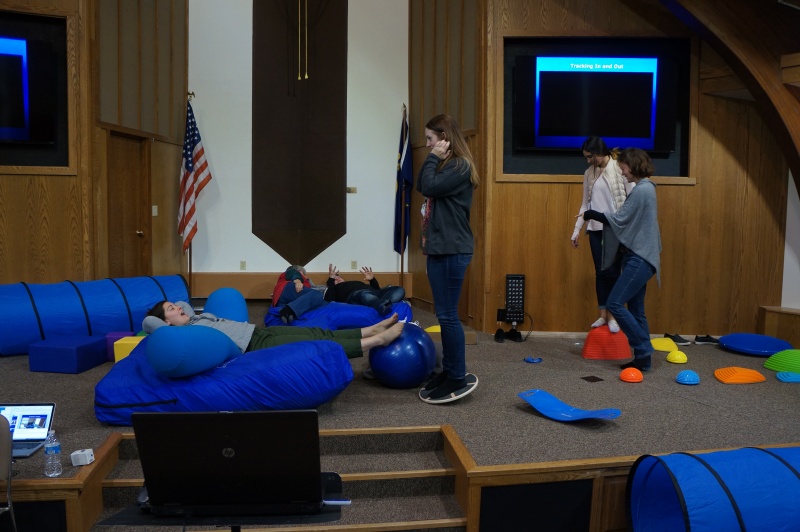
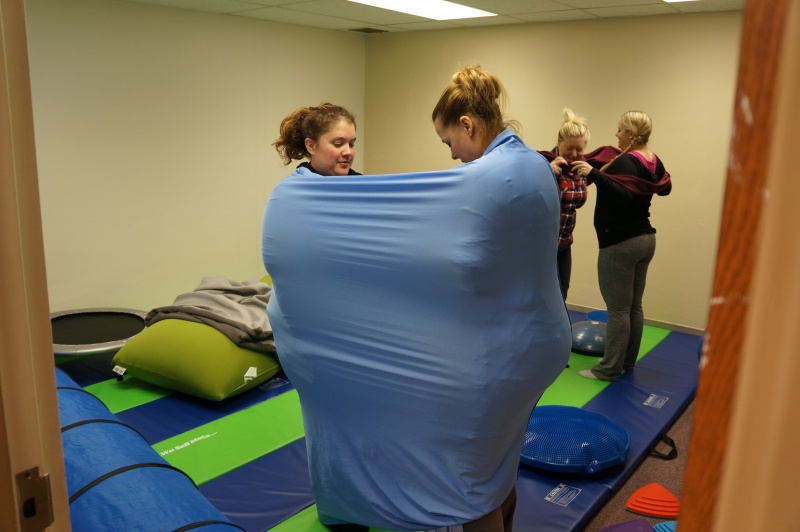
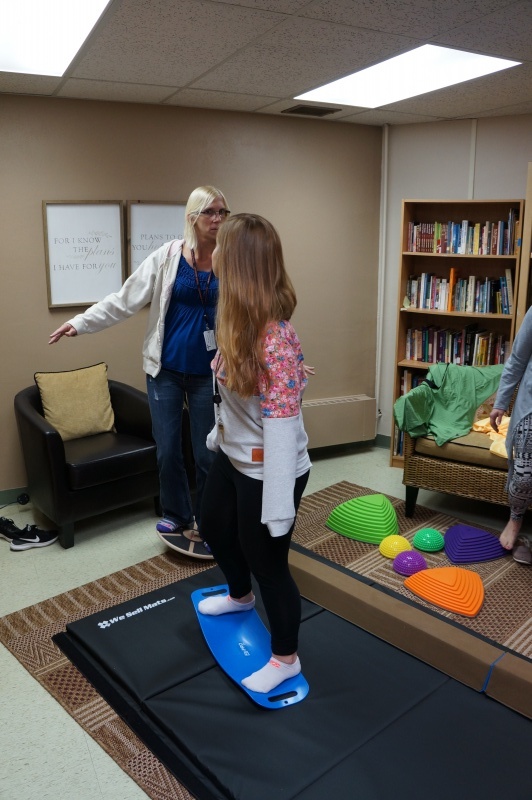

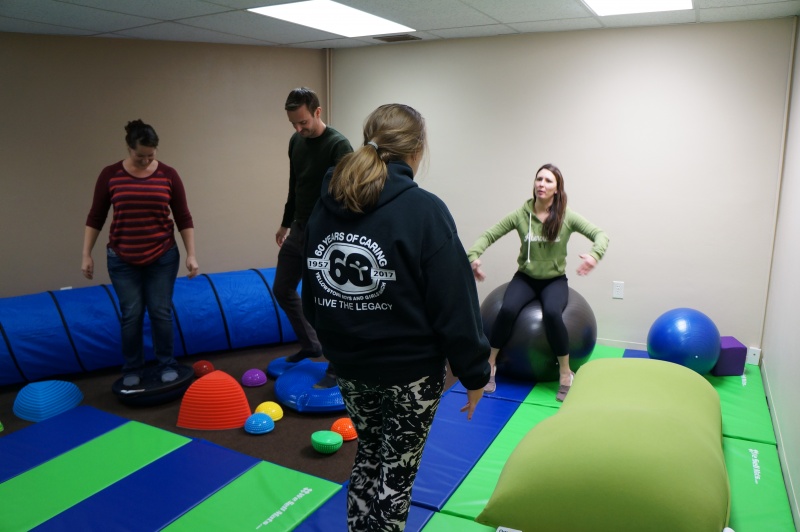


Sensory Motor Arousal Regulation Treatment (SMART):
Starting at a young age, children learn to process their world through their senses. They learn to regulate their emotions not only through their senses but their relationships and connections to those around them, most importantly their caregiver. At YBGR we utilize a variety of evidenced-based treatment approaches for children that focus on changing their negative thought patterns, emotions and behaviors. As an agency working towards more trauma-informed care practices, we recognize the need to meet the children and families where they are at. Through the Sensory Motor Arousal Regulation Treatment (SMART), we now have the opportunity to truly meet children and their families where they are at in their treatment. SMART was designed using a variety of treatment and therapy expertise including: trauma-focused psychotherapy, sensorimotor psychotherapy, sensory integration, play therapy, attachment and family therapy, developmental psychology and human development. Clinicians using SMART work with the child (and hopefully the caregiver) to nurture healing and growth. This model offers flexibility to be implemented as individual therapy, caregiver-child therapy or parent psychoeducation/coaching.
This modality can be used to treat somatic problems, emotional dysregulation, posttraumatic stress disorder, behavioral disorders, mood and anxiety disorders that are based in a history of trauma. Through a very generous donation, YBGR was able to have Elizabeth Warner, Psy.D. and Heather Finn, LICSW from SMARTmoves (www.smartmovespartners.com) come and train our staff over the course of three days. YBGR was able to train not only the clinicians throughout our organization in the SMART model, but also have some non-clinical staff (school-based behavior specialists, care coordinators, program managers, and mental health workers) trained on how they can help support the therapists in their work with the clients and families. In an effort to further collaborate with outside providers, five Billings Clinic Staff (4 therapists and 1 psychiatrist) joined the training as well.
During the first two days of training, clinicians spent much of their time learning the philosophy and application behind the model as well as learning about the equipment. Best of all, they got to test all of the equipment to see what it did and various ways to incorporate it into their work with children and families. At YBGR we work with many clients who have experienced multiple traumatic events, often severe and pervasive in nature. Through this unique model clinicians learned just how to work with the children in a specially designed room to help facilitate emotional and behavioral regulation. The room is exclusively designed for this purpose, children can playfully use big pillows, weighted blankets, balance beams, and other equipment that allows for full engagement of their brain and body. There has been research to show the generational impact of trauma; meaning that parents who experience trauma will inevitability pass down the trauma to their children. Countless studies exist and research regarding the Adverse Childhood Experiences and the generational impact. For the caregivers who are involved in the treatment of their child, the strategies taught to their child often are useful for them personally as well. Clinicians can also meet privately with the caregiver to offer some guidance to help coach their child.
It’s YBGR’s effort to help not only the child but the whole family to help continue the growth within the family and ultimately within the community.
Raised In The West Fall 2018 Issue

August 16-18, 2018 – Billings, Montana – Eagala Skillsets Intensive Training

Billings, Montana – Eagala Skillsets Intensive Training
Thursday, August 16, 2018 – Saturday, August 18, 2018
The Eagala Model Skillsets Intensive training involves classroom and interactive, hands-on experiences to deepen, refine and build upon the knowledge and experience gained in the Fundamentals of Eagala Model Practice training.
Prerequisites:
- Currently Eagala Certified
- Completed at least 20 hours of Eagala Model work with clients
8:30 am – 4:30 pm daily (We end at 3:00 pm on day three.) Lunches will be provided.
This training is limited to those 18 years of age or older. No personal pets are allowed on the premises of the facility.
We offer a 100% refund up to three weeks prior to the training. After that, refunds are available minus a $200 administrative fee per person. Discounts are available for groups, students, and military.
Event Objectives
- Thinking on feet and going with the flow of the horses and clients’ stories
- Taking processing to a deeper level with SPUD’S – Correlating SPUD’S
- Choosing verbal interventions and focusing on non-verbal interventions
- Metaphor, externalization, and working through the symbolic space
Click here for logistical information
To learn more about Eagala Certification please click here
The Yellowstone Conference: Lighting The Way-Systems & Solutions

Join Yellowstone Boys and Girls Ranch for our annual Montana youth centered conference with professional panel discussions on systems and solutions for Montana’s youth.
Thursday August 2, 2018 from 9:00 a.m. to 5:00 p.m. at the Franklin & Merle Robbie Chapel, located on YBGR’s main campus at 1732 S. 72nd St. W, Billings, MT 59106
Lunch will be provided
9:00 a.m. – 9:30 a.m. Registration
9:30 a.m. – 9:45 a.m. Welcome
9:45 a.m. – 11:00 a.m. Montana Foster Care Panel
11:00 a.m. – 11:15 a.m. Break
11:15 a.m. – 12:30 p.m. Trauma Informer Care Panel
12:30 p.m. – 1:30 p.m. Lunch
1:30 p.m. – 2:45 p.m. Overcoming Obstacles Panel
2:45 p.m. – 3:00 p.m. Break
3:00 p.m. – 4:15 p.m. Collaborating for Outcomes
4:15 p.m. – 5:00 p.m. Keynote Speakers
Register Today!
Montana Foster Care Discussion Panel:
The panel on Montana Foster Care will focus on the causes and solutions for children, families, government and providers.
Moderator: Charise Lemelin, is the Regional Clinical Director for YBGR Community Based Services. Charise joined the YBGR family in 2000 and has served in a number of capacities over the years. She has been in the Clinical Director position for the past 4 years. Charise earned her Bachelor’s degree in psychology from Montana State University Billings and her Master’s degree in social work from Eastern Washington University. Charise is a Montana native and enjoys working in YBGR’s rural satellite programs, especially Therapeutic Foster Care. She is actively involved in her home community of Dillon where she is a part of the local ACES Task Force and a Board Member of the CASA program.
Panelists:
Steve Bryan, Co-Founder/Executive Director Child Bridge. Steve is the Executive Director of Child Bridge, a faith-based non-profit that finds and equips foster and adoptive families for Montana children in need.
Steve and his wife Mary founded Child Bridge in late 2010 when they became aware of the severe shortage of foster homes and a lack of supports and resources to help families care for childhood victims of trauma. Child Bridge now serves families caring for children in foster or adoptive care in 22 counties across the state from Child Bridge hubs in the Flathead, Missoula, Great Falls, Bozeman and Billings.
Steve and Mary have been foster parents, and understand the issues children “from hard places” face. Steve’s faith is a foremost priority in his life and he brings that focus to his work with children, families, churches, pastors and other child welfare providers daily.
He is a seasoned professional with over 40 years of proven experience in entrepreneurship and small business executive management skills. Steve attended Montana State University and served in the U.S. Army Reserve Special Forces Unit. He was honorably discharged and received the Medal of Valor.
Steve and Mary are parents of two daughters and grandparents of two young boys. They have been foster parents to a teenage boy (now 22), who they have an ongoing relationship with, as well as his biological parents. Their foster son is now married, recently had a baby boy, and named Steve and Mary as grandparents to his son.
Tricia Hergett, CASA, is the Program Administrator for CASA of Yellowstone County. Tricia has been with CASA for 5 years and provides program coordination to all staff and CASA volunteers advocates. Additionally, she acts as the staff liaison with the Department of Child and Family Services and she works with all stakeholders to create the priority list of cases for CASAs to take and monitors hearings for cases on the priority list as they wait for CASAs to be assigned. Tricia previously worked at RiverStone Health as an Assistant to the Vice President, Medicaid Health Improvement Program Administration and the Yellowstone County Registrar. She is currently completing her Bachelor of Arts in Sociology at ASU.
Keisha Gilbert (YBGR Therapeutic Foster parent) I have been married for 16 years and have 4 children including 3 biological children and 1 foster love. Their ages are 15, 13, 7, and 5. My Christian faith and my family are the highlights of my life. I have a degree in child development and education. I have been working with children for 16 years in various capacities including childcare centers, preschool, public school, church ministry, parenting, fostering, and private school. I currently teach 1st through 8th grade in a small private school and tutor high school students. My husband and I have been therapeutic foster parents with YBGR for about a year and a half. Coming from a hard place myself, I truly seek to help children from hard places. My mission is to give every child in my path real hope for the future, to share my story of resilience and healing that it might encourage others on that same journey.
Lori Ketchum, ISU-CPS, I was born and raised in Montana in a rural community west of Billings. I have lived in Billings the past 18 years and have been with Child & Family Services for 6 ½ years. I currently work in the Intensive Services Unit, ISU, as a Child Protection Specialist primarily working with older children the Department has Permanent Legal Custody of. These children are usually placed in congregate care settings requiring intensive supports to aid in their successful transition into permanent and stable placements. The ISU utilizes an intensive engagement model to provide youth in congregate care facilities services to expedite transitions into lower levels of care and move the youth successfully to permanency. My main goal is to find adoptive homes willing to care for these children who have been in care for an extensive amount of time. I attempt to think outside the box and explore previous relationships youth have had or attempt to find appropriate family members.
Christine Ellerbee, is a a Child Protection Specialist.
Trauma Informed Care Discussion Panel:
The panel on Trauma Informed Care will focus on moving beyond theory to practice.
Moderator: Dr. Taylor Mayer, PhD, LCPC – Executive Director of Psychiatric Residential Operations at YBGR. Dr. Mayer first joined YBGR in 1993 as a Mental Health Worker, he returned in the role of Executive Director of Psychiatric Residential Operations in 2017. He is licensed as a Professional Counselor in Montana and Wyoming, and is a Diplomat of the American Psychotherapy Association.
Panelists:
Susan Frew, LCPC, LMFT – Clinical Director at YBGR Community Based Services. Susan Frew joined YBGR in June 2010. She began as a therapist in our residential program and later joined Community Based Services (CBS), serving as a therapist, Clinical Supervisor and now serves as the Clinical Director at CBS. Susan became a trauma-informed care trainer in the community and has presented within schools to help offer further understanding/guidance on what it means to be trauma-informed. She has recently been certified through the ChildTrauma Academy to complete the Neurosequential Model of Therapeutics (NMT). The NMT approach helps to integrate core principles of neurodevelopment and traumatology to help inform the work with children/families/communities. Susan holds a Bachelor of Science in Human Development from Mercyhurst University and a Master of Science in Marriage & Family Therapy from Virginia Polytechnic Institute & State University. She is licensed as a Professional Counselor and Marriage & Family Therapist in Montana, and she is a Clinical Fellow of the American Association for Marriage & Family Therapy.
Erica Schuppe is the owner and occupational therapy lead at Wild Roots Therapy, PC. When not at work she is also a busy mom to three, wife, and a yoga, gardening, and camping enthusiast. Erica has been an occupational therapist for 15 years and in private practice for more than half of that time. Erica started her career working in the rural schools and has served Montana districts from Colstrip, to Broadview, Red Lodge, and all the miles in between. She received her Bachelor’s Degree in Health Sciences from the University of Wyoming and her Master’s in Occupational Therapy from Pacific University in Forest Grove, OR.
Erica’s clinical expertise is in the evaluation and treatment of children from babies to teens with various developmental disabilities including autism, sensory processing disorders and neurodevelopmental differences from childhood trauma.
Jim FitzGerald, CEO Intermountain. Jim joined Intermountain in 1978, working as a cottage counselor in the residential services program. Prior to becoming Chief Executive Officer in 2001, Jim was Director of Operations, working in all facets of program development, training, policy, and finance.
Throughout his career, Jim has focused the agency upon strengthening families and improving society’s ability to provide prevention, protection, treatment and permanency for all vulnerable youth. A dedicated leader in youth advocacy, he has played a vital role in the state and national forum of child welfare, mental health, and public policy. Working with a dynamic Board and staff, he is responsible for guiding the vision and mission of Intermountain, and transforming Intermountain into a nationally recognized children’s mental health agency.
Jim is also the CEO of ChildWise Institute, a Montana not-for-profit 501c (3) organization established by Intermountain. The mission of ChildWise is to elevate the well-being of vulnerable children through advancing awareness, accelerating knowledge, and advocating for positive societal change. ChildWise has garnered attention across the State of Montana and at the national level.
Jim holds a Bachelor’s Degree in Psychology from the University of California, a Master’s Degree in Public Administration and a Master’s Degree in Social Work from the University of Montana.
Angela Freyenhagen I have been a business woman in the BILLINGS community since 2006 working in Hotels, medical Field, staffing and Real Estate. I was very active in different nonprofit organizations and served as a board member on Head Start and Make a Wish Foundation, SHRM. I served as a committee member for Habitat for Humanity, Special Olympics and Big Sky Economic Development workforce program.
I am a survivor of abuse, sexual assault, drugs, alcohol, domestic violence and cancer. My life at an early age was affected by sexual abuse by family member and older teens in the neighborhood. At the age of 22 I was abducted, held hostage and raped and left for dead. I then turned to drugs and alcohol and ended up in a very domesticated violent relationship. I believe in the restorative power of God, counseling and treatment programs and have been able to live a life of sobriety, happiness and joy beyond my wildest dreams.
Tara French, is a juvenile probation officer for the Yellowstone County Court Services.
Overcoming Obstacles:
The panel on Overcoming Obstacles will focus on the barriers to positive outcomes from drop-out, homelessness, delinquency and chemical dependency issues.
Moderator: Kim Chouinard, M.Ed. – Executive Director of YBGR Community Based Services. Kim Chouinard joined the Ranch team in 2004. She began as a mental health worker in our residential lodges and in 2006 joined our Community Based Services (CBS) team. Chouinard holds a Bachelor of Science degree in psychology and a master’s degree in education from Montana State University Billings. She has been serving in the mental health field since 2002. As the Executive Director of CBS, her areas of oversight include school based services, home support services, therapeutic foster care, case management, supported employment, outpatient therapy, therapeutic youth mentoring, and chemical dependency. She has a passion for children’s mental health and bringing awareness to our communities.
Panelists:
Erika Willis, M.S. joined Tumbleweed in October of 2016 as the Executive Director. Erika launched her career 28 years ago in the social sector providing direct services for children and families in need, eventually expanding her role into organizational leadership.
Erika has held positions in a variety of organizations in both the social and private sectors most recently as Company Leader, Customer Experience for Elation, Inc. and prior to that, Executive Director of STEP, Inc. Before her tenure in leadership, Erika’s work spanned from direct services with children with disabilities to crisis counseling, case management, fundraising and organizational development.
Erika has a B.S in Human Services and M.S in Rehabilitation and Mental Health Counseling from Montana State University-Billings and is the Chair of the Yellowstone County Continuum of Care. She was born and raised in Billings and raised two adult sons in Billings.
Sergeant Robert Lester has been in his current assignment since September of 2013 and has been a sworn deputy since January of 2008. He is the Field Training Coordinator for the Sheriff’s Office, and prior to his promotion to Sergeant, he was a Field Training Officer. He previously served on the Yellowstone County SWAT team and was the Vice President for the Mountain States Tactical Officers Association. He is a POST certified S.F.S.T. Instructor and has been the lead SFST Instructor at the Montana Law Enforcement Academy. He is a Drug Recognition Expert Instructor and teaches a variety of DUI and drug related classes. He has testified in Federal, District, Justice and City Court, at times serving as an expert witness. Sergeant Lester currently holds a POST Advanced and POST Supervisory certificate. He was previously employed as a Law Enforcement Park Ranger for the National Park Service. He worked in Yellowstone National Park and Glen Canyon National Recreation Area as a front county Ranger. Sergeant Lester is a graduate of Montana State University with a Bachelor’s Degree in Liberals Studies, with an emphasis in Justice Studies. For the past 7 years he has coached little league baseball for the Laurel Little League and also is the Cubmaster for Cub Scout Pack 421 in Laurel, MT. He has four children and has been married to his wife Julie for 16 years.
Kristin Lundgren, M.Ed. Kristin grew up in Chad, Africa, where her parents did public health and famine relief. She came to Minnesota for college and made her way to Billings in 2000 where she began work on the prevention of youth substance abuse and violence. That worked morphed into her current role as Director of Impact at United Way of Yellowstone County, where she oversees strategies to increase graduation rates to 95% by 2025 and keep vulnerable seniors independent in their homes. Solving these problems includes a portfolio of strategies including investments in direct service programs but also multi-sector collaborations to innovate and work on system solutions to complex problems like substance abuse, homelessness or early childhood adversity.
Joseph Osborne has been a Special Agent for the Drug Enforcement Administration (DEA) for over 10 years. After 19 weeks of training at the DEA Academy in Quantico, VA, he was temporarily assigned to the Oklahoma City District Office for 8 months. After that, he spent the next 7 years in Laredo, TX (the largest land port in the US) trying to slow the flow of illicit drugs being brought into our country by the Mexican Cartels. In 2016, he was transferred to Billings, MT to work in the Tactical Diversion Squad, to combat the growing opioid epidemic here in Montana.
Collaborating For Outcomes:
The panel on Collaborating for Outcomes will focus on government and provider relations and how they impact youth and families.
Moderator: Michael Chavers – joined YBGR in August of 2016 as the Chief Executive Officer. Born and raised in Idaho, Chavers pursued his education and career in Illinois. Before moving to Montana, he worked at Indian Oaks Academy, Nexus, for 22 years. Most recently, he severed as the Executive Director of the organization. Chavers holds a Masters of Arts in Counseling from Olivet Nazarene University and a Bachelor of Arts in Communications from Moody Bible Institute. He is a fellow at Georgetown University’s Center for Juvenile Justice Reform.
Panelists:
Sheila Hogan was appointed in December 2016 by Governor Steve Bullock to be the Director of the Montana Department of Public Health and Human Services (DPHHS). She has been a champion for the thousands of Montanans this agency serves through her work in public service for over 30 years and is thrilled to begin her tenure at DPHHS.
Prior to her recent appointment, she served as the Director of the state’s Department of Administration for four years, with a focus of strategic health care initiatives, customer service, and streamlining government processes to better serve Montana communities.
She led a multi-pronged initiative in the state healthcare plan that saved the state and taxpayers more than $30 million. She led staff in a top-to-bottom review of the state health plan, resulting in the streamlining of services, saving taxpayer money, and increasing government efficiency.
Director Hogan led new efforts to help Montana businesses do business with the state, including: the creation of “Procurement Forecasts” of upcoming bid opportunities for Montana businesses, instituting procurement workshops across the state, serving more than 100 businesses as they learn best practices for submitting successful bids; establishing an online submission program that streamlines the submission process and cuts down on red tape; and creating of a pre-qualified pool of businesses and vendors, which creates greater efficiency in obtaining contracts.
She ensured that veterans and national guardsman had access to Employee Assistance Programs. She instituted training for more than 1,400 individuals through the Confront the Stigma suicide prevention campaign, and made government more accessible to citizens by establishing a free shuttle during the legislative session through a partnership with local government.
Through this work and leadership, Sheila has led innovative change initiatives, motivated teams, cut costs, and empowered employees through strategic thinking, planning, and management. She has directed multi-funded, multi-divisional, multi-disciplinary organizations utilizing performance management techniques and standards and maintaining goal-oriented approaches to effectuate positive change. She specializes in formulating effective, versatile and efficient solutions while maintaining focus and persistence to initiate and implement meaningful change.
Meghan Peel is the Bureau Chief for the Montana Children’s Mental Health Bureau, since May of 2018. Previously, Meghan was the Program Manager for Montana’s Medicaid Expansion and CHIP Programs within the Department of Public Health and Human Services. In this role, Meghan served as the liaison between the Department and its Third Party Administrator. Additionally, Meghan has managed several 1115 demonstration waivers, including Montana’s Medicaid Expansion demonstration waiver. Before joining Montana Medicaid, Meghan worked as an auditor for Ernst & Young in the Bay Area of California. Meghan received a B.S. in Business and holds a Master’s of Professional Accountancy, both from Montana State University. She lives in Helena, Montana with her husband and two sons.
Jeff Folsom is the President of Folsom Strategies, LLC and the Director of Policy and Special Projects at the Center for Children and Families and Workforce Development at the University of Montana. Jeff’s has leadership experience in all facets of behavioral health delivery systems spanning the past 35 years. Foundational experiences include providing direct care services in a variety of treatment settings, moving from front line into clinical, supervisory and ultimately executive management. Jeff’s dual qualifications in both law and clinical social work foster leadership in running programs and advocating with the state legislature and governmental agencies. Jeff is recognized for his solution focused approach to his work and his leadership role in shaping state policies and regulations to reduce systemic barriers to delivering behavioral health care, improving access and promoting the quality of care for Montana’s children and families.
Bernadette Franks-Ongoy is the Executive Director of Disability Rights Montana. She sets the tone and ensures that DRM’s mission of Equality, Liberty, and Justice for All and advocating for equal rights protection for Montanans with disabilities is being accomplished through the work of the staff. Every person is entitled to the same legal and civil rights, freedoms, and protections; something that DRM is actively accomplishing for people with disabilities.
Bernie grew up in Hawaii and graduated from Chaminade University with a Bachelor of Science Degree in Criminal Justice and a Bachelor of Arts degree in Sociology. She graduated from the University of San Diego School of Law in 1983. Her past legal experience includes: Law Clerk for the First Judicial Circuit Court in Hawaii, Founding Executive Director of the Hawaii Bar Foundation, Deputy Corporation Counsel for the City and County of Honolulu, and the Attorney and Director of Programs for the Protection and Advocacy system in Hawaii. Bernie is licensed to practice law in Hawaii and with the United States Court of Appeals for the Ninth Circuit.
Bernie has been DRM’s Executive Director for 20 years and served as president of the National Disability Rights Network.
Keynote Speakers:
Kurt G. Alme is an American attorney and the current United States Attorney for the United States District Court for the District of Montana. Prior to assuming his current role, he served as president and general counsel of the Yellowstone Boys and Girls Ranch Foundation. A graduate of the University of Colorado and Harvard Law School, Alme clerked for Charles C. Lovell of the United States District Court for the District of Montana. He was a partner with the law firm of Crowley, Haughey, Hanson, Toole & Dietrich, PLLP. From 2003 to 2010, Alme served in the U.S. Attorney’s Office for the District of Montana, and was the first assistant U.S. Attorney from 2006 to 2010. He previously served as director of the Montana Department of Revenue.
Scott Pederson, Deputy County Attorney for Yellowstone County and Guardian ad Litem for 13th Judicial District (Yellowstone County). Scott litigates in the area of child abuse and neglect, including an attorney who represents children and court-appointed special advocates.
Livingston Farmers Market

Mark your calendars to come visit YBGR at the Livingston Farmers Market on Wednesday June 27th from 4:30pm to 7:30pm. This is a great time to find out more information on YBGR programs offered in the Livingston/Bozeman area or just show your support.
Make sure you bring the little ones for a fun activity and prizes!
Livingston Farmers Market Location:
Miles Band Shell Park
229 River Drive
Livingston, MT 59047
YBGR opens renovated medical clinic
YBGR opens renovated medical clinic
June 22, 2018
- By SUSAN OLP
-
In 1957, around the time the Yellowstone Boys Ranch opened west of Billings, Dr. Don Harr, a psychiatrist new to the area, was tapped as a consultant.
He worked with the cottage couples who helped oversee the care of the boys on campus. He primarily focused on helping discern the underlying reasons for the youngsters’ behavior problems.
“So they could approach it in a more therapeutic way than just hard-nosed discipline,” Harr said Thursday afternoon.
It was only one small part of his medical practice in Billings. Now long retired, Harr, 94, returned to what’s now the Yellowstone Boys and Girls Ranch for the grand re-opening of the nonprofit’s Tom & Joan Scott Medical Clinic.
Employees and supporters gathered for a barbecue and tours of the renovated clinic. Several foundations contributed about $180,000 to upgrade the clinic, said YBGR CEO Mike Chavers, in a few remarks to the group.
“It’s our 61st year here at Yellowstone Boys and Girls Ranch,” he said. “It’s about making a difference in kids’ lives across Montana.”
YBGR works with about 700 children and youth a day in community based and residential treatment services, he said. About 73 live on campus and another 60 are bused in daily for school and treatment services.
Beyond that, community based services are offered in Billings, Lewistown, Livingston and Dillon.
In an interview, Chavers said YBGR started planning about a year ago to upgrade its medical clinic, which was located on the main campus west of 72nd Street West. At the time the red-brick building east of 72nd was not in use, and it made sense to remodel it and locate the medical services there.
“We knew that we needed an updated clinic space in order to provide better services for our kids,” Chavers said. “The types of kids we’re getting are changing and we needed more nursing services.”
Despite the fact that kids who come to YBGR now stay shorter periods, they’re coming with more complex medical or psychological issues than they have in the past.
“So we knew we had to support our medical staff, our psychiatric staff and nursing staff and give them the space they needed to provide good treatment, and this project allowed us to do that,” he said.
Remodeling on the one-story clinic began in April, with the work done by Henderson Construction of Billings. Individual sick rooms were added for kids who aren’t feeling well.
The nursing station was enlarged and private offices were added. Technology was upgraded because of the need for tele-psychiatry and tele-conferencing.
“Sometimes our families can’t come and visit and we like them to be able to see their child,” Chavers said.
Video teleconferencing is available across campus, but the clinic offers a more private setting, and there’s also a conference room for transmitting staff conferences that may involve the family.
The staff includes a part-time medical director, a full-time physician assistant, a full-time psychiatrist who works remotely from Dallas, a director of nursing, a dozen nurses and some part-time contract nurses.
That’s much different from what Harr was used to when he first started consulting at the newly opened ranch. The campus, with only a few buildings, sat west of 72nd Street West.
“Some of the buildings were left over from the ranch that had been here previously,” he said. “So I had the opportunity to witness many additions and changes.”
He stopped his consulting work after several years, but returned occasionally to fill in on a temporary basis when YBGR was short of medical help.
“I think it’s marvelous what’s been done and what they’re continuing to do,” Harr said.
Comparing the facilities to what was previously available, he is impressed. The clinic is laid out well and provides staff room to work one-on-one with the youth.
“It’s almost beyond comparison to what it was on the other side of the road,” he said.
-

Dr. Don Harr at the recently renovated nurses’ station during a tour at the grand reopening of the Tom & Joan Scott Medical Clinic at the Yellowstone Boys and Girls Ranch on Thursday.
BETHANY BAKER, Billings Gazette -

A sick bay is located next to the nurses station at the Tom & Joan Scott Medical Clinic at the Yellowstone Boys and Girls Ranch. The sick bay is part of the recent renovations to the clinic.
BETHANY BAKER, Billings Gazette
Special Visitors For Youth At YBGR


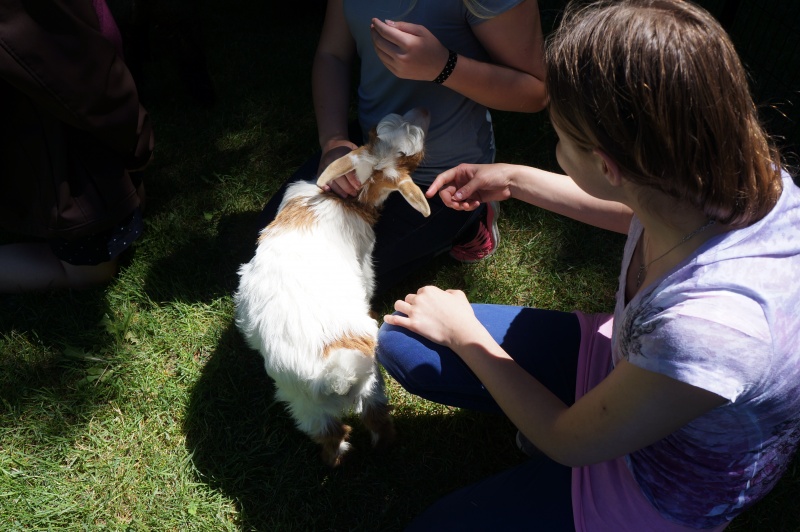
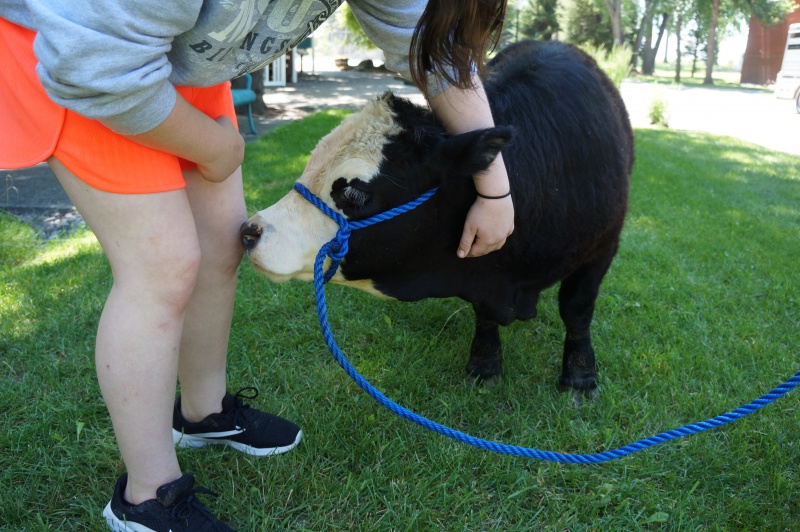
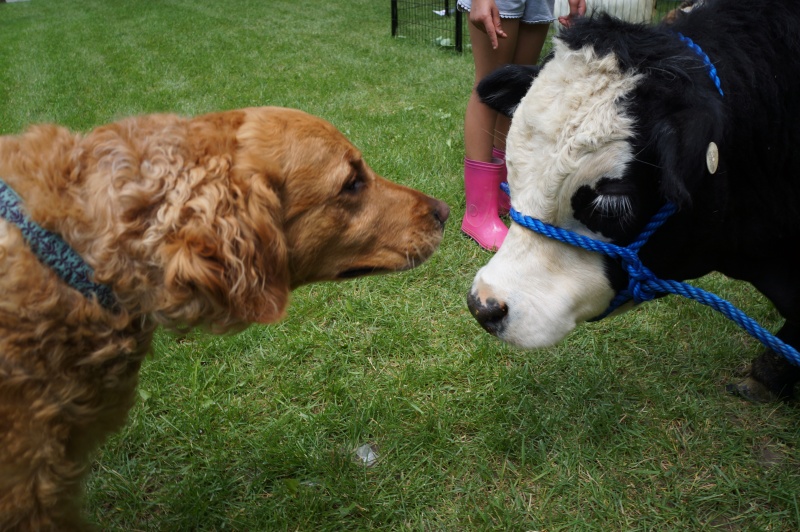

We had some pretty special visitors today at YBGR!! Maverick’s Mini Ark came out today to the ranch with their mobile petting zoo. Our kids and staff loved having the chance to cuddle and pet mini goats, sheep, a horse and a cow. I couldn’t tell who was more excited the kids or the adults!! Our residential therapy dog Emmy Lou even was excited to meet the animals
Thank you so much to Bridget, Maverick, Wyatt and Dallas Roe for bring those incredibly adorable critters out for our kids and staff!!!!!! We are so blessed to have amazing folks like you in our community and the support you have for YBGR youth.
YBGR Participates In The Annual Montana Employer Support of the Guard and Reserve Boss Lift
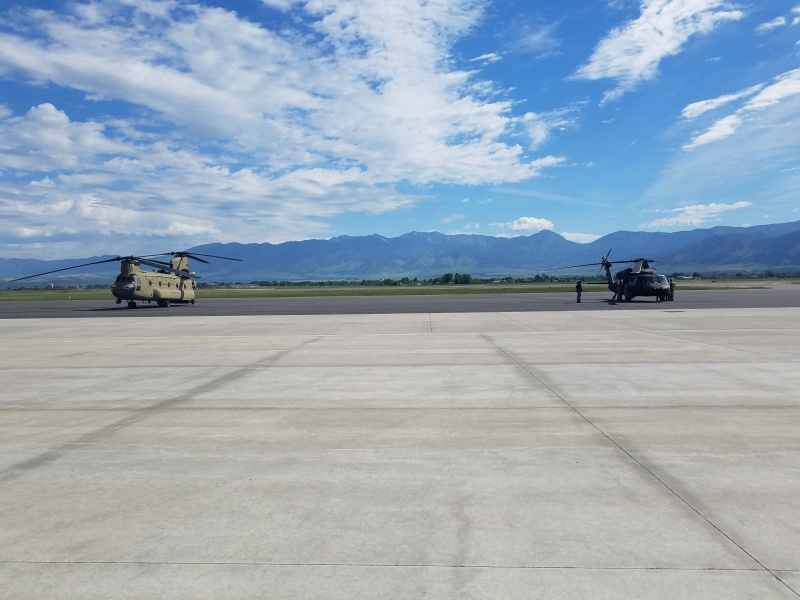

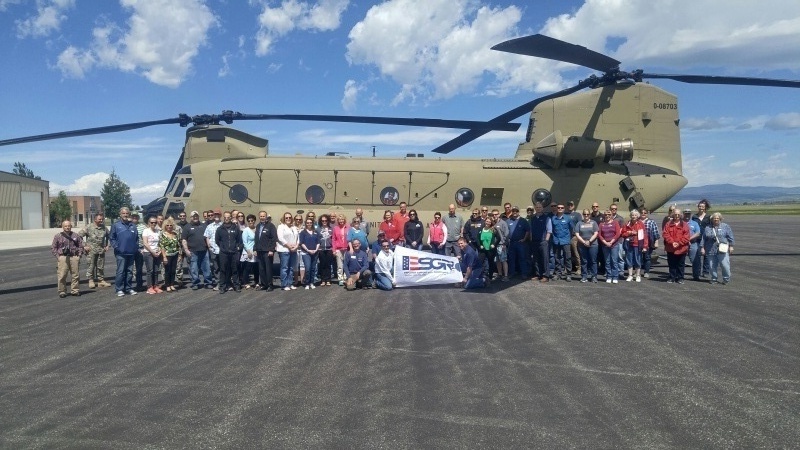

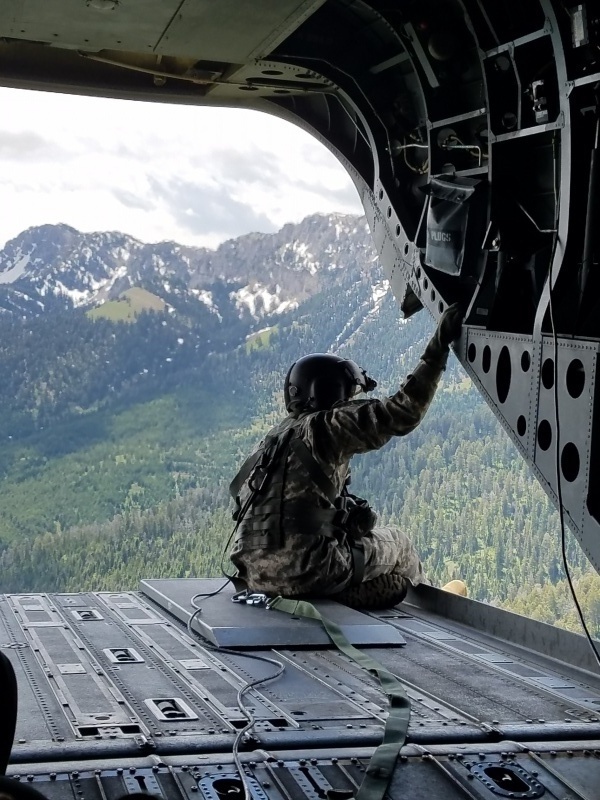
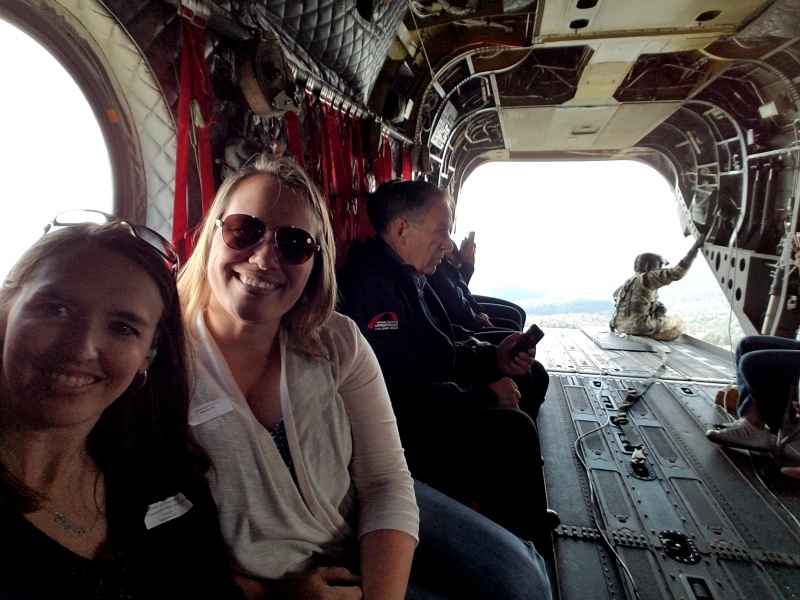
YBGR Community Based Services staff, Kim Chouinard and Susan Frew got to take a very special ride on a very special helicopter recently thanks to Crystal Hoffman.
Crystal is a YBGR Clinical Supervisor that also has served our country for over 20 years in the Air National Guard. She is the Sustainment Services Flight Superintendent and is also a Senior Master Sargent in the Air National Guard.
During the Montana Employer Support of the Guard and Reserve Boss Lift, Kim and Susan learned about how the National Guard serves our country, along with getting to see a Black Hawk helicopter up close and got to take a 40 minute ride around Montana in a Chinook helicopter. What an amazing adventure!!
YBGR is so proud and honored to have active and retired military staff working for YBGR!!!!!!!!!!
March Against Drugs and Violence
Please join YBGR and other Billings community sponsors for the 21st annual March Against Drugs and Violence event on Saturday June 9th.
When: Saturday June 9th from 12pm-130pm
Where: Courthouse Lawn, Billings, MT (217 N. 27th Street)

June Therapeutic Foster Care Program Open House

It Sure Makes a Difference When You Know Someone Cares
It Sure Makes a Difference When You Know Someone Cares
(Billings, Mont.) May 17, 2018 – “It sure makes a difference when you know someone cares” has been Yellowstone Boys and Girls Ranch (YBGR) motto for over 60 years, devised by founder Franklin Robbie. Franklin used the motto to describe the work YBGR does for youth in need. Times have changed, but the need to help youth has not, and this motto still rings true today.
 YBGR’s Community Based Services (CBS) provides many programs and services to help youth in communities around the state of Montana. I would like to introduce you to a charming and delightful young man named Benjaymn from Billings. Ben and his family are clients of CBS’s Case Management program. Ben who has autism and suffers from a medical condition that has caused a lot of stress and pain on his nine year old body. He has had six kidney surgeries already and the possibility of having more. Ben has poor circulation and is very apparent in his little feet, they are cold and purple. Due to his medical issues and surgeries it’s hard for Ben to get a good nights of sleep.
YBGR recently teamed up with two other local non-profits, Slumberland’s 40 Winks and Blankets & Bears to make a huge but simple difference in some YBGR children’s lives by providing new mattresses and bedding. Ben received a new Tempur-Pedic bed and special NFL bedding. The whole house was abuzz with excitement and joy that Ben was finally going to be able to rest peacefully and have a really cool comforter set with his favorite football team, the Minnesota Vikings!
 There were so many tears of gratitude from Ben’s family, but the most touching moment was Ben’s concern when his mom began to cry. Ben grabbed his mother’s hand and looked deep into her eyes and asked her “Momma why are you crying?” and “Momma what’s wrong?” he didn’t realize that her tears were not tears of pain but of happiness. His mother Heather, explained gently to him “These are tears of happiness, momma is alright” as she hugged him to ease his fears and comfort him. Benjaymn has the most emphatic soul you will ever meet. What an absolute joy he is.
If you would like to help children like Benjaymn, please contact YBGR Foundation at 406-656-8772 or visit www.yellowstonefoundation.org. Blankets & Bears can be reached at 406-696-4308, blanketsandbears4kids@yahoo.com, or visit their Facebook page www.facebook.com/BlanketsandBearsMt
Free Therapeutic Foster Care Preservice Training Workshop in Billings

There are over 13,000 children in the state of Montana that don’t live with either of their parents. In 2016 Montana saw a 45% rise in the number of children in foster care.
Are you interested in helping a child in need?
Anyone who is at least 18 years of age may apply to become a foster parent. Single people, couples, people with or without children, all may be eligible. What is most important is your willingness to open your heart and home to provide an environment that protects and promotes the well-being of a child or children in need.
Therapeutic foster care provides a protective service for children where their individual treatment plan combines TFC parents working alongside treatment managers, social workers, therapists/psychiatrists, and school officials to provide these children an opportunity to reach their full potential.
YBGR is hosting Therapeutic Foster Care two-day pre-service workshop for any adults interested in becoming a foster parent on Friday March 23rd & Saturday March 24th at our Billings Community Services Location. Please join us and become a superhero to a child in need.
This two-day workshop includes information, orientation, and the required Montana State 16 hours of pre-licensure training. This training is applied towards Montana States yearly required hours.
For more information on becoming a foster parent click on the tab “Become a Foster Parent” on the top menu.
To enroll in the free Therapeutic Foster Care workshop call Kristin Sherwood at 406-222-6490
Lewistown News-Argus: YBGR expanding chemical dependency program
YBGR on Montana Matters discussing the need for Therapeutic Foster Care parents
YBGR on KTVQ Announcing Expansion of the Chemical Dependency Program
YBGR TEAMING UP TO HELP VETERANS
(Billings, MT) January 30, 2018− It doesn’t need to be Veterans Day to support and honor our brave heroes. Any day is a great day to show our gratitude to the men and women who selflessly defended our freedoms and liberties. Yellowstone Boys and Girls Ranch (YBGR) showed their appreciation of veterans by donating jams and jellies made by students in Yellowstone Academy’s Vocational Technology program. All fruit is grown on YBGR’s 410-acre campus on the west end of Billings. YBGR youth tend to the plants, harvest, clean and process all the fruit that they then turn into jams and jellies. The process teaches youth valuable life skills such as patience and dedication. It also gives youth the opportunity to learn about the significance of giving to others.
 Yellowstone Academy’s vocational education teacher Jim Klempel and YA Para educator Robert Sipes teamed up recently with Chris Grudzinski, founder of Montana Veterans Meat Locker and current board member of Montana Wounded Warriors to distribute jams and jellies to veterans. For Robert Sipes this project is near and dear to his heart, he is a combat veteran of Desert Storm and understands the struggles that veterans face. “They are a lot like the struggles our kids face at YBGR and YA” Robert said.
Veterans Meat Locker, a non-profit organization provides free professionally processed meat for veterans and their families, was started by Chris and his wife in 2016. The meat is donated by Montana hunters and ranchers, then processed and package at a discount by 4th Ave Meat Market and stored in a walk-in freezer donated by the owners of Popeye’s Louisiana Chicken Restaurants for distribution to qualifying veterans.
Chris, being an Iraq and Afghan veteran himself, wanted to show his gratitude to his fellow veterans by providing what he calls “therapeutic food.” Chris travels around the state of Montana delivering ample free meat to veterans at their request, no questions asked about income. They simply provide a VA card, DD214, or any other valid proof of service. These trips will now include jams and jellies lovingly made by YBGR youth for the veterans to enjoy. Chris says, “I like to shake each veterans hand and thank them for their service”.
Before the sun set on the day these two non-profit joined forces, Chris delivered  meat and jam to a Vietnam Veteran named David. David recently finished chemotherapy treatment and was excited to enjoy some toast with the jam. He said this was perfect since he had lost a lot of his taste for anything during his treatment, but jam was something he could still enjoy. Chris said of YBGR’s donation “I want everyone to know that they are a part of something so big yet so secret, the appreciation for so many Veterans that have never felt that their service mattered or was appreciated. This small, yet huge gesture of food as the jam represents is one of the three basic necessities in live. This precious gift has warmed David’s heart and gave him something he has been needing.”
Yellowstone Boys and Girls Ranch has been providing services for emotional troubled youth and their families for over 60 years. YBGR youth feel so blessed and proud to be able to give back to communities and veterans. “We wanted to give back for what they all (veterans) did and what they have sacrificed and show appreciation for them and their families” said Jim Klempel.
For more information and how you can help the Montana Veterans Meat Locker visit www.facebook.com/vetmeatlocker
For more information on Montana Wounded Warriors visit www.montanawoundedwarriors.org
YBGR Chemical Dependency Expansion
Yellowstone Boys and Girls Ranch (YBGR) has announced the expansion of its Chemical Dependency (CD) Program after receiving licensure from the State of Montana. YBGR will be providing additional programs in Montana to include: Outpatient and Intensive Outpatient Chemical Dependency Treatment, Chemical Dependency Screenings and Evaluations, Family Chemical Dependency Counseling, and Prevention Education services for youth. According to Walter Shore, Director of Chemical Dependency at YBGR, “Our youth deserve the opportunity to experience life without being under the influence of alcohol and drugs and know that someone is there to help.”
Shore further explains that “youth are starting at an alarmingly younger age abusing substances and Montana’s current treatment services are not able to address the high rates of children and adolescent alcohol and drug use.” YBGR has seen an increase in youth dually diagnosed with both Substance Use Disorder and Mental Health Disorders. Early intervention of both disorders is key to preventing higher levels of treatment interventions later in life.
YBGR currently offers CSCT (Comprehensive School and Community Treatment) along with CD services in the Laurel School District and at Medicine Crow and Riverside Junior High Schools in Billings. The CD services include Chemical Dependency Screenings and Evaluations, along with ongoing Chemical Dependency Therapy Services. Youth placed at YBGR’s Psychiatric Residential Treatment Facility (PRTF) in Billings receive Chemical Dependency Evaluations, Substance Abuse Screenings, and Early Intervention/Education Services. Youth also participate in Chemical Dependency Counseling that includes Group (including Alcoholics Anonymous and Narcotics Anonymous), Individual, and Family Therapy Services.
Yellowstone Boys and Girls Ranch is a multi-service organization providing a broad spectrum of services including Psychiatric Residential Treatment, Case Management Services, Care Coordination, Home Support Services, Therapeutic Youth Mentors, Therapeutic Foster Care, Chemical Dependency, CSCT, Supported Employment, Outpatient Therapy Services, Psychological Testing and Day Treatment.
For additional information on Yellowstone Boys and Girls Ranch visit its website at www.ybgr.org or call 800-726-6755.
“Never doubt that a small group of thoughtful committed citizens can change the world. Indeed, it is the only thing that ever has.” ~ Margaret Mead
Yellowstone Boys and Girls Ranch is honored to welcome our newest board members Wendy Keating and Gary Tognoni to YBGR’s Board of Directors. They are in great company with board members Bob Carr, Chip Youlden, Perry McNeese, Terry Moore, Bill Goodwin and Bob Wilmouth. Wendy Keating who is presently in Washington was able to join the meeting via Zoom, pictured center on a tablet.

YBGR’s 60th year serving troubled Montana kids
Billings Gazette December 25th, 2017
Christmas for emotionally troubled youth served by Yellowstone Boys and Girls Ranch on campus, in foster homes, and even living at home, can be a lonely time. We want to give our heartfelt thanks to all our friends in the community who supported Yellowstone Boys and Girls Ranch Foundation and Yellowstone Boys and Girls Ranch this year with your time, talents and treasure.
This year marked YBGR’s 60th year of serving emotionally troubled children in our community. Each day, YBGR serves more than 650 emotionally troubled children. Its residential program hosts children on the original 410-acre working ranch between Billings and Laurel. YBGR’s community programs are based out of Garfield School on Billings’ Southside, providing therapeutic foster homes, school-based therapy, and family therapy and support throughout southern and eastern Montana. Yellowstone Academy, an accredited public K-8 and private high school, provides special education to YBGR’s residential children and day treatment students from our community and surrounding communities.
As we head into YBGR’s 61st year, we are also thankful for the board members, volunteers, and more than 325 employees of YBGR and Yellowstone Academy who selflessly help these emotionally troubled children day in and day out — and especially at Christmas.
Bill Hritsco, president
YBGR Foundation
Mike Chavers, CEO
Yellowstone Boys and Girls Ranch
http://billingsgazette.com/opinion/letters/ybgr-s-th-year-serving-troubled-montana-kids/article_919bd090-a9e4-5b3f-8c72-f9a4f37c8474.html?utm_medium=social&utm_source=email&utm_campaign=user-share
Swing Kidz dance to prevent suicide
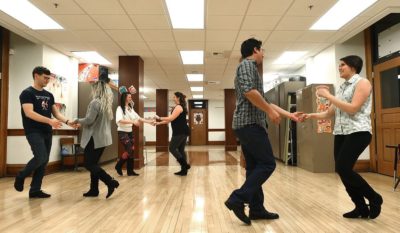
Swing Kidz dance group performers rehearse at Broadwater Elementary on Monday.
Larry Mayer Gazette Staff
Billings Gazette 11/29/17 by Jaci Webb
They call themselves the Swing Kidz, a name that fits their dance style and personalities.
The Billings dance company primarily performs West Coast Swing, but they also like to throw in some hip hop and modern interpretative dance styles. They are such a tight-knit bunch that they call their dance instructors Mom and Dad, even though Patricia Lambert and her husband Jarrett Lambert are in their mid-20s.
The family atmosphere at dance practice helps boost spirits when a member is having a bad day. That spirit of caring helped them come up with the theme of suicide prevention and depression awareness for their upcoming dance performance, Swing Kidz Extravaganza.
The performance will be held on Saturday, Dec. 9, at 6 p.m. at the First Congregational Church, 310 N. 27th St. Proceeds from the auction and raffle will go to the Yellowstone Boys and Girls Ranch and a representative from the facility, which helps youths struggling with emotional issues, will speak during the event. Tickets are $15.
It begins with a swing dance lesson and finishes with a dance party after the performance. Patricia Lambert said dance makes a difference in kids’ lives and she can attest to that because she was once that shy kid.
“I went from not being able to speak in public to starting my own business. Dance did that for me,” Lambert said.
Swing Kidz is open to youths between age 6 and 24. The program currently has six students from age 6 to 18. The youngest member is 6-year-old Gabi Spatzier, who has been dancing since she was 2.
Gabi’s mother, Sam, said dance helps Gabi cope with her anxiety.
“I’ve never seen her more excited than she was the first day she started dancing with this group,” Sam Spatzier said.
Beverly-Ruth Laci, an 18-year-old music education major at Montana State University Billings, has been in the group since August. Laci thought raising money to help the Yellowstone Boys and Girls Ranch was an excellent idea.
“The message I want to get across is, ‘It’s OK to get help,’ ” Laci said.
Laci said she struggled with depression and anxiety because she was reluctant to reach out for help. She doesn’t want others to suffer.
An Oregon dance instructor that Lambert and two of her students worked with committed suicide earlier this year. That was a wake-up call for them.
“All of the kids have either experienced depression or someone they know has,” Lambert said.
As she worked with students at rehearsal Monday night, Lambert kept things lively. The music was loud and the pace was steady. Girls dance with other girls since there is only one male member of Swing Kidz.
Alex Hunnes, a 17-year-old Senior High student, said even though he’s the only boy in the group, the other members are some of his closest friends.
“It’s like a family. If anyone in the group is having a problem, we’re always there for each other. Today, Beverly got a flat tire and everyone in the group was wondering how we could help.”
Hunnes discovered dance two years ago when he was at a fiddle camp. He started watching YouTube videos and then saw the Lamberts perform during a John Roberts Y Pan Blanco concert featuring Latin music at St. John’s Lutheran Home.
Earlier this year, Hunnes competed in a swing dance competition in Boston, making finals in the Jack and Jill division, which has dancers rotate partners.
Hunnes believes dance helps relieve stress, which is important to people in his age group.
“People feel super connected in the virtual world, but not in the real world,” Hunnes said.
Gazette opinion: Save Montana kids’ mental health care
Gazette opinion: Save Montana kids’ mental health care
Nov 5, 2017

Yellowstone Boys and Girls Ranch is caring for nearly 600 kids, but only 65 were living on the sprawling campus along 72nd Street West last week. The other children and teens receive YBGR’s help in their schools, their homes or foster homes. It’s that big group of kids who would be hurt first and worst if the state cuts its budget.
Youth in-home care and targeted case management are on the chopping block, even though they are key to helping emotionally disturbed youth stay safe in their own homes.
YBGR, which celebrates its 60th anniversary this year, serves Montana through community offices in Dillon, Livingston, Lewistown and Billings. Those services include 32 school-based treatment teams in Billings, Laurel and other Montana public schools.
Kids on the campus west of Billings suffer serious illnesses, including major depression and PTSD resulting from abuse. Many have engaged in self-harm, such as cutting or suicide attempts. About half have chemical dependencies or are at high risk for addiction.
The vast majority of YBGR services are provided through Medicaid. The fiscal year began with zero rate increases for Medicaid mental health care. YGBR and other Montana health care providers already were struggling to pay salaries that will recruit and retain professional staff.
“Medicaid does not cover our costs,” YBGR Chief Executive Officer Mike Chavers said in an interview last week. “Our donors and foundation help.”
Starting and resuming children’s mental health care isn’t like flipping a light switch on and off. If disturbed youth are cut off from treatment, they will regress; they may need a higher level of treatment because they couldn’t access the less expensive care when they needed it. If in-home work with parents and dysfunctional families suddenly ceases, problems will grow.
“Most cuts are focused on low-cost services that serve a lot of people and divert them from higher cost care, hospitals and juvenile detention,” Chavers said. “Cutting down in this area doesn’t save money, it drives costs elsewhere. Let’s figure out ways to drive kids to better outcomes and bring kids home.
Of course, the state needs to control the costs of its high-end kids’ mental health care, too. It’s currently paying $327 a day for residential treatment, but that rate, which doesn’t fully cover costs of care, is under the budget axe, too.
DPHHS Director Sheila Hogan and division heads are “open to thinking creatively,” Chavers said. “The challenge is there is so much noise in the system, nobody knows what’s going to happen. There’s no easy way to make 10 percent budget cuts.”
The state absolutely can improve the system. Montana public health officials should work with in-state residential treatment centers to send fewer troubled kids out of state for care. Montana needs to invest enough in community-based services to prevent kids from deteriorating till they need to be hospitalized. DPHHS must step up engagement of providers, clients and their parents to plan better, more cost-effective services. But none of this will save the general fund the $100 million DPHHS could lose this biennium to balance the state budget.
As Chavers said, “There are ways we can improve the system, but it takes time.”
http://billingsgazette.com/opinion/editorial/gazette-opinion-save-montana-kids-mental-health-care/article_b6107699-9f23-5d03-8eac-e7f17e74254e.html
Music therapy changing lives in Dillon
Posted: Oct 17, 2017 7:45 PM MDT Updated: Oct 18, 2017 7:55 AM MDT
DILLON – “Go! Go, Bobby. Play, play, play your instrument, play, play, play,” Bethany Venekamp, Musical Therapist, sings to her class.
Music is more than just fun. At Parkview Elementary, Bethany says music has scientific qualities that are good for therapy.
“Music is organized, it’s structured, it’s predictable and that quality of music makes it a really special medium to work and train or reteach the brain,” Venekamp said.
For a year now, Bethany has been working with special needs students using musical therapy that includes drumming and singing songs.
“I try to pick songs that they know, we call it piggybacking, so we maybe take the chorus and the melody, but we adjust some of the lines to what we’re going to work on,” Venekamp said.
“We love it,” said Special Ed Teacher Beth Pavalis. “When she first came in I asked if she could come every day, it’s just the beautiful little time in our week that we all look forward to.”
Most people use musical instruments for entertainment, but Bethany used them for learning. She can get the students to follow along and stop, or use a rattle to help them learn rhythm and this is all done so they can develop social skills.
“These kids are learning to follow direction because they need to know that skill in class and in life and so just working on stop, start, play up high, play down low, just simple directives that I’m giving them,” Venekamp said.
Teachers say this therapy has made a difference for the nine special needs students at the school.
“The kids really tune in and engage and follow directions a lot better and more effectively when music is involved,” Pavalis said.
Venekamp added: “So our sessions when we started were like 15, 20 minutes for some of the kids and then they would live or disengage, so the fact that we can have a session that’s almost 40 minutes with independent engagement without needing assistance from their other teachers is huge.”
http://www.kxlf.com/story/36621336/music-therapy-changing-lives-in-dillon#.WejNkDXOMjs.facebook
History in the making YBGR youth make breadboards out of grain elevator wood

Our very own Ron O’Leary
Banking on the eclipse: Billings artist designs hundreds of eclipse souvenirs
T-shirts by O’Leary show the line of the total eclipse on the back. They sell for $24.
JACI WEBB/Gazette Staff
Click here to see the original article
JACI WEBB/Gazette Staff
When Billings artist Ron O’Leary gets behind something, he doesn’t go halfway.
That attitude fits perfectly with the total eclipse of the sun on Monday. Around Christmastime in 2016, Ron and his sister, Kathleen O’Leary of Riverton, Wyo., were talking about the eclipse. Riverton will experience the eclipse at 100 percent at 11:39 a.m. on Monday.
Folks around Riverton started planning early for the onslaught of viewers looking for a place to stay and ways to celebrate the eclipse. There will be a two-day Dark in the Park festival in Riverton on Saturday and Sunday. Kathleen O’Leary is allowing some camping on her ranchland but has no more spaces available.
Encouraged by his sister, O’Leary put his artistic side to work to make souvenirs. A ceramic artist, he created a wall plaque in the shape of the sun with the date of the eclipse painted around it. A perfectionist who loves color and design, O’Leary hand-paints each sun, using various color combinations to create different effects. Each one is different.
“What’s funny is these items that took the most time and resources aren’t always the ones people like. One day, two different people said their favorite was one I considered my worst,” O’Leary said.
He calls one the goth plaque because it has no bright colors, just black, white and gray. Another has a vintage look, which he calls “retro road sign.” It is painted with a patina made with iron oxide.
O’Leary’s teenage daughter, Lilly, and his partner, Linda Hofer, helped with some of the painting. But for the most part, it’s been O’Leary hunched over a table in his backyard studio painting the sun.
O’Leary has taught art and music at Yellowstone Boys and Girls Ranch for 18 years and his studio reflects that with shelves of ceramic work he can’t bear to part with.
Over the summer O’Leary traveled through central Oregon, where the eclipse will also be 100 percent. Some of the shops took his sun plaques and others asked about items like T-shirts and coffee mugs.
As soon as he returned to Billings, O’Leary got busy again, designing solar eclipse T-shirts, coffee mugs, key chains, flashlights, book bags and eventually a poster showing a bison with the date of the eclipse and the longitude and latitude of Riverton. The items are for sale at ronald-oleary.squarespace.com, Etsy or will be sold in Capser, Wyoming, on Thursday and in Riverton this weekend.
“What’s kind of fun to think about is all the different designs people have come up with. There are 23 pages on Etsy of solar eclipse merchandise, all the way from tacky to real nice artistic designs,” O’Leary said.
O’Leary has never seen a solar eclipse and he said he’s getting excited for the experience on Monday.
Learn About YBGR’s Therapeutic Foster Care, June 19
(Dillon, Mont.) June 15, 2017 – Are you considering becoming a foster care parent? Visit with professionals of Yellowstone Boys and Girls Ranch to learn initial information on what it is to be a foster parent during the evening of Monday, June 19, from 5:30 – 7 p.m. at Dillon Elementary School District Board Room, located at 22 North Cottom, Dillon, MT 59725.
This is an informational evening for anyone who may be interested in becoming a therapeutic foster parent or who would like to learn more about Therapeutic Foster Care.
Contact Charise Lemelin at charisel@ybgr.org, Tracey Lujan at tlujan@ybgr.org, or call 406-683-0416 to R.S.V.P. for the event.
Support YBGR on AmazonSmile
The Yellowstone Foundation has partnered with AmazonSmile, an Amazon.com program for nonprofits, to allow shoppers to donate to the Ranch at no added cost!
How does AmazonSmile work?
AmazonSmile will donate .5% of all eligible purchases to the Yellowstone Foundation to support Yellowstone Boys and Girls Ranch programs.
Click here to go to the link on Amazon.com or go to smile.amazon.com, then login to your Amazon account, shop, and buy!
Yellowstone Academy Talent Show
Performing and singing many current pop songs and hits from the past, kids and staff rocked the stage inside Yellowstone Academy (YA) during this year’s Talent Show on May 26. The auditorium was filled with kids ready to strum, pick, key and hit instruments provided by YA’s music program.

Those who had a knack for acoustic guitar, bongo drums or the keyboard captured the audience’s attention with the vibrant sound of live music. Most of the kids sang to voiceless versions of songs from pop singers like Ariana Grande, Rihanna, Katy Perry, Taylor Swift and country songs like those by Sam Hunt, Blake Shelton and more. During the best composed performances and the most well-known songs, kids cheered and stood, swaying to the tempo. Many staff jumped in, including lodge workers, teachers and the school therapist, showing off strong vocals and musical talents of their own.

Once the performers stepped off stage, they were met with high-fives, and words of praise and encouragement from their peers. Impressed with their friends’ performances and sometimes critical of their own, many of the kids walked away with a newfound confidence or a set of goals to achieve the next level of adjunct instrumentalist or singer superstar.
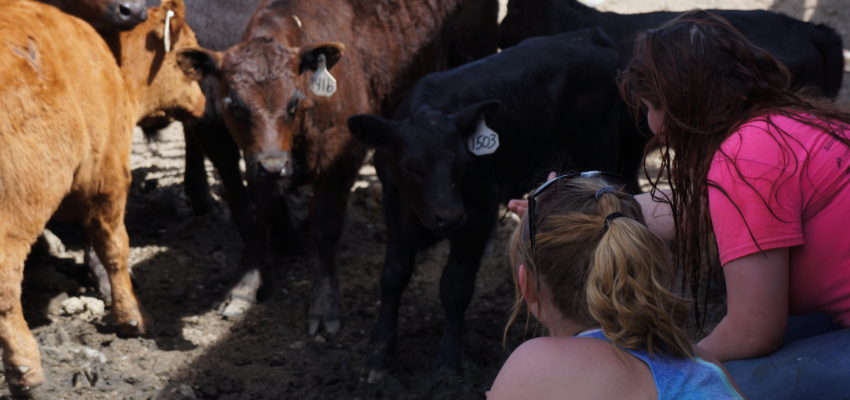
The Ranch Teaches Kids How to Work a Branding
(Billings, Mont.) May 22, 2017 – Kids from Billings’ Yellowstone Boys and Girls Ranch took to the dirt and manure on Friday afternoon, learning how to brand cattle like true Montanans. The Ranch’s kids come from around the state and across the nation. Some have never seen a feedlot or cattle operation, but the Ranch’s Farm Director, Gary Adams, showed them how it’s done. Mike Chavers, YBGR’s CEO, as well as residential staff, also jumped in on the action.
“These kids got to face their fears, find their confidence and learn new skills today. I really enjoyed seeing the kids work together and jumping in there with them,” said Chavers.
Close to 15 kids partook in this year’s branding. Inside the fences, they traded turns, learning teamwork on how to grab the calves’ hooves and flanks for a solid heave to the ground. In total, over 50 calves were vaccinated and branded.
“Last year, the girls were running circles around the boys,” said Jeff Seeley, program manager for a residential lodge.
This year, many of the girls jumped right in, while others were shy to the sport. Adams, impressed with all of the kids’ motivation and hard work, applauded them for their efforts and praised them for a job well done.
As the kids dumped a cooler of cold water on each other, Adams said, “I’ll take this work crew anytime.”
The Yellowstone Conference: Kids in Crisis
Celebrating 60 Years of Leadership and Creating Positive Outcomes for At-Risk Children and Youth in Montana

Save the Date for September 21, 2017, 9:30 a.m. – 4:30 p.m.
Yellowstone Boys and Girls Ranch has reached 60 years of working to improve the lives of At-Risk Children and Youth in Montana. As part of our celebration of this legacy of caring, we are hosting a conference focused on improving outcomes for kids and families in Montana. Named The Yellowstone Conference: Kids in Crisis, the event will focus on promoting effective solutions to the problems facing our state’s most vulnerable young people, and provide a forum for mental health practitioners, education staff and law enforcement to exchange ideas – and to celebrate the efforts of those who are on the front lines developing and implementing solutions.
Based upon Georgetown University’s LEAD (Leadership, Evidence, Analysis, Debate) Conference, the conference is designed to be both interactive and informative. During the conference, dedicated and knowledgeable professionals from a variety of governmental and organizations from around Montana will provide insight on the current challenges facing Montana youth, as well as introduce promising practices.
Through a lens of trauma informed practice and a focus on outcome measurement, the conference will provide opportunities to learn and engage on the following topics affecting Montana youth:
- Youth Suicide
- Social Media and Bullying
- Co-Occurring Disorders / Dual Diagnosis
- Funding Challenges and Opportunities
Eric Arzubi, MD, Chair of the Billings Clinic Department of Psychiatry and is President of the Big Sky Regional Council of Child and Adolescent Psychiatry will be providing the keynote address at the end of the day, summarizing the event.
Afterwards, there will be a reception celebrating YBGR’s 60 years of caring.
Fee for conference is $25.00, which includes conference, lunch, and reception.
Register here
Sincerely,
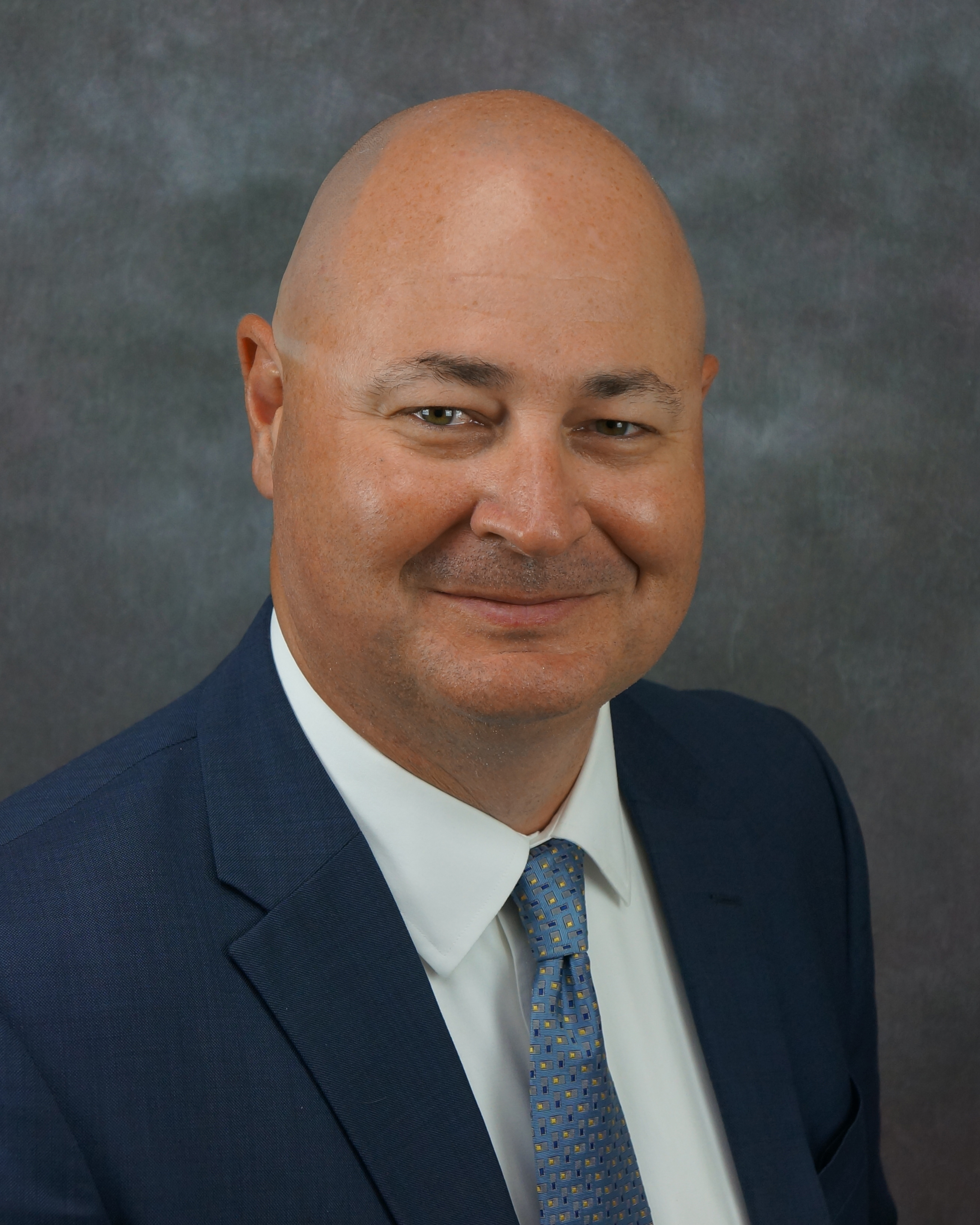
Foster Care Pre-Service in Livingston
(Livingston, Mont.) May 15, 2017 – Yellowstone Boys and Girls Ranch (YBGR) in Livingston will be hosting pre-service training during the months of May and June for individuals interested in becoming therapeutic foster parents. These are free evenings for Livingston and surrounding area families to learn initial information on foster care, begin the training process, meet YBGR’s team of professionals and enjoy dinner.

The dates are May 30, and June 1, 6, and 8, from 6 – 10 p.m. at YBGR’s Livingston office, located at 5237 Hwy 89 South, Suite 1, Livingston, MT 59047. All four trainings must be attended. For more information on these trainings, or to learn about foster care, call Tracey Lujan at 406-222-6490, e-mail tlujan@ybgr.org, or e-mail Charise Lemelin at charisel@ybgr.org.
Pint Night Fundraiser to Benefit YBGR Dillon
(Dillon, Mont.) May 11, 2017 – One of Dillon’s Pint Night Fundraisers will benefit Yellowstone Boys and Girls Ranch’s (YBGR) Dillon Community Based Services (CBS) program. The June 2 event is free, open to the public and kid friendly.
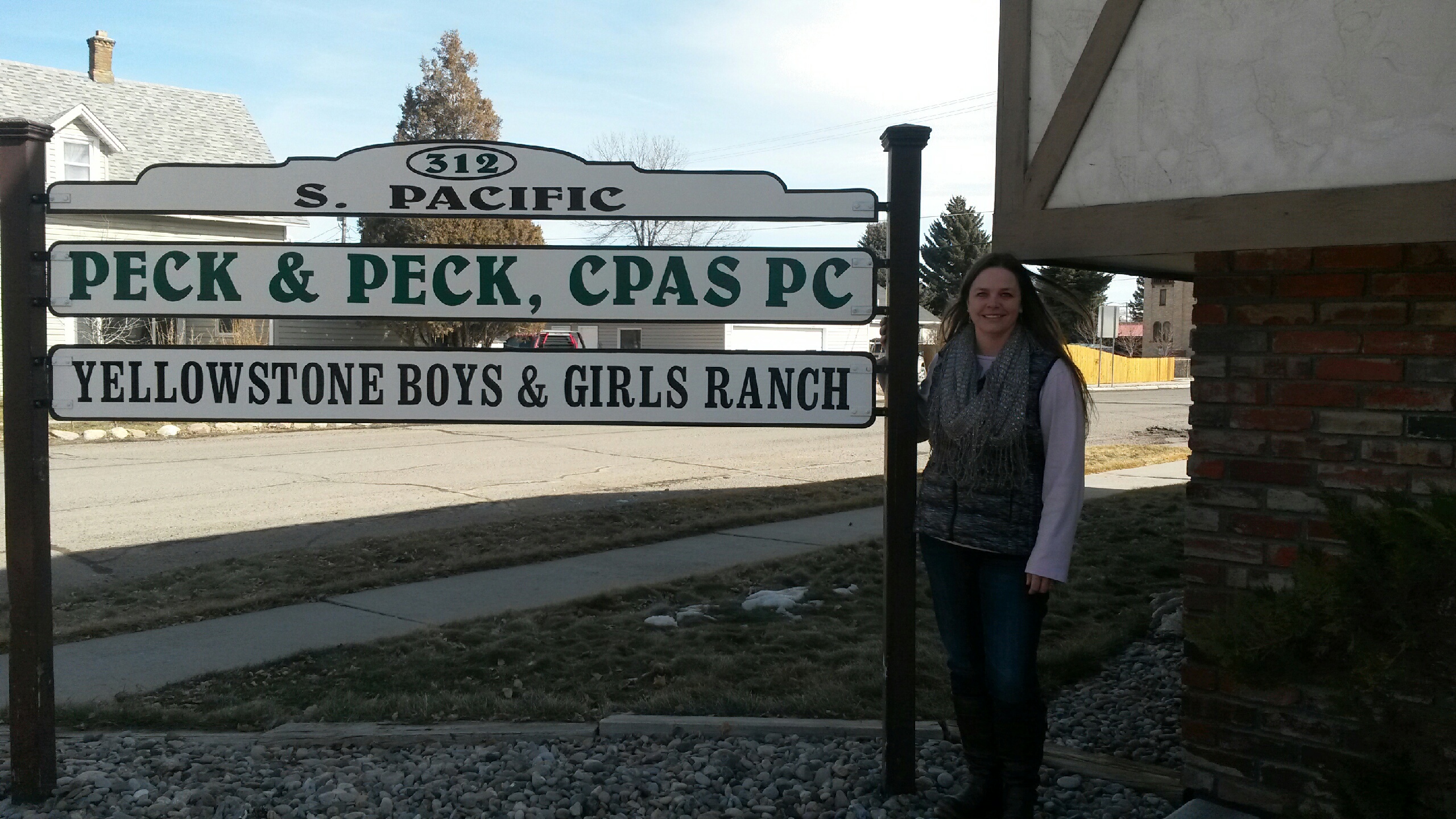
Charise Lemelin, YBGR’s Dillon Clinical Director, said she is ecstatic about receiving the “go-ahead” for the event. She said that they’d like to use the donations raised for underfunded needs affecting Dillon’s services.
“Our biggest needs right now are office space and vehicles, and funds as we move forward with foster care,” she said.
Event Details: June 2, from 4 – 10 p.m. The 200 block of South Montana Street will close to traffic. The event will begin at 4:30 p.m., with family-friendly games at Depot Park. At 6 p.m., guests can purchase food, drinks and hear live music inside Beaverhead Brewing Company. One dollar for every drink the brewery sells, as well as proceeds from the Branding Iron’s barbeque sales, will be donated to YBGR Dillon’s CBS program.
So, visit downtown Dillon, Friday evening, June 2, for a night to support the cause of helping kids and families!
Honeybees Arrive as Ranch Starts New Beekeeping Program
It’s been 60 years since Yellowstone Boys and Girls Ranch (YBGR) opened its doors to troubled kids and over 40 since it changed from the Ranch to a treatment facility. But farm work has always been a cornerstone of life at the Ranch.
In the ‘50s, ‘60s and ‘70s “there were limitless chores to do, including everything from gardening, to caring for the animals, to helping out in the kitchen, to lending a hand on the various construction projects that always seemed underway” wrote YBGR founder Franklin Robbie in his book, “A Legacy of Caring.” But lately, in addition to working with cattle, horses, and testing their green thumbs, the Ranch’s kids are farming honeybees.

Yellowstone Academy’s (YA) bee program, new this spring, is run by vocational education teacher Jim Klempel. Klempel said he has been hoping to start a bee program for over 10 years and is happy to see it happen. With eight hives to fill, Klempel set off in late April to pick up his first batch of bees from Fort Shaw’s Treasure State Honey, a family-owned beekeeping business. Klempel has filled two beehives with this batch and, in mid-May, will travel a short trip from Billings to Sunshine Apiary in Columbus, Mont. to pick up the rest, which will fill four more hives.
Klempel explained that the kids in his program have been preparing for their new flying friends by helping to assemble the bee boxes, painting them and situating them in a small, Ranch-owned field.
Klempel joked that he has learned most of what he knows from YouTube, but he has been researching their care and behaviors, and educating YBGR kids about honeybees since last winter. By the end of this summer, the kids will understand the fundamentals of beekeeping, such as how to prepare their hives, feed them, and understand the social system of bees.
Once Klempel’s second bee batch arrives, he said they will have nearly 4000 bees, a number that will grow to more than 15,000 at summer’s end.
But it won’t be until next year that the Ranch’s kids get to taste the sweet fruit of their labors. Klempel said that although the bees will begin producing honey this summer, that honey will stay in the hive for the bees to eat during winter. Next summer, kids will learn to extract the honey from the hives’ combs and will sell it to the public.
The beekeeping program teaches kids a useful trade that can help them further their employment opportunities after they graduate or once they leave the Ranch. The kids learn how to nurture and care for another living organism—the hive. Caring for the hive also allows the kids to understand the relationship that the nucs, worker bees, and the queen bee have to maintain.
“The bees provide an avenue for YBGR staff to engage youth in discussions about relationships and interactions, which promotes self-awareness and reinforces other therapeutic interventions that youth receive at YBGR,” said Mike Chavers, YBGR’s CEO.
Klempel said that the class has to keep a close watch on the hives when they introduce the two groups to see whether they are interacting positively. They will also watch the queen bees when they are integrated into the hives, because if the worker bees reject the queen, they’ll harm her.
He said the kids will help split two of the hives to make two more, filling all eight hives. The kids will monitor the behavior of the bees during the transition.

Klempel and the kids’ favorite thing to do is watch the bees. He and his class will put on bee suits or coveralls and trek across Hesper Road, down the winding grass path, and up to the field to observe the bees buzzing around.
Still in the process of setting up, Klempel said that, at one point, 30 bees we’re trying to squish through a hole the size of a thumb, so he’s cut one larger. He said the bees are not bothered by their visits, but if kids start waving their hands around or interrupting them, they might get stung.
“It’s a quick lesson in respecting Mother Nature,” Klempel said. “No one likes the pinch of a bee sting.”
The bee operation is one of many vocational education specialties at the Ranch that teach youth technical and trade skills. Others include welding, woodworking, arts and crafts, pottery, gardening, and small machining.
To learn more about how integrating vocational programs into behavioral treatment and juvenile justice programs impacts the outcomes of youth, visit the Office of Juvenile Justice and Delinquency Prevention or see a report at https://www.ojjdp.gov/mpg/litreviews/Vocational_Job_Training.pdf.
Yellowstone Academy has a K-12 program accredited through AdvancED and a K-8 elementary district accredited through Montana’s Office of Public Instruction. YA is located on Yellowstone Boys and Girls Ranch’s residential campus, a nonprofit organization trusted nationally as a leader in the field of mental health care for children and their families.
YBGR in the News

Did you have the chance to see Mike Chavers, YBGR’s CEO, and Jennifer Reiser, the Billings Chamber of Commerce’s COO, live, on air with KTVQ’s Ed McIntosh? The trio discussed this Friday’s upcoming Billings Chamber of Commerce’s annual Agriculture Tour, in which the Ranch will host breakfast.
Inside the Ranch’s Equestrian Arena, tour members will get a hearty pancake and egg breakfast served with coffee and orange juice, along with a horse therapy demonstration from the Ranch’s EAGALA-certified equine specialist, and the chance to check out hand-made items from YBGR’s Vocational and Agriculture program.
Ticket sales are closed, but to learn more about the Ag Tour and other stops this year, check out: https://www.billingschamber.com/events/other-events/.
YBGR Hires New Executive Director of Residential Services
(Billings, Mont.) May 4, 2017 – Yellowstone Boys and Girls Ranch (YBGR) has a new executive director of residential services, Dr. Taylor Mayer. Mayer, though new to his position, is not new to YBGR. He began his career in the field of mental healthcare with the Ranch more than 23 years ago, and since, has acquired a lengthy professional portfolio in the field of counseling and psychology.
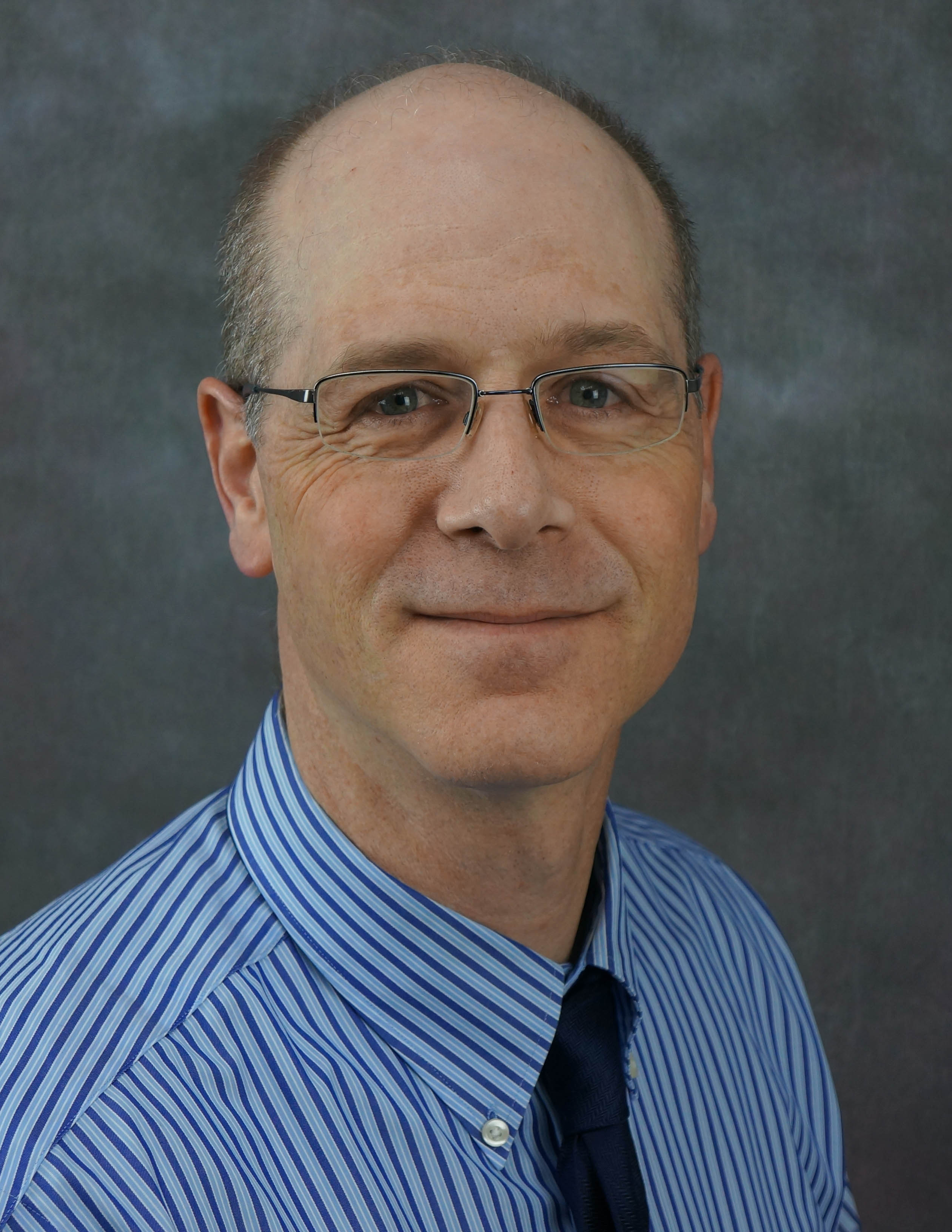
Mayer first joined YBGR in December 1993 as a Mental Health Worker after he completed his undergraduate degree In Psychology at the University of Montana. He obtained his graduate degree in Rehabilitation Counseling at Montana State University – Billings in 1994 and continued as a therapist at YBGR. Mayer completed a Ph.D. in Clinical Psychology in 2005 from Walden University and, in 2011, transferred to YBGR’s Community Based Services to the role of Regional Area Clinical Supervisor.
After leaving YBGR in December 2014, he returned in the role of Executive Director of Residential Services in 2017. He is licensed as a Professional Counselor in Montana and Wyoming, and he is a Diplomate of the American Psychotherapy Association.
YBGR in the News

YBGR therapeutic foster parents, the Fowlers, embarked on a lifelong journey after choosing to become foster parents to two siblings. Click here to read The Billings Gazette’s touching article on their experience with YBGR foster care.
An Enduring Legacy of Faith, Hope and Love
This past weekend, Yellowstone Boys and Girls Ranch (YBGR) shared an eventful experience that will not soon be forgotten. Generous donors of the Yellowstone Foundation joined together in support of YBGR’s Spiritual Life Program for an event to celebrate the Ranch’s 60 year legacy of faith, hope and love.
View a video of the Spiritual Life Program below and read more on the Yellowstone Foundation’s website: http://www.yellowstonefoundation.org/category/whats-new/.
https://www.youtube.com/watch?v=-CJkv_nzwpE
YBGR Consulted for National Juvenile Justice Policy Recommendations
(Billings, Mont.) April 25, 2017 – Yellowstone Boys and Girls Ranch (YBGR) has been asked for advice on national policy regarding juvenile justice. Regularly, the Federal Advisory Committee on Juvenile Justice (FACJJ) consults organizations such as YBGR and the National Center for Youth Law to compile research, findings, and guidance which are consolidated and reported to the Office of Juvenile Justice Delinquency Prevention, and subsequently the President of the United States and Congress.

“It’s a great success for YBGR to be recognized as a national leader in the field of children’s mental health and juvenile justice,” said Mike Chavers, YBGR’s CEO.
Through a phone conference on April 21, Chavers presented to the FACJJ about juvenile justice and child welfare, detailing his recommendations, based upon experience in the field and knowledge of the juvenile justice system. Chavers discussed his previous work in the state of Illinois, his implementation of youth and community engagement approaches and the current work of YBGR to implement a coordinated continuum of services to obtain sustainable positive outcomes for youth.
He discussed the importance of educational and vocational training for youth, which has shown to significantly improve long-term outcomes and mitigate the costs of incarceration or other forms of support or welfare. He also emphasized the implementation of collaborative trainings and education on an ongoing basis, and increased enumeration for direct-care staff who work with youth.
Chavers input was well-received by the advisers and law practitioners that make up the FACJJ. Additionally, he was asked to continue communication and feedback as they look to develop and advance juvenile justice approaches and strategies on a federal level.
More information of the FACJJ and their Annual Reports can be found at: https://facjj.ojp.gov/annual-reports.
Empowered to Connect Conference Live Simulcast
(Livingston, Mont.) April 4, 2017 – Livingston and surrounding area, join us this weekend, April 7 and 8, 2017 for the Empowered to Connect Conference Live Simulcast, hosted by YBGR in partnership with Child Bridge, Montana. In an effort to help equip families, churches and professionals to better serve children impacted by foster care and adoption, the conference will focus on the “Trust-Based Relational Intervention” methods as developed by Dr. Karyn Purvis and Dr. Davis Cross from the TCU Institute of Child Development.
The event will be held at the Livingston Christian Center, 1400 Mount Baldy Drive in Livingston, MT 59047, Friday, April 7 and Saturday, April 8 from 10:00 a.m. – 6:00 p.m. There will be a break for lunch on your own each day with an optional half-hour discussion time following lunch.
Workbooks for the Conference should be printed ahead of time by each participant from a link that will be provided to all who register.
To register or get further information, contact the Livingston office at 406-222-6492, or e-mail hollyk@ybgr.org or tlujan@ybgr.org.
Check out the event at:
https://www.facebook.com/events/1255139661206652/
Learn more about Child Bridge here: http://www.childbridgemontana.org/
Terry Moore Back on YBGR Board
(Billings, Mont.) March 31, 2017 – Yellowstone Boys and Girls Ranch (YBGR) is happy to name Terrill (Terry) Moore as a returning member of YBGR’s Board of Directors. Terry has served on the boards of both YBGR and YBGR Foundation, most recently serving at the Ranch from 2010 to 2015 and currently on the Investment Committee for YBGR Foundation.
“I learned a long time ago that when you serve, you need to serve where your passion is,” Moore said. “My heart goes out to children and those who are in such desperate need. This is a way that I can serve an organization that is helping them.”
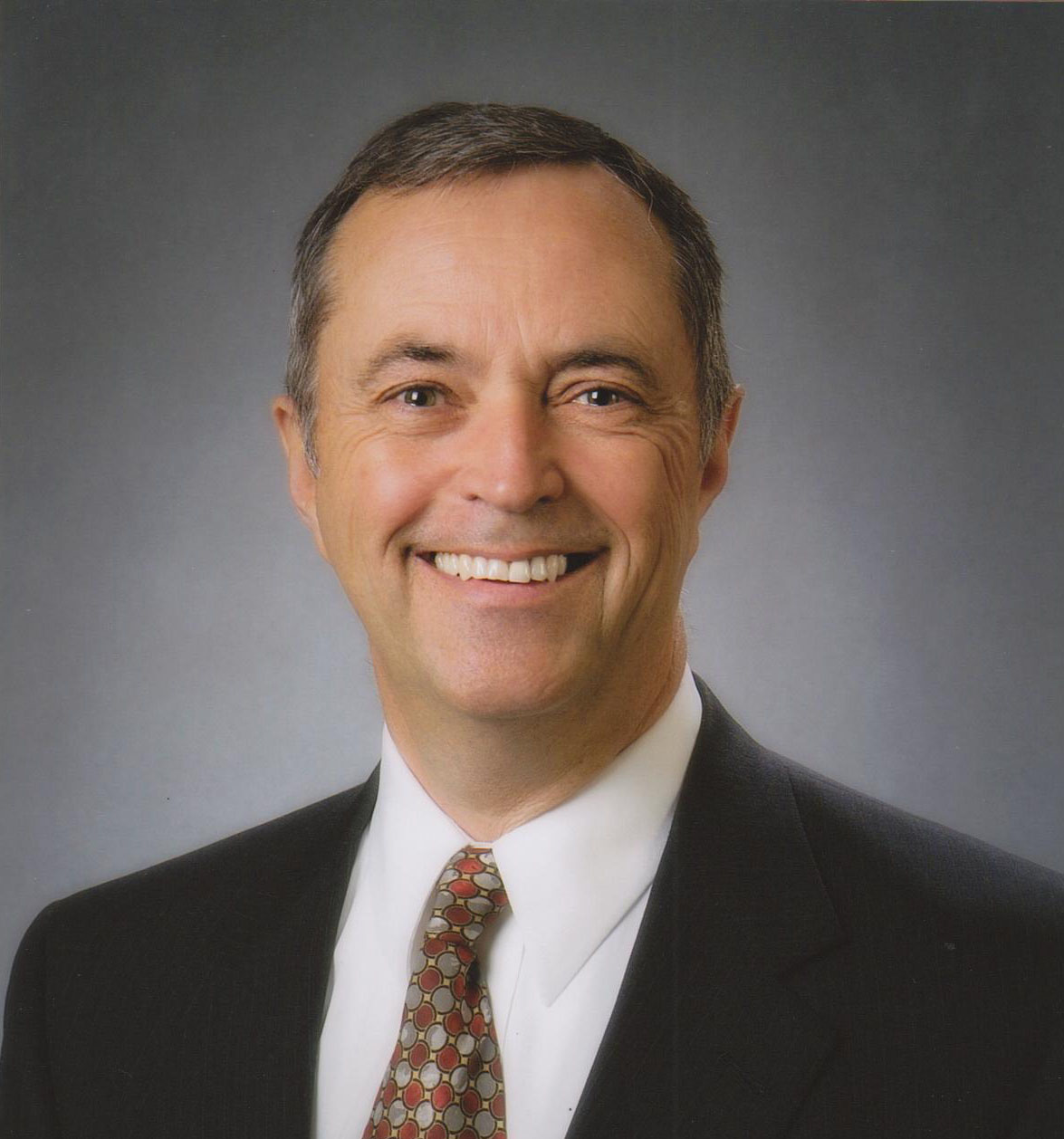
Moore retired from First Interstate Bank (FIB) in July, 2014 following 35 years of service. Moore was Executive Vice President and Chief Financial Officer at FIB and provided financial oversight, including merger and acquisitions. He is currently the Board Chairman for Montana Family Foundation, and has previously served as a director at St. Vincent Health Care and on the boards of Montana Board of Investments, La Vie, and Billings West Rotary.
YBGR Expands Foster Care in Montana
(Billings, Mont.) March 30, 2017 – Yellowstone Boys and Girls Ranch (YBGR) is expanding its services to children and families in Montana. Their Community Based Services (CBS) Therapeutic Foster Care (TFC) program is expanding from locations in and around Billings and Livingston, Mont., to also include Dillon and surrounding area.
“We’re at the point where we want to grow the program,” said Charise Lemelin, YBGR’s CBS Clinical Director.
Lemelin said that she has a dream to acquire 15-20 foster care placements in the Dillon area. Funding for the program would create two new positions – a family resource specialist and a treatment manager.

“When you hear times of children in crisis having to sleep overnight in their social workers’ offices and in shelter care settings, or that current foster families are having to accept more kids into their homes than the recommended amount to keep kids safe, it speaks volumes to the need and crisis in this state,” said Kim Chouinard, YBGR’s Executive Director of CBS.
“If we have families ready to license, we can get started with families right now,” Lemelin said. “A piece of it, too, is having respite care available so that when foster families get stressed out or just need a weekend, it’s there for them.”
The organization serves 23 families between the Billings and Livingston locations and works with Child Bridge on programs which assist with TFC families.
“Part of this initiative is to create more placements in Livingston as well,” Lemelin said. “We know there is a need in Montana and we want to do our best to fill it.”
The first foster parent informational meeting will be held on Wednesday, April 19, from 6 – 8 p.m. in the Dillon Elementary School Board Room. Contact YBGR’s offices at 406-683-0416 in Dillon, or 406-222-6490 in Livingston for more information and upcoming pre-service dates.
YBGR in the News
Check out at article written by The Billings Gazette highlighting kids’ education of Youth Mental Health First Aid and the Heads Up Behavioral Health Careers Camp, sponsored in part by Yellowstone Boys and Girls Ranch.
“Salt on the Rims” Event to Benefit YBGR
Hey Jimmy Buffett fans! Do you like sand between your toes, good music, and a tasty burger? Check out Billings Metra Park’s “Salt on the Rims” event, happening Saturday, Mar. 11. The event will feature beachy, Jimmy Buffett style music, a warm, indoor temperature for your shorts and tank top, and tons of sand to squish between your toes. And better yet, a portion of tickets sold will benefit Yellowstone Boys and Girls Ranch!
So, if you’re sick of the cold and snow and feel like warming up your toes, check out tickets at http://www.metrapark.com/events/2017/salt-on-the-rims.

YBGR Spiritual Life Kids’ Camp Back Again

(Billings, Mont.) February 11, 2017 – Thanks to generous donors of the Yellowstone Foundation, Yellowstone Boys and Girls Ranch’s (YBGR) Young Life kids’ camp is back again! Kicking the day off with Club worship, Billings Young Life youth ministry had begun the first day of a three-day winter camp for YBGR youth. Close to 55 of the 65 residents in treatment at YBGR had attended the spiritual-based camp on the first day.
“This is the second time Young Life has been out to host a camp with our kids… and to see the kind of participation where nearly all of our kids want to be here… it’s awesome,” said John Dailey, YBGR’s Director of Spiritual Life.
 Young Life volunteers providing entertainment for outside activities
The day began in chapel worship with Billings’ Young Life volunteer, worship team. Staff and kids sat, stood, danced, hugged, sang, and watched as the Young Life performers poured melodious, Christ-centered hymns and songs into the room.
“It’s amazing to see some of the most shy kids open up. Our kids have such diverse pasts of trauma, depression, anxiety, and just situational obstacles. To see them dancing and swinging around – just being kids— that’s the gift that the Spiritual Life program and this camp brings,” said Dailey.
The camp included evening entertainment from Dailey, Keith Dow (Billings Young Life Area Director), and camp volunteers. With weather in the 40’s, the kids participated in outdoor games like playing with a giant “Zorb” ball, knocking over giant “Jenga” blocks, and running in sled relays. They also participated in the rock wall, bowling, and much more. Sunday evening will end with an opportunity for youth to express personal devotion to Christ and an outdoor bonfire.
“As always, our partnership with Young Life is a blessing,” said Dailey. “The community involvement and growth in these kids’ personal relationships with individuals in the community and with Christ is what this is all about.”
YBGR upgrades staff training room equipment
(Billings, Mont.) February 9, 2017 – Yellowstone’s staff Training Center is up and running with new office equipment. A portion of a Cognitive Behavior Therapy grant provided in late 2016 by PacificSource Health Plans funded the new upgrades for the two staff on-boarding and training rooms. Totaling nearly $10,000, the new tables, chairs, and two televisions are needed upgrades for the rooms that were ready for new equipment.

“As the training coordinator for YBGR, I am thrilled to have new office equipment for staff to use,” said Jessica Rouix, YBGR’s Training Coordinator. “Having an environment that people want to spend time learning in makes the process much more enjoyable.”

All YBGR staff given sixty-year sweatshirts

(Billings, Mont.) February 3, 2017 – All staff of Yellowstone Boys and Girls Ranch, Yellowstone Academy, and the Yellowstone Foundation received employee appreciation sweatshirts for the meaningful work they do for the youth of YBGR, living the mission each day. With over 220 staff members facilitating mental health services in Montana, staff work to provide youth, families, and communities we impact with a variety of treatment options.
“We are proud to ‘live the legacy’ of sixty years of caring,” said Mike Chavers, YBGR’s CEO.
Billings Symphony to Play at YBGR
 (BILLINGS, Mont.) January 9, 2017 – The Robbie Chapel at Yellowstone Boys and Girls Ranch (YBGR) will fill with the vibrant sound of music during a visit from the Billings Symphony. January 9, Monday afternoon from 1-2:30 p.m., YBGR kids will experience the symphony’s sophisticated classics, familiar Disney songs, and melodious tunes.
Candy Holzer of the Billings Symphony said that through the Explore Music program that the Billings Symphony receives grants for, they are able to visit schools and seniors in the community.
“Of course, our whole reason is to hope that maybe they will try out music and take advantage of their school band, choir or orchestra program,” she said.
 The Ranch is no stranger to strings. Pictured above are members of the Yellowstone Bluegrass Association, playing for a crowd in the Ranch’s Chapel last fall.
The symphony has visited YBGR in the past for similar concerts. Ron O’Leary, YBGR’s music and art teacher has enjoyed their visits.
“I think it’s great to expose students to unfamiliar forms of music,” he said. “It helps to expand their idea of what’s out there in the world.”
Both O’Leary and Holzer said that the experience is unique for many of the kids because they may have never heard a professional live quartet or musical group before.
“It’s really a rewarding experience for so many of the kids,” said O’Leary.
One law enforcement officer is taking the spirit of giving to the next level
By Kolby Crossley of SWX Right Now Fox news station
BOZEMAN – One Law Enforcement Officer is taking the spirit of giving to the next level. Deputy Sheriff Dean DuVall out of Park County has created Operation Christmas Lights, it’s an operation to help families in need this Christmas by donating hundreds of presents.
In its first year of operation, Operation Christmas Lights will be delivering presents to 102 kids this Christmas.
Deputy Sheriff Dean DuVall says, “One of the things I wanted to see with this operation was bridging the gap between the public and the police.”
Deputy Sheriff DuVall went to the Yellowstone Boys and Girls Ranch with the idea of donating presents to those in need on Christmas. He says this operation has become bigger than everyone involved in it.
“It exploded once they got excited about, about doing a team project and then we ended up locating 102 kids within the county,” says DuVall.
In its first year of operation, close to five thousand dollars has been donated to purchase 400 gifts.
“One of the main things that officers are going to do on this night is demonstrate to others that simple acts of kindness can actually crush hatred,” DuVall continues.
Joshua Bigner, Case Manager at the Yellowstone Boys and Girls Ranch says DuVall stepping up like this is an incredible act.
Bigner says, “I think it’s a great thing, I think it’s just great that Dean DuVall was willing enough and brave enough to promote this project to us.”
DuVall with the help of the Yellowstone Boys and Girls Ranch put this operation together in just ten days. He now wants to challenge the rest of the nation.
DuVall says, “This is going to be contagious, acts of kindness are becoming contagious when people see this. And I challenge leaders across Montana and across our nation to come up with a better operation and better ideas to better their communities.”
Deputy Sheriff DuVall says you never know what the future holds but he hopes to continue operation Christmas lights next year.
Click here to watch the video segment by Bozeman, Montana’s SWX Right Now news station.
A Message of Thanks
Christmas for emotionally troubled youth served by Yellowstone Boys and Girls Ranch on campus, in group homes and foster homes, and even living at home, can be a lonely time. We want to give our heartfelt thanks to all our friends in the community who supported Yellowstone Boys and Girls Ranch Foundation this year with your time, talents and treasure.
Next year, YBGR will celebrate 60 years of serving emotionally troubled children in our community! Each day, YBGR serves more than 600 emotionally troubled children. Its residential program hosts children on the original 410 acre working ranch between Billings and Laurel. Its community programs are based out of Garfield School on Billings’ south side, providing therapeutic foster homes, school based therapy, and family therapy and support throughout southern and eastern Montana. Yellowstone Academy, an accredited public K-8 and private high school, provides special education to YBGR’s residential children and day school students from our community and surrounding communities.
As we head into YBGR’s 60th year, we are also thankful for the board members, volunteers, and 325 employees of YBGR and Yellowstone Academy who selflessly help these emotionally troubled children day in and day out . . . and especially at Christmas.
Sincerely,
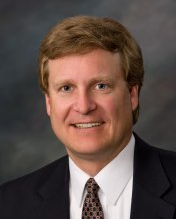
Warming Up Kids with Blankets and Bears
(BILLINGS, Mont.) December 7, 2016 – This holiday season, Yellowstone Boys and Girls Ranch (YBGR) has much to be thankful for, especially when it comes to gifts provided by Billings area partners and businesses. Nonprofit organization Blankets and Bears, founded by Sandy McCaffrey, is just one of the businesses who’ve supported YBGR in years past. The Ranch is excited to see the organization back again this year.
 “For the past 9 years, Pillows, Blankets, and Bears has provided a number of youth with a unique gift at Christmas,” Rick Hamblin, Director of Community Based Services, said. “The children are all smiles when they receive their bundles.”
For YBGR’s Community Based Services (CBS) kids and families, they get to be a part of a special kind of giving… guaranteed to be cozy and warm. In an event which lasts from 3:30 – 5 p.m. on Dec. 19, at Garfield Center in Downtown Billings, nonprofit organization Blankets and Bears will donate enough bundles which include a new pillow and pillow case, a blanket, and a stuffed animal for nearly 60 YBGR CBS youth and other children in the community. In years past, volunteers have dressed in Christmas outfits and presented each child a gift.
“Deliveries to YBGR have captured me because this is what caused us to grow,” McCaffrey said. “I am just blessed to be able to have our community rally around the children that need us here in Yellowstone County and beyond.” McCaffree said that, in 2005, Blankets and Bears delivered only seven bundles in total, but expects that this year they will deliver nearly 800 bundles. “All of the children have my heart. They’re my first priority,” she said.
Halloween Tricks and Treats at YBGR Annual Harvest Party
By Morgan Tuss
One step, two step, three step… Stop! Justin Bieber’s famous tunes cut short by the swift finger-press of the contest moderator, Vanessa Grossman. Pause! The kids halted to a hop and stumble, each landing on a numbered square. Eyes looked left and right and torsos wobbled as they waited for their fate.

…And then there were nine. Survivors of the elimination sighed a breath of relief and stood by for the “go-ahead” to walk the circle again. The finger pressed play and Bieber belted on.
Trays of Rice Crispy treats and brownies; baskets of candies, bags of cookies, and plastic encasings of cupcakes agonizingly delicious looking, but all unmistakably overshadowed by mouthwatering rows of colorful, green, orange, and brown cakes topped with marshmallows, chocolates, Gummy Worms, and technicolored candy sprinkles.
 Certainly enough cake for a cake walk… or a cavity.
In the midst of a fall evening, the dining hall glowed from the outside in, lit with bustling activity from all sides of the room. Kids hurried from station to station testing out each game and competing with their peers. In costume and garb, staff and guardians watched-on, attending to the party-goers needs and encouraging Halloween spirit.

The youth toiled over who was next in line and how many turns the person had in front of them. Gladly, they accepted candy as a satisfactory reward for each finished game.
Moving on from one station to the next, the youth looked for opportunities to high-five friends and steal successful techniques.

John Dailey’s “Just Dance” with the Wii attracted the kind of partiers who weren’t afraid to bust a move. They watched the screen closely, flicking their wrists, waving their arms, dipping and kicking their legs out, and shuffling their feet—buoyant with the rhythm of the on-screen dancer. If focus could be measured, this game would take the win.


At different stations, party-goers took turns throwing footballs into holes, mowing down towers of red SOLO cups and monster bowling “pins,” blindfolding each other and pinning the wart on the witch, tossing bean bags into a coffin-shaped Cornhole game, and participating in other carnival games decked-out in spooky, orange and black decor. It was clear that each lodge put a lot of thought into their station, making each of them the engaging and inviting booths that they were.

The hall was hung with jack o lanterns, ghosts, ghouls, spiders, and skeletons and featured a traditional centerpiece with straw bales, corn, pumpkins, a rooster, and a scarecrow.
Some staff brought their spouses and kids, and wore costumes to match the fun. Anya Mohr dressed as the Victorian Queen Anne and served punch until the ladle ran dry. Rishay Watson, PRTF Executive Director, and Dr. Chandra Perez, YBGR’s clinical director, brought over their kiddos and Jeff Seeley brought his son too.

Every person eyed the cakes, treats, and goodies on the way in and out—even the youngest of us.
A Halloween Poem
Without a doubt, the ghouls, goblins, and ghosts galore would’ve been dancing in their skeletons to be at our door.
But, the biggest scare is yet to come. Not Halloween, the presidential election, or your mum…
Lurking in the backdrop of one of these photos is the iconic reminder of the day that comes only but once a year: The holiday that children dream of and the one that parents fear—Christmas!

“Eat for Change” at Chipotle to Support YBGR Youth
BILLINGS – Hey, are you hungry for lunch? Well, mark your calendars for Wednesday, Nov. 16 and “eat for change” to support Yellowstone Boys and Girls Ranch (YBGR) Foundation. By filling your hungry tummy, you can help fill the hunger for a full and happy Christmas for YBGR youth.
Stop in to Chipotle, located at 1601 Grand Ave Ste. 100, in Billings, Nov. 16, between 11 a.m. and 8 p.m. and donate 50 percent of the cost of your lunch, afternoon snack, or dinner to youth in need. That means that you can donate at no extra cost, and get a great meal!
Support your local YBGR Foundation and help them serve a great cause!
‘It Takes a Village’ to Treat Mental Illness
By Morgan Tuss
The Billings Police Department (BPD) has reported an increase in calls that involve mental illness, within the last two years. The latest report showed that crime involving mental illness cases are up 9.35% from 984 reports, in 2014, to 1076 reports, in 2015. These statistics do not include incidents involving individuals with undetermined illnesses, which BPD said could significantly add to those numbers.
This week is Mental Illness Awareness Week – an appropriate time to take a closer look at mental health issues and treatment in our community.
Increasing Incidents
Lieutenant Neil Lawrence of the BPD offered insight into how the department handles mental illness. He said that Billings officers regularly encounter individuals who struggle with mental illness.
“At least on a daily basis, you’re going to have contact with someone who is attached to a mental illness,” said Lawrence.
He said that police awareness and capability to handle mental illness has increased since the time that he was hired by the department, 22 years ago. He explained that each officer undergoes Crisis Intervention Training which incorporates scenarios of common disturbances and skills on how to deescalate situations. He also said that officers often work with local agencies like Tumbleweed to help find placement and treatment for troubled individuals.
“If we can get them the help they need then we’re certainly going to try to help,” said Lawrence.
Treating Those in Need
There are a number of organizations in Billings which treat individuals struggling with psychiatric and mental health needs. Two of them are Tumbleweed and Yellowstone Boys and Girls Ranch (YBGR).
Tumbleweed provides overnight, drop-in care; outpatient and crisis counseling for families and individuals; and counseling services within two of the Billings high schools. Jamie Rettig, the Lead Counselor at Tumbleweed, reported that during the fiscal year of 2015, they impacted 482 individuals through their drop-in care and 558 individuals through crisis counseling and family mediation. They also average 227 calls per month on their crisis line.
“The need has increased. I definitely have seen that,” she said. “I think there are some great gaps that can be filled.”
She also recognized the importance of reaching youth and families sooner in their life rather than later.
“We need to be catching kids earlier… By the time they see these places their issues are usually much more compounded,” said Rettig.
Like Tumbleweed, YBGR offers care within schools as well as outpatient child and family counseling, but also offers other services such as residential treatment, Home Support Services, Targeted Case Management, school-based Behavior Support Specialists, Supported Employment for youth seeking jobs, and Therapeutic Foster Care.
“We are committed to building new solutions, adapting existing services, and partnering with others to address these growing needs,” said Mike Chavers, CEO of YBGR.
Chandra Perez, the Clinical Director for YBGR, said that one of the difficulties of treating mentally ill patients is trying to find the balance of properly treating them in their environment of choice.
Perez said, “When kids move to a different environment, there’s a sense of trauma, anxiety—stress for the kids. Because of that research, people want to try everything they can to keep the child in the home.”
She said that while in-home treatment is the first choice, it may not always be the right approach.
Tumbleweed and YBGR both treat many kids suffering from past trauma.
“Many of our kids come from a background of trauma, either in their home of origin or throughout the foster care system. So, them staying in that trauma and chaos isn’t necessarily the most healthy,” said Perez.
Perez also said that the problems associated with individuals’ unwillingness to seek treatment for mental illness are the stigmas attached to them and a lack of education.
“More than half of the population at some time throughout their life has some diagnosis of mental illness, so chances are that other people won’t be judging you. The nice part, also, about mental health services is that they’re typically confidential,” said Perez.
Billings-native and graduate psychology student Alexa Huschka is trying to combat that exact issue—a lack of education. Huschka studies school psychology at the University of Oregon and said that erasing the stigma behind mental illness comes from being informed and understanding.
“It’s really important for people to learn about mental illness and how sometimes, it’s something that can just happen. No one is less of a person because they have a mental illness,” she said.
Her education consists of identifying student learning disabilities, behavior support, and collaborating with parents and teachers to help the student succeed.
“For students struggling with a mental illness, receiving help in any form is taking control and fighting for a better life,” said Huschka.
Orchard Elementary is taking a charge on implementing positive thinking. YBGR Behavior Support Specialist, Breanna Maples said there is a motto that they use to encourage staff and students at the school—“It takes a village.”
And Billings is just that.
For more information about Yellowstone Boys and Girls Ranch visit ybgr.org, e-mail info@ybgr.org, or call 1-800-726-6755.
For more information about Tumbleweed visit tumbleweedprogram.org or call their 24-hour crisis counseling hotline at 1-888-816-4702.
A Great Place to Grow Up
Donald Finch was used to being on his own. His mom was rarely home, working night shifts as a nurse in order to feed her eight children. His dad was an alcoholic. As the second oldest, Donald knew it was up to him to take care of himself and his siblings. But it wasn’t long until social services put them in the foster care system.
“I’d stay with one family for a little while and then they’d come and uproot me,” he said.
Donald felt stripped from his family. He was craving a home, and that’s what he found at Yellowstone.
 “I came out here in the fall of ’57.” He was caught stealing beer, cigars, and money. The judge gave him the choice between Pine Hills Youth Correctional Facility and the Boys Ranch.
“I always liked the idea of a ranch,” he said. Donald was the 10th boy to stay at Yellowstone, where he lived for close to six years.
“It was a great place to grow up,” he said. “It was like a home. It was a good place to live. It felt like a big family.”
But Donald still yearned to connect with his biological family. This made the holidays tough.
“When Christmas rolled around, everyone at the Ranch here got to go home,” he said. “I was the only kid here. I had to do the chores, milk the cows, feed the hogs. I resented that because I was the only one here.” But his lodge parents made him feel at home and like he was a member of their family.
Donald’s days at the Ranch started at 3 or 4 a.m., when he would check the water. He would farm in the corn and wheat fields, garden, irrigate, and work with the horses. He helped build lodges on the ranch, as well. When he was done working, he knew he could go back to the lodge for a home-cooked meal.
 “Mrs. McNeal was a super good cook,” he said. “When she baked pies for dessert, you’d get about a quarter slice of pie. She didn’t skimp at all when it came time to feed you. She made darn sure you got fed well.”
It was those caring relationships with staff that Donald remembers most.
“They were positive role models,” he said. “They taught you a lot of values.”
And they gave him a family when he couldn’t be with his own.
“It was a great place,” he said. “It helped me grow up and gave me a lot of good direction in life. The Boys Ranch was the best thing that ever happened in my life.”
Yellowstone Academy Classroom Converted into Sensory Room
Students at Yellowstone Academy will be wiggling around their classroom nonstop this fall. However, their teacher isn’t worried. In fact, she’s excited to teach them in a new state-of-the-art classroom that was designed specifically for their needs.
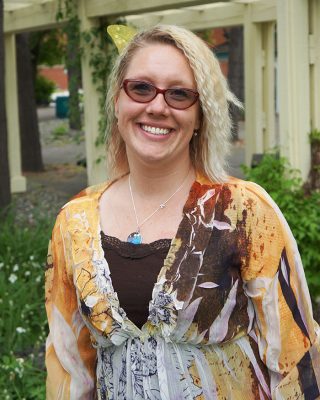
“They’ll now have a desk where they can sit and bounce and pay attention,” said Prudence Lybeck, the special education teacher for kindergarten through third grades at Yellowstone Academy. “The new classroom will really add to the sensory-based teaching I already incorporate into their learning activities.”
Lybeck will teach about five high-needs students in the self-contained, special education classroom this fall. They will enjoy new carpeting and paint, as well as ergonomic furniture pieces that include swinging footrests, bouncing seats, and easy-to-move desks. The classroom remodel was made possible by partnerships with 360 Office Solutions, A-line Drafting and Design, Pierce Flooring and Cabinet Design, and Sherwin Williams.
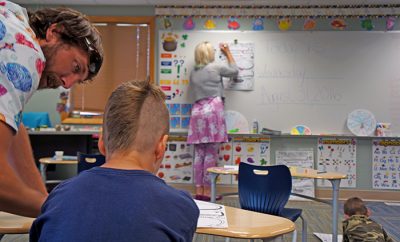
“We hope that after they’ve had a chance to use the furniture, they will see a positive change in the kids,” said Frank Cross, an owner of 360 Office Solutions. They donated about $15,000 worth of time and materials.
Pierce Flooring and Cabinet Design donated antimicrobial Millikan carpet tile and installation at a value of $3,000. “We strongly believe in the Yellowstone Boys and Girls Ranch and have for years,” said Jon Pierce, the general manager of the flooring division. “We love giving back to our communities that help drive our business, as well.” The Pierce family of businesses also includes Pierce Homes, Pierce RVs, and Pierce Leasing.
As Lybeck prepared for the school year in a classroom under construction, she said she appreciates the generosity of the community. “We are so grateful that these companies have created a sensory learning environment to help our students continue to grow in a safe place,” she said.
Yellowstone Academy is a fully accredited K-12 program through AdvancED Accreditation and an accredited K-8 elementary district through Montana’s Office of Public Instruction. It is located at the Yellowstone Boys and Girls Ranch, a nonprofit organization that is trusted locally and nationally as a leader in the field of mental health care for children and their families. YBGR has impacted more than 10,000 youth and their families since 1957 through Residential Services in Billings, Community Based Services throughout Montana, and the Yellowstone Academy in Billings.
Billings DeLorean Club Celebrates Back to School with YBGR Kids
The Billings DeLorean Club will be showing off their wheels at Yellowstone Boys and Girls Ranch for the first-ever Back to the Future Back to School Car Show.
“Our club usually participates in parades and local car shows, so a back to school event is something new for us,” said Justin Voeller, who plans to dress as the character, “Doc”, from the Back to the Future movies. “I enjoy seeing others get the same amount of enjoyment as I do out of the car.”
DeLoreans were produced from 1981 until 1983. They feature a signature stainless steel body and gullwing doors.
“We are ecstatic about bringing these retro cars to campus for our kids,” said Gillette Vaira, the director of public relations at YBGR. “The back-to-school spirit is alive at the Ranch, and the DeLoreans will make this time of year even more special.”
Close to 60 youth who live on Yellowstone’s campus will be turning out for the show the evening of their first day of school. They’ll be watching Back to the Future movies prior to the event to get into the 1980s groove.
YBGR Expands Services within Billings Public Schools
Yellowstone Boys and Girls Ranch is expanding its services within Billings Public Schools. The growth of the program is a result of an increase in mental health needs among students in the school district.
“We are seeing a higher demand for mental health services for our young people,” said Terry Bouck, the superintendent of Billings Public Schools. “Working with YBGR helps us to meet the needs of students and their families.”
 Yellowstone has provided Comprehensive School and Community Treatment services for School District Two since 2014. CSCT teams, which include a master’s degree level therapist and bachelor’s degree level behavior specialist, provide mental health therapy and behavior interventions to students while they remain in their regular school environments.
YBGR is recruiting four therapists and four behavior specialists to create the additional teams. With these new employees, YBGR will have will have an additional team at Lewis and Clark Middle School, two teams at Medicine Crow Middle School, and one team at Frameworks, an alternative classroom at the Lincoln Center. Once the four new teams are operating, YBGR will have 12 total teams in Billings Public Schools. YBGR also offers CSCT services in Dillon, Shepherd, Laurel, Lewistown, and Lockwood, as well as Elder Grove and Independent Elementary Schools.
“We are proud to work with schools throughout Montana to meet the mental health needs of youth and families,” said Kim Chouinard, the executive director of YBGR’s Community Based Services program. “We are excited about expanding our services within School District Two and are honored to continue working with all of our school partners across the state. It is a great program that provides hope for children and families.”
Billings Public Schools enrolls more than 16,000 students in pre-kindergarten through 12th grade. The district has 22 elementary schools, five middle schools, three high schools, and a Career Center. School District Two employs about 1,400 full-time equivalent positions.
Yellowstone Boys and Girls Ranch, a nonprofit organization, is trusted locally and nationally as a leader in the field of mental health care for children and their families. Each day, YBGR’s employees across the state work with close to 600 youth who struggle with controlling emotions and behaviors. YBGR has impacted more than 10,000 youth and their families since 1957 through Residential Services in Billings, Community Based Services throughout Montana, and the Yellowstone Academy in Billings.
Lions, Tigers, and… Armadillos?
By Morgan Tuss, Public Relations Intern
The kids squirmed in their seats wondering what was in those three containers. Troy Paisley of Zoo Montana opened up the first container and pulled out a terrarium. Its contents—a Madagascar Hissing Cockroach!
The kids rustled in their seats; some stood up and groaned, “Ew,” or “Cool!”
As Troy stood at the front of the Chapel, he explained that animals have tools and adaptations which help them survive in their environments. He held the bug in his hands and explained how cockroaches hiss like a snake when they feel threatened. He explained that without cockroaches, we might not have vanilla or chocolate ice cream… That’s right! This particular species of cockroach originates from the same forests where vanilla and cocoa beans were first found. Without the forest cleaning and maintenance work that cockroaches provide, these beans might not grow!
 With the cockroach safely put away, Troy unlatched the next container and introduced Bambi, the Three Banded Armadillo.
“Aw,” said some of the girls. Eyes bulging, their hands sprung up. “Can I touch it?”
Watching the armadillo wiggle, the kids were dazzled. Troy explained that this armadillo is different from other species because of the unique tri-banded armor on its back. This trait gives the armadillo the ability to flex and wiggle— just as it was doing. He brought the Armadillo around for the kids to see. They giggled at its hairy tummy.
“It’s almost like it hasn’t shaved,” said Troy, jokingly.
After watching Bambi explore the floor for food, she was returned to her traveling crate.
The kids knew there were three animals, so what was next? Troy stretched his gloved hand into the covered enclosure and pulled out Gabel, the Great Horned Owl.
The kids’ eyes glowed as they admired the large bird. In awe, they watched as he stretched out his wings.
 The kids learned that Gabel is named after Gabel Road in Billings, where he was hit by a car. His injuries resulted in an amputation of his right wing. Troy explained that because of this, he could not be returned to the wild and landed a permanent home at ZooMontana. He also clarified that owls cannot turn their heads all the way around, but that they do have twice the amount of vertebrae in their necks as humans. This allows them to turn their heads a great deal further than us.
At the end of the presentation, the kids were excited when Troy offered them to properly pet the back of the armadillo, while of course, sanitizing their hands after. Lined up, the kids walked up one by one to pet it.
Some of the girls couldn’t decide whether their favorite animal was Gabel or Bambi, but it’s certain that they had a hoot!
Yellowstone Academy Summer Program Adds Guest Science Lessons
Summer school may not be appealing to the average student, but it gets cooler with ExxonMobil’s weekly summer science lessons at Yellowstone Academy.
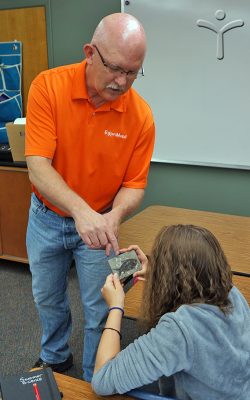
“It’s a great way to help students see how science impacts everything we do each day,” said ExxonMobil’s Dan Carter, who leads interactive lessons about everything from rocks, minerals, and geology to chemistry and engineering.
About 40 students in kindergarten through 12th grades are enrolled in YA’s summer school program, which is part of a trimester school year. In addition to Carter’s lessons, YA offers vocational programming, art and music classes, and a full range of academic services to assist special education students.
“We’re trying to help these kids with mental health so we can send them back to their districts and they can be successful academically,” said YA superintendent Mike Sullivan.
Students’ home school districts place them at YA through an Individual Education Plan process. The home districts, which are located within an hour’s distance from YA, pay for the placement of their students at the Academy.
“These kids can be successful, but they just need the right setting,” Sullivan said. “We’re the right setting for them.”
The YA day treatment educational model involves collaboration among educators, therapists, and behavioral specialists to help kids work on social and emotional deficiencies. Classrooms have four adults and eight to 10 students. Teachers fill students’ days with group projects and interactive activities, like Carter’s science lessons.
“Every kid I’ve ever met is curious about the world around them,” Carter said. “I just try to show them a new way of looking at it.”
YA is a fully accredited K-12 program through AdvancED Accreditation and an accredited K-8 elementary district through Montana’s Office of Public Instruction. It is located at the Yellowstone Boys and Girls Ranch, a nonprofit organization that is trusted locally and nationally as a leader in the field of mental health care for children and their families. YBGR has impacted more than 10,000 youth and their families since 1957 through Residential Services in Billings, Community Based Services throughout Montana, and the Yellowstone Academy in Billings.
Billings Hit Band Plays for YBGR in Summer Concert
and John Verbeck
The Montana native, hit band, Repeat Offenders, will play at the Josephine Crossing Summer Concert on Tuesday, July 12 from 5 to 8:30 p.m. The event supports Yellowstone Boys and Girls Ranch.
The band’s bass player, Steve Shelton, was diagnosed with ADHD as a child and struggled with social and behavioral obstacles. He said he feels this event is a fitting way to support kids with similar challenges.
“Anything anybody can do to help kids out, I think, is very, very cool,” Shelton said.
The Josephine Crossing subdivision, developed by McCall Homes, is hosting the concert series for the seventh year. McCall Homes Marketing Director Kelly Smith works and lives in the community.
“I’m a neighbor myself,” Smith said. “I can pack up my red wagon with camp chairs and a picnic blanket, and we can go and have great entertainment, really, in our backyard.”
The concert will raise cash and check donations, which will support YBGR’s treatment programs. YBGR also accepts donations at www.ybgr.org/donate/.
“We are thrilled to partner with the Billings community and the Repeat Offenders to support our kids,” said Morgan Tuss, the public relations intern at YBGR.
Yellowstone Boys and Girls Ranch, a nonprofit organization, is trusted locally and nationally as a leader in the field of mental health care for children and their families. YBGR has impacted more than 10,000 youth and their families since 1957 through Residential Services in Billings, Community Based Services throughout Montana, and the Yellowstone Academy in Billings.
Listen to YBGR Public Relations Intern Morgan Tuss and Kelly Smith with McCall Homes speak with the Breakfast Flakes about the event!
Listen to YBGR Director of Public Relations Gillette Vaira interview with Livin’ Large Larry about the event!
Voices of Yellowstone
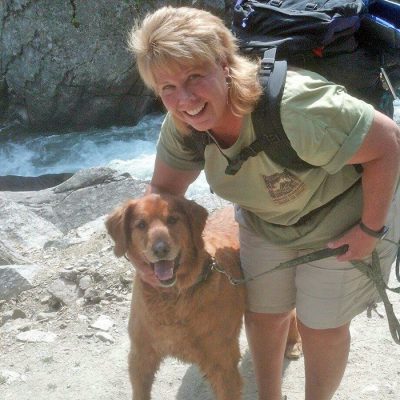
As told by Lisa Frazier, Therapeutic Recreation Supervisor
In 1982, fresh out of college, I began working at Yellowstone. I spent the majority of my time with kids in the Uihlein Recreation Center, taking them on biking, camping, and sledding adventures. My mentor, Bob McFarlane, one of the three founders of Yellowstone, taught me how to establish relationships through hard work and play. Of course, we never know how our actions and words will impact young people. But we hope that our advice will stay with them throughout life. That’s what happened with Adam Garrigues.
I met Adam in 1983 when he arrived at Yellowstone at 15 years old. By that time, he had plenty of run-ins with the law. He ran away from home, skipped school, smoked, drank, and did drugs. He also ran away from the Casper Children’s Home at age 13. Later, he stole a car and robbed houses, landing him in the Wyoming Mental Hospital and the Wyoming Industrial Institute for Boys.
When he came upon his fourth felony in three years, he knew his next stop was Yellowstone… or prison.
“The judge told me flat out, ‘This is your last chance,’” Adam said.
Adam lived at the Ranch for more than three years, and he was actively involved. He played on the Mustangs basketball team and won Defensive Player of the Year. Later, Adam told me he behaved well so he could participate in recreational programming.

“It kept me focused to do what was being asked of me or I might miss the big game that night,” he said.
Adam was eager to assist staff, as well. I remember when he helped me take a group of young kids on a camping trip.
“I was the pack mule,” Adam said. “After day four, my legs went numb, but I kept going. Now that builds character.”
Other aspects of his Ranch experience were impactful, as well. Adam remembers a staff mentor, Jerry, asking him to look up the word, “empathy”, and use it in a sentence. That assignment stayed with him.
“Later in life, it was just that little voice in the back of my head: ‘Be nice to people. You don’t know where they came from and they don’t know where you came from.’ When I would do something I knew I shouldn’t be doing, I heard a staff member or counselor saying, ‘You might not want to make this choice.’”
Adam wanted to have a chance to be one of those voices for kids currently in treatment at Yellowstone.
In 2015, he began coaching our youth in bowling. He teaches bowling basics, etiquette, and respect for equipment. But he gives advice about more than just bowling.

“This is not a game,” he has told them. “You have to make good decisions.”
The conversations they have about the future bring him back to his past.
“You can talk to them and you see yourself back in those days. It’s been an emotional rollercoaster since I’ve been coming back here, to be honest,” he said.
Now 48, Adam works as a welder for WBI Energy. He and his wife also started a food truck and catering business. He runs a youth bowling league in Billings and enjoys spending time with his wife, three children, and six grandchildren. But even as he enjoys his successful adult life, the Ranch continues to be a part of him.
“The voices of YBGR are still with you,” he said.
And now, his voice is with the kids of Yellowstone.
A Quilt for Every Kid
Written by Public Relations Intern Morgan Tuss
Fourteen-year-old Avery* was struggling with suicidal thoughts, depression, anger, and sadness. In desperate need of help, her family decided the best place for her to find hope was 3,000 miles away at Yellowstone Boys and Girls Ranch in Montana.
“I’m a long ways from home,” she said, thinking of her 5,000-person hometown in Alaska.
When Avery first arrived on Yellowstone’s campus, she felt overwhelmed.
“At first it was kind of scary being in a new place. But you get the feeling that people care about you.”
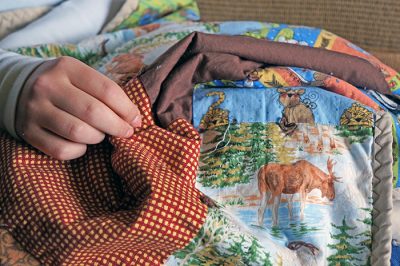 Avery had a warm and cozy treat when she first checked into YBGR. She was able to choose a hand-made quilt to keep her company during her stay at Yellowstone.
“I was actually really surprised,” she said. “I thought, ‘That’s really cool.’”
Avery chose a quilt that is scattered with earthy tones, moose, and trails like the Iditarod.
“When I’m missing home, I can see it and it makes me feel better.”
Avery’s quilt was made with love by three quilters from St. Joseph’s Catholic Church in Harlowton, Mont. They make dozens of quilts each year for the youth of Yellowstone.
“Those kids, some of them come with absolutely nothing,” said Sue Fortune, one of the quilters. “It really just tugs at your heart.”
Fortune estimates their quilting group has made more than 1,300 quilts for Yellowstone’s kids since 2005. However, keeping up with the amount of quilts needed for incoming YBGR kids is tough. The group started with 22 volunteers, but now just three ladies participate.
“It takes a lot for the three of us to turn out the quilts we do,” Fortune said.
They also rely on donations for materials from generous church members and others in the community. Fortune said she wouldn’t want a YBGR kid to go without one.
For Avery, receiving a quilt helped her settle into her life at the Ranch and heal from wounds of the past. Starting at age seven, Avery endured abuse. She was then diagnosed with posttraumatic stress, major depressive, and generalized anxiety disorders.
“I thought that I would never want to live or enjoy living.”
But the Ranch has given her life again. She has found purpose with various work crews on campus. She earns money by cleaning dishes and tables in the dining hall. She also works by tagging, branding, feeding, doctoring, and cuddling the Ranch’s calves.
“It’s really fun,” she said.
Her time at the Ranch has changed her.
“I’ve been able to do things for myself and helping myself allowed me to help others,” she said. “It’s gotten better since I’ve been at the Ranch, which I never thought I’d get to say.”
And as for Avery’s quilt, you won’t find it bundled in a corner or strewn on the floor. It is proudly displayed across her bed in the lodge, ready to keep her warm at night.
Please call Sue Fortune at 406-632-4204 if you are interested in quilting with or donating to the volunteers at St. Joseph’s Catholic Church.
*Name changed to protect client confidentiality
Yellowstone Hires Permanent CEO
The Yellowstone Boys and Girls Ranch board of directors has appointed Mike Chavers as the permanent chief executive officer, effective August 1.
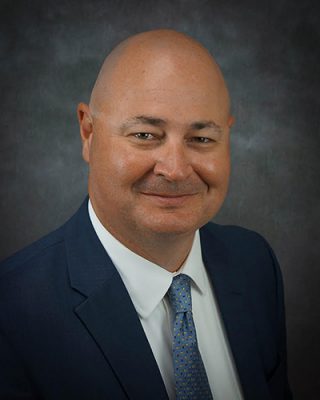
“I am honored to be offered the opportunity to serve as the CEO of Yellowstone Boys and Girls Ranch and to be a part of the incredible history and mission of the agency,” Chavers said. “I look forward to helping YBGR continue to make a positive impact in the lives of youth. As a native of the west, I am grateful for the opportunity to continue my career in an area which I still call home.”
Born and raised in Idaho, Chavers pursued his education and career in Illinois. He has worked at Indian Oaks Academy, Nexus, for the last 22 years. Most recently, he has served as executive director of the organization.
Chavers holds a Master of Arts in Counseling from Olivet Nazarene University and a Bachelor of Arts in Communications from the Moody Bible Institute. He is a fellow at Georgetown University’s Center for Juvenile Justice Reform.
Yellowstone’s Board of Directors Elects Officers
The Yellowstone Boys and Girls Ranch board of directors has elected officers for 2016-2017. The board re-elected Dr. Ronald Sexton as the Chairman. In addition, members elected Chip Youlden as Vice Chairman and Bob Carr as Secretary/Treasurer.
The board renewed the appointments of Sexton and Youlden, along with Stella Ziegler and Dr. Bob Wilmouth. In addition, the board welcomes a new member, Perry McNeese. The slate of nine members also includes Ken Woosley, Bill Goodwin, and YBGR’s chief executive officer.
YBGR’s board members consist of professionals from communities across Montana who volunteer their time to serve Yellowstone. They support YBGR’s employees, who work with children who struggle with controlling emotions and behaviors.
Shaving Cream and Spirituality Found at YBGR Camp
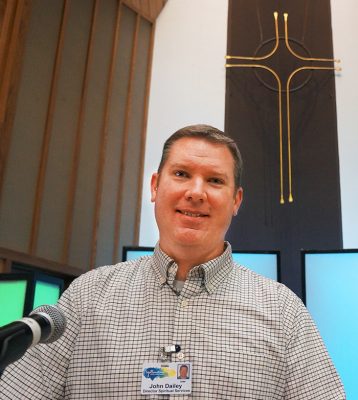
Close to 45 youth at Yellowstone Boys and Girls Ranch are starting their summer break by acting, splashing, sliding, dirt biking, baking, and bouncing throughout campus this week.
“One game the kids will love is called Splatter Ball,” said YBGR Spiritual Life Director John Dailey. “They will toss a whiffle ball filled with shaving cream at one another. That’s one sticky game!”
The activities are a part of a three-day summer camp, hosted by Yellowstone’s spiritual life program and the Young Life organization. The camp aims to connect YBGR youth with Young Life volunteers, who are positive role models for the youth. Young Life, a globally-recognized organization, helps young people grow in their faith.
“The kids get to do things they normally don’t get to do in a controlled and structured setting with adults who care about them,” said Keith Dow, the area director for Billings Young Life.
Dailey and Dow said the kids will eventually wash away the shaving cream, but hopefully not the memories, connections, and hope for the future.
Optimists Spiff up Clothing Rooms
Sifting through used clothing and shoes doesn’t bother members of the Billings Optimist Clubs. In fact, they thrive on it, especially since they’re helping kids.
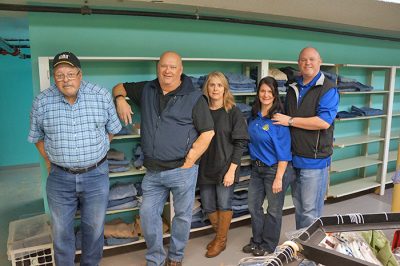
“It’s a little different project than what we’ve done before,” said Roger Gravgaard, a 10-year member of the Heights Business Optimist Club.
Gravgaard rallied members of the Heights Business Optimist Club, the Big Sky Optimist Club, and the Magic City Optimist Club to clean and sort the clothing rooms at Yellowstone Boys and Girls Ranch. The clubs are a part of a worldwide volunteer organization whose members strive to bring out the best in children, in their communities, and in themselves.
“We are able to provide clothes and shoes to youth in need because of generous donations from community members,” said Gillette Vaira, the director of public relations at YBGR. “Maintaining the clothing rooms can be challenging, but they’re in great condition with the support of our dedicated volunteers.”
“I think everybody has really enjoyed the time out there,” Gravgaard said. “It’s been a really good experience.”
Police Team up with YBGR
The Billings Police Department teamed up with Yellowstone Boys and Girls Ranch to raise awareness about the active role law enforcement officers play in our community.
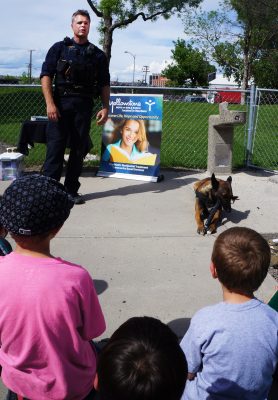
“We continually strive to develop positive relationships with the youth of Billings,” said Thomas Keightley, the public relations officer for the Billings Police Department. “This is one way to demonstrate to the kids how much we care about them and their families.”
Officers Keightley and Fishbaugh showed YBGR youth a police car, bullet proof vest, helmet, shield, and handcuffs. The youth also met Kooko with the K9 Unit! The event took place during National Police Week, which recognizes the service, sacrifices, and contributions made by U.S. law enforcement officers.
“Our organization is grateful for the Billings Police Department,” said Gillette Vaira, the director of public relations at YBGR. “This event will not only help our youth better understand the law enforcement community, but it may also open their minds to future career possibilities.”
The Billings Police Department consists of 142 sworn police officers who patrol within the Billings city limits. BPD is committed to improving the quality of life through a customer service, problem solving partnership with the community.
Celebrating Yellowstone’s Volunteers
Each year, organizations across the country celebrate National Volunteer Week in April. Let us introduce you to some of the volunteers who come back to the Ranch week after week to help us keep it running smoothly.
Wayne Harsha treks nearly 70 miles roundtrip to volunteer regularly at Yellowstone Boys and Girls Ranch.
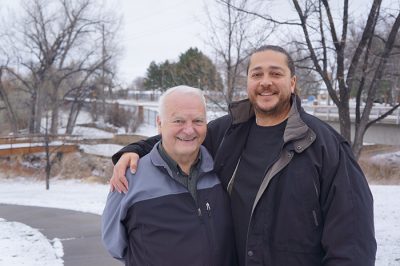 “I love coming here. Love it,” he said. “You kind of have to decide what’s important in life. Family is important. Doing something like this is important.”
Wayne has compiled data and statistics for YBGR for more than two years. He learned of the opportunity through his son, Tom Harsha, who is a mental health worker at the Ranch.
“I like to be able to make some contribution to help out,” Wayne said. “I can’t do what Tom does, but if I can take the time to help the Ranch with data to make better decisions, then I can give back.”
Wayne also likes to interact with Yellowstone’s youth whenever possible. Once, he brought flowers to the Ranch, and he, his wife, and Tom planted them with the kids.
“I’m doing it for the kids and so (Tom) can have a better chance to do what he does best,” Wayne said. “I would do it even if he wasn’t here, but it was a connection that brought us together.”
Wayne served as a pilot in the U.S. Air Force from 1968 until 1991. He has worked as a professor at Embry-Riddle Aeronautical University since 1988. He adopted four of his five children, including Tom. Having lived in Japan, Germany, and several states, he now lives with his wife in Columbus.
After raising six kids and now two grand-puppies, you might think sorting clothes would sound dreadful. But Malinda Rickman, a new volunteer to YBGR, spends an evening each week in our clothing room doing just that—sorting clothes.
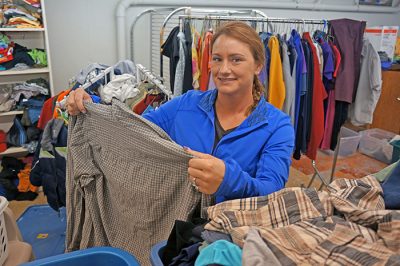
“After having so many kids, I don’t mind laundry,” she said. “I enjoy the feeling of accomplishment when I can see some of the progress and helping somebody that needs it”.
Malinda previously worked in clothing retail, so sorting the clothing room seemed like an easy way for her to get involved in the community.
“It’s nice to be able to branch out and give back,” she said. “The people I’ve met are just wonderful. I just really enjoy it.”
Malinda has always lived in Billings and owns the Continental Gate Company with her husband. An avid runner, she doesn’t mind running across town to work in the clothing room. With all of her sorting, she said she is at a point where she is starting to “make it pretty.”
Longtime YBGR volunteer Gail Norman has a heart for kids and the people who help them.
“I like what the Ranch does and I feel like maybe I’m contributing a little to that,” she said.
When asked how long she has volunteered at the Ranch campus, she joked, “I was afraid you were going to ask me that.” For about seven years, she has filed for the Fiscal Department and has helped with setting up filing systems. When she has time, she now helps with other clerical tasks and fills in at the reception desk.
“[The staff are] always very appreciative I’m there,” she said. “Everyone is very, very happy to see me. It makes you feel good.”
Gail is usually only able to volunteer at the Ranch with short notice since she also works regularly as a substitute teacher at the Billings Career Center. In her spare time, she also enjoys reading sometimes several novels a week, caring for her acre large yard she jokingly calls “the plantation”, staying healthy, and spending time with her two grown sons and six grand kids.
Anyone who walks into the Garfield Center on a Tuesday has a high chance of running into volunteer Dorothy Jensen. There, she helps with filing, data entry, and as she called it, “odds and ends that help out the staff.” In May, she will be celebrating her third year as a volunteer of YBGR.
“It gives me something to look forward to,” she said. “(The staff) are very welcoming, pleasant, and friendly.”
Dorothy was a registered nurse before she retired. She had enjoyed volunteering in her hometown in Iowa. In 2013, she moved to Billings to be closer to one of her two sons, and she caught the volunteer bug again. She quickly discovered the volunteer opportunity at YBGR through Adult Resource Alliance Center of Yellowstone County. She said she is thankful for the experience because she enjoys being out and meeting new people at YBGR.
“Even though it might seem like a minor thing, it takes a load off of their jobs,” she said. “They’re always really grateful for everything”.
Dorothy enjoys visiting her granddaughter, who is also a nurse. She also appreciates cross stitching, reading, meeting with a weekly quilting group, and volunteering at Adult Resource Alliance.
Judy Watson-Goldsby has always helped children. She raised four daughters and took in three foster care children. Now, she’s impacting youth in another way… by volunteering at Yellowstone.
“I’ve been aware of the Ranch ever since I was in high school,” she said. “I had never really been on campus. Now that I’ve seen how big it is, it’s very impressive. I wasn’t aware of how far-reaching this is and what they do.”
Judy volunteers weekly at Yellowstone by filling in at the administration building reception desk and helping with paperwork. She started in this role in April.
“Somebody got my name and called me and said, ‘Hey, you like to volunteer.’”
Judy is on the Laurel City/County Planning Board, serves as the chairperson for the Laurel Urban Renewal Agency, works as secretary/treasurer of the Laurel Revitalization League, and delivers meals for the Laurel Meals on Wheels program. She said her most significant passion is conducting genealogy research at the Laurel Library. But volunteerism, in general, fuels her.
“It really gives me a reason to get up in the morning to know that I have something to do to keep me busy and make me feel good.”
Having previously worked in the insurance industry, Judy also owned an auto repair shop in Laurel. She retired in 2014.
Yellowstone Saved My Life
John’s* 11 months at Yellowstone Boys and Girls Ranch were truly a life-changing experience.
“I am very grateful for Yellowstone Boys and Girls Ranch,” he said. “I probably wouldn’t have been alive if it weren’t for it.”
The 17-year-old traveled to the 410-acre ranch in Montana from his home in Chicago.
“When I came here, I was a complete mess and had more things to work on than I like to admit,” he said. “I had really low self-esteem and a negative perception of who I was as a person.”
He and his family hoped staff at YBGR would help him with depression and bipolar disorder.
“One thing I had hidden from everybody for a while was that I also had a problem with drugs,” he said. “But that secret lasted only a few months.”
Once he opened up about his challenges, John said he began to focus on his treatment. This led to opportunities for him.
 “During the summer, the kids in my lodge and I dedicated our time to bucking and stacking hay,” he said. “From this, I learned how labor-intensive farm work is. At the end of the summer, we calculated that we stacked over two tons of hay!”
John’s adventures didn’t stop there. He participated in hiking, fishing, swimming, and billiards, as well.
“All of this sounds like just fun and games, but there is therapeutic value to everything we do here,” he said. “Once I started to become a more social person, I became more physically active, as well. I lost a much-needed 50 pounds from my daily activities, which helped me grow even more confident with myself.”
John said he began to imagine what life could be like after YBGR.
“The guidance counselor at YBGR has helped me tremendously with my future,” he said. “She helped me prepare for both my first and second ACT test, and also helped me decide which colleges to send my scores and apply to.”
Now, back at home in Chicago, John plays the trumpet in his school’s band and has joined the ceramics club. He graduates from high school in June and has aspirations to go to college. No matter where he goes next in life, John said he’ll keep YBGR with him.
“The real me took a lot of hard work and coaxing to come out of his shell, but my team and I accomplished it,” he said.
*Name changed to ensure client’s confidentiality
Yellowstone “Wouldn’t Give Up on Me”
Michael’s* start in life wasn’t ideal. His 16-year-old mother knew she couldn’t provide for him, so she gave him up for adoption. That’s when Michael’s new parents found him, trying desperately to make up for his rough beginning.
 “I was a spoiled little brat. I wanted everything and I got everything I wanted,” he said. “As I got older, money got tighter. Stuff I wanted couldn’t be bought. I guess that’s kind of why I started not listening.”
That’s when the problems arose.
“I was running away. I was doing any drug I could get my hands on,” he said. “(I was) constantly at my girlfriend’s house. I didn’t listen to anyone at all.”
Michael and his girlfriend used methamphetamine, heroin, cocaine, and marijuana.
“(My parents tried to) stop me and save me, but I didn’t want to listen because I was so focused on my next fix.”
Drugs led Michael to dangerous situations.
“I was in a bad drug deal and I had a gun to my head,” he said. “(My parents) always say, ‘If we lose you, that would be the end of us.’ I always think, ‘What if they lost me right then and there?’”
Although Michael knew he was on the wrong path, he couldn’t stop his destructive decisions. One day, he was punching the wall, and his father tried to stop him. That’s when Michael kicked his father in the face.
“I was high on meth,” Michael said. “I felt so bad and I still feel bad about it. I was tearing the family apart.”
Then Michael ran away.
“I was scared of myself because I never thought I would ever hurt my father, ever.”
Soon after, he went to a treatment center. But he ran away from the facility with another resident.
“We ended up in the ghetto of LA,” he said.
They were doing drugs and stealing cars. He remembered hot wiring a black Mercedes-Benz.
“The dude had left his license in there and he looked like me, so I took his license, too,” Michael said. “I drove it for like five blocks and then I got out because it was a stick shift and I really couldn’t drive it.”
Days later, he returned to the treatment center, enraged.
“I started breaking stuff,” he said. “I kicked the door down. I punched a hole through the door and a couple holes through the wall. I hit and hurt so many people and myself. I think I gave myself a concussion (because) I hit my head on the wall so hard.”
Michael was then transferred to another treatment facility. He was becoming accustomed to being locked up.
“I had gotten used to it, almost too used to it. It was scary. It didn’t bother me at all.”
But then, he arrived on the campus of Yellowstone.
“Every time I got tired of a place, I would just try to do something so crazy, so stupid that they wouldn’t want me here,” he said. “But they made me stick it out and this place wouldn’t let me leave. They didn’t send me away. And that’s when I started shaping up, honestly, because I knew they wouldn’t give up on me.”
Michael also knew that after Yellowstone, his next stop would be jail. So he tried to make a home for himself in Fortin Lodge. But his first months at Yellowstone weren’t without struggles.
“I was always on consequence.”
He had chores, writing exercises, workout regimens, and limited privileges. But over time, he started developing relationships with staff and earning their trust. That’s when he began to work with animals, and he even formed a special connection with a horse named “Lina”.
“I honestly love this horse,” he said. “Whenever I got mad, I would talk to her like she was a regular human being. If I’m upset, she’ll lean her head in and give me a big fat hug. If I’m happy, she’ll lean in and give me a big fat hug.”
Soon, Michael was helping Yellowstone’s farm and ranch director, Gary Adams.
“He taught me how to brand and tag. I wanted to do it by myself right away, but he wanted it done right. It took a year before I could brand on my own.”
But his time with Gary wasn’t just about working with cattle.
“He’s also taught me some life lessons. He’s said a lot of wise things,” Michael said. “He pulls me aside after we’re done working and we talk for a little bit, whether it be about God or just how good we did.”
Michael started to become a leader on campus. He mentored younger residents and worked several jobs on campus. He participated in individual, group, and family therapy sessions. After a year and a half at Yellowstone, he feels ready to return home.
“I’m going to tackle my brother when I first see him and give my mom a big hug; my dad, too.”
As a graduate of Yellowstone Academy, Michael plans to move directly toward his career goals. He wants to earn a scholarship to go to a fire academy and then become a fire fighter. Although his goals are set, he said he knows temptations will follow him.
“I’m always going to have problems. The drugs are always going to be there. Old friends are always going to be there,” he said. “What I do and what choices I make are going to determine how I am and the person I’m going to be.”
But he said the lessons he has learned at the Ranch will guide him. And he won’t forget that Yellowstone saved him when he couldn’t save himself.
“It feels so good to know that I can go home and be a sane person and have a normal life.”
*Name changed to protect client’s confidentiality
Clubs Display Cars for Youth
The Yellowstone Boys and Girls Ranch will be a little brighter, a little louder, and a lot busier on April 10. The Muscle Car Club of Billings and Magic City Street Cars will be displaying about 20 cars and one tow truck for the youth who live on campus.
 “We enjoy any opportunity to share our cars with young people,” said Rick Boyce, the vice president of the Muscle Car Club of Billings and president of Magic City Street Cars. “We have a great time visiting with them, too.”
The clubs aren’t only showing off their wheels. Some members feel a direct connection with YBGR’s kids due to their childhood experiences, and they’ll be offering their advice.
“This is an opportunity to help our youth grow and learn about possibilities,” said Gillette Vaira, the director of public relations at YBGR. “We’re thankful that these groups want to share their time and their beautiful cars.”
Yellowstone Boys and Girls Ranch, a nonprofit organization, is trusted locally and nationally as a leader in the field of mental health care for children and their families. YBGR has impacted more than 10,000 youth and their families since 1957 through Residential Services in Billings, Community Based Services throughout Montana, and the Yellowstone Academy in Billings.
Yellowstone’s Youth Deliver Easter Meals
About 15 youth from Yellowstone Boys and Girls Ranch are delivering meals to those in need on Easter Sunday as a part of the Montana Rescue Mission’s meal delivery program.
“We try to get the kids out there to see that there are people less fortunate than they are and give back to the community,” said John O’Dea, a mental health worker at YBGR. “Oftentimes, the kids are a little humbled and happy that they could help somebody.”
O’Dea has made it possible for YBGR youth to deliver Thanksgiving, Christmas, and Easter meals for close to 10 years. The youth involved are between the ages of 12 and 17.
“We enjoy having the young people of Yellowstone get involved with our program,” said Denise Smith, the public relations manager at Montana Rescue Mission. “With the help of volunteers, we are able to provide a happier Easter to folks in need throughout Billings.”
The Montana Rescue Mission was organized in 1955 for the poor and homeless in Billings and throughout the greater Yellowstone County area. The MRM provides emergency, temporary care, and rehabilitative services to those seeking help and solutions. Learn more at http://montanarescuemission.org/.
Volunteers Read with Yellowstone Academy Students
As Dr. Seuss said, “The more that you read, the more things you will know.” That’s why students at Yellowstone Academy are looking forward to reading with volunteers from Phillips 66 to celebrate National Read Across America Day on March 2.
“Our students love meeting people from the community,” said Prudence Lybeck, Yellowstone Academy’s teacher for kindergarten through third grades. “They’ll be reading Dr. Seuss books and engaging in a variety of activities as they develop language and social skills.”
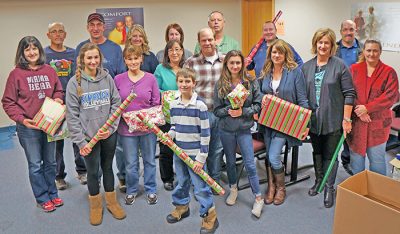
“Our employees jump at the opportunity to get involved with youth in the community,” said Bonnie Burks, the public relations coordinator for Phillips 66 Billings Refinery. “We enjoy partnering with Yellowstone to help kids.”
In addition to the Dr. Seuss festivities, the Texas Roadhouse will be serving a free lunch for the students, staff, and volunteers involved in the event.
“We’re thankful to have such strong community support,” said Gillette Vaira, Yellowstone’s director of public relations. “Phillips 66 and the Texas Roadhouse have gone out of their way to create a positive experience for these students, and we’re grateful for their time and energy.”
Close to 40 students in kindergarten through 12th grades participate in Yellowstone Academy’s day school program. The youth travel to and from YBGR’s 410-acre campus each day from their homes. YBGR, a nonprofit organization, is trusted locally and nationally as a leader in the field of mental health care for children and their families.
MSUB Students Sort Clothes for YBGR Youth
Shopping for clothes can sometimes become an unpleasant experience for young people. But for some of the youth served by Yellowstone Boys and Girls Ranch, it may feel like an unattainable feat.

“Some youth arrive at Yellowstone with just the clothes on their backs or maybe a plastic bag full of belongings,” said Megan Olszewski, the marketing coordinator at YBGR. “Many of the youth we serve come from families who do not have the resources to help them meet basic needs.”
YBGR depends on volunteers to sort donated clothing in its clothing rooms, where youth can shop for clothes for free. Students from Montana State University Billings are sorting the clothing rooms on February 25 at 3 p.m.
“Organizing the clothing and shoes at Yellowstone is a direct way for us to help kids,” said Kristen Wederski, one of four resident assistants at MSUB who has helped to organize the volunteer event. “It’s the perfect service project for our students.”
About 65 children between the ages of 10 and 18 live on the 410-acre working ranch west of Billings. The youth live on campus year-round to receive mental health treatment. The clothing room is available to youth enrolled in YBGR’s mental health programs who may not have adequate clothing, who are preparing for job interviews, or who lose a significant amount of weight with effective medication management.
YBGR Announces New Medical Team
Five psychiatric providers from Montana Psychiatry are joining the Yellowstone Boys and Girls Ranch’s medical team as independent contractors, effective January 6.
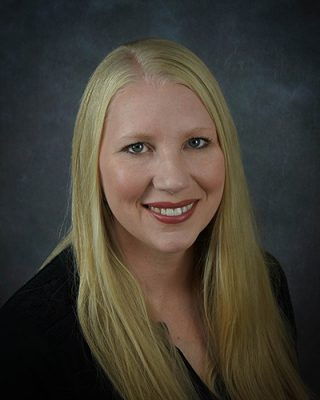
Erin Amato, MD, a child psychiatrist, will serve as the Ranch’s medical director. She has double board certification in general psychiatry and child and adolescent psychiatry by the American Board of Psychiatry and Neurology.
Deborah Malters, MD, and Belinda Hartley, MD, will also be practicing at the Ranch. The three psychiatrists are replacing Dr. Stephen Mandler, who left YBGR as the medical director on January 5.
“I’m looking forward to leading such a dynamic psychiatric team at YBGR,” said Amato, a Billings native. “Early diagnosis and treatment of psychiatric disorders is essential in promoting healthy development. That’s what we’ll strive to do for the youth of YBGR.”
The Ranch is also welcoming Kelli Begley, a family psychiatric nurse practitioner, as well as Pat Francisco, a psychiatric physician’s assistant. Both Begley and Francisco are members of the Montana Psychiatry group.
“We are excited to bring on board such highly qualified, caring medical staff,” said Kevin Miller, the interim CEO of YBGR. “Families send their children to YBGR from all across the United States. We will continue to provide nothing but the best psychiatric treatment for them.”
Montana State Fund Presents YBGR with More than $95,000

Montana State Fund is presenting Yellowstone Boys and Girls Ranch with a dividend of $95,279.68. The check is being presented to YBGR as a result of proven results by implementing a successful culture of safety during the 2013-14 policy year.
“The safety of youth and employees at YBGR is our utmost priority,” said Sally Venard, the safety director at YBGR. “Reflective care and regular training in de-escalation techniques are major contributing factors to fewer injuries on our campus.”
Montana State Fund, the largest workers’ compensation insurance carrier in Montana, declared a record $35 million dividend in November. The dividend returns a portion of premiums back to those policyholders who have made a commitment to provide a safe workplace for their employees and, in turn, lower injury rates. Since 1999, MSF has returned more than $141 million to policyholders through the dividend process.
Seven-Year-Old Raises Funds for YBGR Youth
Seven-year-old Jacob Studer isn’t just an entrepreneur; he’s also a philanthropist.

“I started my own business,” Jacob said. “Too young for it? Doesn’t matter.”
Jacob, a second grade student at Elder Grove School, raised $121.50 for Yellowstone Boys and Girls Ranch by selling artwork and raking his grandpa’s yard.
“I said $1 per pile of leaves, and I did five piles of leaves,” he said. “He made me do some other chores that got me $5.”
His grandma and aunt also made donations. The money went to Elder Grove students enrolled in YBGR’s Comprehensive School and Community Treatment program, a division of YBGR’s Community Based Services in Billings.
“We plan on taking a group of clients to the Festival of Trees, and we’ll use the rest of the money for art supplies and snacks for our kids,” said Lauren Poss, the YBGR behavior specialist at Elder Grove. “We are so thankful for Jacob’s compassion for the youth of our program.”

Jacob modestly described his efforts as a way to “help some kids that need it.” He added, “I just think it’s a good cause.”
Some friends recommended he spend his earnings on toys. But Jacob isn’t one to be swayed easily.
“He loved the idea of helping kids,” his dad, Luke Studer, said.
One of Jacob’s classmates lives on the YBGR campus, as his father works at the ranch. Jacob told him about his fundraiser.
“(He) was amazed because it went right to his neighborhood,” Jacob said.
Now that Jacob has donated to YBGR, he is onto his next campaign, Billings Best Hiking Sticks.
“He has his business plan,” said his mom, Anna Studer. “He hasn’t decided who to give it to.”
Jacob has made 14 hand-decorated walking sticks. For “grownups”, the walking sticks sell for $7 apiece. Youth can purchase them for $5 each.
His five-year-old sister, Delaney, is involved, too.
“I just hired her to hold up a sign that just said what my business was about,” he said.

His parents and grandpa help with the business, as well, but he’s keeping his costs low.
“I think they’re just being volunteers,” Jacob said.
“(There is) no family discount here,” his dad said. “He tells us we don’t get these for free.”
Jacob sells the sticks every Friday afternoon in his driveway.
“I know how to be a salesman,” he said.
Jacob’s charity-minded work didn’t just begin this year. In preschool, he donated money from his piggy bank to the Montana Rescue Mission.
“He’s always had a big heart for giving,” his dad said. “(We’re) just so proud. It’s all driven by him. He really does most of this on his own.”
Meanwhile, the Studer parents continue to talk with their children about helping those in need.
“We encourage it,” his dad said. “Whenever we can give, we give.”
Meet Former Youth Kristen Kroonenberg
Read about former youth Kristen Kroonenberg in the Foundation’s latest letter.
Yellowstone Boys and Girls Ranch Appoints CFO
Yellowstone Boys and Girls Ranch is welcoming their new chief financial officer, Dick Reich. His appointment became effective September 9, 2015.
 “We are delighted Dick Reich will be joining the YBGR executive leadership team,” said Shawn Byrne, the chief operating officer of YBGR’s Community Based Services division. “His professional knowledge of financial analysis, strategic planning, accounting, budget development, and cost-effective management of resources will serve us well.”
Prior to joining YBGR, Reich was the president of Reich Accounting Services, a professional firm that provided consulting and direct services in various financial areas to Billings-area public school districts. Reich was also previously the executive director of finance for Billings Public Schools.
“I look forward to joining a team of professionals who have dedicated their careers to providing help, hope, and healing to children, youth, and their families,” Reich said. “I am eager to be part of the team that will continue moving YBGR forward as we strive to provide the best mental health care to children and youth.”
Reich has a Bachelor of Science in business administration from Eastern Montana College.
YBGR is a nonprofit organization trusted locally and nationally as a leader in the field of mental health care for children and their families. YBGR staff impact approximately 650 youth each day through the residential psychiatric treatment facility in Billings and Community Based Services throughout Montana.
Interim CEO Appointed
The Yellowstone Boys and Girls Ranch board of directors has appointed Kevin Miller as the interim chief executive officer of Yellowstone Boys and Girls Ranch, effective September 8, 2015.
 “We are delighted to welcome Kevin Miller to the YBGR family and look forward to the contributions he will make,” said Ron Sexton, the chairman of the YBGR board of directors. “He brings to YBGR a wealth of executive-level leadership and management experience in health care, including mental health, after serving in leadership positions at several prominent organizations.”
Miller served most recently as the president and chief executive officer of Hutchinson Regional Healthcare System in Hutchinson, Kansas. He retired in June 2015.
“I am honored to accept the opportunity to lead this extraordinary organization through the transitional period in preparing for a permanent chief executive officer,” Miller said. “YBGR has a tradition of excellence in providing help, hope, and healing to youth and their families. Thousands of lives have been touched because of dedicated, passionate, and well-trained staff. I look forward to working with the board of directors, our staff, community and state leaders, and others as we strive to provide the best mental health care youth.”
As part of the executive team of Cleveland Clinic Health System, Miller served as the president and CEO of ACMC Healthcare System and Ashtabula County Medical Center in Ohio. He also served as the president and CEO of Medical Center of Southern Indiana. Miller worked in senior-level management positions at Charter Medical Corporation, the nation’s largest investor-owned behavioral healthcare provider, in addition to BroMenn Healthcare, Inc. and St. James Hospital in Illinois.
Miller is board-certified in health care management as a Fellow of the American College of Healthcare Executives. He holds a Master of Science in Health Services Administration from the College of St. Francis and a Bachelor of Science in Medical Records Administration from Illinois State University. He is a Registered Health Information Administrator.
Miller replaces Shawn Byrne, who on July 6, 2015, was asked by the board of directors to serve as acting CEO until an interim CEO could be appointed. Byrne will return to his position as the Chief Operating Officer of Community Based Services for YBGR.
YBGR is a nonprofit organization trusted locally and nationally as a leader in the field of mental health care for children and their families. YBGR staff impact approximately 700 youth each day through the psychiatric residential treatment facility in Billings and Community Based Services throughout Montana.
Faith Chapel Volunteers at YBGR
Close to 100 Faith Chapel members will be volunteering at the Yellowstone Boys and Girls Ranch as a part of their weekly Tuesdays on the Town summer service project. The group will be painting buildings, landscaping, and making repairs across the 410-acre campus west of Billings.

“It’s exhilarating to see how we at Faith Chapel can directly impact our city,” said Ryan Gomendi, the event organizer. “It’s especially great knowing that our volunteer work is positively affecting youth at YBGR.”
Tuesday, July 28 marks the third time the group has donated their efforts and resources to help YBGR spiff up their campus.
“We are delighted to host Faith Chapel, and we’re thankful for their generosity,” said YBGR Chief Development Officer Christi Beals. “It’s folks like them who continue to make YBGR a beautiful place for youth to heal.”