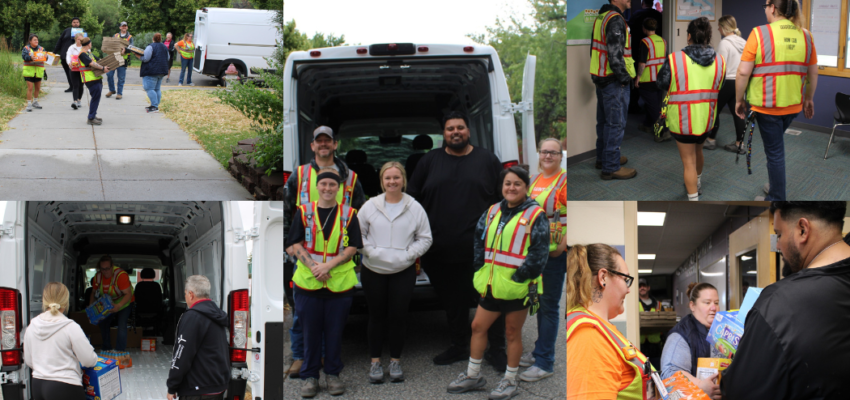
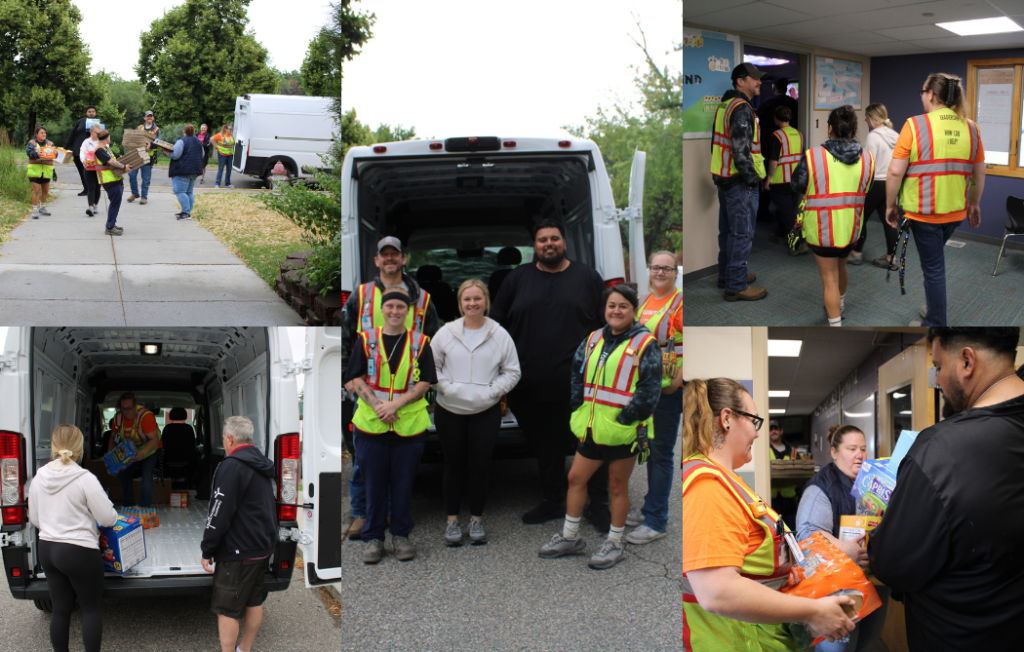
When Amazon brings pizza to the Ranch, it’s more than just a delivery—it’s a show of noteworthy support for the kids at Yellowstone Boys and Girls Ranch (YBGR).
During a recent visit, six Amazon employees arrived on campus with 42 pizzas, drinks, and snacks in hand, ready to make the day unforgettable for students at Yellowstone Academy.
Delivering Pizza and Encouragement
Fresh off a four-day regional tour, the Amazon team made a stop at YBGR to deliver an afternoon of fun and food. Every classroom was included, from our youngest learners to high school students. They offered each child as much as they wanted—yes, even seconds and thirds.
Amazon didn’t stop there. They also stocked the chapel with extra snacks, extending the impact of their visit beyond the day itself.
A New Partnership Making a Difference
While new to supporting YBGR, Amazon is already making a measurable impact through monthly in-kind donations and campus visits. When Amazon brings pizza to the Ranch, it’s not just about the food—it’s about showing up for kids in meaningful ways, even if just for the day.
Thank you, Amazon, for your generosity and commitment to Montana youth. Your contributions help meet daily needs and strengthen the foundation of care we provide.
Want to give your kids a strong foundation for life? Parenting with empathy is linked to everything from healthy attachment to emotional intelligence and solid relationship skills!
But it’s not always easy, particularly when we’re stressed or our children display challenging behaviors. Below are sixteen quotes to help you master parenting with empathy.
Quotes to Guide You in Parenting with Empathy
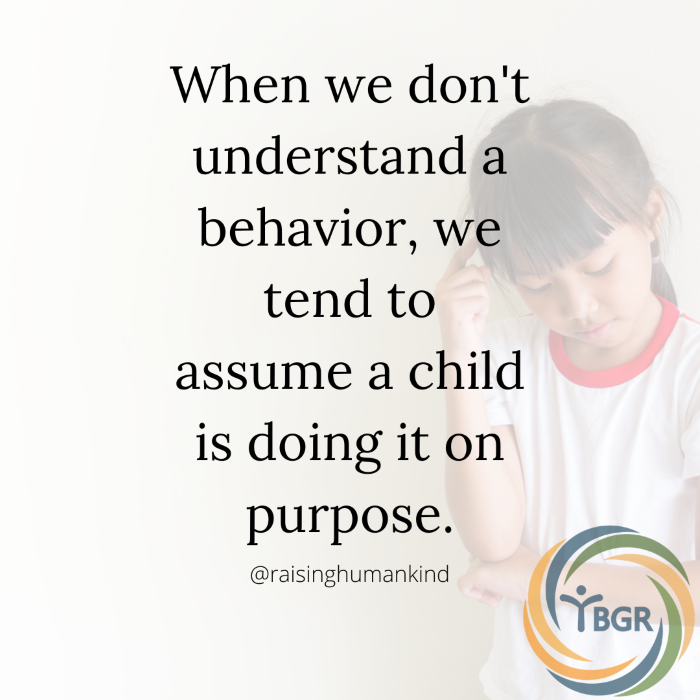
Quote 1: When we don’t understand a behavior, we tend to assume a child is doing it on purpose. – @raisinghumankind
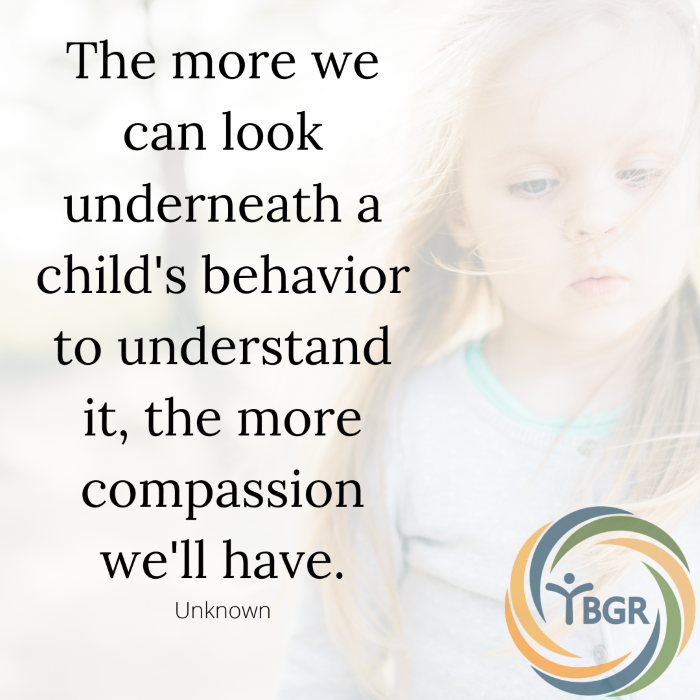
Quote 2: The more we can look underneath a child’s behavior to understand it, the more compassion we’ll have. – Unknown
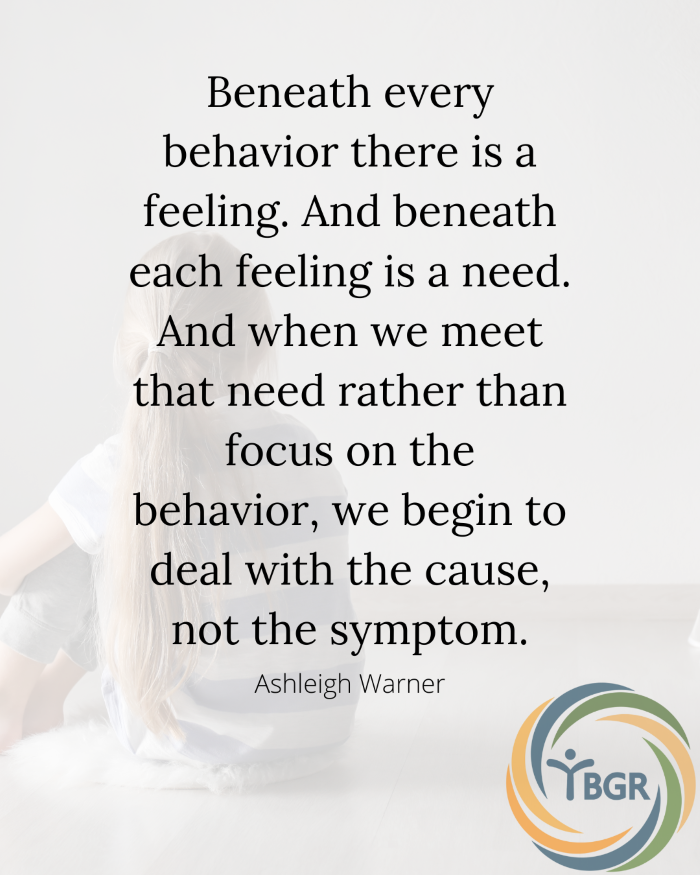
Quote 3: Beneath every behavior, there is a feeling. And beneath each feeling is a need. And when we meet that need rather than focus on the behavior, we begin to deal with the cause, not the symptom. – Ashleigh Warner
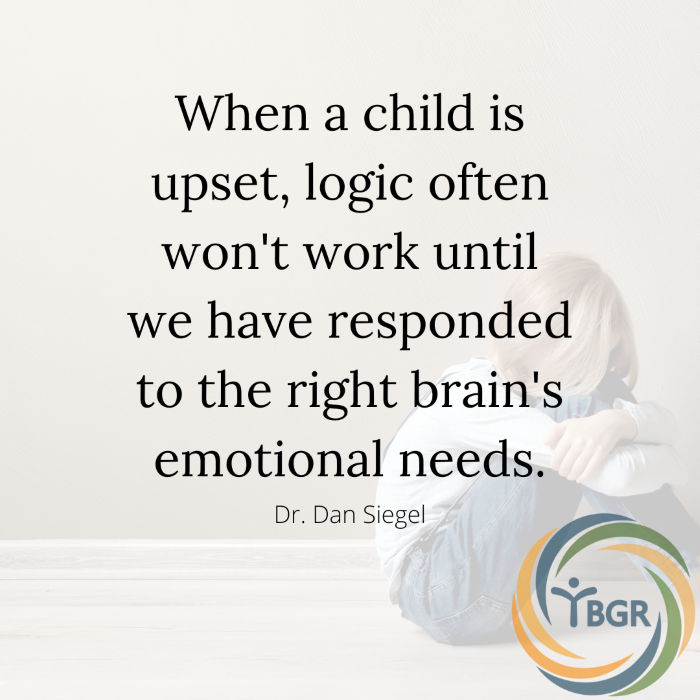
Quote 4: When a child is upset, logic often won’t work until we have responded to the right brain’s emotional needs. – Dr. Dan Siegel
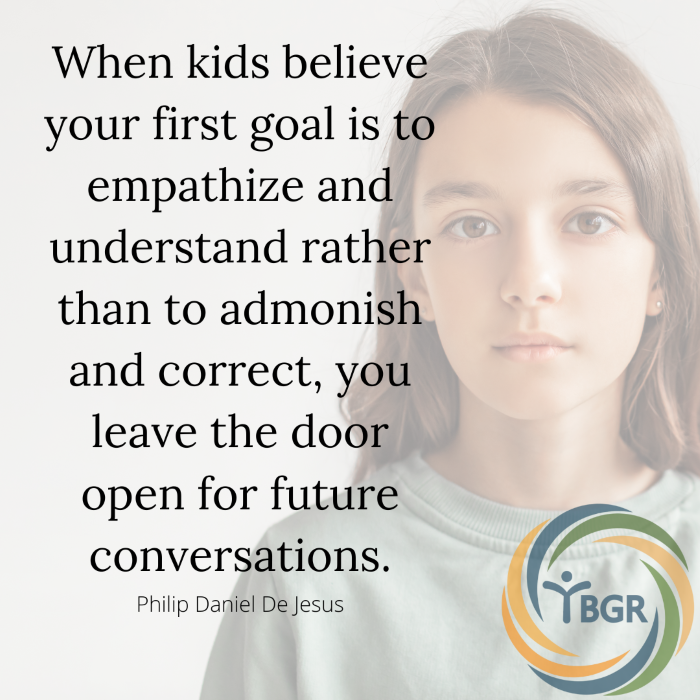
Quote 5: When kids believe your first goal is to empathize and understand rather than to admonish and correct, you leave the door open for future conversations. – Philip Daniel De Jesus
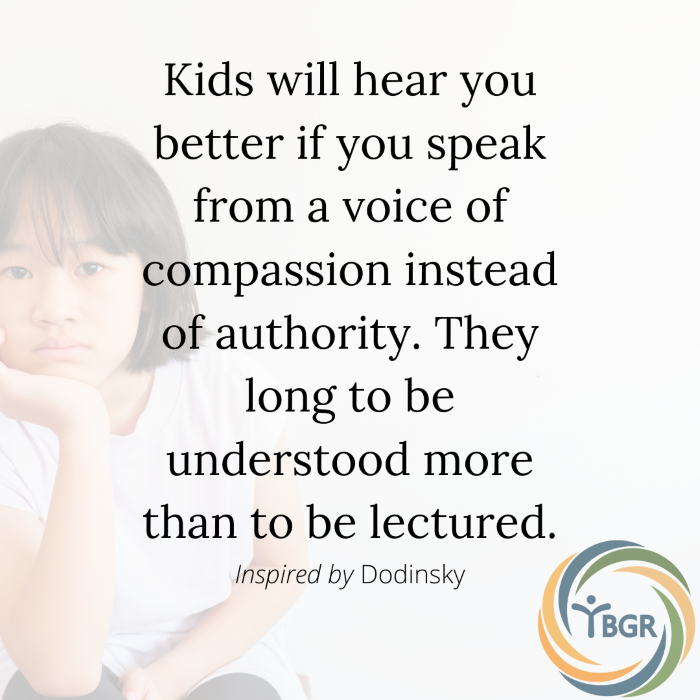
Quote 6: Kids will hear you better if you speak from a voice of compassion instead of authority. They long to be understood more than to be lectured. – Inspired by Dodinsky
Quote 7: Our kids want us to give them a safe space to process their hard feelings more than they want us to fix all their problems. – Shelly Robinson
Quote 8: As a parent, the coolest tool I learned a while back was when one of my kids started complaining to me about something was to say, “do you need me to get involved, offer advice, or just listen?” 9/10, they just want my ear. – Inspired by Tobias Buckell
Quote 9: It’s crucial to keep in mind that no matter how nonsensical and frustrating our child’s feelings may seem to us, they are real and important to our child. It’s vital that we treat them as such in our response. – Daniel J. Siegel
Quote 10: What people of all ages can use in a moment of distress is not agreement or disagreement; they need someone to recognize what it is they’re experiencing. – Adele Faber
Quote 11: Children don’t need to have their feelings agreed with; they need to have them acknowledged. The more you try to push their unhappy feelings away, the more they become stuck in them. The more comfortable you can be accepting the bad feelings, the easier it is for kids to let them go. – Inspired by Adele Faber & Elaine Mazlish
Quote 12: Sometimes parents avoid talking about upsetting experiences, thinking that doing so will reinforce their children’s pain or make things worse. But telling the story is often exactly what children need to make sense of the event and move on to a place where they can feel better about what happened. – Unknown
Quote 13: By acknowledging our children’s emotions, we are helping them learn skills for soothing themselves, skills that will serve them well for a lifetime. – John Gottman, Ph.D.
Quote 14: The goal is for children to express their wants and needs with us openly. That doesn’t mean they always get what they want. It means they feel safe enough to share—even when the answer is no. – Inspired by @dr.siggie
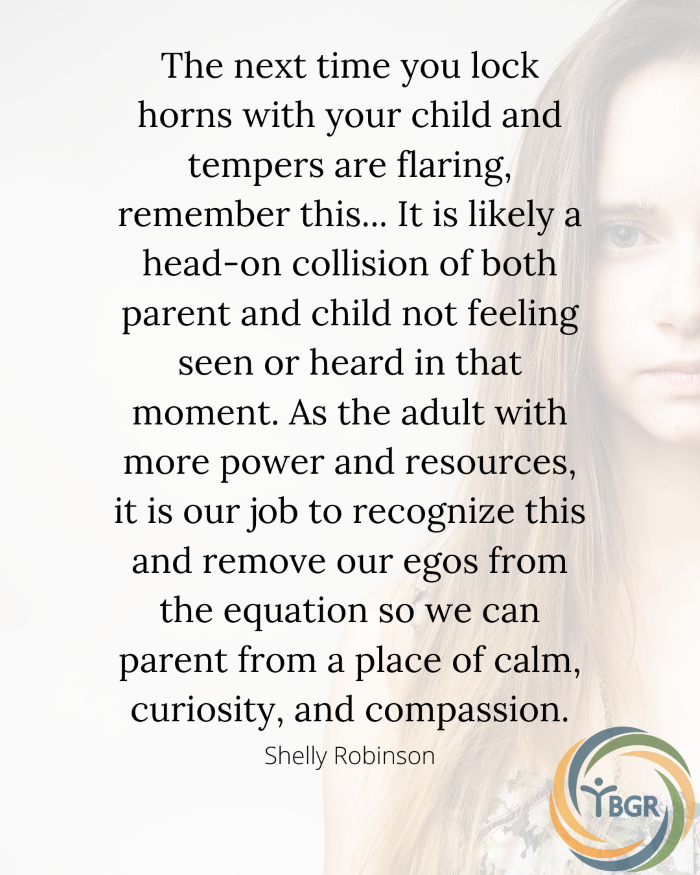
Quote 15: The next time you lock horns with your child and tempers are flaring, remember this… It is likely a head-on collision of both parent and child not feeling seen or heard in that moment. As the adult with more power and resources, it is our job to recognize this and remove our egos from the equation so we can parent from a place of calm, curiosity, and compassion. – Shelly Robinson
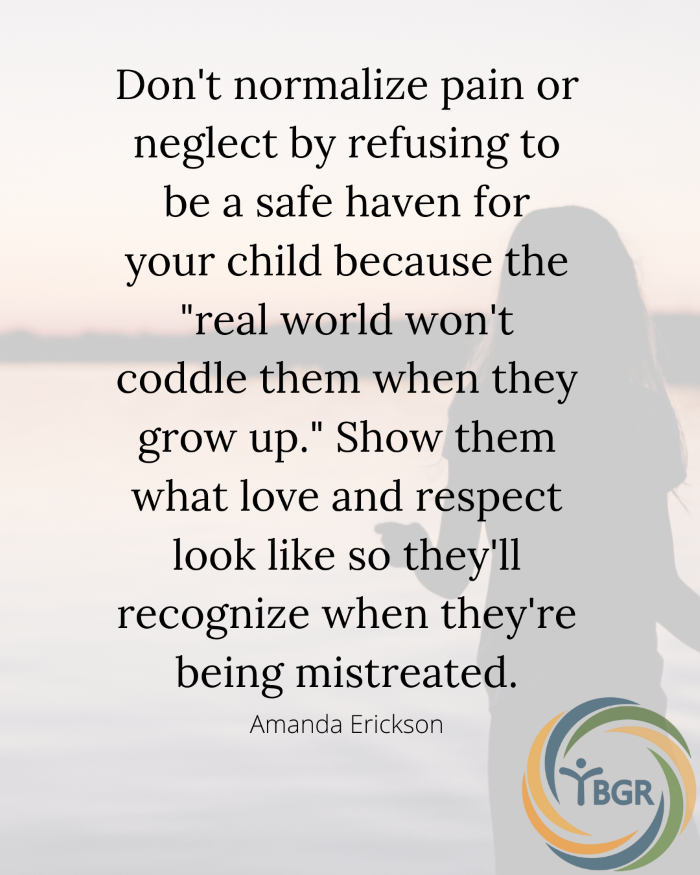
Quote 16: Don’t normalize pain or neglect by refusing to be a safe haven for your child because the “real world won’t coddle them when they grow up.” Show them what love and respect look like so they’ll recognize when they’re being mistreated. – Amanda Erickson
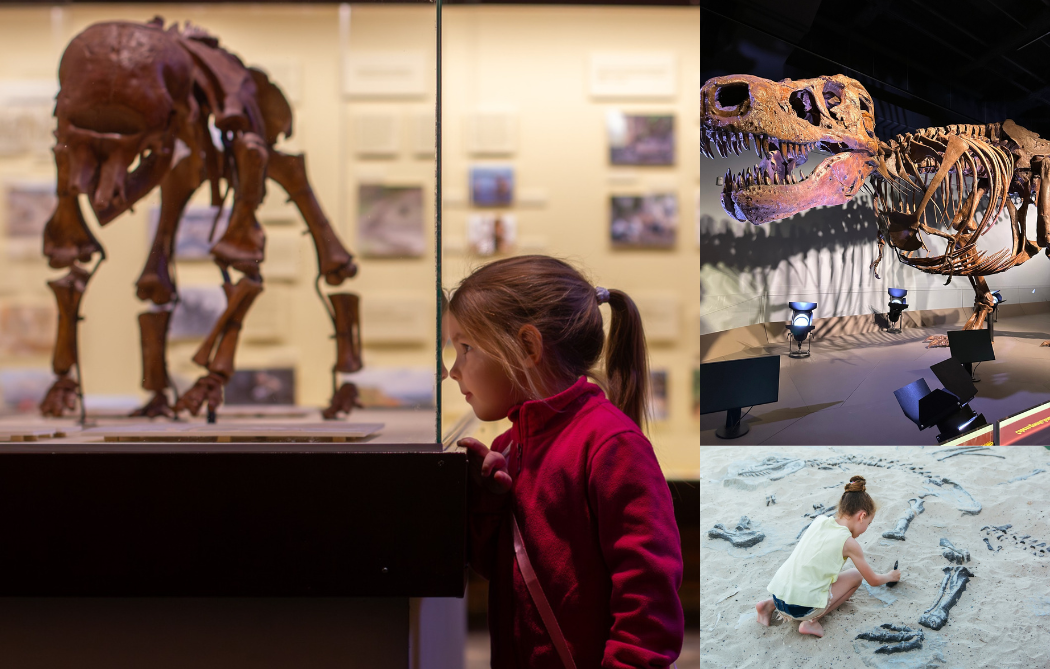
Kids in YBGR’s community-based services in Butte recently took a special trip to the Museum of the Rockies to celebrate the progress they’ve made in their treatment plans. The outing blended learning, exploration, and was a powerful reminder of how far they’ve come.
For many, it was their very first museum visit. As the kids explored towering dinosaur fossils, hands-on science exhibits, and interactive displays, their curiosity sparked in real time.
This wasn’t just a field trip; it was a meaningful experience that promoted healing, connection, and a sense of accomplishment.
First-Time Experiences That Matter
For the kids in our care, experiences like a day at the Museum of the Rockies can be especially meaningful. This field trip became a milestone moment filled with awe, discovery, and the kind of wonder that makes learning come alive.
Each exhibit explored was a reflection of the progress they’ve made. Each question asked showed just how far they’ve come on their journey, and how much possibility still lies ahead.
Gratitude for an Experience That Inspires
We’re deeply grateful to the Museum of the Rockies for welcoming the kids in our care and helping create a day they’ll never forget. Experiences like this are one of many ways YBGR’s community-based services helps kids build confidence and discover what’s possible.
Parenting a foster child with trauma history can be challenging.
Trauma profoundly influences brain development, impacting children’s behaviors, ability to regulate emotions, and even their capacity to form healthy relationships.
And for many, it’s coupled with attachment issues, rooted in everything from abuse and neglect early on in life to repeated moves due to broken-down placements.
Here are some signs that may indicate a child is struggling with attachment.
Parenting children with attachment issues rooted in a history of trauma can be a formidable task. To put it simply—it’s not easy to be a foster parent.
But the work is so critical. The bonds foster parents build with kids help them heal and serve as the foundation for healthy connections in adulthood.
We want to guide you on the path to parenting kids with trauma history. So, here are a few tips to help build trust and influence children’s behavior.
Tips on Parenting Kids with a History of Trauma
Meet Needs
Your #1 goal is to find out your foster child’s needs and meet them. And the best way to find out is to ask. When doing so, be direct, using exact language. For example, “What’s going on?” “What are your needs?” “How can I support you?”
Say “Yes”
Kids in foster care have little power over their lives. So, often that manifests in a desire for control.
You can go miles when it comes to building trust with children by focusing on dishing out “yes” more than “no.” The optimal ratio is 7:1, saying “yes” 7 times for every “no.”
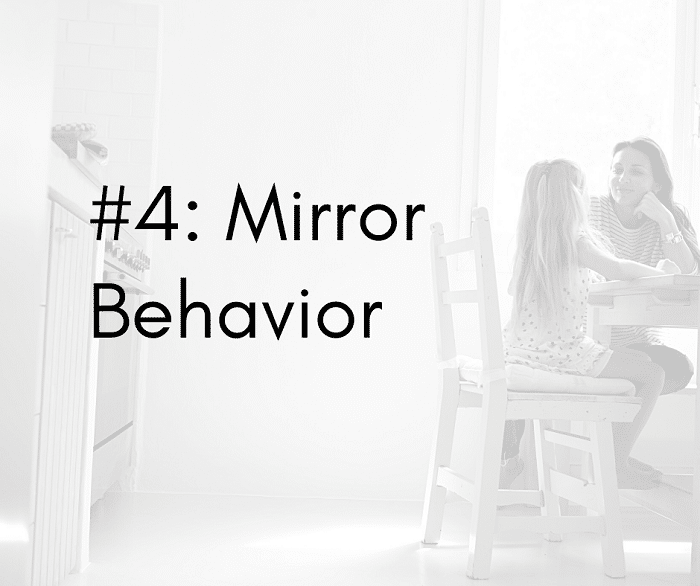
Be a mirror. Secure attachment is characterized by a healthy rhythm between children and their caregiver’s behavior. For instance, if a baby coos, their mother will coo back, or when a toddler laughs, their father laughs too.
Faith has always been part of the Ranch’s heartbeat.
In the early 1960s, Sunday mornings meant loading nearly thirty kids into cars, vans, and even an old bus to attend churches across Billings. We were welcomed warmly by the faith community, but our founders soon realized the Ranch needed something more—a spiritual home of its own.
That vision led to the creation of the Franklin and Merle Robbie Chapel, a place where faith and belonging take root.
Building the Franklin and Merle Robbie Chapel
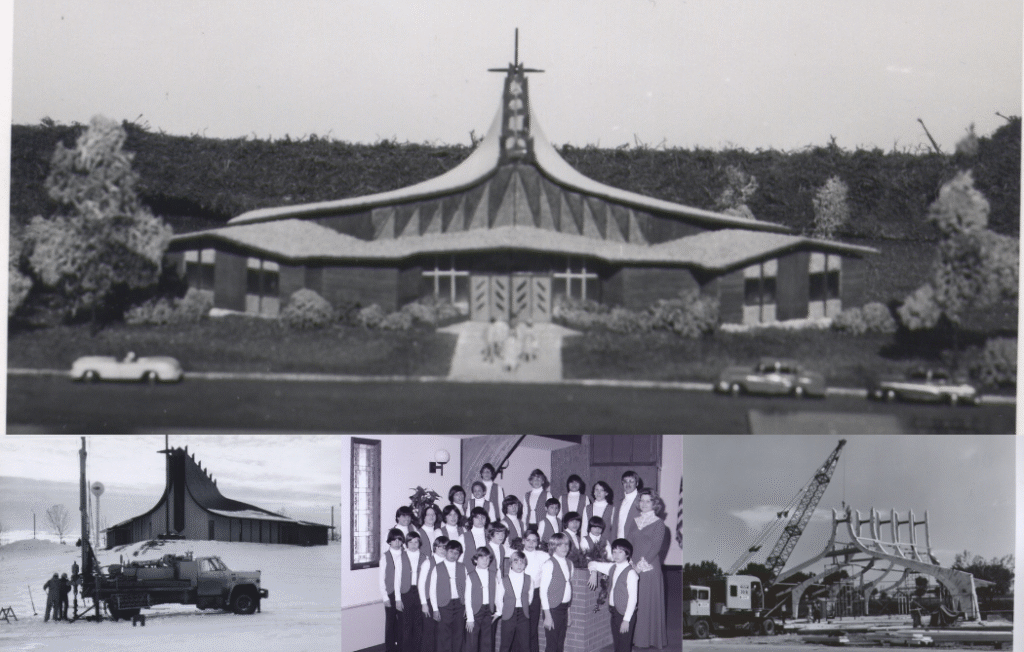
Thanks to generous donors—like Dr. Harold Schwartz, the Kresge Foundation, and many faithful friends—the idea of a chapel became a reality. Their gifts funded what was first known as the All-Faith Chapel, later renamed the Franklin and Merle Robbie Chapel to honor the Ranch’s founder.
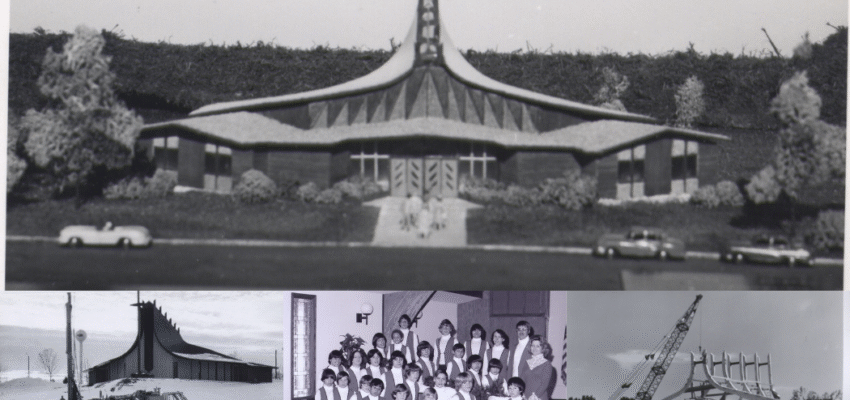
The Hamilton family donated custom-stained-glass windows, designed by their son to reflect the beauty and spirit of Montana. When the chapel opened in 1970, the Ranch’s Spiritual Life Program formally began.
Life Inside the Franklin and Merle Robbie Chapel
Inside the chapel, Chaplain Wendell Wilson guided kids in both faith and character. Worship services, Bible studies, youth groups, drama teams, and the Ranch Choir filled the space with music, reflection, and moments of hope. Over time, the chapel became more than a building—it became a steady place for healing, guidance, and growth.
Spiritual Life at the Ranch Today
Today, our Spiritual Life Program continues to thrive. The Franklin and Merle Robbie Chapel remains a place where kids experience faith—often for the first time in a way that feels personal and lasting.
For many youth, the chapel is where they discover something they carry long after leaving the Ranch: A sense of purpose, a place to belong, and a foundation of hope.
Learn More About Our History
Visit our History page to explore the story—and the caring people—who helped shape our mission. Their vision continues to impact thousands of youth across Montana and beyond each year.
Want to dive deeper? You can also find A Legacy of Caring, written by our founder, Franklin Robbie, available on Amazon.
When emotions run high, your ability to regulate—to effectively manage your emotions, energy levels, and behaviors—makes all the difference. It’s an essential skill, not just for your own well-being, but for navigating relationships with others in a way that builds trust and connection.
We all have moments when our feelings take over—when frustration builds or someone hits a nerve. In those moments, it’s easy to react. But when we pause, reflect, and respond with intention, we strengthen our relationships and model emotional balance for those around us.
How to Regulate Emotions & Respond to Others
Here are five simple, powerful tips to help you regulate in the moment and respond with clarity—not overwhelm.
Identify Your Triggers
Start by paying attention to the patterns—those moments that consistently spark strong emotional responses. Do certain situations, tones, or topics light a fuse? Recognizing your triggers isn’t about blame. It’s about awareness. When you understand what’s setting you off, you’re better equipped to respond instead of react.
Pause and Breathe
When you notice your body or mind getting activated, give yourself a beat. Pause. Breathe. That tiny gap between stimulus and response? It matters. It’s where self-control lives. The goal isn’t to ignore what you’re feeling—it’s to create just enough space to choose how you want to respond.
Notice What You Feel
Emotions often show up in the body before the brain fully catches on. A tight chest. Clenched jaw. Restless legs. Be curious about those signals—they’re information. Tuning in to what you feel physically can offer insight into what’s happening emotionally.
Accept Your Emotions
There’s no “bad” emotion. Anger, sadness, fear—these are all natural parts of being human. Accepting your emotions doesn’t mean letting them run the show. It means acknowledging what’s present without judgment. Practicing self-compassion in tough moments helps us show up better for others and for ourselves.
Practice Mindfulness
Mindfulness doesn’t need to be complicated. It’s simply about noticing what’s happening—inside you and around you. Use your senses. What do you hear? Feel? See? Returning to the present helps you stay grounded when emotions feel big.
The Bottom Line
Regulating emotions isn’t about stuffing them down or pretending everything’s fine. It’s about building awareness, creating space, and responding with intention. Whether you’re parenting a child with big feelings or navigating the complexities of professional life, these small shifts can have a big impact.
You won’t get it perfect every time—and that’s okay. But with practice, you’ll start to notice moments of calm where there once was chaos. And those moments matter.