Who hasn’t experienced a bit of confusion and even frustration when their kids display challenging behavior? Behavior that seemingly comes out of nowhere.
Why is my child throwing tantrums, acting out, or refusing to listen?
In these moments, it’s time to put on our detective hats and investigate—there’s always a “why” behind children’s actions.
When we understand the underlying needs driving behaviors, we gain valuable insights—making it easier to address them effectively and navigate difficult moments with empathy.
Unmet Needs, Behavior, & Solutions
Remember, a need met is a challenging behavior solved! Below are possible unmet needs, behaviors stemming from them, and potential solutions.
🤝 Connection
Kids who feel lonely or disconnected may seek attention by interrupting, talking out of turn to connect with others, or acting out negatively.
Pro Tip: Dedicate daily quality time with your little one. Create special rituals, such as reading together before bed or having regular family meals.
📅 Structure
Children who lack structure or routine may struggle with impulsivity or disorganization, leading to problematic behavior.
Pro Tip: Create a predictable daily schedule with regular mealtimes, study or play periods, and a consistent bedtime routine. Use visual cues like charts or calendars to help your child understand and anticipate what comes next.
🛡️ Safety
Kids who don’t feel safe may exhibit clingy or anxious behavior or act aggressively to protect themselves.
Pro Tip: Create a nurturing, physically and emotionally safe environment. Encourage open communication—validating feelings, and reassuring kids when they express worries or concerns.
We foster a trusting relationship by being available, responsive, and supportive.
💪 Autonomy
Children who feel powerless may resist authority by being defiant or oppositional.
Pro Tip: Offer choices within appropriate boundaries, allowing kids to make decisions about their clothing, activities, or chores to give them a sense of control.
Give children age-appropriate responsibilities and recognize their efforts + achievements. And foster a collaborative approach by listening to their perspectives and involving them in problem-solving.
Recognize this outstanding woman? It’s Lisa Frazier, retiring Director of Recreational Services. And after 42 years of dedicated service, her impact will be felt for many years to come.
Lisa Frazier’s 42-Year Journey of Recreation and Healing
Lisa joined us in 1982, and from the beginning, she embodied our mission: “Caring people, preparing youth for life.” Her passion for investing in kids was evident.
From spearheading our dog therapy program to teaching recreational activities that help youth develop healthy coping mechanisms, Lisa played a key role in shaping the wellness initiatives we hold dear today.
Lisa is deeply ingrained in Yellowstone Boys and Girls Ranch’s long legacy of care. Her wealth of knowledge and countless memories of the youth she’s helped along the way make her a true historian of our journey over the decades.
Lisa Frazier’s Impact on Youth at Yellowstone Boys and Girls Ranch
Lisa’s favorite memories during her career at YBGR? Each surrounded time spent with kids at the Ranch:
Camping in Yellowstone National Park
Trips to Hedges Lake in the ’80s
Outings to Box R Ranch in Wyoming
Biking trips to Red Lodge
When asked what she loved most about YBGR, Lisa shared it was her work with kids and the team approach to care. She saw the value of getting youth outdoors and engaging in healthy activities as part of holistic wellness—mind, body, and spirit.
Lisa enjoyed watching youth travel the path of healing toward resilience—seeing them learn, grow, and begin to thrive.
Lisa—thank you for your unwavering commitment to our mission and the youth we serve. Your work has shaped countless lives, leaving a lasting impact on generations of Montanans. We wish you all the best in your well-deserved retirement.
Pictured is Lisa through the years at YBGR, along with some snapshots from her retirement party on campus and her beloved canine therapy pros.
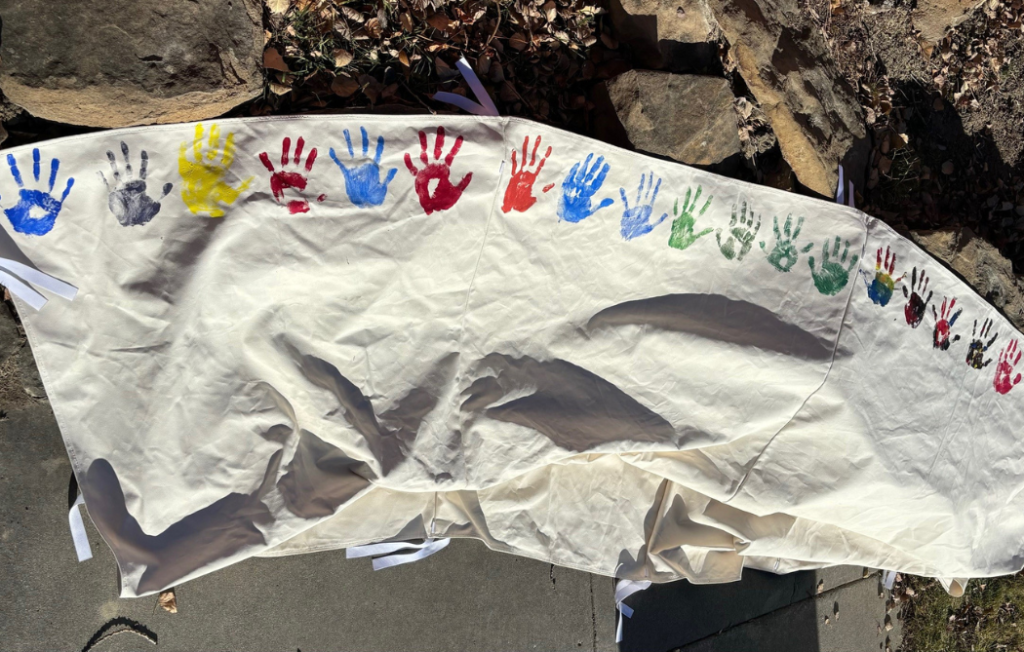
See the handprints on this tipi liner? Each represents a child who has successfully graduated from our Native American Services Program at the Ranch, marking their journey of healing, growth, and resilience.
Josie Brady, Native American Services Coordinator, began this project in January 2024, and as the year comes to a close, we want to take a moment to reflect on the magnitude of our work.
Over 3,600 Kids Served in 2024
Through our mental health programming statewide, we provided care to more than 3,600 children this year—helping them build resilience and equipping them with the skills to thrive. Every life we impact creates a ripple effect, shaping not just the youth we serve but their families and communities for generations to come.
Looking Ahead to 2025
As we celebrate an impactful 2024, we look forward to the year ahead with a renewed commitment to serving Montana’s kids and families.
Thank you to our staff, partners, and supporters for making this work possible. Here’s to another year of hope, healing, and transformation!
Did you know that in 2024, we reached a peak of 91 kids in our care at one time at the Ranch in Billings? That’s our highest census in years. It reflects the growing need for therapeutic residential treatment (PRTF) in Montana and our teams’ critical role in delivering lifesaving care.
Providing Hope When Families Need It Most
Families seeking PRTF treatment are often in crisis, looking for a safe, healing environment for children struggling with unsafe behaviors stemming from trauma and mental health challenges. With limited in-state options, families are often left with impossible choices—send their child out of state, far from home and family, or go without the care they desperately need.
At Yellowstone Boys and Girls Ranch, we work to ensure Montana kids have access to high-quality mental health treatment close to home.
Breaking Barriers to Care
This year’s census peak is a testament to our collective commitment to breaking down barriers and providing trauma-informed, wraparound support for youth who need it most.
To our residential teams—your dedication makes a difference every single day. Thank you for going above and beyond to ensure kids in crisis find hope, healing, and a path forward.
Looking Ahead
As we move into 2025, we remain committed to expanding access to lifesaving mental health treatment for Montana’s youth—because every child deserves the care and support they need, right here at home.
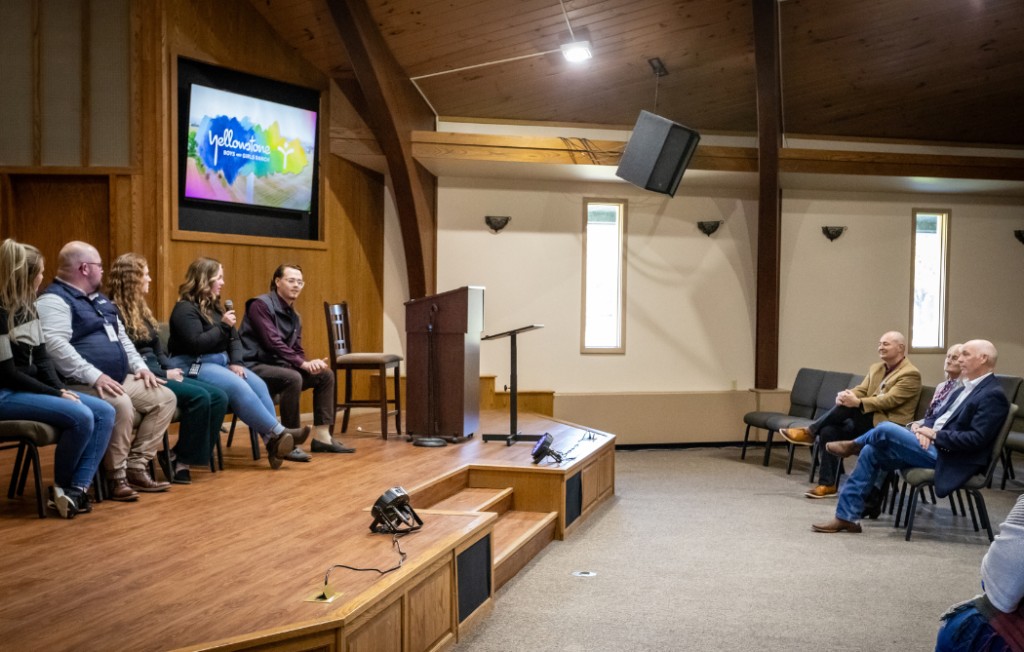
Governor Greg Gianforte and First Lady Susan Gianforte took time away from the campaign trail to visit Yellowstone Boys and Girls Ranch (YBGR), where they toured the campus and engaged in discussions about youth mental health in Montana.
During their visit, the Governor and First Lady participated in a panel discussion with YBGR team members, who shared their experiences working with youth at the Ranch:
Natalie Nickisch, Lead Mental Health Worker
Jake Mullins, HR Recruiter
Juletta Gilge, Director of PRTF
Lacey Jones, Therapist
Skyler Carroll, Program Manager
These caring professionals highlighted success stories from their work, emphasizing the impact of mental health support on youth and families across Montana. Their insights showcased the critical role of YBGR in providing mental health care to youth in need.
A Commitment to Montana’s Youth
YBGR has been a leader in children’s mental health care in Montana since 1957, offering PTRF residential treatment, therapeutic group home care, community-based services, and school-based programs with locations across the state. The visit from Governor Gianforte and the First Lady reflects the importance of supporting mental health initiatives that help children build brighter futures.
We appreciate Governor Gianforte and the First Lady for their time and interest in learning more about the mission of YBGR. A special thank you to our dedicated team members for sharing their passion, expertise, and the purpose behind their work in youth mental health.
Did you hear the news? Youth Dynamics and Yellowstone Boys and Girls Ranch are joining forces to address the growing mental health needs of Montana’s kids and families.
With a vision of a seamless, comprehensive children’s behavioral health continuum, our union will bring together 100+ years of combined experience, over 3,600 children served annually, and nearly 800 caring individuals delivering our mission.
Expanding Mental Health Care Across Montana
Operating as Yellowstone Boys and Girls Ranch, we’ll offer tailored care to meet each child’s unique needs across nearly every county statewide. From community and school programming to therapeutic group homes and PRTF residential treatment, we’re committed to providing the right service at the right time—at the lowest level of care possible.
Together, we’ll enhance our capacity to serve and provide efficient, trauma-informed, wrap-around care that ensures better outcomes for kids.
Learn More About Our Partnership With Youth Dynamics
Visit our YBGR Partner Facts page to learn more about how Youth Dynamics and Yellowstone Boys and Girls Ranch are working together to strengthen mental health care for Montana’s kids and families.
Teen suicide—It’s terrifying. I mean, as a parent, there’s nothing more frightening than the idea of something happening to my kids. Especially something as tragic as one of them taking their own life.
Kids are struggling at epic proportions right now. Surveys reveal that over 40% of teens show signs of severe depression—feeling sad or hopeless daily.
And it’s reason for concern. It’s more critical than ever for parents to understand the warning signs of suicide and how to intervene.
Below are teen suicide indicators that every parent needs to know.
Warning Signs of Teen Suicide
Talking or writing about suicide
Has your child suddenly started talking or writing about suicide? If so, take it seriously! Examples include making statements such as “I’m going to kill myself” or “I won’t be a problem for you much longer.”
Social withdrawal
Have you noticed your teen is isolating? Do they no longer seem interested in hanging out with friends? Are they finding excuses to avoid school?
If your child is a social butterfly and suddenly seems disinterested in spending time with others, it may be a sign they’re considering suicide.
Changes in mood
Marked changes in your teen’s mood indicate something isn’t right. And frequently, pronounced bouts of sadness are a precursor to completed suicide.
Acting bored all the time, and/or dropping out of activities
Difficulty with relationships, including changing peer groups or becoming more isolated
Risky behavior
Persistent physical complaints such as headaches or stomachaches
Fatigue
Pay attention to any atypical mood swings, up or down. Even a sudden elevation in mood after a bout of sadness is something to note. Suicide survivors often report a feeling of relief and raised spirits after deciding to end their life, seeing it as an end to their suffering.
Alcohol or drug use
Has your teen started using drugs or drinking? If so, it’s not something to ignore! Often, youth who are struggling use substances to cope. And intoxication increases impulsivity, making it a dangerous cocktail for teens grappling with thoughts of suicide.
Feelings of being trapped, hopeless, or helpless about a situation
Frequently, people who attempt suicide report feelings of being trapped or hopeless. And for teens, it’s something to particularly pay attention to because their concept of time is different than adults’.
As a result, life outside of high school may seem like an eternity, with an end to painful emotions, at the hands of a breakup or friendship conflict, being hard to grasp.
Changes in eating or sleeping patterns
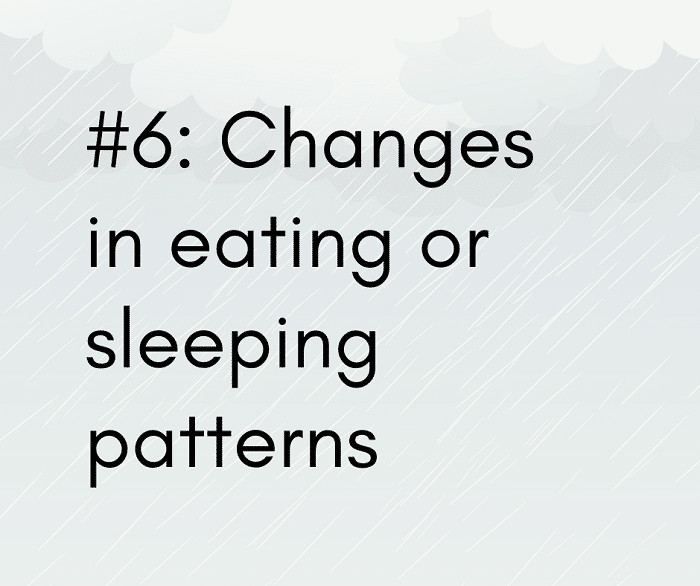
Has your child’s eating or sleeping patterns changed? Both are common indicators of mental health struggles and frequently coincide with suicidal ideation.
Risky or self-destructive behavior
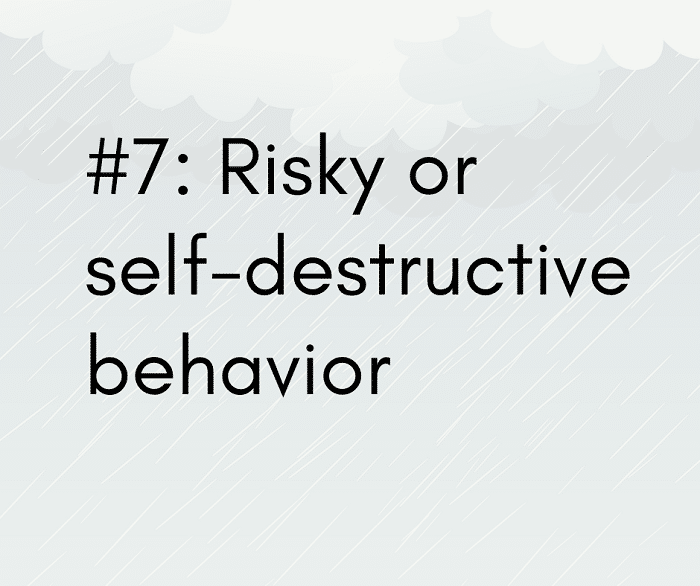
Teens are impulsive. And risk-taking behaviors? They’re a staple of adolescence. But if you notice your teen has suddenly started engaging in destructive behavior that’s uncharacteristic and beyond what’s safe or age-appropriate, it’s a clear indicator that they need help.
Giving away personal possessions
Before completing suicide, people often give away their possessions, making final preparations to end their life. So, if you notice that your teen is giving away prized items, it might be a hint that they are considering suicide.
Personality shifts
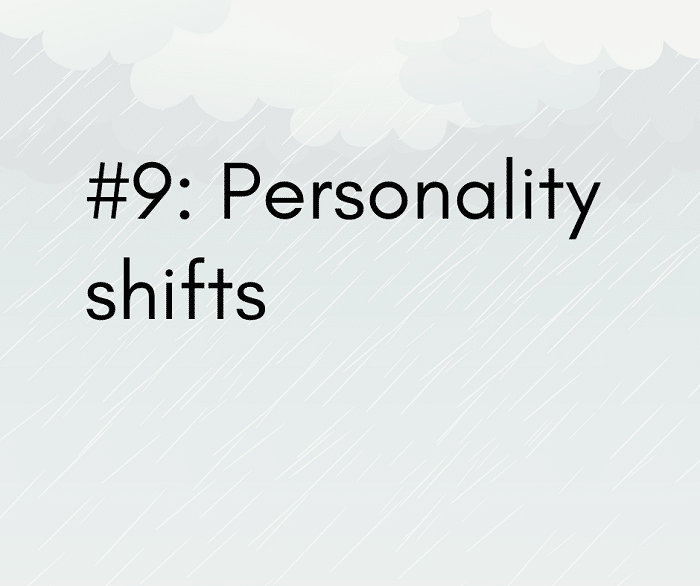
Does it feel like your teen’s personality has shifted overnight? Maybe your child was once confident and upbeat and now seems consistently anxious, angry, or agitated. If so, take note! It’s often a warning sign something else is going on.
How to Prevent Teen Suicide
Listen.
Never assume that statements like “nobody cares if I live or die” are just drama. Too often, parents think that and worry if they ask directly about suicide, they’ll plant the idea.
Here’s the thing, though. The only way to know if your child is suffering and get them the help they need is to ask. By inquiring, we show that we care.
Get help.
This piece is crucial. Call your doctor, call a mental health professional, call a suicide hotline, or take your child to a local emergency room. If a professional recommends treatment, be sure to pursue it and make sure your teen sticks with it.
Take precautions.
Do you suspect that your child might be thinking of suicide? If so, take action to limit access to lethal means.
If you have a gun in your house, lock it up along with ammunition, secured separately. And note any prescription medications or alcohol in your home that your teen could use for self-harm and either get rid of it or be sure it’s stored safely.
Final words
Remember, when it comes to suicide, it’s always better to be safe than sorry. So, ask the questions, take the precautions, and reach out for help.
Depression is heavy. If you’ve felt it, you know the weight—how it lingers, pressing down in ways that can be hard to put into words. For many, it’s a silent struggle carried alone, hidden by shame or stigma. But silence doesn’t have to be the norm.
Depression is more common than we think. Millions of people face it every year, and chances are someone you love is quietly navigating its depths right now. That’s why opening up the conversation matters—it helps break down barriers and reminds people they’re not alone.
Here are thirteen quotes that illustrate depression and raise awareness about the condition.
Quotes Illustrating Depression
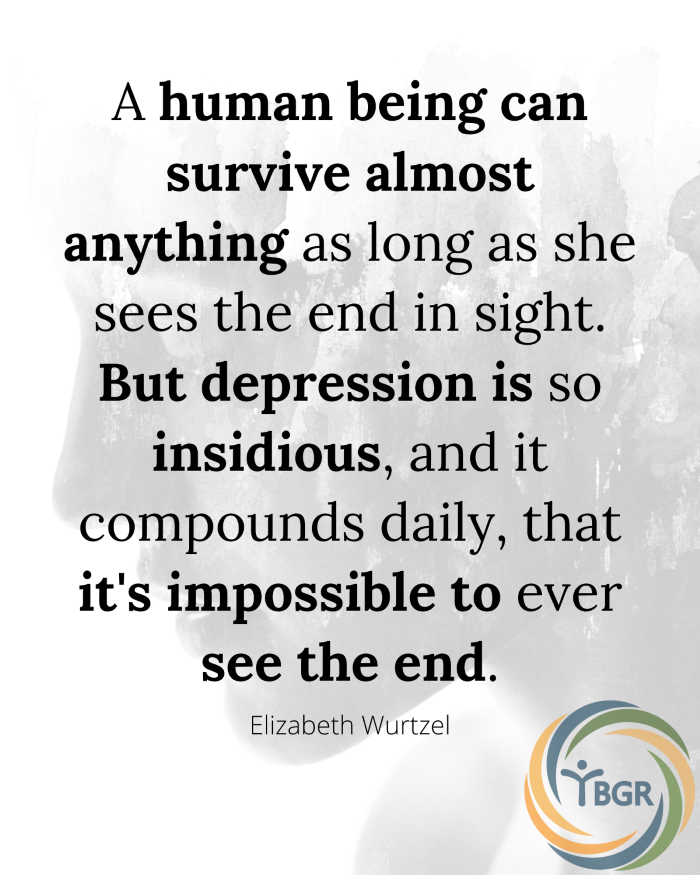
Quote 1: A human being can survive almost anything as long as she sees the end in sight. But depression is so insidious, and it compounds daily, that it’s impossible to ever see the end. – Elizabeth Wurtzel
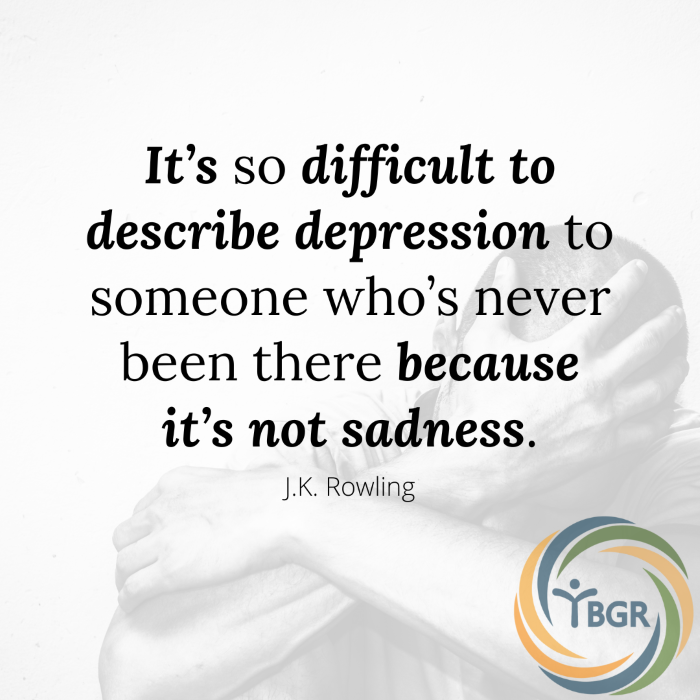
Quote 2: It’s so difficult to describe depression to someone who’s never been there because it’s not sadness. -J.K. Rowling
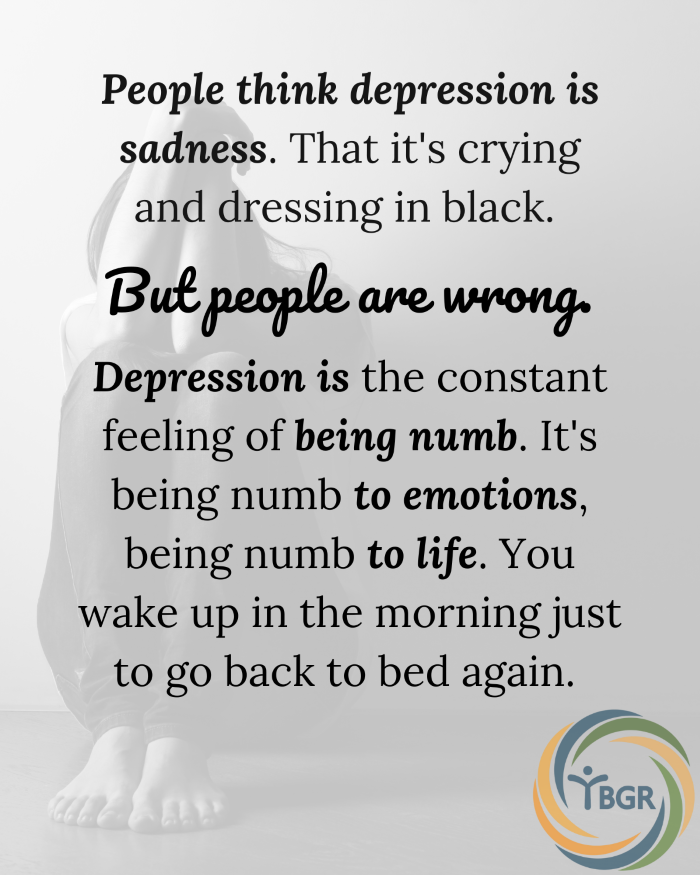
Quote 3: People think depression is sadness. That it’s crying and dressing in black, but people are wrong. Depression is the constant feeling of being numb. It’s being numb to emotions, being numb to life. You wake up in the morning just to go back to bed again. – Unknown
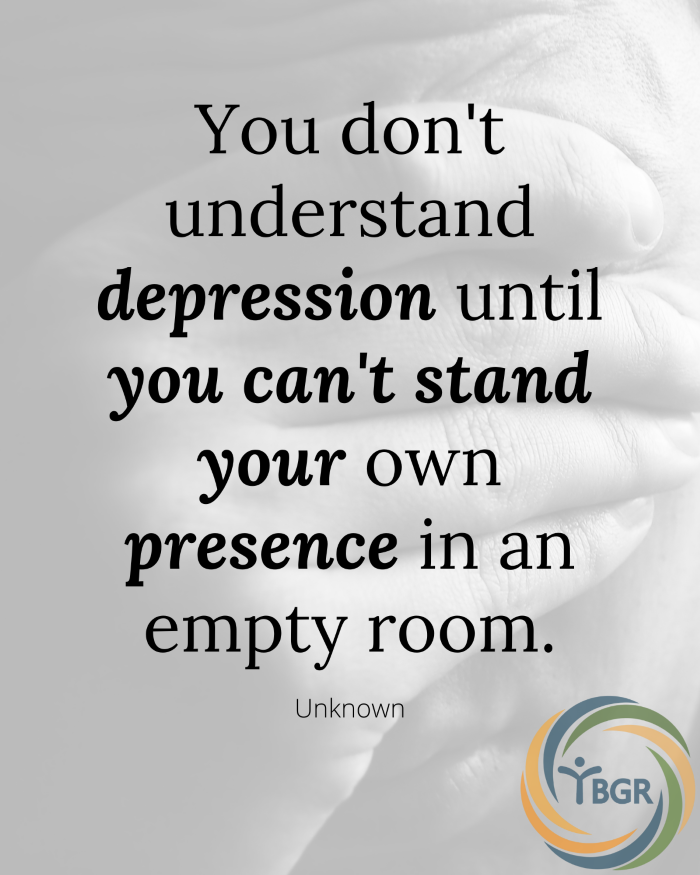
Quote 4: You don’t understand depression until you can’t stand your own presence in an empty room. – Unknown.
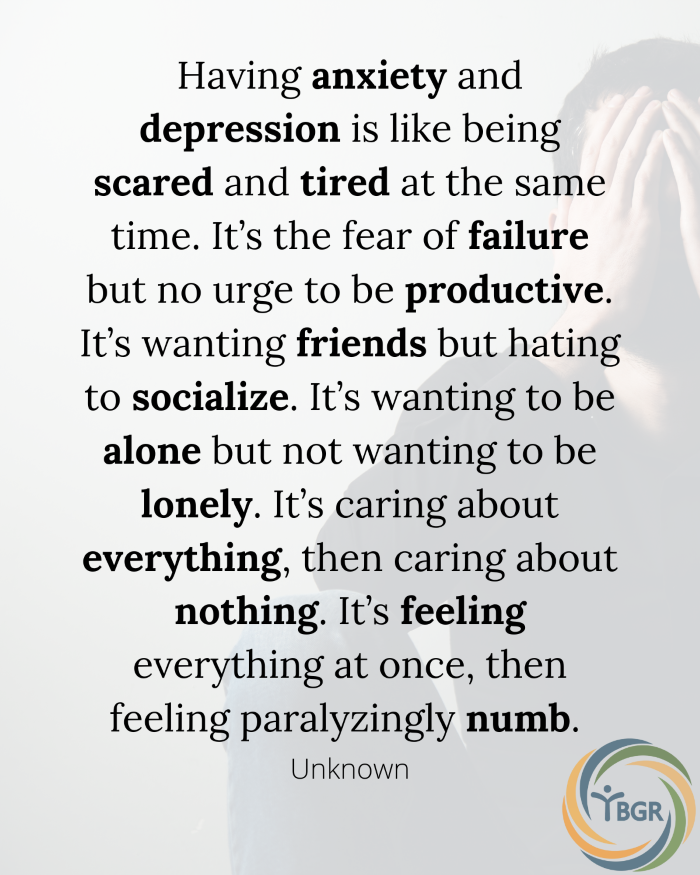
Quote 5: Having anxiety and depression is like being scared and tired at the same time. It’s the fear of failure, but no urge to be productive. It’s wanting friends but hating to socialize. It’s wanting to be alone but not wanting to be lonely. It’s caring about everything, then caring about nothing. It’s feeling everything at once, then feeling paralyzingly numb. – Unknown
Quote 6: If you feel everything intensely, ultimately, you feel nothing at all. – Elizabeth Wurtzel
Quote 7: There are wounds that never show on the body that are deeper and more hurtful than anything that bleeds. – Laurell K. Hamilton
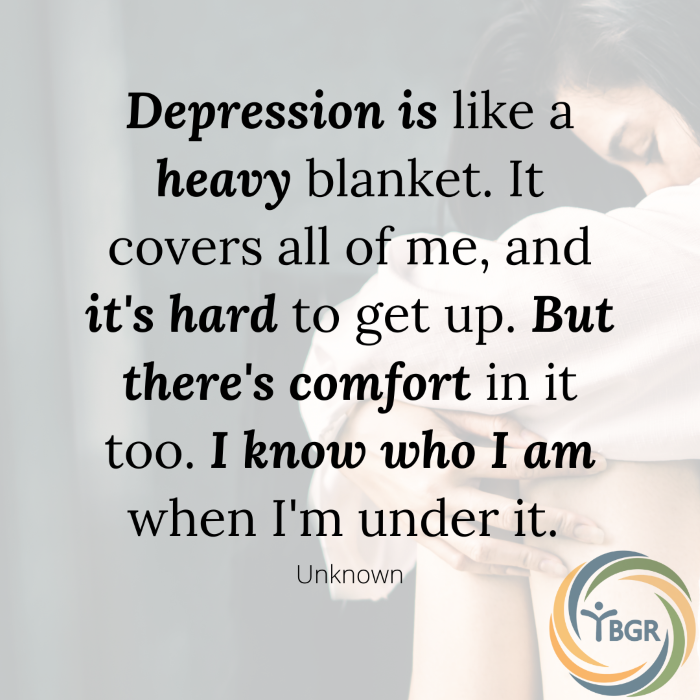
Quote 8: Depression is like a heavy blanket. It covers all of me, and it’s hard to get up. But there’s comfort in it too. I know who I am when I’m under it. – Unknown
Quote 9: I wanted to talk about it. Damn it. I wanted to scream. I wanted to yell. I wanted to shout about it. But all I could do was whisper, “I’m fine.” – Unknown.
Quote 10: Sometimes, all you can do is lie in bed and hope to fall asleep before you fall apart. – William C. Hannan
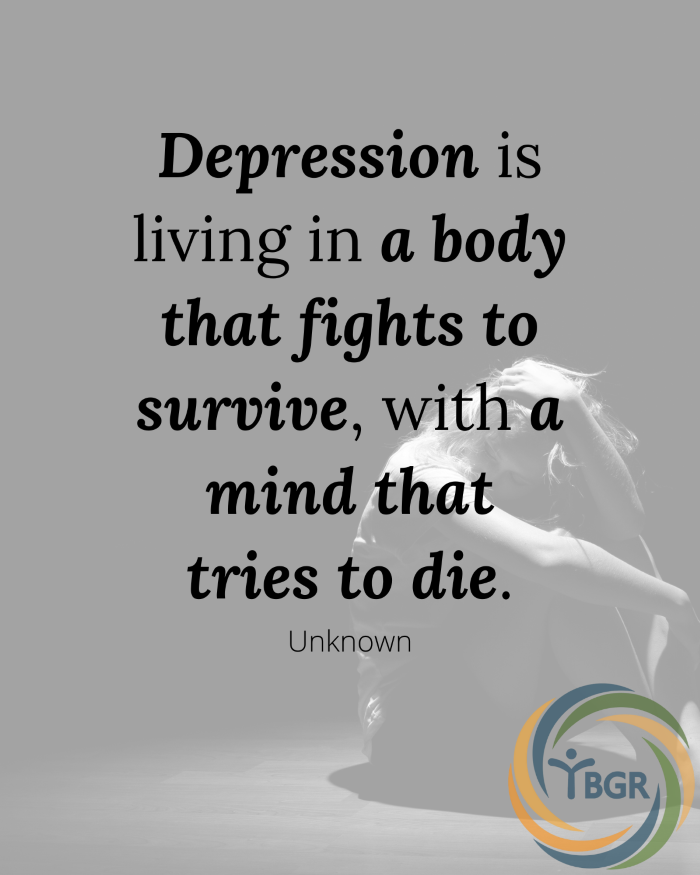
Quote 11: Depression is living in a body that fights to survive, with a mind that tries to die. – Unknown
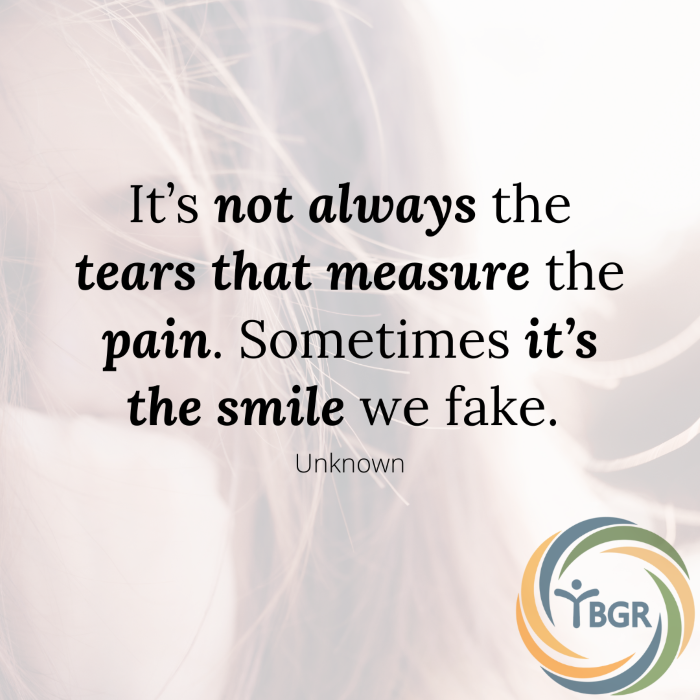
Quote 12: It’s not always the tears that measure the pain. Sometimes it’s the smile we fake. – Unknown
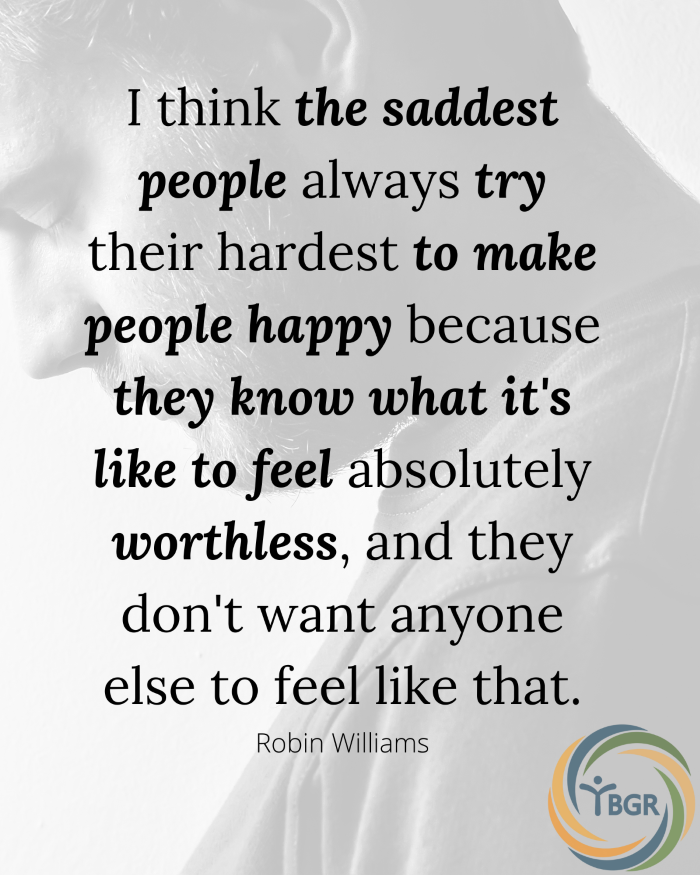
Quote 13: I think the saddest people always try their hardest to make people happy because they know what it’s like to feel absolutely worthless, and they don’t want anyone else to feel like that. – Robin Williams
Are you struggling?
If you’re having a hard time, know that there are people out there who care! Reach out to a friend, family member, or seek out a mental health professional.
If you’re in crisis, here are a few resources to help:
School anxiety is a common experience, especially at the start of a new academic year. Nervousness can intensify when kids are faced with a new environment, where making new friends and adjusting to fresh expectations become part of the daily routine.
How to Tame School Anxiety
The good news? With a little preparation, open communication, and intentional connection, we can guide kids through the anxious feelings that often accompany the back-to-school transition.
Set the Stage for Success
Preparation is a powerful tool in easing anxiety.
Start by building a connection with your child’s school. Attend events, meet teachers early on, and talk with kids about the school year ahead. Focus on both upcoming challenges and opportunities.
It’s important to reassure children that feeling nervous is normal—these emotions are just part of growing and stepping into new beginnings.
Identify + Address Fears
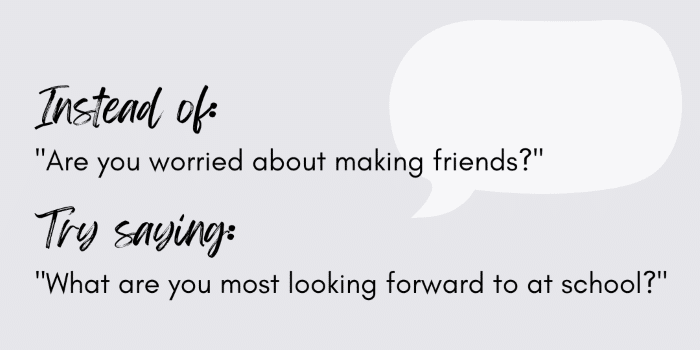
Encourage kids to openly share their worries while steering the conversation in a way that emphasizes the positives.
Subtle shifts in language, as illustrated above, help kids concentrate on the positive aspects of their new environment while still allowing space for their concerns.
Identifying fears early on gives you the chance to address them directly, offering both comfort and clarity.
Highlight the Positives
Help kids focus on the aspects of school that excite them.
Take some time together to list out fun activities, favorite subjects, and friends they’re looking forward to seeing. This simple exercise can shift their focus from what they’re worried about to what they love about school.
Another helpful activity is creating a “worry jar.” It allows kids to separate their anxieties from positive thoughts, helping them see that there’s balance in their experiences.
Staying connected throughout the school day can do wonders for easing anxiety. Simple gestures, like slipping a comforting note into your child’s lunchbox or giving them a small item from home to carry with them, provide reassurance.
Small acts show kids that they’re supported and loved, even as they navigate new situations.
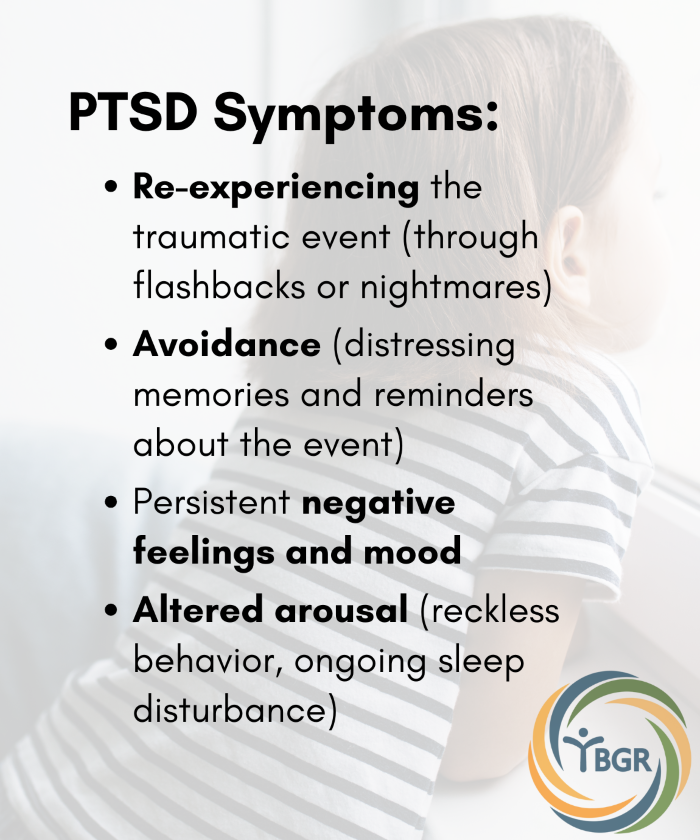
Have you heard of post-traumatic stress disorder (PTSD)? It’s a mental health condition that can develop in response to highly stressful, traumatic events.
As parents, it’s critical we know how to support children experiencing post-traumatic stress disorder and create an environment where they can feel safe and heal.
Recognizing Behavior Stemming from PTSD
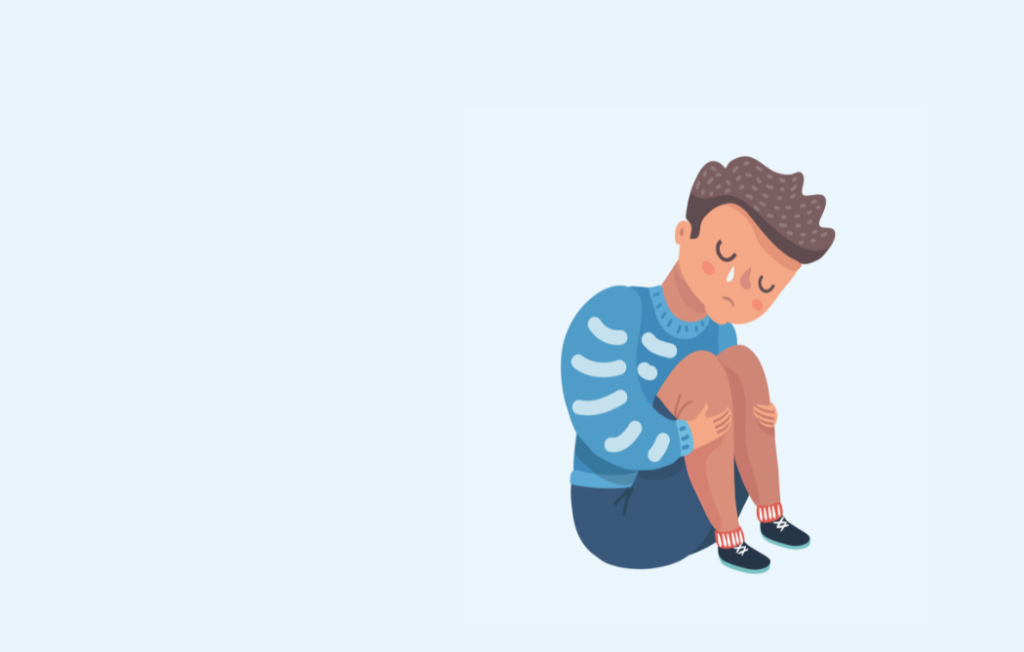
Trauma affects children’s bodies, brains, emotions, and behavior. And each child is different based on age, history, and unique personal characteristics. For example, toddlers may be clingy, middle schoolers may withdraw, and teenagers may react with aggression.
Your actions, words, or even an item in your home may trigger traumatic memories. Pay attention to what distracts or scares your child or emotions that don’t seem to fit a situation.
Be present.
Offer encouragement, reassurance, and attention in whatever way your child needs at the moment. If they want to talk about their experience, be available to listen.
Control your emotions.
When your child escalates, remain calm, lower your voice and listen. Don’t take their behavior personally or use physical punishment.
Create consistency.
Regular routines are vital to helping children feel stable and secure.
Encourage and empower.
Create positive experiences to boost self-esteem, teach relaxation techniques such as deep breathing and allow age-appropriate choices to help your child feel in control.