
Monthly Archives: January 2026

Meeting Intensity with Intention Supporting Emotional Regulation in Kids

Supporting Emotional Regulation in Kids with Boundaries, Validation, and Empathy

Meeting Intensity with Intention Supporting Emotional Regulation in Kids

When kids come in hot, it can be tempting to match their intensity—raise your voice, react quickly, try to shut things down fast.

But meeting fire with fire rarely helps. It escalates the moment and leaves everyone feeling more overwhelmed than before.

What does help is something quieter and more intentional: a clear, grounded response that slows the moment down instead of turning up the heat. This kind of response supports emotional regulation in kids as they learn how to navigate stress, frustration, and big feelings.

Why Reactions Escalate

All kids experience moments when emotions run high. When that happens, their nervous systems can shift into survival mode, making it harder to think clearly, communicate, or pause before reacting.

If adults respond with urgency, sharpness, or intensity, it can signal that the situation is unsafe or out of control. The result is often more escalation, not less.

A regulated adult response helps bring stability back into the moment—giving kids the space they need to regain control.

What Intention Looks Like in Practice: Boundary, Validation, and Empathy

Responding with intention doesn’t mean ignoring behavior or lowering expectations. It means holding boundaries while staying calm and connected.

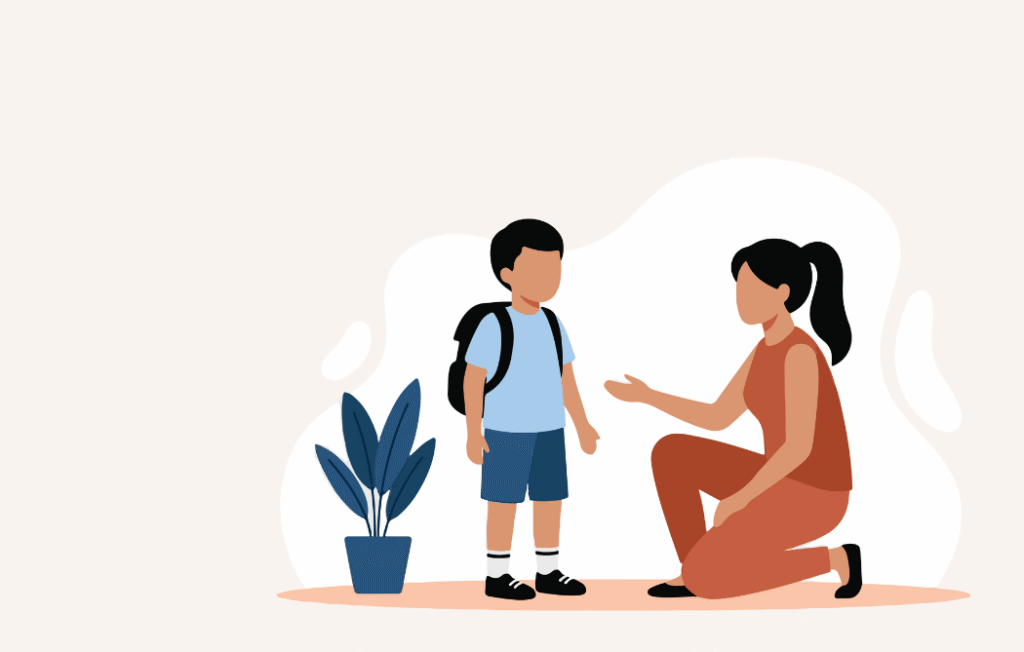
Here’s what that can look like in real time:

Boundaries

Each piece serves a purpose.

  • The boundary provides clarity and safety.
  • Validation acknowledges the child’s emotional experience.
  • Empathy helps calm the nervous system by signaling understanding.

Together, they slow the moment down and reduce the likelihood of escalation.

Why This Matters Beyond the Moment

When adults respond this way consistently, kids aren’t just getting through a hard moment—they’re building skills they’ll use throughout their lives.

They’re learning how to pause before reacting.

They’re learning how to communicate when emotions are high.

They’re learning that difficult feelings don’t have to derail relationships or outcomes.

These emotional regulation skills show up at school, in conflict, and later in adulthood. They help frustration slow down instead of turning into shutdown or aggression.

The Power of Modeling

Kids don’t learn emotional regulation because we tell them to “calm down.” They learn it by watching how the adults around them respond when things get hard.

When adults slow themselves down, kids are more likely to do the same.

Meeting intensity with intention isn’t passive. It’s purposeful. It’s choosing responses that protect connection, build skills, and create space for growth.

Want More?

Check out the rest of our blog and follow us on social media. You can find us on LinkedIn at Yellowstone Boys and Girls Ranch, Instagram at @ybgr_cares, and Facebook at YBGR and Yellowstone Boys and Girls Ranch.
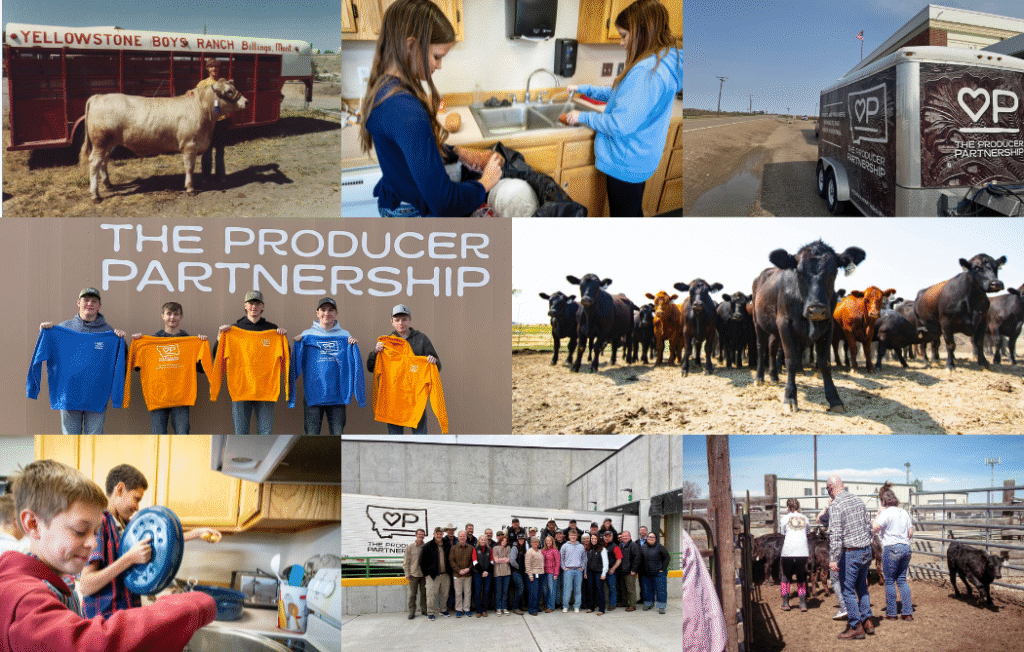
Montana-Raised Beef Now Being Served at the Ranch

Montana-Raised Beef Now Being Served at the Ranch

Montana-Raised Beef Now Being Served at the Ranch

What we put on kids’ plates plays a fundamental role in their overall wellness.

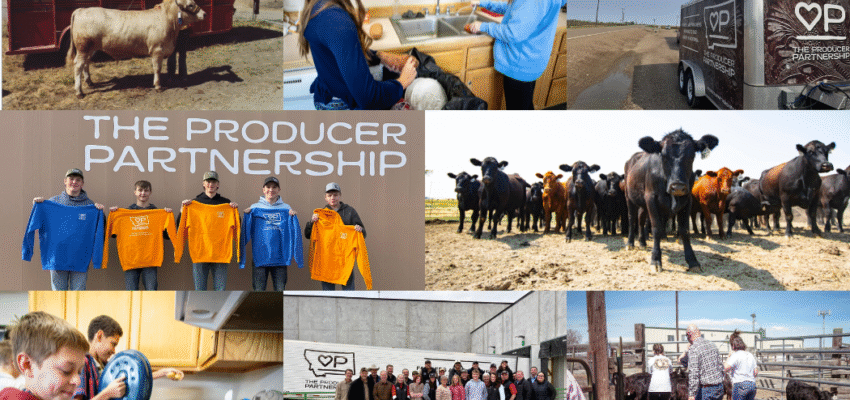
That’s why kids at the Ranch are now enjoying Montana-raised, grass-fed beef through our Homes for Heifers program. This effort is made possible by generous livestock donors and our partners at The Producer Partnership, who are processing the meat for us at no charge.

About The Producer Partnership

The Producer Partnership is the nation’s first and only USDA nonprofit-owned and operated meat processing facility, based in Livingston, that processes donated livestock into top-quality protein at no cost for nonprofits, schools, and food banks across the state.

Through this partnership, donated livestock is processed, packaged, and delivered directly to the Ranch—helping ensure kids in our care have access to nutritious, high-quality meals sourced right here in Montana.

How to Donate

Interested in donating? You don’t need to be a rancher to take part. Livestock donations can be raised personally or purchased at a local fair or livestock auction.

Here’s how to give:

Step 1: Contact The Producer Partnership

Reach out to Jeri Delys at The Producer Partnership at jeri@producerpartnership.com to submit a livestock donation (beef, pork, or lamb)—raised on your own or purchased at your local fair or livestock auction.

Step 2: Designate the Recipient

Designate Yellowstone Boys and Girls Ranch as the recipient.

Step 3: Processing & Delivery

The Producer Partnership team coordinates pickup, processing, and packaging.

Thank you to The Producer Partnership for helping turn Montana generosity into meals served right here at the Ranch—and to everyone who supports this effort.

Stay Connected

Stay tuned for our latest news updates from across Montana, and follow us on social media. You can find us on LinkedIn at Yellowstone Boys and Girls Ranch, Instagram at @ybgr_cares, and Facebook at Yellowstone Boys and Girls Ranch and YBGR.

YBGR - How to Skip Power Struggles with Kids by Saying Yes (1)

How to Skip Power Struggles with Kids by Saying Yes

YBGR - How to Skip Power Struggles with Kids by Saying Yes (1)

Want to know an easy trick to reduce power struggles, build trust, and teach kids healthy decision-making skills? It starts with saying yes!

That might sound backwards. Parents spend a lot of time saying no to keep kids safe and on track. But the way we say no often sparks the very battles we’re trying to avoid. A slight shift in language can protect the boundary and keep the relationship steady.

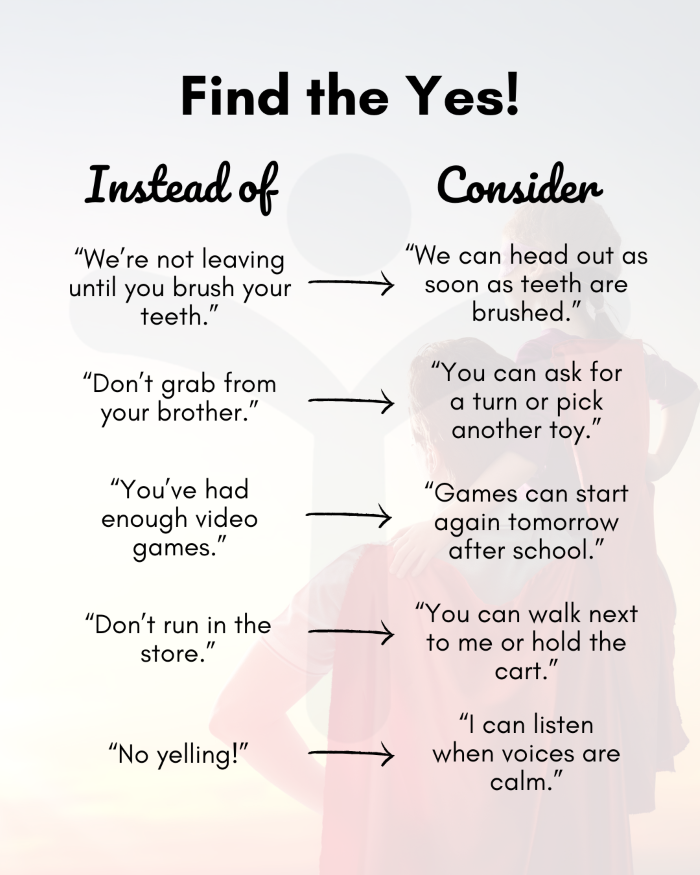
Check out the graphic below to see how a simple change in wording can help you set limits while giving kids a path forward.

Find the Yes

Why “Finding the Yes” Works

Kids have very little control over their daily lives. Adults decide when they wake up, where they go, what they eat, and how they spend their time. That lack of control can show up as arguing, stalling, or big reactions to small requests.

When we only say no, kids hear a door slam shut—when we “find the yes,” we leave a door open.

The boundary stays the same, but the message changes from:

“You can’t” → to → “Here’s how you can.”

That difference helps kids feel empowered instead of powerless.

What This Teaches Children

This approach does more than stop a meltdown in the moment. It builds skills kids will use for life:

  • How to handle limits without losing connection
  • How to make choices within boundaries
  • How to delay gratification
  • How to solve problems instead of digging in

How to Try It Today

Here’s how to try the “find the yes” technique today:

1. Hold the boundary.

You don’t need to give in to be kind.

2. Offer a path to yes.

Tell your child what can happen and when.

3. Keep your tone steady.

The magic is in calm, confident delivery.

Remember, even one sentence can change the direction of an interaction.

Want More?

Check out the rest of our blog and follow us on social media. You can find us on LinkedIn at Yellowstone Boys and Girls Ranch, Instagram at @ybgr_cares, and Facebook at YBGR and Yellowstone Boys and Girls Ranch.